
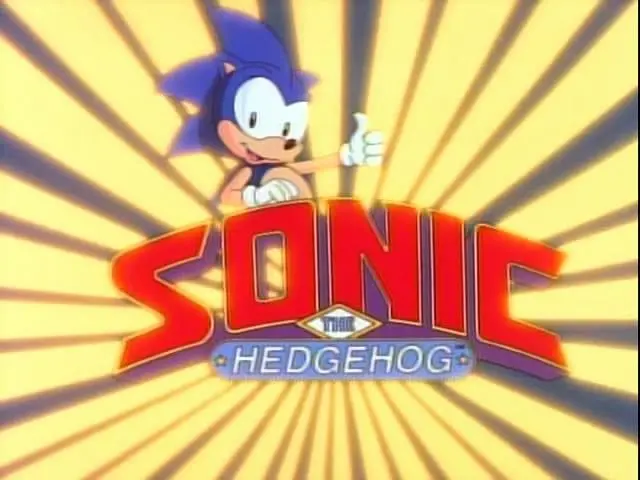
 SatAM · ABC · 1993–1995 | |
| Also known as | SatAM (‘Saturday AM’) |
| Network | ABC (United States) CTV (Canada) |
| First aired | September 18, 1993 |
| Seasons | 2 · Season 1 (1993) · Season 2 (1994) |
| Episodes | 26 (13 per season) |
| Last new episode | December 3, 1994 |
| Run ended | June 3, 1995 (ABC) September 2, 1995 (CTV) |
| Made by | DiC Entertainment |
| Writers | Len Janson (supervising producer and story editor); Ben Hurst and Pat Allee (associate story editors) – Hurst was Season 2’s head writer |
| Theme | “The Fastest Thing Alive” |
| Later airings | USA Network, USA Action Extreme Team, June 1997 – January 1998 (edited) Netflix (from 2012), Starz (from 2016), MeTV Toons (from 21 September 2026) |
| DVD | Four-disk box set from Shout! Factory, March 27, 2007; NCircle Entertainment, 2023 |
What is "SatAM"? You’ve probably seen that word around the internet and here on Sonic Scene, but wonder what it means. It stands for ‘Saturday AM’ ("Saturday Morning"), and refers to the Sonic the Hedgehog cartoon show that aired on the ABC Network in the United States from 1993 to 1995, and on the CTV Network in Canada. The show differed from its contemporary Sonic the Hedgehog cartoon in syndication, Adventures of Sonic the Hedgehog ("AoStH") in that it had a far more serious tone, compared to the slapstick insanity and humourous nature of AoStH.
- 2seasons on ABC, 1993–1995
- 1993debut on ABC and CTV, September 18
- 2007four-disk DVD box set from Shout! Factory
Seasons & Episode Guides
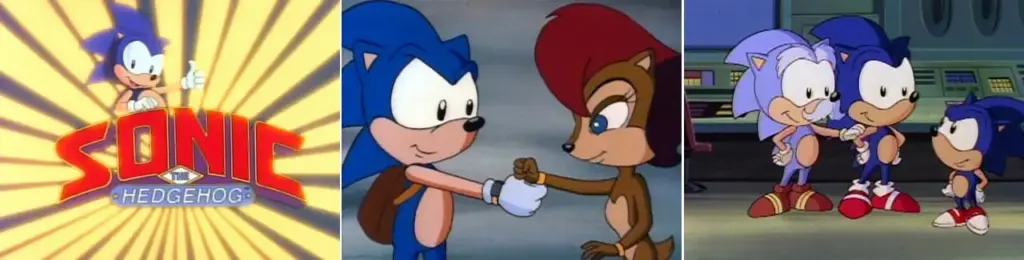
 Season 1 (1993)13 episodes, 18 Sep – 11 Dec 1993. Episode guide, characters, Vault model sheets, VHS & DVD.
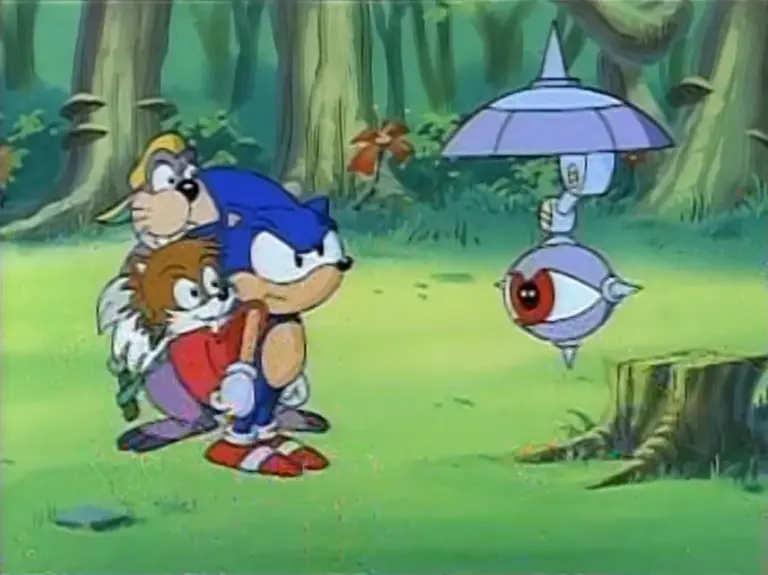
 Season 2 (1994)13 episodes, 10 Sep – 3 Dec 1994, ending with The Doomsday Project. Episode guide, characters, The Void outlines, DVDs and the Season 3 that never was.
Season 1 episodes: Heads or Tails · Sonic Boom · Sonic and Sally · Ultra Sonic · Sonic and the Secret Scrolls · Super Sonic · Sonic Racer · Harmonic Sonic · Hooked on Sonics · Sonic’s Nightmare · Warp Sonic · Sub-Sonic · Sonic Past Cool
Season 2 episodes: Game Guy · Sonic Conversion · No Brainer · Blast to the Past, Part 1 · Blast to the Past, Part 2 · Fed Up with Antoine / Ghost Busted · Dulcy · The Void · The Odd Couple / Ro-Becca · Cry of the Wolf · Drood Henge · Spyhog · The Doomsday Project
Plot overview: What SatAM is about
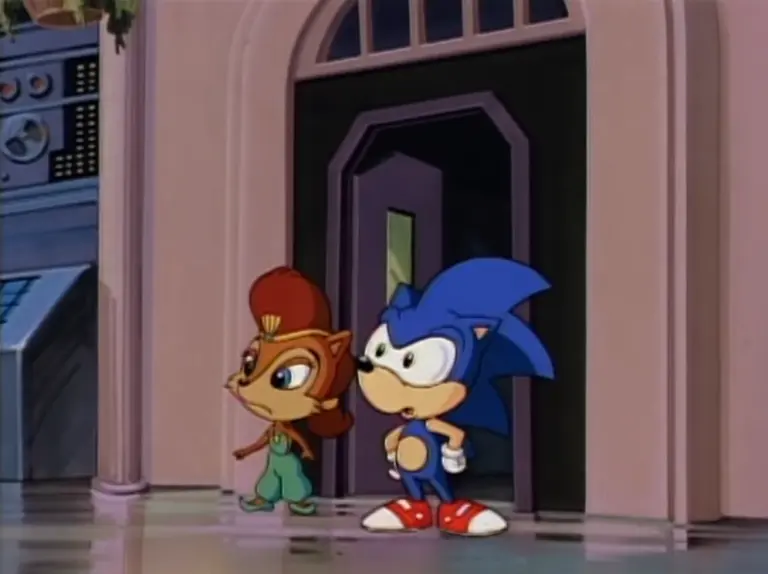
SatAM is about a group of forest-dwelling freedom fighters waging open guerilla warfare against the tyrannical Doctor Robotnik in the industrial city of Mobotropolis, from their hidden location, Knothole Village. They call themselves the "Freedom Fighters", and are loyal to the missing and overthrown King Acorn. Doctor Robotnik was originally the Minister of War for the Kingdom, but had hijacked Sir Charles’ Roboticizer, a machine that turns people into robots. It was meant to help older, ill, and injured people live longer, but it changed them by taking away their will. Sir Charles then destroyed the roboticizer, but not before Robotnik stole the plans for it, and overthrew the king with his army of robots. The king was banished to the Void, along with former Royal Wizard Ixis Naugus. The Freedom Fighters fled to Knothole Village, hidden deep within the Great Forest, doing raids and damage on Robotnik’s infrastructure. They managed to cripple his factories several times, and linked up with other freedom fighter groups, such as Lupe’s Wolf Pack. Their final confrontation was when they destroyed the Doomsday Machine, a building-sized assembly line of Destroyer Pods, toppling Robotnik.
Portions by Ronic12
The name "SatAM" was created by the fans of the show to describe the 1993-1995 ABC Saturday Morning "Sonic The Hedgehog" animated television series based off the SEGA video game character, as well as to differentiate it from the other Sonic the Hedgehog cartoon that was airing at the time in Syndication, "AoStH" (Adventures of Sonic the Hedgehog), also starring Sonic). SatAM offers a look at a war between the heroic Knothole Freedom Fighters of Mobius, and the sadistic tyranny of the dictator Dr. Robotnik. The Freedom Fighters consist partly of the champion of the cause, Sonic, and the Princess of Mobius, Sally, while the forces of evil under the dictator Robotnik are mostly composed of Snively and various robots made in factories that constantly pollute the planet.
It was made by animation powerhouse DiC Entertainment, and its debut occurred on Saturday Morning, September 18, 1993, on the ABC Television Network in the United States, as well as the CTV Television Network in Canada (who were simulcasting many shows on the ABC lineup as well). The show’s run would last for 2 seasons, with the last episode airing for the first time on Saturday, December 3, 1994, and came to its end on June 3, 1995, on ABC, and on September 2, 1995 on CTV. The show’s second season ended on a cliffhanger because a third season was planned to be animated, but those plans were shelved – a story of new owners at ABC and a legal fight between Sega and DiC. It later resurfaced in edited form in USA Network’s USA Action Extreme Team block (June 1997 – January 1998), and has since turned up on Netflix, on Starz and, from September 2026, on MeTV Toons.
Ever since the last new episode aired in December 1994, the show’s absence has had its fans talk about what would have happened if a third season was ever made, and has helped to keep the spirit of the show alive. In the years after it ended, the head writer of the show, Ben Hurst (1951–2010, though Wikipedia gives 2011), talked with the fans online, and the whole show has been released on DVD (in 2007 and again in 2023) and put online by WildBrain. It has even been re-broadcast in many other countries around the world too. Whatever the future of the show may be, it will still have its loyal fans, ready to do what they can to make sure the tales of the Knothole Freedom Fighters isn’t forgotten to the mists of time.
Characters
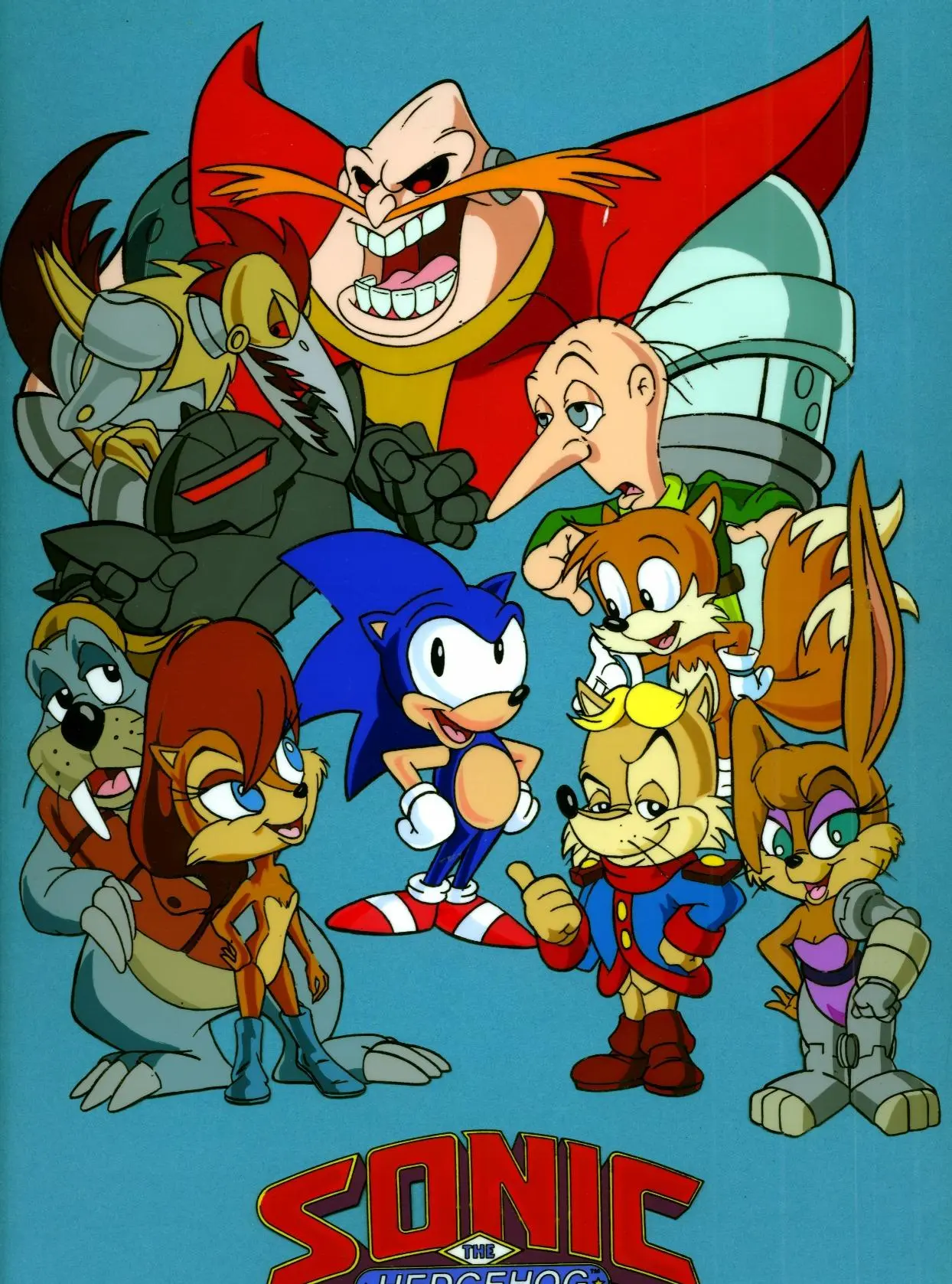
The characters of SatAM were mainly members of groups, listed below:
Knothole Freedom Fighters
- Sonic the Hedgehog
- Princess Sally Acorn
- Antoine D’Coolette (called Antoine Depardieu in Archie’s comics)
- Bunnie Rabbot
- Rotor the Walrus
- Miles "Tails" Prower
- Dulcy
The Wolf Pack
- Lupe
Other characters
- Lazar
- Griff
- Ari
- Dirk
- King Acorn
- Sir Charles "Uncle Chuck" Hedgehog
Villains
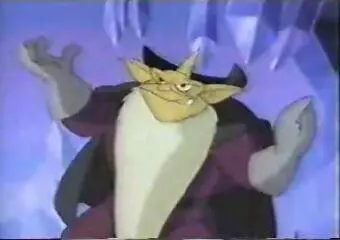
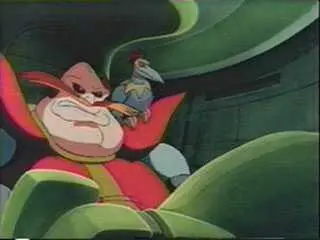
- Doctor Robotnik
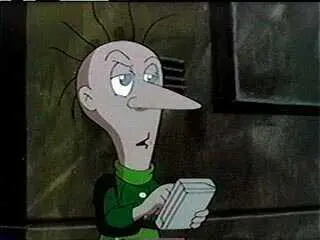
- Snively
- Cluck
- Ixis Naugus
Cast
Main Characters
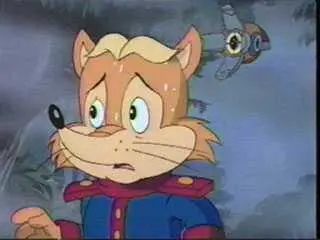

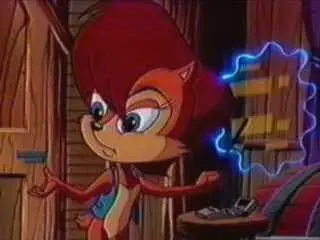
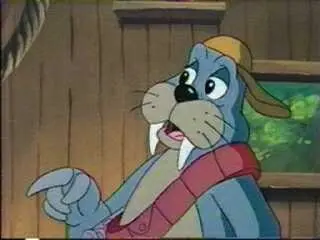
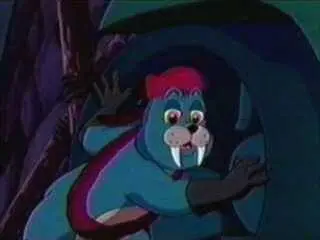
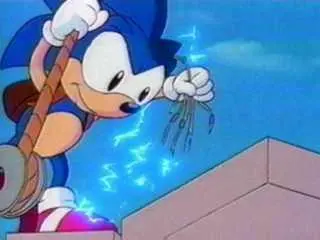
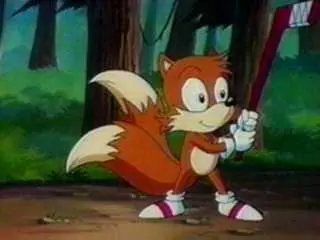
Other Characters
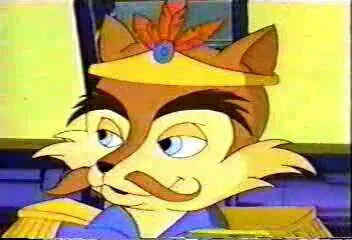
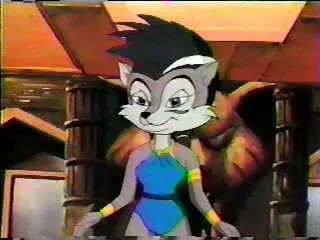
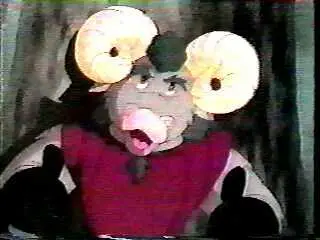

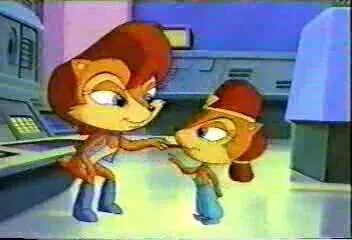
Villains
Credits
Sonic SatAM Credits: (Special Thanks, Ronic!)
S1: Worked Season 1
S2: Worked Season 2
BS: Worked Both Seasons
Show the full SatAM credits
Executive Producers:
Andy Heyward (BS)
Robby London (BS)
Supervising Producer-Story Editor:
Len Janson (BS)
Produced & Directed By:
John Grusd (Pilot Only)
Dick Sebast (S1)
Ron Myrick (S2)
Executive in Charge Of Production:
Brian A. Miller (BS)
Production Supervisor:
Stacey Gallishaw (BS)
Associate Producer:
Kent Meredith (S1)
Antran Manoogian (S1)
Jennifer Pelphrey (S2)
Production Coordinators:
Alice Alonzo (BS)
Antran Manoogian (S1)
Helen Brennick (S1)
Production Assistant (Pilot Only):
Joshua Lou Friedman
Assisted By:
RaNae Bonella (BS)
Casting:
Marsha Goodman (BS)
Virginia K. (Ginny) McSwain (BS)
Voice Director:
Virginia K. (Ginny) McSwain (BS)
Talent Coordinator:
Stephanie McCorkle (BS)
Voices (Main Cast):
Jaleel White as Sonic (BS)
Kath Soucie as Sally/Nicole (uncredited as Nicole) (BS)
Bradley Pierce as Miles "Tails" Prower (BS)
Christine Cavanaugh as Bunnie Rabbot (BS)
Jim Cummings as Dr. Robotnik (BS)
Charlie Adler as Snively (BS)
Rob Paulsen as Antoine D’Coolette (BS)
Mark Ballou as Rotor the Walrus (S1)
Cam Brainard as Rotor the Walrus (S2)
Cree Summer (as Cree Summer Francks) as Dulcy the Dragon (S2)
William Windom as Uncle Chuck (S1 Guest; S2 Regular)
Credited Additional Voices:
Shari Belafonte as Lupe (S2)
Tim Curry as King Acorn (S2)
Dorian Harewood as Ari (S2)
Dana Hill as Young Sally (S2)
Tahj Mowry as Young Sonic (S2)
William Windom as Cat (S1)
Michael Bell as Naugus (S2)
Uncredited Additional Voices:
Crystal Cooke (S2)
David Doyle (S1)
Dave Fennoy (S2)
Alaina Reed Hall (S2)
Gaille Heindenmann (S1)
John Kassir (S2)
Katie Leigh (S2)
Nancy Linari (S2)
Victor Love (S2)
Danny Mann (S1)
Jason Marsden (S1)
Hal Rayle (S2)
Lindsay Ridgeway (S2)
Charlie Schlatter (S1)
Frank Welker (S1)
April Winchell (S2)
Series Writers:
Patricia Allee (BS)
Jules Dennis (S1)
Janis Diamond (S1)
Benjamin Hurst (BS)
Len Janson (BS)
Kayte Kuch (S1)
Randy Rogel (S1)
Frank Santopadre (S1)
Sheryl Scarborough (S1)
Barbara Slade (S1)
Matt Uitz (S1)
David Villaire (S1)
Creative Supervisors:
Andy Heyward (BS)
Mike Maliani (BS)
Associate Story Editors:
Patricia Allee (BS)
Benjamin Hurst (BS)
Script Coordinator:
Lori Crawford (BS)
Script Assistants:
Kevin Donahue (BS)
Penny Lee (BS)
William A. Ruiz (BS)
Stacy Sibley (BS)
Director Of Research:
Renee Toporzysek (BS)
Art Director:
John Grusd (Pilot Only)
Dene A. Ross (S2)
Character Design:
Ken Kinoshita (S1)
Denise Shimabukuro (Pilot Only)
Gary Paul Terry (Pilot Only)
Creative Capers (Pilot Only)
George Goodchild (S2)
Mark Rubinchik (S2)
Prop Design:
Warren Manser (Pilot Only)
Brad Morris (BS)
Wayne Schultz (Pilot Only)
Vadim Sokolov (S2)
Background Design:
Enzo Baldi (S1)
E.R. Cruz (S2)
Drew Gentle (S2)
Gilbert W. Hung (S2)
Ron Roesch (S2)
Vladimir Spasojevic (S1)
Glen Tarnowski (Pilot Only)
Dean Thompson (S2)
Color Background Painters:
Stephen Lee (Pilot Only)
Sai Ping Lok (S1)
Junn Roca (BS)
Teri Shikasho (Pilot Only)
Lin Hua Zheng (S2)
Main Title Layouts (S1 Only):
Dick Sebast
Clint Taylor
Main Title Storyboard (S1 Only):
Dick Sebast
Main Title Background Painters (S1 Only):
William Dely
Sung Woo Hong
Abel Laxamana
Sai Ping Lok
Color Key Artists:
Derdad Aghamalian (Pilot Only)
Kathrin Drorian (BS)
Cathy O’Leary (S1)
Tina Oliva (Pilot Only)
Cel Painters:
Josephine Contreras (S2)
Christine Miller (S2)
Jose Alfonso Perez (S1)
Robert ‘Bob’ Watts (BS)
Storyboards By:
Mike Bennett (S2)
George Booker (S1)
Kuni Bowen (S1)
Dan Fausett (BS)
Karl Fischer (S2)
Owen Fitzgerald (S2)
Kevin Gollaher (S2)
Joe Horne (S2)
Elaine Hultgren (S2)
Scott Jorgensen (BS)
Dan Kubat (S1)
Art Mawhinney (BS)
Doug Murphy (S1)
Lane Raichert (BS)
Chris Ratowski (S1)
Dave Rodriguez (S1)
Keith Sargent (S2)
Clint Taylor (BS)
Karl Toerge (S2)
Scott Wood (S2)
Storyboard Supervisor:
Michael Swanigan (Pilot Only)
Clint Taylor (S1)
Gary Paul Terry (Pilot Only)
Joseph P. Dempsey (S2)
Storyboard Revisions:
Pat Agnasin (S2)
Brian Chin (S1)
E.R. Cruz (S2)
George Lafayette (S2)
Rusty Olson (S2)
Mark Page (S2)
Mark Rubinchik (S2)
Steve Simone (S2)
Todd White (S2)
Charlie Zembillas (S1)
Storyboard Slugging:
Kent Butterworth (S2)
Vincent Davis (S1)
Robert G. Hathcock Jr. (S1)
Walt Kubiak (S2)
Marsh Lamore (S1)
Michel Lyman (S1)
Ron Myrick (S2)
Dick Sebast (S1)
Richard Trueblood (S1)
Layout By (Pilot Only):
STUDIO B.
Layout Supervisor (S1 Only):
Clint Taylor
Animation Timing:
Max Becraft (S1)
Kent Butterworth (BS)
John Cataldi (S1)
Rudy Cataldi (S1)
Zeon Davush (S2)
Mark Glamack (S2)
Robert G. Hathcock Jr. (S1)
Walt Kubiak (S2)
Michel Lyman (S1)
Warren Marshall (S2)
Marlene May (S2)
Ron Myrick (S2)
Brenda Piluso (S2)
Jim Simon (S2)
Richard Trueblood (BS)
Bob Tyler (S2)
James West (S2)
Bernie Wolfe (S2)
Music Editor:
Pete Fausone (S1)
Steve Griffen (S1)
Stuart Goetz (S2)
Music Supervisor:
Joanne Miller (BS)
Main Title Theme ("The Fastest Thing Alive"):
NOISY NEIGHBORS Productions
Music by:
Matt Muhoberac (S2)
Michael Tavera (BS; just additional music in S2)
John Zuker (S2)
Executive In Charge Of Post Production (S2 Only):
Kevin McLaughlin
Post Production Supervisor (S1 Only):
Richard S. Gannon (assisted by Kimberly C. Francis)
Post Production Coordinator (S2 Only):
Kathleen Mary O’Hara
Administrative Assistant:
Ted Supa (BS)
Supervising Editor:
Gregory K. Bowron (BS)
Picture/Film Editors:
Richard Allen (BS)
Richard Bruce Elliott (BS)
Ron Fedele (BS)
C.K. Horness (S2)
Donald P. Zappala (BS)
Assistant Picture Editor (S2 Only):
Kris Gilpin
Supervising Sound Engineer:
Michael J. Cowan (BS)
Dialogue Editors:
Trudy Alexander (BS)
Heather C. Elliott (BS)
Peter Tomaszewicz (S1)
Format Editors (S1 Only):
C.K. Horness
Mark A. McNally
Susan Odjakjian
Post Production Sound Effects Audio (S2 Only)
Gnome Productions
Supervising Sound Effects Editor:
Michael Mancini (S1)
Bruce Nazarian m.p.s.e. (S2)
Sound Effects Editors:
Greg Beaumont (S1)
Robert Hargreaves (S1)
Jason King (S2)
Re-Recording Engineers:
Bruce Nazarian m.p.s.e. (S2)
Dennis Patterson (S2)
Hector Rosa (S1)
Videotape/post Supervisors:
Fifun A. Amini (BS)
James B. Epstein (S1)
Tonda Lark-Saska (BS)
Colorist:
Brian Borne (BS)
Video Editors (S1 Only):
Brian A. Lettieri
Karen Snyder
Dubbing Assistant (S1 Only):
Kristopher S. Daly
James B. Epstein
On-Line Editor (S2 Only):
Brian A. Lettieri
Editing Assistants:
Mel Ashkenas (Pilot Only)
Barry Bindell (BS)
Scott Cooper (S1)
Kendra D. Drapkin (BS)
Kris Gilpin (S1)
Animation Production by:
MILIMETROS DIBUJOS ANIMADOS (S1 Only)
SAE ROM PRODUCTION COMPANY LTD. (BS)
Overseas Animation Supervisor:
Doug Williams (BS)
Characters and Name Licensed From:
SEGA OF AMERICA INC. 1992
© 1993 DIC ANIMATION CITY & SEGA OF AMERICA INC.
© 1994 DIC PRODUCTIONS L.P. & SEGA OF AMERICA INC.
Coproduced by RETITALIA, s.p.a. in association with TELECINCO
Video Game prototype
For the full story, see The Fabled SatAM Sonic the Hedgehog Game.

There were plans to make a video game based on SatAM in early 1993 by Sega Technical Institute. SatAM’s influence was huge, as STI thought it had enough potential to be made into a video game. A prototype video was made of the gameplay, showing sprites similar to Sonic Spinball, with graphics that would’ve certainly pushed the Mega Drive/Genesis to its limits. This video is the only thing of the aborted Sonic the Hedgehog (SatAM) video game that remains, though SatAM’s influence would live on in Sonic Mars, another aborted effort, planned for the Sega 32X before it moved to the Saturn and became Sonic X-treme. For more information on Sonic Mars, see its section on our SatAM game page.
Origins: Before SatAM
Back in 1992, animation house DiC Entertainment had approached ABC (then owned by broadcasting firm Capital Cities Communications) about doing a cartoon show adaptation of the phenomenally popular video games Sonic the Hedgehog and Sonic the Hedgehog 2. In their demo presentation, they had proposed AoStH, but the network had initially refused, citing the lack of quality from Adventures of Sonic the Hedgehog’s animation and storylines, but would reconsider if DiC Entertainment had made some changes. DiC returned with a dramatic departure from most other children-oriented shows of the time: SatAM Sonic, with its showcase of a guerilla war against the tyrannical Doctor Robotnik, led by Sonic the Hedgehog, Princess Sally Acorn, and the Freedom Fighters. The show was immediately accepted, and contracted by the end of 1992, and aired for the first time on September 18, 1993 on ABC.
Prototype
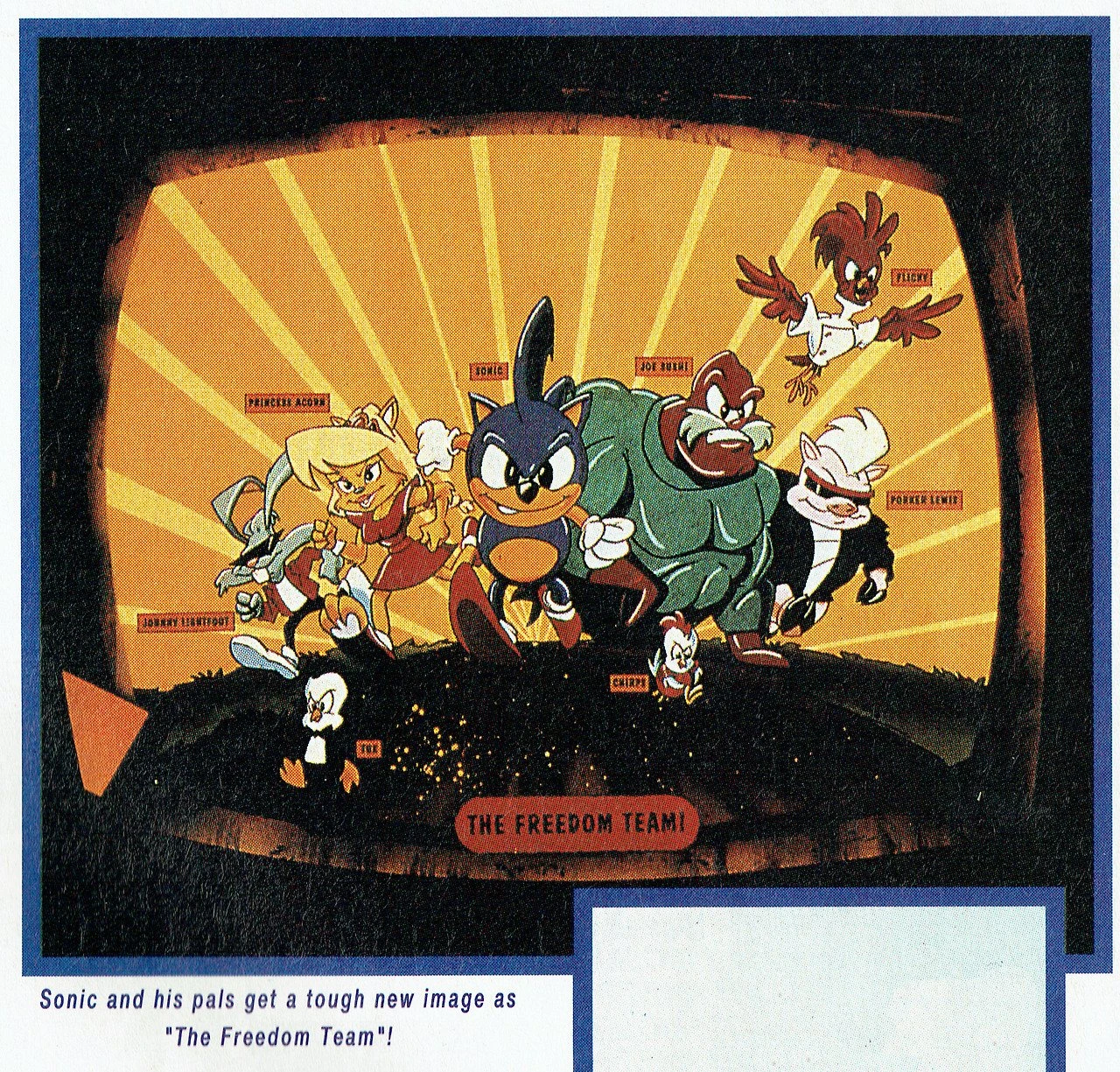
Early in 1993, before either show had aired, Sonic the Comic – Fleetway’s British comic, licensed by Sega of Europe – ran a four-page preview of the two Sonic cartoons on the way: Adventures of Sonic the Hedgehog and the Saturday-morning Sonic the Hedgehog. Mixed in with the plot outlines and concept art was a set of pictures that matched neither show. Passed around online for years, they gave fans a mystery: “Pre-SatAM”.
The pictures show a group called the Freedom Team. Apart from Sonic, its members are the little animals freed from Badniks in the first game, redrawn almost beyond recognition but keeping the names Sega’s Western marketing gave them – the same names used in the UK guidebook Stay Sonic and in Sonic the Comic – plus a Princess Acorn.
The art left its mark on Sonic the Comic, which soon gave Johnny Lightfoot and Porker Lewis humanoid bodies and leather jackets to match. Tails is nowhere to be seen, which suggests the pictures predate him. Few of the characters resemble their SatAM successors, though Luke’s original page suggested that Joe Sushi evolved into Rotor.
Judging by the pictures, the style was bright, rubbery and full of slapstick – much closer to Adventures of Sonic the Hedgehog than to SatAM. Whatever the Freedom Team was meant to be, it was rewritten from top to bottom before Sonic, Sally and the Freedom Fighters reached ABC. Sonic-HQ’s archived Before SatAM feature has more.
Power Struggles
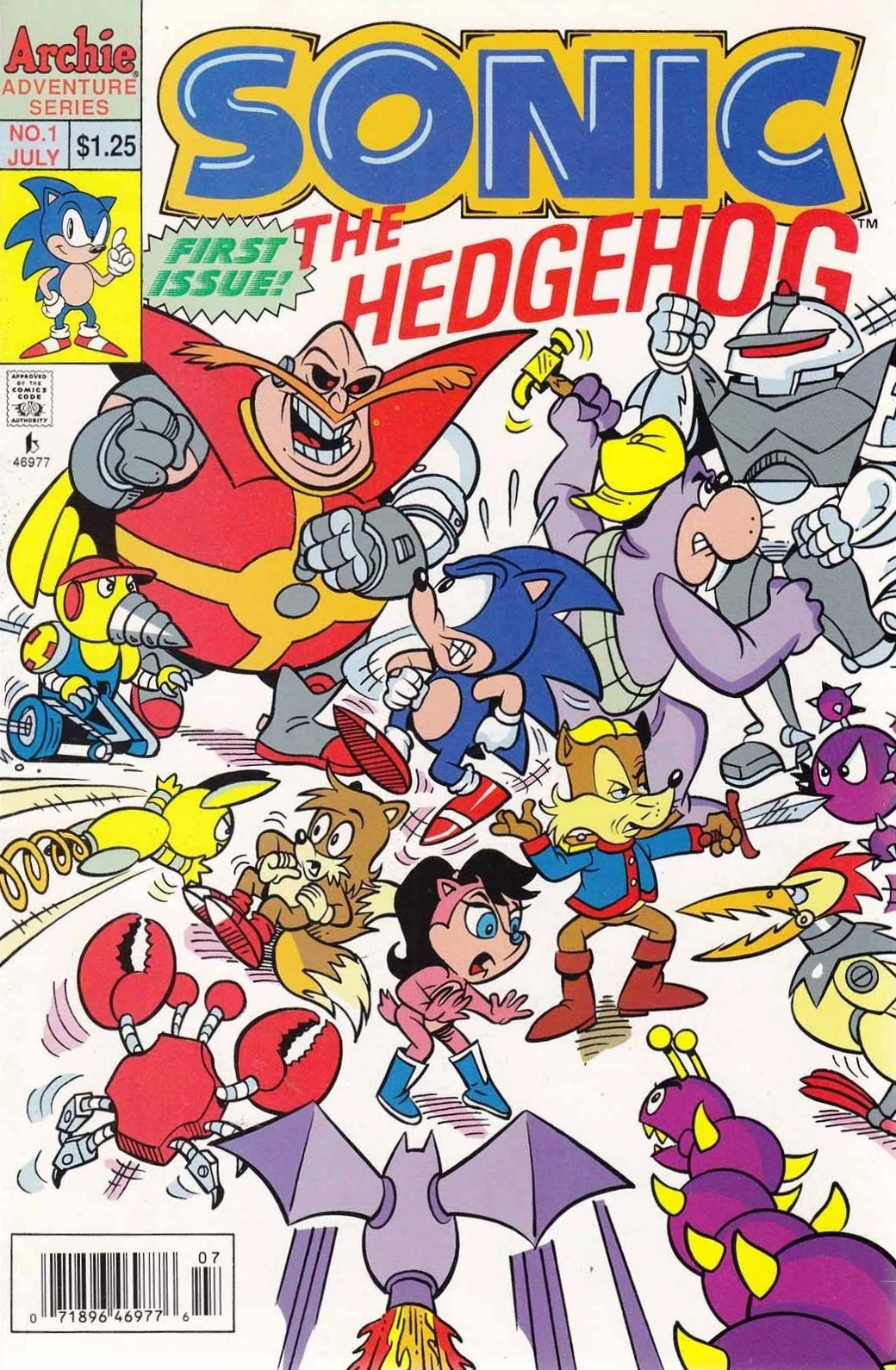
SatAM Sonic ran into problems almost from the beginning, since it was up against Fox Kids’ "white-hot" Power Rangers – the show aired at 9:00 AM Eastern in its first season and at 8:30 AM in its second. Fox Kids kept shuffling its schedule around to counter SatAM with Power Rangers, when ABC (or the ABC affiliates) would try to move it to 9:00 or 8:00 AM. The second speed-bump the show would encounter was ABC constantly pre-empting its animated cartoon block on Saturday Mornings for Saturday Morning sports, such as Football, and Basketball (particularly Big Ten Ticket Basketball in the midwest and Great Lakes), while CTV and its affiliates would run the episodes out-of-order in Canada.
The show would manage to surprisingly retain its fanbase, despite the erratic airing it received, and this is credited to the writing prowess of Len Janson, Ben Hurst, Pat Allee, the sound technicians and the animators, and its cast of voice actors. It was also during this time that the show would spawn a partial-spin-off in the form of Archie Comics’ Sonic the Hedgehog comic.
Cancellation
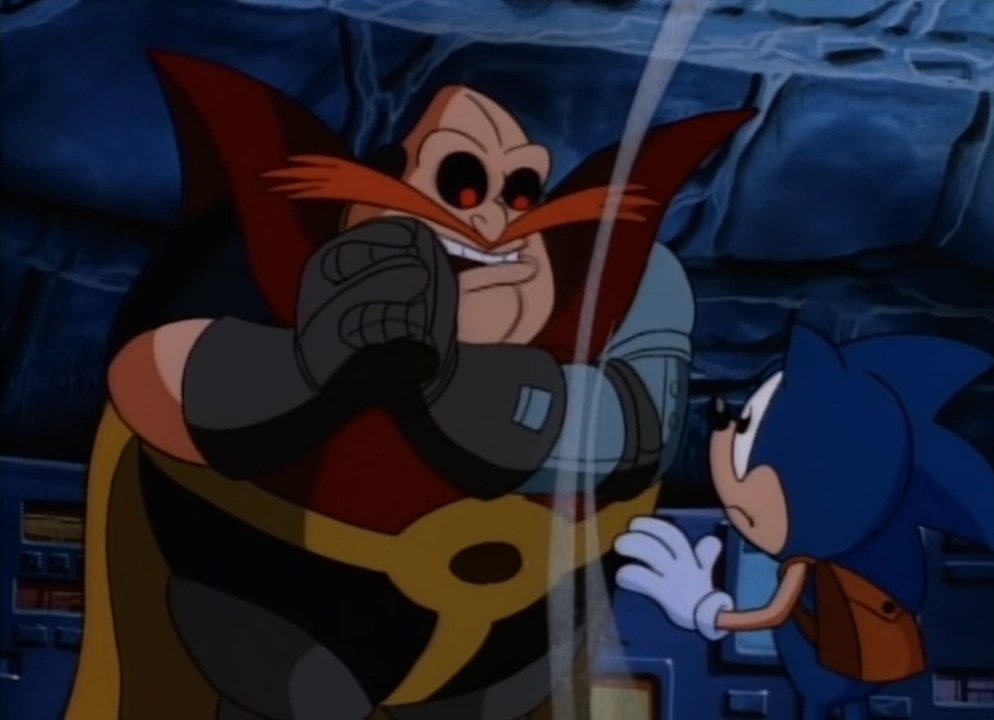
The last new episode, The Doomsday Project, aired on 3 December 1994. ABC kept SatAM in reruns until 3 June 1995, and CTV gave Canadian viewers one more summer, ending on 2 September 1995. The third season the writers had begun to outline never went into production.
Why? For years the accepted answer was the one Ben Hurst gave fans, and repeated on the 2007 DVD: sports pre-emptions, a head-to-head fight with Mighty Morphin Power Rangers, and the sale of ABC to Disney, whose new management had no interest in renewing a DiC show. Disney agreed to buy Capital Cities/ABC in July 1995 and completed the deal in February 1996 – after ABC’s last SatAM rerun – and from 1997 the network’s Saturday mornings belonged to Disney’s One Saturday Morning.
A document that surfaced in January 2025 tells a second, bigger story. Under its 1991 and 1992 agreements with DiC, Sega of America owned the shows and everything made for them, cels included. When DiC sold SatAM cels, Sega’s lawyers drew up a complaint and moved to end the contract – including the network series that would have been Season 3. Wikipedia now calls this the main reason for the cancellation and says Sega filed for an injunction in 1995; Sonic Stadium, which reported the find, points out that the document is a draft and that the outcome is not known. Hurst had always dismissed the cel story as a rumour.
Edited reruns later filled a slot in the Action Extreme Team line-up on USA Network, between June 1997 and January 1998 by Wikipedia’s dates (Sonic Retro has the run ending in 1997). Our cancellation article and airing history have the full story.
The Rumoured Third Season
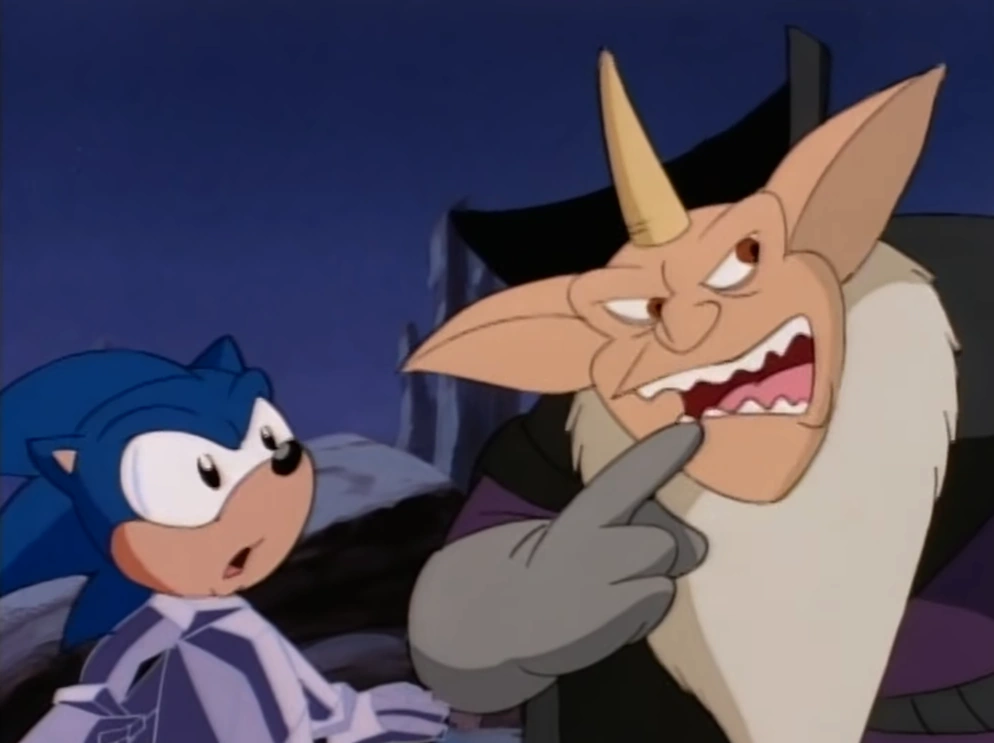
Shortly before the end, the writers had begun swapping ideas for a third season. No storyboards, cels or episodes were made; all that exists are outlines of where the story and the characters were heading.
That has not stopped fans imagining it ever since, in fan fiction and in endless speculation. Ben Hurst told fans at the Sonic Amateur Games Expo that, had the show gone on, Knuckles the Echidna would have arrived towards the end of Season 3 and become a main character in Season 4, and he said the red eyes in the final scene belonged to Naugus. For more than two decades SatAM also lived on in Archie Comics’ Sonic the Hedgehog, which adopted most of its world and characters as a spiritual successor until Archie’s Sonic comics ended in 2016–17. Our Season 2 page collects what is known about the season that never was.
Where SatAM Aired
SatAM is best known for its ABC run in the US, but it was also shown in Canada (CTV), the UK (Channel 4, The Children’s Channel, POP and ITV2), Sweden, Spain, Australia, New Zealand, Malaysia, South Korea, Japan, Taiwan and Brazil, and in edited form on USA Network. Luke’s full country-by-country list, with dates and network logos, is on our SatAM airing history page.
The Internet Years
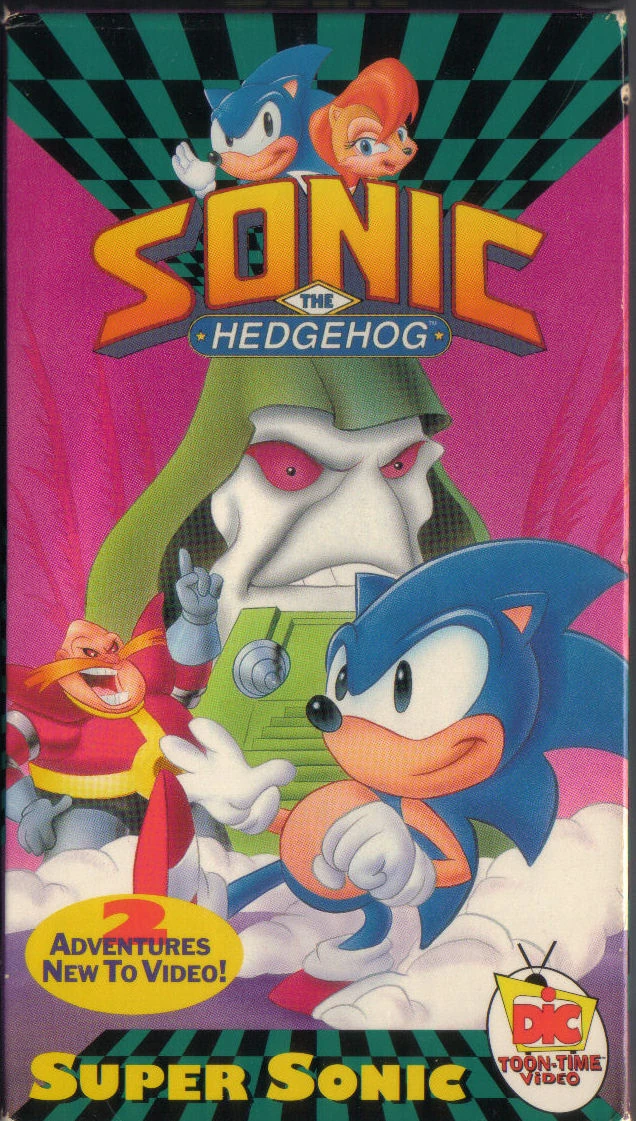
Fans lucky enough to have access to the world wide web in the early days of the internet had a cause for hope, as they began organizing in fan sites as early as 1996, with the first all-SatAM fansite (rat.org) starting up during this period. Others, such as SonicHQ, theSonicFoundation, and TeamArtail would also start up in this period, but they would not cater primarily to SatAM fans.
Lead writer Ben Hurst also answered many fans’ questions on newsgroups and internet chat rooms on where he wanted Season 3 to go, as well as whose eyes were visible at the final episode’s end (they belonged to Ixis Naugus).
Towards the end of the 1990s, there were petitions being circulated to get SatAM released onto home video (partially successful), back onto the airwaves (not successful), or into a full-length feature film (also not successful, for reasons below). Also at the end of the 1990s, fans that had recorded the entire series on VHS had begun sharing copies with friends online, after converting them onto their computers.
Revival
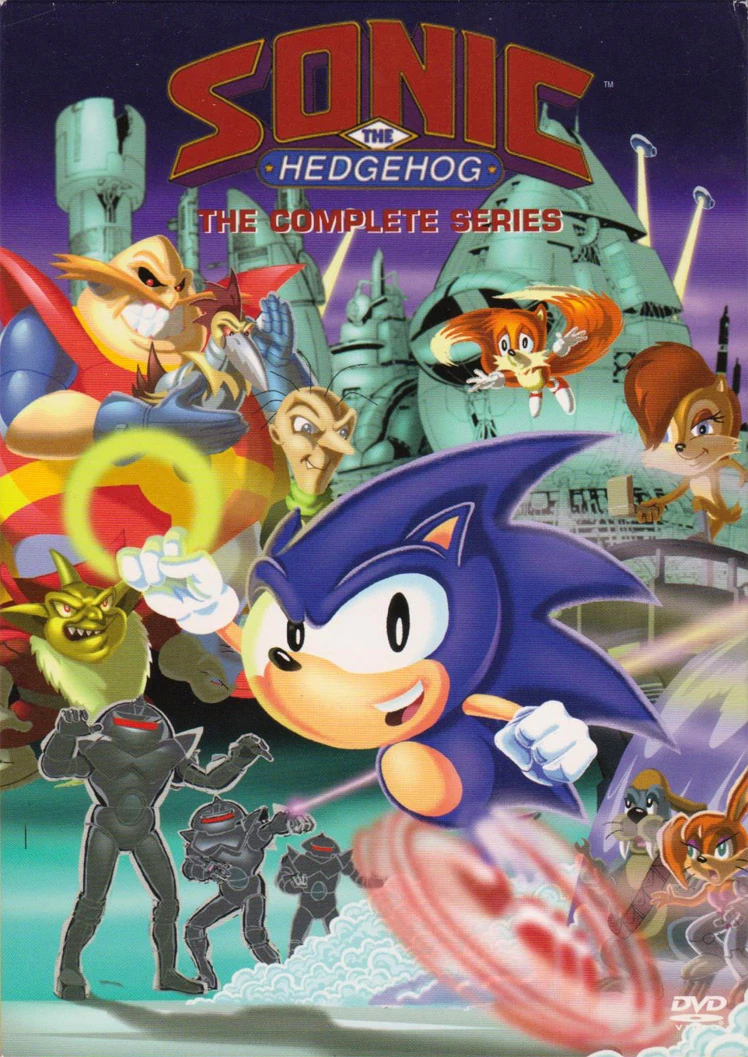
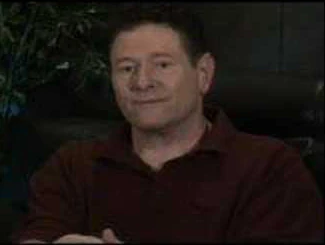
At the beginning of the new millennium, hope was starting to wane of SatAM ever returning in any form, until Shout! Factory had managed to purchase distribution rights of Sonic the Hedgehog from DiC Entertainment so they can release it on DVD home video. At first, fans were skeptical, as many cruel hoaxes like this were played in the past, but this was quickly proven to be the real deal, and Shout! Factory even had a contest held for fans to submit fan art work that would be included as the backgrounds on the box set’s interior. This four-disk boxset was released in the United States and Canada on March 27, 2007, and includes bonus interviews with Jaleel White (voice actor of Sonic the Hedgehog), and lead writer Ben Hurst, with the cover of the box set done by Ken Penders, writer and artist of the Sonic the Hedgehog comic book.
Update (November 2026): NCircle Entertainment released the complete series on DVD again in 2023, and WildBrain now streams every episode free on its official YouTube channel. Sonic finally reached cinemas in 2020 with Paramount’s live-action Sonic the Hedgehog, which is based on the games rather than on SatAM.
Relations with other Sonic the Hedgehog shows
The show was pre-dated by Adventures of Sonic the Hedgehog, with 65 episodes made in 1993, and followed by Sonic Underground, with 40 episodes first shown in 1999, all of which were made by DiC Entertainment. While many fans and even some staff (such as writer Ben Hurst) tried to turn Sonic Underground into the "third season" of SatAM (either directly, or as a spiritual successor), this was not to be, as DiC wanted to go in an entirely different direction (including music in the shows to increase their profits via music royalties), and Ben Hurst left citing difficulties working with what DiC wanted. This neatly explains why the backstories to SatAM and Sonic Underground are so similar, with Robotnik taking over quickly, driving the rightful monarch from the throne (King Acorn in SatAM, Queen Aleena in Sonic Underground) and roboticizing Uncle Chuck.
Legacy
SatAM was never a critics’ darling. On Rotten Tomatoes the first season scores 40% from five reviews; IGN’s Mark Bozon found it “so bad, it’s good”, and DVD Talk’s Todd Douglass Jr. felt it had not stood the test of time, though he rated Ultra Sonic and Blast to the Past the best of the bunch. Others were kinder. The A.V. Club’s Patrick Lee praised how far it pushed its animal heroes into loss, romance and death, and Flickering Myth’s Luke Owen thought it had aged better than its reputation.
Its legacy lies elsewhere. The world built by series creator and story editor Len Janson, Season 2 head writer Ben Hurst and Pat Allee – Knothole, Robotropolis, the Freedom Fighters and a Robotnik who means business – became the backbone of Archie’s Sonic comic for more than twenty years. Its fans, organised online since the mid-1990s, campaigned for the DVD release that finally came in 2007, and they are still arguing about Season 3 more than thirty years on. Few Saturday-morning cartoons of its era tried serialised, genuinely dark storytelling, and that is what keeps SatAM talked about.
The show’s fans are as dynamic as the show’s stories … This is a testament to the writing skills of Ben and Len, and all the other writers, all the dedicated fans that kept the show alive, and everyone else that was involved in the making of SatAM into what it is.
— Luke, from our original SatAM page
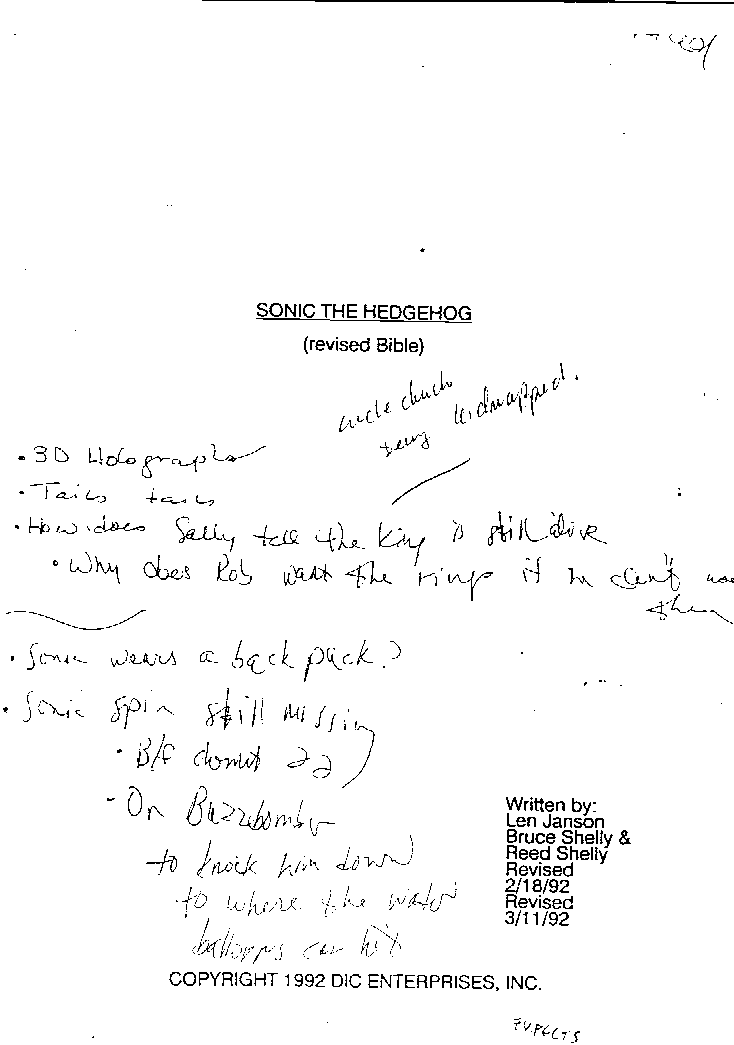
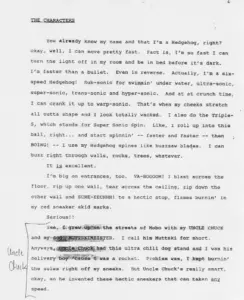
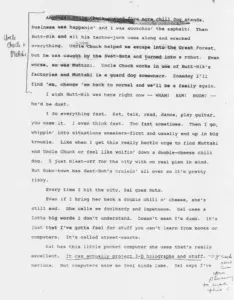
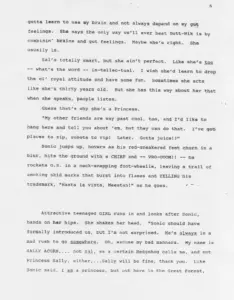
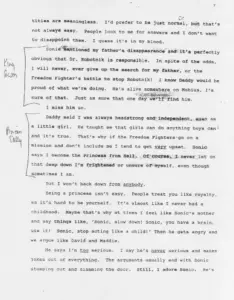
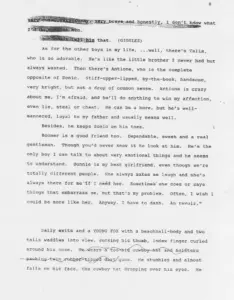
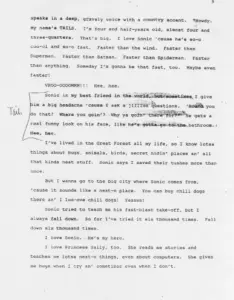
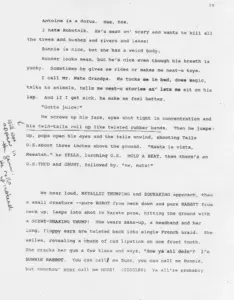
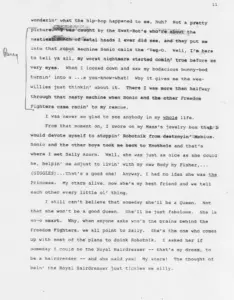
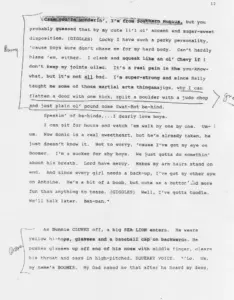
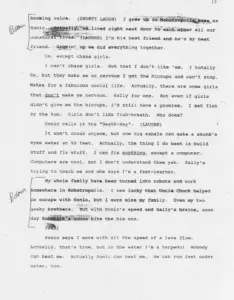
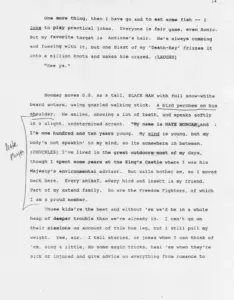
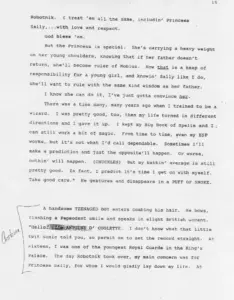
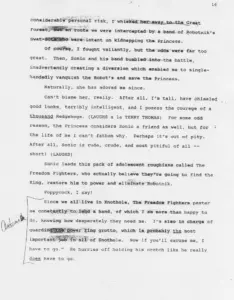
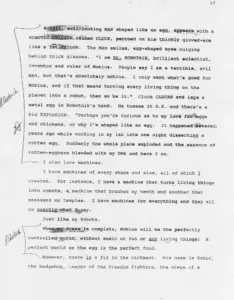
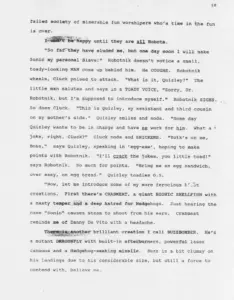
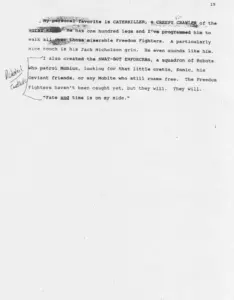
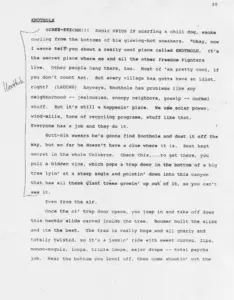
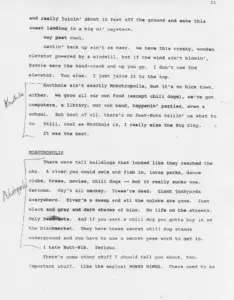
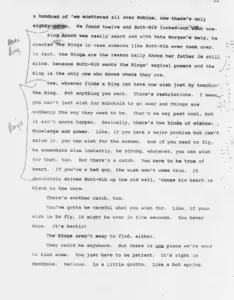
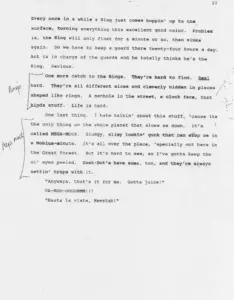
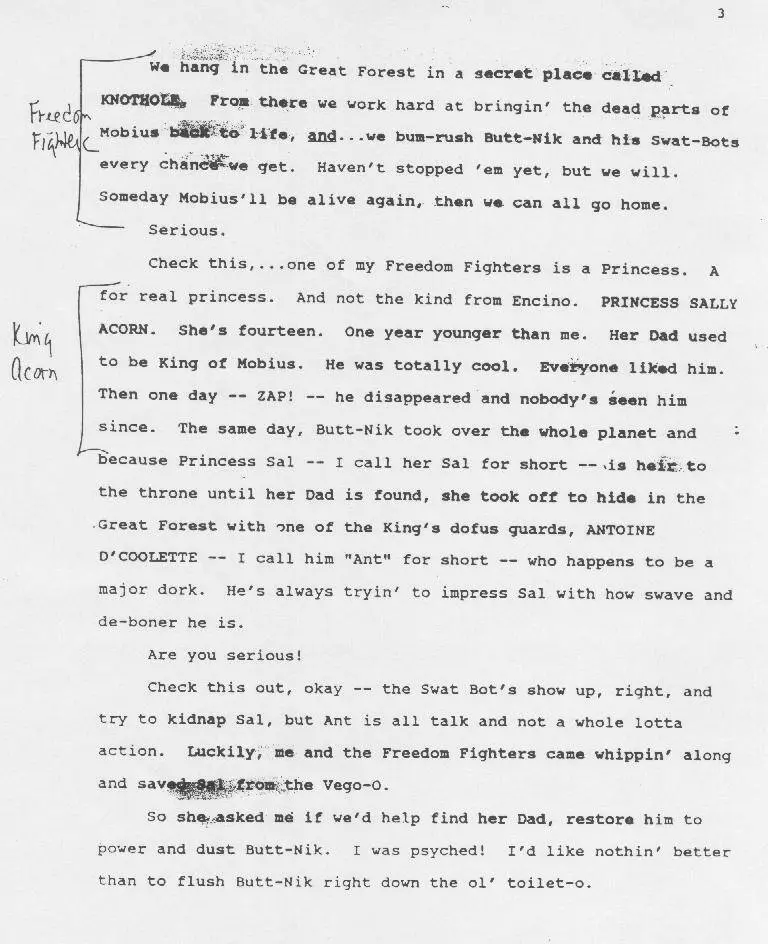
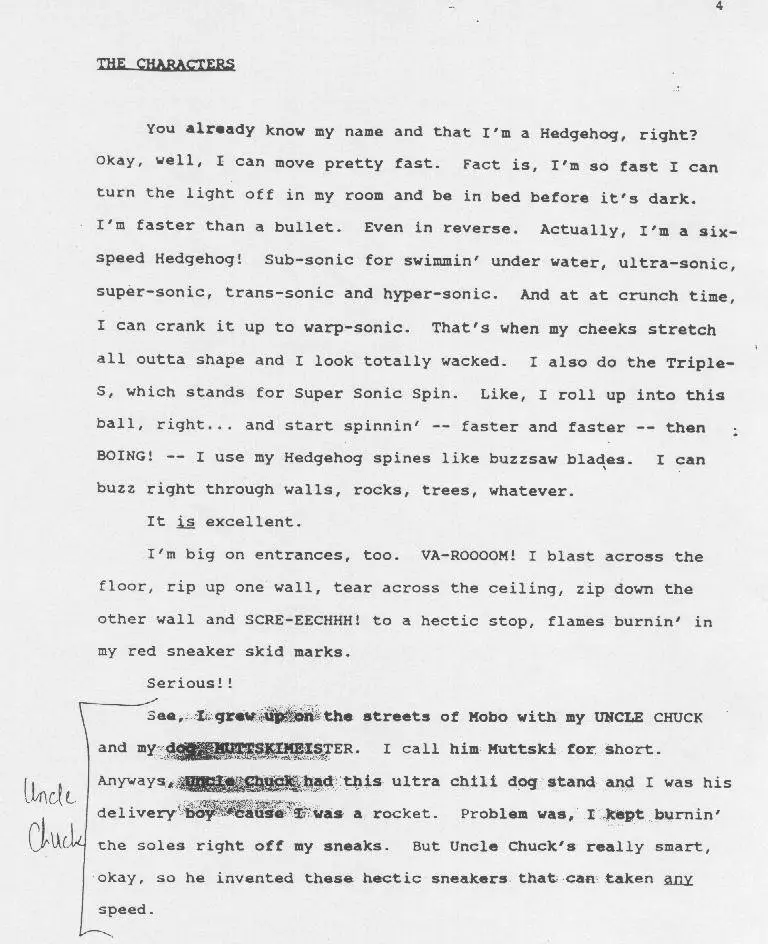
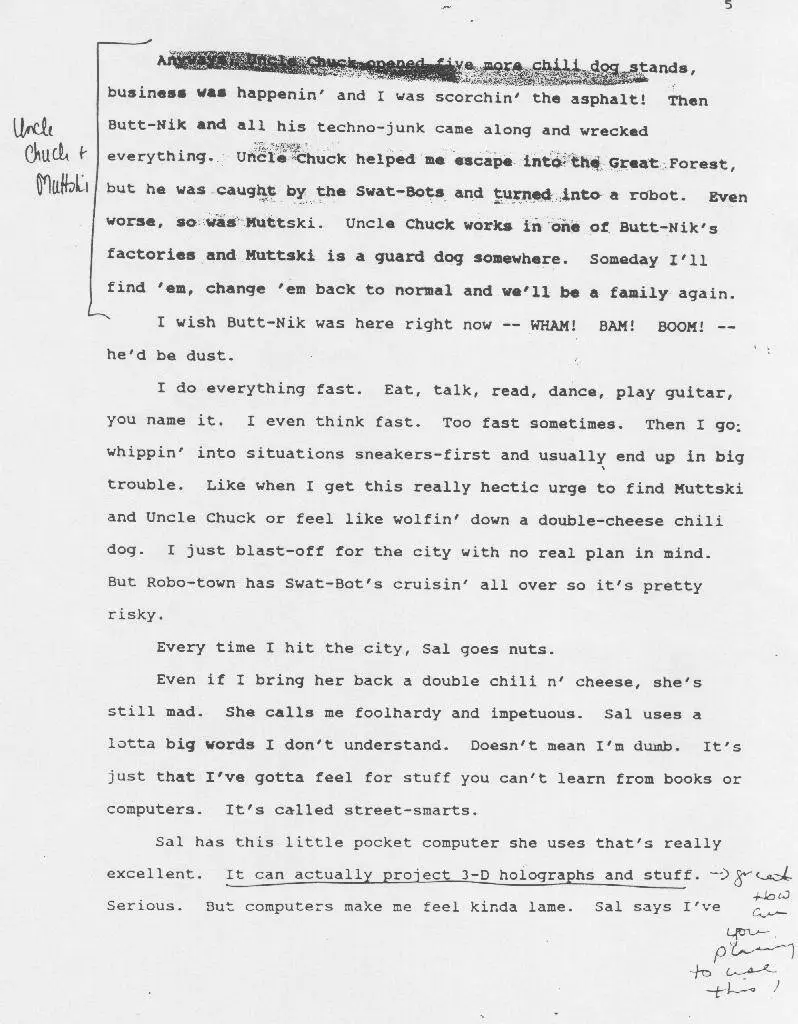
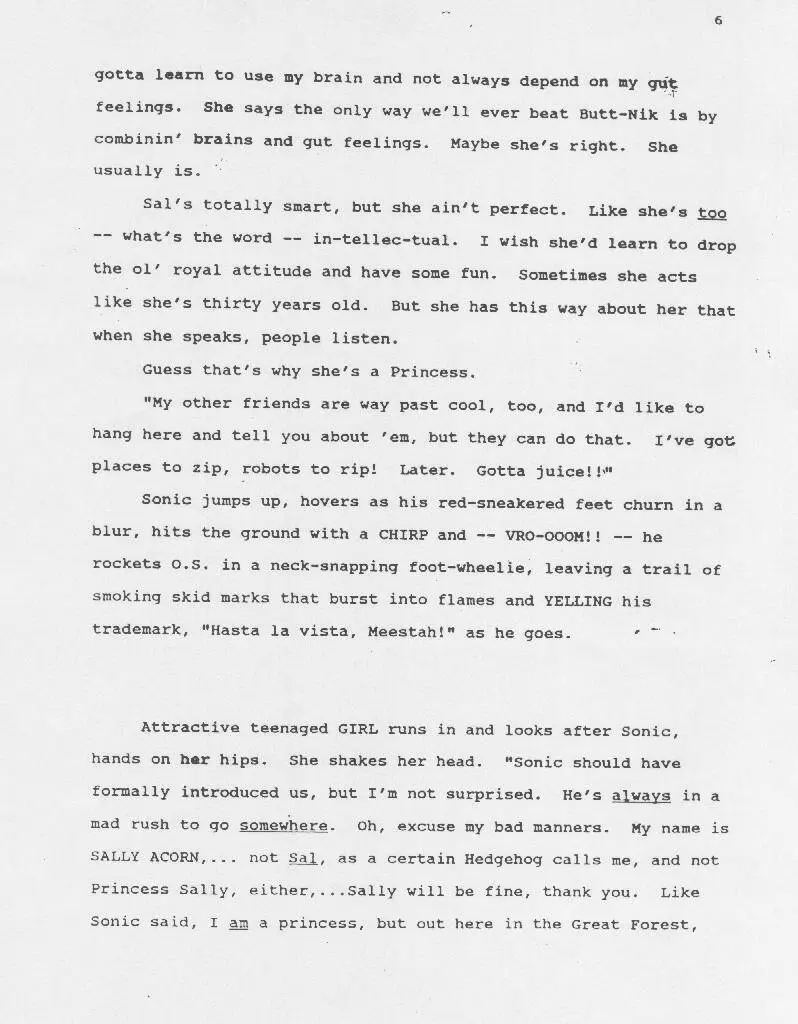
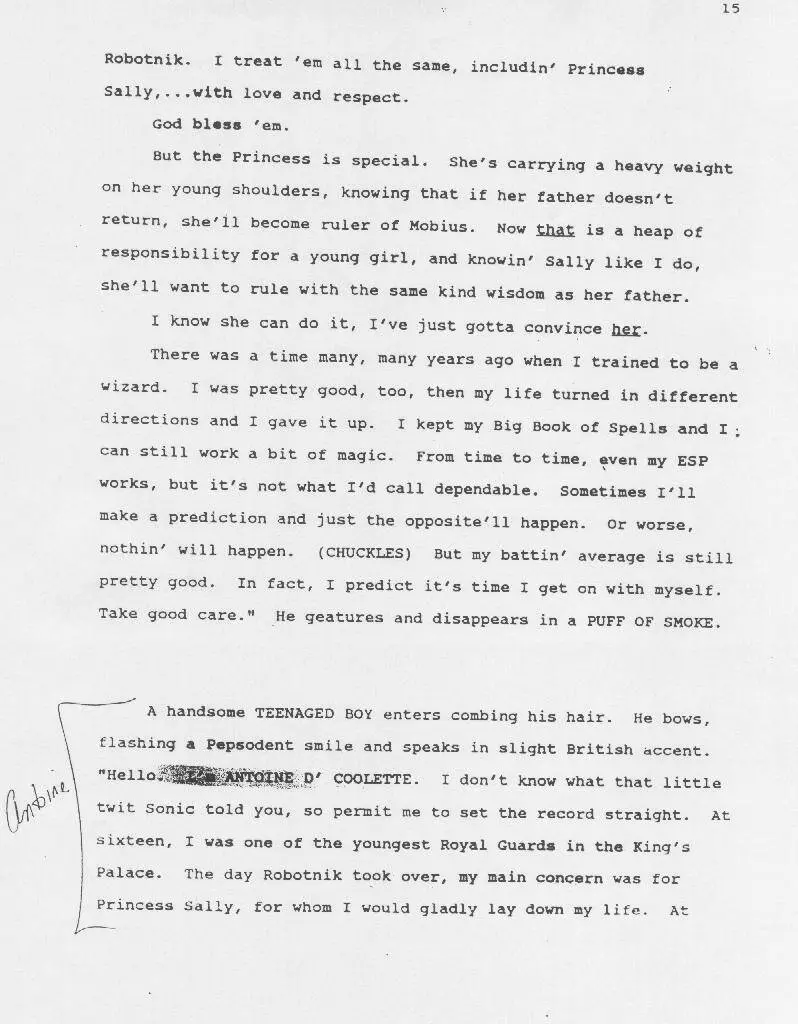
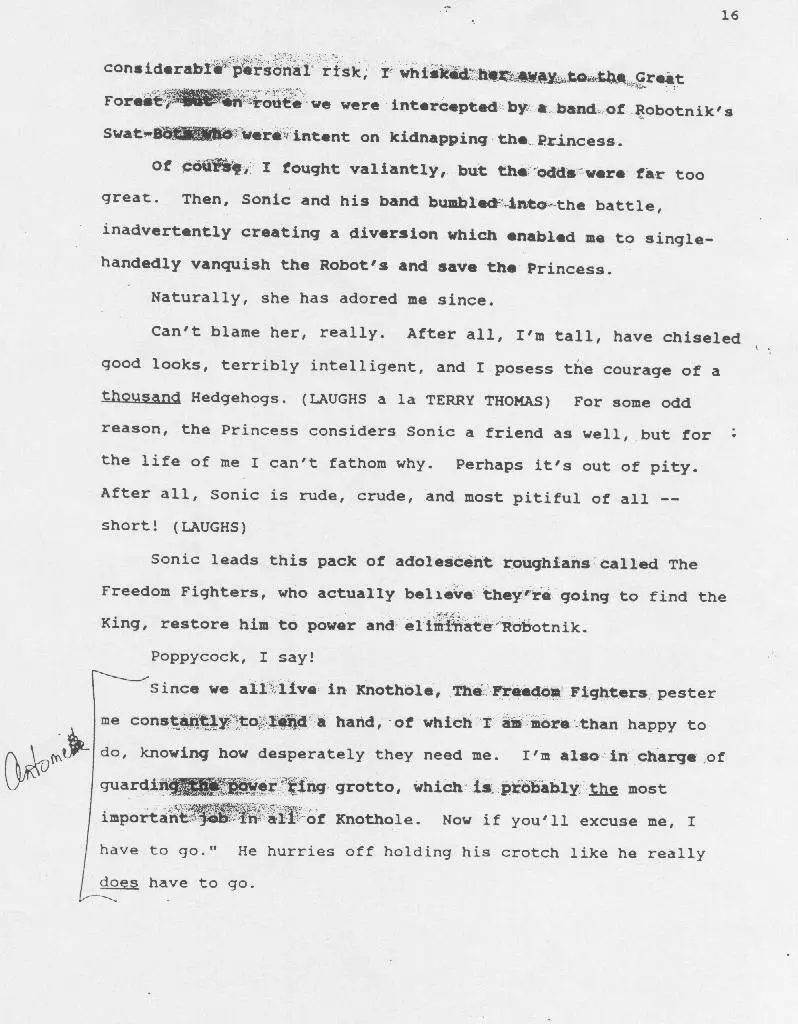
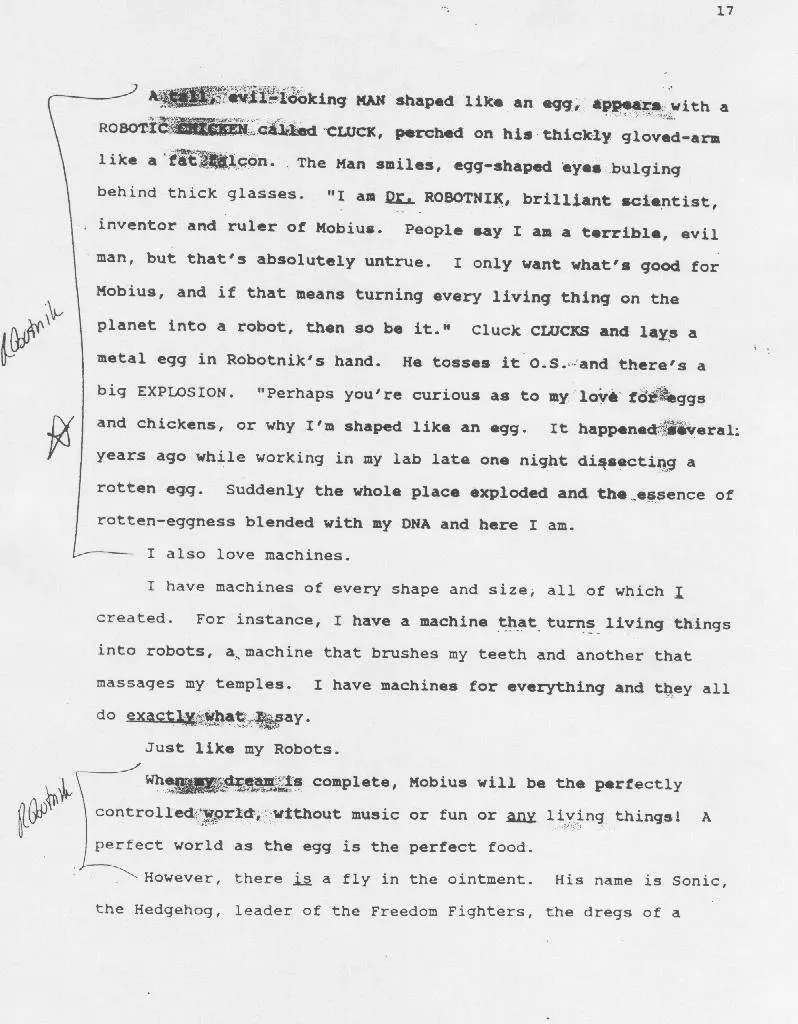
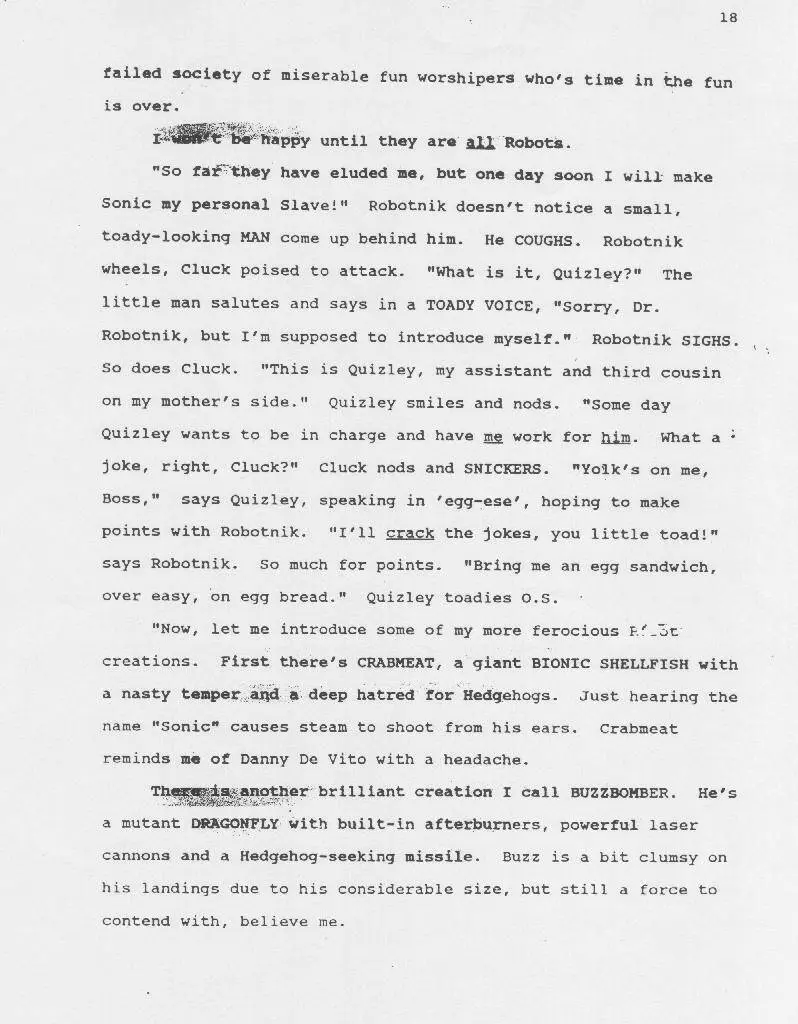
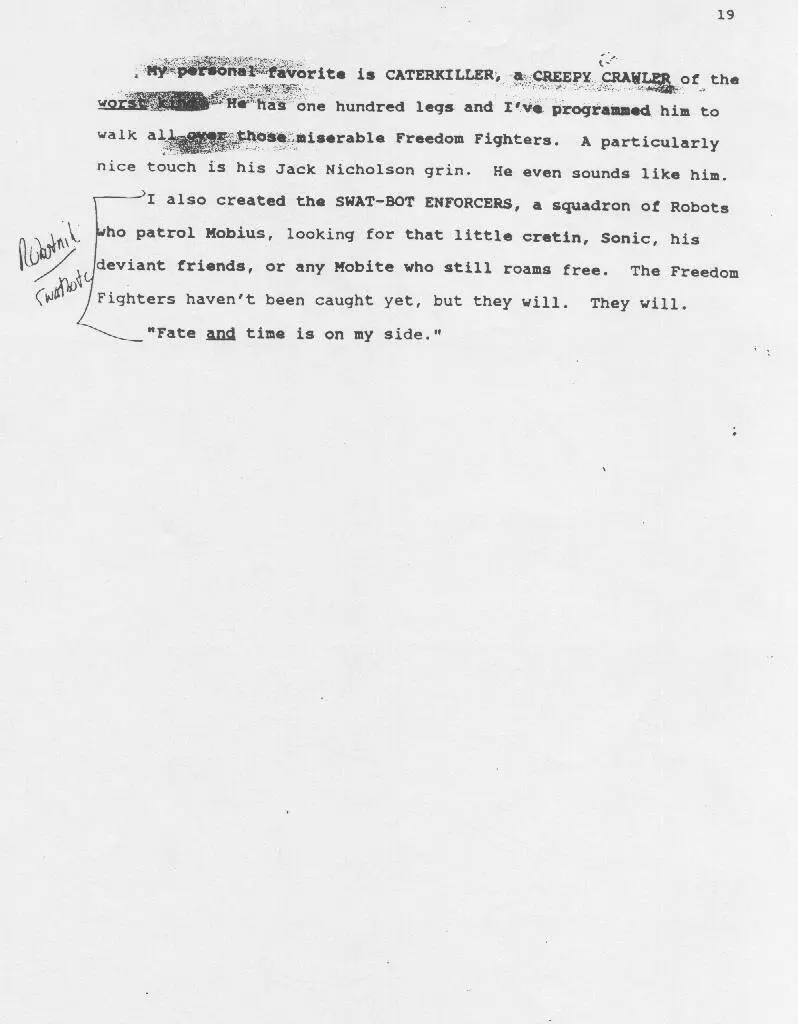
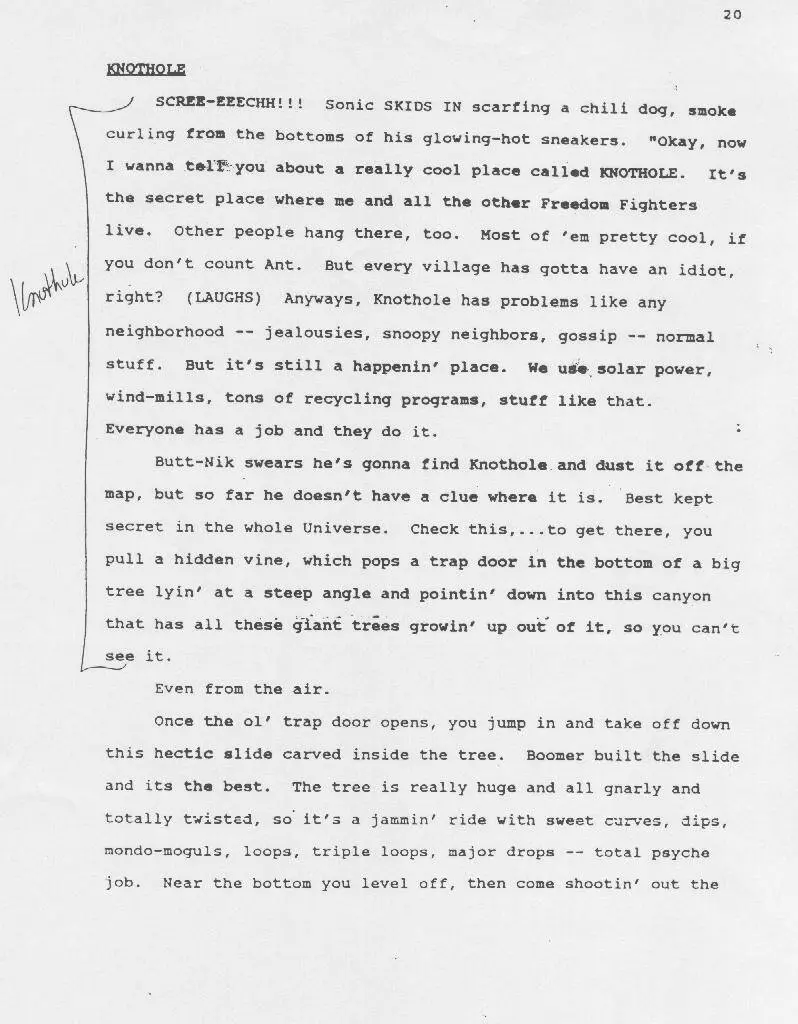
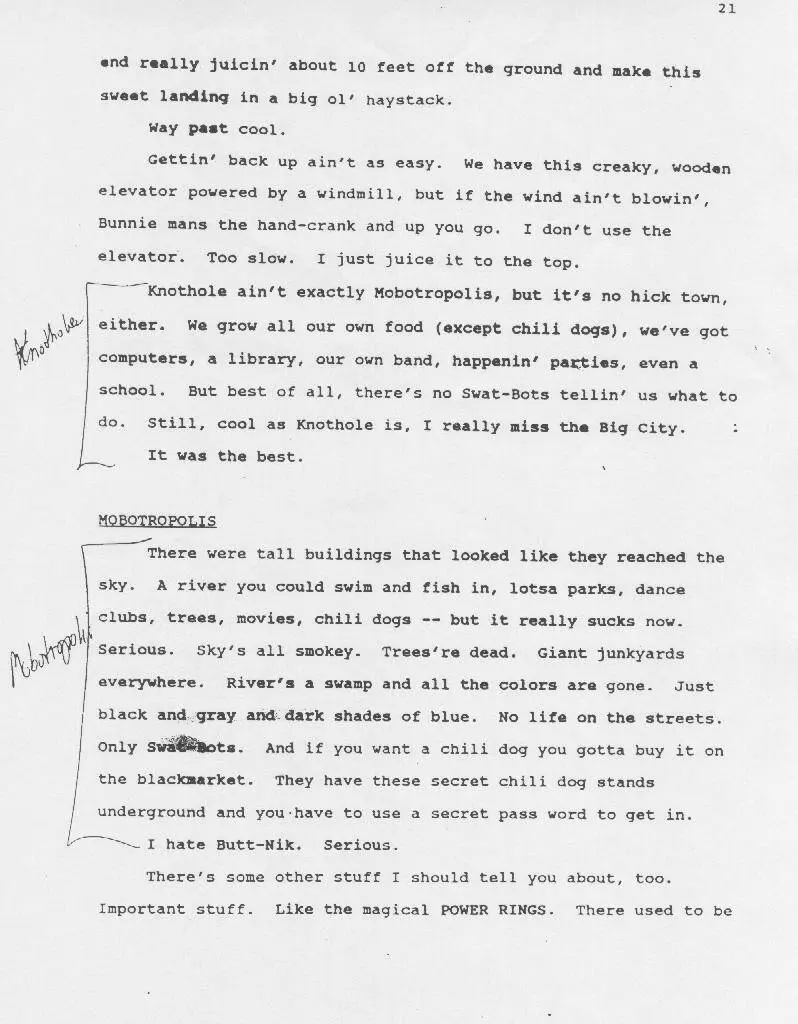
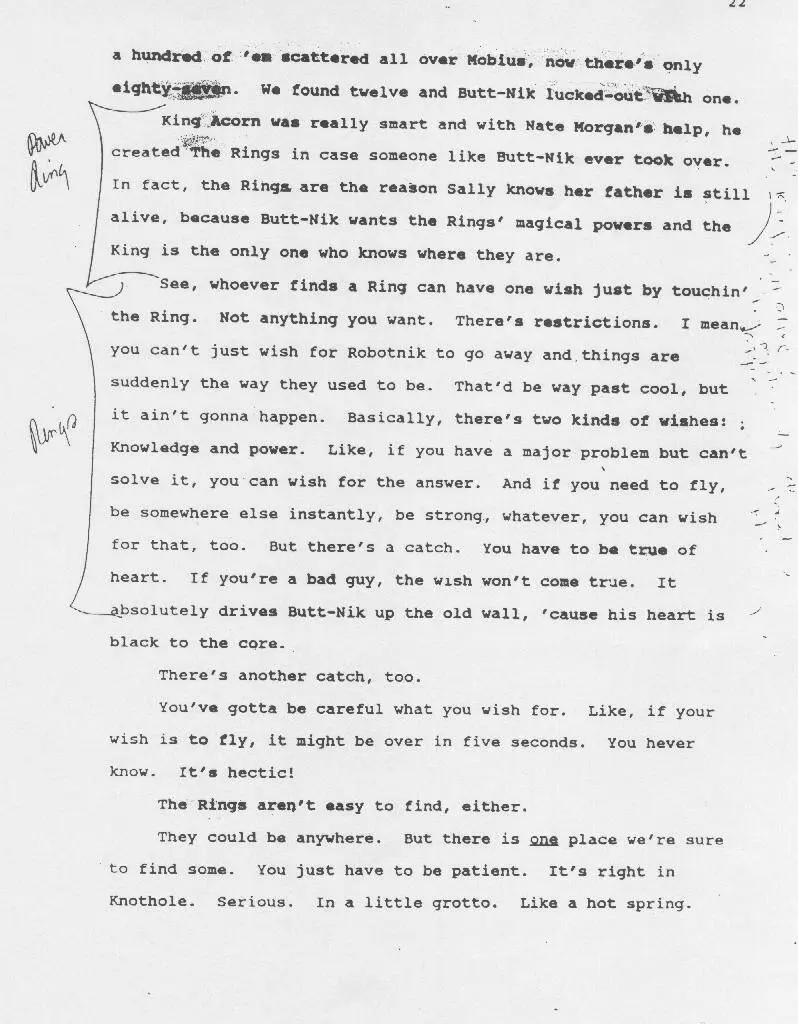
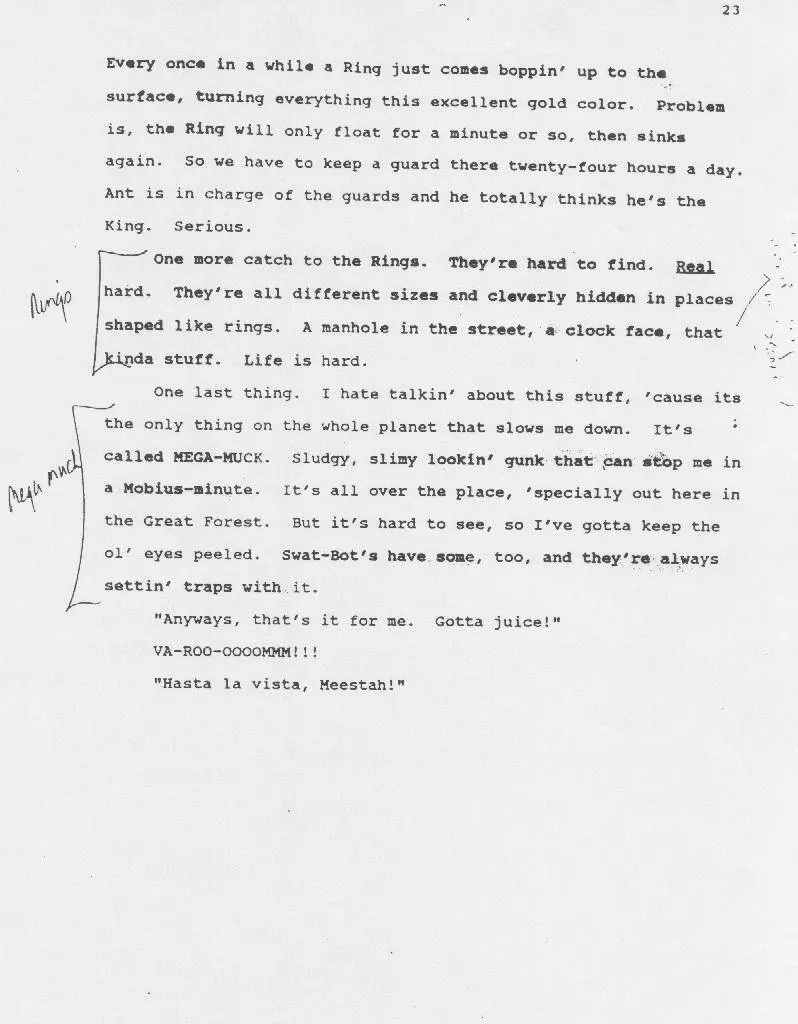
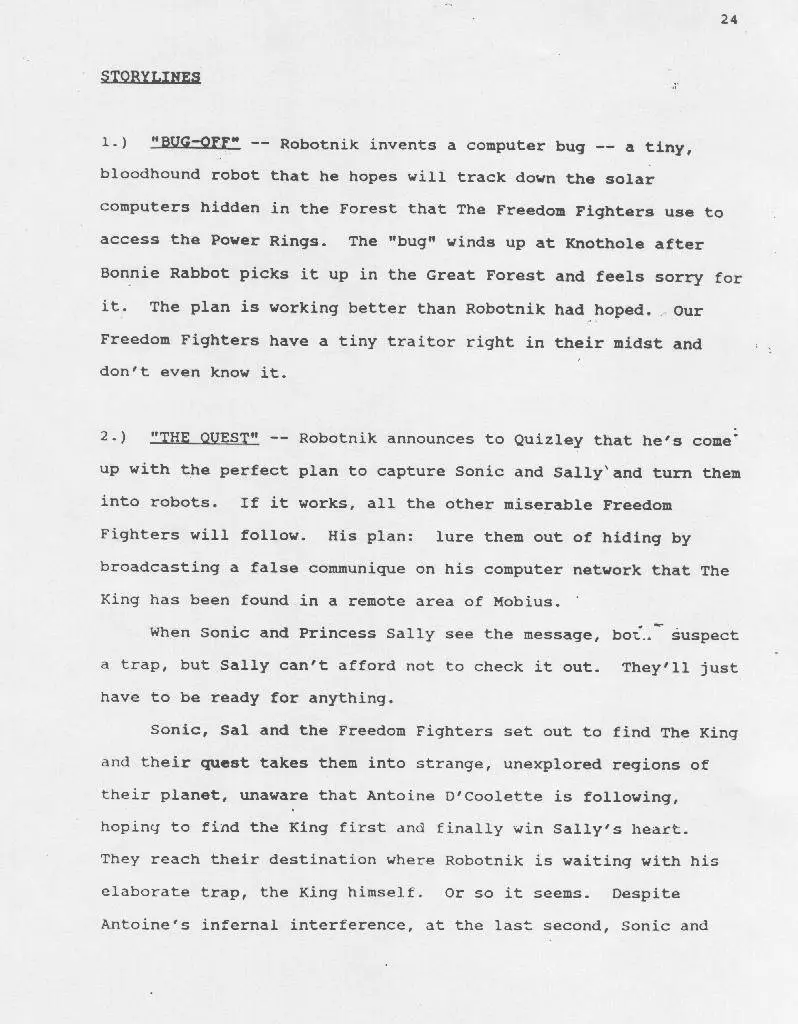
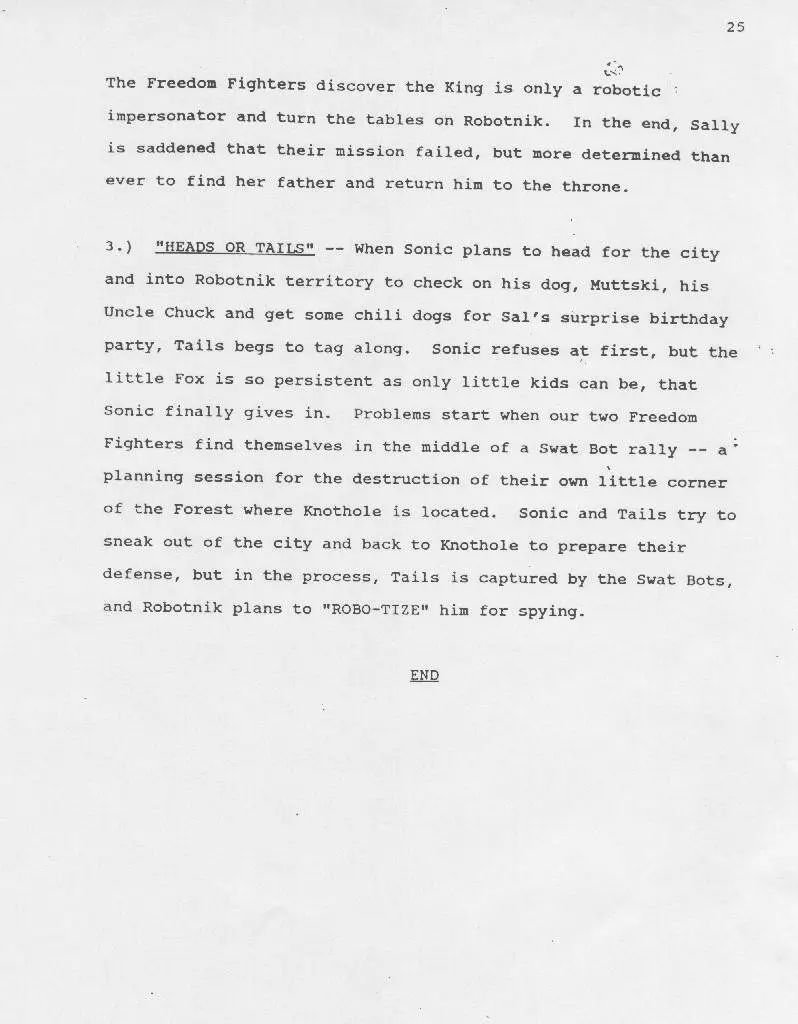
From the Vault: the SatAM Series Bible
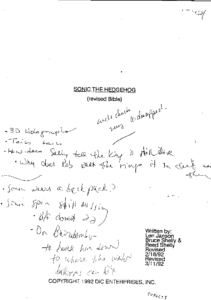
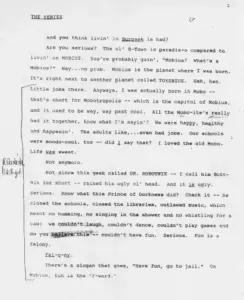
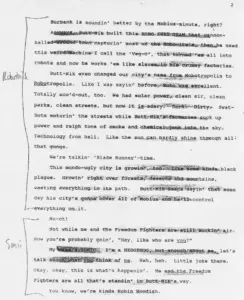
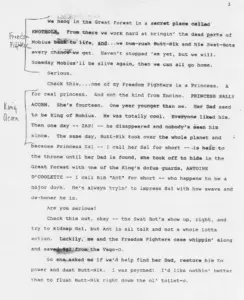
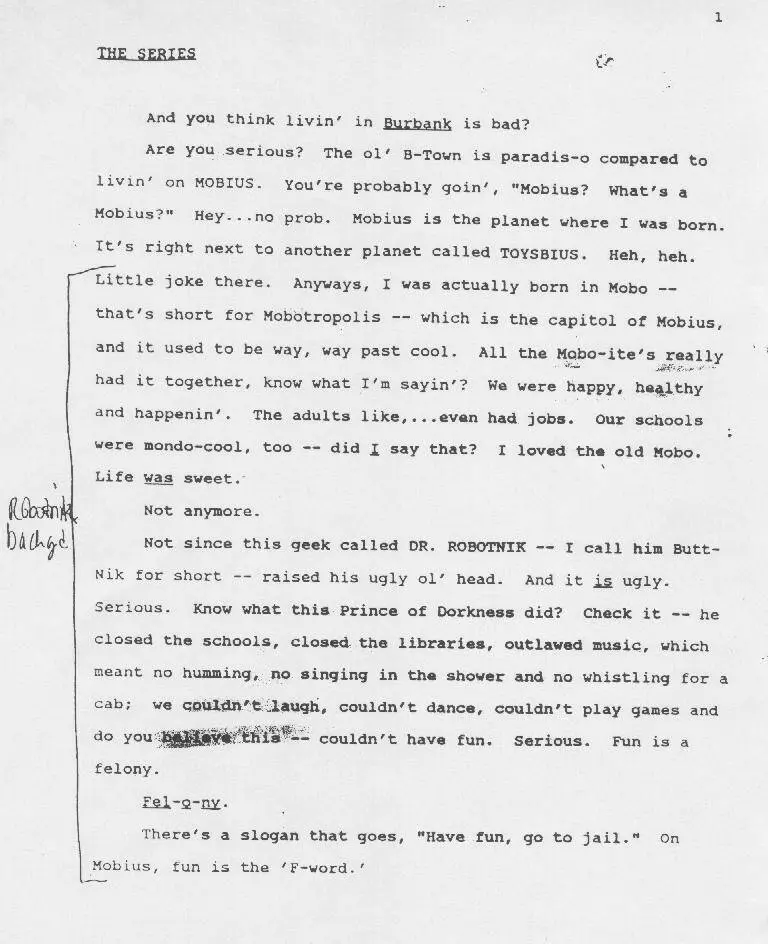
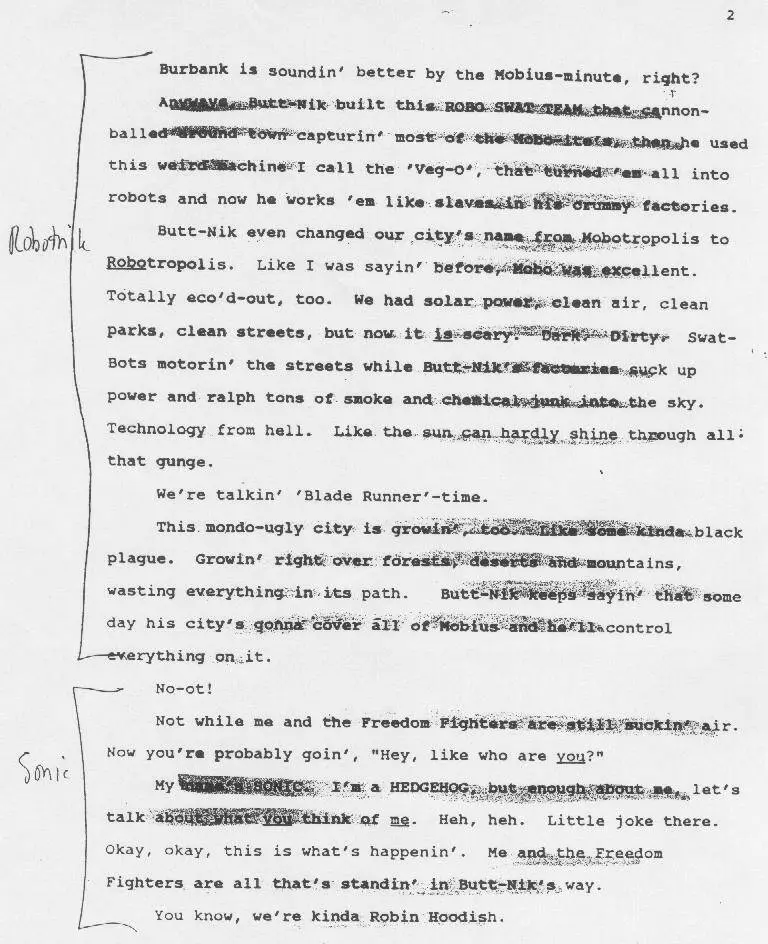
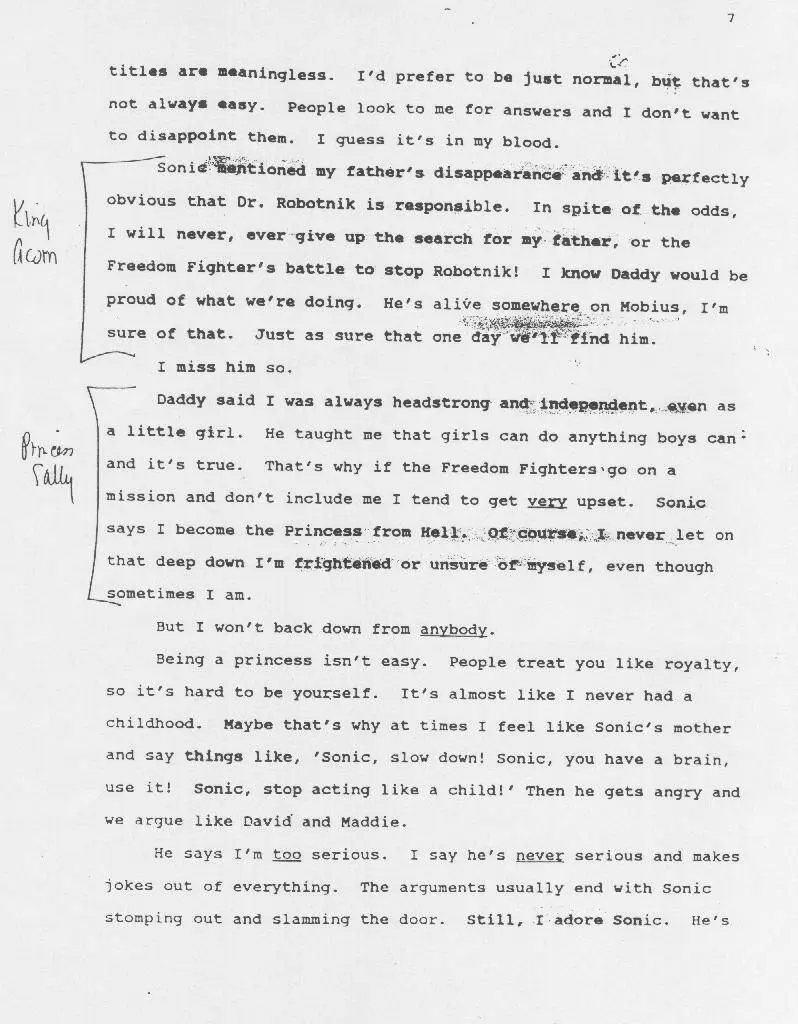
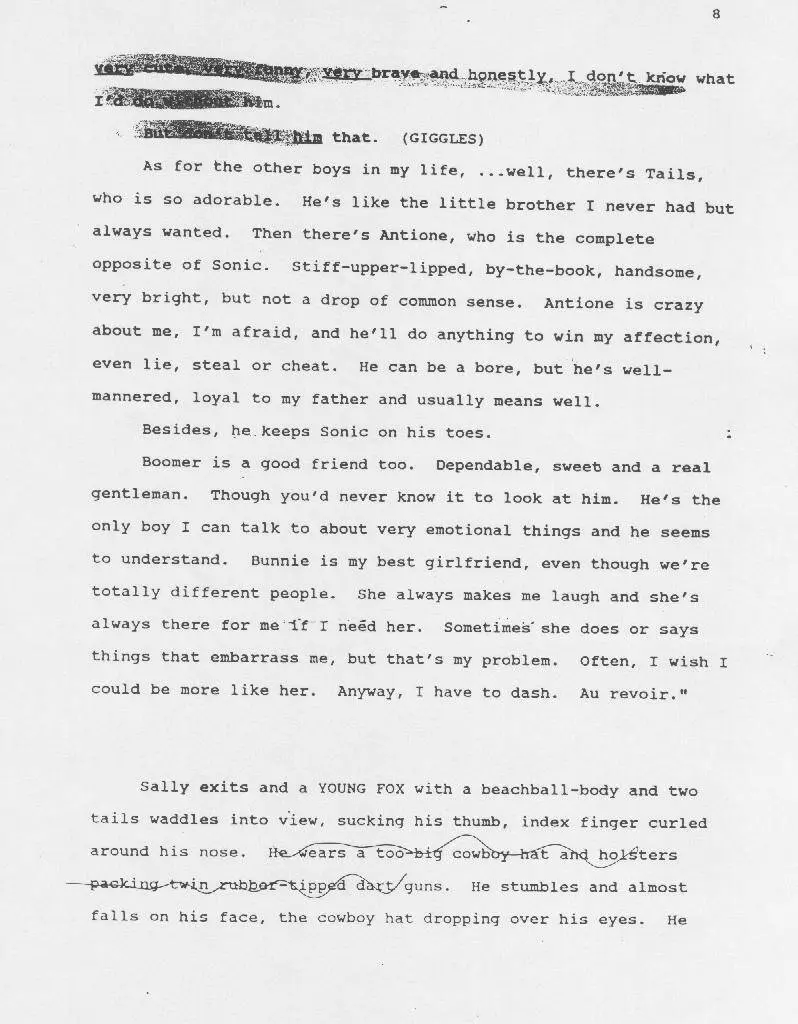
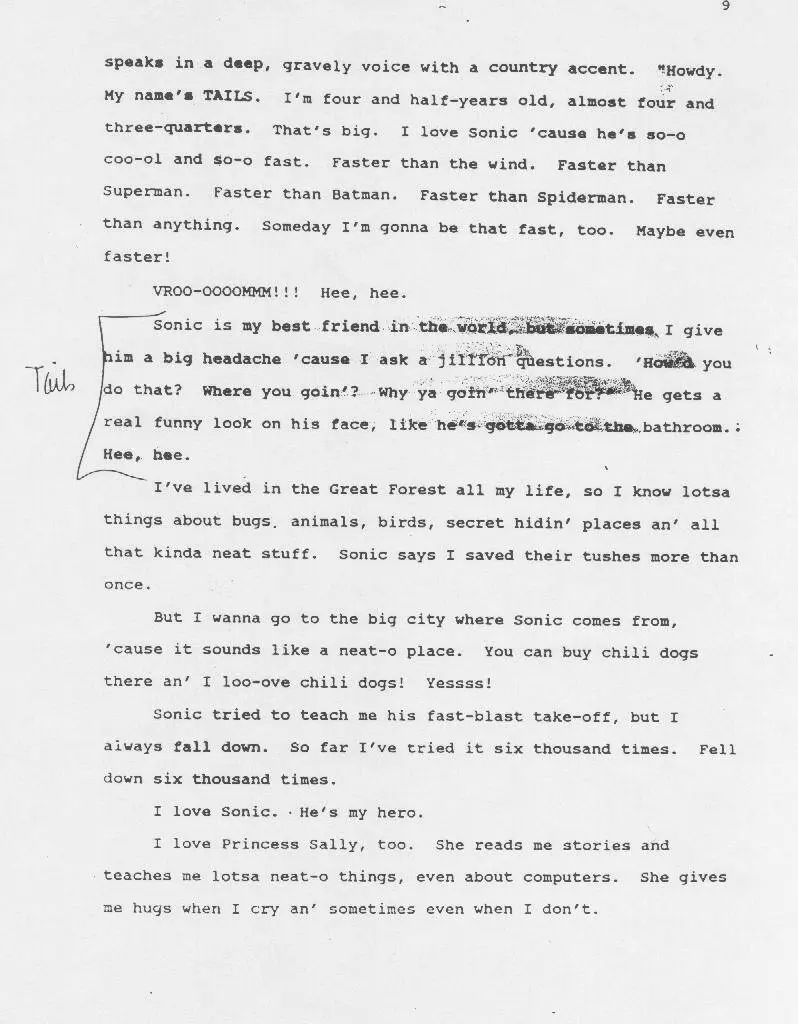
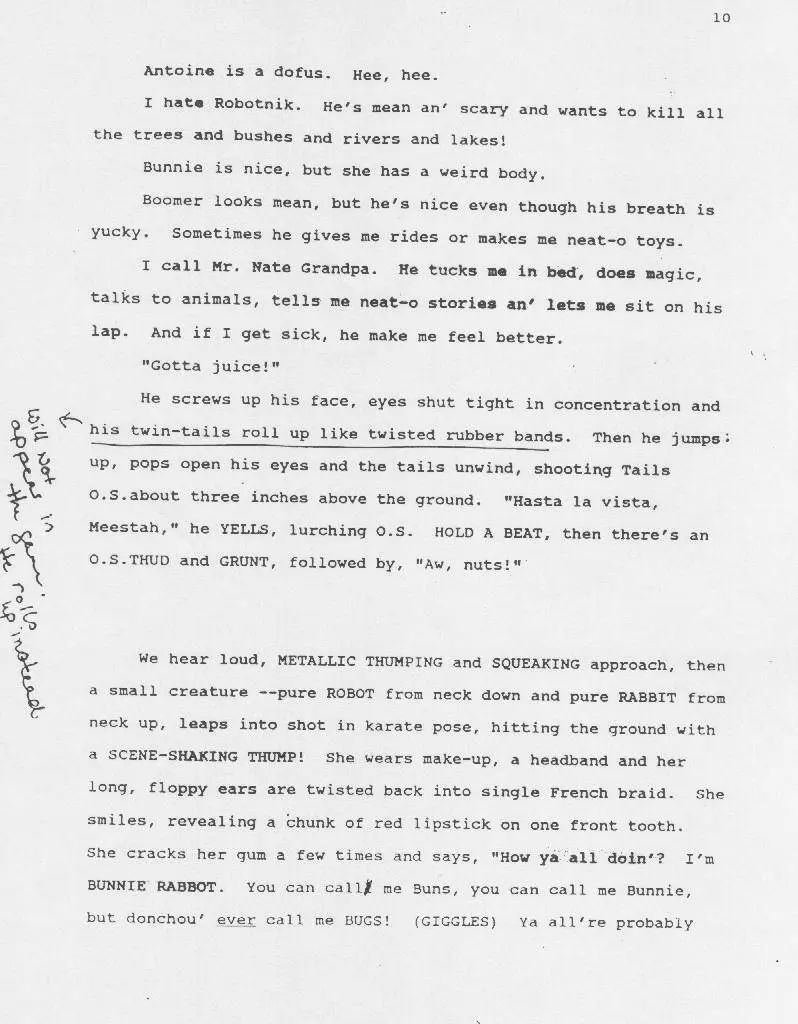
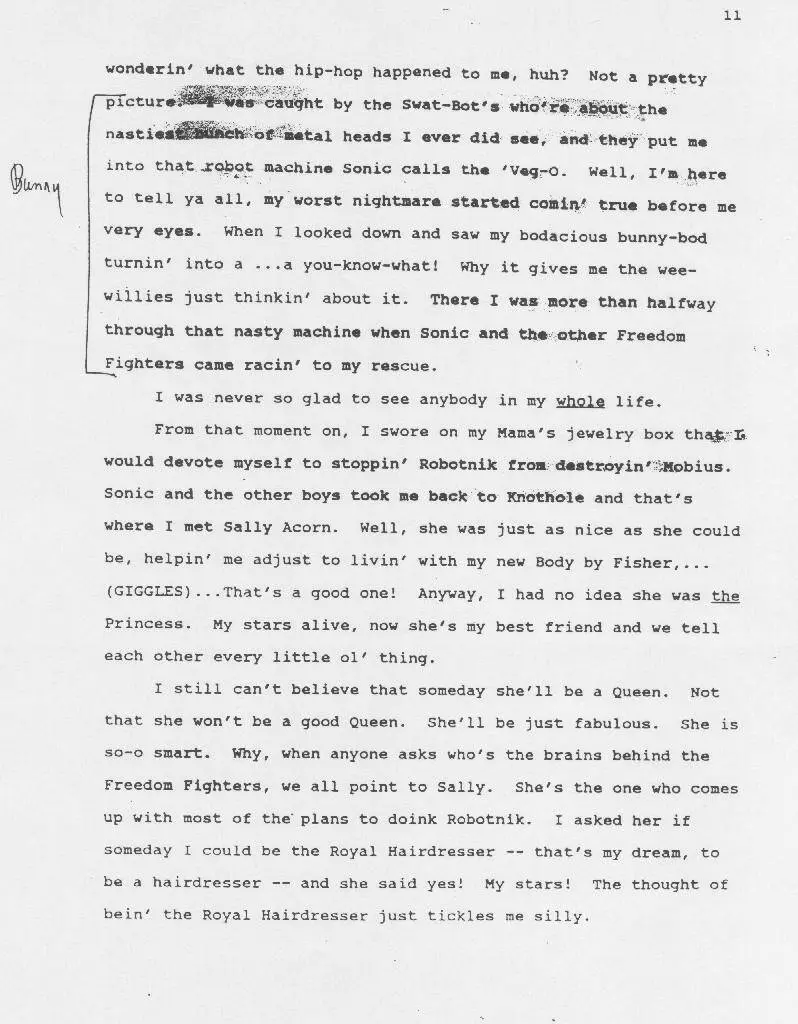
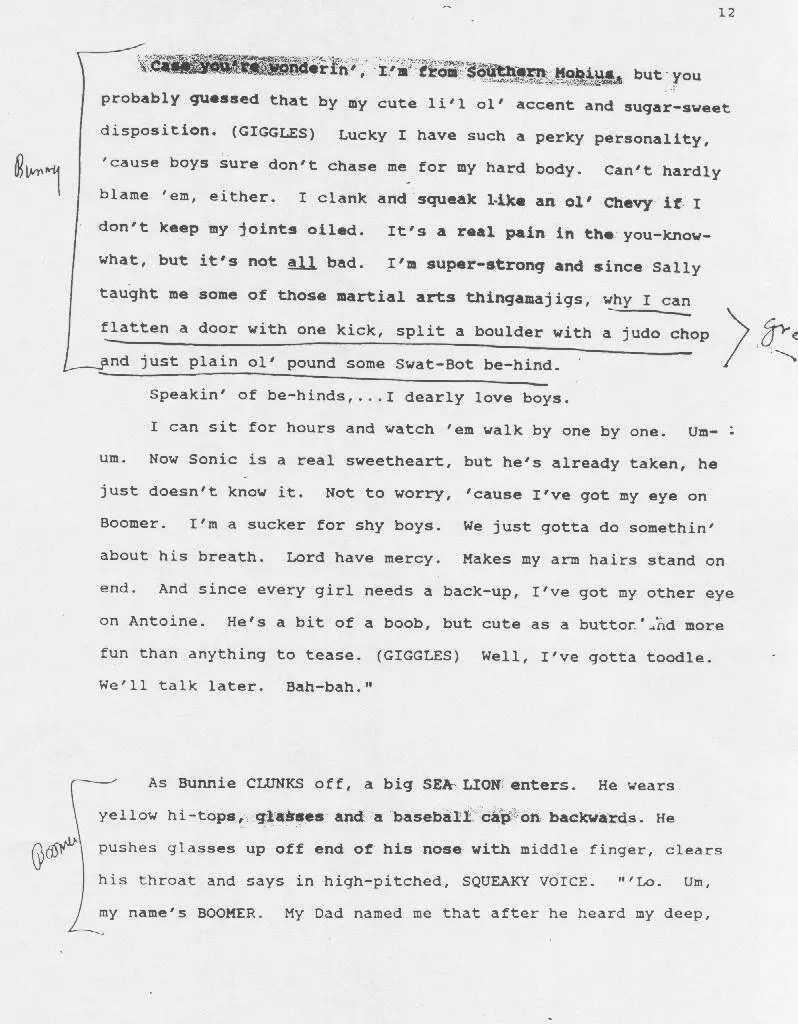
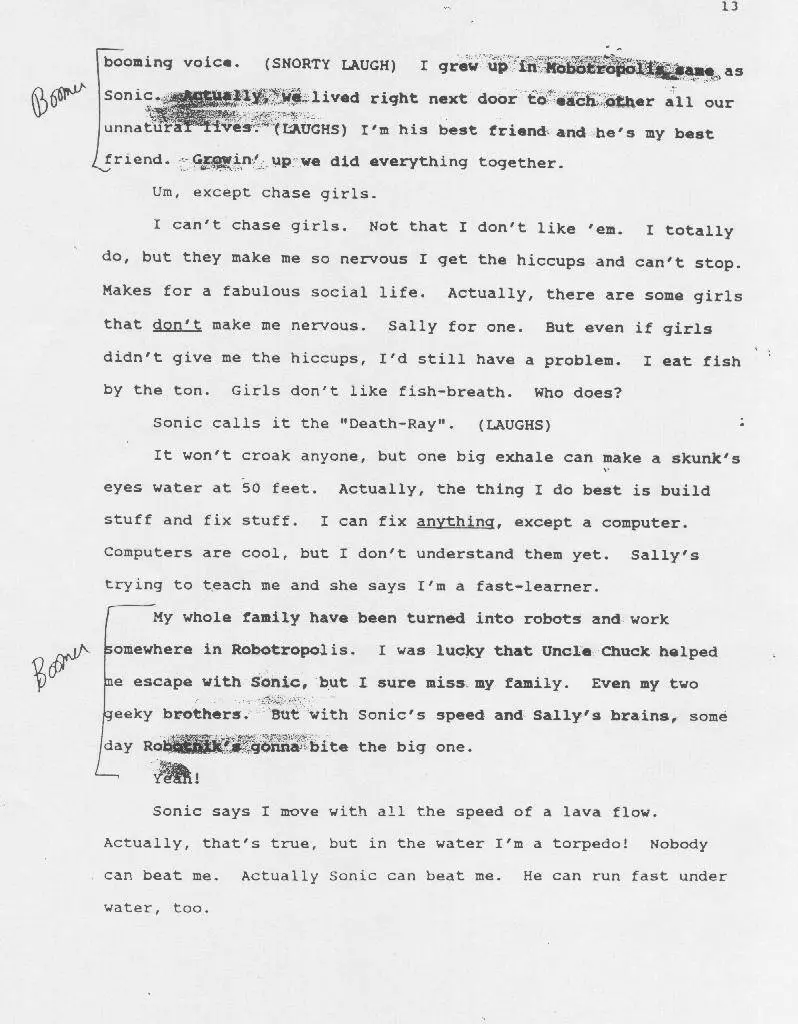
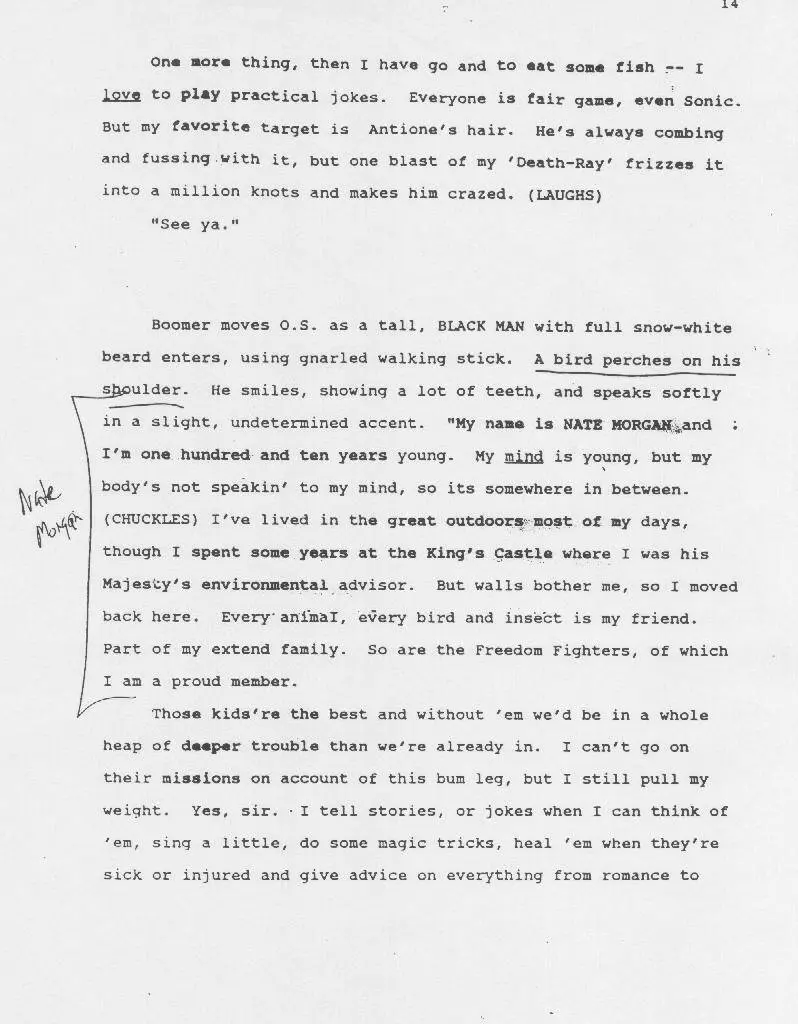
This is a copy of the SatAM Bible. It’s not the first bible, and it’s obviously not anywhere near the last. This bible contains the original name for Snively (Quizley), says Antoine’s accent is British (not French, as we know it is), and talks about Nate Morgan. Yes, Nate Morgan of the Archie Sonic the Hedgehog comics series was originally a SatAM character! However, perhaps it’s for the best that they decided to change things the way they did, or else we would have had another AoStH. I mean, as much as I like AoStH, we don’t need two series of it.
Interesting to note that on Page 10, whoever was marking on the sidelines (probably its author, Len Janson) mentions a game (“Will not appear in game. He [Tails] rolls up instead.”) I didn’t notice it at first, but I remember hearing rumors about a game called Sonic Mars that was to take place in the SatAM/Archie world; perhaps this was a reference to this game… OR the more likely answer, since it was revised before Sonic 2 came out, it’s Sonic 2 that they’re referring to. It’s entirely possible that Len could have been referring to the Sonic-16 demo that was made (as it was based off SatAM, and would later evolve into Sonic Mars).
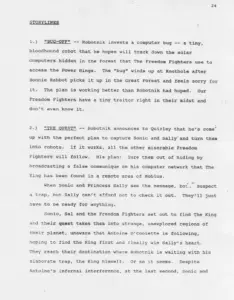
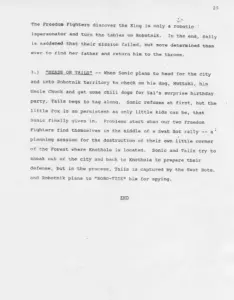
The last thing to note is on the last two pages there are story ideas. The Quest obviously later on became Sonic Boom, Heads or Tails became… well that’s obvious, but the original concept is different. As for Bug Off, it either evolved into two separate episodes, Harmonic Sonic, Sonic Past Cool (the spying on Knothole, and someone wanting to keep a pet), or the idea was scrapped altogether.
— Luke, “SatAM: The Vault”. Model sheets, backgrounds and the Master Cel are on the Season 1 page; everything is collected in the SatAM Vault.
 Cover
 Page 1
 Page 2
 Page 3
 Page 4
 Page 5
 Page 6
 Page 7
 Page 8
 Page 9
 Page 10
 Page 11
 Page 12
 Page 13
 Page 14
 Page 15
 Page 16
 Page 17
 Page 18
 Page 19
 Page 20
 Page 21
 Page 22
 Page 23
 Page 24
 Page 25
Episode guide
Every episode now has its own page: start with the Season 1 guide (13 episodes, 1993), then the Season 2 guide (13 episodes, 1994).
More SatAM on Sonic Scene
- SatAM Season 1 (1993): episodes, characters & more
- SatAM Season 2 (1994): episodes, characters & more
- Why SatAM was cancelled
- SatAM airing history: every channel, every country
- The fabled SatAM Sonic the Hedgehog game
- Ben Hurst (1951–2010): chief writer of SatAM
- SatAM FAQ
- SatAM episode transcripts
- The SatAM Vault
Sources
Facts on this page were checked against these sources in November 2026.
- Luke’s original SatAM pages on Sonic Scene, with the credits list compiled with Ronic
- Wikipedia, ‘Sonic the Hedgehog (TV series)’ – cancellation (citing Ben Hurst’s 2007 DVD interview and Alex Hedgefox’s thread of 12 Jan 2025), reruns (USA Network, Starz, MeTV Toons), reception and credits
- Sonic Retro, ‘Sonic the Hedgehog (TV series)’ (Wayback copy) – broadcast history, including Netflix from 2012
- Sonic Stadium on the Sega–DiC document (2025)
- Sonic Wiki Zone, ‘Sonic the Hedgehog (TV series)’, ‘Freedom Team’ and ‘Ben Hurst’ (died 10 August 2010)
- Saturday Morning Sonic, Ben Hurst feature (August 2010); Wikipedia gives August 2011 for his death
- Wikipedia, ‘Sonic Underground’ (Queen Aleena; 40 episodes, 1999)
- Reviews: Rotten Tomatoes, IGN (2007), DVD Talk (2007), The A.V. Club (2015), Flickering Myth (2014)
- MeTV Toons and Tech Times on Starz (September 2016)