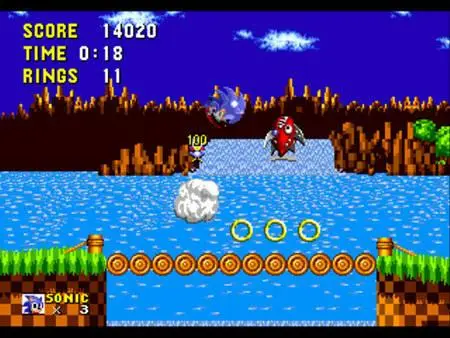
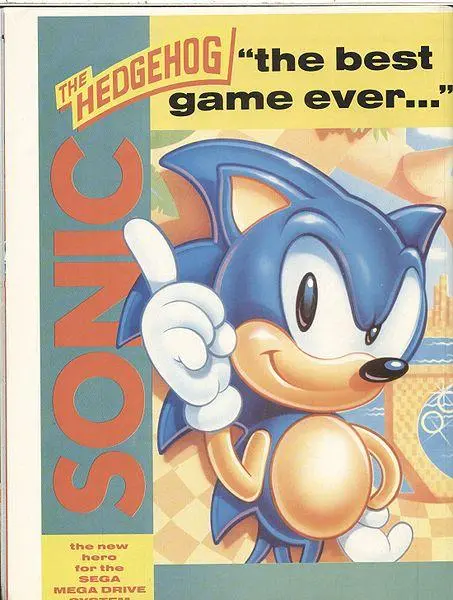
The one that started it all: a blue hedgehog, six zones, six Chaos Emeralds and a mad scientist with a robot army, built by a tiny Sega team to take on Mario.
ReleasedJune 1991 (US) · 26 July 1991 (JP)
DeveloperSonic Team (Sega)
MusicMasato Nakamura
ZonesSix, plus the Final Zone
Players1
Sales14 million+ by 1997
Title
Sonic the Hedgehog ソニック・ザ・ヘッジホッグ
Platform
Sega Mega Drive / Genesis (4-megabit cartridge)
Developer
Sonic Team, Sega
Publisher
Sega (Sega of America in North America)
Game plan
Hirokazu Yasuhara (credited as “Carol Yas”)
Programming
Yuji Naka (“YU2”)
Character design
Naoto Ohshima (“BigIsland”)
Design
Jina Ishiwatari, Rieko Kodama (“Phenix Rie”)
Music
Masato Nakamura of Dreams Come True
Sound program
Hiroshi Kubota, Yukifumi Makino
Cover art
Greg Wray (North America); Akira Watanabe (Japanese cover characters)
Players
1
Released (North America)
June 1991: in some shops from 11 June; Sega’s official date is 23 June (US$54.95)
Released (United Kingdom)
June–July 1991 (£34.99)
Released (Japan)
26 July 1991 (¥6,000, product code G-4049)
Versions
REV00 (first Western cartridges) and REV01 (Japan, with bug fixes and extra effects)
Pack-in
Bundled with the Genesis in North America; by 15 September 1991 every Genesis came with it
8-bit game
A separate Sonic the Hedgehog by Ancient: Master System (Europe) 25 October 1991, Game Gear (Japan) 28 December 1991
2 million in 1991; more than 14 million by June 1997
Honours
World Video Game Hall of Fame, 2016
Overview
Sonic the Hedgehog for the Sega Genesis / Mega Drive was the game that started it all, launching Sonic into homes around the world and becoming an immediate success.
It arrived in the summer of 1991 as Sega’s answer to Super Mario: a cocky blue hedgehog, a single jump button, and levels full of loops, springs and slopes that rewarded you for keeping your speed up. The small team behind it soon named itself after the game. Yuji Naka wrote the program, Naoto Ohshima designed the hero, Hirokazu Yasuhara planned the game and its zones, and the music came from Masato Nakamura, who played bass and wrote songs for Dreams Come True.
Sega of America bet the console war on it. From 1991 the Genesis came bundled with Sonic instead of Altered Beast, and the gamble paid off: two million copies in the first year, more than 14 million by mid-1997, and re-releases on at least twenty platforms since, most recently in Sonic Origins (2022).
This page covers the 16-bit Mega Drive / Genesis game. The Master System and Game Gear game of the same name was made by Ancient and is a different game with its own levels.
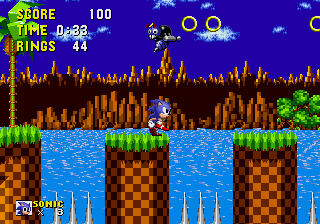
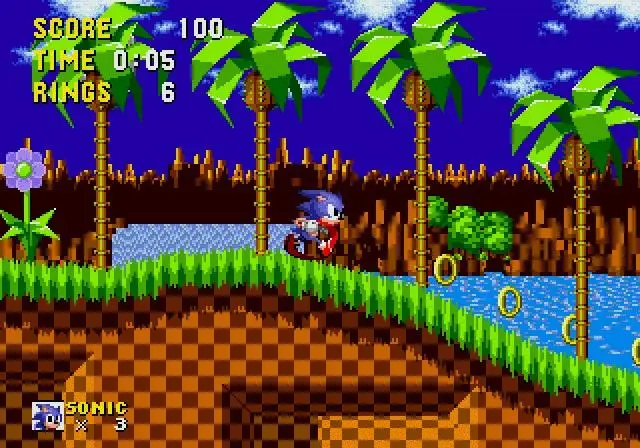
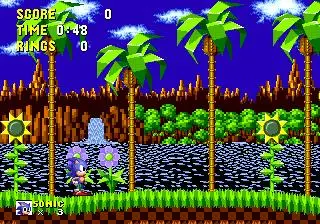
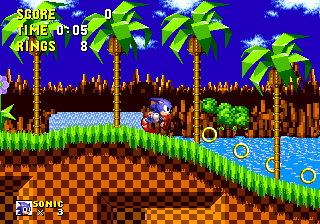
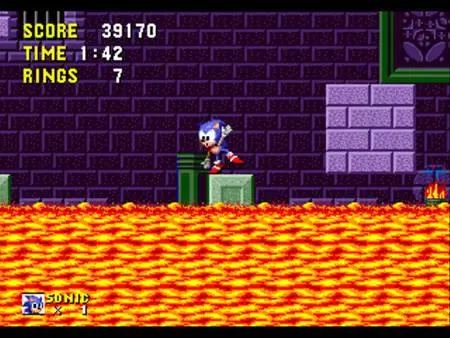
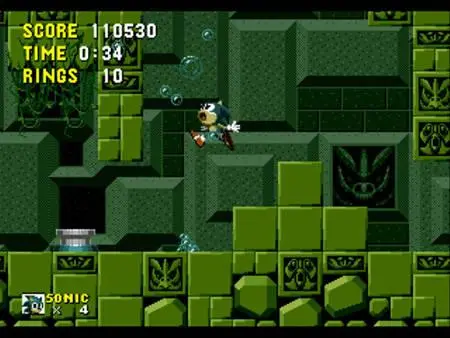
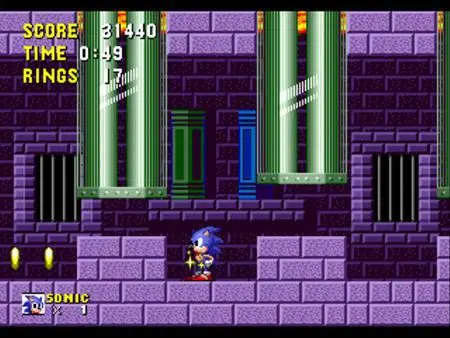
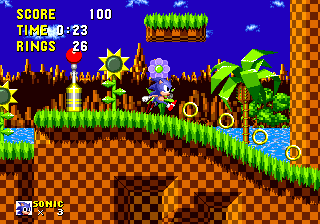
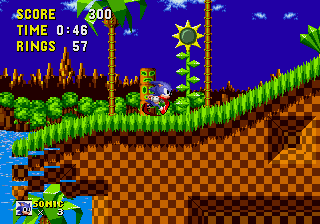
Green Hill Zone, Act 1: where it all began.Marble Zone’s lava.Labyrinth Zone, the one that drowned a generation.
Only one tough dude can put an end to the demented scientist’s fiendish scheme.
That is how the 1991 manual’s “Crush Dr. Robotnik!” page sets the scene. It paints Dr. Ivo Robotnik as a mad scientist turning innocent animals into robots, pitches Sonic as the coolest hedgehog around with sneakers built for speed, and promises loops, tunnels, booby traps, lava, an underground cavern, a secret floating maze and a final face-off in Robotnik’s secret lab.
— Official description: Sega of America, Sonic the Hedgehog Genesis instruction manual (1991), “Crush Dr. Robotnik!”. One line quoted; the rest summarised.
Quick Answers
The questions people ask about the first Sonic game, answered first and explained further down the page.
When did Sonic the Hedgehog come out?
June 1991 in North America, where Sega later fixed 23 June as the official date (some shops had it from 11 June), the summer of 1991 in the UK, and 26 July 1991 in Japan. More →
Who made Sonic the Hedgehog?
Sonic Team at Sega: programmer Yuji Naka, character designer Naoto Ohshima and planner Hirokazu Yasuhara, with artists Rieko Kodama and Jina Ishiwatari and music by Masato Nakamura of Dreams Come True. More →
How many zones are in Sonic 1?
Six zones with three acts apiece, running from Green Hill all the way to Scrap Brain, and then the one-act Final Zone. More →
How many Chaos Emeralds are there in Sonic 1?
Six, one per Special Stage. Collect all six to see the good ending; miss any and Eggman juggles the ones you left behind. More →
How do you get to the Special Stage?
Finish the first or second act of a zone (except Scrap Brain) holding at least 50 rings, and jump into the giant ring that appears next to the signpost. More →
Can you play as Tails or Knuckles?
No. Sonic is the only playable character in the original game, and it is a one-player game. More →
What is the difference between the Western and Japanese versions?
Japan got the game a month later, and Sonic Team used the time to fix a handful of bugs and add extra graphical effects. That Japanese cartridge is known as REV01; the first Western one is REV00. Some cheat codes differ between them. More →
Is there a level select or debug mode?
Yes. On the title screen press Up, Down, Left, Right, then hold A and press Start for the level select. The debug (edit) mode, which lets you place objects, first appeared in this game. More →
How many copies did Sonic 1 sell?
About two million in 1991 and more than 14 million by June 1997, making it the best-selling Mega Drive game. Many of those copies came bundled with consoles. More →
Where can I play it today?
In Sonic Origins (2022) and as SEGA AGES Sonic the Hedgehog on Nintendo Switch (2018). Sega delisted several older standalone versions ahead of Sonic Origins. More →
Plot / Story
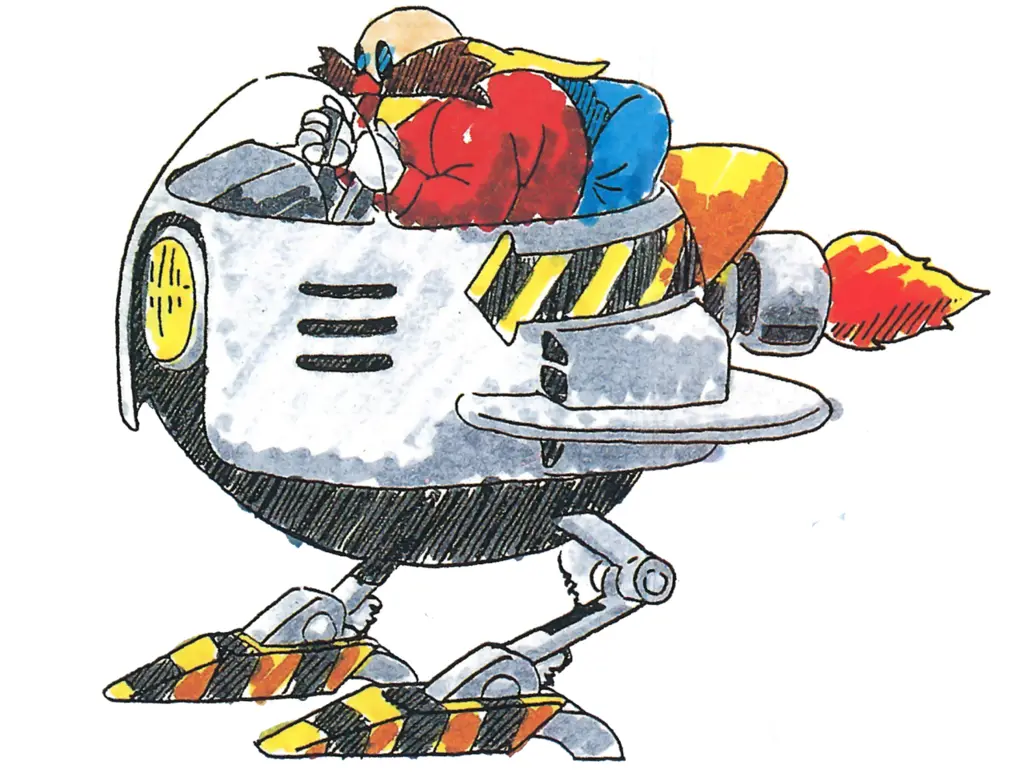
Dr. Eggman (Dr. Robotnik in the West) in his Eggmobile, in Sega’s official artwork for the game.Art: SEGA, via Sonic Retro
Every Badnik in Sonic 1 has a prisoner inside. That is Dr. Eggman’s whole scheme in a sentence: round up the animals of South Island, weld each one into a robot body, and set the lot of them loose to hunt for treasure. The treasure is the Chaos Emeralds, six gems that islanders believe are hidden somewhere on South Island and that are said to carry a power strong enough to sustain life itself. They may also explain the island’s strangest habit. It roams the sea and is never in the same place twice, which is why no chart shows it.
Eggman has built his headquarters in a corner of the island he calls Scrap Brain and is confident that nothing can stop him. One visitor might. Sonic is not from South Island, but he drops by often, he has crossed paths with the doctor before, and when he finds his friends turned into machines he sets off to wreck every robot between him and the Emeralds.
Sega of America told the story with a different cast. Its manual and posters made the villain Dr. Ivo Robotnik, a mad scientist with a taste for turning animals into robots, and its 1991 promotional comic moved the whole affair to the planet Mobius, where Robotnik turns out to be the kindly Dr. Ovi Kintobor gone bad (see Comics & TV).
The run, zone by zone
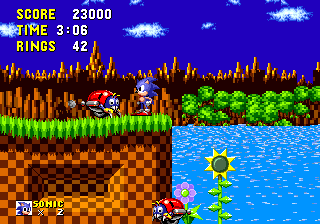
Green Hill is the gentle start: chequered soil, palm trees, loops, and a cast of Motobugs, Buzz Bombers, Crabmeats, Choppers and colour-shifting Newtrons, with Eggman swinging a giant chequered ball at the end of Act 3.
Things heat up in Marble Zone, a place of ancient ruins and lava where Caterkillers and Batbrains live, before Spring Yard, called Sparkling Zone in early builds, brings on the Rollers and Spikes.
Labyrinth Zone is the one people remember with dread: a flooded ruin where Sonic must find air bubbles before the countdown music runs out. It was planned as the second zone until the team decided it was too tough to follow Green Hill. Star Light Zone, with its walking Bombs and the orbiting spikes of Uni Uni, is a breather before Scrap Brain, Eggman’s own factory, which went by Clock Work Zone in early versions.
Each zone’s third act ends in a duel with Eggman in his Eggmobile, armed with a new contraption every time; eight hits drive him off and Sonic can then open the capsule of trapped animals. The Final Zone is a single room and a single fight, the doctor hiding inside a machine of pistons.
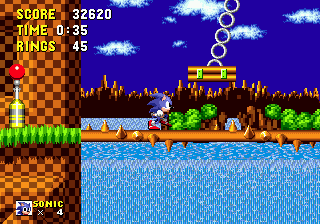
The ruins of Marble Zone.A Lamp Post checkpoint in Green Hill Zone.Watch out for collapsing ledges in Green Hill.
Six Emeralds, two endings
You can see Sonic 1’s credits without a single Emerald, but the game will tease you for it: miss any and the last scene shows Eggman juggling the gems you left behind. Collect all six and the ending changes.
The Emeralds are won in the Special Stage. After the first or second act of a zone, finish with 50 rings or more and a giant ring hovers beside the signpost; leap through it into a maze that spins all the way round as Sonic bounces about inside it, with an Emerald waiting at its heart. Naoto Ohshima designed that stage, and its look owed a debt to two 1990 Sony demonstration films inspired by M.C. Escher. Scrap Brain never offers a giant ring, so there are ten chances in all to win six gems.
Zones in Sonic the Hedgehog
There are six main levels, or zones, in Sonic the Hedgehog, and then the Final Zone, for seven total. Each zone is split into three “Acts”. Outside of the main levels is the “Special Stage”, which can be accessed at the end of each level by jumping into a giant, spinning ring. For this mystical portal to the Special Stage to appear, you must have fifty rings at the end of each level as you hop into it. There are six special stages, one for each of the Chaos Emeralds you must get before Doctor Robotnik does.
Giant rings only turn up after Act 1 and Act 2 of a zone, and never in Scrap Brain Zone, so there are ten chances in total to win the six Emeralds.
Green Hill ZoneActs 1–3Chequered hills, palm trees and loops; Motobug, Buzz Bomber, Chopper, Crabmeat, Newtron.
Marble ZoneActs 1–3Ruins, push-blocks and lava; Caterkiller, Batbrain, Buzz Bomber.
Spring Yard ZoneActs 1–3Early builds called it Sparkling Zone; Roller, Spikes, Crabmeat, Buzz Bomber.
Labyrinth ZoneActs 1–3Underwater ruins with air bubbles and a drowning countdown; Burrobot, Jaws, Orbinaut.
Star Light ZoneActs 1–3Bombs and Uni Uni, Star Light’s Orbinaut.
Scrap Brain ZoneActs 1–3Eggman’s base (Clock Work Zone in early builds); Caterkiller, Bomb, Ball Hog and more. No giant rings here.
Final ZoneOne actThe last fight with Eggman.
In comics, TV & other media
Sonic 1 was barely in the shops before comics on both sides of the Pacific started retelling it, and its first zone has been turning up in comics, cartoons and films ever since. Sonic Scene has a wider round-up in Sonic in other movies and media.
Sonic the Hedgehog Story ComicJapan · Mega Drive Fan · 1991A three-part comic given away with Mega Drive Fan, thought to be over June to August 1991. It tells the first game’s story on South Island but was drawn before the game was finished, so Sonic fronts his band and visits the prototype stages Sparkling Zone and Clockwork Zone, while the final part tells how he became the emblem of a lost test pilot.
Sonic the Hedgehog (promotional comic)Sega of America · 1991A 16-page origin story drawn from the Sonic Bible and treated as the Western plot at launch. On Mobius, Sonic explains how the kindly Dr. Ovi Kintobor became Dr. Ivo Robotnik. Parts ran as inserts in DC Comics titles and in Sega Visions; the full comic came with Mean Machines in January 1992.
The Sonic the Hedgehog BibleSega of America · 1991The internal style guide that defined the Western Sonic: born “Sonny” in Hardly, Nebraska, a brown hedgehog who met Dr. Kintobor and through a series of accidents turned blue. Later drafts moved him to Mobius.
Sonic the ComicFleetway · UKGreen Hill Zone, placed on South Island, is a regular location and first appears in issue 1’s “Enter: Sonic”.
Archie’s Sonic the HedgehogArchie Comics · USGreen Hill appears, unnamed, on the cover of the mini-series’ issue 0 and is named in issue 226; Knothole’s Green Hill Park turns up in issue 134.
IDW’s Sonic the HedgehogIDW Publishing · USIssue 1 features an unnamed Green Hill, drawn as the half-wrecked version from Sonic Forces.
Sonic the Hedgehog (film)Film · 2020Sonic’s island home is modelled on Green Hill Zone, he settles in a town called Green Hills, Montana, and the score works in pieces of the Green Hill music.
Wayne’s WorldFilm · 1992Prototype footage of Marble Zone, with its early lava, can be spotted in the film’s promo for “Noah’s Arcade”.
Characters
Sonic 1 has a small cast: one hero, one villain, a crowd of animals who need rescuing and the robots built around them.
Character
Who they are
In this game
Stats & abilities
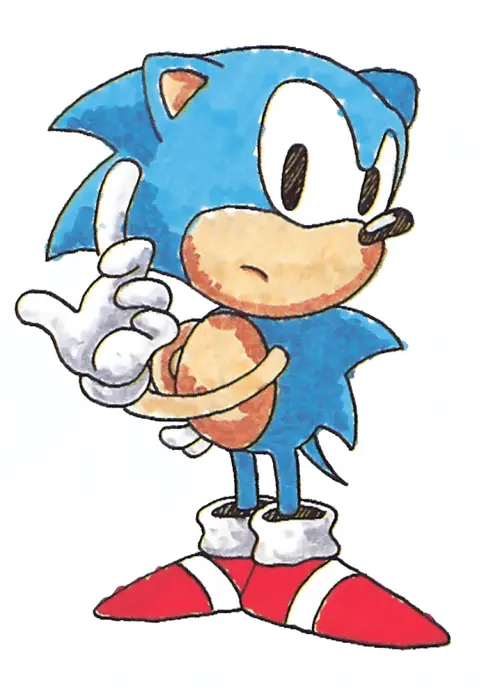
Sonic the HedgehogThe hero
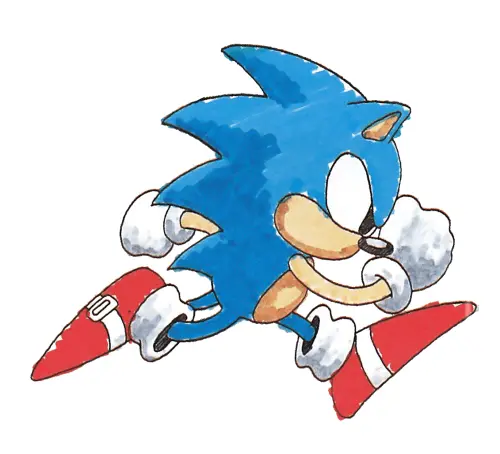
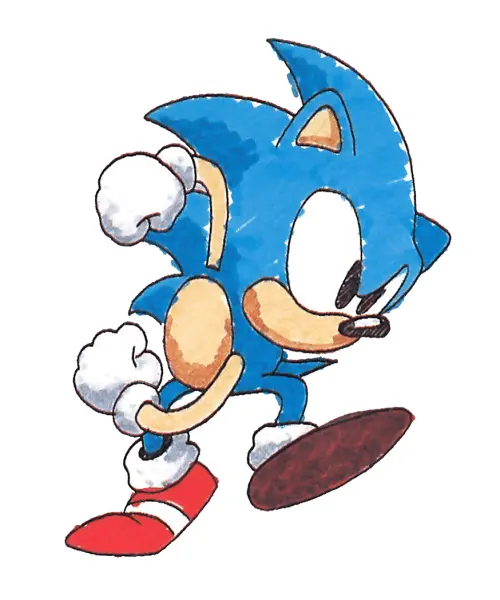
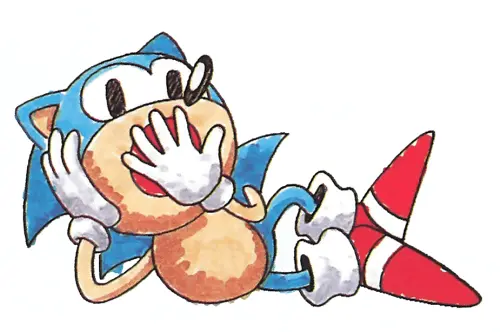
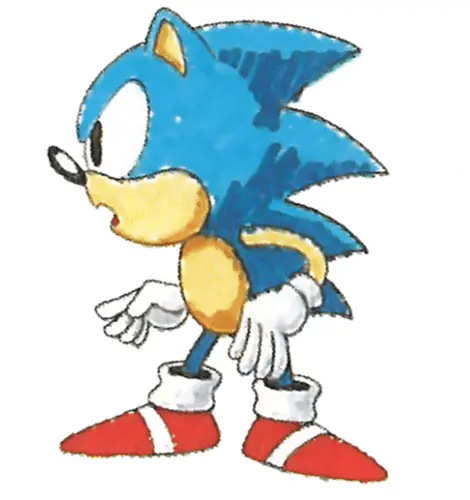
A blue hedgehog designed by Naoto Ohshima as Sega’s answer to Mario. His blue comes from Sega’s logo, his red-and-white shoes from Santa Claus and their buckles from Michael Jackson’s boots on the Bad cover; his big eyes owe something to Felix the Cat and Doraemon. Sega of Japan’s early publicity gave him a birthplace, Christmas Island. Sega of America’s Sonic Bible made him a brown hedgehog called Sonny from Hardly, Nebraska, who turned blue after meeting the kindly Dr. Kintobor.
The only playable character. He races across South Island to free the animals trapped inside Eggman’s robots, and can win the six Chaos Emeralds in the Special Stages for the good ending.
Every button jumps, and a jump is a Spin Attack
Press Down while running to roll
Rings protect him from enemies and spikes; 100 rings = extra life
Can still be crushed or drown
Monitors: Super Ring (+10), Shield, Power Sneakers, Invincible, One-Up
Ten minutes per act
Dr. EggmanDr. Ivo Robotnik in the West
Sega’s round, moustached mad scientist. He began as one of Ohshima’s mascot ideas, and when Ohshima showed his drawings to people in New York’s Central Park, the egg-shaped man came second only to the hedgehog. In Japan he is Dr. Eggman; Sega of America tester Dean Sitton came up with Dr. Ivo Robotnik, with Ivo said to sound like “evil”.
Builds his Badniks around captured animals while hunting the Chaos Emeralds, and meets Sonic at the end of every third act in his Eggmobile, armed with something new each time. The last fight, in the Final Zone, is against the doctor inside a machine of pistons.
Eight hits to beat each boss
Flies the Eggmobile
Bad ending: juggles the Emeralds you missed
Flicky, Pocky & PeckyThe animal friends
South Island’s animals. Sega’s names for three of them are Flicky the bird, Pocky the rabbit and Pecky the penguin. (The picture shows Flicky in later Sega artwork.)
Every Badnik has an animal sealed inside; break the robot and its prisoner goes free. The rest are locked in the capsule at the end of each zone’s third act.
Not playable. Rescuing them is the point of the game.
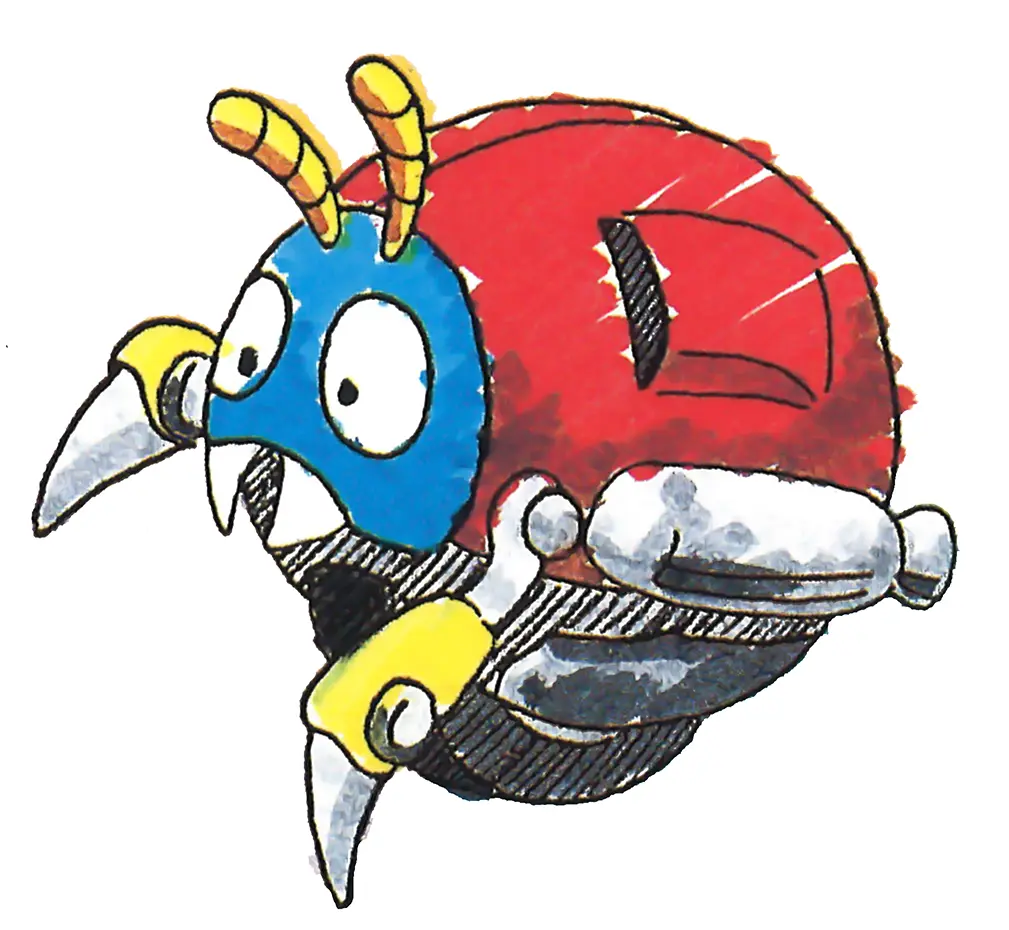
The BadniksEggman’s robot army
Robots with captured animals inside. Dean Sitton, who named Robotnik, also suggested several Badnik names, among them Ball Hog, Caterkiller and Buzz Bomber.
Fourteen kinds across the six zones, from Green Hill’s Motobugs to Scrap Brain’s Ball Hogs (listed below).
Chain them without landing: 100, 200, 500, then 1,000 points each up to the fifteenth, and 10,000 from the sixteenth.
The Badniks
Every Badnik in the game, with the zones it appears in. The pictures are Sega’s own artwork for each robot.
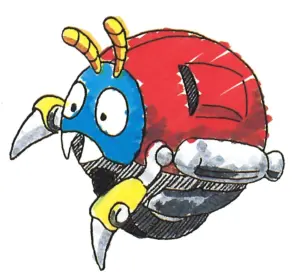
MotobugGreen HillA robot ladybird on a single wheel.
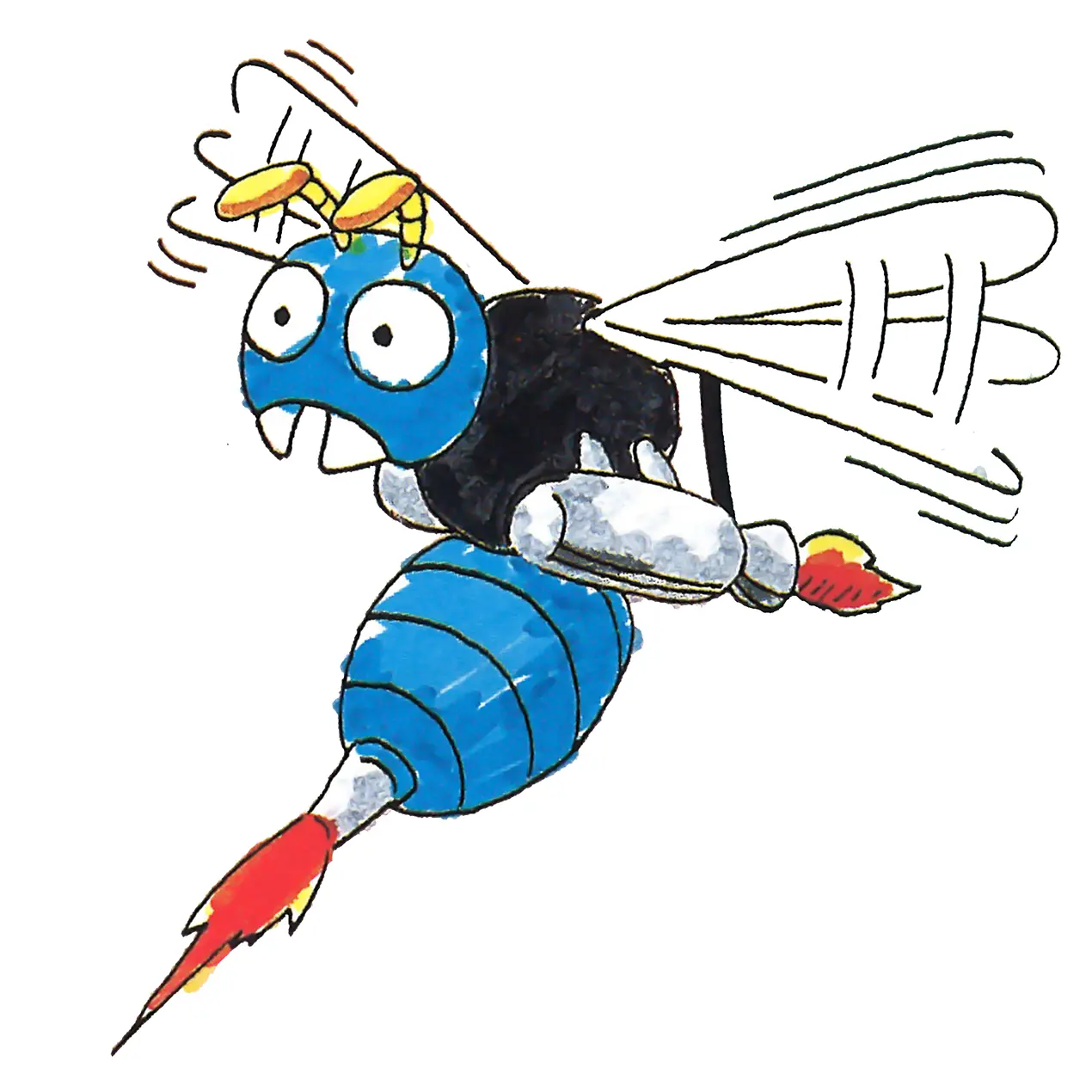
Buzz BomberGreen Hill · Marble · Spring YardA robot wasp, named by Dean Sitton.
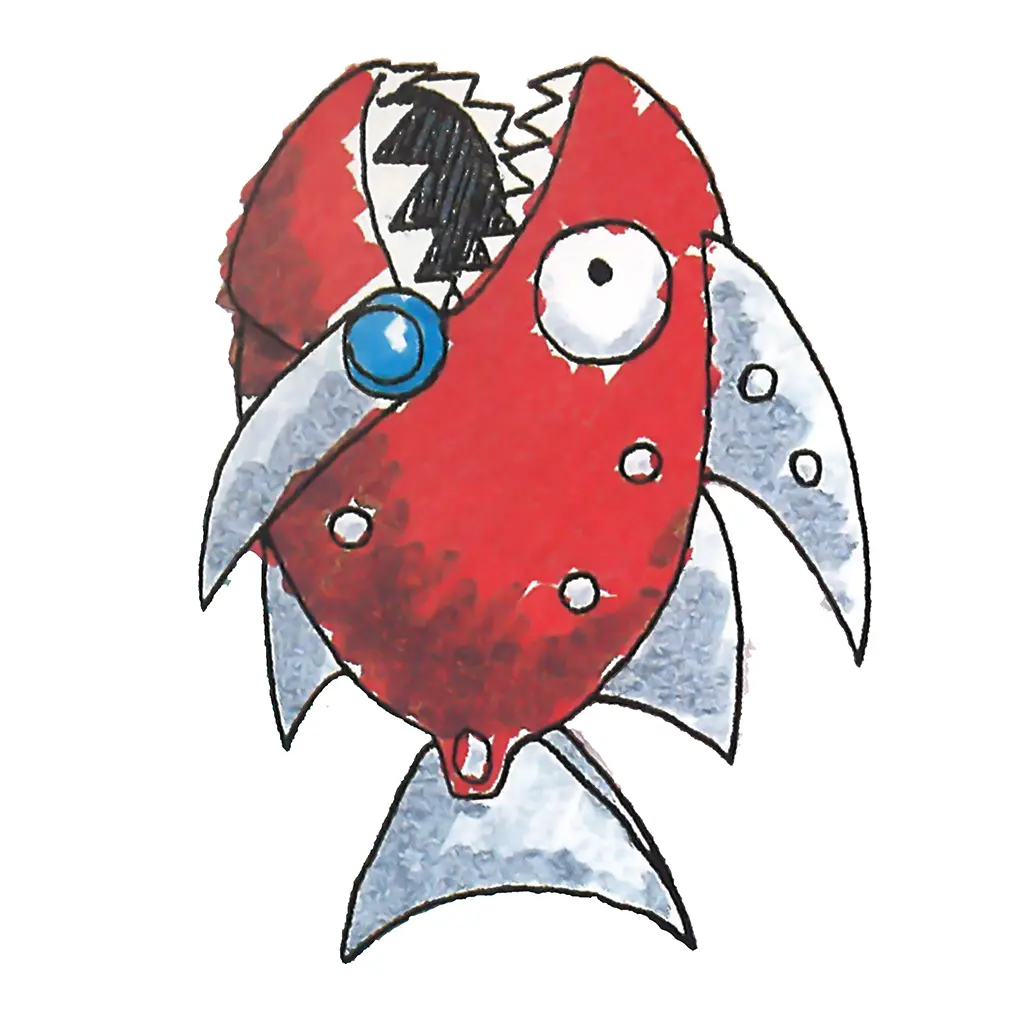
ChopperGreen HillA red robot piranha.
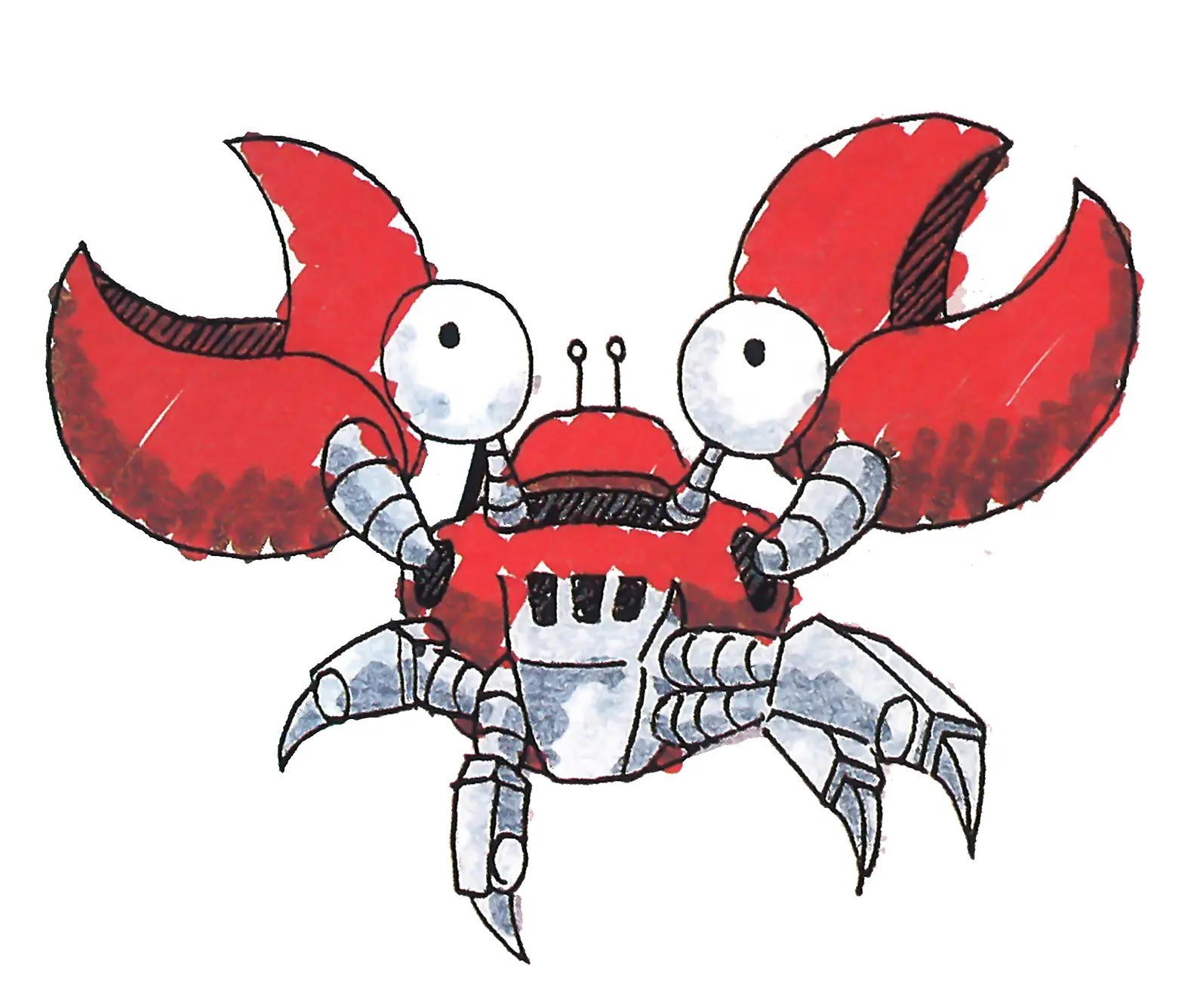
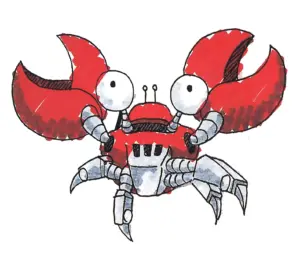
CrabmeatGreen Hill · Spring YardA red robot crab with big pincers.
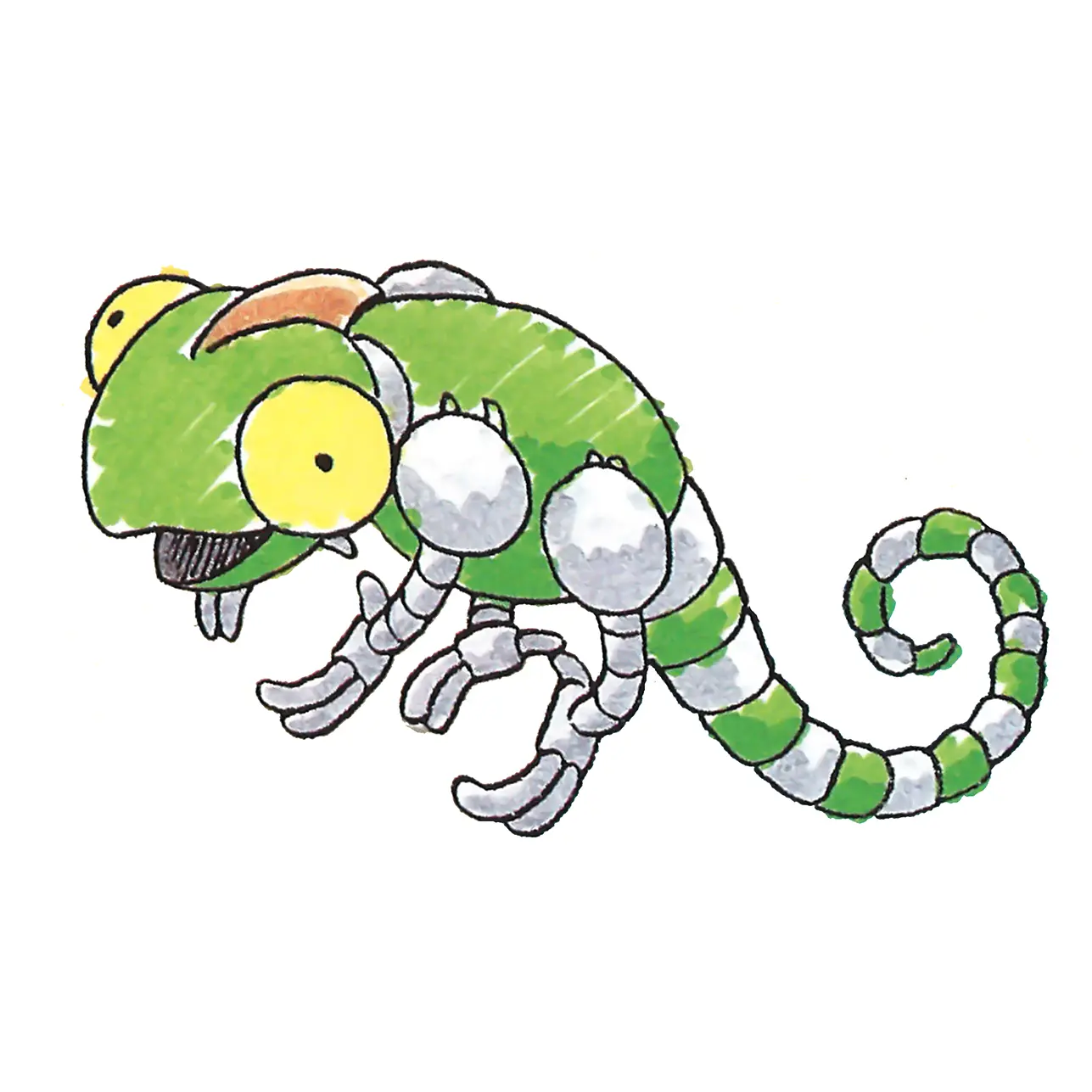
NewtronGreen HillA robot chameleon, in blue and green versions.
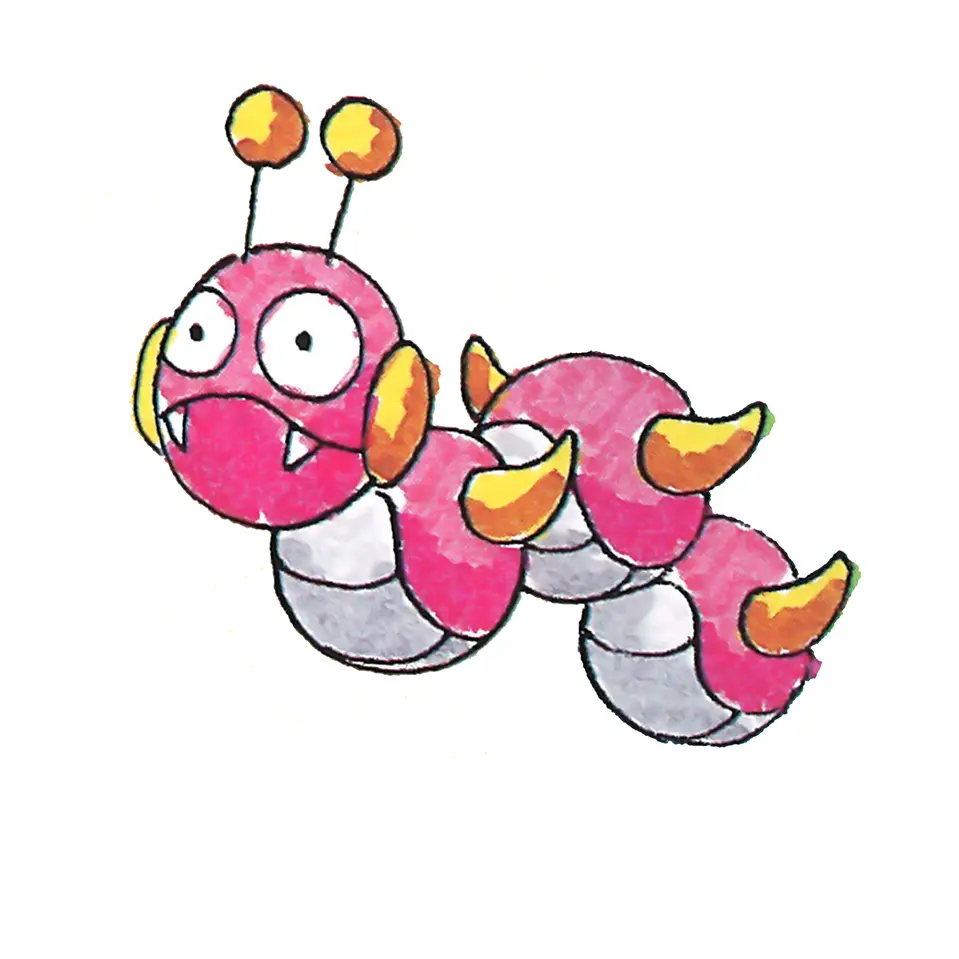
CaterkillerMarble · Scrap BrainA spiny robot caterpillar, named by Dean Sitton.
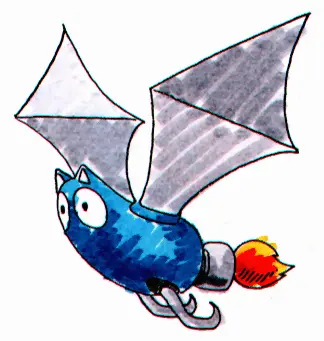
BatbrainMarbleA blue robot bat.
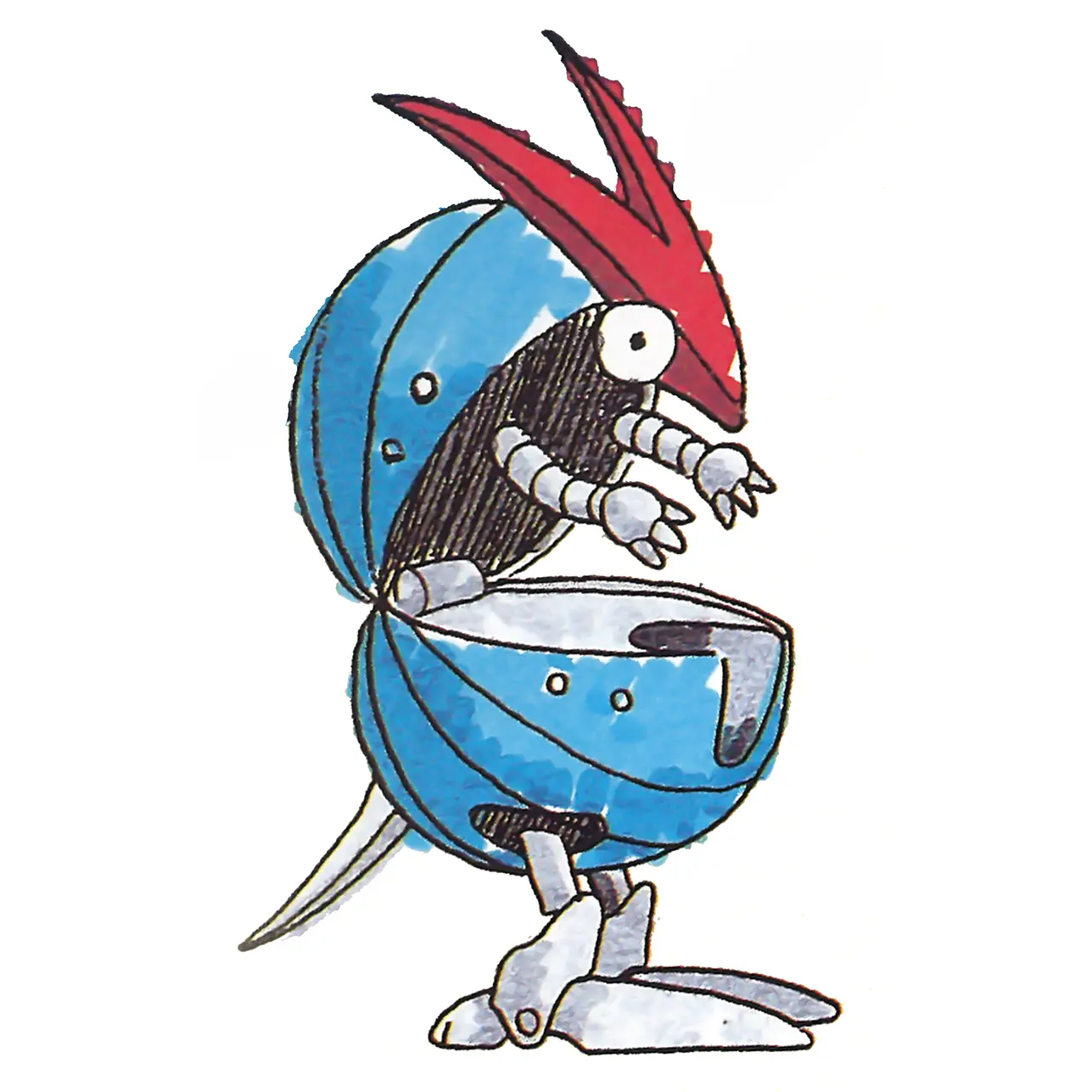
RollerSpring YardA robot armadillo.
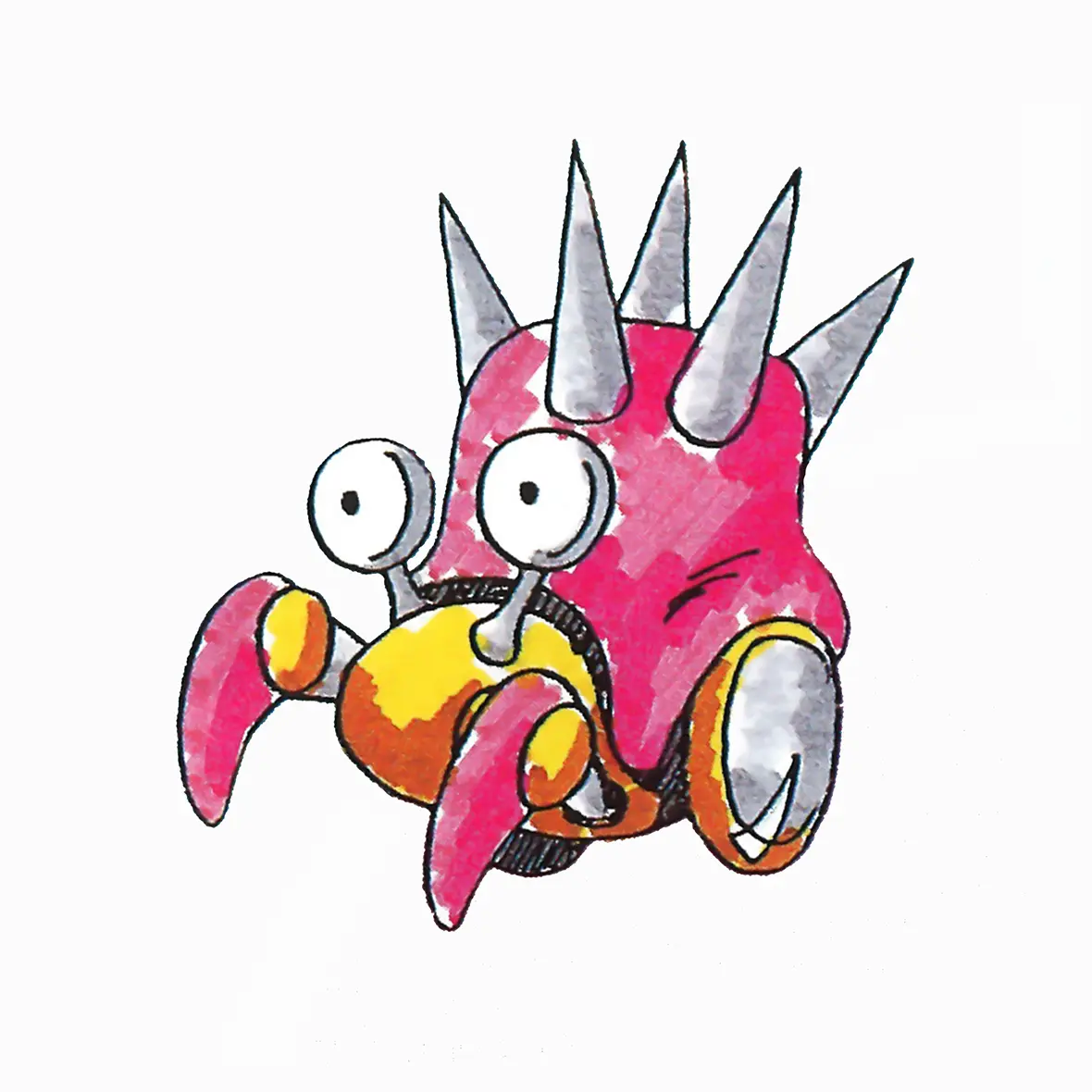
SpikesSpring YardA crab-like robot with a spiked shell.
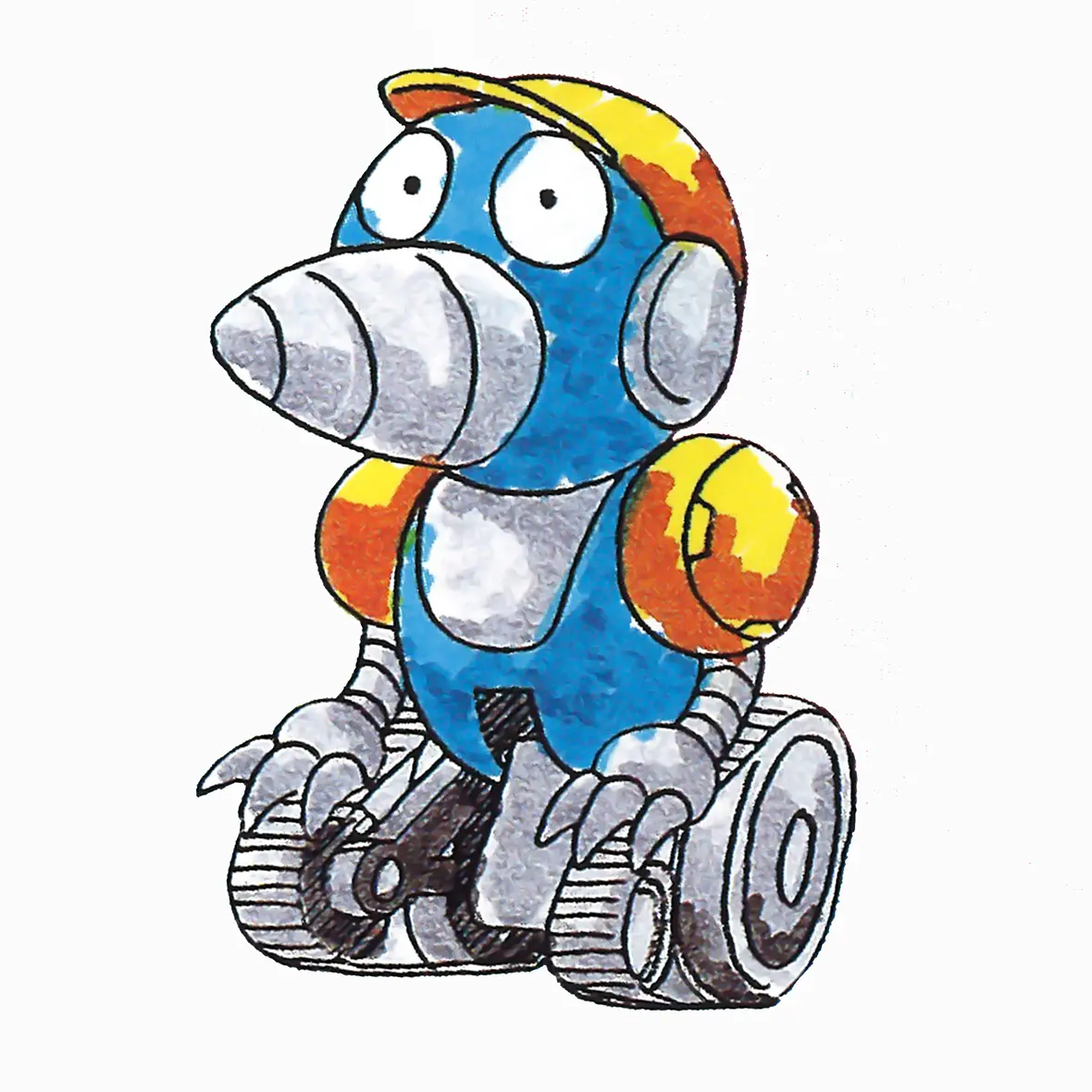
BurrobotLabyrinth · Scrap BrainA robot mole with a drill for a nose.
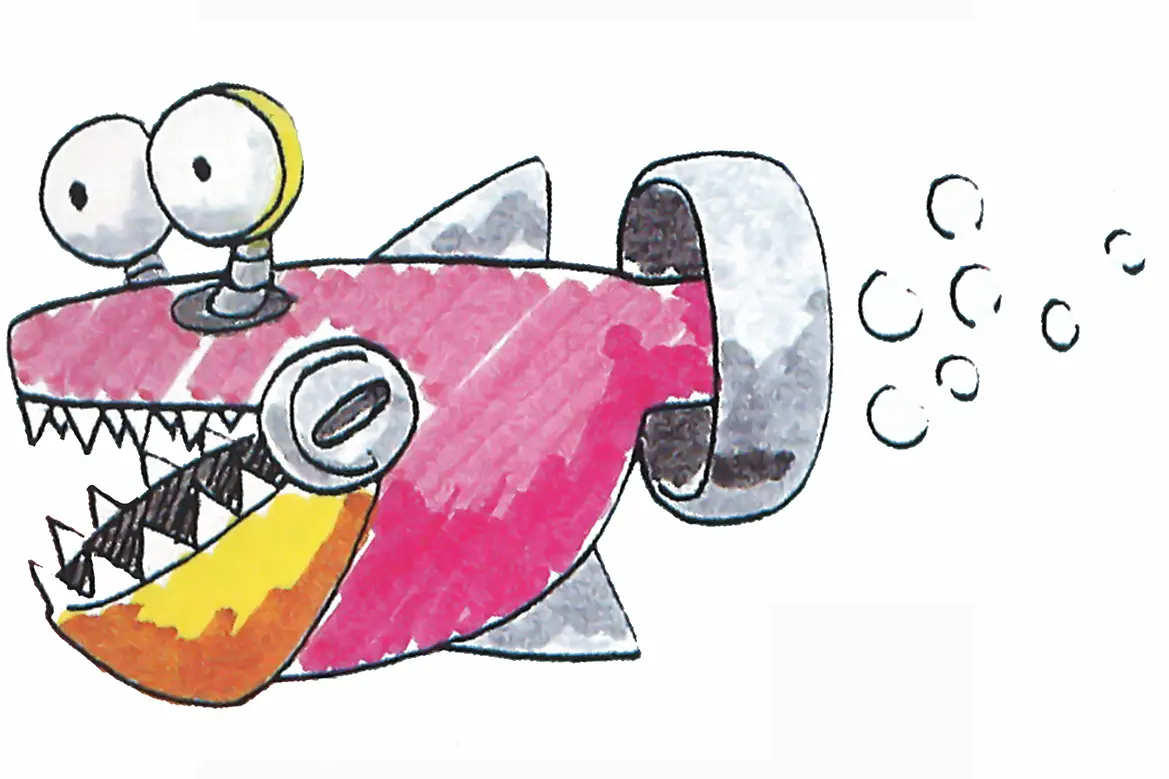
JawsLabyrinth · Scrap BrainA robot piranha that lives underwater.
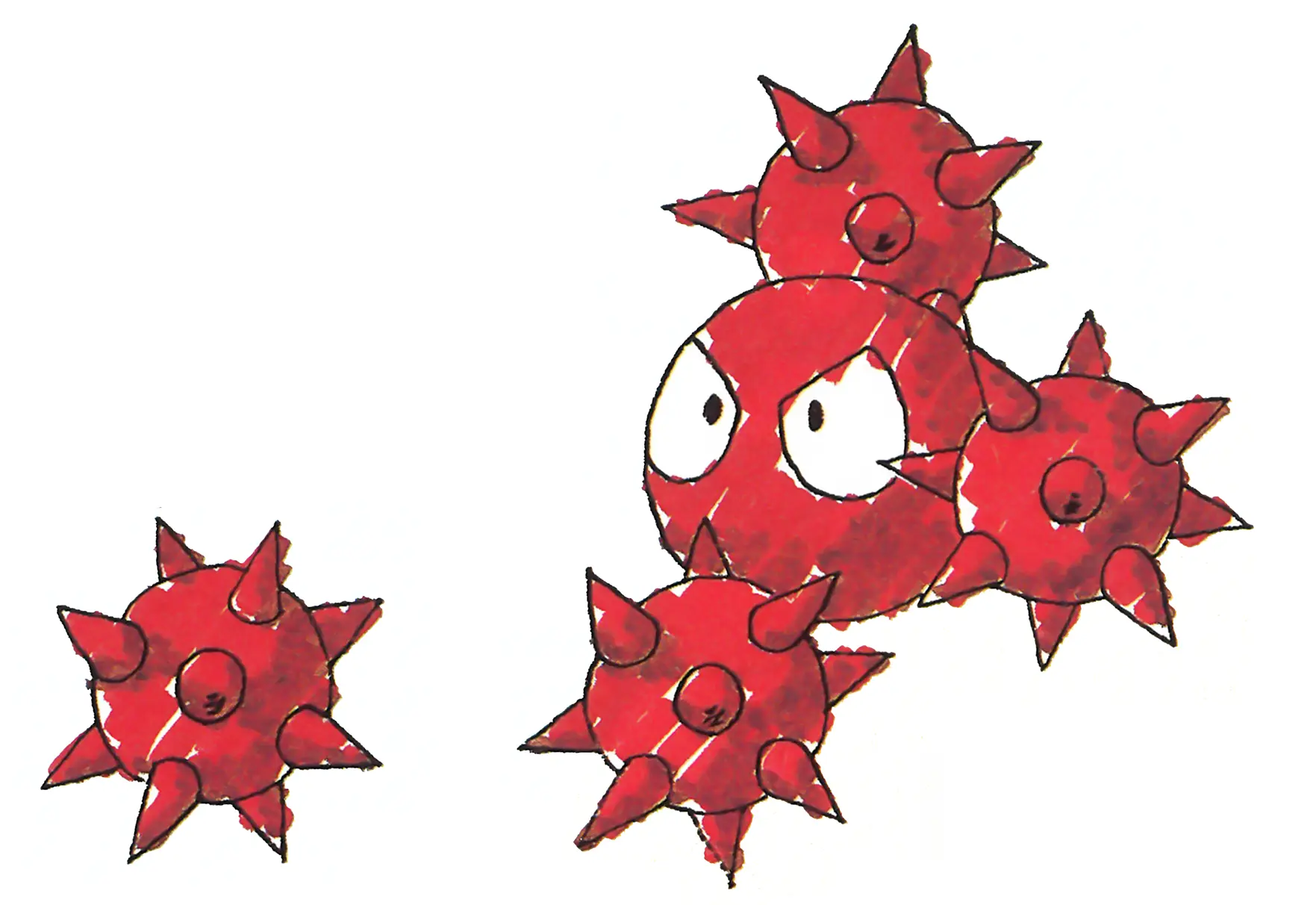
OrbinautLabyrinth · Star Light · Scrap BrainA body ringed by spiked balls; Star Light’s version is called Uni Uni.
BombStar Light · Scrap BrainA walking bomb with a fuse on top.
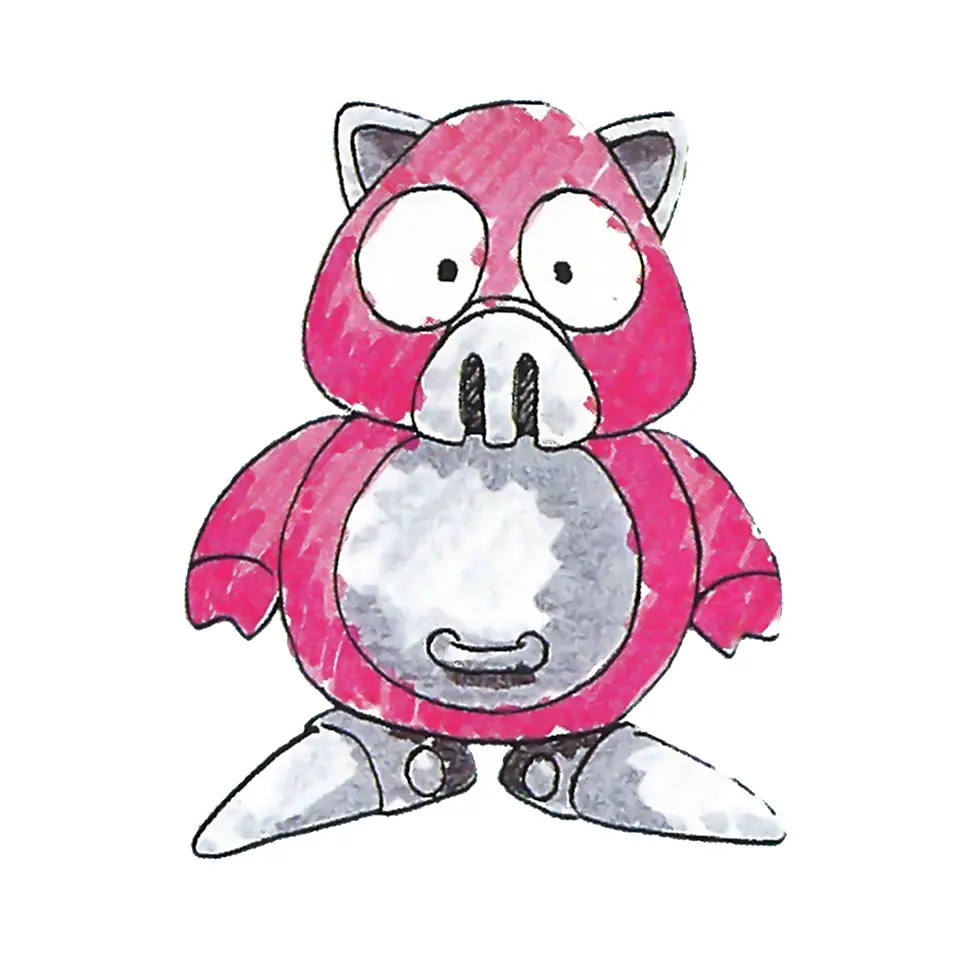
Ball HogScrap BrainA robot pig, named by Dean Sitton.
The people who made it
The credits list the core team under their nicknames; their real names are hidden in the game, too (see Cheats).
Yuji NakaProgram · “YU2”Wrote the engine and its momentum physics, cracked the loops, insisted on one-button controls and gave up the rolling somersault idea he had been saving since high school.
Naoto OhshimaCharacter design · “BigIsland”Designed Sonic, drew concept art for every zone, laid out Spring Yard and part of Green Hill, and designed the Special Stage system.
Hirokazu YasuharaGame plan · “Carol Yas”Designed every zone, placed the enemies, designed the Special Stages, wrote the story and coordinated the music with Masato Nakamura.
Rieko KodamaDesign · “Phenix Rie”A Phantasy Star veteran who painted the Labyrinth and Star Light backdrops.
Jina IshiwatariDesign · “Jinya”A new hire who redrew Green Hill Zone’s graphics over the course of a year until Ohshima was happy with them.
Masato NakamuraSound produceDreams Come True’s bass player, who treated the job like scoring a film.
Hiroshi KubotaSound program · “Jimita”Turned Nakamura’s demo tapes into Mega Drive music data and fine-tuned the instruments.
Yukifumi MakinoSound program · “Macky”Made the sound effects, the drowning countdown and the Chaos Emerald jingle, and suggested putting the SEGA chant before the title screen.
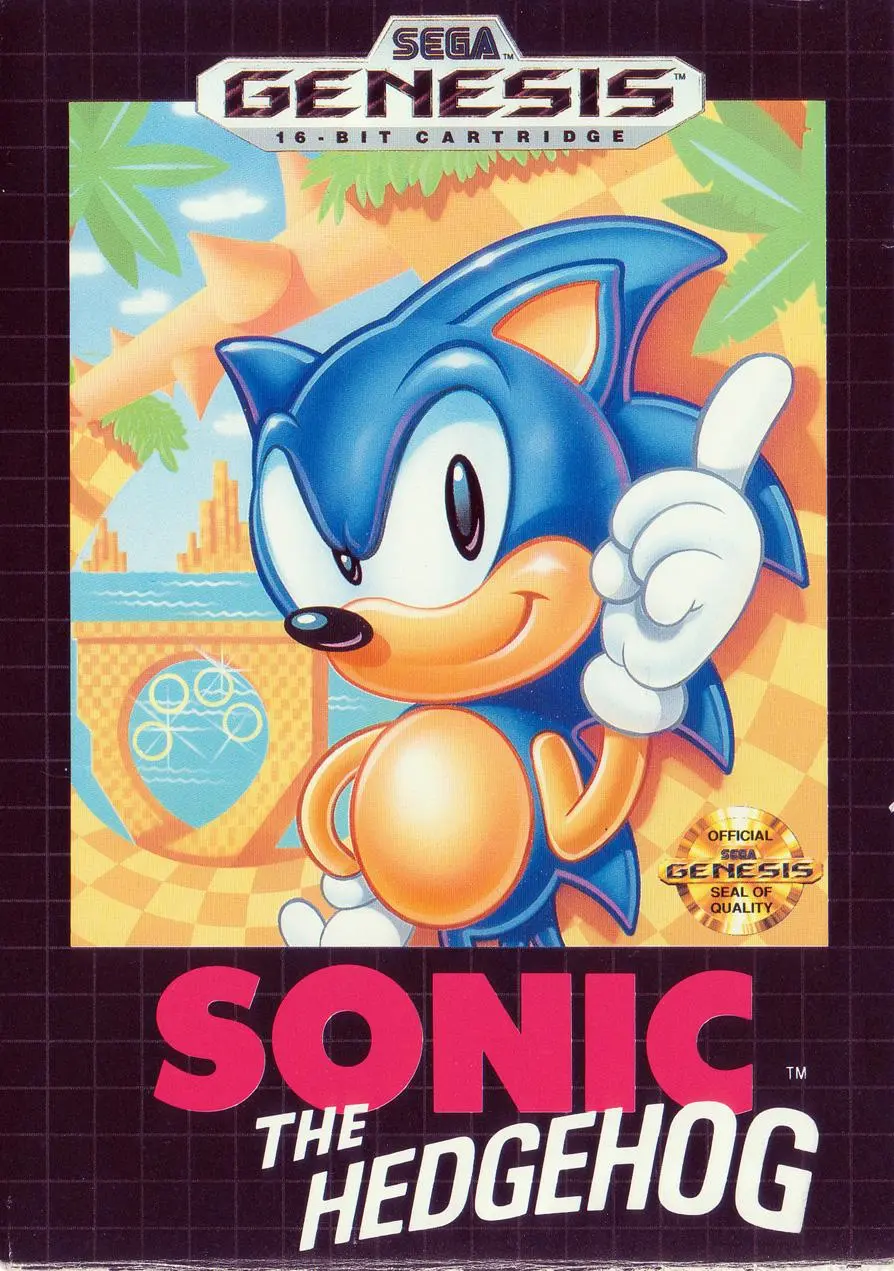
Greg WrayNorth American cover artSoftened Sonic’s look for the Genesis box, working with the agency Michael Patrick Partners.
Madeline Schroeder & Al NilsenSega of AmericaThe project manager and the marketing director who prepared Sonic for the West, starting with the Sonic Bible.
How it was made
Sonic 1 was Sega’s bet on a new mascot, and it was won by a handful of people in Tokyo and a marketing team in California. Our original page told the story of one feature that did not make it; Sonic Retro’s development history and Sega Retro’s records of the credits and release fill in the rest.
History of Sonic 1
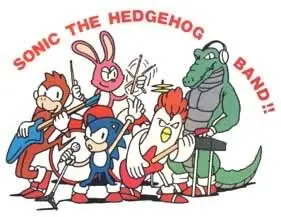
Sonic the Hedgehog Band, a scrapped feature from Sonic the Hedgehog (16-bit).
Sonic the Hedgehog went through several incarnations before being released as a final product. One of the proposed features that were dropped before the final product was released was the “Sonic the Hedgehog Band”, featuring animated graphics of a group of woodland animals that Sonic hung out with that would play music in the Sound Test area. Characters in the band included Max Monkey (guitar), Mach Rabbit (drums), and Vector the Crocodile (keyboard/synthesizer), who would later star in the 32X spin-off “Knuckles’ Chaotix” and later in Sonic Heroes. Due to development and space constraints, the entire band idea had to be scrapped, and the graphical Sound Test was replaced by the “SEGA!” chant used in television advertisements. This intro to the video game took up 1/8 (64 kilobytes) of the 4-megabit (512 kilobyte) cartridge. The text-only sound test option remained in the final version of the video game, and can be accessed via the level select cheat menu.
There is more to the band than our original page knew. Max played bass rather than lead, and there was a fifth member, Sharps the Parakeet, on lead guitar. The design document had Sonic rescuing them, with the band opening and closing the game. Why they went depends on who you ask: Yuji Naka put it down to time, and said the memory it saved went to the SEGA chant, while Madeline Schroeder and her colleagues at Sega of America remember dropping them to make Sonic less cartoonish for American players.
From rabbit to hedgehog
The hedgehog was not the first hero. Naoto Ohshima and Yuji Naka started with a rabbit that grabbed things with its ears and threw them, which made sense until Naka decided the game should use a single button. Stopping to throw broke the flow. Hirokazu Yasuhara, who had joined to design the game while his transfer to Sega of America waited out the Gulf War, argued that jumping should be the only way to attack, and Naka offered a trick he had kept up his sleeve since his school days: a somersault that also rolls along the ground. A rabbit could not do that convincingly. An armadillo, a dog and even a panda were discussed before the team settled on a hedgehog.
That pitch had begun with a company competition. In November 1989 Sega asked its staff for a mascot that could do for it what Mario did for Nintendo and Alex Kidd had not. Around 200 ideas came in and eight reached the president, Hayao Nakayama. Naka had been angling for exactly this project after a cancellation, and Ohshima already had a speedy loop-running concept, Twin Stars, that only Naka could program, so the two were paired. They arrived at the final pitch with a playable demo and a one-off plush made by Sega’s toy division.
Designing the look
Ohshima built Sonic out of borrowed parts: blue from Sega’s own logo, Santa Claus’s red and white for the shoes, buckles from the boots on the cover of Michael Jackson’s Bad, and a silhouette simple enough for a child to draw. “Mr. Hedgehog” became Sonic once somebody suggested the speed of sound. In the summer of 1990 Ohshima took his sketches to Central Park in New York and asked passers-by to choose; the hedgehog won comfortably, and an egg-shaped man came second.
Getting the speed right
The public first saw Sonic at the ’90 Tokyo Toy Show, 7–10 June 1990, in a demo with no loops at all, just Sonic sprinting over gently rolling ground in front of seven layers of scrolling scenery. Full production had started that April. Green Hill took its sky and hills from California, and Rieko Kodama and the newly hired Jina Ishiwatari turned Ohshima’s concept paintings into pixel art.
Naka relished the maths of keeping Sonic glued to a loop. The speed itself was a harder call: his fastest early build left testers, and Naka, feeling ill, so Sonic was reined in. Playtests taught him something else. Players did not explore; they held right and charged. Rings were his fix, a buffer that lets even the most careless runner absorb a hit and keep going.
Sega had pencilled in 21 November 1990, the day the Super Famicom and Super Mario World launched in Japan. Assistant director Minoru Kanari bought the team more time, and the group, by then calling itself Sonic Team, finished during Golden Week in May 1991. America got the game in June; Japan waited until 26 July, and the team spent the gap squashing bugs and adding visual flourishes.
A soundtrack by Dreams Come True’s Masato Nakamura
Switch on a Mega Drive with Sonic 1 in it and the first thing you hear is a voice singing “SEGA!”. That was Yukifumi Makino’s idea; he also made the game’s sound effects, and the chant was sampled by Keisuke Tsukahara. Hiroshi Kubota did the other half of the sound programming, translating demo tapes into music the console could play.
Those tapes came from outside Sega. Director Fujio Minegishi knew people in the music business and introduced the team to Masato Nakamura, who played bass and wrote songs for Dreams Come True. Shown the concept art, and asked by Naka for melodies people would hum, Nakamura wrote as if for a film, beginning with Green Hill and the title jingle. In return Sega sponsored the band’s next tour and lent it a truck with Sonic on the side, and for the game’s 20th anniversary Nakamura’s demos came out on the Sonic the Hedgehog 1&2 Soundtrack.
Selling Sonic to America
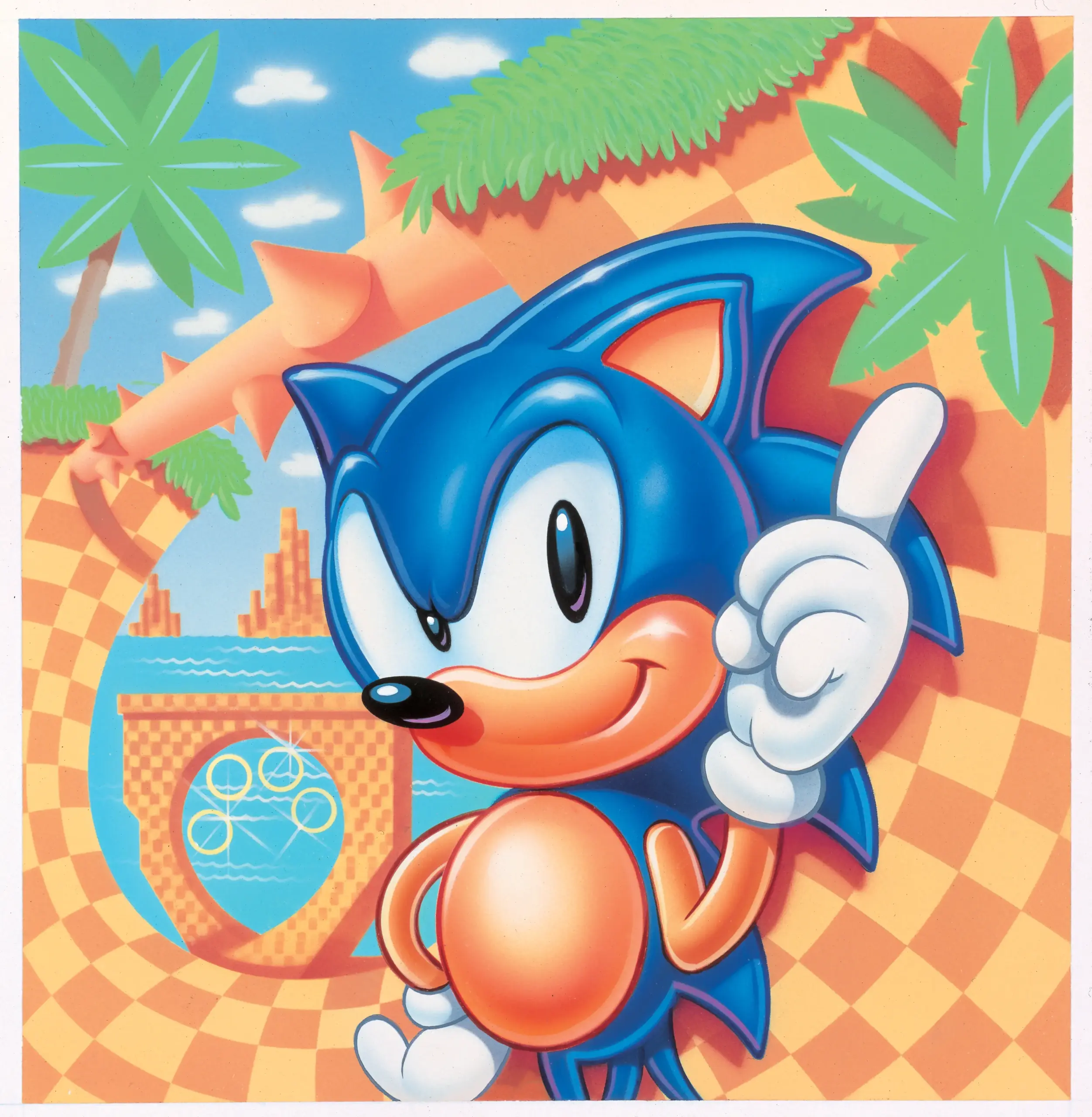
Greg Wray’s softer, Western Sonic, painted for the North American box.Art: SEGA, via Sonic Retro
The decision that made Sonic came from Tom Kalinske. Sega of America’s new chief told the board in Tokyo that the Genesis needed a lower price and Sonic in the box; the board disliked the idea, and Hayao Nakayama approved it anyway. From 15 September 1991 every Genesis shipped with the game, and after Christmas the Genesis was estimated to have 57.8 per cent of the market.
Not everyone had been convinced. Kalinske’s predecessor, Michael Katz, is said to have drawn up a top-ten list of reasons a hedgehog would fail, and marketing director Al Nilsen came round only after seeing Sonic run on a monitor in Japan. Project manager Madeline Schroeder, whom colleagues called “the mother of Sonic”, had Greg Wray soften the hedgehog for the American box, to Sonic Team’s irritation, and wrote the Sonic Bible with Nilsen. Tester Dean Sitton came up with Dr. Ivo Robotnik, Ball Hog, Caterkiller and Buzz Bomber.
Sonic slipped into the West quietly at the January 1991 Winter CES. At the summer show Sega set it up right next to Super Mario World, moments after Nintendo had revealed the Super NES.
What got cut
The band had company on the cutting-room floor. Ohshima gave Sonic a human girlfriend, Madonna, a grown woman in a red dress meant to show that the hedgehog was older than he looked; she survived only in a Mega Drive rotation and scaling demo at the Tokyo Toy Show. A nightmare-world villain called Thirteen, left over from Twin Stars, was dropped. Spring Yard and Scrap Brain started life as Sparkling Zone and Clock Work Zone, Labyrinth lost its slot as zone two for being too hard, and a Mega-CD prototype of the game was made but never sold.
Firsts: what this game introduced
As the first game in the series, Sonic 1 introduced most of what we still think of as “Sonic”.
1Sonic the HedgehogSega’s new mascot, built to do what Alex Kidd had not: take on Mario.
2Dr. Eggman / Dr. RobotnikThe series’ villain makes his debut, Eggmobile and all.
3RingsA health bar you can see and lose: hold at least one ring and an enemy hit just scatters them. Born from watching playtesters run flat out.
4Chaos Emeralds & Special StagesSix Emeralds in a rotating maze, and the first “get them all for the true ending”.
5Badniks and animal capsulesRobots with animals inside, and a capsule to open after every boss.
6Loops, slopes and momentumSmooth terrain instead of 8-bit blocks, with physics that make Sonic part pinball, part rollercoaster.
7The Spin AttackOne button, jump and curl into a ball; roll along the ground by pressing Down.
8Monitors and Lamp PostsItem boxes with power-ups, and checkpoints to restart from, both series fixtures ever since.
9Edit (debug) modeThe object-placing cheat mode first appeared here and returned in many later 2D Sonic games.
10Sonic TeamThe developers named themselves after the project as it neared completion.
11The SEGA chantThe voice from Sega’s Japanese TV adverts, singing the company’s name at power-on.
12The Green Hill themeOne of the first two pieces Masato Nakamura wrote for the game, and quoted by the series ever since.
Cheats & secrets
Sonic the Hedgehog for the Sega Genesis / Mega Drive has several cheats available for those willing and able to find and use them. This section lists them below.
Bonus Points
For extra points, pass any zone in a certain amount of time. Times and points are listed in the table below, with points being for finishes within/under the listed time:
Finish under
Bonus
0:30
50,000
0:45
10,000
1:00
5,000
1:30
4,000
2:00
3,000
3:00
2,000
4:00
1,000
5:00
500
Confused Demo
While the demo is playing, hold A + B + C. Sonic will get confused, lose his place, and possibly die. (This only works on the original REV00 cartridges; it was fixed in the Japanese REV01 release.)
Control Mode
At the title screen, press Up, C, Down, C, Left, C, Right. You should hear a chime. Hold A and press Start. While playing, you can pause the game and use A to restart, B for slow motion, and C for frame advance. (Sonic Jam’s official hint gives the code as Up, C, Down, C, Left, C, Right, C; the game only counts the C presses, so their position does not matter. Pressing A while paused returns you to the title screen.)
Debug Mode
Enable Control Mode. After pressing Start to begin a game, hold A until you see Sonic. If you see a bunch of hex numbers on the top of the screen, you’re in Debug Mode. To start debugging, press B, then you can select any sprite in that level and put it on the screen. To select a different sprite, press A, and to place it on the screen, press C. Control Mode functions work as well. Sonic is also invincible against most things while in debug mode.
Level Select
At the title screen, press Up, Down, Left, Right (in Japanese versions of Sonic the Hedgehog, it is Up, Down, Down, Down, Left, Right). When you hear the chime, hold A and press Start. (The menu also holds the sound test.)
Secret Game Message
At the title screen, press C, C, C, C, C, C, Up, Down, Left, Right. When the demo starts, hold A, B, C, Down then press Start. Instead of the Sonic Team logo, you will see a list of the game’s developers in Japanese. (This needs the console set to Japanese; on the Japanese REV01 cartridge the directions are Up, Down, Down, Down, Left, Right. The names, in black on black, sit behind the “Sonic Team Presents” screen all along.)
Level Select (Japanese Version)
This code is for the Japanese version. At the title screen, press Up, Down, Down, Down, Left, Right. You’ll hear a ring sound. Hold A and Press Start for the level select.
Slow Motion and other commands (Japanese Version)
Note: This code is for the Japanese version. At the title screen, press C, C, Up, Down, Down, Down, Left, Right. You’ll hear a ring sound. Pause the game when playing, and hold B to play in Slow Motion, press C to skip a frame, or press A to go back to the Title Screen.
Config Mode (Japanese Version)
Note: This code is for the Japanese version. At the title screen, press Up, C, Down, C, Down, C, Down, C, Left, C, Right. You’ll hear a ring sound. Start the game when holding A to be in Config mode that the Score and Time are distorted. Press B to enable Config mode, that Sonic morphs into a ring. Press A to switch through different items, Press C to place the sprite, move around with the D-Pad, or Press B to morph back to Sonic. (Sonic Retro gives the Japanese REV01 code as C, C, C, C, Up, Down, Down, Down, Left, Right, then A + Start; as with the Western code, only the number of C presses matters.)
Cheats from our original Sonic the Hedgehog page. Notes in grey were added in 2026 after checking the codes against Sonic Retro.
Glitches, exploits and oddities
Sonic Team finished Sonic 1 against the clock, and some of its bugs have outlived every console it has appeared on. Grouped by what goes wrong:
Spikes that do not play fair
Spikes in Green Hill Zone, Act 2.
After a hit Sonic normally flashes and cannot be hurt for a moment, but spikes ignore that. Bounce off one spike into another and you can lose your rings and then your life before you have landed properly; wearing a shield only adds a third casualty to the sequence. Players argued for years about whether it was intentional, until Yuji Naka called it a bug in The Game Maker: Sega-hen and said sorry. Sonic Mega Collection and 3D Sonic the Hedgehog fix it.
Numbers that roll over
The game keeps lives and boss damage in small counters that cannot go below zero, so they wrap round instead. In Labyrinth Act 3, with one life, no rings and spikes close by, drown while hanging from one of the vertical bars and the game deducts two lives: the counter flips to 255 and the act restarts with gibberish where the lives should be. Hit Eggman again in the Final Zone as his piston pulls back after the last blow and his hit counter does the same thing; he simply starts fighting again, and the only exits are a time over or a lost life. Anything above 99 lives also turns the two-digit display to garbage.
Off the top of the world
Roughly three-quarters of the way through Star Light Act 1, on the upper route, one Orbinaut is a death trap: jump on it and the bounce sends Sonic above the screen, where the game decides he has fallen into a pit. It was fixed in Sonic the Hedgehog Genesis on the Game Boy Advance.
Through solid walls
Get Sonic pushed deep into a wall and the code that ejects him can fire him sideways at 32 pixels a frame, faster than the camera can follow. Out of sight, he passes through everything until he emerges, sometimes skipping big sections of a level, and going past the left edge wraps him round to the far side. It was never fixed. A cousin of the trick works in Marble Zone: crouch on the moving blocks that carry Sonic over the lava and he slides through the larger obstacles, though standing up while inside scenery kills him on the spot.
Short-changed at the signpost
Hidden bonus targets above the end-of-act signpost are marked 100, 1,000 and 10,000 points, but the 100-point ones only award 10. The 2013 remake pays out properly.
Left in the cartridge
Scrap Brain has dead static monitors hidden in its walls, one of which can be broken in normal play. Spring Yard’s graphics include a “Let’s Go” sign seen only in preview screenshots, the Special Stages hold six unused “Zone” blocks that may once have been shortcuts, and an unused warp effect looks like an earlier way into the Special Stage. When the game does crash, a hidden error screen prints messages such as ILLEGAL INSTRUCTION, which a Labyrinth Zone bug can reveal.
Videos & media
Two films about the original: SEGA’s own look at its 2018 re-release, and the people who designed it explaining how they did it.
SEGA’s official introduction video for SEGA AGES Sonic the Hedgehog, the 2018 Nintendo Switch release (Japanese).
Naoto Ohshima and Hirokazu Yasuhara’s Classic Game Postmortem of Sonic the Hedgehog at GDC 2018, from GDC’s official channel.
Trivia & facts
Sonic’s first public outing was the ’90 Tokyo Toy Show in June 1990. The demo had no loops at all; the selling point was seven layers of parallax scrolling.
The game was first scheduled for 21 November 1990, the same day as the Super Famicom and Super Mario World in Japan.
The winged title emblem.The winged ring of the title emblem reflects Naoto Ohshima’s love of aviation insignia, and the chrome “SONIC” lettering follows a logo fashion of the 1980s.
Sonic Team wrote Sonic a fictional history: a 1947 test pilot nicknamed “Hedgehog”, killed trying to break the sound barrier, whose wife wrote children’s stories about a hedgehog called Sonic; decades later a photographer called Meg is rescued from a burning air show, and finds a pair of red shoes in her photos.
A November 1990 “interview” in Sega’s Sega Players Enjoy Club gave Sonic his attitude and a birthplace, Christmas Island.
Ohshima tested his designs on passers-by in Central Park, New York, in the summer of 1990. The hedgehog won easily; the egg-shaped man who became Eggman came second.
Sonic’s go-getting personality was partly modelled on Bill Clinton, then a rising star in American politics.
Names Dean Sitton suggested for the villain before Dr. Robotnik won out included Dr. Badvibes, Doctor Gloom, Dr. What and Nasty McRotten.
The drum sounds came from a Roland TR-626 and a Yamaha RX5 sample cartridge; Golden Axe II uses the same samples at different pitches.
Before release, Sega put out early versions of some of the music as Sega Music Collection: Sonic the Hedgehog on its Game Toshokan service in June 1991.
The level select in the first cartridges hints at a different zone order, and the Sonic Jam Official Guide confirms Labyrinth Zone was originally second.
The hidden staff credits name the team in full: Naka Yuuji on program, Yasuhara Hirokazu on plan, Ooshima Naoto, Ishiwatari Jina and Kataoka Rieko on design, Nakamura Masato on sound produce, and Kubota Hiroshi and Makino Yukifumi on sound program.
Media & artwork
Box art, artwork and screenshots, mostly from Sonic Scene’s own galleries. Select any image to view it larger.
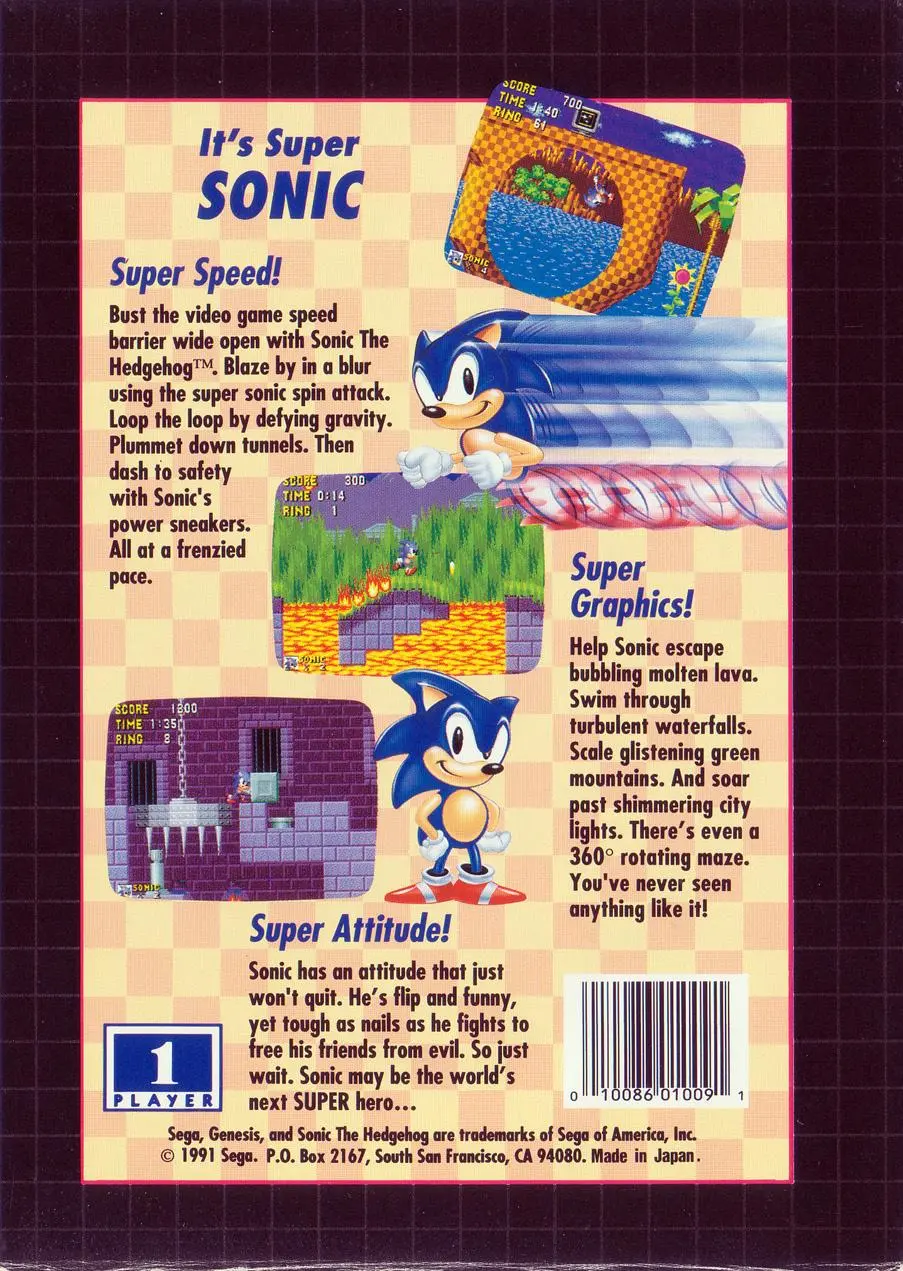
North American Genesis box (1991).Back of the North American box.Greg Wray’s North American cover art.The winged title emblem.Dr. Eggman in the Eggmobile.The cut Sonic the Hedgehog Band.Sonic, 1991 artwork.Sonic, 1991 artwork.Sonic, 1991 artwork.Sonic, 1991 artwork.Sonic, 1991 artwork.Sonic, 1991 artwork.Green Hill Zone.Green Hill Zone.Green Hill Zone.Green Hill Zone.Green Hill Zone.Marble Zone.Pocky the rabbit (later Sega artwork).Pecky the penguin (later Sega artwork).
Sonic 1 has rarely been out of print. Sega has put it on at least twenty platforms, and its first zone keeps coming back in new games.
From Mega Drive to Sonic Origins
Mega Drive / GenesisJune–July 1991 – North America in June (official date 23 June), Japan on 26 July.
Sonic the Hedgehog (8-bit)October 1991 – A separate game by Ancient for Master System and Game Gear.
Mega-Tech and Mega Play1993 – Arcade versions of the Mega Drive game.
Sonic Classics1995 – A Mega Drive compilation cartridge.
Sonic Jam1997 – A Sega Saturn compilation.
Sonic Mega Collection2002 – GameCube collection that includes REV00, REV01 and a third variant.
Wii Virtual ConsoleNovember–December 2006 – US 19 November, Japan 2 December, Europe 8 December.
Sonic the Hedgehog Genesis2006 – Game Boy Advance version rebuilt from scratch.
iOS and Steam2009–2010 – iPhone on 20 May 2009; Steam on 26 October 2010.
Remastered for iOS and Android2013 – A new version rebuilt from scratch, plus 3D Sonic the Hedgehog for Nintendo 3DS.
SEGA AGES Sonic the Hedgehog20 September 2018 – Nintendo Switch (the Japanese release date).
Mega Drive Mini2019 – Built in to the plug-and-play console everywhere except Japan.
Sonic Origins23 June 2022 – A remastered collection for PlayStation, Xbox, Nintendo Switch and PC.
Green Hill, again and again
The first zone of the first game has become the series’ calling card. Green Hill returns in Sonic Adventure 2, Sonic Generations, Sonic Mania and Sonic Forces, as a stage in Super Smash Bros. and LEGO Dimensions, and as several of the Cyber Space levels in Sonic Frontiers.
Where to play it today
Sonic Origins (2022) is the main way to play it on current consoles and PC, and SEGA AGES Sonic the Hedgehog (2018) is on Nintendo Switch. Sega delisted several older standalone versions ahead of Sonic Origins, so check what is still on sale on your platform.
Sales & reviews
Sales figures
Sonic sold two million copies in 1991 and passed 3.7 million by October 1992. By June 1997 it had sold more than 14 million, making it the best-selling Mega Drive game. Many of those copies came bundled with consoles; Sega later said it had given Sonic away to more than 15 million households with its hardware.
2msold in 1991
3.7mby October 1992
14m+by June 1997
15mhouseholds given Sonic with a Sega console
Reception and review scores
Mean Machines issue 9 (June 1991), page 22, the issue before its review. From our original gallery.
The press adored it. These are the main period reviews, from Sega Retro’s index of magazine scans; scores that were not out of 100 are shown as Sega Retro converts them.
France’s Joystick topped this selection at 98%, just ahead of Sega Power’s 97%. In Britain, Sega Pro, Raze and Zero were all at 95% or more, and in Japan Beep! MegaDrive’s review works out at 93%.
Honours
The Strong · 2016World Video Game Hall of FameInducted in the Hall’s second class, in Rochester, New York.
Mega Drive / GenesisBest-selling game on the systemMore than 14 million copies by June 1997.
Sega of America · 1991The pack-in that changed the console warBundled with every Genesis from September 1991; the Genesis was estimated at 57.8 per cent of the market after Christmas.
Reader reviews
No reader reviews yet. Played it? Give it a score out of 10 and tell other fans what you think.
Every fact on this page was checked against the sources below (Sonic Retro and Sega Retro were read through Wayback Machine copies from 2025 and 2026; where the newest copy was a bot-check page, the latest readable one was used). Magazine scores come from Sega Retro’s review index, which links each score to a scan of the original page.
To provide the best experiences, we use technologies like cookies to store and/or access device information. Consenting to these technologies will allow us to process data such as browsing behavior or unique IDs on this site. Not consenting or withdrawing consent, may adversely affect certain features and functions.
Functional
Always active
The technical storage or access is strictly necessary for the legitimate purpose of enabling the use of a specific service explicitly requested by the subscriber or user, or for the sole purpose of carrying out the transmission of a communication over an electronic communications network.
Preferences
The technical storage or access is necessary for the legitimate purpose of storing preferences that are not requested by the subscriber or user.
Statistics
The technical storage or access that is used exclusively for statistical purposes.The technical storage or access that is used exclusively for anonymous statistical purposes. Without a subpoena, voluntary compliance on the part of your Internet Service Provider, or additional records from a third party, information stored or retrieved for this purpose alone cannot usually be used to identify you.
Marketing
The technical storage or access is required to create user profiles to send advertising, or to track the user on a website or across several websites for similar marketing purposes.

 Sonic the HedgehogThe hero
 Flicky, Pocky & PeckyThe animal friends
 The BadniksEggman’s robot army
 MotobugGreen HillA robot ladybird on a single wheel.
 Buzz BomberGreen Hill · Marble · Spring YardA robot wasp, named by Dean Sitton.
 ChopperGreen HillA red robot piranha.
 CrabmeatGreen Hill · Spring YardA red robot crab with big pincers.
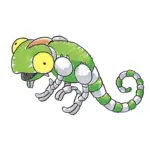 NewtronGreen HillA robot chameleon, in blue and green versions.
 CaterkillerMarble · Scrap BrainA spiny robot caterpillar, named by Dean Sitton.
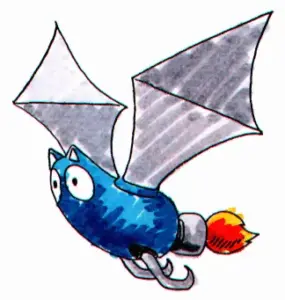 BatbrainMarbleA blue robot bat.
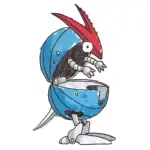 RollerSpring YardA robot armadillo.
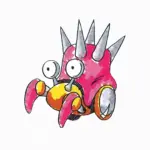 SpikesSpring YardA crab-like robot with a spiked shell.
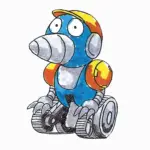 BurrobotLabyrinth · Scrap BrainA robot mole with a drill for a nose.
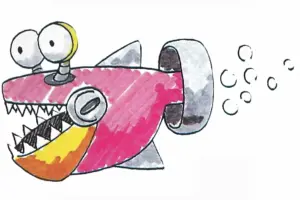 JawsLabyrinth · Scrap BrainA robot piranha that lives underwater.
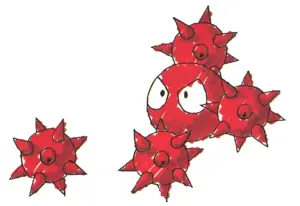 OrbinautLabyrinth · Star Light · Scrap BrainA body ringed by spiked balls; Star Light’s version is called Uni Uni.
 BombStar Light · Scrap BrainA walking bomb with a fuse on top.
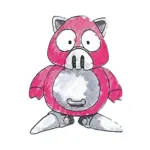 Ball HogScrap BrainA robot pig, named by Dean Sitton.