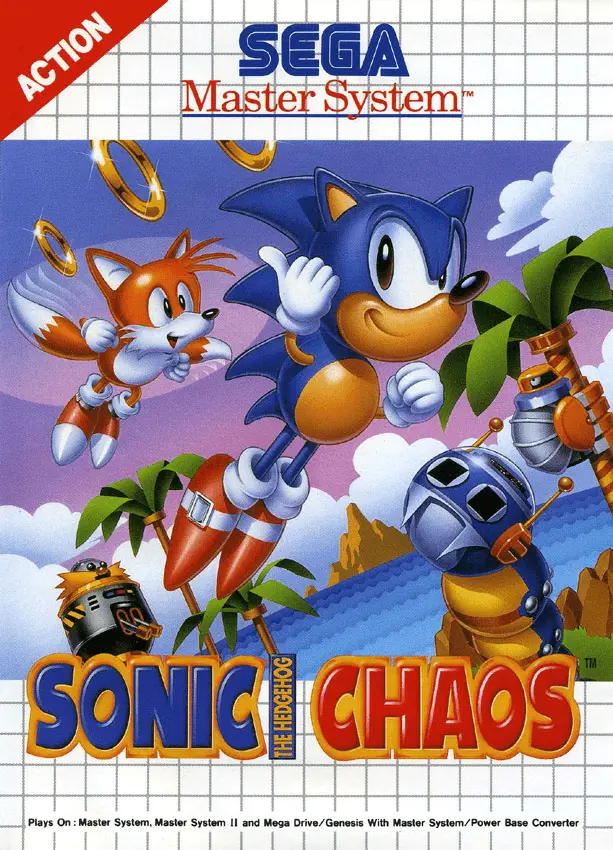
South Island is sinking, Dr. Eggman has the red Chaos Emerald, and for the first time on an 8-bit Sega you can play as Tails. Strap on the Rocket Shoes: this one is built for speed.
Released19 Nov 1993 (JP) · 23 Nov 1993 (US, UK)
DeveloperAspect, for Sega
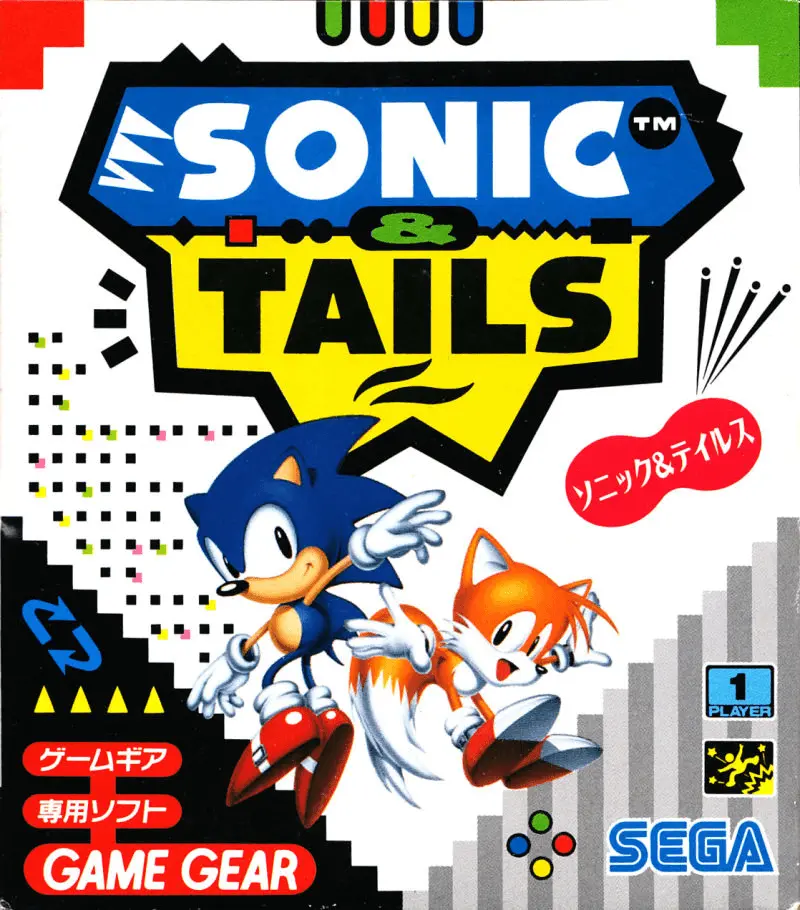
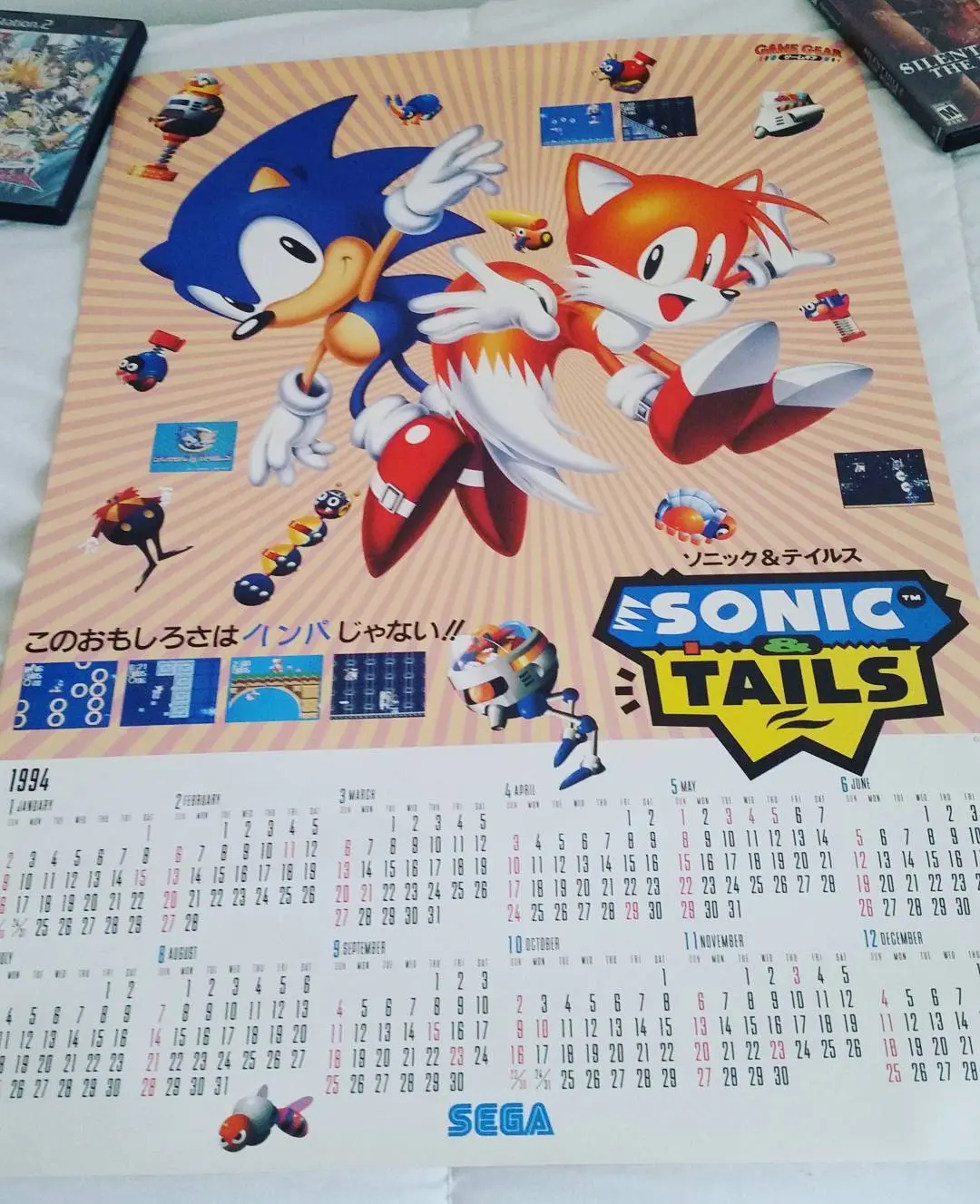
Japanese titleSonic & Tails
ZonesSix, three acts each
Players1
PlayableSonic or Tails
Title
Sonic Chaos Japan: ソニック&テイルス (Sonic & Tails)
Platforms
Sega Master System, Sega Game Gear
Developer
Aspect
Publisher
Sega (Sega of America in North America, Sega Europe in Europe); Majesco re-released the Game Gear cartridge in the US
Game design
M.Shima, Ray, 500ZO (credited by nickname)
Programming
Koko, Hiro 777, Toshiyan, Tomoyan
Art
7LY.BigKing, GEN♥, Noburin, East
Sound
Mix, Nagao N.Gee; sound driver by Tokuhiko Uwabo
Players
1
Released (Japan)
Game Gear: 19 November 1993 (¥3,800, G-3331)
Released (North America)
Game Gear: 23 November 1993
Released (Europe)
Master System and Game Gear: 23 November 1993 in the UK (£29.99), going by Sega Retro’s newspaper-dated research. Our original page and Sonic Retro give 25 October 1993 for the Master System cartridge.
Released (elsewhere)
Australia 1993 (Master System, A$79.95); Brazil 1993 (Tec Toy)
Cartridge
4 megabits (512 KB)
Virtual Console
Wii (Master System version): 2 February 2009 (US), 6 February 2009 (Europe), 17 March 2009 (Japan)
Collections
Sonic Adventure DX: Director’s Cut, Sonic Mega Collection Plus, Sonic Origins Plus (2023) and the blue Game Gear Micro (2020)
Sonic Chaos is the third of Sega’s 8-bit Sonic platformers, built by Aspect (the studio behind the 8-bit Sonic the Hedgehog 2) and released on the Master System and Game Gear at the end of 1993. In Japan it went out on the Game Gear as Sonic & Tails, a title that tells you exactly what was new.
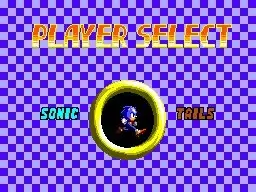
After the 8-bit Sonic 2, where Tails only turned up in cutscenes, the fox finally gets the controls, flight and all. Sonic picks up tricks that Mega Drive owners already loved, the Spin Dash and a dash-from-standing move the manual calls the Strike Dash (the Super Peel-Out), and for the first time on 8-bit the Chaos Emeralds are won in Special Stages.
Aspect also turned the difficulty right down. After the notoriously tough 8-bit Sonic 2, the acts here are short, fast and built for flat-out running, the boss acts finally hand out rings, and Rocket Shoes can carry you through half a level in seconds. Critics in 1993 mostly loved the looks and the speed; a few grumbled that it was far too easy.
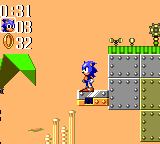
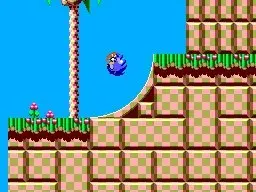
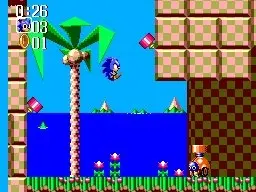
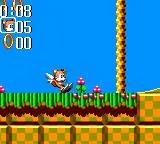
Turquoise Hill Zone on the Master System.Sonic or Tails? For the first time on 8-bit, you choose.Tails in Turquoise Hill, Game Gear.
Could this be the end of South Island?
So begins the story page in Sega of America’s Game Gear manual. It goes on to cast Dr. Robotnik as a maniac after the Chaos Emeralds, gems it calls the source of life for every living thing, warns that he could turn them into nuclear bombs and laser weapons, and explains that he has already grabbed the red one, flinging the rest into a parallel universe and leaving South Island to slide into the sea. Sonic signs off with a wisecrack about charging the doctor with contempt of hedgehog.
— Official description: Sega of America, Sonic Chaos Game Gear instruction manual (1993), story page, as transcribed by Sonic Retro. One line quoted; the rest summarised.
Quick Answers
The quick version, with the detail further down the page.
When did Sonic Chaos come out?
On the Game Gear in Japan on 19 November 1993 (as Sonic & Tails), and in North America and the UK on 23 November 1993. Some sources date the European Master System cartridge to 25 October 1993. More →
Is Sonic Chaos the same game as Sonic & Tails?
Yes. Sonic & Tails is the Japanese Game Gear release. It mixes the Master System and Western Game Gear layouts for some third acts and has an extra code for a magazine contest, but it is the same adventure. More →
Who made Sonic Chaos?
Aspect, the Japanese studio that also programmed the 8-bit Sonic the Hedgehog 2 and went on to make Triple Trouble. Sega published it. More →
Can you play as Tails?
Yes, and it was a first for the 8-bit games. Tails is slower than Sonic but can fly, and starts with five lives and three continues. He cannot enter the Special Stages, so he never collects the Chaos Emeralds. More →
How do you get to a Special Stage?
Play as Sonic and collect 100 rings in a single act. Each of the five Special Stages holds one Chaos Emerald. More →
How many Chaos Emeralds are there?
Six. Five are hidden in the Special Stages; Dr. Eggman holds the sixth, and you only get it back by beating him with the other five already in hand. More →
How many zones are there?
Six, from Turquoise Hill to Electric Egg, each with two full acts and a short third act that ends in a boss. More →
Is there a level select?
Yes. On the title screen press Up, Up, Down, Down, Right, Left, Right, Left, then 1 or 2 on the Master System or Start on the Game Gear. An extra-life jingle confirms it. More →
What is different on the Game Gear?
The two versions were made side by side. The Game Gear one has new fonts, title and menu screens, reworked third acts, extra music and some late colour changes, including an orange sky in Mecha Green Hill. More →
Where can I play it today?
The Game Gear version is one of the twelve Game Gear games in Sonic Origins Plus (2023) and is built into the blue Game Gear Micro (2020). More →
Plot / Story
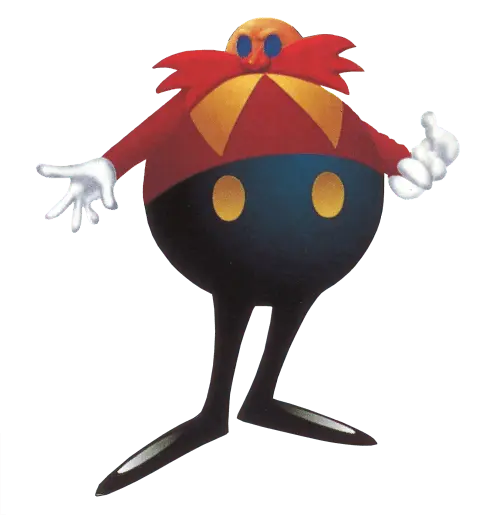
Dr. Eggman, Dr. Robotnik in the West, in Sega’s artwork for the game.
South Island runs on borrowed power. Every version of the Sonic Chaos manual agrees on the basics: the six Chaos Emeralds keep the island in one piece, Dr. Robotnik (Dr. Eggman in Japan) wants them, and the moment he pulls a single gem out of the set, the whole arrangement comes apart.
How it comes apart depends on which box you bought. The European booklet plays it as a cartoon, with an explosion, a raid on the cave where the gems were kept and Flicky the bluebird raising the alarm. Sega of America’s version is blunter: the other five lose their balance and drop into a parallel universe, while Robotnik eyes them as raw material for weapons. In the Japanese Sonic & Tails booklet the heroes are away on an adventure, hear a rumour and race home to find the island already going under.
Whichever you read, the job is the same. Sonic and Tails have to cross a sinking island, find the missing gems before it slips into the sea and prise the red one out of the doctor’s grip. The American manual even lets Sonic close with a joke, booking the doctor for contempt of hedgehog.
Five Emeralds and a showdown
In the game itself the hunt is split in two. Five of the gems wait in Special Stages, and the door to those is a 100-ring haul inside a single act; only Sonic can step through it. The sixth, the red one, never leaves Eggman until his last machine falls.
So the ending you get is decided long before Electric Egg. Arrive with five Emeralds and beating the Laser Walker wins back the sixth and saves the island. Arrive short, or play as Tails, who has no Special Stages at all, and the doctor flies off with his prize.
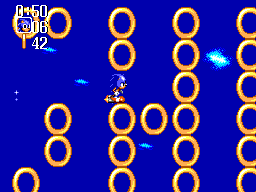
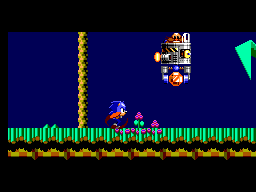
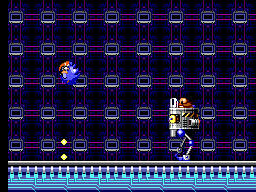
A Special Stage, one Emerald each.The Master System opening.The final boss: Eggman’s Laser Walker.
Zones in Sonic Chaos
Six zones, all on South Island. Acts 1 and 2 are full levels; Act 3 is a short run to the boss, and from this game on it comes with rings. Finish Act 1 or 2 and a Bonus Panel spins for a prize, with your speed shown above it in kilometres per hour.
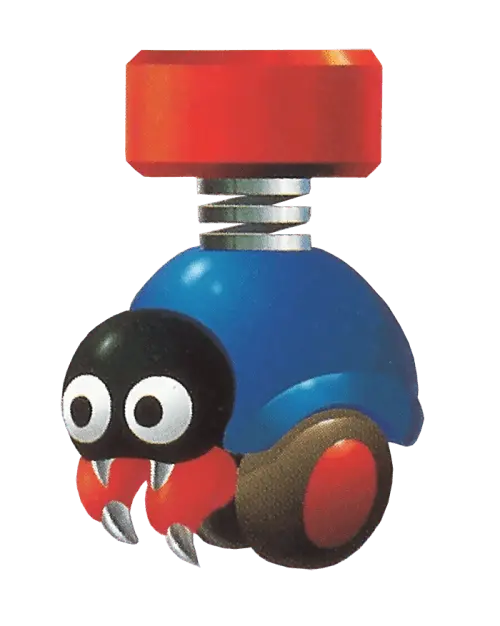
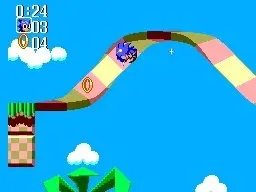
Turquoise Hill ZoneActs 1–3 · boss: Lady BugA sunny opener that borrows its corkscrews from Sonic 2’s Emerald Hill. Mind the Boing-o-Bots: the springs on their backs send you flying, so Spin Dash into them instead.
Gigalopolis ZoneActs 1–3 · boss: Bead WormNight falls on a city still under construction. Its slanted bridges only hold you at full tilt. The two versions play different music here: the Master System track covers “Oh Yes!”, a Korg M1 synthesizer demo, and Western Game Gear title cards call the place Gigapolis.
Sleeping Egg ZoneActs 1–3 · boss: Bouncy Boss RobotEggman’s building site in the sky, with his face on the walls. The real enemy is gravity: there are gaps everywhere, and the Pogo Springs are your way up.
Mecha Green Hill ZoneActs 1–3 · boss: Tree CrawlerThe Japanese manual calls it Green Hill, mechanised, and it looks the part: metal palms lob coconut bombs and oil fills the low ground. The tune reworks Green Hills from the 8-bit Sonic 2.
Aqua Planet ZoneActs 1–3 · boss: Sphere-o-BotShallow water, deep trouble. Push a door and the current drags you through the tunnel behind it, and air bubbles are rare. Roll fast enough and you skip across the top like a stone.
Electric Egg ZoneActs 1–3 · boss: Laser WalkerThe last stop is a computer fortress. Lasers ride rails and fire when you pass beneath them, mine carts end at pits, and Act 3 brings back Scrambled Egg’s music from Sonic 2.
The Special Stages sit outside the zones. There are five of them, each with one Emerald and a time limit.
In comics, TV & other media
Sonic Chaos arrived just as Fleetway’s Sonic the Comic was finding its feet, and British readers got the game from every angle. More in Sonic in other movies and media.
Sonic the Comic #12Fleetway · UK · 30 October 1993The comic’s Review Zone covered Sonic Chaos alongside Cosmic Spacehead, B.O.B. and others, and gave it 85%.
Sonic the Poster Mag #2Fleetway · UKRichard Elson’s poster showed Robotnik at the wheel of a Sonic 2 boss machine, and the back of the poster carried a walkthrough of Sonic Chaos.
The Official Sonic the Hedgehog YearbookUK · 1994Reviewed the Master System version and scored it 80%.
Sonic Mag: B.D. & Jeux-Video!France · June 1994The French Sonic magazine reviewed the Game Gear version, scoring it 85%.
Sonic ManiaSEGA · 2017Gigalopolis’s boss, the Bead Worm (Dangerous Ball Tower), returns as a Knuckles-only mini-boss in Act 1 of Mirage Saloon Zone.
Characters
A small cast with one big change: Sonic finally shares top billing. Here is who is who, and what each of them brings to South Island.
Character
Who they are
In this game
Stats & abilities
Sonic the HedgehogPlayable hero
Sega’s blue mascot, designed by Naoto Ohshima for the 1991 Mega Drive game. Here he is in his third 8-bit platformer. The Japanese manual pitches him with total swagger and gives him the one job nobody else can do: collecting every Chaos Emerald.
The Emerald hunter. Only Sonic can enter the Special Stages, so only Sonic can win the five Emeralds there and claim the sixth from Eggman for the good ending.
Spin Dash: hold Down and tap a button, then let go
Strike Dash (the Super Peel-Out): faster, but he is upright and can be hit
Rocket Shoes: a burst of speed and short flight
Pogo Spring: huge bounces
Starts with 3 lives, no continues
Miles “Tails” ProwerPlayable for the first time on 8-bit
A young two-tailed fox who first appeared in 1992 in the 8-bit and Mega Drive versions of Sonic the Hedgehog 2. His Japanese profile is written in his own voice and it is pure hero worship: one day he wants to be Sonic, and he admits there is plenty of training to do first.
The easy-going option. Tails runs the same zones but skips the Emerald hunt entirely, so his game always ends with Eggman keeping the red Emerald. Sonic Chaos was the first game anywhere to let the player control his flight.
Flight: takes off from a standstill and hovers if you let go of the pad, for a short while
Spin Dash
Slower top speed than Sonic
Starts with 5 lives and 3 continues
Gets 10-ring boxes where Sonic finds Rocket Shoes
Dr. EggmanDr. Ivo Robotnik in the West
Sega’s moustached mad scientist and Sonic’s nemesis since 1991. The Japanese manual makes a running joke of his stubbornness: beaten twice already, he is back for round three, still crazy about Chaos Emeralds and still plotting to rule the world.
Steals the red Chaos Emerald and sets the whole disaster off. He meets the heroes at the end of every zone in a new machine, from a giant spring-backed ladybird to a walking laser tank in Electric Egg.
Six bosses, one per zone
Final machine: the Laser Walker, 16 hits plus one
Holds the sixth Emerald to the end
FlickyThe bluebird who raises the alarm
One of South Island’s animals, a little blue bird who has been part of Sonic’s world since the first game. (The picture is later Sega artwork.)
In the European manual it is Flicky who discovers that the Emeralds are gone from the North Cave. In the game, her face on the Bonus Panel means no prize.
Not playable.
Badniks and bosses
Aspect gave Chaos its own robot zoo. Names are the Western manual’s, with the Japanese ones in brackets; the pictures are Sega’s artwork from our original gallery, and screenshots for the last two bosses.
Boing-o-BotTurquoise Hill · Mecha Green HillA Moto Bug with a spring on its back (Bane Motora). Hit it from the side.
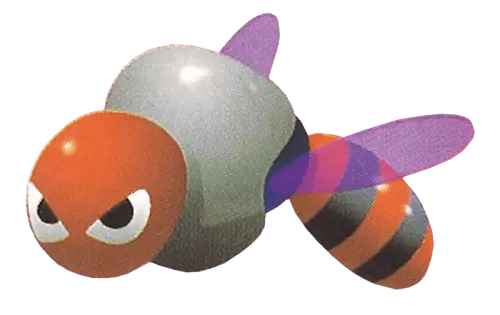
BeetonTurquoise Hill · Gigalopolis · Electric EggA robot bee that, unlike Buzz Bomber, never fires.
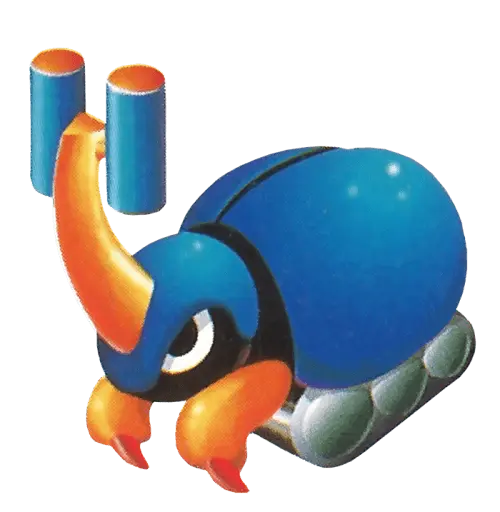
Metal-o-TurtleGigalopolisCalled a turtle, looks like a stag beetle (Dokabuton).
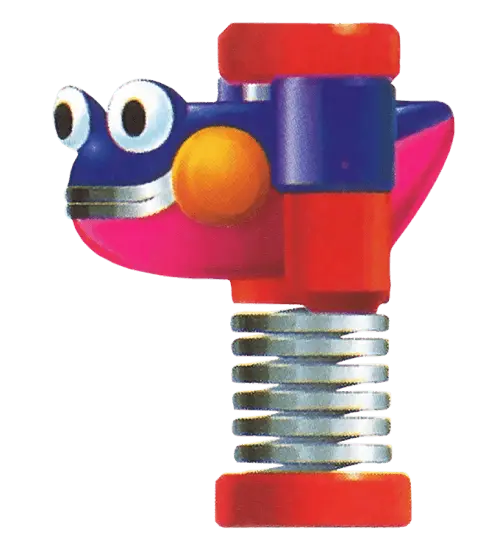
FroggerSleeping EggA frog’s head on a pogo-stick jackhammer.
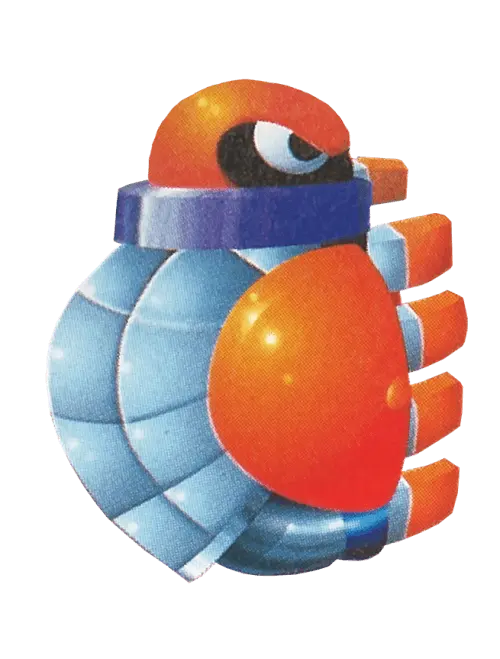
Mecha Hiyoko & BomblinAqua Planet · Electric EggHopping chick-bots in threes, and a waddling mine that bursts into sparks.
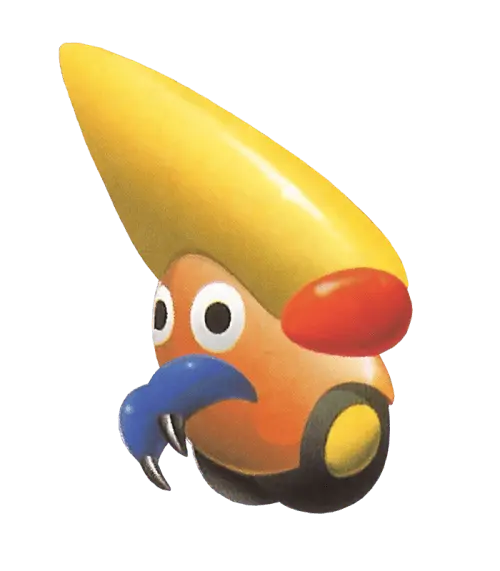
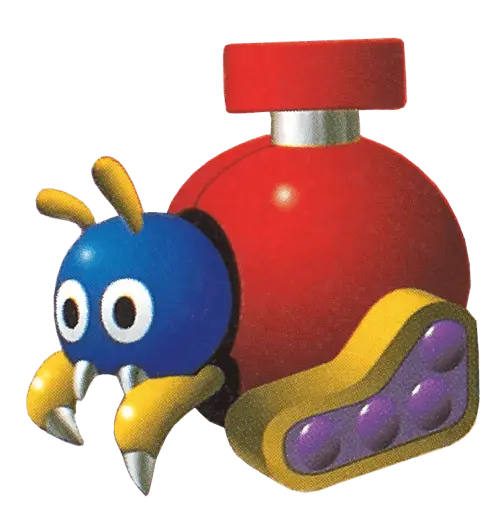
Lady BugBoss · Turquoise HillA giant gold Boing-o-Bot (Great Bane Motora Gold). Spin Dash into it.
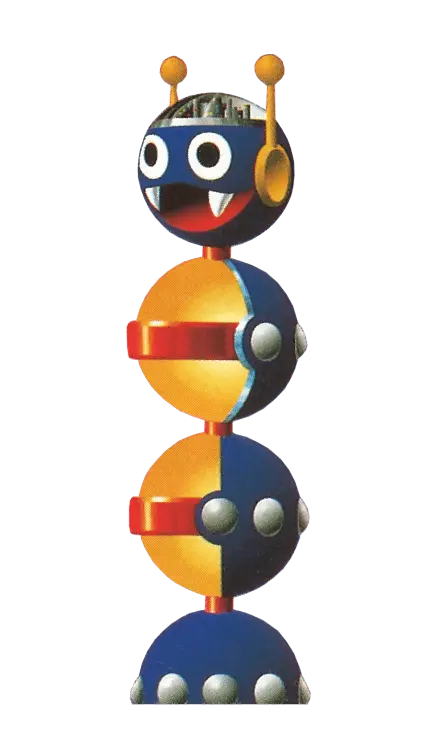
Bead WormBoss · GigalopolisA swaying tower of balls (Dangerous Ball Tower) that throws its own segments.
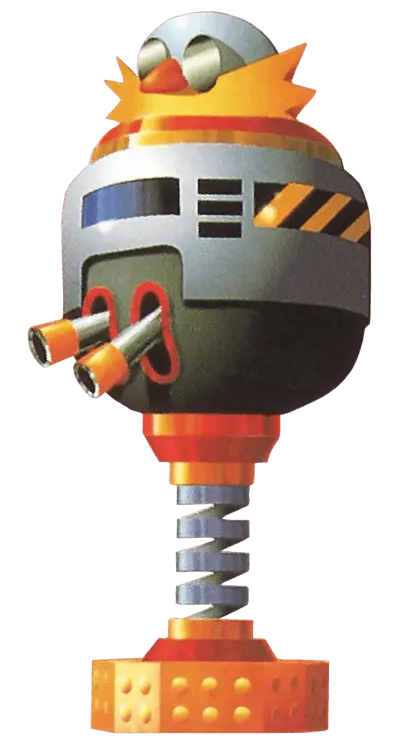
Bouncy Boss RobotBoss · Sleeping EggA pogoing, gun-toting Eggman lookalike (Hopping Egg Vulcan). Only the head is weak.
Tree CrawlerBoss · Mecha Green HillShins up a robot palm and spits fire (Kamado MAX).
Sphere-o-BotBoss · Aqua PlanetSends Mecha Hiyokos first, then bounces in itself, guns blazing.
Laser WalkerFinal boss · Electric EggEggman in a small two-legged walker (Killer Turkey Gou).
The people who made it
Aspect credited its team by nickname, as it did on all its Sonic games. The Western Game Gear manual adds the Sega of America side.
M.Shima, Ray, 500ZOGame design · AspectThe planners behind the six zones. M.Shima is also in the 8-bit Sonic 2 credits, under Edit.
Koko, Hiro 777, Toshiyan, TomoyanProgram · AspectKoko and Toshiyan also programmed the 8-bit Sonic 2.
7LY.BigKing, GEN♥, Noburin, EastArt · AspectThe pixel artists who drew the zones, Badniks and bosses.
Mix, Nagao N.GeeSoundThe game’s sound credits. The music runs on Sega’s SMPS driver by Tokuhiko Uwabo.
Steven ApourProducer, Sega of AmericaProduced the Western Game Gear release; Christine Huneke was product manager.
Neil & Carol Ann HanshawManualWrote the North American Game Gear manual, contempt of hedgehog and all.
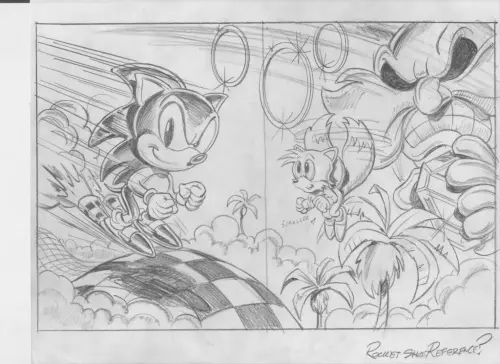
Yasushi YamaguchiJapanese box art roughDrew the rough sketch for the Japanese cover; an outside illustrator painted the final art.
How it was made
Chaos was Aspect’s second Sonic game and its chance to fix what people said about the first. Our original page had no history section, so this one is new, pieced together from Sonic Retro’s prototype research, Wikipedia’s account of the production, the game’s hidden data and the build dates logged by Hidden Palace.
Catching up with the Mega Drive
Play the 8-bit Sonic 2 and then Chaos, and the jump is obvious: the new game raids the Mega Drive for ideas. Tails is playable at last, both heroes get the Spin Dash, Sonic picks up a version of Sonic CD’s Peel-Out (here the Strike Dash), and Turquoise Hill copies the corkscrews from Emerald Hill. Even the title tune and the death jingle are carried over from Aspect’s own Sonic 2, in a higher key.
Closing that gap was the job. Chaos was built largely on the Master System Sonic 2, and Aspect used what it had learned there to make a bigger, faster and better-looking game; Sonic Retro adds that the earlier game, made separately from the Mega Drive Sonic 2, leaned more on the first Sonic. For most of development the new game was called Sonic the Hedgehog 3. The name changed late, possibly so that it would not be confused with the Mega Drive Sonic 3, still unannounced at the time and a very different game.
One game, two screens
Mecha Green Hill’s sky turned orange on the Game Gear late in development.Screenshot via Sonic Retro
Put the two finished versions side by side and the Game Gear one has its own fonts, title screen, menus and title cards, some different music and reworked third acts. Japan’s Sonic & Tails goes further and mixes the two sets of Act 3 layouts.
The prototypes explain why. The Master System was the lead machine, and for much of the project the Game Gear build ran on Master System art that did not fit its smaller screen. The handheld’s own touches, such as new colours for Turquoise Hill and Mecha Green Hill and a fresh Gigalopolis tune, arrived only after the home version was more or less done.
Prototypes and a different box
Several early builds survive: a Game Gear version dated 17 May 1993, Master System builds from 30 June and 13 July, and a Japanese demonstration cartridge, the Jitsuenyou Sample. The finished Master System cartridge carries the build date 3 August 1993.
Early screenshots show a darker Turquoise Hill with a different status bar (that dark grass even made it into the Master System manuals), a longer Bead Worm, a green-skied Mecha Green Hill, an Aqua Planet without water and a Special Stage that Tails could enter. Magazines also printed a North American box that never shipped: on it Sonic and Tails run hand in hand, where the finished cover puts Sonic on a Pogo Spring.
Firsts: what this game introduced
Chaos brought a pile of Mega Drive ideas to the 8-bit series, and added a couple of its own.
1Playable Tails on 8-bitAfter two 8-bit games on the sidelines, Tails becomes a full playable character.
2Tails’ flight in your handsThe first game anywhere to let the player fly as Tails.
3Spin Dash on 8-bitThe Mega Drive Sonic 2’s signature move makes its 8-bit debut.
4The Strike DashThe Super Peel-Out’s first appearance on 8-bit, faster than the Spin Dash but riskier.
5Rocket ShoesA new power-up: rocket-powered speed and a short burst of flight.
6Pogo SpringSprings strapped to the hero’s shoes for a run of enormous jumps.
7Special Stages for the EmeraldsThe first 8-bit Sonic where the Emeralds are won in Special Stages rather than hidden in the zones.
8Rings in the boss actsPrevious 8-bit games sent you into boss fights with nothing; from Chaos on, Act 3 has rings.
9A speedometerYour speed through each act, in km/h, is shown above the Bonus Panel, and a number with every digit the same earns an extra life.
Cheats & secrets
Our original Sonic Chaos page had no cheats section, so these are new. Each was checked against Sonic Retro’s hidden-content notes.
Zone select
On the title screen press Up, Up, Down, Down, Right, Left, Right, Left, then 1 or 2 on the Master System, or Start on the Game Gear. You will hear the extra-life jingle. On the Game Gear Micro the code is just Up, Up, Down, Down.
Sound test
On the title screen press Down, Down, Up, Up, Left, Right, Left, Right, then 1 or 2 (Master System) or Start (Game Gear). Game Gear Micro: Down, Down, Up, Up. Both codes are riffs on Konami’s famous cheat.
Hadouken
With the sound test code entered, press Down, Down-Right, Right and then 1 or 2 in a level: Sonic throws a fireball, Street Fighter style.
Free Chaos Emerald (Game Gear)
On the character select screen press Up, Down, Up, Down, 1, 2, 1, 2, 1, 2 to start the adventure with one Emerald already collected.
The Kattobi Saisoku Technique contest (Japan)
In December 1993 three Japanese children’s magazines, Shogaku Sannensei, Yonensei and Rokunensei, ran a speed contest on Turquoise Hill. Finish Act 1 or 2 faster than 700 km/h, pause while the speed is on screen and hold a button combination, and the game shows a six-digit code to post in. Only Sonic & Tails has the feature; it was removed from Sonic Chaos.
Codes checked against Sonic Retro, November 2026.
Glitches, exploits and oddities
Chaos is a tidy little game, but a few quirks slipped through, and some never got fixed in any release.
The wrong-coloured Emerald
A Game Gear-only slip. Win the last Emerald and the results tally draws it with the wrong palette. The Master System original, built first, gets the colour right.
Loops in reverse
Turquoise Hill’s curves.
The first loop of Turquoise Hill Act 1 is the place to see it. Strike Dash up the slope behind it, then reverse into the loop at speed: Sonic still makes it round, but his sprite rotates the wrong way, because each loop is only built for one direction of travel.
Stuck in the ceiling
Low ceilings have sticky corners. Jump while running flat out on precisely the right frame and you lodge inside the wall. What happens next is a lottery: another jump may pop you free, send you wandering off-screen with scrambled graphics, or cost you a life.
Oddities
Tucked away in the sound test is a short jingle, 08EH, that neither version ever plays, and the Game Gear adds tune 09BH, which also goes unheard; Aspect recycled it a year later, a little lower, as Sunset Park Act 3 in Triple Trouble. A sprite of Tails running sits in memory during the opening, though he only ever walks on. And the Western Game Gear version trims Gigalopolis to Gigapolis on its title card.
Videos & media
Sega’s own trailer for the collection that brought Chaos back in 2023, and a complete run of the Master System game with every Emerald.
SEGA’s announce trailer for Sonic Origins Plus (2023), which added twelve Game Gear games, Sonic Chaos among them. From the official Sonic the Hedgehog channel.
A complete Master System playthrough with all six Emeralds, from the World of Longplays archive.
Trivia & facts
In Japan the game is Sonic & Tails, and the sequel is Sonic & Tails 2. The West called them Sonic Chaos and Triple Trouble.
Gigalopolis, Act 1.Gigalopolis has two different soundtracks. The Master System tune is a cover of “Oh Yes!”, a demo song from the Korg M1 synthesiser; the Game Gear got an original piece instead.
Mecha Green Hill’s music remixes the Green Hills theme from the 8-bit Sonic 2, the same melody that became “Sonic – You Can Do Anything” in Sonic CD.
Electric Egg Act 3 plays a remix of the 8-bit Sonic 2’s Scrambled Egg theme, which is also the Master System version’s intro music.
The title music and the losing-a-life jingle are lifted from the 8-bit Sonic 2, played in a higher key.
The Japanese manual says Mecha Green Hill is simply Green Hill after Eggman has mechanised it.
Like Aspect’s other Sonic games, the cartridge hides a build stamp at address $C0: the Master System game is “Ver1.20”, dated 3 August 1993.
Electronic Gaming Monthly named Sonic Chaos the best Sega Game Gear game of 1993.
Media & artwork
Box art, artwork and screenshots, mostly from Sonic Scene’s own galleries. Select any image to view it larger.
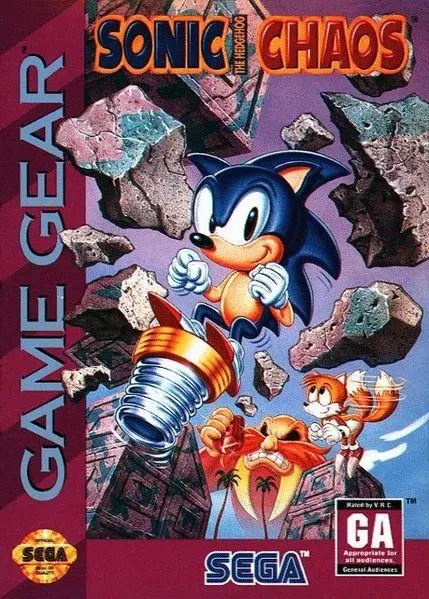
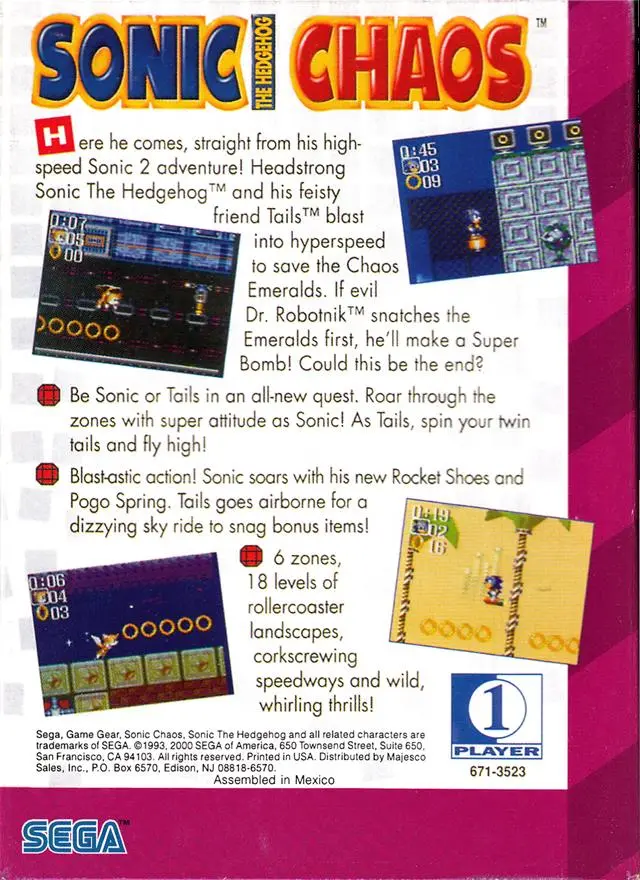
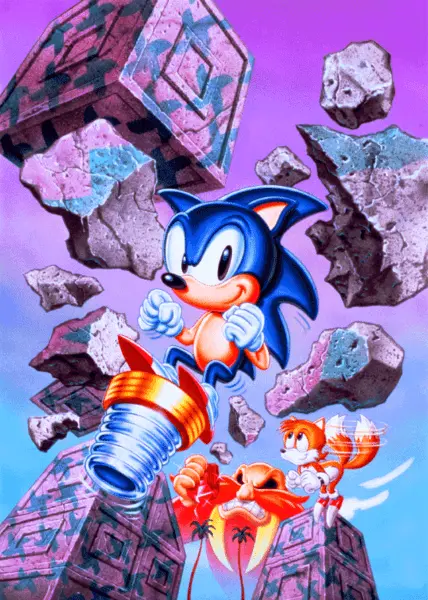
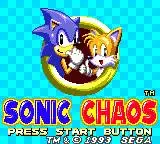
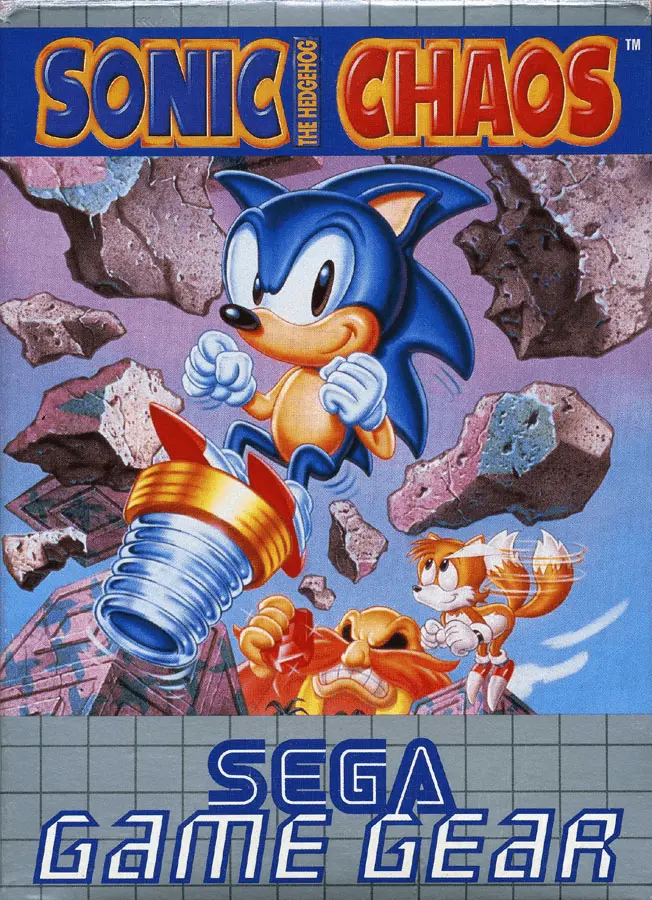
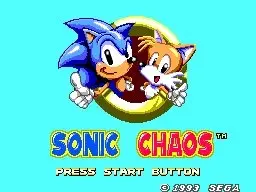
European Game Gear box.North American Game Gear box.Master System box.Japanese Sonic & Tails box.Back of the box.The cover painting.Cover art, second version.A cover sketch.Sonic in Rocket Shoes.Sonic on a Pogo Spring.Sonic, 1993 artwork.Tails, 1993 artwork.The Sonic & Tails logo.The Sonic Chaos logo.Japanese B2 poster.Game Gear title screen.Turquoise Hill.The Bonus Panel.
Chaos set the template for Aspect’s next Sonic game: two playable characters, Special Stages and plenty of Mega Drive moves. Its working title even survived in a way, as Triple Trouble was called Sonic Chaos 2 for part of its development.
Releases and re-releases
Game Gear (Japan)19 November 1993 – Released as Sonic & Tails.
Master System and Game Gear (West)23 November 1993 – North America (Game Gear) and the UK (both). Some sources date the European Master System cartridge to 25 October.
Majesco re-release2001 – A budget Game Gear cartridge in the US (US$14.97).
Sonic Adventure DX: Director’s Cut2003–2004 – Game Gear version, GameCube and PC.
Sonic Mega Collection Plus2004–2005 – PlayStation 2, Xbox and PC.
Wii Virtual ConsoleFebruary–March 2009 – The Master System version, emulated by M2.
Game Gear Micro (blue)2020 – Built into Sega’s tiny Game Gear revival.
Sonic Origins Plus23 June 2023 – One of twelve Game Gear games in the expanded collection.
Where to play it today
Sonic Origins Plus (2023) has the Game Gear version on PlayStation, Xbox, Nintendo Switch and PC, and the blue Game Gear Micro has it built in. Check what is still on sale on your platform.
Sales & reviews
Sales
Sega Retro has no sales figures for either version, and we have not found a reliable one, so we do not give one here. What the record does show is a very warm reception in Europe, where the Master System was still selling well.
80%Sega Retro average, Master System (21 reviews)
78%Sega Retro average, Game Gear (20 reviews)
94%Sega Power, Game Gear
8.25/10Electronic Gaming Monthly
Reception and review scores
Period reviews from Sega Retro’s index of magazine scans; scores that were not out of 100 are shown as Sega Retro converts them.
Sega PowerUK · Game Gear · January 1994
94%
MegazoneAustralia · Master System · November 1993
94%
Console ManiaItaly · Master System · October 1993
94%
Sega PowerUK · Master System · December 1993
93%
Consoles +France · Master System · November 1993
93%
Sega ZoneUK · Game Gear · January 1994
93%
GameProUS · Game Gear · November 1993 (converted)
90%
Electronic GamesUS · Game Gear · January 1994
89%
Sonic the ComicUK · 30 October 1993
85%
Electronic Gaming MonthlyUS · Game Gear · January 1994 (converted)
83%
Sega MagazineUK · January 1994
80%
Mean Machines SegaUK · Master System · late 1993
71%
Weekly FamitsuJapan · Game Gear · 26 November 1993 (converted)
70%
Sega ProUK · Master System · February 1994
69%
The magazines agreed on the looks and the speed and split over the challenge. Sega Power rated both versions in the 90s, while Mean Machines Sega marked it down for being unoriginal and far too easy. Japanese reviewers were cooler, with Famitsu and Beep! MegaDrive at 70% and 65%.
Honours
Electronic Gaming Monthly · 1994Best Sega Game Gear Game of 1993From the magazine’s 1994 Buyer’s Guide.
Reader reviews
No reader reviews yet. Played it? Give it a score out of 10 and tell other fans what you think.
Every fact on this page was checked against the sources below (Sonic Retro pages were read through Wayback Machine copies from December 2024 to February 2025, because the live site shows a bot check; each link opens the nearest archived copy). Magazine scores come from Sega Retro’s review index, which links each score to a scan of the original page.
To provide the best experiences, we use technologies like cookies to store and/or access device information. Consenting to these technologies will allow us to process data such as browsing behavior or unique IDs on this site. Not consenting or withdrawing consent, may adversely affect certain features and functions.
Functional
Always active
The technical storage or access is strictly necessary for the legitimate purpose of enabling the use of a specific service explicitly requested by the subscriber or user, or for the sole purpose of carrying out the transmission of a communication over an electronic communications network.
Preferences
The technical storage or access is necessary for the legitimate purpose of storing preferences that are not requested by the subscriber or user.
Statistics
The technical storage or access that is used exclusively for statistical purposes.The technical storage or access that is used exclusively for anonymous statistical purposes. Without a subpoena, voluntary compliance on the part of your Internet Service Provider, or additional records from a third party, information stored or retrieved for this purpose alone cannot usually be used to identify you.
Marketing
The technical storage or access is required to create user profiles to send advertising, or to track the user on a website or across several websites for similar marketing purposes.

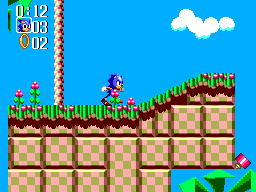 Turquoise Hill ZoneActs 1–3 · boss: Lady BugA sunny opener that borrows its corkscrews from Sonic 2’s Emerald Hill. Mind the Boing-o-Bots: the springs on their backs send you flying, so Spin Dash into them instead.
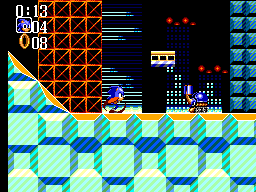 Gigalopolis ZoneActs 1–3 · boss: Bead WormNight falls on a city still under construction. Its slanted bridges only hold you at full tilt. The two versions play different music here: the Master System track covers “Oh Yes!”, a Korg M1 synthesizer demo, and Western Game Gear title cards call the place Gigapolis.
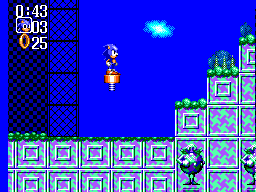 Sleeping Egg ZoneActs 1–3 · boss: Bouncy Boss RobotEggman’s building site in the sky, with his face on the walls. The real enemy is gravity: there are gaps everywhere, and the Pogo Springs are your way up.
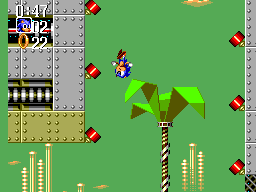 Mecha Green Hill ZoneActs 1–3 · boss: Tree CrawlerThe Japanese manual calls it Green Hill, mechanised, and it looks the part: metal palms lob coconut bombs and oil fills the low ground. The tune reworks Green Hills from the 8-bit Sonic 2.
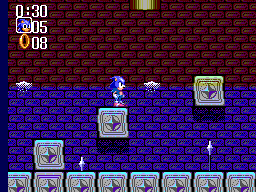 Aqua Planet ZoneActs 1–3 · boss: Sphere-o-BotShallow water, deep trouble. Push a door and the current drags you through the tunnel behind it, and air bubbles are rare. Roll fast enough and you skip across the top like a stone.
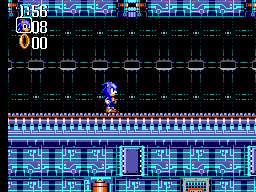 Electric Egg ZoneActs 1–3 · boss: Laser WalkerThe last stop is a computer fortress. Lasers ride rails and fire when you pass beneath them, mine carts end at pits, and Act 3 brings back Scrambled Egg’s music from Sonic 2.
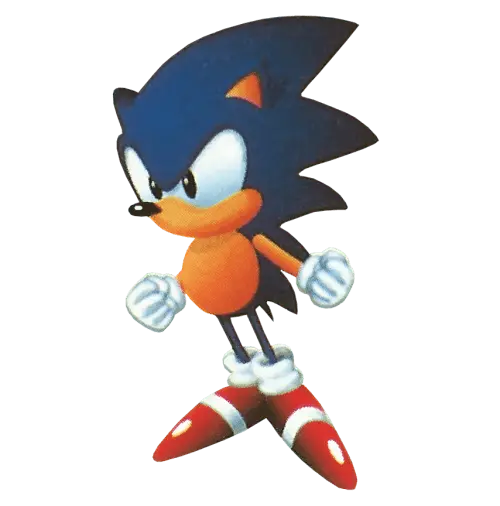 Sonic the HedgehogPlayable hero
 Miles “Tails” ProwerPlayable for the first time on 8-bit
 FlickyThe bluebird who raises the alarm
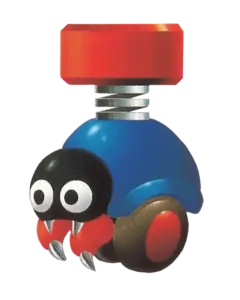 Boing-o-BotTurquoise Hill · Mecha Green HillA Moto Bug with a spring on its back (Bane Motora). Hit it from the side.
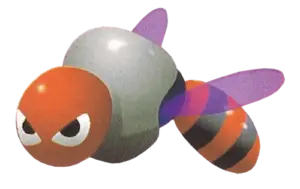 BeetonTurquoise Hill · Gigalopolis · Electric EggA robot bee that, unlike Buzz Bomber, never fires.
 Metal-o-TurtleGigalopolisCalled a turtle, looks like a stag beetle (Dokabuton).
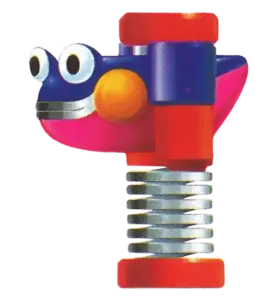 FroggerSleeping EggA frog’s head on a pogo-stick jackhammer.
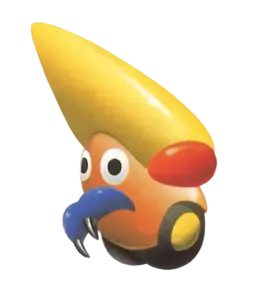 Veg-o-BotSleeping EggA hopping, onion-shaped mystery machine (Tsuno-tsuno).
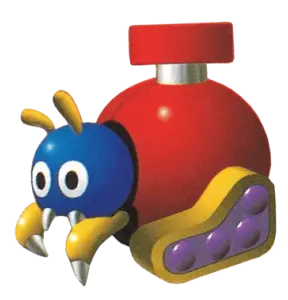 Lady BugBoss · Turquoise HillA giant gold Boing-o-Bot (Great Bane Motora Gold). Spin Dash into it.
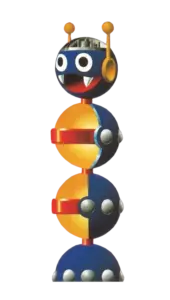 Bead WormBoss · GigalopolisA swaying tower of balls (Dangerous Ball Tower) that throws its own segments.
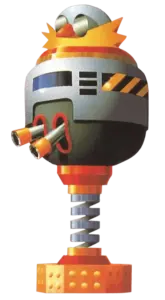 Bouncy Boss RobotBoss · Sleeping EggA pogoing, gun-toting Eggman lookalike (Hopping Egg Vulcan). Only the head is weak.
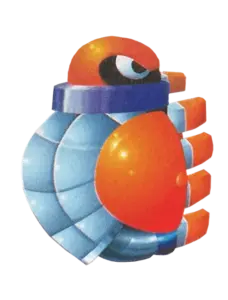 Tree CrawlerBoss · Mecha Green HillShins up a robot palm and spits fire (Kamado MAX).
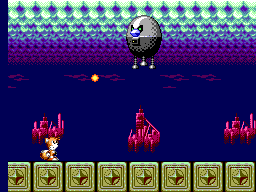 Sphere-o-BotBoss · Aqua PlanetSends Mecha Hiyokos first, then bounces in itself, guns blazing.