Mega Drive / Genesis1992Sega Technical InstitutePlatformer
Sonic the Hedgehog 2 (1992)
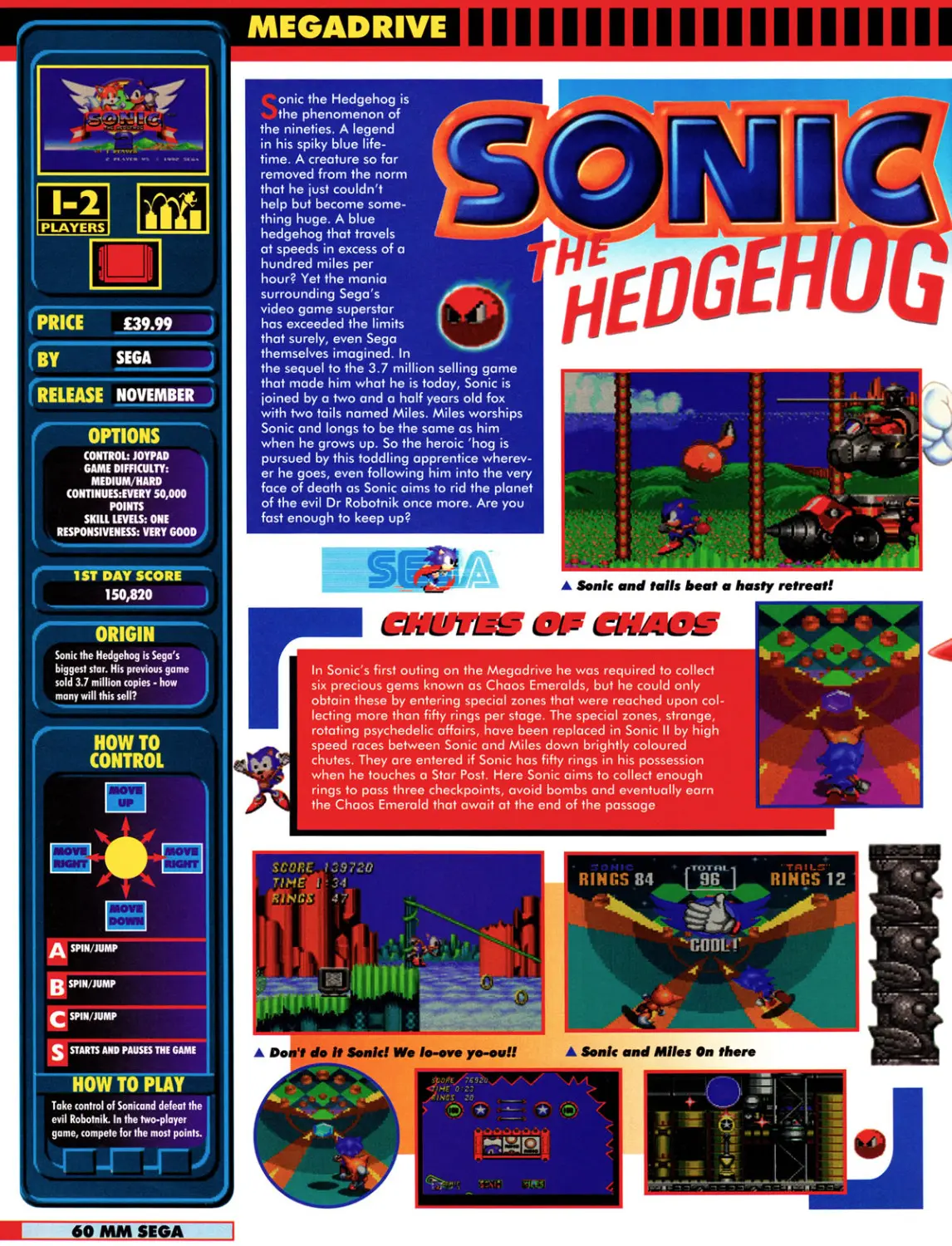
Bigger, faster and brighter than the first: a second hero with two tails, the Spin Dash, a seventh Chaos Emerald, Super Sonic and a space station shaped like Eggman’s head.
Released21 November 1992 (JP) · 24 November 1992 (US/EU)
DeveloperSega Technical Institute with Sonic Team staff
MusicMasato Nakamura
ZonesEleven
Players1–2
SalesAbout 6 million by 2006
Title
Sonic the Hedgehog 2 ソニック・ザ・ヘッジホッグ2
Platform
Sega Mega Drive / Genesis
Developer
Sega Technical Institute (California), with Sonic Team staff from Japan
Publisher
Sega
Director
Masaharu Yoshii
Producer
Shinobu Toyoda
Chief programmer
Yuji Naka
Game planner
Hirokazu Yasuhara
Character design & chief artist
Yasushi Yamaguchi (credited as “Judy Totoya”)
Music
Masato Nakamura of Dreams Come True
Players
1–2 (split-screen versus mode; a second pad can also control Tails)
Released (Japan)
21 November 1992 (¥6,800, product code G-4088)
Released (North America)
24 November 1992 (US$54.99), “Sonic 2sday”
Released (Europe)
24 November 1992 (£39.99 in the UK)
Released (Australia)
1 December 1992 (A$89.95)
Pack-in
Later replaced Sonic 1 as the console’s bundled game, packed with the redesigned Mega Drive II
8-bit game
A different Sonic the Hedgehog 2 for Master System and Game Gear, made by Aspect
If the first game was Sega’s opening shot in the console war, Sonic the Hedgehog 2 was the full broadside. It came out on the same Tuesday in North America and Europe, 24 November 1992, a coordinated worldwide launch that Sega sold as “Sonic 2sday” at a time when games usually crept out region by region. Japan had it three days earlier.
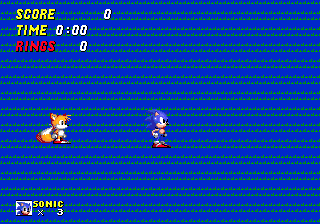
It is the game that gave Sonic a sidekick. Miles “Tails” Prower, a two-tailed fox who idolises the hedgehog, follows him through all eleven zones, and a friend with a second joypad can take him over. Sonic learned the Spin Dash, the Chaos Emeralds went from six to seven, and collecting all of them unlocked a golden Super Sonic for the first time.
The game was built in California by Sega Technical Institute, where Yuji Naka and Hirokazu Yasuhara had moved after the first game, working alongside American artists and a Japanese art lead, Yasushi Yamaguchi. Masato Nakamura came back for the music. It sold on a scale few games had managed, and it eventually replaced Sonic 1 as the game packed in with the Mega Drive.
This page covers the 16-bit Mega Drive / Genesis game. The Master System and Game Gear Sonic the Hedgehog 2 of 1992 was made by Aspect and is a different game with its own zones and story.
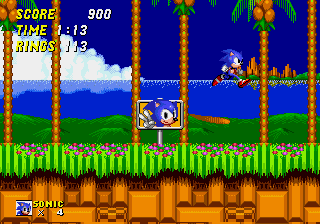
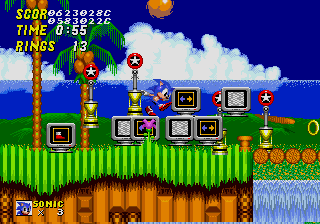
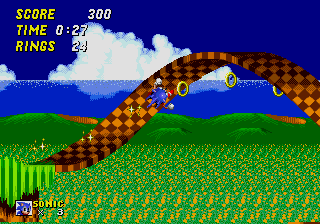
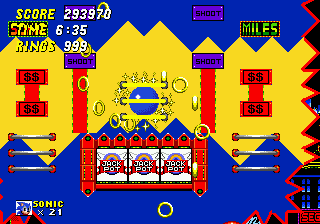
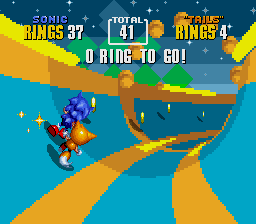
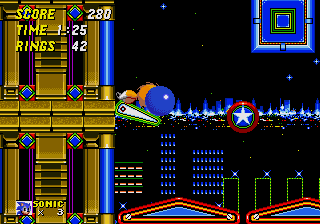
Emerald Hill Zone, where the adventure starts.Casino Night Zone’s neon pinball tables.The new half-pipe Special Stage.
Quick Answers
The quick version, with links to the full story further down the page.
When did Sonic the Hedgehog 2 come out?
On 21 November 1992 in Japan, and on Tuesday 24 November 1992 in North America and Europe, the launch Sega promoted as “Sonic 2sday”. Australia followed on 1 December. More →
Who made Sonic 2?
Sega Technical Institute in California, led by director Masaharu Yoshii, with Yuji Naka as chief programmer, Hirokazu Yasuhara as game planner, Yasushi Yamaguchi as chief artist and Masato Nakamura on music. More →
How many zones are there in Sonic 2?
Eleven. Most have two acts; Metropolis has three, and Sky Chase, Wing Fortress and Death Egg are a single act each. More →
How do you turn into Super Sonic?
Win all seven Chaos Emeralds in the Special Stages, then collect 50 rings in a zone and jump. Super Sonic is invincible and faster, but he burns through a ring every second and changes back when they run out. More →
How do you reach the Special Stage?
Touch a Star Post (the checkpoint) while holding at least 50 rings. A circle of stars appears above it; jump in. More →
Is Sonic 2 two-player?
Yes, two ways. A second pad can control Tails in the main game, and a split-screen versus mode races Sonic against Tails through three zones and the Special Stage. More →
What is the level select code?
In the options menu, play sounds 19, 65, 09 and 17 in the sound test, go back to the title screen, then hold A and press Start. More →
What was Hidden Palace Zone?
A zone cut late in development, designed as the place where the Chaos Emeralds would be used. Its leftovers can be reached with cheat devices, and the 2013 remake finally made it a proper level. More →
How many copies did Sonic 2 sell?
Sega said 400,000 in Japan by March 1993 and it had sold around 6 million worldwide by 2006, second only to Sonic 1 on the Mega Drive and the best seller that was not bundled with the console. More →
Where can I play it today?
In Sonic Origins (2022) on current consoles and PC, as SEGA AGES Sonic the Hedgehog 2 on Nintendo Switch (2020), and in the Mega Drive library of Nintendo Switch Online. More →
Plot / Story
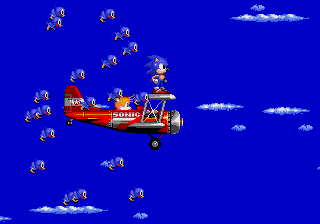
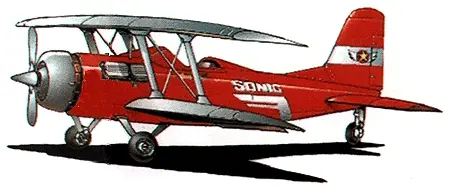
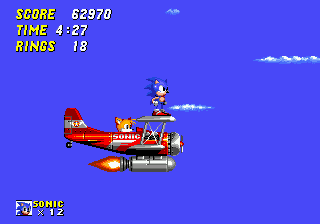
The Tornado, the red biplane that carries Sonic to West Side Island.
The first new face in Sonic 2 is a fox. Miles Prower was born with two tails, which earned him a lifetime of teasing and the nickname everyone uses, Tails. One day a blue hedgehog shot past his home on West Side Island, and Tails decided then and there who he wanted to be. He has been trailing Sonic ever since, ducking out of sight whenever Sonic turns round, until Sonic simply gives up and lets him tag along.
Sonic is only there by chance. Bored after South Island, he has been flying wherever the mood takes him in the Tornado, his red-and-white biplane, and touched down on West Side Island for a rest. Nobody has told him the local legend: of an ancient people who prospered thanks to some mysterious stones, until a few of them misused that power and the gods hid the stones away somewhere on the island.
Eggman knows the story. He followed Sonic to the island, worked out that the hidden stones must be Chaos Emeralds, and realised there is a seventh here as well as the six from South Island. All seven would power the Death Egg, the orbiting battle station he means to rule the world with. The first anyone hears of it is an explosion beyond Emerald Hill and a new robot army on the march. Sonic, napping under the Tornado’s wing, is on his feet in an instant, and Tails, who had just found the plane on the beach, runs after him.
From Emerald Hill to the Death Egg
The trip across West Side Island starts in the sunshine of Emerald Hill, with its corkscrews and palm trees, then plunges into the pipes and blue chemicals of Chemical Plant and the overgrown, half-sunken Aquatic Ruin. Casino Night is one huge pinball table with slot machines, Hill Top is all lava and swinging lifts, and Mystic Cave hides spikes and vines in the dark.
Oil Ocean puts a refinery on a sea of oil, and Metropolis, Eggman’s industrial citadel, is the only zone with three acts. Beaten there, Eggman takes to the sky, and Sonic and Tails chase him in the Tornado through Sky Chase. At the Wing Fortress, Eggman’s airship, the guns bring the biplane down, but not before Sonic has jumped aboard to carry on alone; at the end he grabs on to Eggman’s escape shuttle and hitches a ride up to the Death Egg.
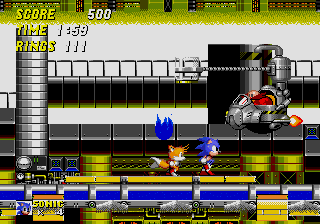
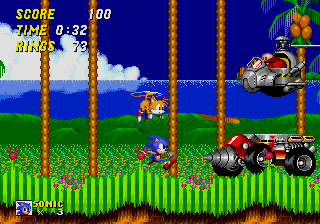
Eggman waits at the end of most zones in a new machine each time, from a drill car in Emerald Hill to a machine that spills chemicals in Chemical Plant. Aboard the Death Egg there are two last fights and not a single ring to collect: first Mecha Sonic, a robot copy of the hero, then the Death Egg Robot, a giant mech in Eggman’s own image that takes twelve hits rather than the usual eight.
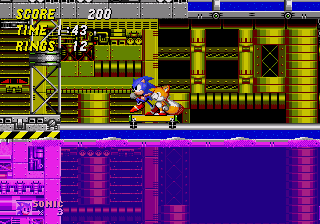
Eggman’s drill car, the first boss.Sonic and Tails in Casino Night Zone.The Tornado near Wing Fortress Zone.
Seven Emeralds and Super Sonic
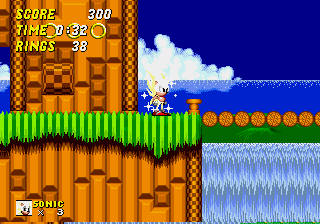
Super Sonic, the reward for all seven Emeralds.
The Special Stages are new. Touch a Star Post with 50 or more rings and a ring of stars spins above it; jump in and Sonic and Tails tumble into a twisting half-pipe that rushes towards the screen. Each stage sets a ring target for each of its three sections, and only by meeting all three do you win the Emerald.
There are seven Chaos Emeralds this time. You can finish the game without them, but they decide the ending, and once the seventh is yours, any 50 rings and a jump turn Sonic into Super Sonic: golden, invincible and faster than ever, at the cost of one ring a second until he runs dry. Finish with all seven and the good ending stars Super Sonic.
Sonic versus Tails
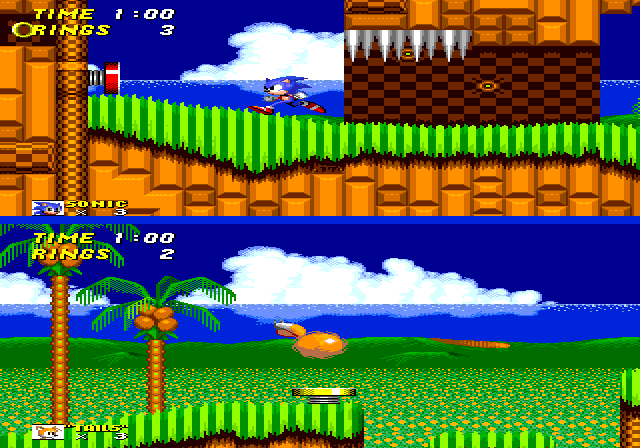
Split-screen racing in Emerald Hill Zone.
Naka finally got his two-player mode. The screen splits in two, Sonic on top and Tails underneath, for races through Emerald Hill, Casino Night and Mystic Cave, each with its own music for this mode, plus the Special Stage.
Every act is judged on five counts: score, time, rings held at the finish, rings collected in total and monitors broken, and whoever wins more of them takes the act. A draw goes to a Special Stage play-off decided on rings. Two monitors appear only in this mode, a teleporter that swaps the players round and an Eggman monitor that hurts whoever breaks it. All the monitors show static until they are opened, so it is always a gamble, and one option turns every monitor into a teleporter.
Zones in Sonic the Hedgehog 2
Eleven zones in all, with acts that are larger than Sonic 1’s. Each zone’s last act usually ends with Eggman, and Star Posts mark your progress and open the way to the Special Stage.
Emerald Hill ZoneTwo actsGrassy hills and corkscrews; Buzzer, Coconuts and Masher.
Chemical Plant ZoneTwo actsTransport tubes and pools of Mega Mack chemical; Grabber and Spiny.
Aquatic Ruin ZoneTwo actsAn ancient civilisation’s ruins in a forest lake, with pillars that crumble or sink; Grounder, Whisp and Chop Chop.
Casino Night ZoneTwo actsA city at night of pinball bumpers and slot machines; Crawl.
Hill Top ZoneTwo actsLava and rolling hills built from Emerald Hill’s graphics; Rexon, Sol and Spiker.
Mystic Cave ZoneTwo actsMines in a huge cavern, with hanging vines to pull; Crawlton and Flasher.
Oil Ocean ZoneTwo actsA refinery on a sea of oil; Octus and Aquis.
Metropolis ZoneThree actsEggman’s factory city of nuts, bolts and steam; Asteron, Shellcracker and Slicer.
Sky Chase ZoneOne actChasing Eggman through the clouds in the Tornado; Balkiry, Nebula and Turtloid.
Death Egg ZoneOne actTwo bosses in a row, Mecha Sonic and the Death Egg Robot, with no rings to save you.
In comics, TV & other media
Sonic 2’s zones became the default scenery for the cartoons and comics of the mid-1990s, and its new sidekick went with them. Sonic Scene has more in Sonic in other movies and media.
Sonic the ComicFleetway · UKIssue 6, set after the game, sends Sonic and Tails up to the falling Death Egg in a shuttle from the abandoned Wing Fortress, where Sonic finishes off a broken-down Mecha Sonic and steers the station away from Emerald Hill. Emerald Hill is Sonic’s home in this comic, and Hill Top, Mystic Cave, Aquatic Ruin, Casino Night and Oil Ocean all became settings too.
Adventures of Sonic the HedgehogTV · 1993Casino Night turns up in two episodes: “High Stakes Sonic”, where Robotnik opens it, and “Mobius 5000”, where Sonic and Tails dodge a traffic jam by taking a shortcut through a Star Post. Grounder, one of Robotnik’s two bumbling robots in the series, shares his name with an Aquatic Ruin Badnik.
Archie’s Sonic the HedgehogArchie Comics · USEmerald Hill appears as one of the zones created when Eggman reshapes reality with the Genesis Wave, and Mystic Cave is explored by Knuckles, Amy and Team Dark late in the Shattered World Crisis.
Mega Drive official guide book comicJapanSango Morimoto drew a comic retelling of the game for Japan’s official guide book.
Characters
Sonic 2 doubled the heroes and gave Eggman a robot double of Sonic, a space station and a giant mech of himself. Here is who is who.
Character
Who they are
In this game
Stats & abilities
Sonic the HedgehogThe hero
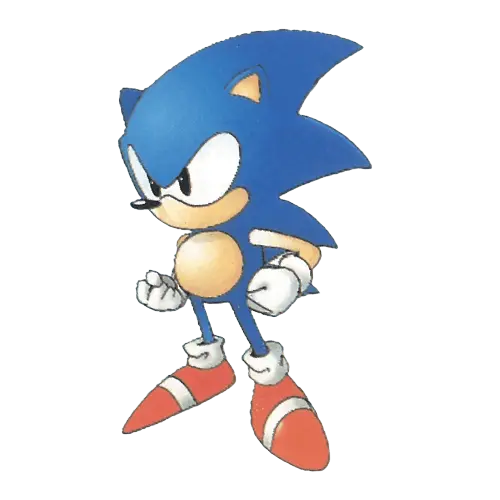
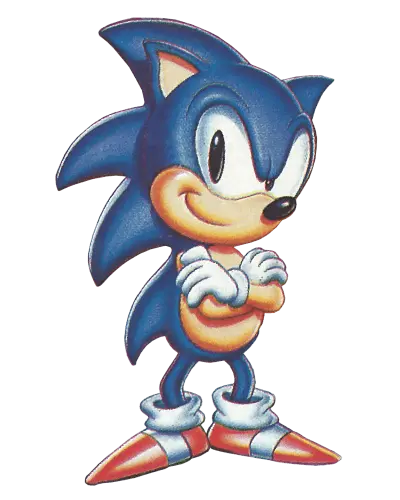
Fresh from beating Eggman on South Island, Sonic is bored and goes looking for trouble in his biplane. Naoto Ohshima’s design returns, drawn this time by Sonic 2’s chief artist Yasushi Yamaguchi and the team at Sega Technical Institute.
The main character. He races across West Side Island, frees the animals trapped in Eggman’s Badniks and boards the Death Egg to stop it.
New: the Spin Dash (hold Down and press a button, then let go)
Spin Attack and roll, as in Sonic 1
Super Sonic with all seven Emeralds and 50 rings
Monitors: Super Ring, Shield, Power Sneakers, Invincible, One-Up
Miles “Tails” ProwerThe new sidekick
A young fox teased all his life for having two tails, who decides Sonic is the coolest thing he has ever seen and follows him everywhere. Yasushi Yamaguchi designed him and won an internal contest for a new character; Yuji Naka called him “Mile”, and Brenda Ross suggested “Miles Prower”, a play on miles per hour.
Follows Sonic automatically and copies his moves, with unlimited lives: if he falls behind, he flies back in from the top of the screen. Plug in a second pad and a friend can steer him. You can also turn him off, or play as Tails alone.
Infinite lives when following Sonic
Flies only to catch up; the player cannot make him fly
Played alone, he can break monitors and has normal lives, but still cannot fly
Dr. EggmanDr. Robotnik in the West
Having trailed Sonic to West Side Island, the doctor hears its legend, realises the hidden stones are Chaos Emeralds and decides they will power his new weapon. The Death Egg, his orbiting fortress, was modelled on the Death Star from Star Wars.
Turns up at the end of most zones in a different machine, then waits on the Death Egg for the final showdown.
Eight hits per boss
Final boss: the Death Egg Robot, twelve hits
No rings in Death Egg Zone
Mecha SonicEggman’s robot Sonic
A metal double of the hero designed by Yamaguchi to be one of his deadliest enemies. Its look borrows from Mechagodzilla and Gigan. A tight schedule cost it most of its planned attacks, including an eye laser, finger missiles and a shot that pulled in rings.
The first of the two bosses aboard the Death Egg, fought in a closed arena while Eggman watches through a window.
Sonic’s golden super form, added because manga artist Sakura Tamakichi complained in a Famicom Tsuushin column that the first game’s ending was no reward for all that Emerald hunting. Its blazing look was inspired by the Super Saiyan of Dragon Ball; redrawing all of Sonic’s sprites was impossible, so the team used colour changes and effects.
The prize for collecting all seven Chaos Emeralds, and the star of the good ending, which Yamaguchi drew in the early hours of the day the game was finished.
Invincible and super fast
Loses one ring per second
Turns back at zero rings
The BadniksEggman’s robot army
Robots built around captured animals, as in the first game, now including the crab Shellcracker, the seahorse Aquis and the fast-flying Balkiry.
Twenty-three kinds across the zones (listed below). Break one to free the animal inside.
Chain them without landing for 100, 200, 500, then 1,000 points each from the fourth to the fifteenth, and 10,000 from the sixteenth.
The Badniks
Every Badnik in the final game and where you meet it. The pictures are the game’s own sprites.
BuzzerEmerald HillA wasp that stops mid-flight to fire a missile.
CoconutsEmerald HillA monkey that climbs palm trees and throws coconuts.
MasherEmerald HillA piranha that leaps straight up out of the waterfalls.
GrabberChemical PlantA spider that drops on you from above, grabs hold and blows up.
SpinyChemical PlantCreeps along floors and walls, and can suddenly fire from its spikes.
GrounderAquatic RuinA drill-nosed robot that bursts out of the walls.
WhispAquatic RuinA small fly that swarms towards you.
Chop ChopAquatic RuinA piranha that drifts slowly about underwater.
CrawlCasino NightA crab with a bumper that bounces back attacks from the front.
RexonHill TopA long-necked, plesiosaur-like robot that sits in the lava.
SolHill TopCircled by four fireballs, which it fires straight ahead when you get close.
SpikerHill TopA little red insect with a big spiked cone on its head.
CrawltonMystic CaveA segmented caterpillar that strikes out of the walls.
FlasherMystic CaveA firefly that lights up and is dangerous while glowing.
OctusOil OceanA jumping octopus that fires shots.
AquisOil OceanA flying seahorse that shoots at you.
AsteronMetropolisA starfish that bursts into spikes.
ShellcrackerMetropolisA crab with one long extending claw.
SlicerMetropolisA mantis that throws its blades.
BalkirySky ChaseA bird that flies straight across the screen at high speed.
NebulaSky ChaseA propeller robot that drops bombs.
TurtloidSky ChaseA flying turtle with a smaller rider on its back.
CluckerWing FortressA chicken-headed turret built into the fortress.
The people who made it
A Japanese and American team at Sega Technical Institute in California. Names and roles as given in the game’s credits, with background from Sonic Retro’s development history.
Masato NakamuraMusicScored the sequel, then reworked its ending theme into the Dreams Come True song “SWEET SWEET SWEET”.
Tim Skelly & Peter MorawiecSpecial Stage art and CGBuilt the graphics for the half-pipe Special Stage.
Mark CernyHead of Sega Technical InstituteAssembled the team, then lost two months of the schedule to a change of heart in marketing.
Yasushi YamaguchiCharacter design & chief artist · “Judy Totoya”Drew Tails and Mecha Sonic, supervised every zone and reworked Casino Night.
Rieko KodamaZone art · “Phenix Rie”Her original Casino Night was redrawn by Yamaguchi.
Tom Payne, Craig Stitt & Brenda RossZone artistsThe STI artists behind Metropolis and the lost Genocide City (Payne), Oil Ocean and Hidden Palace (Stitt), and desert, winter and Wood zones that never shipped (Ross).
Yuji NakaChief programmerBack at Sega after quitting over Sonic 1, on the condition that the sequel had two-player play.
Hirokazu YasuharaGame plannerSonic 1’s planner, credited in the same role again.
Masaharu YoshiiDirectorCredited as director.
Shinobu ToyodaProducerCredited as producer.
How it was made
Sonic 2 was made in a hurry, in America, by a team that had to drop half its ideas to make Christmas. What survived is one of the best-loved games of its era.
Against the clock
The schedule was tight from the first day. Mark Cerny, who ran STI, offered Sega a Sonic sequel for Christmas 1992 back in September 1991 and was told it was too soon; in November the company changed its mind and wanted it urgently, by which time two months of an eleven-month plan had gone. The artists saved time wherever they could: Hill Top reuses Emerald Hill’s graphics, and Death Egg Zone is built from Chemical Plant’s.
The rush shows in the finished cartridge. Some staff are credited under the wrong jobs, because the list was put together at the last minute; the title screen was replaced only days before the game was submitted; and Yasushi Yamaguchi drew Super Sonic’s ending picture in the small hours of sign-off day. Sega had flown thirteen extra staff from Japan to San Francisco that autumn to get it finished, and Sega of America’s testers, about fifty of them working for two to three weeks by Masaharu Yoshii’s account, hunted the bugs.
Two players, one fox
Tails, the winner of STI’s character contest.Art: SEGA, via Sonic Retro
The name came last. Yuji Naka called the fox “Mile”; Brenda Ross thought of “Miles Prower”, a joke on miles per hour, and the nickname Tails completed it. Before that, Sonic Team and STI had run a contest for a second character, which Yasushi Yamaguchi’s two-tailed fox won over entries such as Craig Stitt’s Boomer, a rocket-powered turtle Sonic could ride, a nod to Gamera and to the tortoise and the hare.
The contest existed because of a promise. Naka had wanted two-player play in Sonic 1 and ran out of time, so when he agreed to work on the sequel he made a two-player mode one of his conditions.
What was cut
Hidden Palace Zone in the stolen “Simon Wai” prototype.
The most famous casualty is Hidden Palace Zone. It was one of the first stages built and appeared in pre-release advertising, and it was meant to be a secret stage, reached with the Chaos Emeralds, that would explain where they came from and give Sonic his super form. Development on it halted around mid-1992, and the stage was finally dropped late on, short of both time and cartridge space, although Craig Stitt counts its crystal stonework among his favourite art. Super Sonic was simply awarded after the seventh Special Stage instead, and some of Hidden Palace’s graphics resurfaced in Sonic Spinball.
Much more went the same way, mostly for want of time. The first plan ran to 18 zones. Time travel was on the table early, with Hirokazu Yasuhara imagining a world map that changed in each era, but it was dropped quickly because it needed too many levels. A desert zone and a Christmas zone that Brenda Ross was drawing were cut, as was Wood Zone, and so was Genocide City, a three-act zone near the end of the running order whose name had already been changed to Cyber City once the Japanese staff learned what “genocide” means. Sky Chase and Wing Fortress took its place. Most of the cuts fell on the American designers’ work, and many of them were furious.
Who was in the room
Sonic 2 was made by a mixed team. Naka had quit Sega after a dispute over Sonic 1 and was tempted to California by Cerny with a better salary; Hirokazu Yasuhara came with him, while Naoto Ohshima stayed in Japan and went on to direct Sonic CD. Cerny had already hired Americans such as Tom Payne, Brenda Ross and Craig Stitt, and Yamaguchi, flown over from Japan, became chief artist, checking every zone the Americans drew while Naka checked his work in turn.
The American artists had a rough time: so many of their zones were cut that some felt the Japanese team’s work was being favoured, and nothing Ross drew survived to the finished game.
Nakamura returns
Masato Nakamura of Dreams Come True scored the sequel and admitted to feeling the pressure of following the first game. After it was done he sent Naka a fax promising a surprise present: he had reworked the ending theme into “SWEET SWEET SWEET”, a song on the next Dreams Come True album, and Naka said the whole of Sonic Team was moved by the gift.
Stolen prototypes
Wood Zone, one of the cut zones seen in prototypes.
Unfinished copies of Sonic 2 have been turning up for decades, and ten prototypes are now known, spanning the final four months of development. The most notorious is a playable show build that was stolen from a toy show in New York and copied around bulletin-board systems in the 1990s. Simon Wai, the fan who found it in 1999, gave it its name; with Wood Zone and Hidden Palace inside, it opened up the cut content and helped get the Sonic Retro wiki started.
An older build, still very like Sonic 1, turned up on Nick Arcade, a Nickelodeon game show, which gave it its nickname; a prototype was also shown to the press at the Consumer Electronics Show in 1992. The Nick Arcade build leaked online in 2006.
Firsts: what this game introduced
Plenty of what defines classic Sonic started here.
1Miles “Tails” ProwerSonic’s best friend becomes playable for the first time, following the hero across every zone. (He first appeared a few days earlier, in the 8-bit Sonic 2.)
2The Spin DashCrouch, rev, release. A series staple from here on.
3Super SonicThe first super form, unlocked with all seven Emeralds.
4Seven Chaos EmeraldsUp from six, which has been the standard number ever since.
5Two-player versusSplit-screen races through Emerald Hill, Casino Night, Mystic Cave and the Special Stage.
6“1.5 player” co-opA second pad can drop in and control Tails at any time.
7The Death EggEggman’s space station, which crashes into Sonic 3 and Sonic & Knuckles.
8Mecha SonicThe first 16-bit robot Sonic, fought on the Death Egg. The 8-bit Sonic 2, out a few days earlier, has its own Mecha Sonic.
9Star PostsThe checkpoint now doubles as the way into the Special Stage.
10A worldwide launch day“Sonic 2sday”: one release day across North America and Europe.
Cheats & secrets
Sonic 2 is full of sound-test codes. All of these work on the original cartridge; enter them exactly as listed.
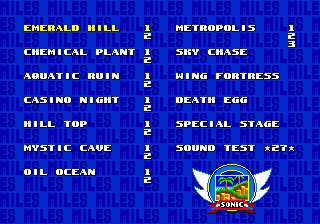
Level Select
Go to Options and play sounds 19, 65, 09 and 17 in the sound test. A ring chimes. Return to the title screen, hold A and press Start, and the level select appears.
Debug (Edit) Mode
With the level select on, play 01, 09, 09 and 02, then 01, 01, 02 and 04 in its sound test: the worldwide launch date, 1992-11-24. Choose a zone and hold A until the title card has gone. (It does not work when playing as Tails alone.)
Night Mode
After entering the debug code, pick a zone on the level select and hold C and Start until the title card disappears, and the zone plays in night mode.
All Seven Chaos Emeralds
In the level select’s sound test, play 04, 01, 02, 06. An Emerald sound plays and you start with all seven, so Super Sonic is ready to go.
Tails becomes Miles
At the title screen, press Up, Down, Down, Down, Up. The game calls the fox “Miles” instead of “Tails”. On the Japanese version it does the reverse.
14 Continues
Play 01, 01, 02, 04 in the Options sound test. You start with 14 continues. (A side effect: Oil Ocean Zone’s music keeps playing until you reset.)
Codes checked against Sonic Retro’s hidden content pages, November 2026.
Glitches, exploits and oddities
Sonic 2 was finished in a rush, and a few cracks show.
Super Sonic at the signpost
The signpost bug.
Turn super after touching the end-of-act signpost or capsule and Sonic starts walking on thin air and stops responding. If he drifts off the right of the screen the act ends normally; if not, you are stuck. Fixed in the version on the Sonic Classics compilation.
Untouchable in the leaves
A Grounder hits Sonic in Aquatic Ruin, and nothing happens.
Where Aquatic Ruin Zone’s leaves cover the screen, enemies cannot touch Sonic and he cannot touch them.
Lives counter roll-over
Lose two lives at once and the game can count below zero, which wraps round to 255. In Chemical Plant, with one life left, let the drowning timer run down and land on underwater spikes as it hits zero, and you lose two lives at once. The lives counter turns to garbage. It also happens in two-player mode after a time over on your last life.
Falling through a tube
Get hurt into one of Chemical Plant’s transport tubes and Sonic does not curl up, so he drops through the scenery until the tube’s next turn pulls him back on course.
Ducking the chemicals
In the Chemical Plant boss fight, Sonic can avoid the falling chemicals just by crouching. Nobody knows if that was intended; it does not work for Tails.
Rexon crash
Hitting a Rexon in Hill Top Zone can, in the right circumstances, send the game into code it was never meant to run and crash it. Fixed in the Sonic Classics version.
A slow Super Sonic clock
Super Sonic’s ring drain ticks every 61 frames, not 60, so you get roughly an extra second for every 60 rings. Never fixed.
Videos & media
SEGA’s own videos: the 2020 Nintendo Switch release with its new extras, and the trailer for the 2022 collection that brought Sonic 2 to current consoles.
SEGA’s official introduction video for SEGA AGES Sonic the Hedgehog 2 on Nintendo Switch (Japanese).
The official trailer for Sonic Origins (2022), from the official Sonic the Hedgehog channel.
Trivia & facts
The Death Egg was modelled on the Death Star from Star Wars, and Super Sonic on the Super Saiyan of Dragon Ball.
There are seven Chaos Emeralds because getting a power-up from six in Sonic 2 would have seemed odd when six did nothing in Sonic 1. The team said the match with Dragon Ball’s seven balls was a coincidence.
If the deadline had come an hour earlier, the good ending would have shown ordinary Sonic: Yamaguchi started the Super Sonic picture at 1 a.m. on the day the game was finished.
STI threw Yuji Naka a birthday party on 17 September 1992, complete with a Sonic-shaped cake.
What is left of Genocide City in the code.Three level slots in the game are empty in every version. Candidates include the desert and winter zones and an early form of Genocide City.
Song 10 in the sound test was never used in the game; it is the music meant for Hidden Palace Zone.
Grounder is also the name of one of Robotnik’s bumbling robots in the Adventures of Sonic the Hedgehog cartoon.
Early cartridge labels were holographic. Al Nilsen shared them in 2014; they were too expensive to produce, though one was used on the Nick Arcade prototype.
The Japanese release appeared three days before the “worldwide” launch.
Media & artwork
Box art, artwork and screenshots, mostly from Sonic Scene’s own galleries. Select any image to view it larger.
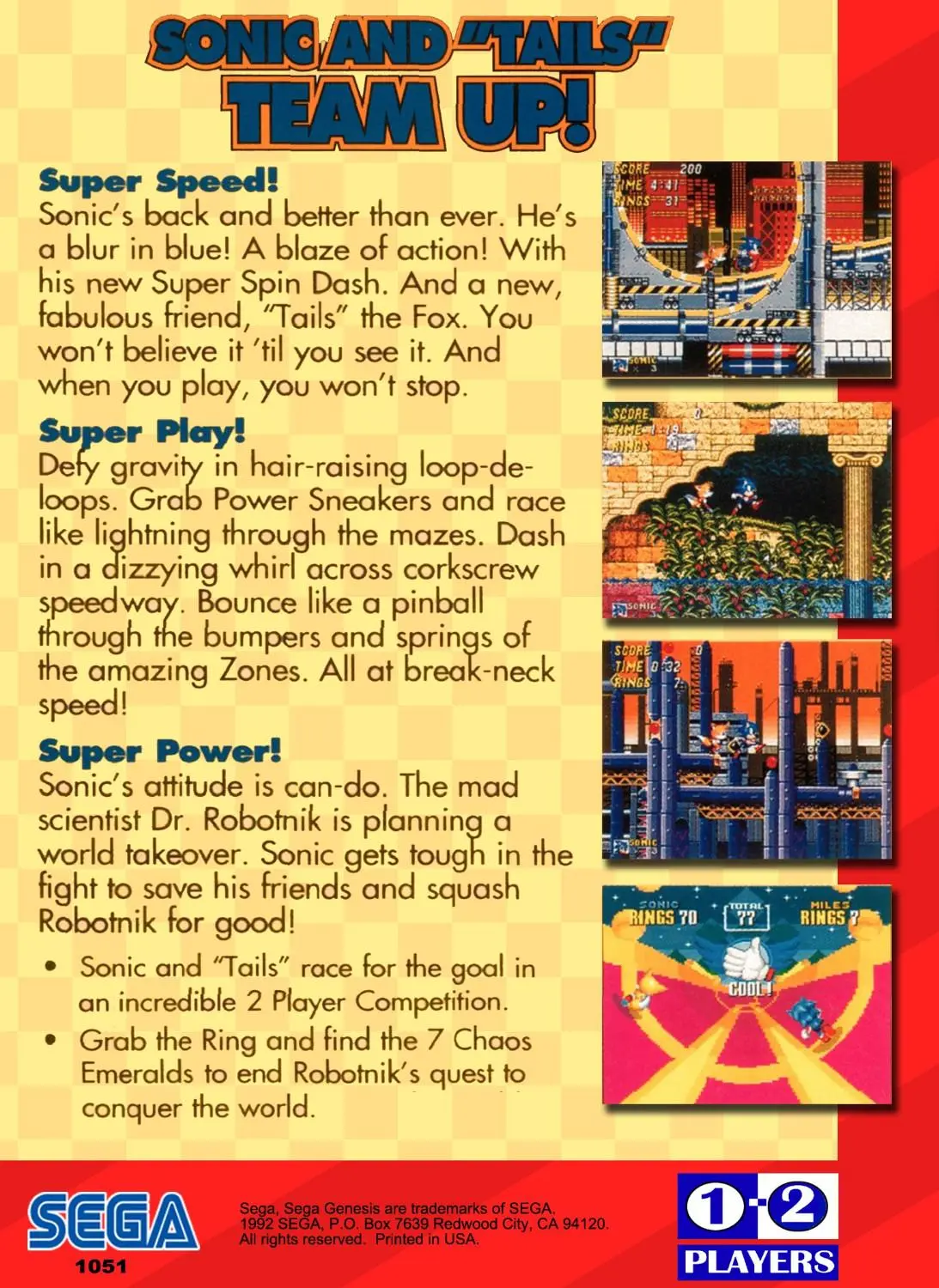
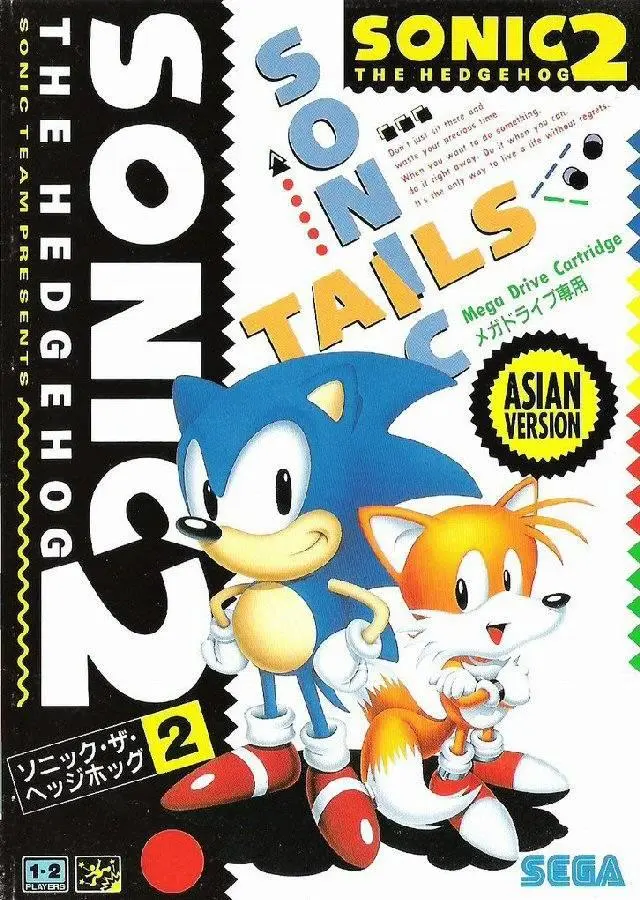
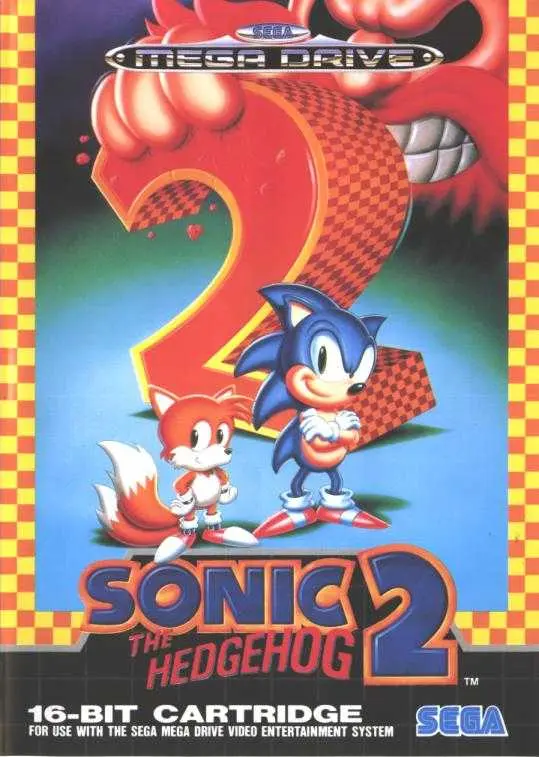
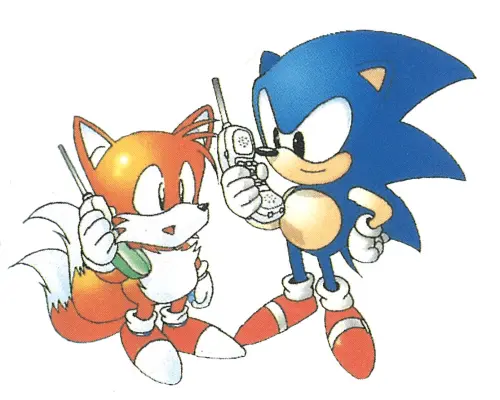
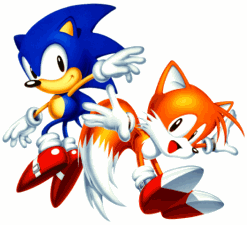
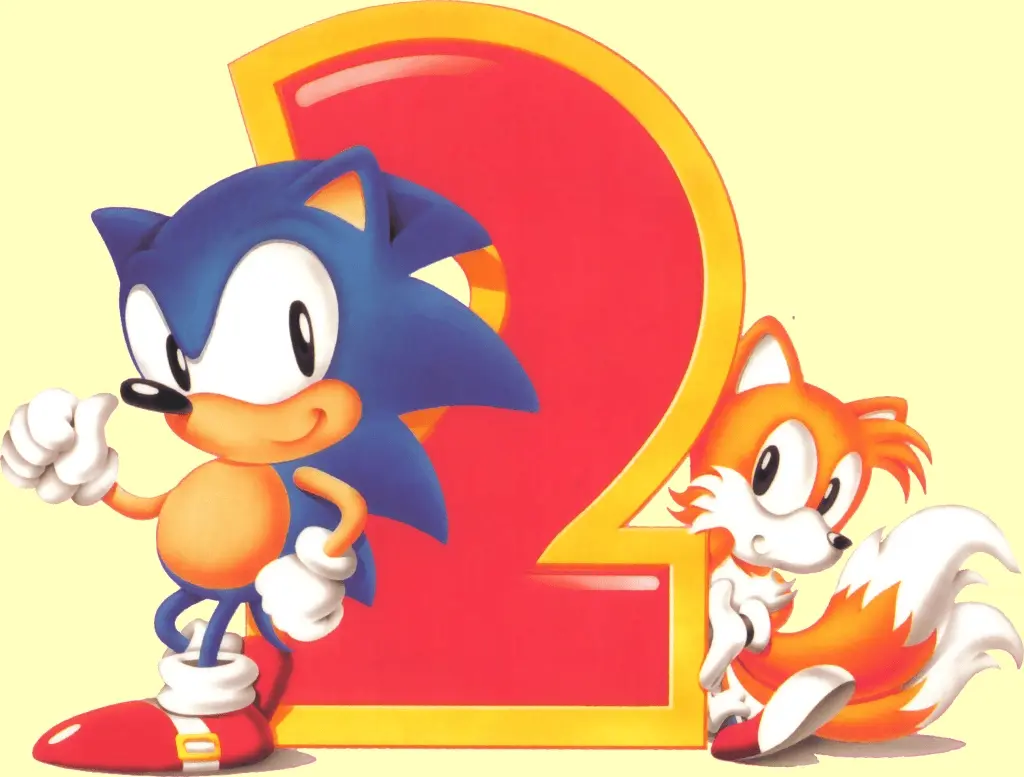
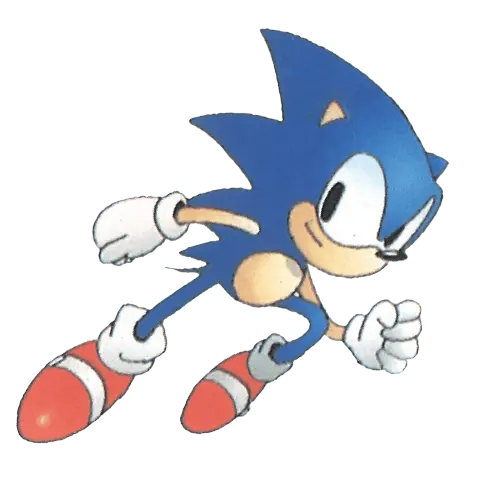
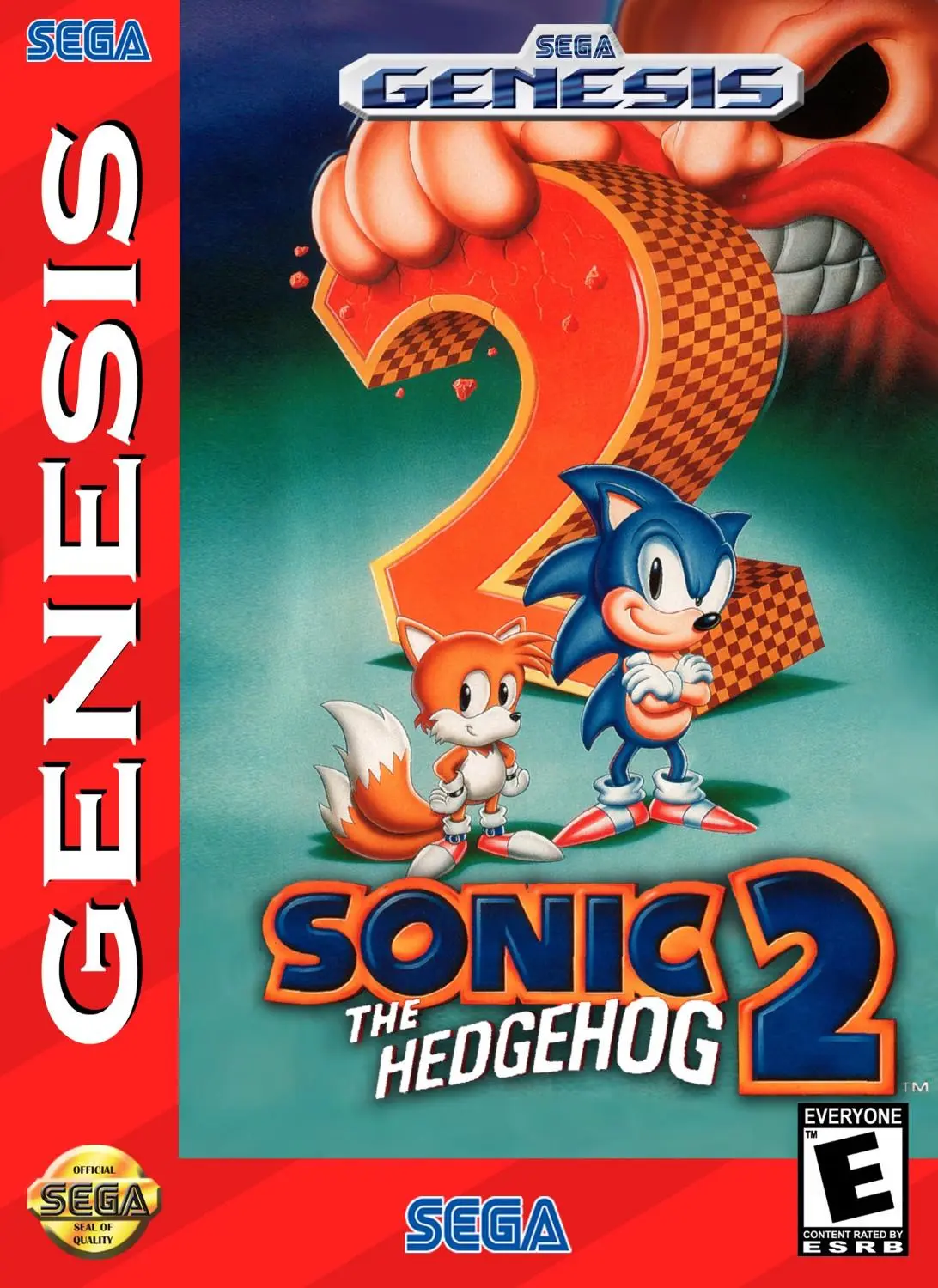
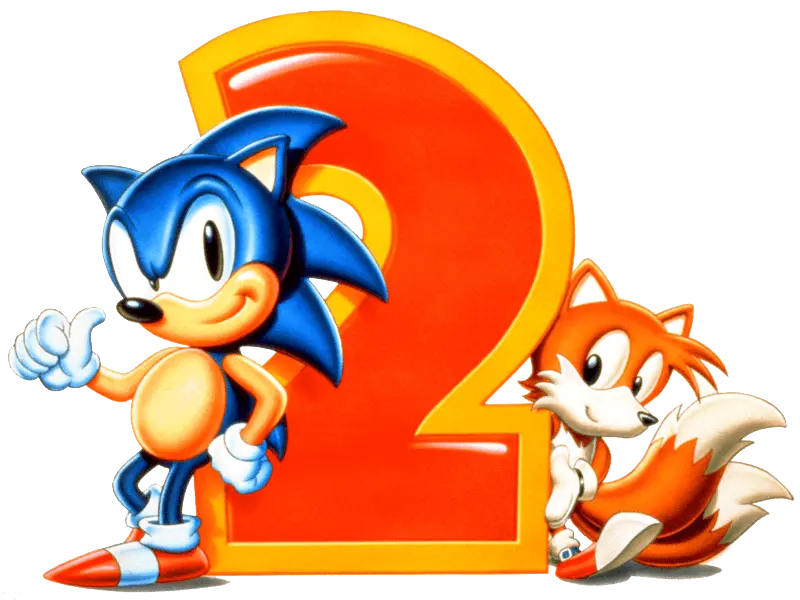
North American Genesis box.Back of the North American box.Japanese Mega Drive box.European Mega Drive box.Sonic and Tails.Sonic and Tails.Sonic and Tails, 1992 artwork.Sonic, 1992 artwork.Sonic, 1992 artwork.Sonic, 1992 artwork.The Chemical Plant boss.Mega Mack in Chemical Plant.Two-player mode.The level select.Debug mode.The ending.A prototype title screen.Hidden Palace in a prototype.
Sonic 2 sold more than any Mega Drive game except the one that came bundled with the console, and it has been re-released on almost everything since.
From Mega Drive to Sonic Origins
Mega Drive / GenesisNovember 1992 – Japan on 21 November; North America and Europe on 24 November.
Mega-Tech and Mega PlayArcade – Arcade versions of the Mega Drive game.
Sonic Classics1995 – A Mega Drive compilation, with a revised version of the game.
Sonic Jam1997 – Sega Saturn.
Sonic Mega Collection2002 – Nintendo GameCube, then PlayStation 2 and Xbox as Mega Collection Plus in 2004.
Wii Virtual Console and Xbox Live Arcade2007 – Downloadable on Wii and Xbox 360.
iOS2010 – Emulated at first, then rebuilt from scratch for iOS and Android in 2013, with Hidden Palace Zone restored.
3D Sonic the Hedgehog 22015 – Nintendo 3DS.
SEGA AGES Sonic the Hedgehog 22020 – Nintendo Switch.
Nintendo Switch Online2021 – Part of the Mega Drive library.
Sonic Origins23 June 2022 – Remastered for PlayStation, Xbox, Switch and PC.
Hidden Palace, twenty years on
The 2013 mobile remake finally finished Hidden Palace Zone as a secret level with a brand-new layout, using the prototype art and the two-player Mystic Cave music it had in the “Simon Wai” build. The name had already been recycled in Sonic & Knuckles for an unrelated zone.
Where to play it today
Sonic Origins (2022) on PlayStation, Xbox, Nintendo Switch and PC, SEGA AGES Sonic the Hedgehog 2 (2020) on Switch, and the Nintendo Switch Online Mega Drive collection. In 2023 Sonic Origins Plus added Amy Rose as a playable character.
Sales & reviews
Sales figures
Sega said Sonic 2 had sold 400,000 copies in Japan by March 1993, a figure Sega Force disputed, citing insiders who put it at about half that. One history of the series puts sales at nearly 500,000 worldwide in its first five days. By June 2006 it had sold about 6 million, making it the second-biggest Mega Drive game after Sonic 1 and the biggest that was not bundled with the console.
~500kworldwide in the first five days
400kin Japan by March 1993 (Sega’s figure)
6mworldwide by June 2006
#2best-selling Mega Drive game
Reception and review scores
The first page of Mean Machines Sega’s review in issue 2, from Sonic Scene’s magazine archive.
Reviewers adored it. These are the main period reviews from Sega Retro’s index of magazine scans; scores not out of 100 are shown as Sega Retro converts them. Sonic Scene has Mean Machines Sega’s review pages in its magazine archive.
Most period reviews scored it 90% or more, and Sega Retro’s table of 54 averages 90%. GamePro’s 98% is the highest in the selection below, although Sweden’s Sega Force and the UK’s Bad Influence! gave it full marks; the coolest here is Japan’s Famitsu, at the equivalent of 75%, and GamesMaster went lower still with 65%.
Honours
Mega Drive / GenesisBest-selling unbundled gameSecond only to Sonic 1 overall, about 6 million by 2006.
Sega · 1992“Sonic 2sday”A same-day launch across North America and Europe, unusual for the time.
Mega Drive IIThe new pack-inReplaced Sonic 1 as the game bundled with the console.
Reader reviews
No reader reviews yet. Played it? Give it a score out of 10 and tell other fans what you think.
Every fact on this page was checked against the sources below. Sonic Retro and Sega Retro are linked through the Wayback Machine copies we read (the live sites sit behind a bot check). Magazine scores come from Sega Retro’s review index, which links each score to a scan of the original page.
To provide the best experiences, we use technologies like cookies to store and/or access device information. Consenting to these technologies will allow us to process data such as browsing behavior or unique IDs on this site. Not consenting or withdrawing consent, may adversely affect certain features and functions.
Functional
Always active
The technical storage or access is strictly necessary for the legitimate purpose of enabling the use of a specific service explicitly requested by the subscriber or user, or for the sole purpose of carrying out the transmission of a communication over an electronic communications network.
Preferences
The technical storage or access is necessary for the legitimate purpose of storing preferences that are not requested by the subscriber or user.
Statistics
The technical storage or access that is used exclusively for statistical purposes.The technical storage or access that is used exclusively for anonymous statistical purposes. Without a subpoena, voluntary compliance on the part of your Internet Service Provider, or additional records from a third party, information stored or retrieved for this purpose alone cannot usually be used to identify you.
Marketing
The technical storage or access is required to create user profiles to send advertising, or to track the user on a website or across several websites for similar marketing purposes.

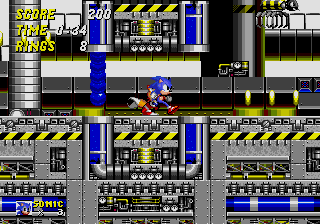 Chemical Plant ZoneTwo actsTransport tubes and pools of Mega Mack chemical; Grabber and Spiny.
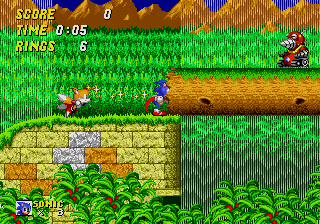 Aquatic Ruin ZoneTwo actsAn ancient civilisation’s ruins in a forest lake, with pillars that crumble or sink; Grounder, Whisp and Chop Chop.
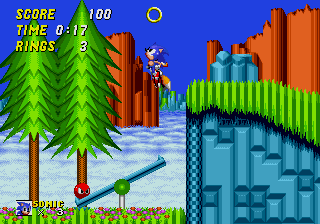 Hill Top ZoneTwo actsLava and rolling hills built from Emerald Hill’s graphics; Rexon, Sol and Spiker.
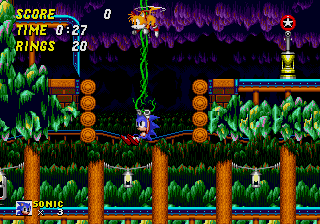 Mystic Cave ZoneTwo actsMines in a huge cavern, with hanging vines to pull; Crawlton and Flasher.
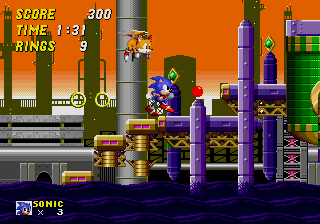 Oil Ocean ZoneTwo actsA refinery on a sea of oil; Octus and Aquis.
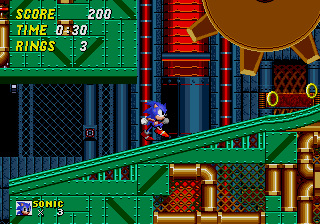 Metropolis ZoneThree actsEggman’s factory city of nuts, bolts and steam; Asteron, Shellcracker and Slicer.
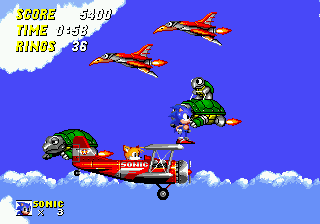 Sky Chase ZoneOne actChasing Eggman through the clouds in the Tornado; Balkiry, Nebula and Turtloid.
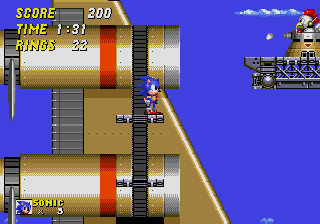 Wing Fortress ZoneOne actOn board Eggman’s flying battleship; Clucker.
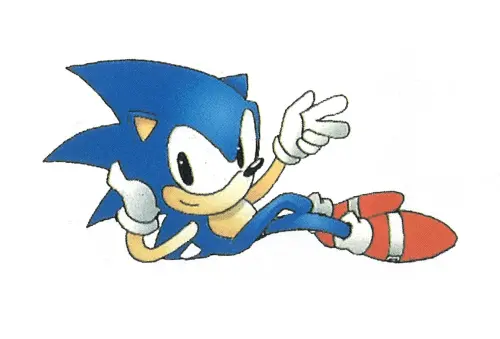 Sonic the HedgehogThe hero
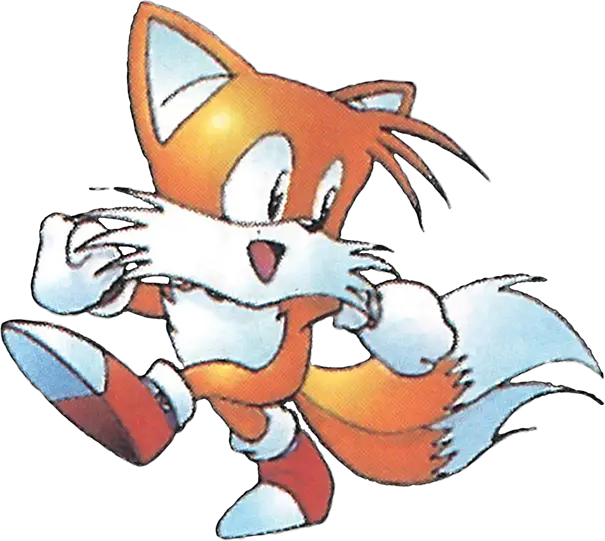 Miles “Tails” ProwerThe new sidekick
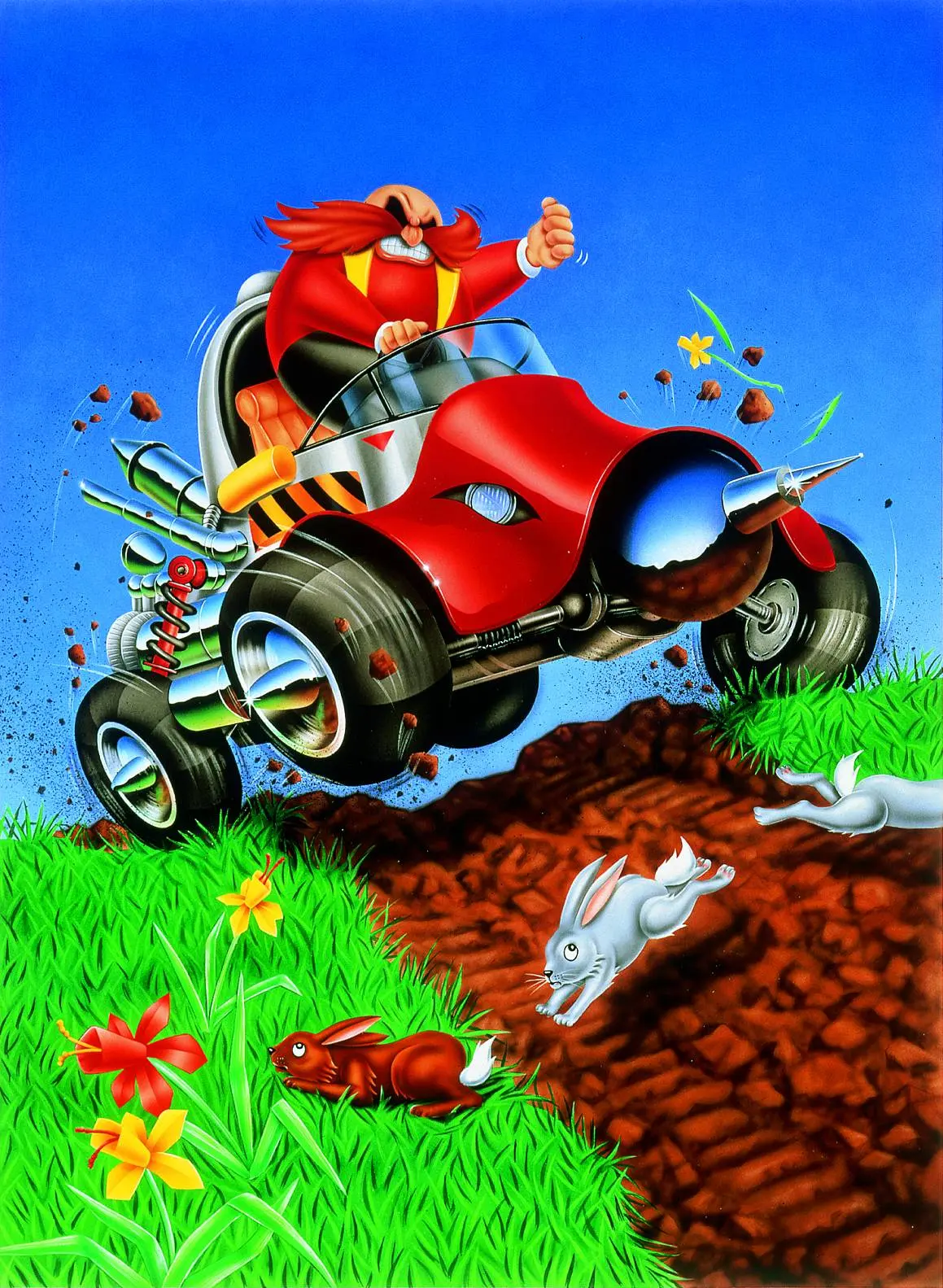 Dr. EggmanDr. Robotnik in the West
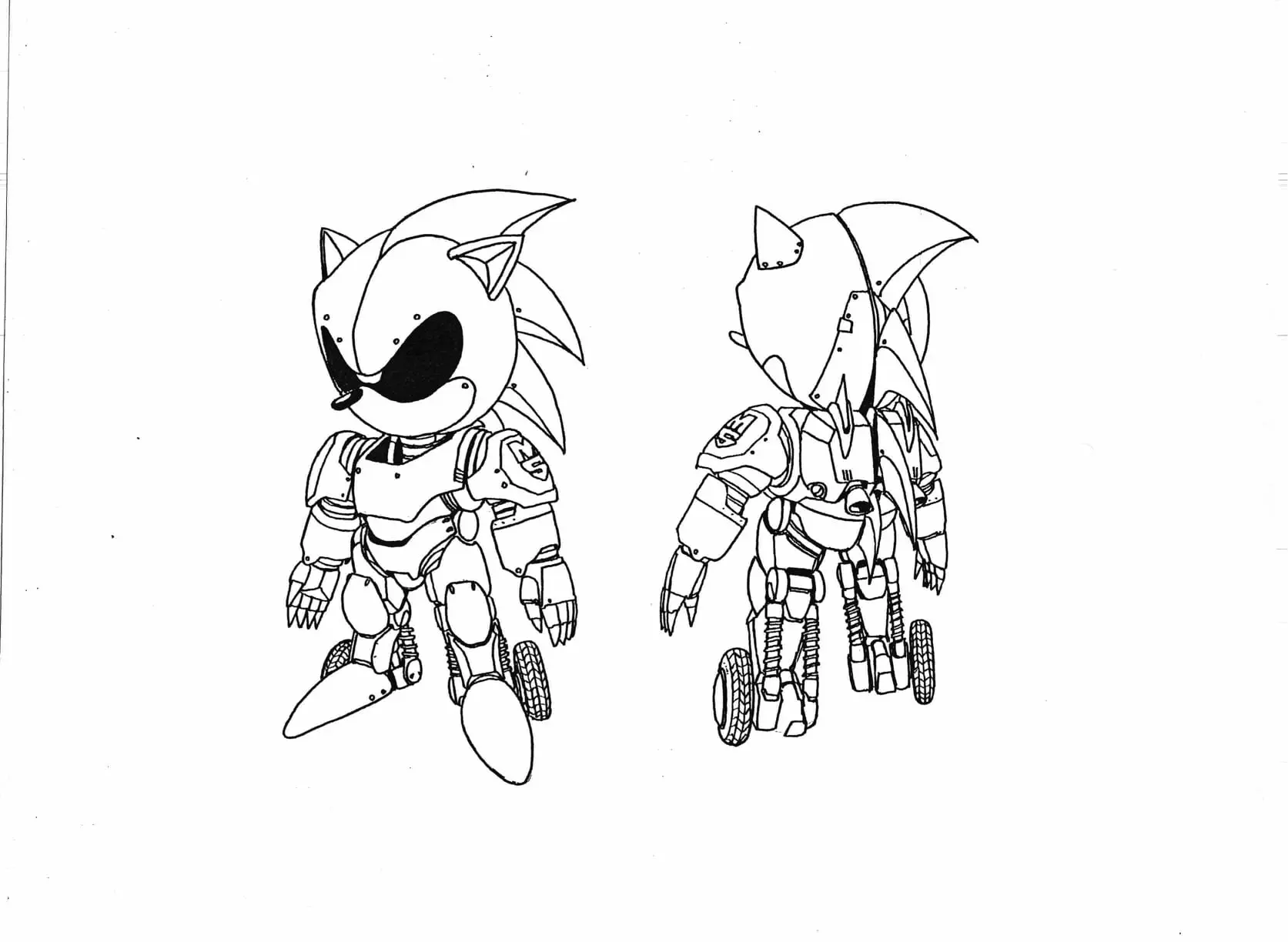 Mecha SonicEggman’s robot Sonic
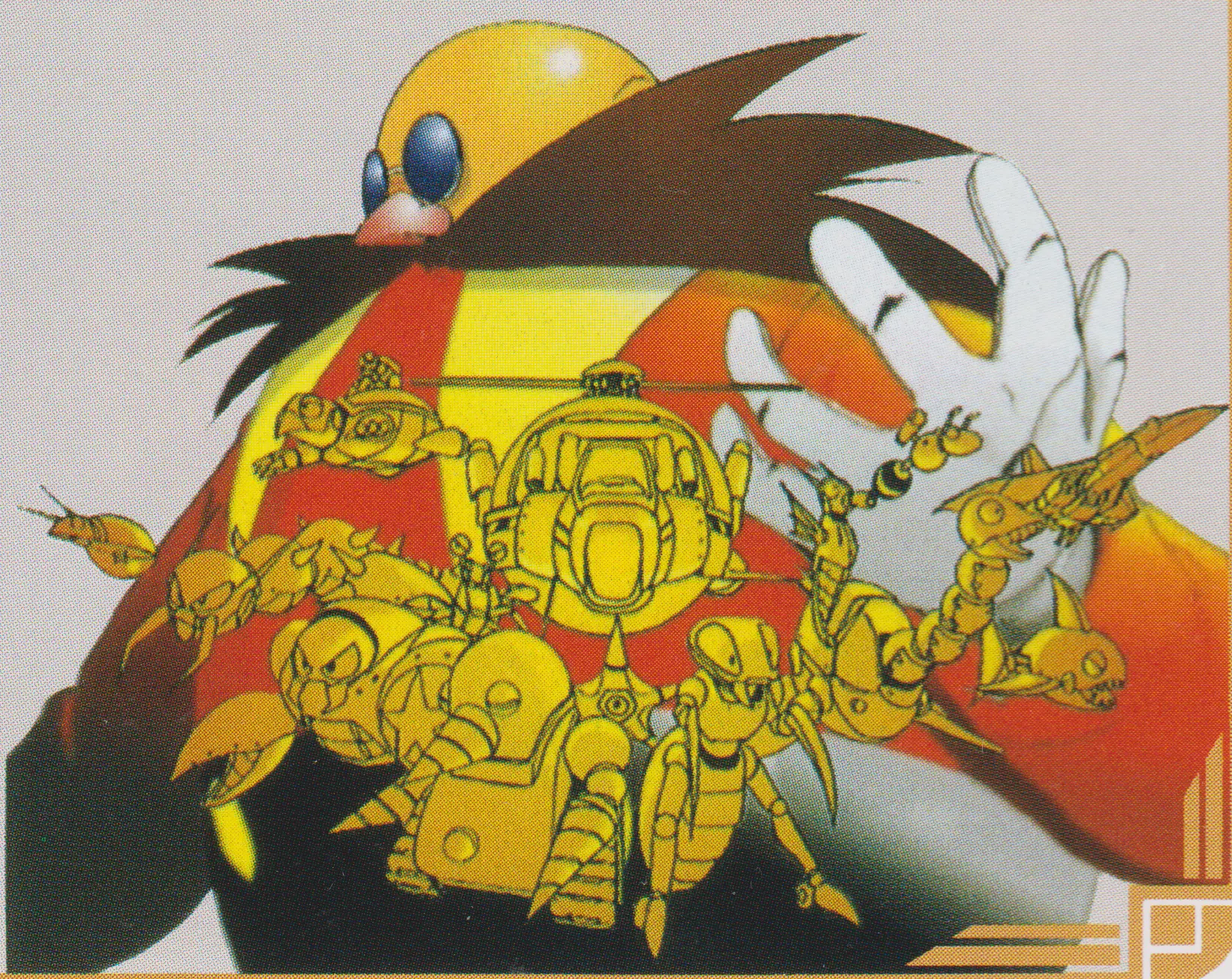 The BadniksEggman’s robot army
 BuzzerEmerald HillA wasp that stops mid-flight to fire a missile.
 CoconutsEmerald HillA monkey that climbs palm trees and throws coconuts.
 MasherEmerald HillA piranha that leaps straight up out of the waterfalls.
 GrabberChemical PlantA spider that drops on you from above, grabs hold and blows up.
 SpinyChemical PlantCreeps along floors and walls, and can suddenly fire from its spikes.
 GrounderAquatic RuinA drill-nosed robot that bursts out of the walls.
 WhispAquatic RuinA small fly that swarms towards you.
 Chop ChopAquatic RuinA piranha that drifts slowly about underwater.
 CrawlCasino NightA crab with a bumper that bounces back attacks from the front.
 RexonHill TopA long-necked, plesiosaur-like robot that sits in the lava.
 SolHill TopCircled by four fireballs, which it fires straight ahead when you get close.
 SpikerHill TopA little red insect with a big spiked cone on its head.
 CrawltonMystic CaveA segmented caterpillar that strikes out of the walls.
 FlasherMystic CaveA firefly that lights up and is dangerous while glowing.
 OctusOil OceanA jumping octopus that fires shots.
 AquisOil OceanA flying seahorse that shoots at you.
 AsteronMetropolisA starfish that bursts into spikes.
 ShellcrackerMetropolisA crab with one long extending claw.
 SlicerMetropolisA mantis that throws its blades.
 BalkirySky ChaseA bird that flies straight across the screen at high speed.
 NebulaSky ChaseA propeller robot that drops bombs.
 TurtloidSky ChaseA flying turtle with a smaller rider on its back.
 CluckerWing FortressA chicken-headed turret built into the fortress.