Three heroes, three trackballs and one very angry island. Sonic’s first arcade game is a breakneck escape that introduced Mighty and Ray, then vanished from the arcades and never came home.
ReleasedJapan, autumn 1993; limited runs in the US and UK
DeveloperSega AM3, with Sonic Team
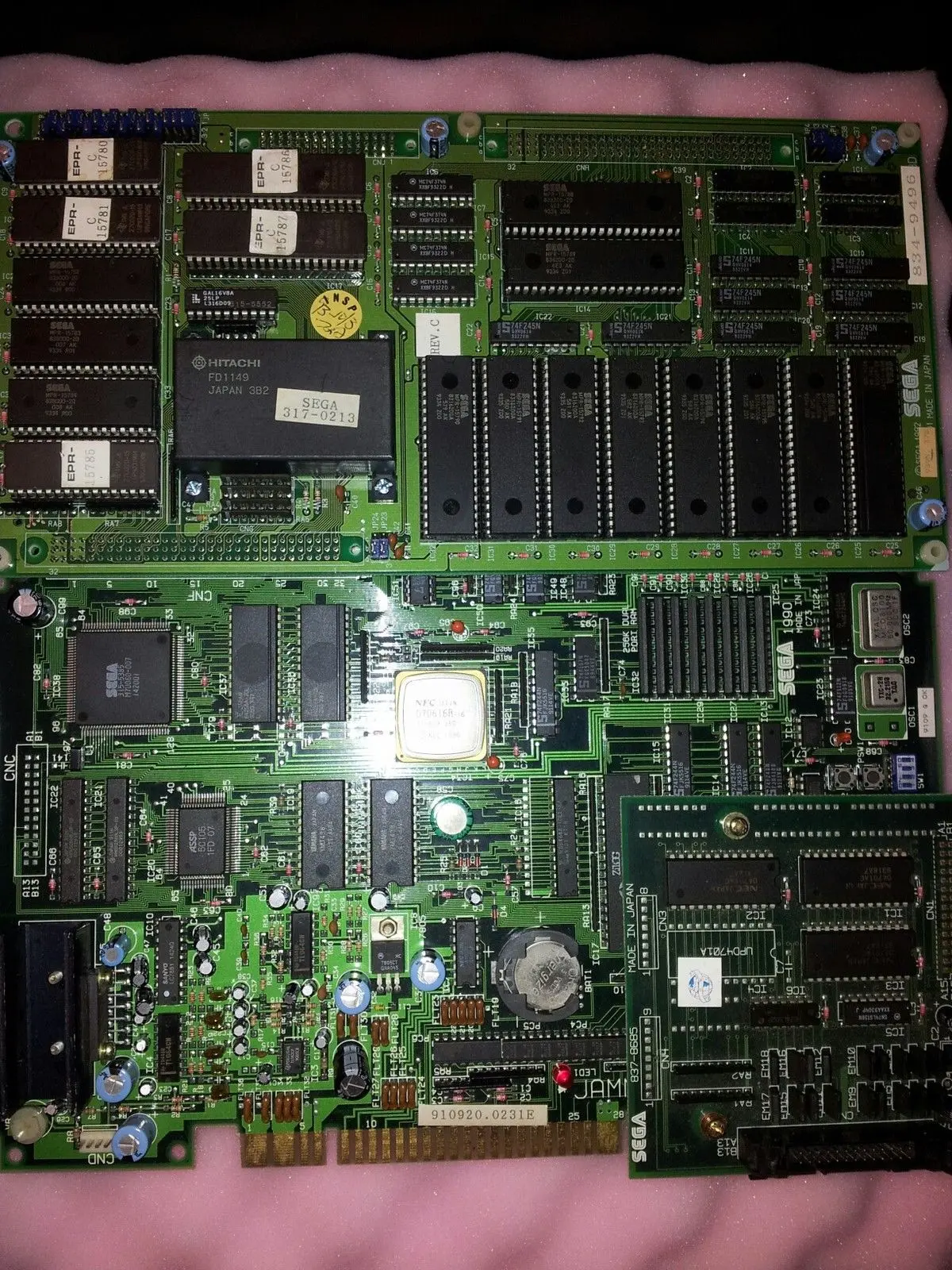
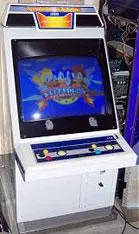
HardwareSega System 32, three-player cabinet
ControlsA trackball and one button per player
LevelsSeven, ending at Eggman’s Tower
DebutsMighty the Armadillo, Ray the Flying Squirrel
Title
SegaSonic the Hedgehog; Japan: セガソニック・ザ・ヘッジホッグ; developed as Sonic the Hedgehog; often called SegaSonic Arcade
Platform
Arcade: Sega System 32; never released for a home system
Developer
Sega AM3 (renamed Hitmaker in 2000, which is how our original page credited it), with Sonic Team
Publisher
Sega
Director
Tomosuke Tsuda (credited as T. Tsuda)
Design
Manabu Kusunoki (also designed Mighty and Ray), Kiyoshi Miyagi, Masahiro Hoshino, Satoshi Yamagata
Japan: October 1993 by Sega Retro and Sonic Retro (June 1993 by our original page); US and UK: September 1993 by our original page, Sega Retro and Sonic Retro, though Wikipedia says it is unclear whether it was released outside Japan
Service end
Sega Logistics Service stopped supporting the machines on 31 March 2017
Genre
Isometric action / platform
Overview
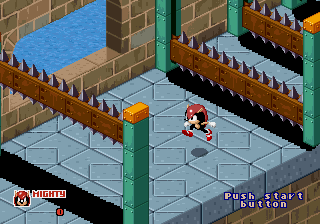
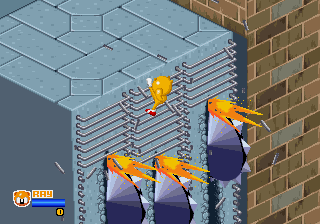
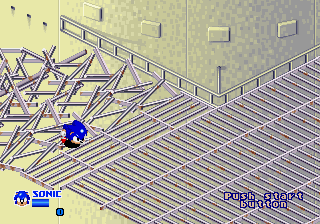
Sonic’s first arcade outing is a trackball controlled game, as our original page put it, and that sums up how strange and special SegaSonic the Hedgehog is. Built by Sega’s arcade division AM3 in 1993, it drops Sonic and two brand-new friends, Mighty the Armadillo and Ray the Flying Squirrel, onto an island booby-trapped by Dr. Eggman, and asks up to three players to roll them to safety from an isometric viewpoint.
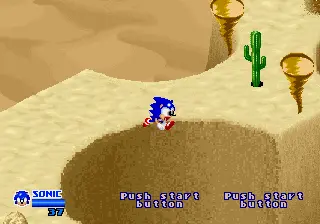
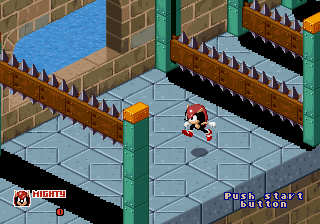
It plays less like a Mega Drive Sonic and more like Atari’s Marble Madness at full speed. There are hardly any enemies; instead the island itself is out to get you, with boulders, lava, icicles, gears and spears chasing the trio down narrow paths. Rings restore your health, a spinning jump gets you out of trouble, and the trackball makes every turn feel like steering a runaway marble.
Few machines were made, it never got a home port, and Sega later left it out of Sonic Gems Collection because nobody could make the trackball feel right on a pad. Yet Mighty went on to star in Knuckles’ Chaotix, both heroes became favourites in Archie’s comics, and in 2018 Sonic Mania Plus brought them back.
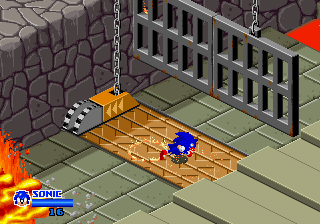
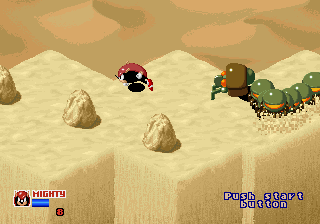
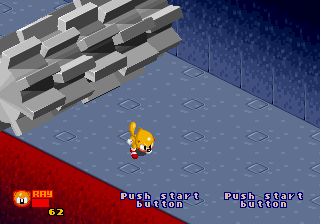
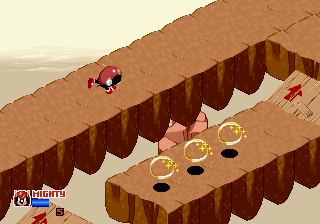
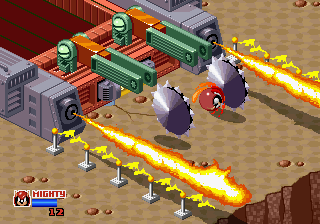
Volcanic Vault, the first level.Desert Dodge.Eggman’s Tower.
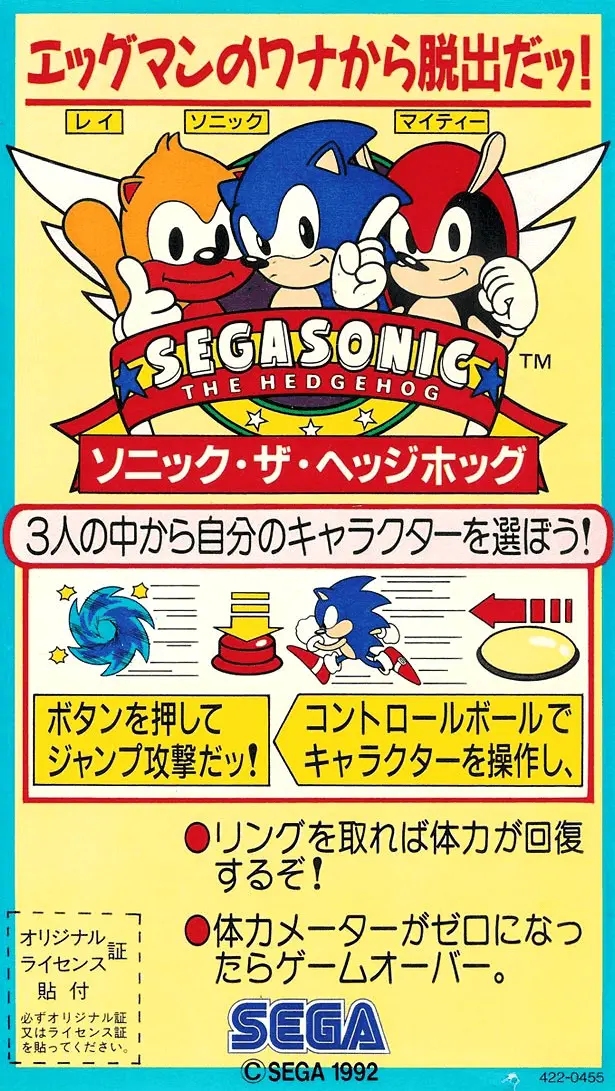
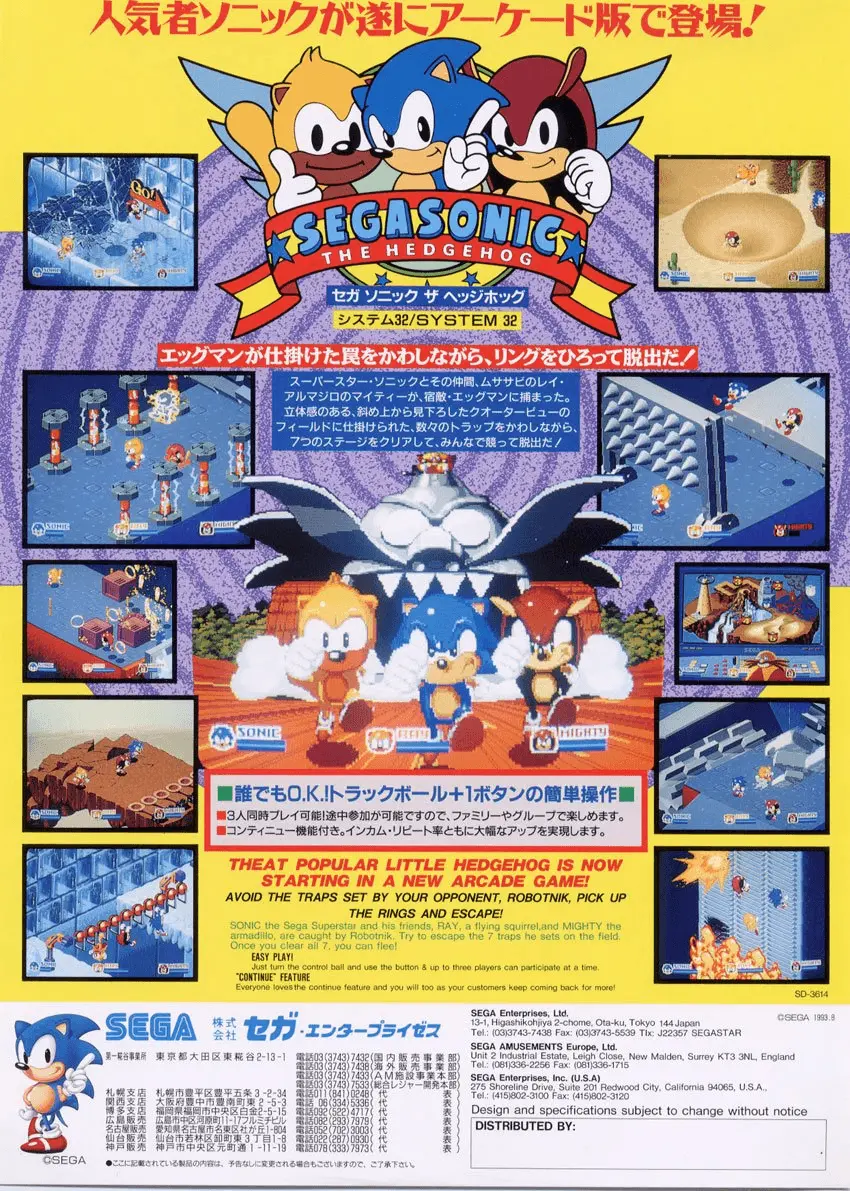
エッグマンのワナから脱出だ! (Escape from Eggman’s trap!)
The headline of the cabinet’s Japanese instruction card. The rest of the card explains the game in a few pictures: pick one of the three heroes, steer with the control ball, press the button for a jumping attack, grab rings to restore your health, and watch the health meter, because when it hits zero the game is over.
— Official description: Sega, SegaSonic the Hedgehog cabinet instruction card (1993), from Sonic Scene’s original gallery; our translation. One line quoted; the rest summarised.
Quick Answers
The short answers, with the detail further down the page.
When did SegaSonic the Hedgehog come out?
In Japanese arcades in autumn 1993; Sega Retro gives October. Sega Retro and Sonic Retro also list September 1993 for the US and UK, but the game is rare outside Japan. More →
Who are Mighty and Ray?
Mighty the Armadillo and Ray the Flying Squirrel, two new heroes designed for this game by Manabu Kusunoki. They play exactly like Sonic. More →
How do you control it?
With a trackball and a single button. The ball sets your direction and speed; the button jumps into a Spin Attack. More →
Can three people play?
Yes. Each of the three trackballs is colour-coded: Sonic’s is blue, Mighty’s red and Ray’s yellow. More →
How many levels are there?
Seven, from Volcanic Vault to Eggman’s Tower, where you have twenty seconds to escape as the tower blows. More →
Why is it called SegaSonic?
It was developed as plain Sonic the Hedgehog, but Sega lost its trademark on the Sonic name during production and added its own. More →
Was there an English version?
Not officially. The ROM holds a full set of English dialogue and sprites of the American cartoon’s Robotnik, suggesting one was planned. More →
Can I play it at home?
No. It has never been ported or included in a collection; a 32X version was rumoured in 1994 and it was dropped from Sonic Gems Collection. More →
Plot / Story
Eggman’s prison on wheels.Image via Sonic Wiki Zone
Sonic, Mighty and Ray have heard that Dr. Eggman has built a new fortress on an island of his own, and they go to find out what he is up to. It is a trap. Eggman scoops all three of them up in one of his latest inventions, a giant prison on wheels, and locks them up on Eggman Island.
Working together, the trio break out of their cell. Now they have to escape the island itself, and Eggman is tracking their every step and triggering trap after trap to stop them.
The great escape
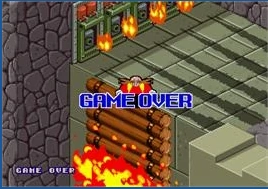
Between levels, short cutscenes cut back to Eggman, who grows more frantic as the heroes get closer. The last stretch takes them into Eggman’s Tower, where the doctor hits the self-destruct button. Players get twenty seconds to run for it; fail and the game ends on the spot, with no option to continue and Eggman laughing off-screen.
Make it out and the island blows up behind them. The heroes get away safely, and Eggman, fleeing in his Egg Mobile, runs out of fuel and drops into the sea.
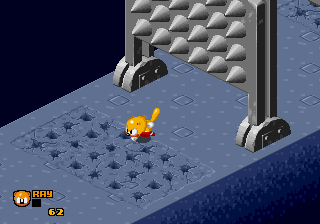
The opening.Trap Tower.The ending.
Levels
Seven levels, each a fast, mostly linear dash across the island. The aim is to finish quickly without losing all your health, and to grab as many rings as you can: collect more than half of a level’s rings and you earn bonus points.
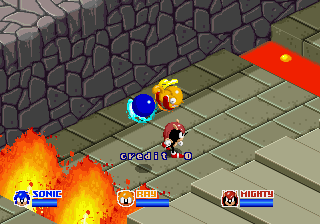
Volcanic VaultLevel 1The breakout, among lava flows and fire.
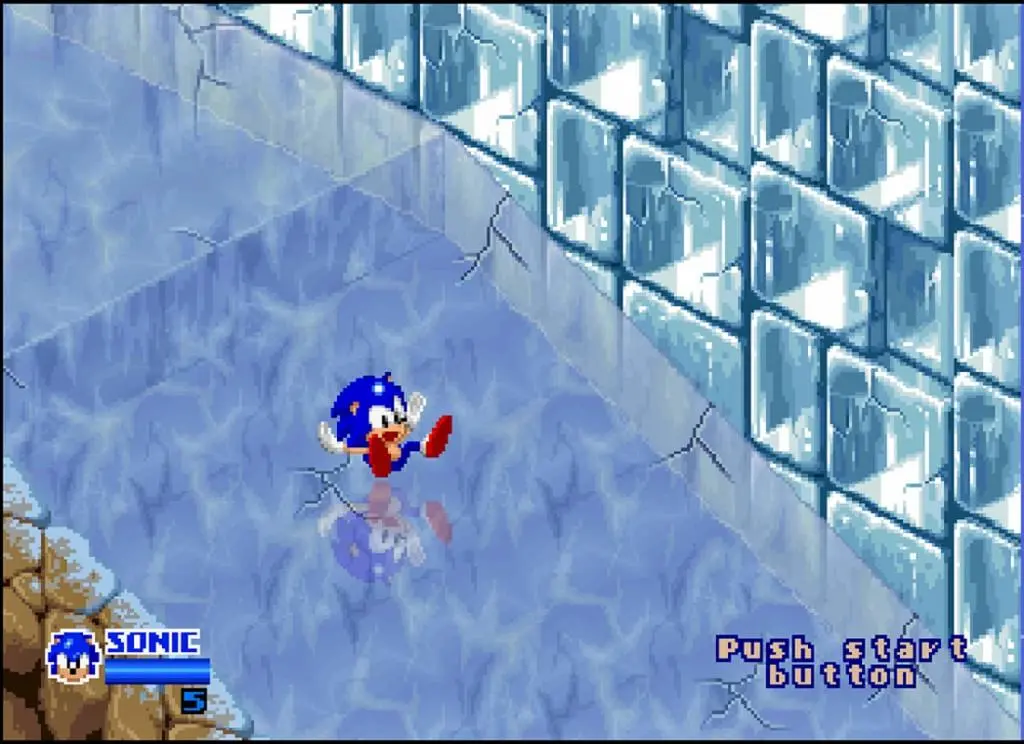
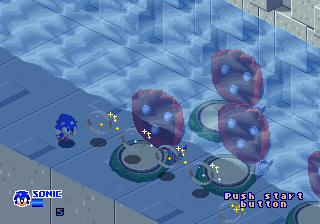
Icy IsleLevel 2Slippery ice and falling icicles.
Desert DodgeLevel 3Desert sands and plenty to dodge.
Trap TowerLevel 4A tower built to catch intruders, packed with mechanical traps.
Landslide LimboLevel 5Rolling rocks and the game’s only boss.
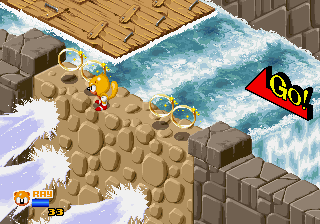
Wild Water WayLevel 6A watery dash past sea mines.
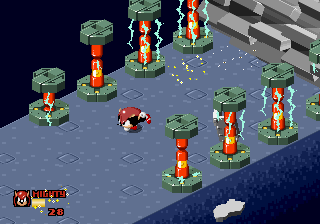
Eggman’s TowerFinal levelThe doctor’s base. Reach the top, then escape before the self-destruct countdown ends.
Apart from Eggman’s Tower, every level name is an alliteration.
In comics, TV & other media
SegaSonic the Hedgehog has a curious link to the American cartoons, and its heroes lived on in comics. See also our guide to SatAM.
Sonic the Hedgehog (SatAM)ABC · 1993–1994Hidden in the ROM are sprites of Robotnik in the look of the American Sonic the Hedgehog cartoon and Archie comic, for stage intros, cutscenes, credits and the Game Over screen. With the English dialogue beside them, they suggest a Western version meant to tie in with the show.
Archie’s Sonic the HedgehogArchie Comics · 1993–2017While the games forgot them, Archie’s comic kept Mighty and Ray busy for years: both joined the Chaotix, with Mighty as Ray’s honorary brother.
Knuckles’ Chaotix32X · 1995Mighty’s second game, as one of Knuckles’ playable partners.
Sonic Generations2011A “missing” poster of Ray and Mighty hangs in City Escape, a nod to their long absence.
Sonic Mania Plus2018Mighty and Ray return as playable characters, about a quarter of a century after their debut.
Characters
Three heroes who look different but play the same, one villain who never fights you directly, and a handful of robots. Character sprites via Sonic Wiki Zone.
Character
Who they are
In this game
Stats & abilities
Sonic the HedgehogPlayer 1 · blue trackball
Sega’s blue hero, voiced here by Takeshi Kusao, one of the first times Sonic spoke in a game.
Captured with his friends and leading the escape from Eggman Island.
Trackball to run, button to Spin Attack
Health bar refilled by rings
Identical abilities to Mighty and Ray
Mighty the ArmadilloPlayer 2 · red trackball · debut
An armadillo created for this game by Manabu Kusunoki, who wanted animals that could move like Sonic and were, like hedgehogs, a little obscure. Mighty is thought to be based on an early Sonic prototype. Voiced by Yusuke Numata.
One of the three prisoners. Unused animations in the ROM show him, Sonic and Ray flexing their muscles.
Same moves as Sonic
Later playable in Knuckles’ Chaotix and Sonic Mania Plus
Ray the Flying SquirrelPlayer 3 · yellow trackball · debut
A flying squirrel, also designed by Kusunoki. Voiced by Hinako Kanamaru.
The third escapee.
Same moves as Sonic
Absent from games for almost 25 years until Sonic Mania Plus
Dr. EggmanThe villain
Sonic’s arch-enemy in his Japanese guise, voiced by Masaharu Sato.
Traps the heroes on his island, tracks their progress and springs traps from a distance. He is never fought directly: the island is the enemy.
Triggers the tower’s self-destruct
Escapes in the Egg Mobile, which runs out of fuel
Badniks and hazards
Enemies are rare in SegaSonic; most damage comes from the scenery. The Badniks are new to this game.
Antlion BadniksBadnik · newModelled on an ant lion.
Centipede BadniksBadnik · newModelled on a centipede.
Clam BadniksBadnik · newModelled on a clam.
Earthworm BadniksBadnik · newModelled on an earthworm.
Sea Snake BadniksBadnik · newModelled on a sea snake.
Landslide Limbo bossThe only bossFaced midway through the game.
The island itselfEverywhereBoulders, lava, falling icicles, spears, rogue gears, electric emitters and sea mines.
The people who made it
Credits from the game, as listed by Sonic Wiki Zone and Wikipedia.
Sega AM3DeveloperSega’s arcade division, helped by Sonic Team.
Tomosuke TsudaDirectorDirected the game.
Manabu KusunokiDesignerDesigned Mighty and Ray and has spoken about the trackball idea.
Hiroshi KawaguchiSoundSega arcade veteran, with Keitaro Hanada and Naoki Tokiwa; he shared development documents online in 2019.
Naoto OhshimaSpecial thanksSonic’s original designer, who drew concept art for the game.
How it was made
Our original page gave the basics. This history is new, drawn from Wikipedia’s account of the designers’ interviews and Sonic Retro’s development page.
Third time lucky
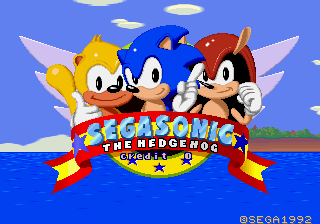
A prototype title screen.Image via Sonic Retro
SegaSonic was Sega’s third go at a Sonic arcade game. Two earlier attempts were shelved because the team felt they lacked the special something that made Sonic work, and the one that survived was under way at AM3, Sega’s arcade division, by May 1993, with Sonic Team lending a hand; Sonic Retro has concept art for it by Naoto Ohshima.
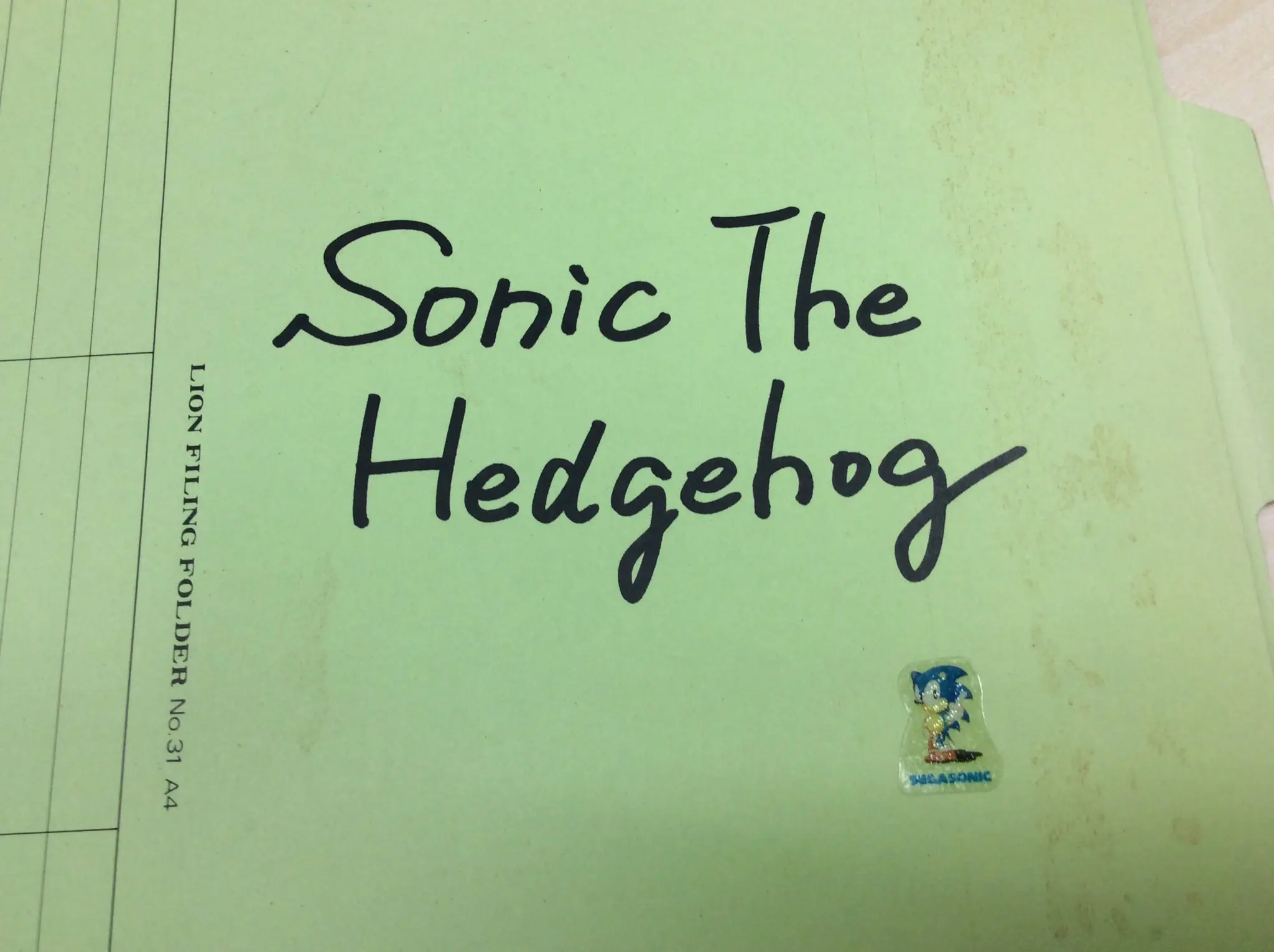
The controls shaped everything else. Designer Manabu Kusunoki has said a Marble Madness fan on the team argued for a trackball to match Sonic’s speed, and the hardware already existed: Juro Watari, director of Sega’s Wally wo Sagase!, has said that game’s trackball was reused here. The System 32 board allowed three players at once and a new isometric graphics system, and in February 2019 composer Hiroshi Kawaguchi posted four pages of the original documentation, which show the location-test version running to Stage 3.
Why it is called SegaSonic
For most of its development the game had no prefix at all: it was just Sonic the Hedgehog. Then Sega lost its trademark on the Sonic name, which journalist John Szczepaniak traced to paperwork Sega of America failed to file on 13 July 1993, and the answer was to put the company’s own name in front. SegaSonic went on to label several of Sega’s Sonic arcade machines.
Shows and release
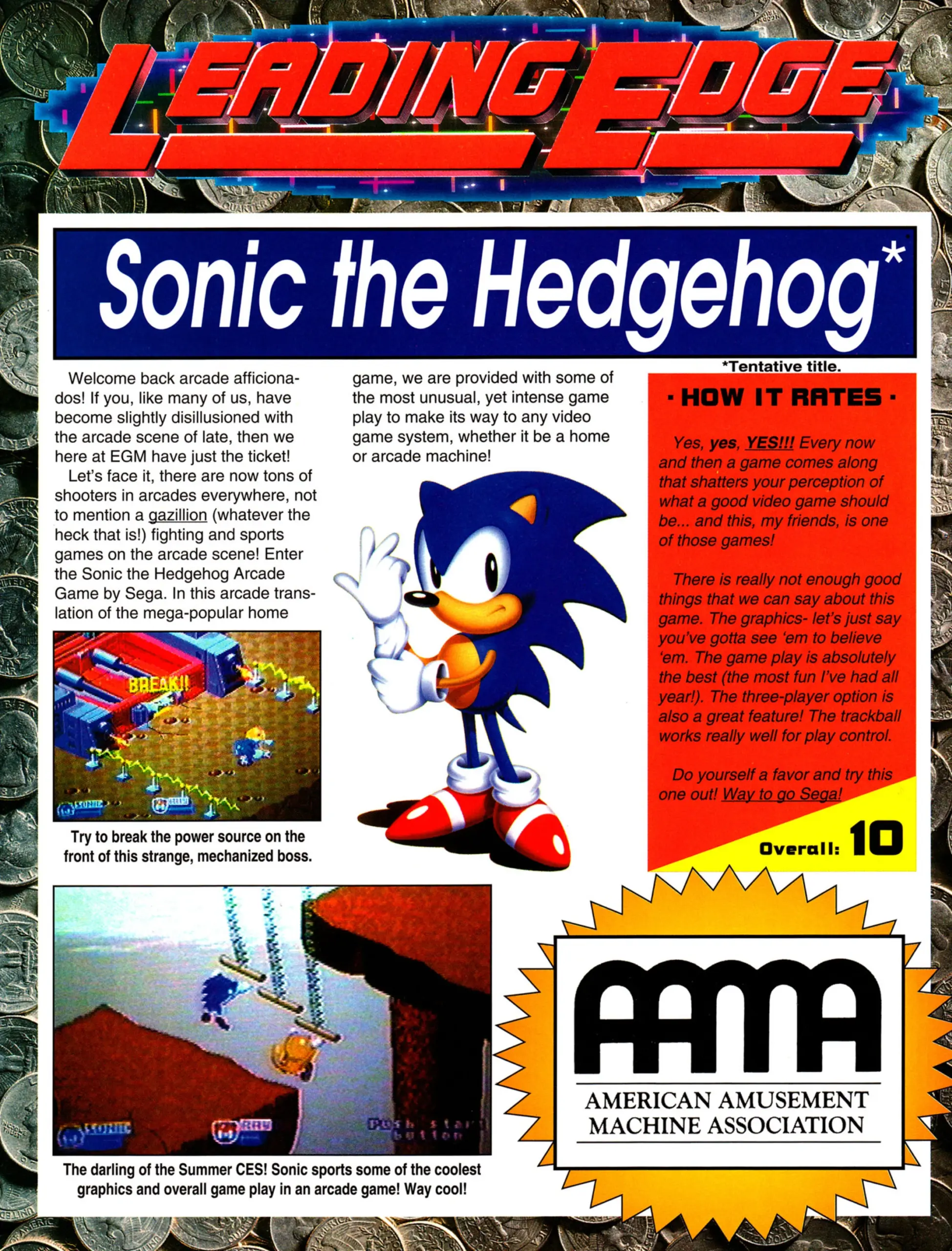
EGM’s preview, August 1993.Image via Sonic Wiki Zone
Visitors to the 1993 Summer Consumer Electronics Show and the Amusement Machine Show got a first look, and the game reached Japanese arcades later that year. Sonic Retro knows of three revisions of the final release plus a prototype. Few cabinets were made, especially outside Japan, and they are rare today; Sega Retro records that Sega Logistics Service ended support for them on 31 March 2017.
The home version that never came
Fans are still waiting for a home version. A 32X conversion was reported in late 1994 and never appeared; Yuji Naka later said SegaSonic was considered for Sonic Gems Collection in 2005 but dropped because a controller could not do the trackball justice; Sega’s Ken Balough said in 2011 that there was little demand outside Japan; and in 2020 Yosuke Okunari floated a port if the Sega Ages line did well.
Firsts: what this game introduced
A lot of Sonic history in one rare cabinet.
1Sonic’s first arcade gameThe first Sonic arcade game to be released, after two earlier attempts were shelved.
2Mighty and Ray’s debutThe first appearance of both heroes, who would not be playable together again until Sonic Mania Plus.
3Sonic speaksOne of the first Sonic games with voice acting and on-screen dialogue.
4Three players at onceUp to three people play simultaneously, each on their own trackball.
5Isometric SonicOne of the earliest Sonic games seen from an isometric angle.
Glitches, exploits and oddities
The ROM is full of things players never saw, and some of them hint at a Western release that never happened.
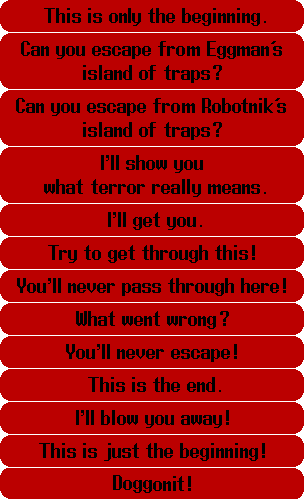
The lost English version
Unused English dialogue.Image via Sonic Retro
A complete set of English speech bubbles is stored in the game, along with an “Eggman” variant, alongside sprites of the American cartoon’s Robotnik for stage intros, mid-level taunts, the tower countdown, the credits, stage numbers and the Game Over screen.
Heroes on the gym
Mighty’s unused flexing animation.Image via Sonic Retro
Animations of Sonic, Mighty and Ray flexing and turning muscular are in the ROM, and so is the code to show them, but nothing in the game calls it.
Insert more coins
Messages that never appear.Image via Sonic Retro
Messages asking players to insert more coins are stored in the game but never appear, whatever the operator’s DIP switch settings. There are also early title, character select and intro sprites, an Eggman hologram, and entries for what looks like a debug or level editor.
Videos & media
The whole game with its Japanese dialogue translated, and a look at its story.
A full playthrough with translated subtitles from NintendoComplete.
Defunct Games walks through the story and its place in Sonic history.
Trivia & facts
Trackballs and buttons are colour-coded to match the heroes: Sonic’s set is blue, Mighty’s red, Ray’s yellow.
Ray the Flying Squirrel.Image via Sonic Wiki ZoneWhy an armadillo and a flying squirrel? Like the hedgehog, they were unusual animals to build a hero around, and the designers thought they could believably move the way Sonic does.
In November 1993 Japan’s Game Machine magazine placed it sixth in its chart of table arcade units.
The heroes never fight Eggman: the game’s only boss appears in Landslide Limbo, and the finale is an escape, not a duel.
Our original page credited the game to “Sonic Team, Hitmaker”: Hitmaker is the later name of the AM3 studio that made it.
Media & artwork
Artwork, the cabinet and screenshots, mostly from Sonic Scene’s own galleries. Select any image to view it larger.
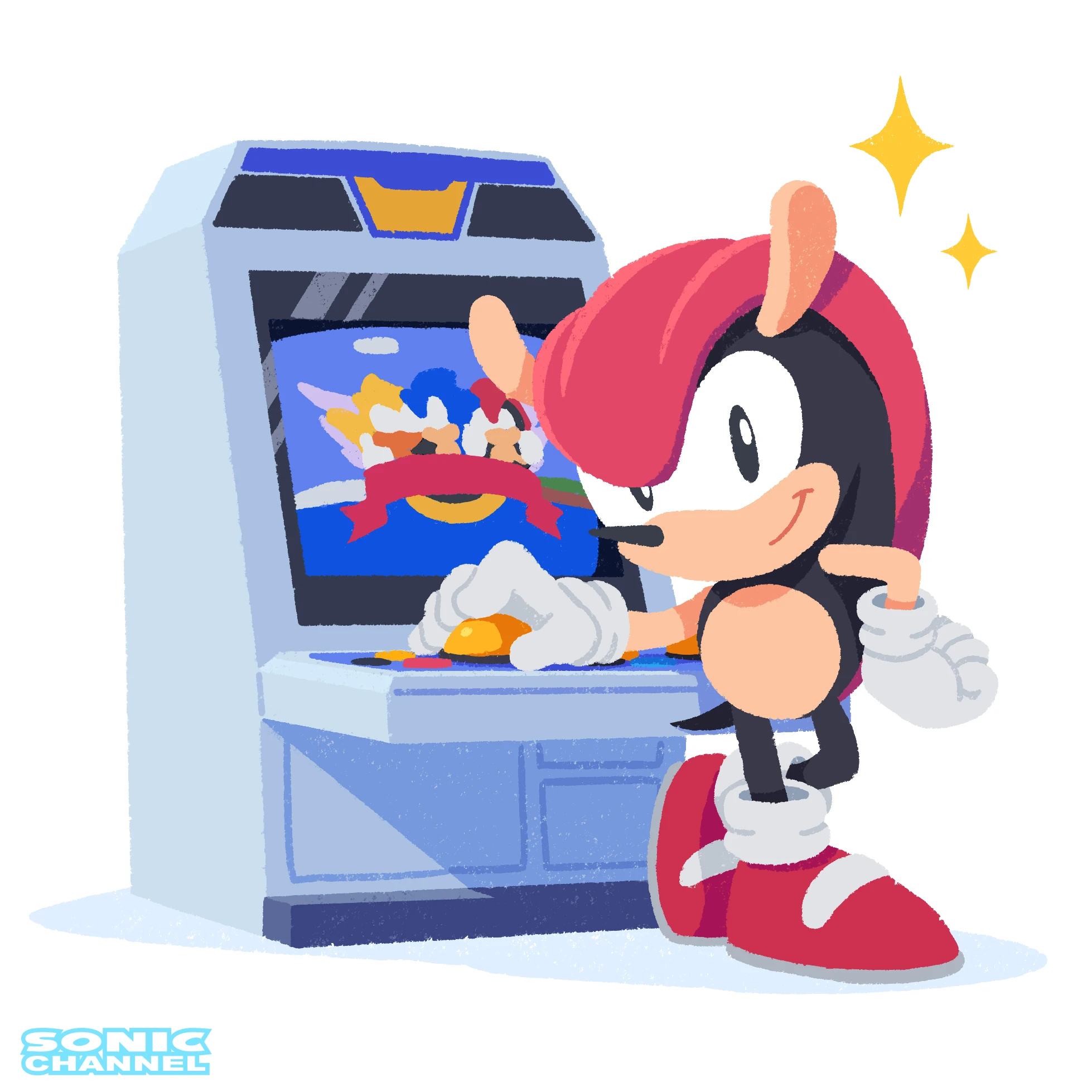
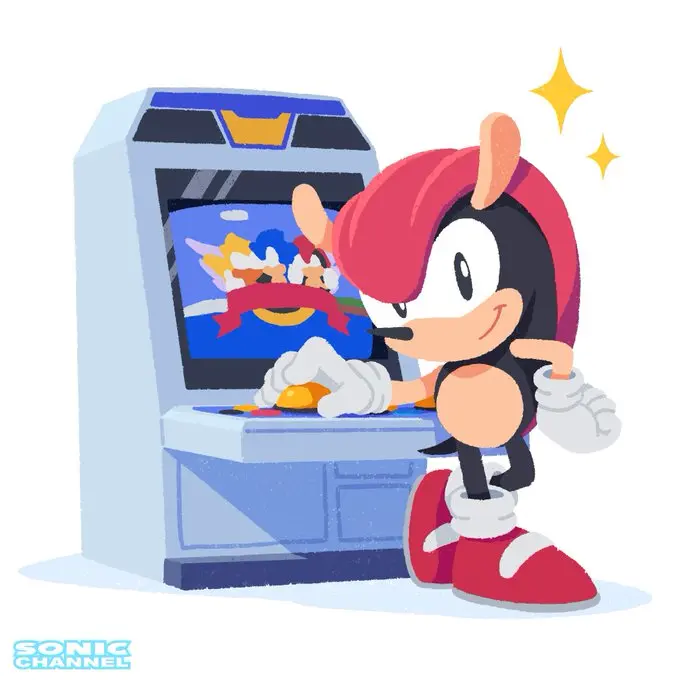
The arcade flyer.The cabinet.The instruction card.The logo.“Do a Spin Attack!”30th anniversary art.The System 32 board.Development documentation.Title screen.Icy Isle.Landslide Limbo.Wild Water Way.In action.Screenshot.Screenshot.Screenshot.Screenshot.Screenshot.Screenshot.Screenshot.Screenshot.Screenshot.Screenshot.Screenshot.Game over.
SegaSonic never left the arcades, but its two new heroes did.
Release history
Shown at Summer CES and the AM Show1993 – With an EGM preview in its August 1993 issue.
Arcade (Japan)Autumn 1993 – Sega Retro gives October.
Arcade (US and UK)September 1993 – As listed by Sega Retro and Sonic Retro; very few machines.
32X port reportedLate 1994 – Never released.
Sonic Gems Collection2005 – Considered and dropped because of the trackball.
End of service31 March 2017 – Sega Logistics Service stops supporting the machines.
Mighty and Ray after SegaSonic
Mighty was the first to return, as a playable partner in Knuckles’ Chaotix on the 32X in 1995. Ray had to wait far longer. Archie’s comics kept both alive, Sonic Generations hung their “missing” poster in City Escape in 2011, and in 2018 Sonic Mania Plus finally made them playable again.
How it is remembered
Opinion has cooled since 1993. GameSpy was sorry to see it missing from Sonic Gems Collection, GamesRadar admired the graphics but called the lack of a re-release no great loss, and John Szczepaniak found the levels bland and the trackball control fuzzy. Hardcore Gaming 101’s Kurt Kalata was kinder: hard and awkward to control, but fast in a way the Mega Drive games could not match, and a fun experiment.
Sales & reviews
Popularity
There are no sales figures for an arcade machine like this, but there is a chart: in November 1993 Japan’s Game Machine magazine put SegaSonic the Hedgehog at number six in its chart of Japan’s table arcade units.
10/10Electronic Gaming Monthly
#6Game Machine table arcade chart, Nov 1993
3Players at once
0Home releases
Reception and review scores
Arcade games were rarely scored in 1993, so this is a short list.
Electronic Gaming MonthlyUS · 1993
10/10
Electronic Gaming Monthly gave it a perfect 10, saying it upended what a good game should be and singling out the graphics, music, varied levels and comic animation. Computer and Video Games was just as impressed by the detail and recommended it highly. France’s Mega Force compared its isometric look to Zaxxon and Viewpoint, while Japan’s Gamest enjoyed it but warned that the trackball would leave players with sore palms.
Reader reviews
No reader reviews yet. Played it? Give it a score out of 10 and tell other fans what you think.
Every fact on this page was checked against the sources below. Sonic Retro and Sega Retro pages were read through Wayback Machine copies from 2024, because both live sites show a bot check; each Sonic Retro link opens the nearest archived copy.
To provide the best experiences, we use technologies like cookies to store and/or access device information. Consenting to these technologies will allow us to process data such as browsing behavior or unique IDs on this site. Not consenting or withdrawing consent, may adversely affect certain features and functions.
Functional
Always active
The technical storage or access is strictly necessary for the legitimate purpose of enabling the use of a specific service explicitly requested by the subscriber or user, or for the sole purpose of carrying out the transmission of a communication over an electronic communications network.
Preferences
The technical storage or access is necessary for the legitimate purpose of storing preferences that are not requested by the subscriber or user.
Statistics
The technical storage or access that is used exclusively for statistical purposes.The technical storage or access that is used exclusively for anonymous statistical purposes. Without a subpoena, voluntary compliance on the part of your Internet Service Provider, or additional records from a third party, information stored or retrieved for this purpose alone cannot usually be used to identify you.
Marketing
The technical storage or access is required to create user profiles to send advertising, or to track the user on a website or across several websites for similar marketing purposes.




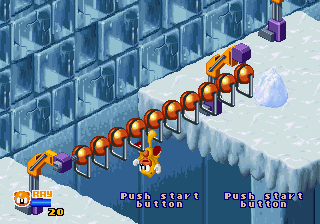 Icy IsleLevel 2Slippery ice and falling icicles.
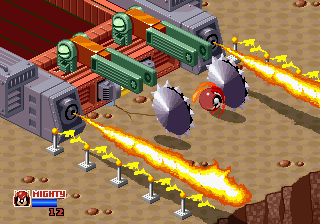 Landslide LimboLevel 5Rolling rocks and the game’s only boss.
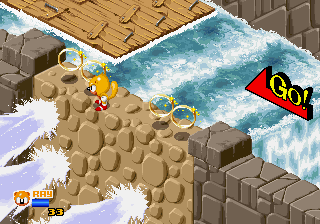 Wild Water WayLevel 6A watery dash past sea mines.
 Sonic the Hedgehog (SatAM)ABC · 1993–1994Hidden in the ROM are sprites of Robotnik in the look of the American Sonic the Hedgehog cartoon and Archie comic, for stage intros, cutscenes, credits and the Game Over screen. With the English dialogue beside them, they suggest a Western version meant to tie in with the show.
 Archie’s Sonic the HedgehogArchie Comics · 1993–2017While the games forgot them, Archie’s comic kept Mighty and Ray busy for years: both joined the Chaotix, with Mighty as Ray’s honorary brother.
 Sonic the HedgehogPlayer 1 · blue trackball
 Mighty the ArmadilloPlayer 2 · red trackball · debut
 Ray the Flying SquirrelPlayer 3 · yellow trackball · debut
 Landslide Limbo bossThe only bossFaced midway through the game.