PS3 / Xbox 360 / PC / mobile2012Dimps · Sonic Team2D platformer
Sonic the Hedgehog 4: Episode II (2012)
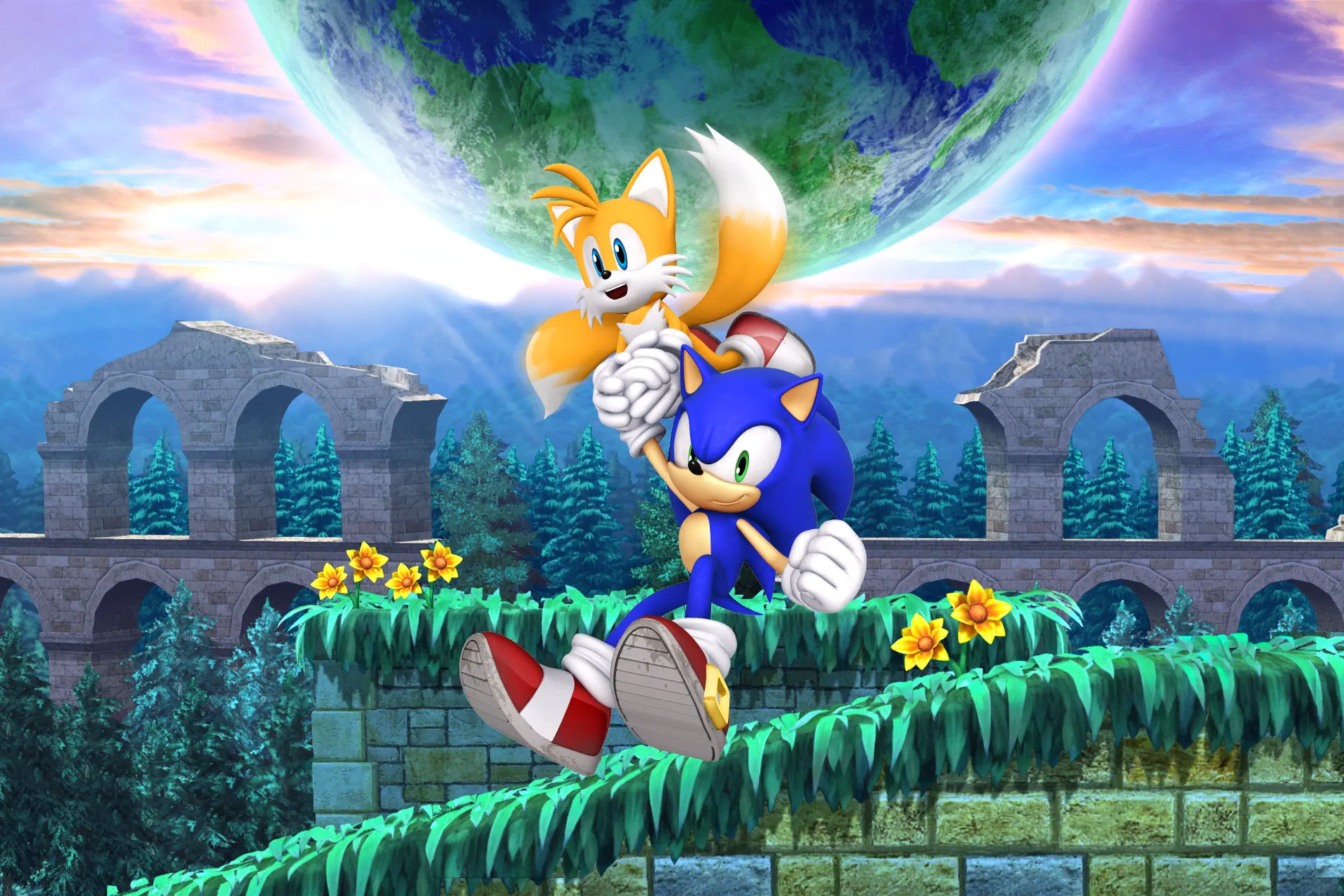
Tails is back, Metal Sonic is back, and Eggman is wrapping a whole planet in steel. Episode II rebuilt Sonic 4’s engine and added team-up moves, but it turned out to be the final chapter.
Released15 May 2012 (Windows; PS3 in NA) · 16 May 2012 (Xbox 360, Android; PS3 elsewhere) · 17 May 2012 (iOS)
DeveloperDimps, with Sonic Team
DirectorMakoto Suzuki
VillainsDr. Eggman and Metal Sonic
NewTails as partner; combo moves; Episode Metal
Players1–2 (local and online co-op)
Title
Sonic the Hedgehog 4: Episode II (ソニック・ザ・ヘッジホッグ4 エピソードII)
Platforms
PlayStation 3 (PlayStation Network), Xbox 360 (Xbox Live Arcade), Windows (Steam), iOS, Android; later Ouya and Nvidia Shield. No Wii version
Developers
Dimps, with Sonic Team
Publisher
Sega
Director
Makoto Suzuki
Producers
Takashi Iizuka, Hiroyuki Kawano
Designer
Kenji Ayukawa
Programmer
Kōji Okugawa
Artists
Hideaki Moriya, Yuji Uekawa, Satoshi Takemura
Music
Jun Senoue
Players
1–2 (local and online co-op)
Released (Windows)
15 May 2012 worldwide
Released (PlayStation 3)
15 May 2012 (North America); 16 May 2012 (Europe, Australia, Japan)
Released (Xbox 360)
16 May 2012 worldwide
Released (mobile)
Android 16 May 2012; iOS 17 May 2012; Nvidia Shield 31 July 2013; Ouya July 2013
Episode II is the second, and as it turned out last, chapter of Sonic the Hedgehog 4. Released in May 2012 for PlayStation 3, Xbox 360, Windows, iOS and Android, it brings back two faces missing from Episode I: Tails, who follows Sonic through every act, and Metal Sonic, rebuilt and supercharged after his defeat in Sonic CD (1993).
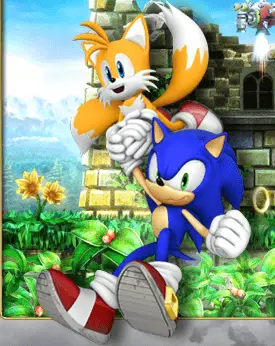
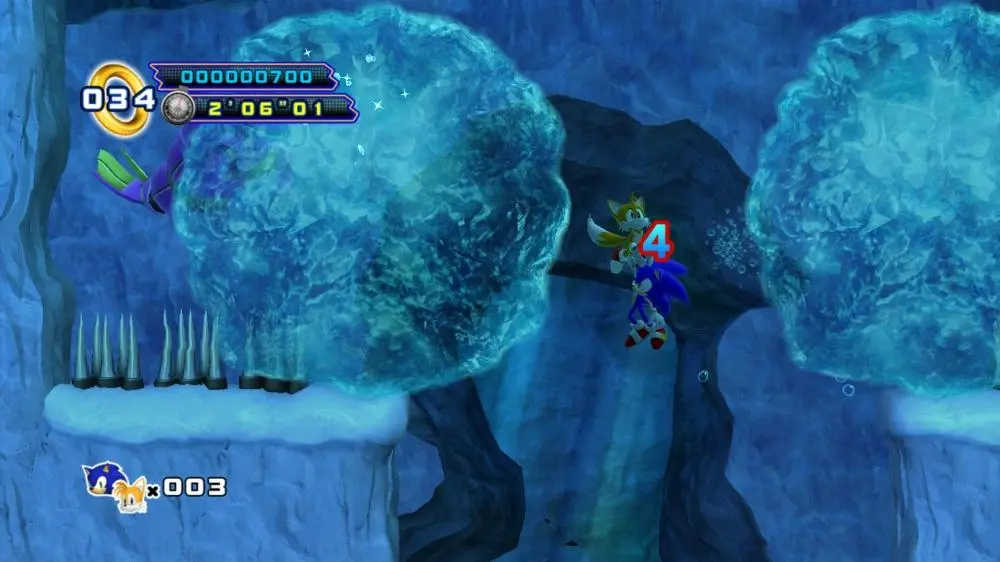
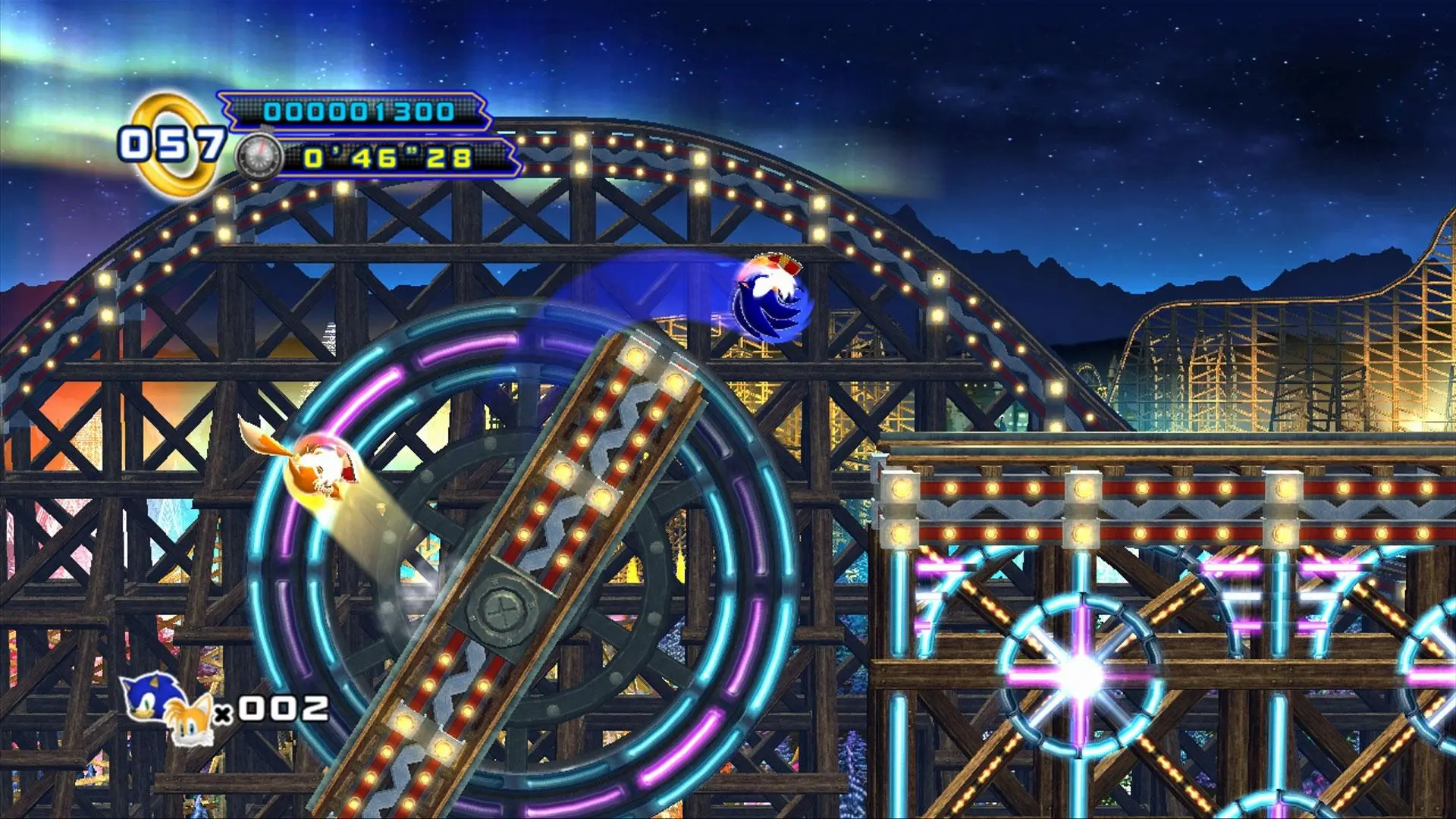
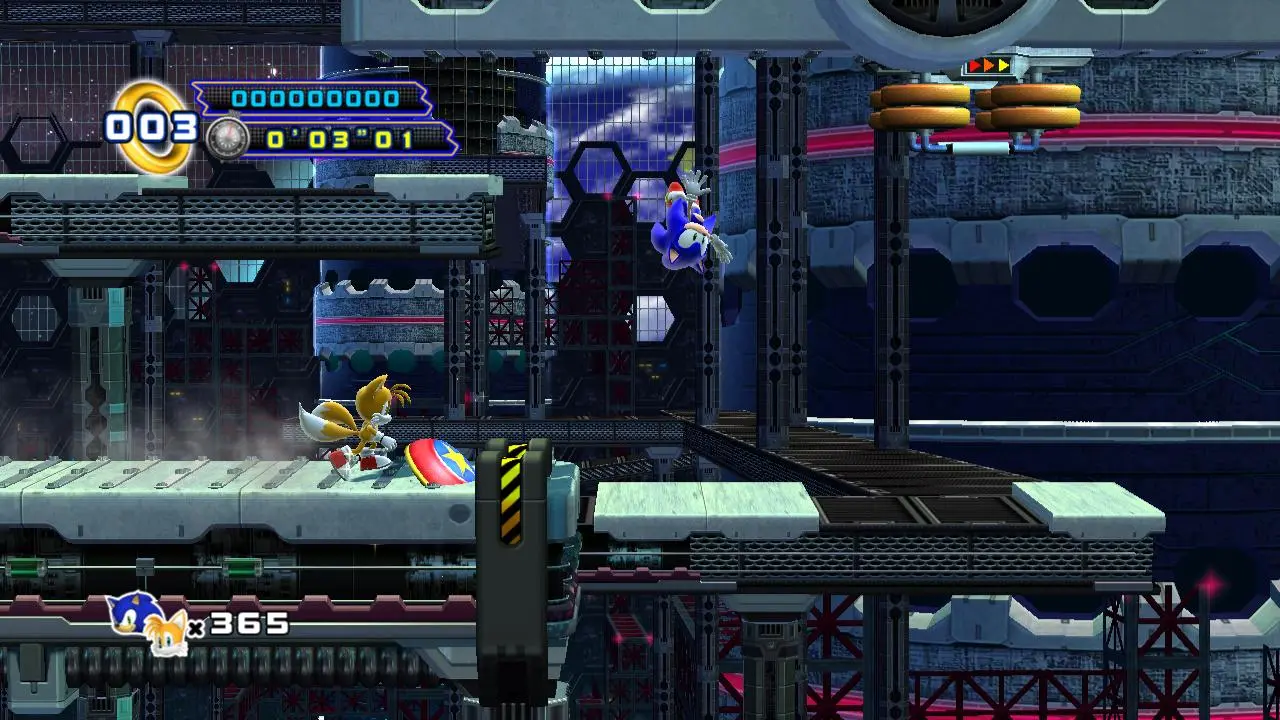
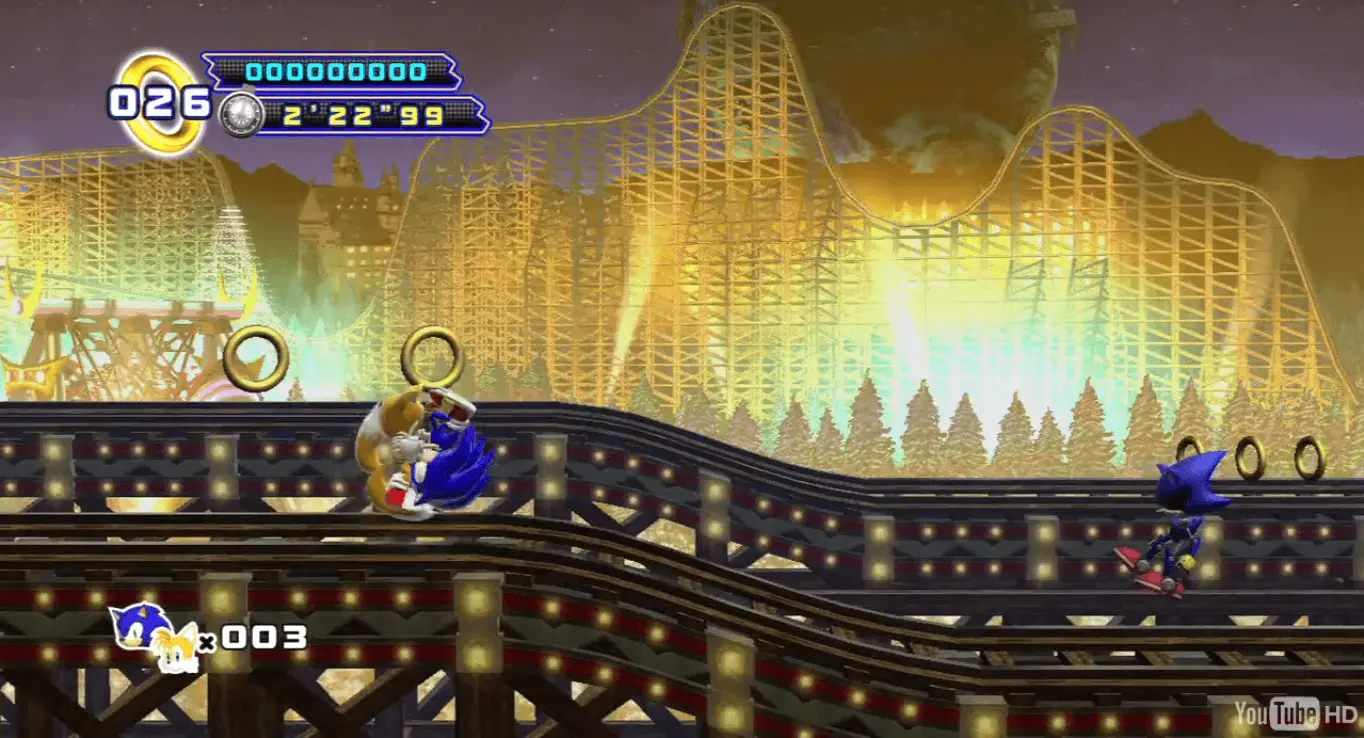
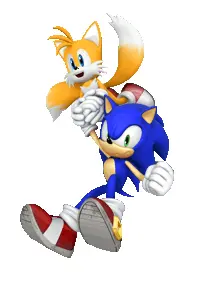
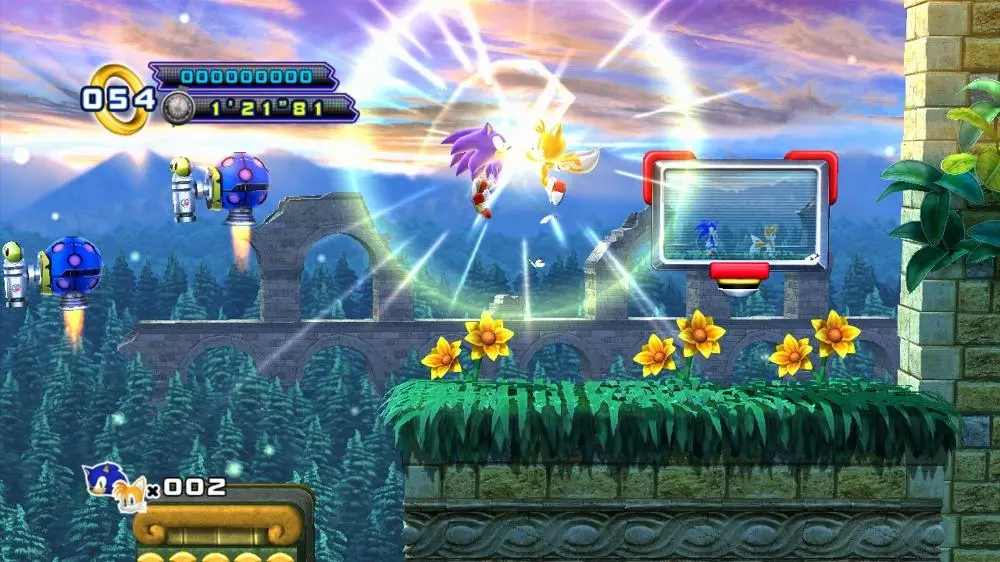
Dimps and Sonic Team rebuilt the game from the ground up in response to Episode I’s critics. The stages are now fully 3D behind the 2D action, the physics were rewritten to feel more like the Mega Drive games, and Sonic no longer uncurls when he leaves a ramp. Pressing the tag button with Tails nearby triggers combination moves: Tails can fly Sonic up to ledges he could never reach alone, or curl up with him into a single high-speed rolling ball. A friend can take control of Tails, locally or online.
There are four zones plus a final assault on the Death Egg mk.II, and Special Stages modelled on the half-pipes of Sonic the Hedgehog 2 (1992). Owners of both episodes also unlock Episode Metal, a short prequel in which Metal Sonic races through remixed Episode I stages. Reviewers agreed it was a better game than Episode I, but many still found it short of the old magic, and it sold less. Sega never made Episode III.
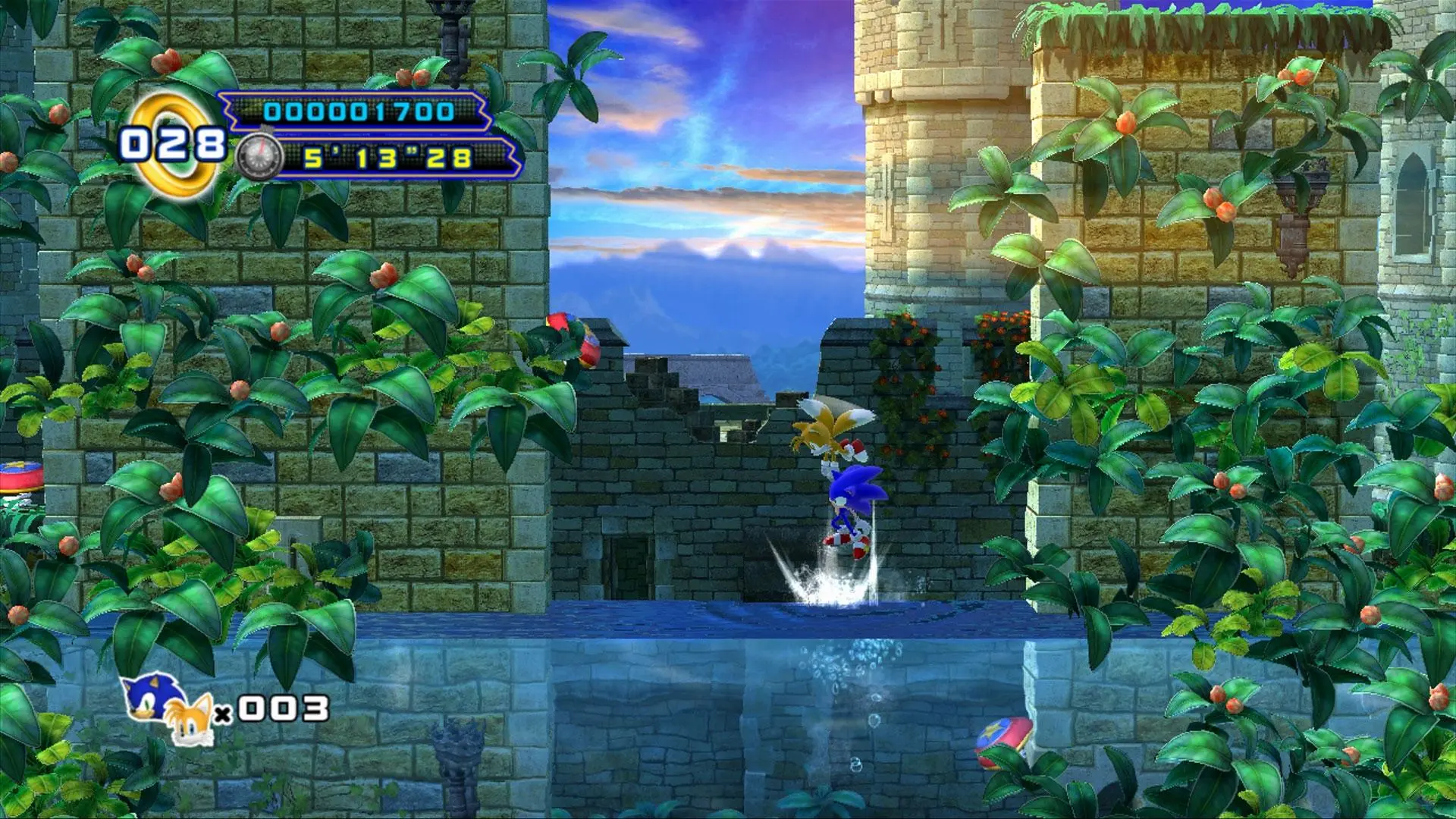
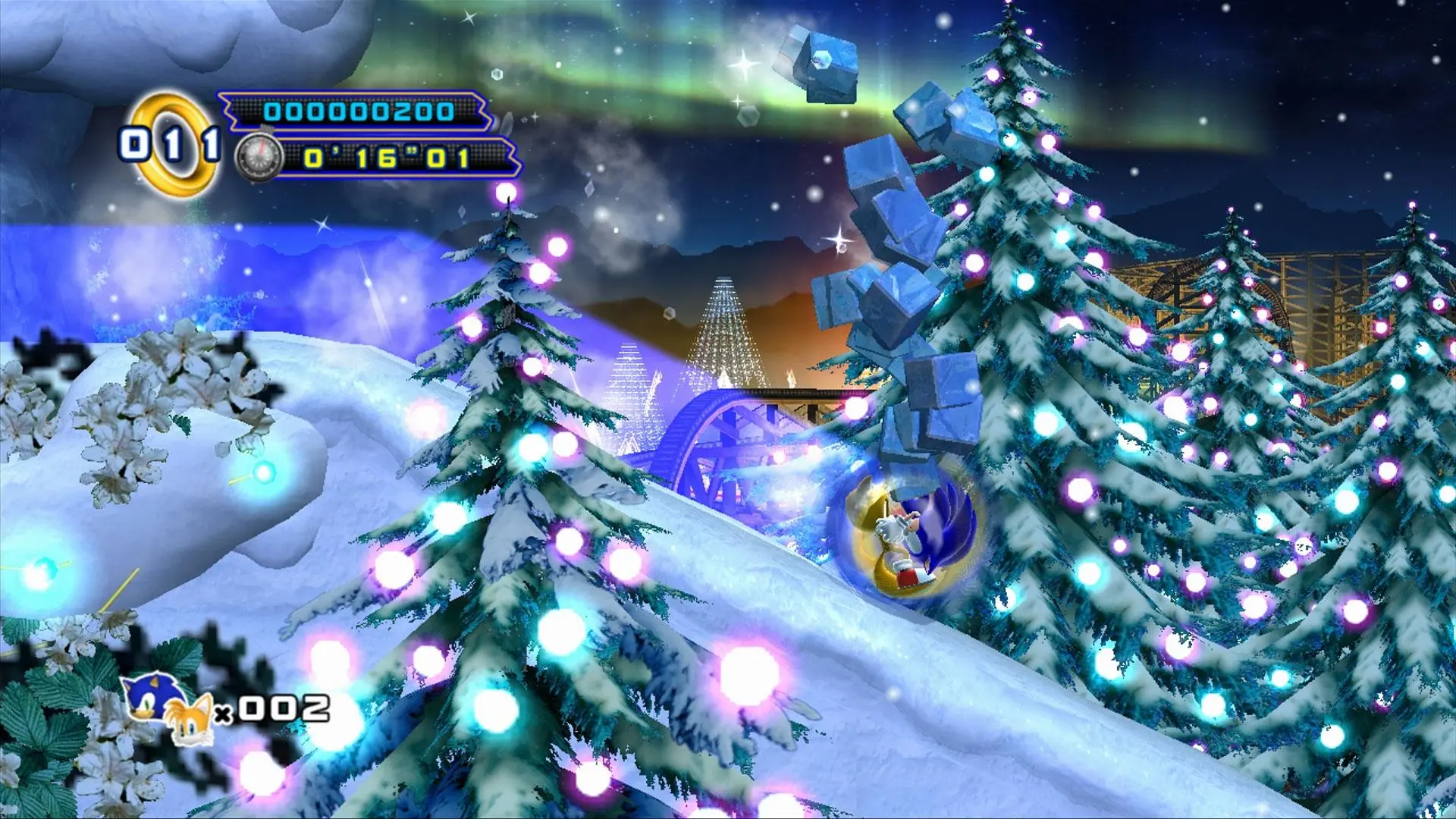
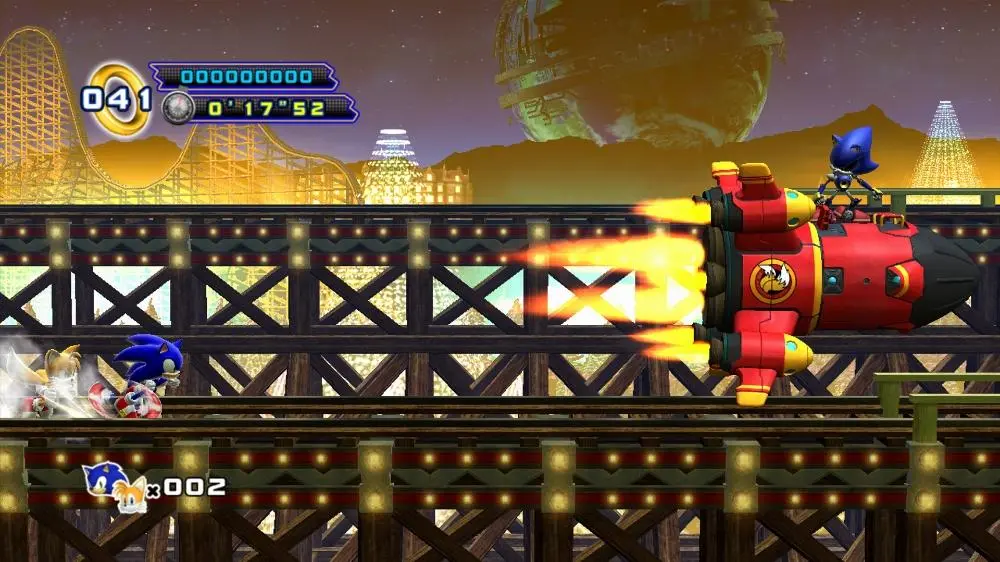
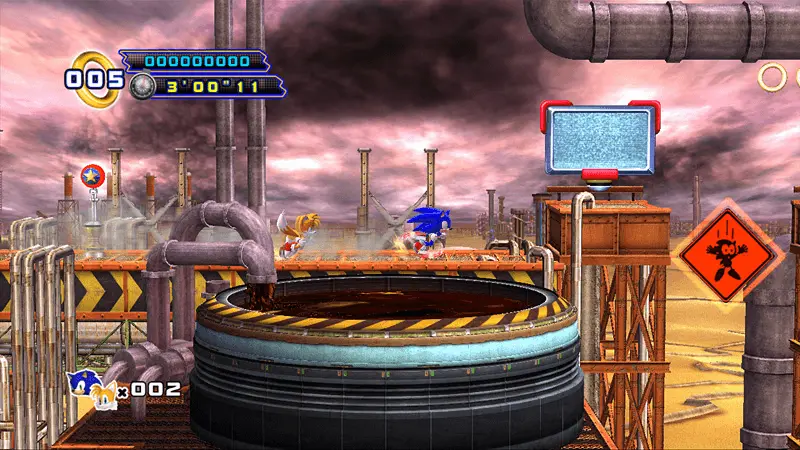
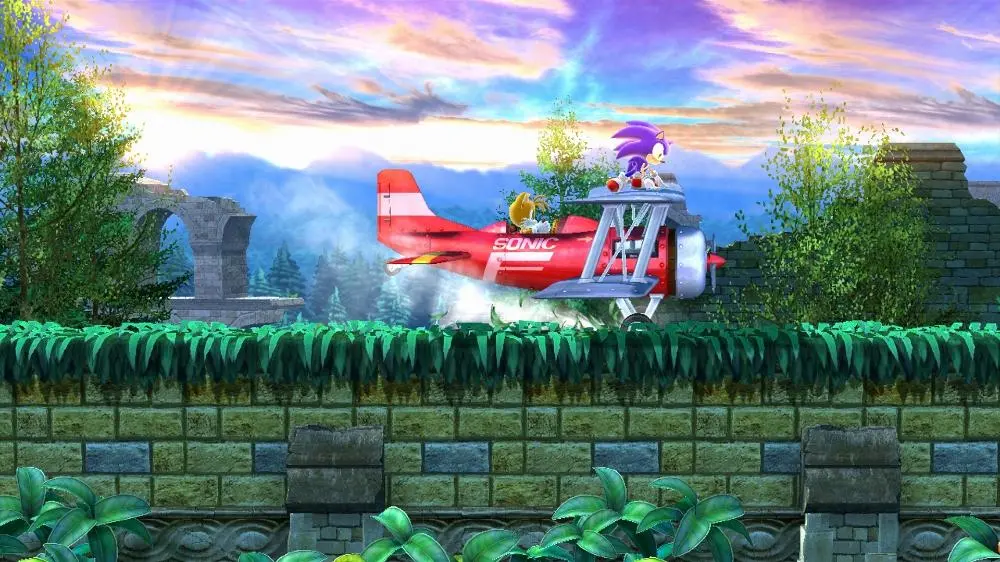
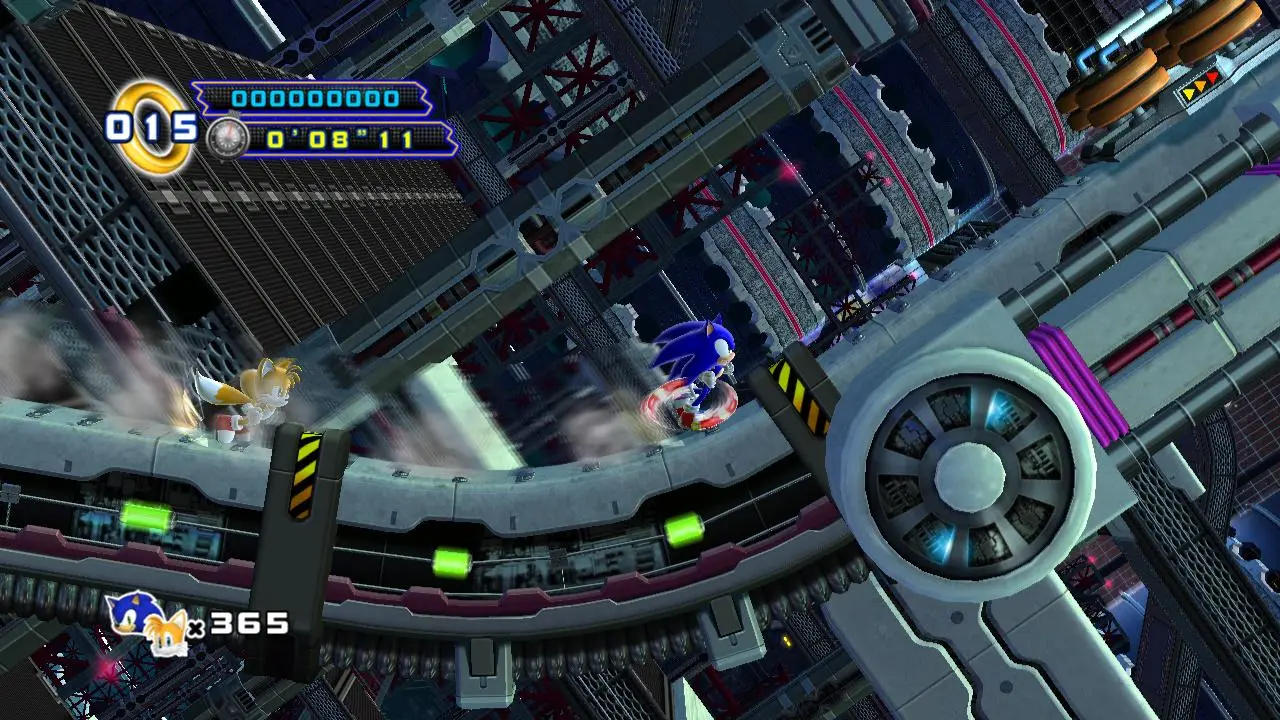
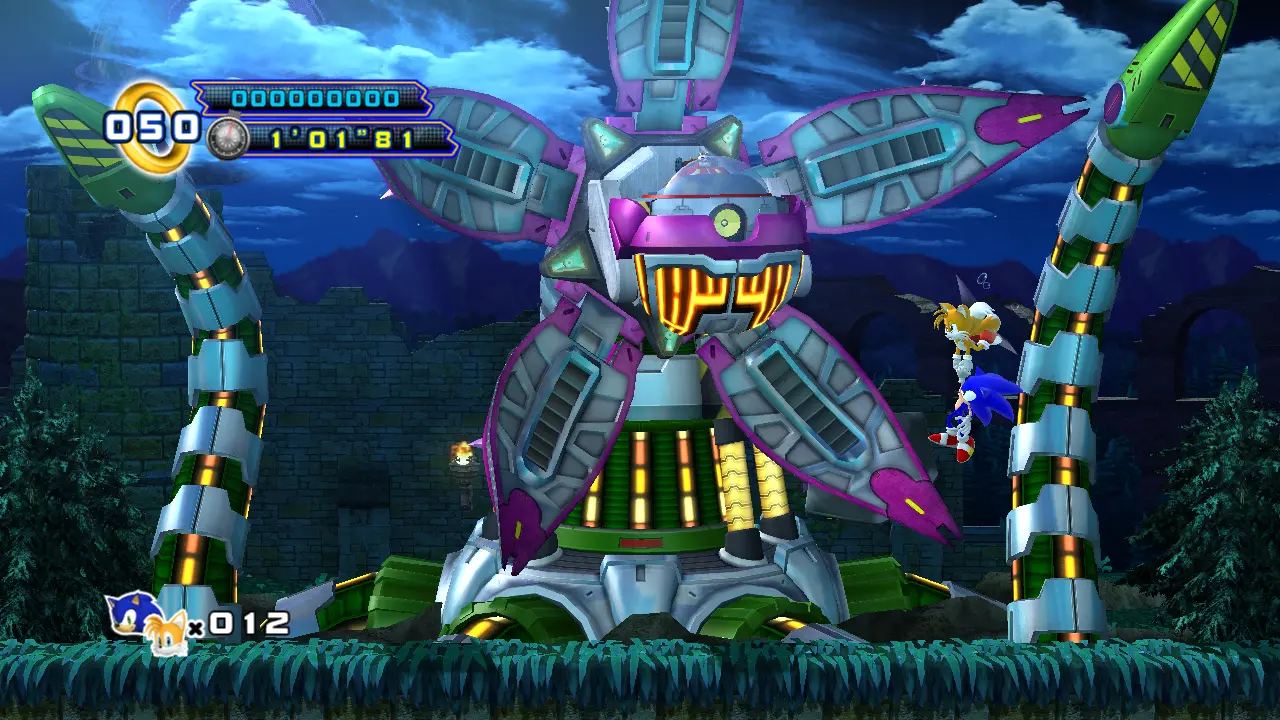
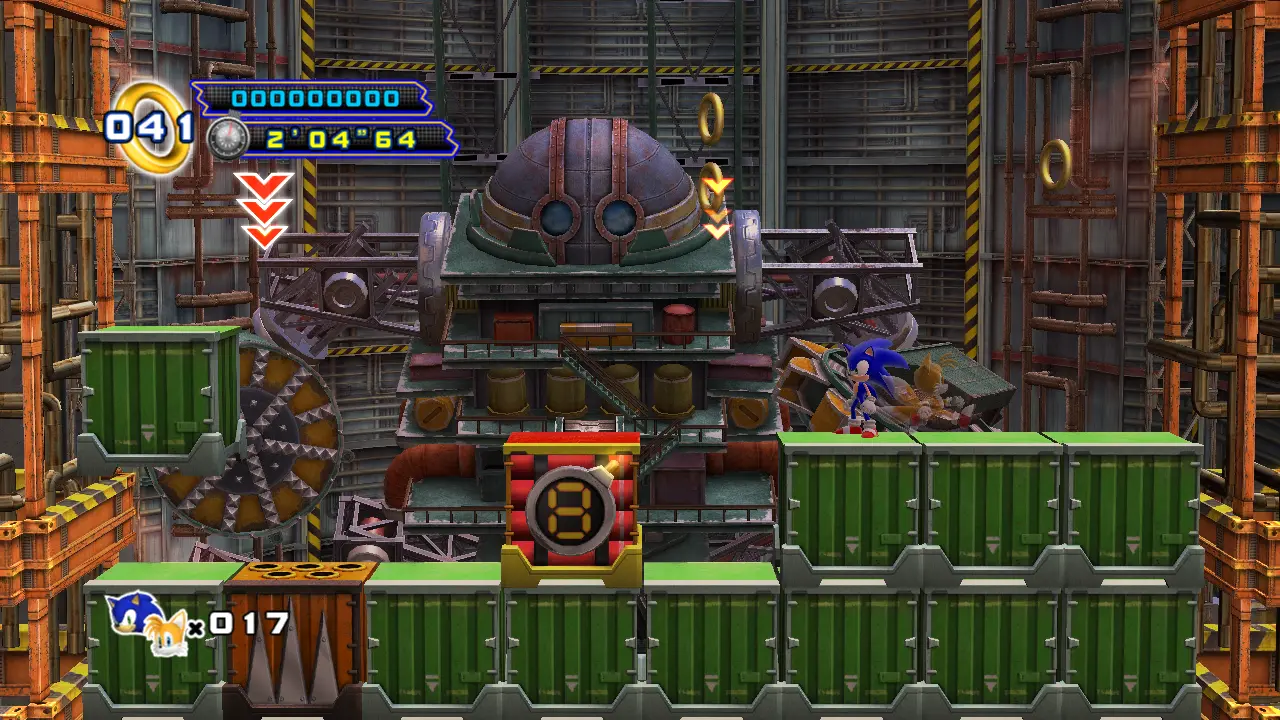
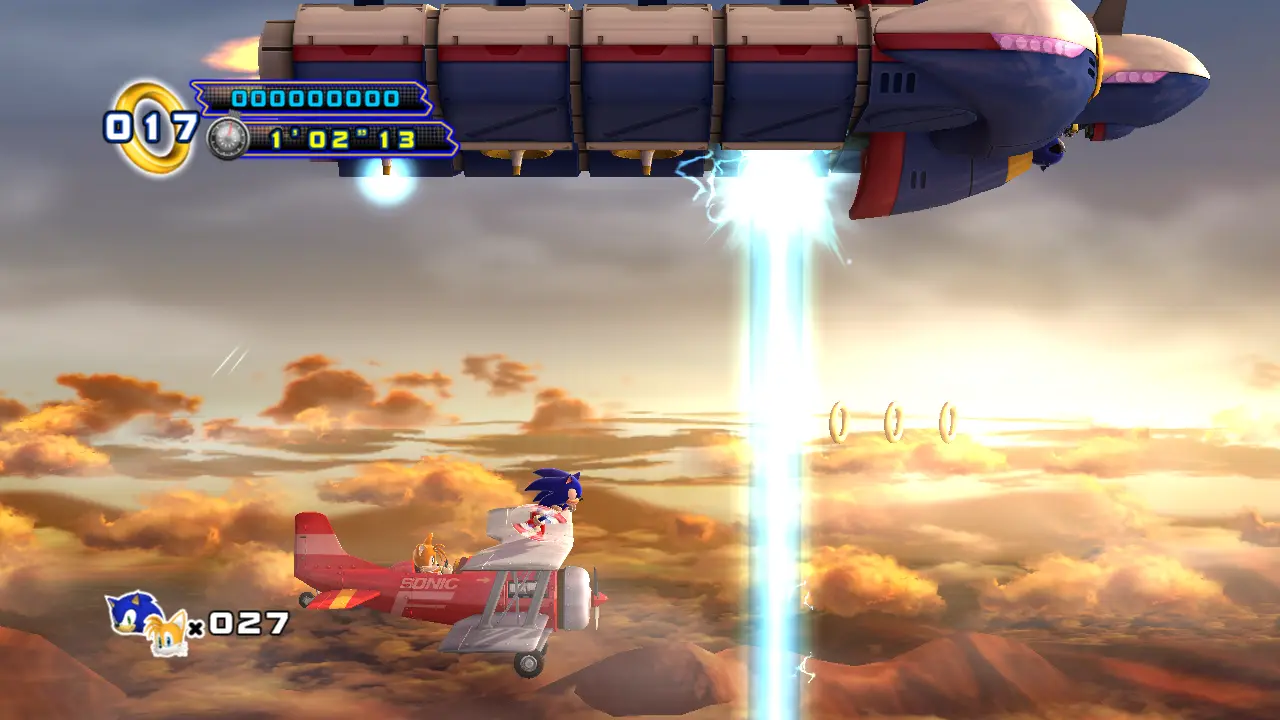
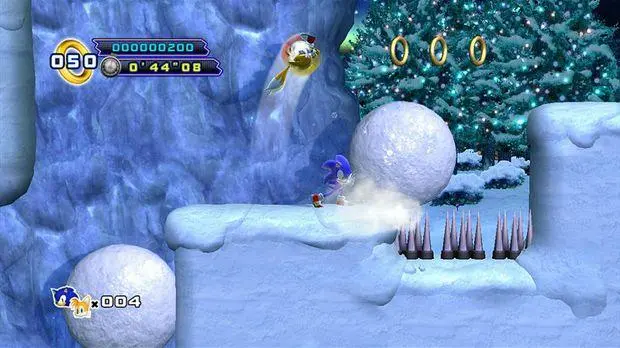
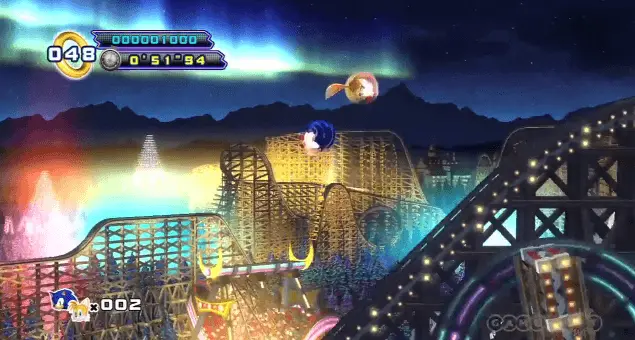
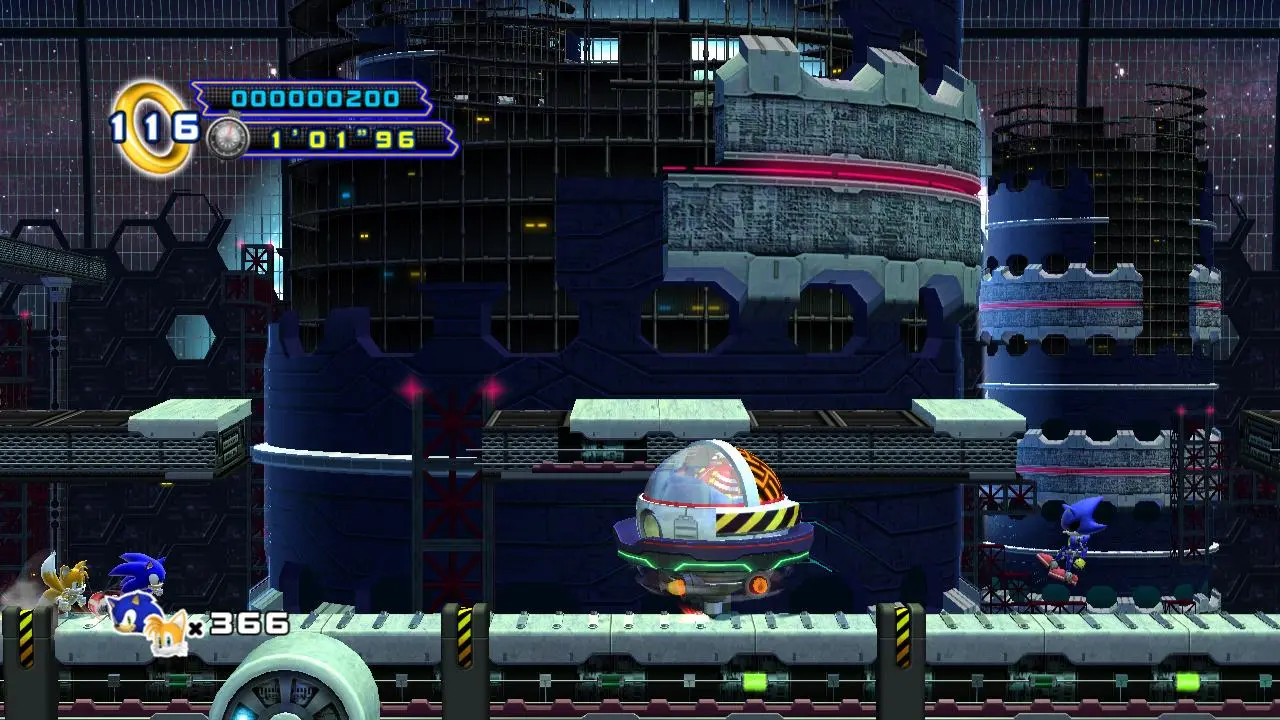
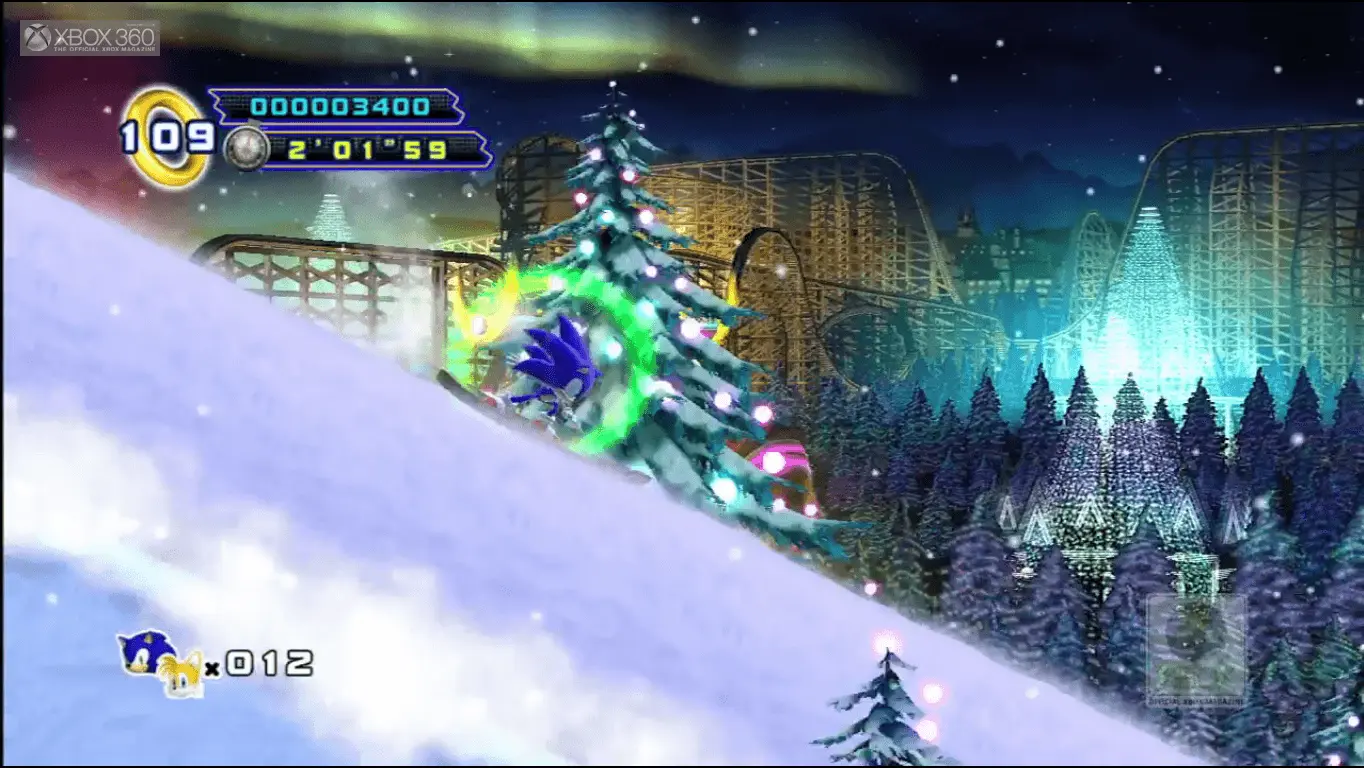
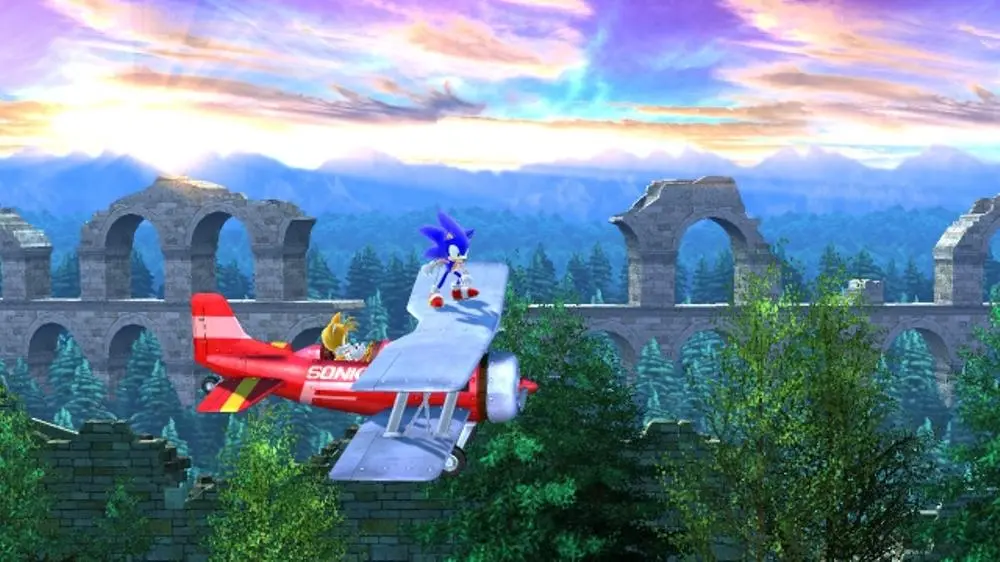
Sonic and Tails’ Rolling Combo.Snowboarding through White Park.The Tornado in Sky Fortress.
The Sonic 4 Saga continues in Episode II with the return of a beloved side kick and fan-favorite villains!
The store text explains that Metal Sonic has returned and teamed up with Dr. Eggman, so Sonic calls on an old friend: with Tails at his side, he races through four new zones and takes on new Badniks with combination moves. It promises a brand-new engine with updated physics and HD graphics, online and local co-op, and, for owners of both episodes, Episode Metal, telling the untold story of how Sonic’s greatest rival was revived.
— Official description: the Steam store page for Episode II (May 2012, Wayback Machine). One line quoted; the rest summarised.
Quick Answers
The quick version, with more detail further down.
When did Sonic 4: Episode II come out?
On Windows and on PlayStation Network in North America on 15 May 2012, on Xbox Live Arcade, Android and PlayStation Network elsewhere on 16 May, and on iOS on 17 May. More →
Why is there no Wii version?
The new fully 3D graphics would not fit within WiiWare’s file size limit, Takashi Iizuka explained. More →
Can two people play?
Yes. A second player can control Tails, on the same machine or online. Both players share one stock of lives and rings. More →
What is Episode Metal?
A free bonus for owners of both episodes on the same system: four acts in which Metal Sonic runs through reworked versions of Episode I’s first acts, explaining how he was revived. More →
How do I get Super Sonic?
Collect all seven Chaos Emeralds from the half-pipe Special Stages, which open up when you end an act holding 50 rings or more. The Emeralds also change the ending. More →
Is it better than Episode I?
Most reviewers thought so, praising the improved physics, visuals and co-op, but the bosses, level gimmicks and music drew complaints and the scores were lower overall. More →
Will there be an Episode III?
No. In March 2012 Takashi Iizuka said Sega had no plans to continue Sonic 4 beyond Episode II. More →
Plot / Story
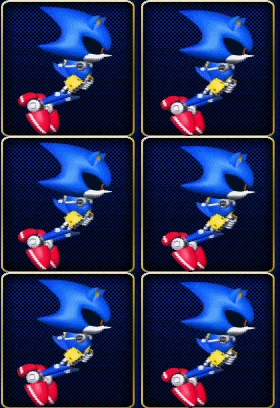
Metal Sonic, rebuilt.
Episode II follows on a few months after Episode I and leans heavily on Sonic CD (1993). Like the first episode, it tells its story mostly through short wordless scenes.
Little Planet returns
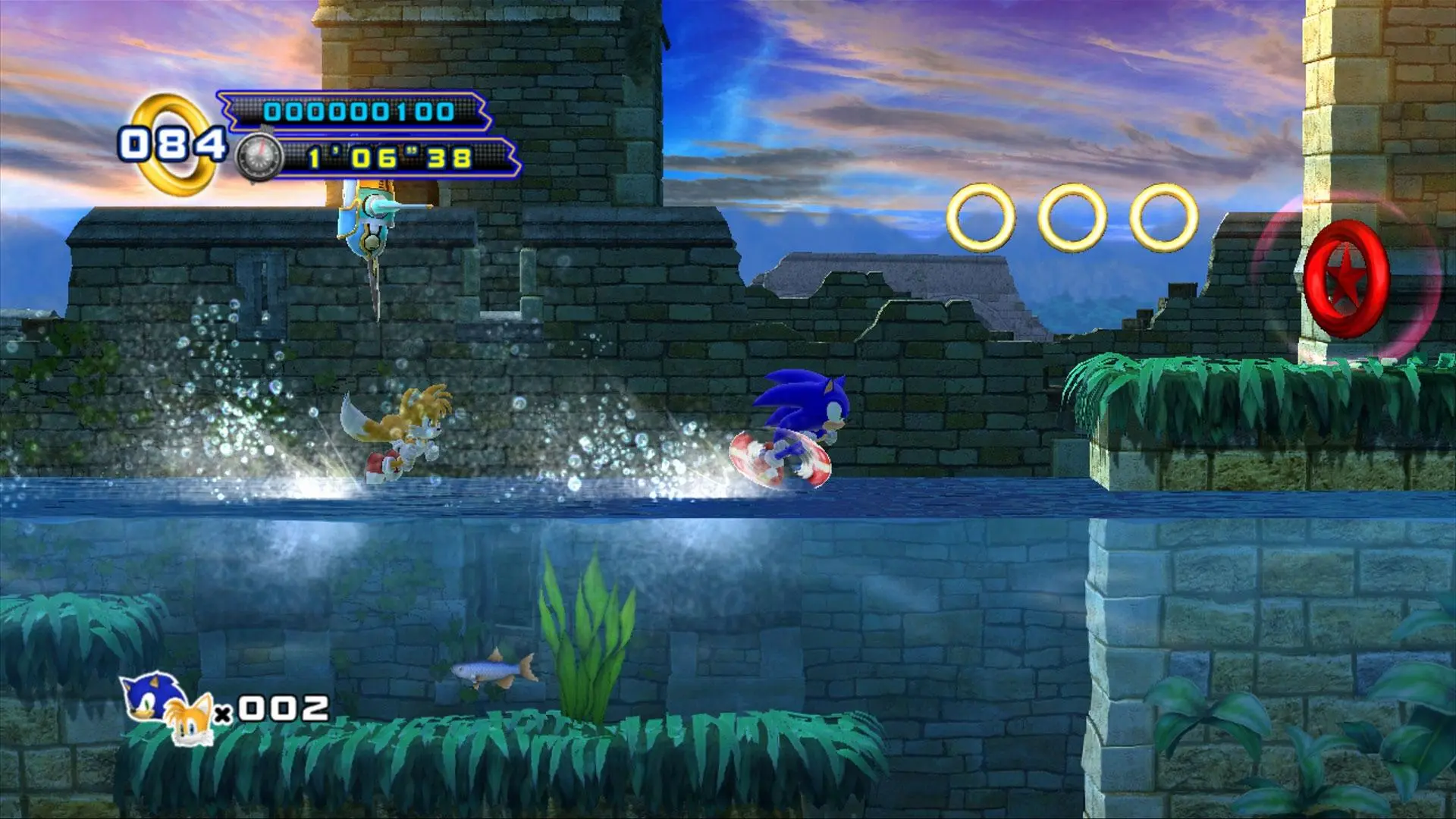
In Sonic CD, Metal Sonic was beaten on Little Planet and left behind, badly damaged, when that strange little world vanished. Now Little Planet is back in the sky, and Eggman has found his old robot, badly damaged but repairable. Hearing that the doctor is up to something on a neighbouring continent, Sonic picks up Tails and the pair fly out in the Tornado to investigate, landing among the flooded ruins of Sylvania Castle.
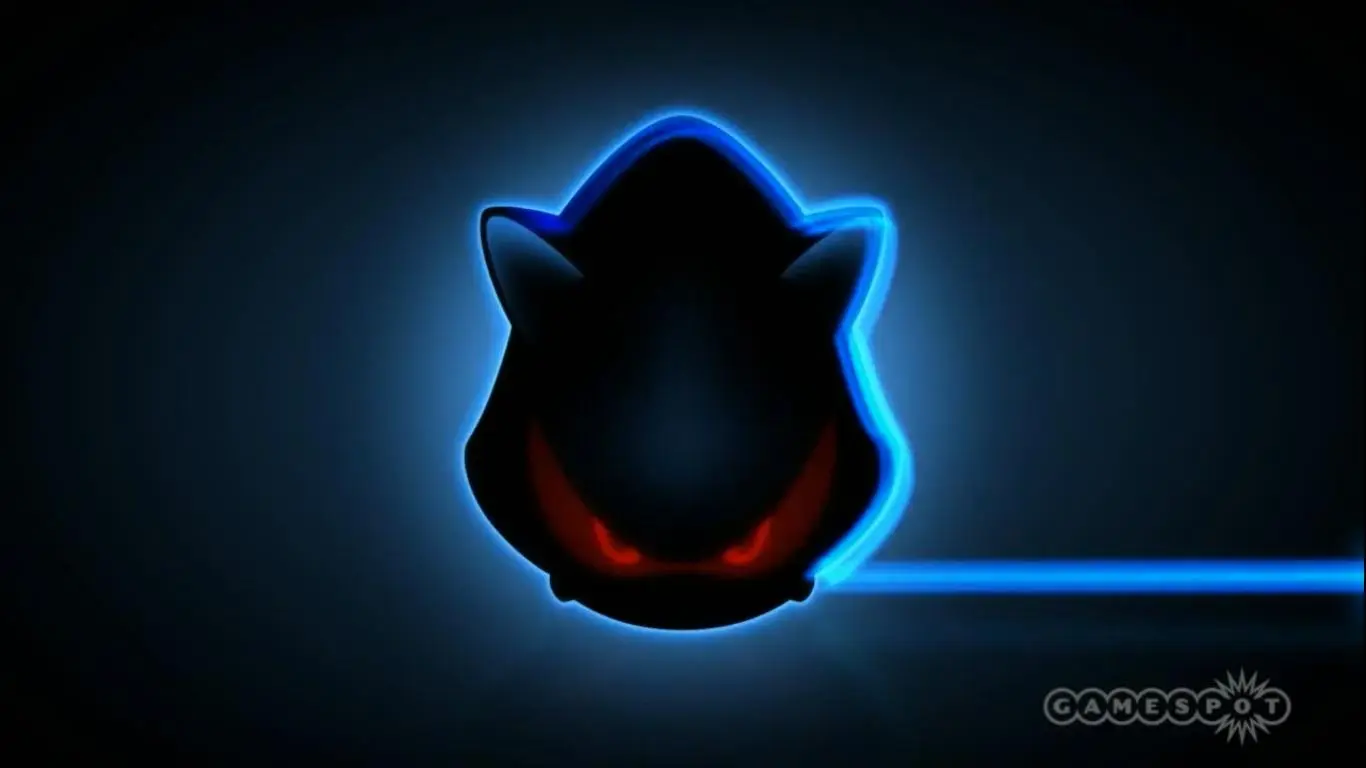
Metal Sonic’s return was teased in silhouette.Sylvania Castle Zone.
A shell around a planet
In the snowy amusement park of White Park, the heroes see what Eggman is building: a metal shell being assembled around Little Planet itself. Metal Sonic arrives in pursuit, riding Tails’ rocket, and he has a new trick. He has absorbed a mysterious source of energy that makes him stronger than ever. Sonic and Tails beat him anyway, and he retreats.
White Park Zone.Metal Sonic attacks.
Desert and sky
Eggman falls back to the refineries of Oil Desert and loses again, then escapes to his airborne base, the Sky Fortress. Sonic and Tails chase him in the Tornado through a storm of Badniks and two battles with Metal Sonic in his flying weapon platform, the Metal Carrier. As the fortress breaks apart, Eggman and Metal Sonic flee by shuttle to the finished project: the Death Egg mk.II, with Little Planet locked inside its hull.
Oil Desert Zone.Sky Fortress Zone.
The Death Egg mk.II
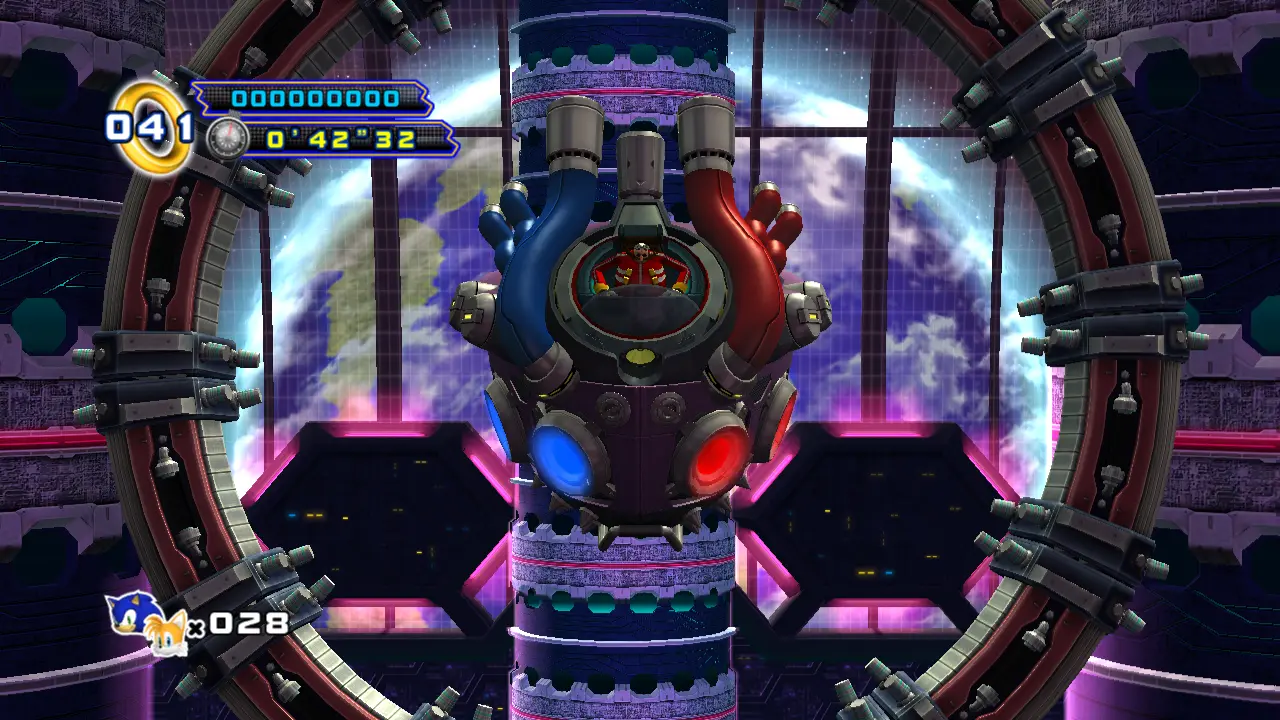
The heroes follow in another shuttle. Aboard the station they face Eggman and Metal Sonic together, then Metal Sonic alone in a race that ends with him smashing into a closing door. The last fight is against Eggman in the Egg Heart, and his defeat sets off a chain reaction that wrecks the station. Sonic and Tails escape in pods as the Death Egg mk.II drifts away into space; with all seven Chaos Emeralds, the ending changes.
Inside the Death Egg mk.II.The final battle.
Episode Metal
The bonus Episode Metal fills the gap between the two games. It shows how Metal Sonic made his way back across Episode I’s zones after his revival, racing through four reworked acts on his way to rejoin Eggman.
Episode Metal.Metal Sonic.
Zones in Sonic 4: Episode II
Four zones of three acts plus a boss act, then the Death Egg mk.II. Most draw on ideas from Sonic the Hedgehog 2 (1992) and Sonic & Knuckles (1994), and Sega’s own Badnik profiles point out which old robots came back from which stages.
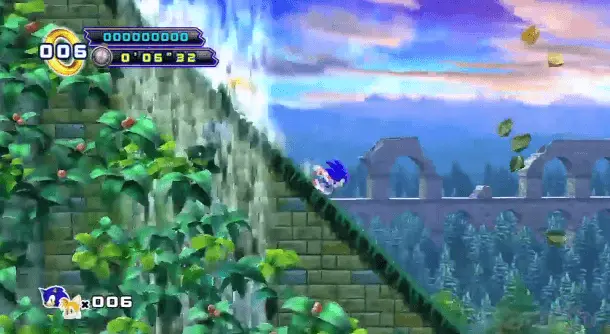
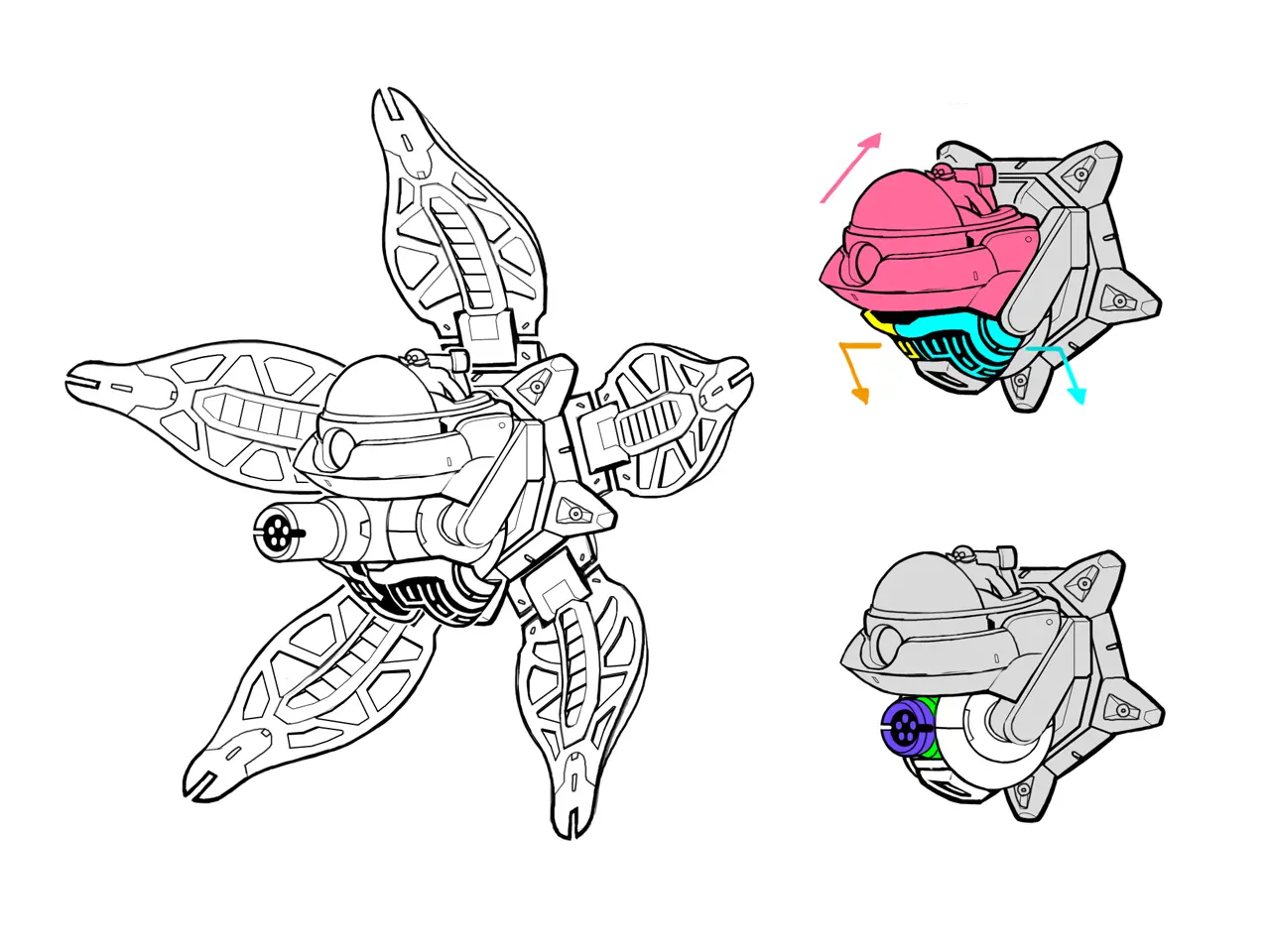
Sylvania Castle Zone3 acts + bossOvergrown, partly flooded castle ruins in the forest. Boss: the Egg Serpentleaf.
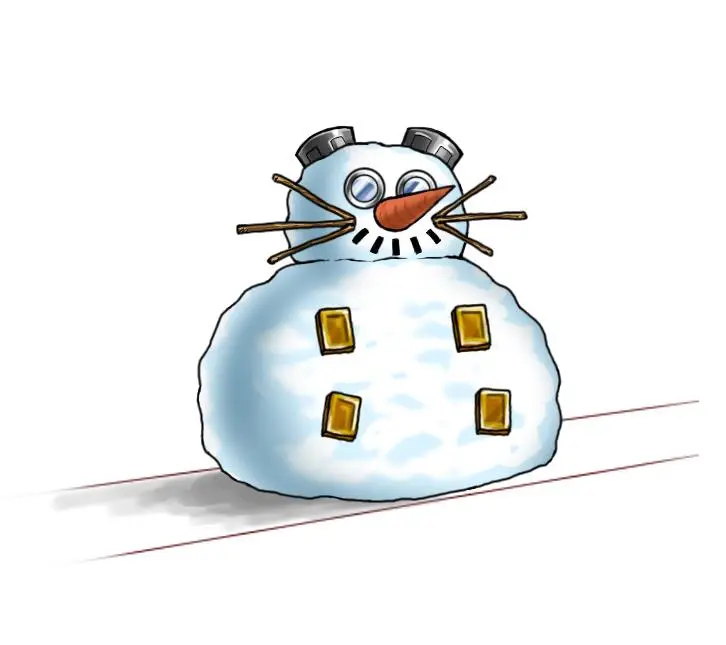
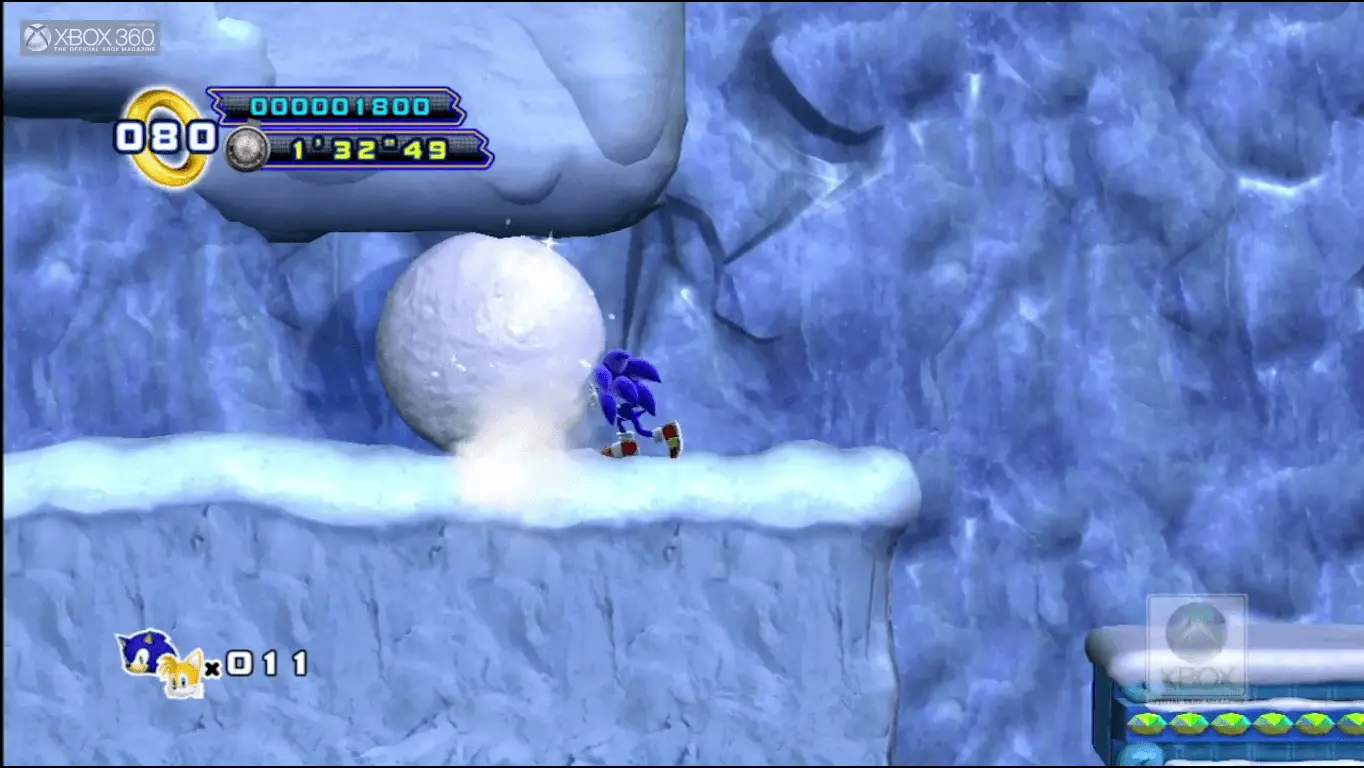
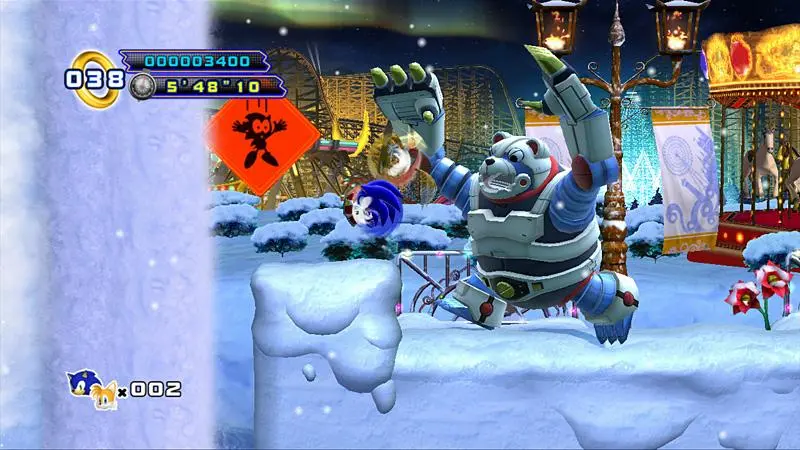
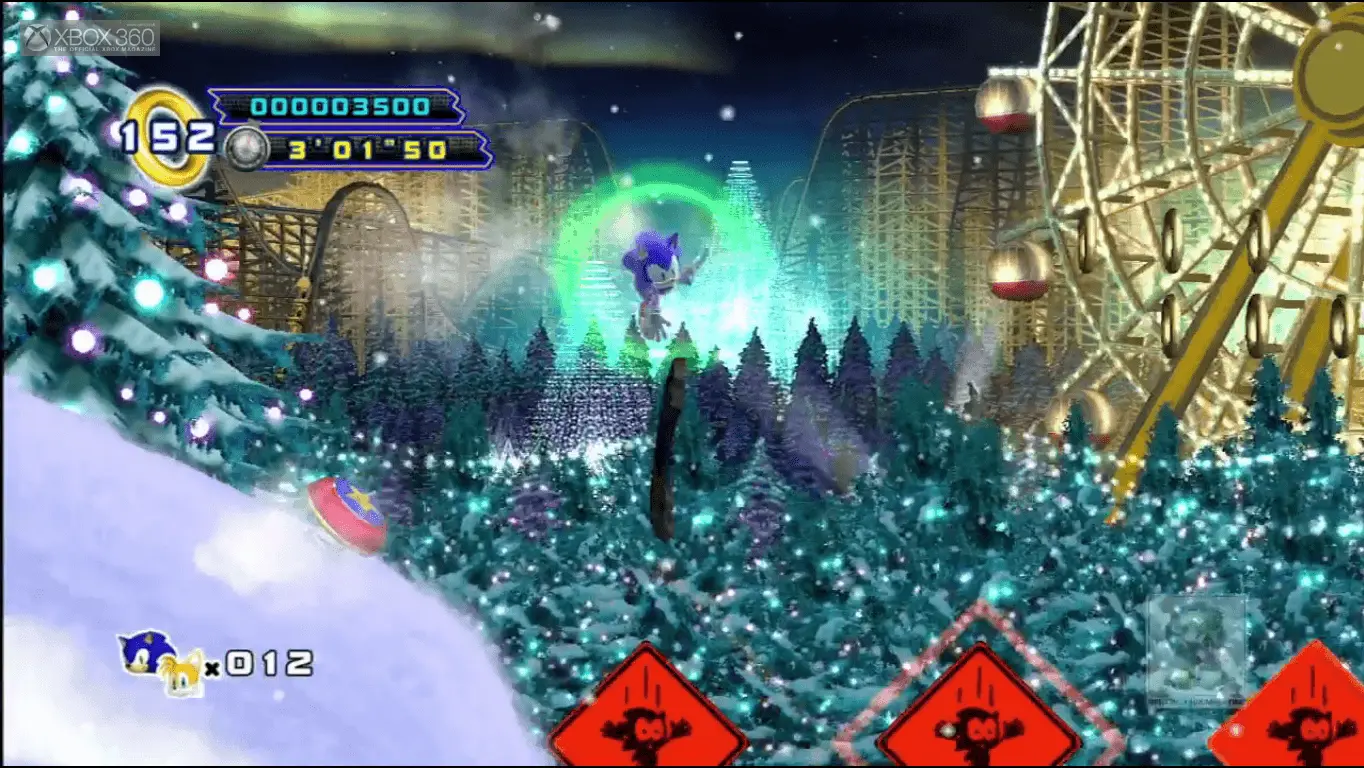
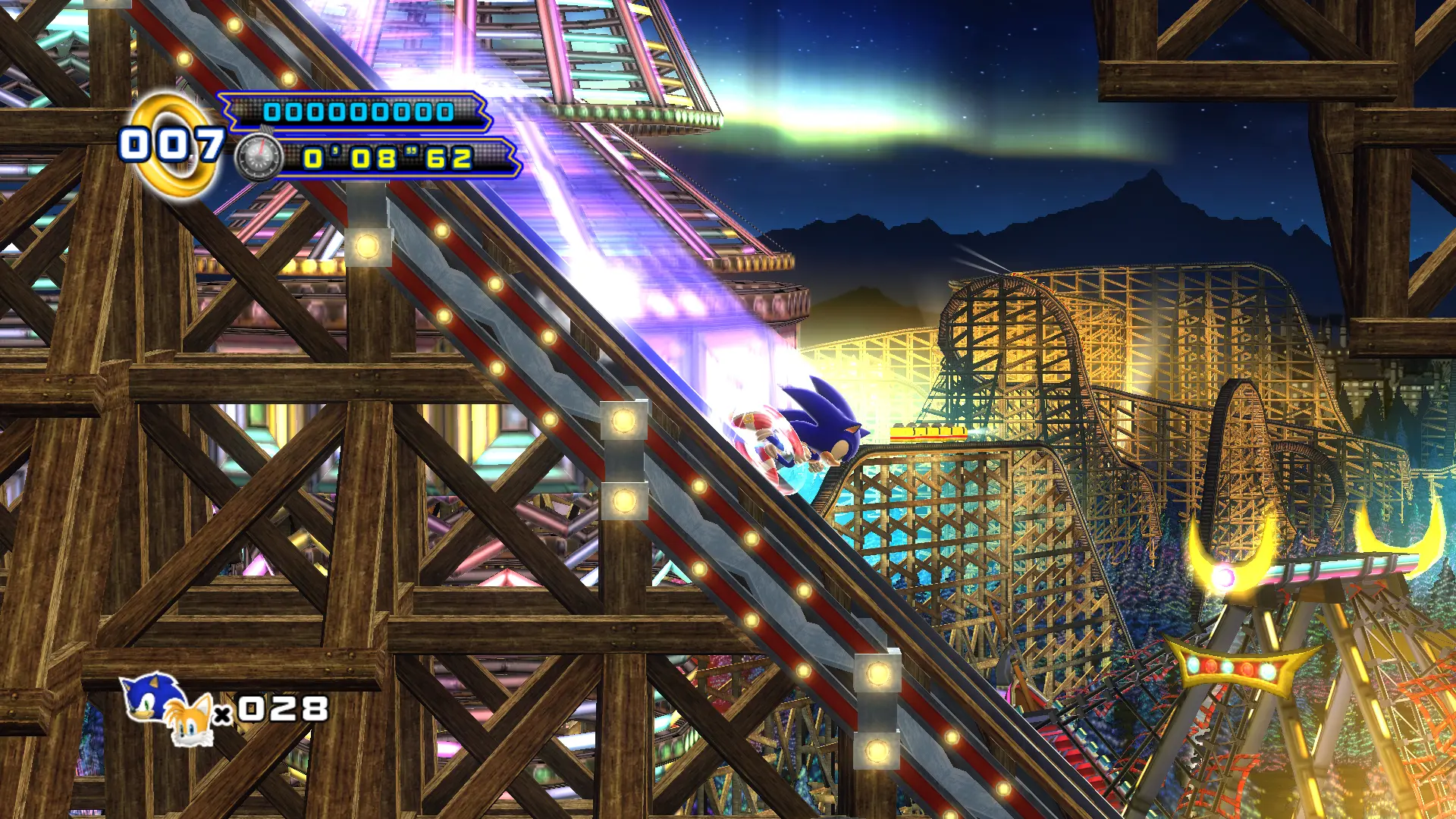
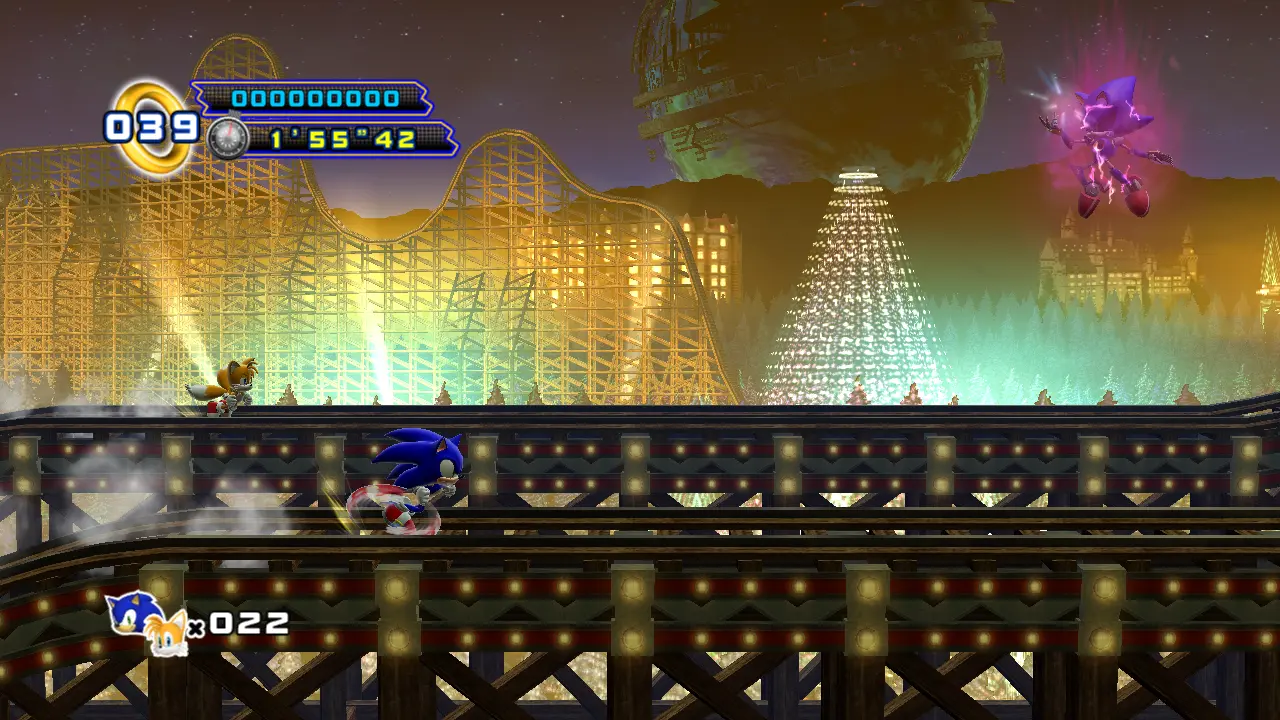
White Park Zone3 acts + bossA snowy theme park with giant snowballs, an avalanche snowboard run and a fairground at night. Boss: Metal Sonic.
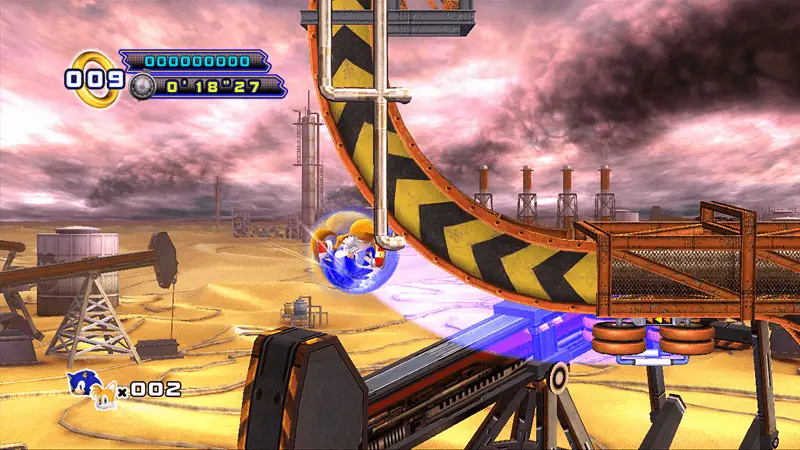
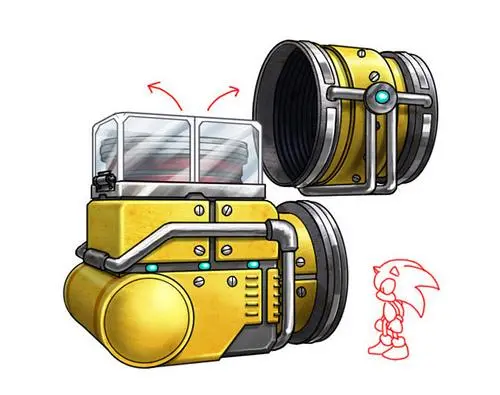
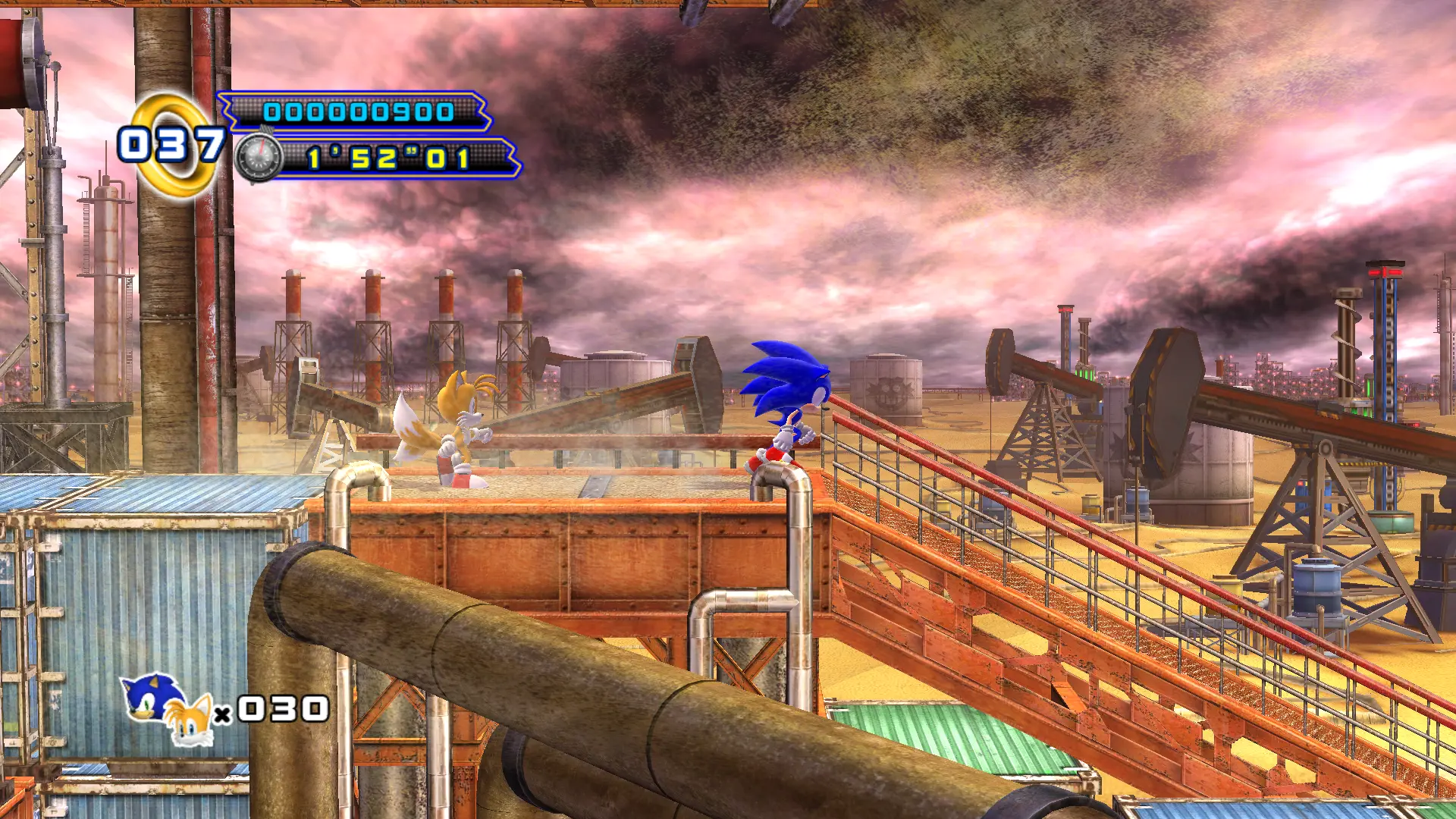
Oil Desert Zone3 acts + bossDesert pipelines, quicksand and oil, where Sega warned that Flamer’s fire spreads across the oily ground; desert Badniks such as Sandworm and Scarabesque lurk here. Boss: the Egg Scrap Mech.
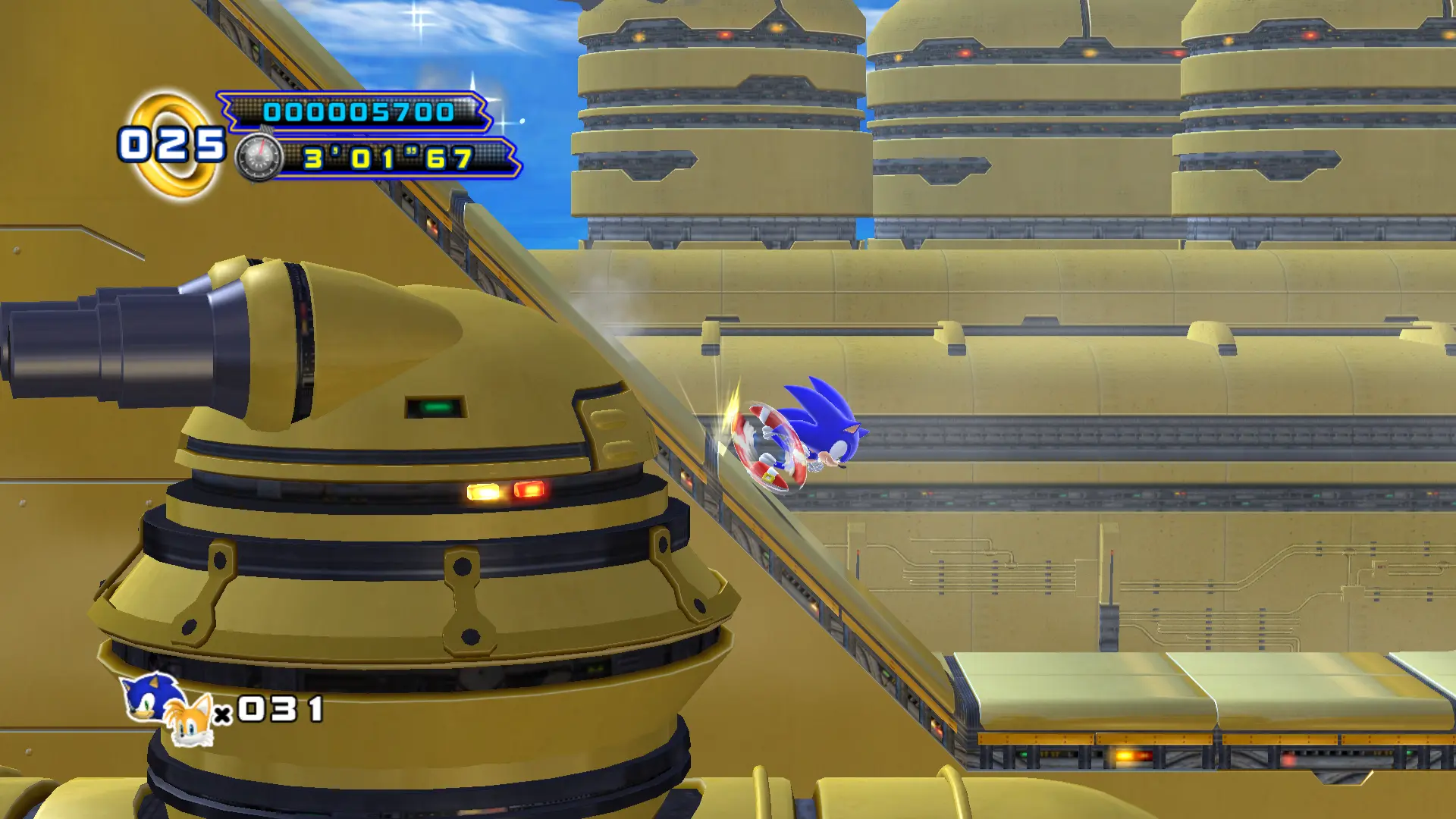
Sky Fortress Zone3 acts + bossEggman’s airborne base, reached on the Tornado; Balkiry, Turtloid and Clucker return from the skies of Sonic 2. Boss: Metal Sonic in the Metal Carrier.
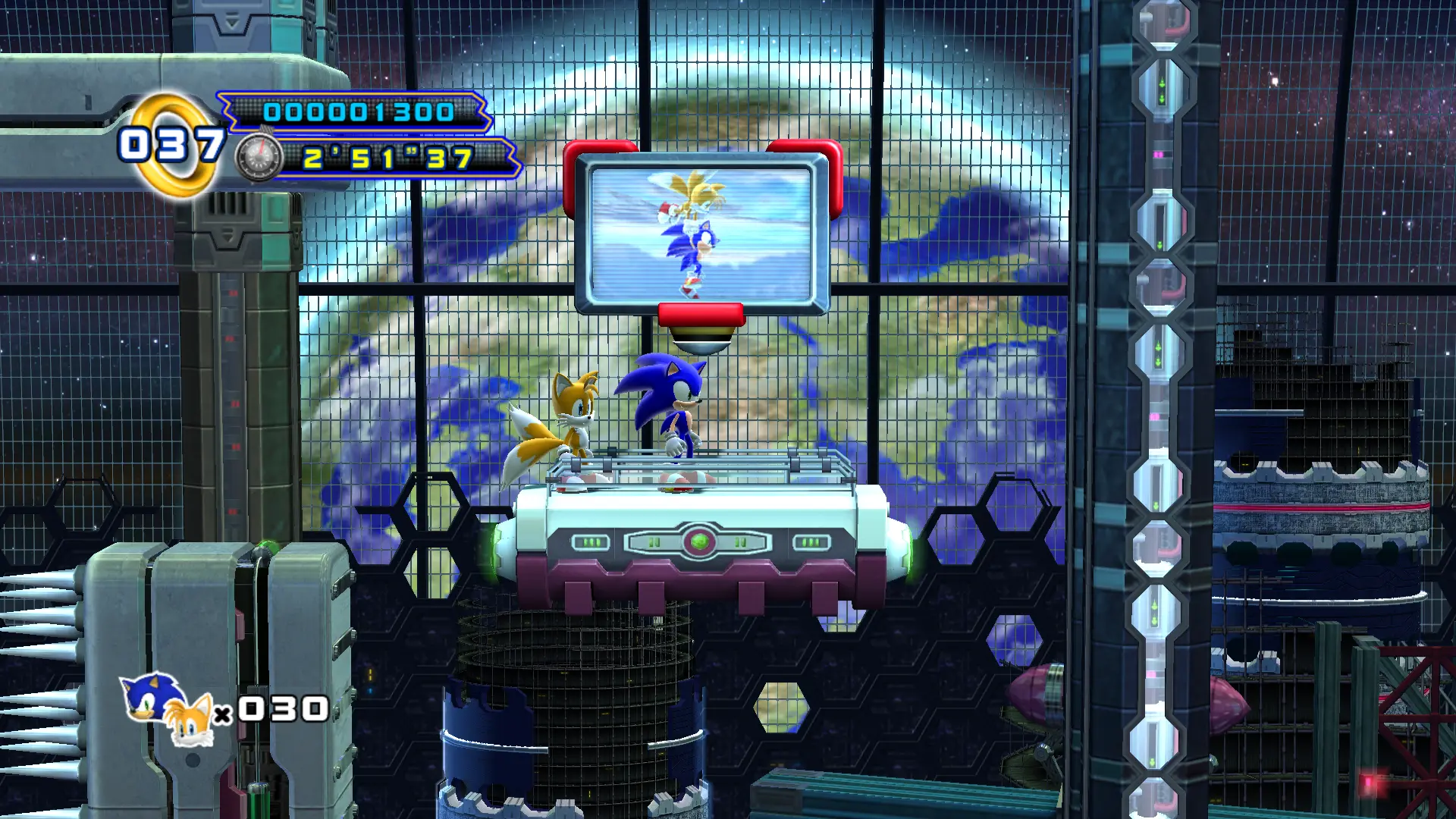
Death Egg mk.II ZoneFinal zoneThe space station built around Little Planet: Eggman and Metal Sonic together, a race against Metal Sonic, then the Egg Heart.
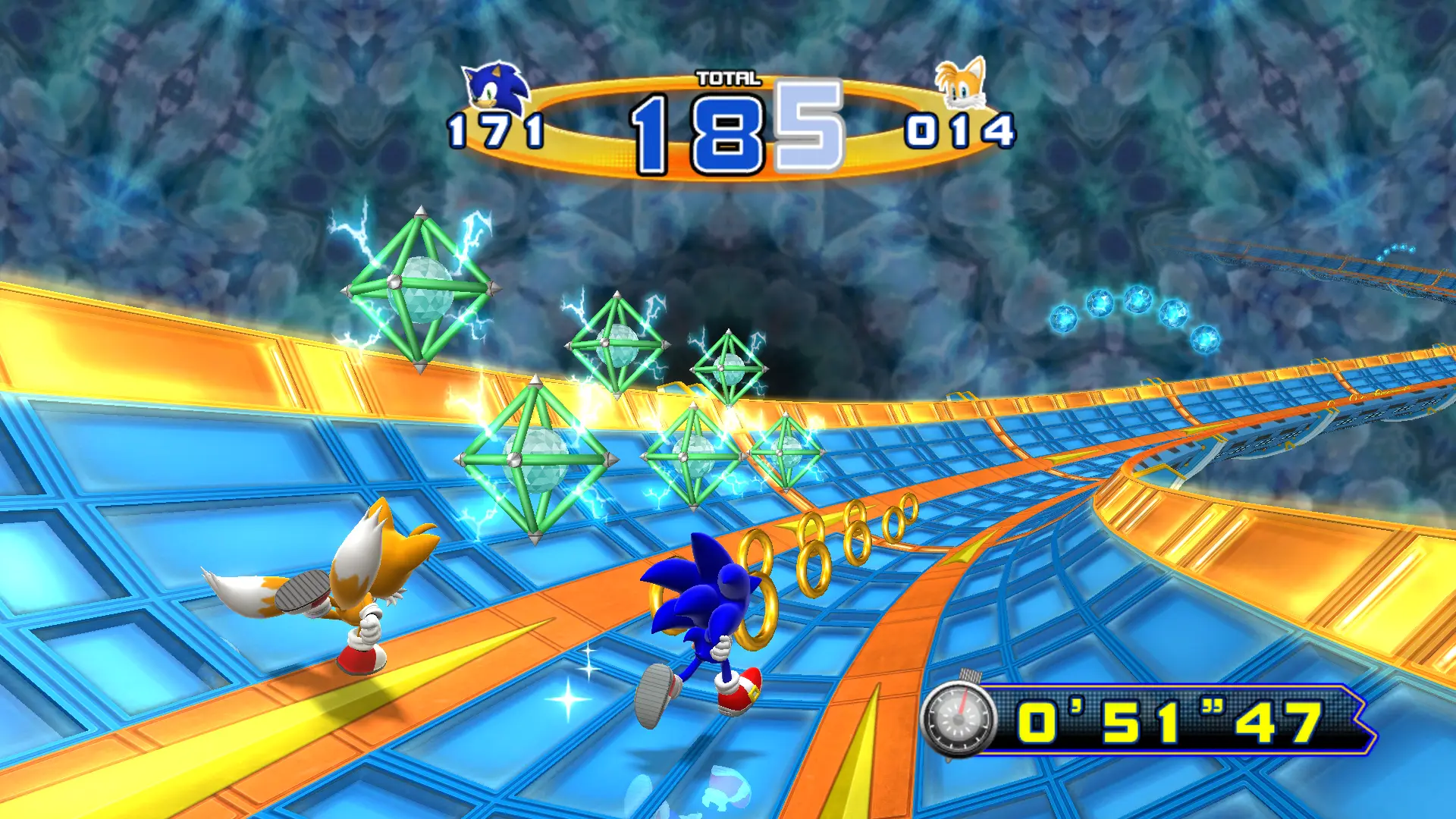
Special Stage7 stages · inspired by Sonic 2A half-pipe run in which Sonic and Tails gather a quota of rings between checkpoints, dodging bombs, with a Chaos Emerald for each one cleared.
In the iOS version the bosses take fewer hits and the Special Stages ask for fewer rings than on consoles.
In comics, TV & other media
Episode II ties the Sonic 4 story back to Sonic CD and gave Archie Comics a short promotional story. More in Sonic in other movies and media.
Sonic CDSega · 1993; re-released 2011The source of Metal Sonic and Little Planet. Sega re-released Sonic CD (1993) in late 2011 and promoted it as a prequel to Sonic 4.
Sonic Super Special Magazine #3Archie Comics · 2012Included a short promotional comic for Episode II, set just before the game.
Sonic the Hedgehog 2Sega · 1992Episode II borrows its half-pipe Special Stages, the Tornado biplane and Badniks such as Chop Chop, Balkiry, Clucker and Turtloid from Sonic the Hedgehog 2 (1992).
Sonic RunnersSega · 2015Takashi Iizuka said that converting Sonic 4 for phones influenced its first game built specifically for smartphones.
Sega ForeverMobile · 2018Episode II was added to Sega’s free-to-play, ad-supported mobile range in 2018.
Characters
Episode II doubles the cast of Episode I, and every addition comes from the 1990s.
Character
Who they are
In this game
Stats & abilities
Sonic the HedgehogPlayable
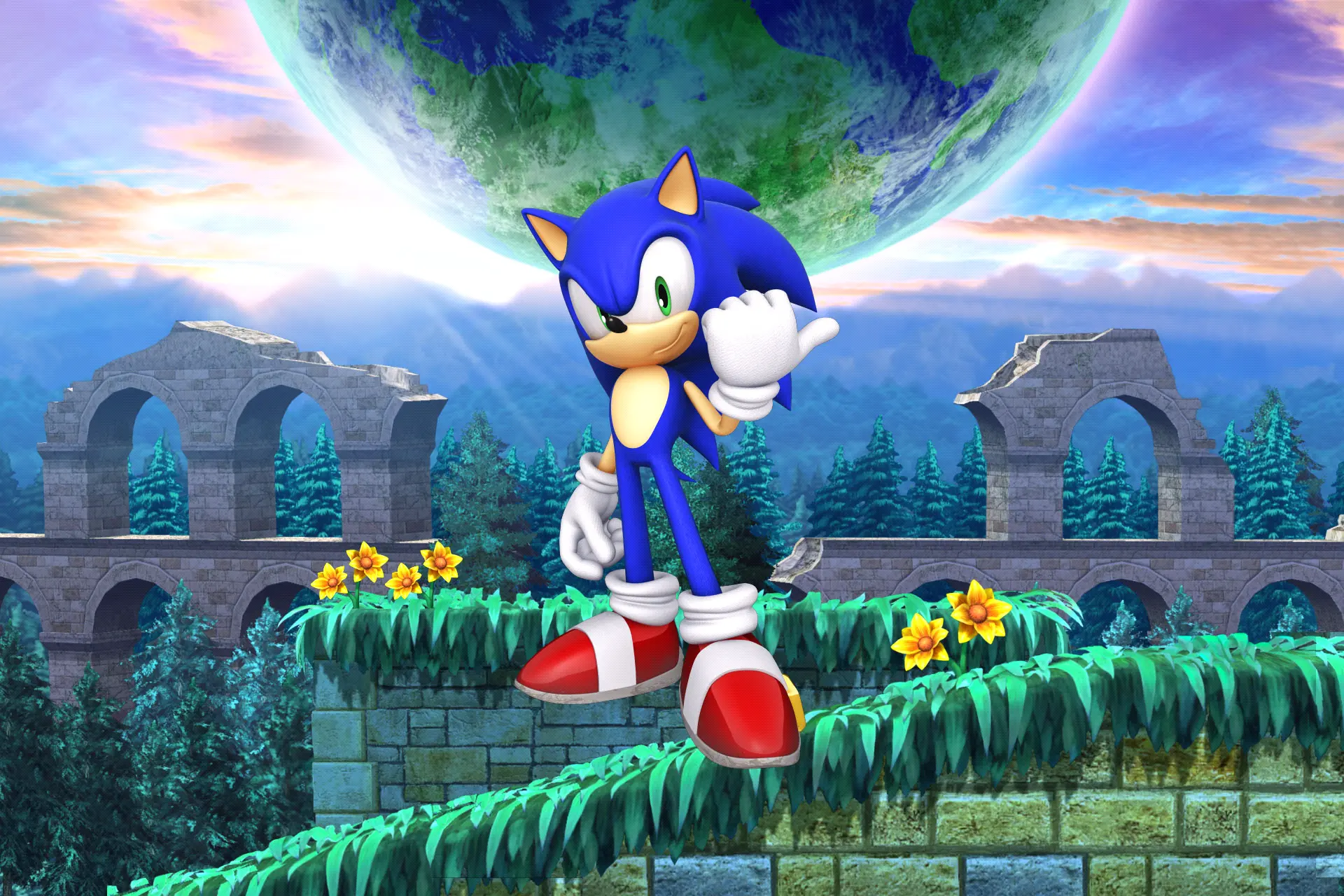
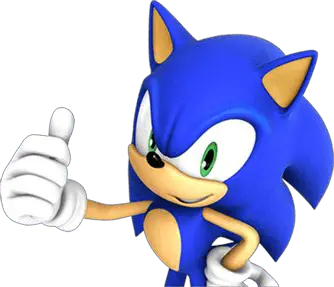
The blue hedgehog, still in his modern design.
Months after Episode I, he learns Eggman is active again and recruits Tails to investigate.
Spin Dash and homing attack
No longer uncurls when leaving ramps
Combo moves with Tails
Super Sonic with all seven Emeralds
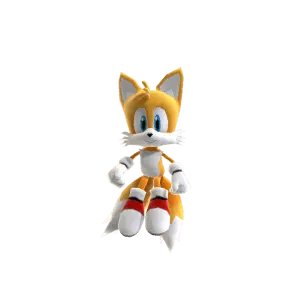
Miles “Tails” ProwerPartner · Playable in co-op
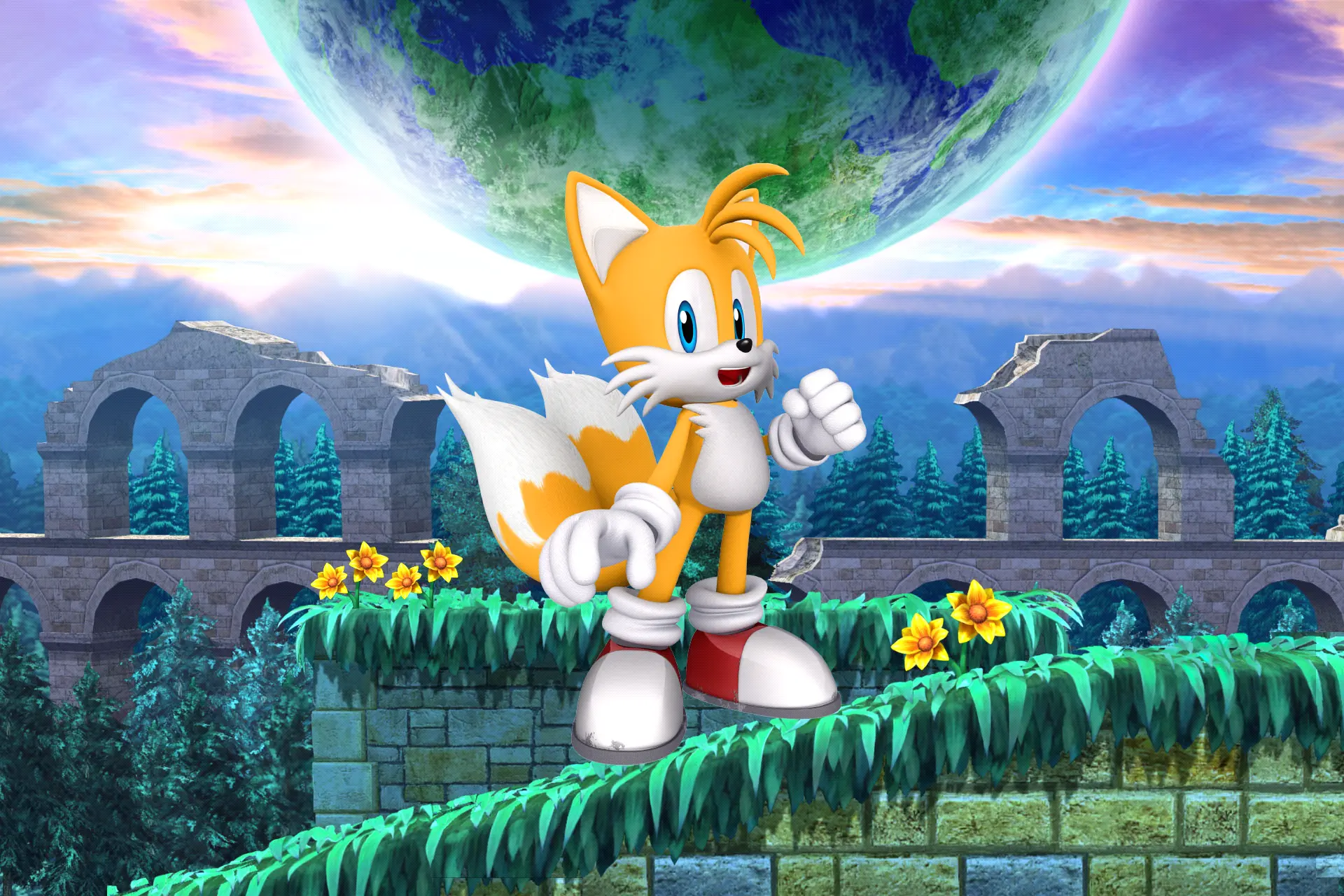
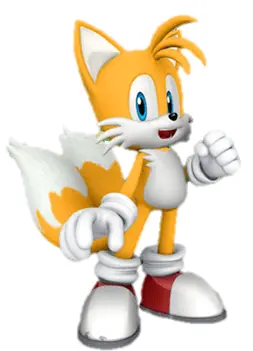
Sonic’s two-tailed fox sidekick since 1992 and pilot of the Tornado. Sega’s blog hinted at his return with a nod to the essay The Hedgehog and the Fox.
Follows Sonic everywhere, flies the Tornado in Sky Fortress and joins in every combo move.
Flies Sonic up to high places
Curls up with Sonic into one fast rolling ball
Controlled by a second player in co-op
Shares lives and rings with Sonic
Metal SonicRival
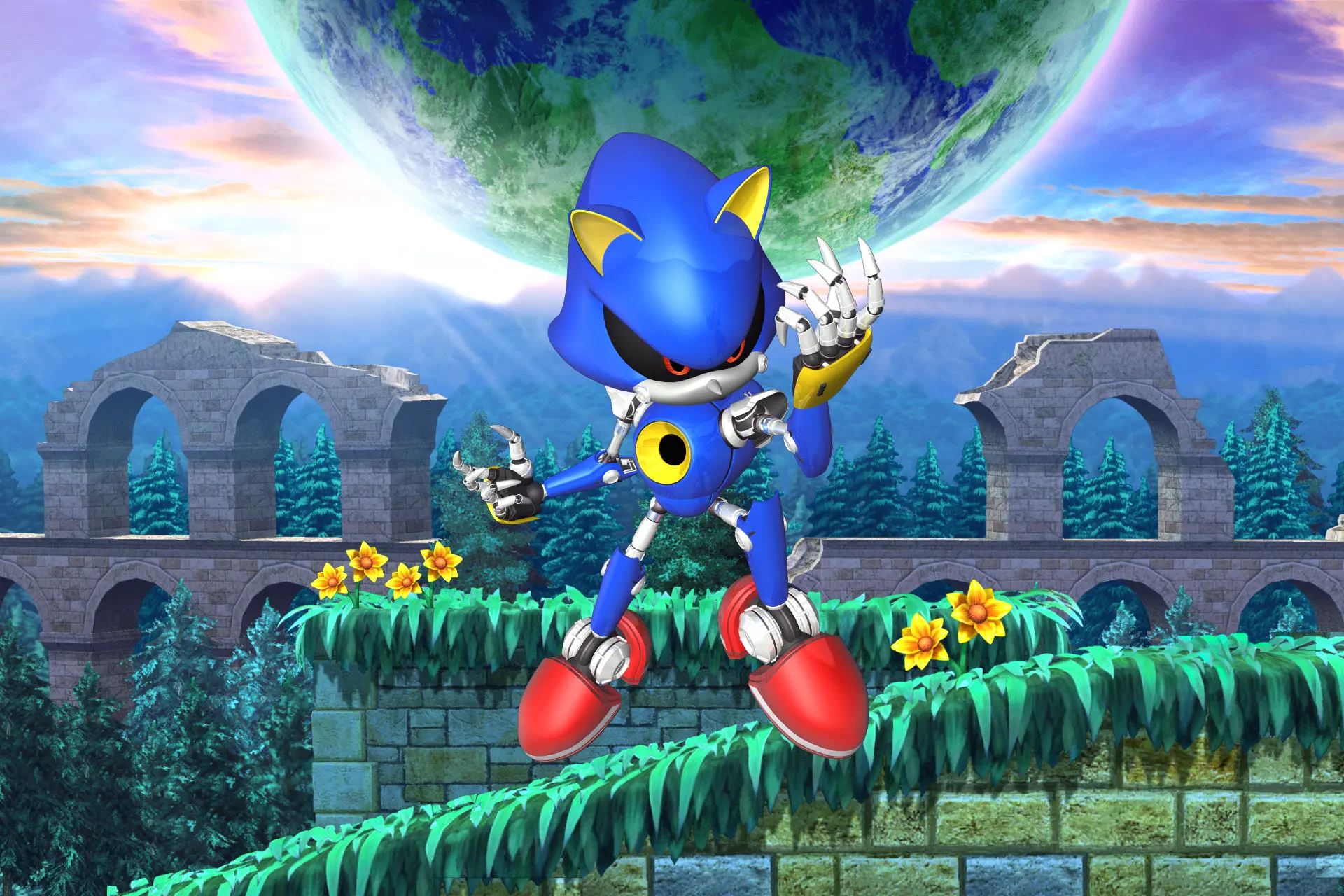
Eggman’s robot double of Sonic, created for Sonic CD (1993) and defeated on Little Planet.
Repaired by Eggman, he gains a mysterious energy source and becomes the episode’s main rival, fought in White Park, twice in the Metal Carrier, and in a final race aboard the Death Egg mk.II.
A recurring boss, from White Park to the final race; playable in Episode Metal.
Dr. EggmanVillain
Sonic’s arch-enemy, still smarting from Episode I.
Uses Little Planet’s return to build the Death Egg mk.II around it, with Metal Sonic as his partner.
Bosses: Egg Serpentleaf, Egg Scrap Mech, a joint attack with Metal Sonic, and the Egg Heart.
Little PlanetSetting
The small, mysterious world where Sonic CD took place.
Its return lets Eggman find Metal Sonic, and it ends up at the heart of the Death Egg mk.II.
Seen behind White Park and at the core of the final zone.
The TornadoVehicle
Tails’ red biplane from the Mega Drive games.
Carries the heroes to the new continent and through the Sky Fortress chase.
Sky Fortress stages are played partly on its wings.
Badniks
A mix of new robots and returning ones. Sega introduced them with short profiles, retold here in brief.
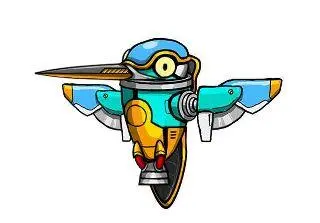
ZoomerNewA kingfisher robot that skims the water and dives at swimmers.
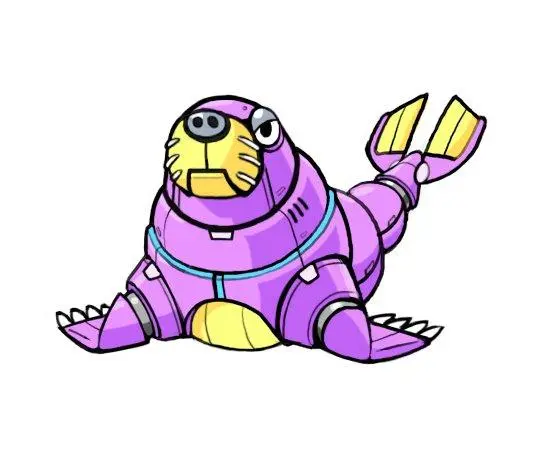
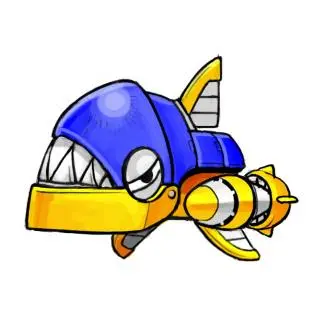
SteelionNewA sea lion robot whose icy breath freezes the water into obstacles.
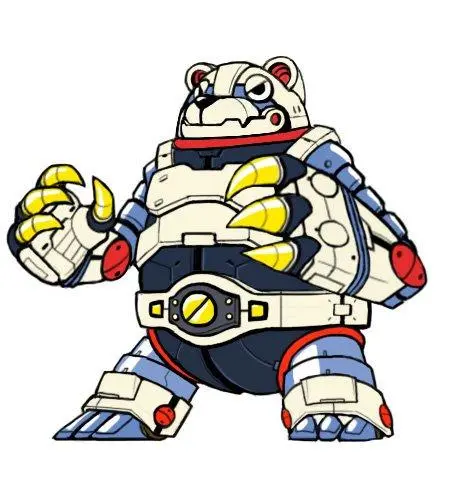
SnowyNewA heavy polar bear robot built for the cold; it takes several hits.
SpikesNewA hermit crab whose spiny shell shrugs off Sonic alone; teamwork is needed.
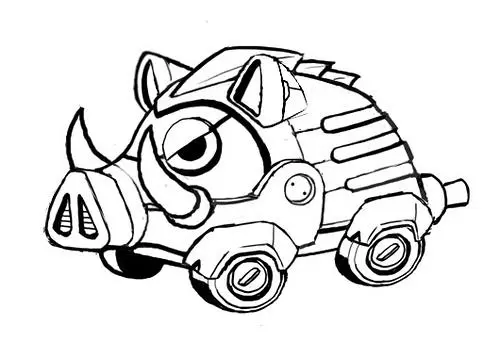
FullboarNewA charging boar robot in several colours; the red ones are the dangerous ones.
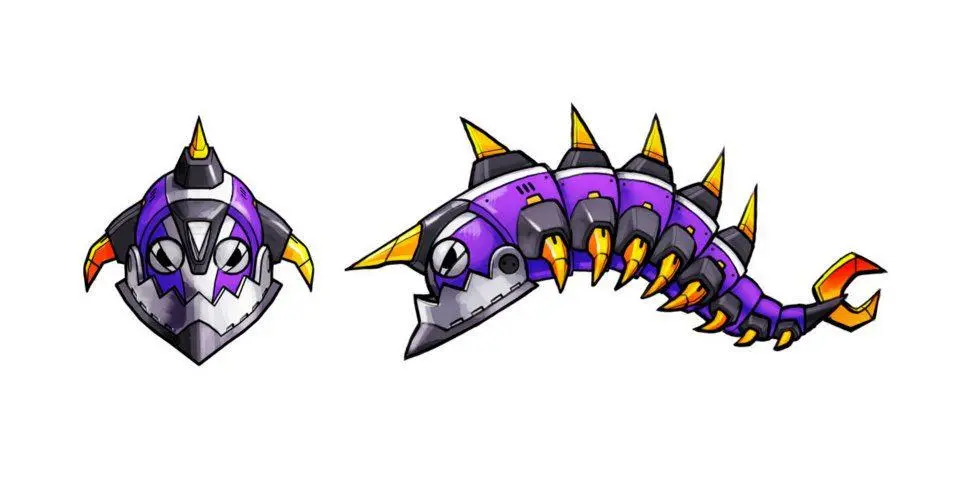
SandwormNewA huge centipede robot that bursts out of quicksand.
ScarabesqueNewA dung beetle that rolls out endless exploding boulders.
FlamerNewA sea urchin robot, based on Episode I’s Orbinauts and Spike Spinners, whose flames spread across oil.
MantisFrom Sonic 3A grasshopper robot from Marble Garden that leaps without warning.
CluckerFrom Sonic 2A chicken gun turret from Wing Fortress, now bolted all over the Sky Fortress.
BalkiryFrom Sonic 2A jet-bird from Sky Chase, launched in swarms from the Metal Carrier.
TurtloidFrom Sonic 2A flying turtle from Sky Chase that guards the Metal Carrier.
The people who made it
Key credits from Wikipedia’s cited sources and Sonic Retro.
Makoto SuzukiDirectorDirected Episode II; Episode I had been directed by Toshiyuki Nagahara.
Takashi IizukaProducerScheduled Episode II after the anniversary game Sonic Generations, and explained why the Wii version was dropped.
Jun SenoueComposerReturned to write the music, which drew some criticism from reviewers.
Ken BaloughBrand manager, Sega of AmericaPromised new zones and confirmed early that Episode II would skip the Wii.
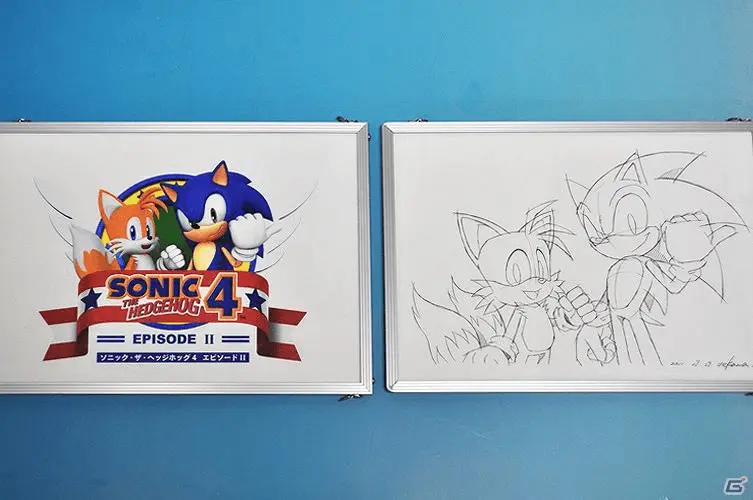
Yuji UekawaArtistSketched the Episode II logo.
DimpsDeveloperLed development again, with Sonic Team assisting, and rewrote the physics engine.
How it was made
Our original page was an infobox only, so this history is new, built from Wikipedia’s cited development history and Sonic Retro.
Fixing what fans hated
Sylvania Castle concept art.
Episode I had sold well, but the grumbles about its physics had been heard, and Sega made a point of saying so again and again. Episode II answered with two new engines, one for the graphics and one for the physics, the latter tuned to feel like the Mega Drive. The most-hated quirk went first: Sonic now stays curled up when he launches off a ramp, which also means leaning less on the homing attack. His run cycle was reanimated, and stages were laid out with several ways through to the goal. As before, Dimps did most of the work with Sonic Team in support; production started in late 2010, just after Episode I shipped, and its roughly 18 months overlapped with Sonic Generations.
Ken Balough had talked about it in February 2011, while it was still in its early days. He spoke of new zones with sights players had not met before, hinted that Episode I’s success might mean more money to spend, and said plenty of the ideas went back to the first episode’s production. Concrete details then slipped out through the game’s Xbox Live Arcade product page, which went up early and listed four new zones (one a throwback), co-op play both offline and online, and a Special Stage modelled on Sonic 2’s.
The hedgehog and the fox
Yuji Uekawa’s logo sketch.
Tails’ return was trailed with a literary joke: community manager Aaron Webber dropped the title of Isaiah Berlin’s essay The Hedgehog and the Fox, and the fox duly turned up in the teaser trailer and the new logo. Why the wait after Episode I? Iizuka explained in August 2011 that the year belonged to the anniversary game, Generations, and Episode II had always been meant to follow it. To fill in the backstory, Sega reissued Sonic CD that winter as the prequel.
No Wii, and one leak
Fullboar concept art.
Sega had a riddle for the reveal. A teaser poem pointed at the anniversary of HMS Warrior’s maiden voyage, 29 December 1860, and on 29 December 2011 the game was shown properly. Balough had already ruled out a Wii version, and Iizuka later gave the reason: Episode II’s fully 3D graphics, a step on from Episode I’s pre-rendered look, would not squeeze into WiiWare’s size limit. A Windows Phone port that would have shared cloud saves with the Xbox 360 version got under way and was then dropped. On the other hand, PC and phone versions, which Episode I had lacked at launch, were part of the plan from the announcement onwards.
Then the game nearly came out early. Close to midnight on 21 April 2012 (US Central time), Steam’s pre-order system began offering an early build for immediate download. The hole was closed quickly, though not before gameplay videos reached YouTube. Sega’s community manager called it regrettable, but said that anyone who had grabbed it had done so legitimately and would not be punished, and the videos would stay up; Balough confirmed the release date would not move. Episode II arrived between 15 and 17 May 2012.
Versions
White Park concept art.
Episode II launched on PlayStation Network, Xbox Live Arcade, Steam, iOS and Android, with a special THD edition for phones and tablets using Nvidia’s Tegra chips that later came preloaded on the Nvidia Shield. Ouya and Shield releases followed in July 2013, and the Xbox 360 version became playable on Xbox One in 2016. The iOS version was pulled in 2014 because of problems with iOS 7 and returned a year later, and in 2018 the mobile versions joined Sega Forever, free to play with adverts.
Firsts: what this game introduced
What Episode II added to Sonic 4.
1Combo movesSonic and Tails can team up at the press of a button: Tails flies or swims Sonic to new places, or the pair curl into a single rolling ball.
2Online co-opA second player can control Tails over the internet as well as on the same screen.
3Episode MetalA bonus episode unlocked by owning both games on one system, with Metal Sonic as the playable character.
4A new engineFully 3D stages and rewritten physics replaced Episode I’s engine.
5Red Star RingsOne hidden in every act, borrowed from Sonic Colours and Sonic Generations; they earn an achievement.
6New zones and BadniksSylvania Castle, White Park, Oil Desert, Sky Fortress and the Death Egg mk.II, plus new robots such as Snowy, Steelion and Fullboar.
Cheats & secrets
Our original page had no secrets section, so this one is new. As in Episode I, the extras are earned rather than unlocked with codes.
Episode Metal
Own Episode I and Episode II on the same system and Episode Metal unlocks for free: four acts in which Metal Sonic runs through reworked versions of the first act of each Episode I zone.
Super Sonic and the true ending
Finish acts with 50 or more rings to reach the Special Stages. Clearing all seven earns every Chaos Emerald, which lets Sonic transform and changes the ending.
Red Star Rings
Each act hides one Red Star Ring. They have no effect on play but count towards an achievement.
Boost in the Special Stages
Hold the tag action button in a Special Stage to boost. There is no time limit, only a timer for Time Attack.
Easier on iOS
The iOS version has bosses that need fewer hits and Special Stages with lower ring targets.
Glitches, exploits and oddities
Episode II fixed the physics complaints of Episode I, but it had its own odd moments.
The early Steam download
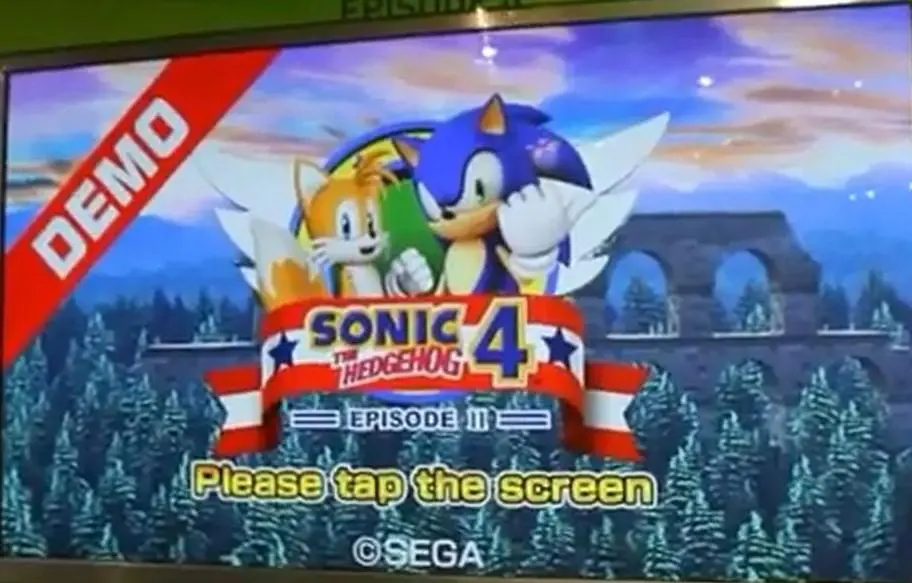
The demo title screen.
For a short time on 21 April 2012, Steam’s pre-order system let buyers download the game more than three weeks early. Videos spread before it was fixed, and Sega chose not to take action against anyone who played it.
Delisted and relisted
The iOS version stopped working properly on iOS 7, was pulled from the App Store in 2014 and returned a year later with the problems fixed.
Shared lives
In co-op the two players share a single stock of lives and rings, so one careless partner can cost both players the game.
Griefing your partner
GamesRadar’s reviewer found the two-player mode better suited to annoying a friend than to making progress.
Videos & media
Sega’s launch trailer for Episode II and its trailer for Episode Metal.
The launch trailer, from Sega’s YouTube channel.
Sega’s trailer for the Episode Metal bonus.
Trivia & facts
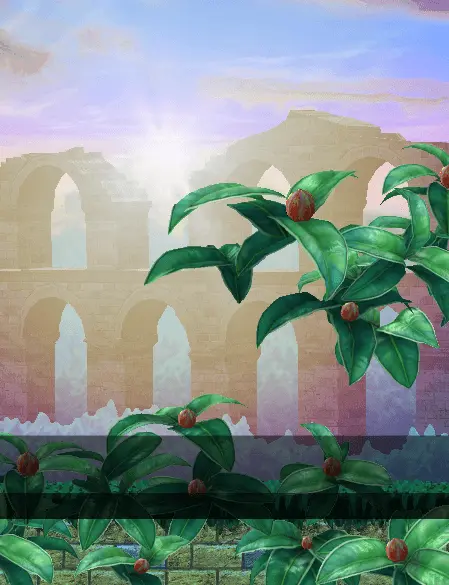
A teaser background.The reveal date, 29 December 2011, was hinted at with a teaser poem about the ship HMS Warrior, whose maiden voyage began on 29 December 1860.
Sega’s hint that Tails was returning borrowed a title from the philosopher Isaiah Berlin: The Hedgehog and the Fox.
Several Badniks are introduced in Sega’s profiles by the Sonic 2 zone they last appeared in: Chop Chop from Aquatic Ruin, Clucker from Wing Fortress, and Balkiry and Turtloid from Sky Chase.
Strange Relief concept art.An Episode I & II Original Soundtrack album collects the music from both episodes.
Episode II reuses the Red Star Rings of Sonic Colours and Sonic Generations, one per act.
An unused ending discovered in 2025 shows the Master Emerald restarting the Death Egg and a cameo from Knuckles, hinting at where Episode III might have gone.
Media & artwork
Covers, artwork, concept art and screenshots from Sonic Scene’s own galleries and Sonic Retro. Select any image to view it larger.
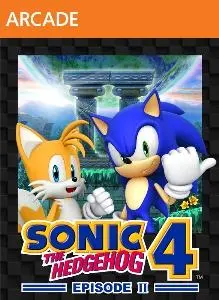
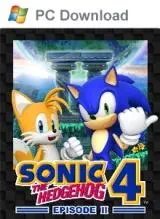
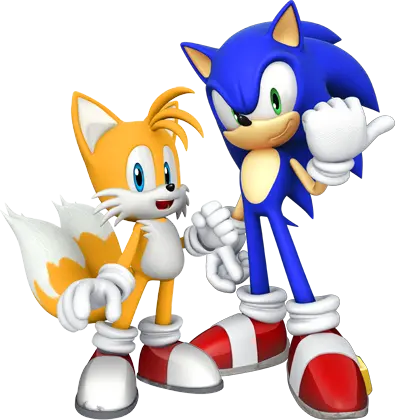
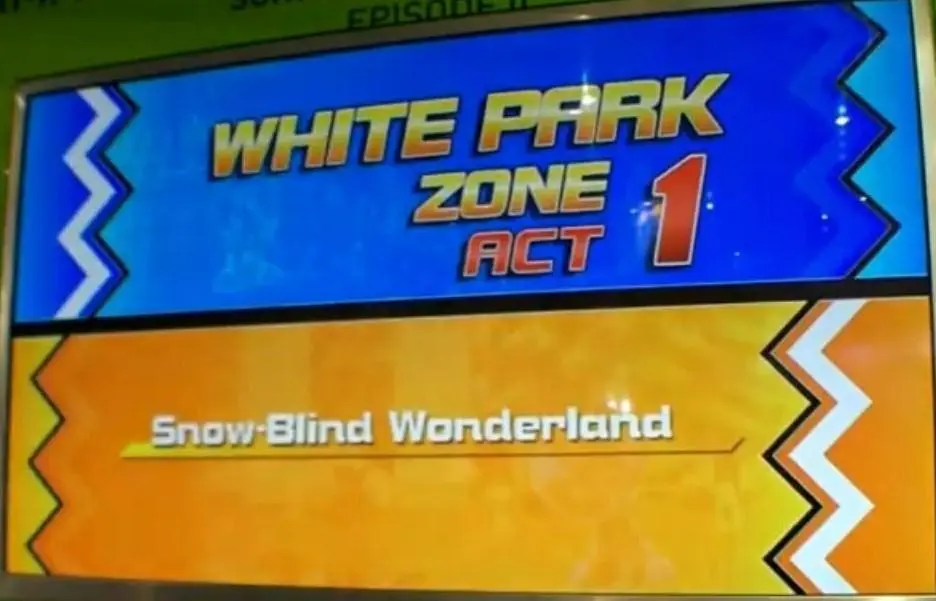
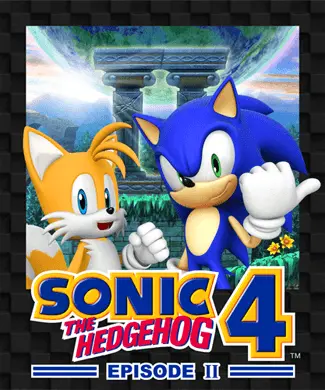
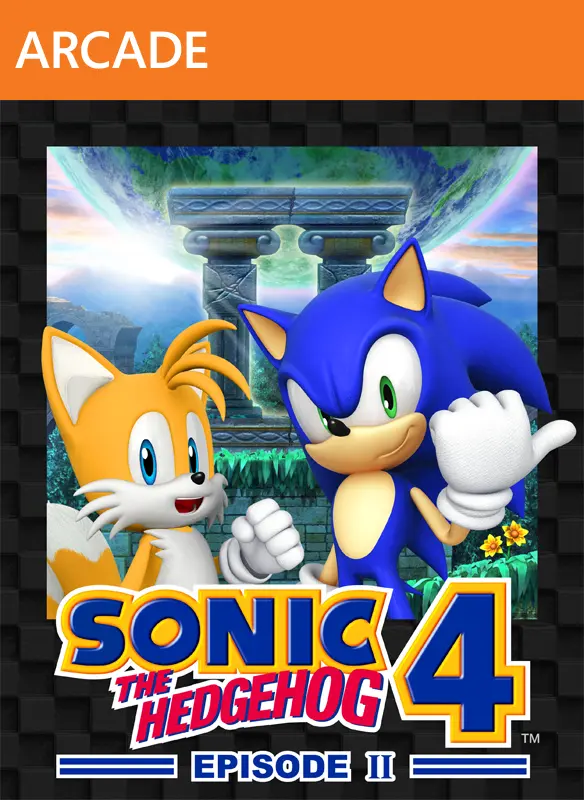
Xbox Live Arcade cover.PC download cover.PlayStation Network artwork.Sega Forever artwork.Logo.Sonic and Tails.Official wallpaper.Official wallpaper.Official wallpaper.Official wallpaper.Sonic.Sonic.Tails.Tails.Sylvania Castle Zone.Sylvania Castle Zone.Underwater in Sylvania Castle.White Park Zone.White Park by night.White Park’s snowballs.White Park Zone Act 1 title card.The White Park boss arena.Oil Desert Zone.Oil Desert Zone.Oil Desert Zone.The Tornado over the clouds.Riding the Tornado.Death Egg mk.II Zone title card.Inside the Death Egg mk.II.Inside the Death Egg mk.II.The Egg Serpentleaf.The Egg Scrap Mech.The Metal Carrier.The main menu.Steelion concept art.Zoomer concept art.Snowy concept art.Sandworm concept art.Chop Chop concept art.Sky Fortress concept art.White Park at night.White Park Zone.Oil Desert at sunset.Oil Desert Zone.Death Egg mk.II Zone.Sylvania Castle Zone.Concept art.Egg Serpentleaf concept art.Xbox Live avatar item: a Tails plush.
Episode II was meant to be the middle of a trilogy and ended up as the finale. Sega had already said before launch that it had no plans for more, the game sold less than Episode I, and the next major 2D Sonic did not arrive until Sonic Mania in 2017.
Releases and milestones
Confirmed in early developmentFebruary 2011 – Ken Balough.
Release window23 August 2011 – Iizuka: Episode II in 2012, after Generations.
Sonic CD re-releaseLate 2011 – Promoted as a prequel.
Official reveal29 December 2011 – After the HMS Warrior teaser.
No more episodesMarch 2012 – Iizuka: no plans beyond Episode II.
Early Steam download21 April 2012 – Pre-order leak.
Windows, PS3, Xbox 360, Android, iOS15–17 May 2012 –
Ouya and Nvidia ShieldJuly 2013 – With Episode I on Ouya; THD edition on Shield.
iOS delisted and relisted2014–2015 – iOS 7 compatibility.
Xbox One backward compatibility2016 – Both episodes.
Sega Forever2018 – Free with adverts on mobile.
Unused ending surfacesApril 2025 – Knuckles and the Master Emerald.
The Episode III that never was
What would Episode III have looked like? A cutscene that surfaced in 2025 offers a hint: the Master Emerald brings the Death Egg back online and Knuckles shows up, which ComicBook.com read as Eggman fooling the echidna once again. Officially, nothing was planned. Iizuka said in March 2012, two months before Episode II launched, that the series would stop there, and in 2015 Christian Whitehead revealed that the third episode had been offered to him and Sega Studios Australia before the studio closed. He remastered Sonic 1 and Sonic 2 instead, and went on to lead Sonic Mania.
Sonic Runners
Episode II’s longest shadow may be on phones. Iizuka told TouchArcade that bringing both episodes to phones and tablets shaped Sonic Team’s thinking for Sonic Runners in 2015, its first game designed specifically for smartphones.
Sales & reviews
Sales
Episode II reached fifth place in the US PlayStation Store chart for May 2012. Gamasutra’s Ryan Langley noticed that its leaderboards were much quieter than Episode I’s, a sign it had sold fewer copies. Wikipedia describes it as a moderate commercial success.
#5US PlayStation Store, May 2012
66Metacritic, iOS
63Metacritic, PlayStation 3
61Metacritic, Xbox 360
54Metacritic, Windows
Reception and review scores
Scores from Wikipedia’s cited review table, converted to percentages. The 1UP B+ letter grade is not shown as a bar.
Official Xbox MagazineUK (8/10)
80%
TouchArcadeiOS (4/5)
80%
Electronic Gaming MonthlyUS (6.5/10)
65%
IGNUS (6.5/10)
65%
GameSpotUS (6/10)
60%
JoystiqUS (3/5)
60%
GameTrailersUS (5.5/10)
55%
GamesRadar+UK (2.5/5)
50%
GameRevolutionUS (2/5)
40%
Digital SpyUK (2/5)
40%
Reviews were mixed. Most critics agreed the physics and the look of the game were a clear step up from Episode I, and the co-op drew praise. Official Xbox Magazine’s Jon Blyth was the most positive, calling it a smooth, slippery Sonic that still had the essence of the hedgehog, and Joystiq liked the visuals, the co-op moves and the Special Stages.
The criticism was about design. IGN’s Lucas M. Thomas felt the physics were fixed but the magic of the Mega Drive games was still missing; EGM’s Ray Carsillo thought too many puzzles needed Tails; GameTrailers felt the team-up moves slowed the pace; and GamesRadar’s Lucas Sullivan was put off by gimmicks such as gusting winds and the avalanche snowboard run. Repetitive bosses and the music were common complaints.
Reader reviews
No reader reviews yet. Played it? Give it a score out of 10 and tell other fans what you think.
Every fact on this page was checked against the sources below. Sonic Retro pages were read through Wayback Machine copies from 2025 that show the real article, because the live site shows a bot check. Review scores come from Wikipedia’s cited review table; Sega Retro has no review index for this game. Our original article was an infobox only; its facts are kept in the info table.
To provide the best experiences, we use technologies like cookies to store and/or access device information. Consenting to these technologies will allow us to process data such as browsing behavior or unique IDs on this site. Not consenting or withdrawing consent, may adversely affect certain features and functions.
Functional
Always active
The technical storage or access is strictly necessary for the legitimate purpose of enabling the use of a specific service explicitly requested by the subscriber or user, or for the sole purpose of carrying out the transmission of a communication over an electronic communications network.
Preferences
The technical storage or access is necessary for the legitimate purpose of storing preferences that are not requested by the subscriber or user.
Statistics
The technical storage or access that is used exclusively for statistical purposes.The technical storage or access that is used exclusively for anonymous statistical purposes. Without a subpoena, voluntary compliance on the part of your Internet Service Provider, or additional records from a third party, information stored or retrieved for this purpose alone cannot usually be used to identify you.
Marketing
The technical storage or access is required to create user profiles to send advertising, or to track the user on a website or across several websites for similar marketing purposes.

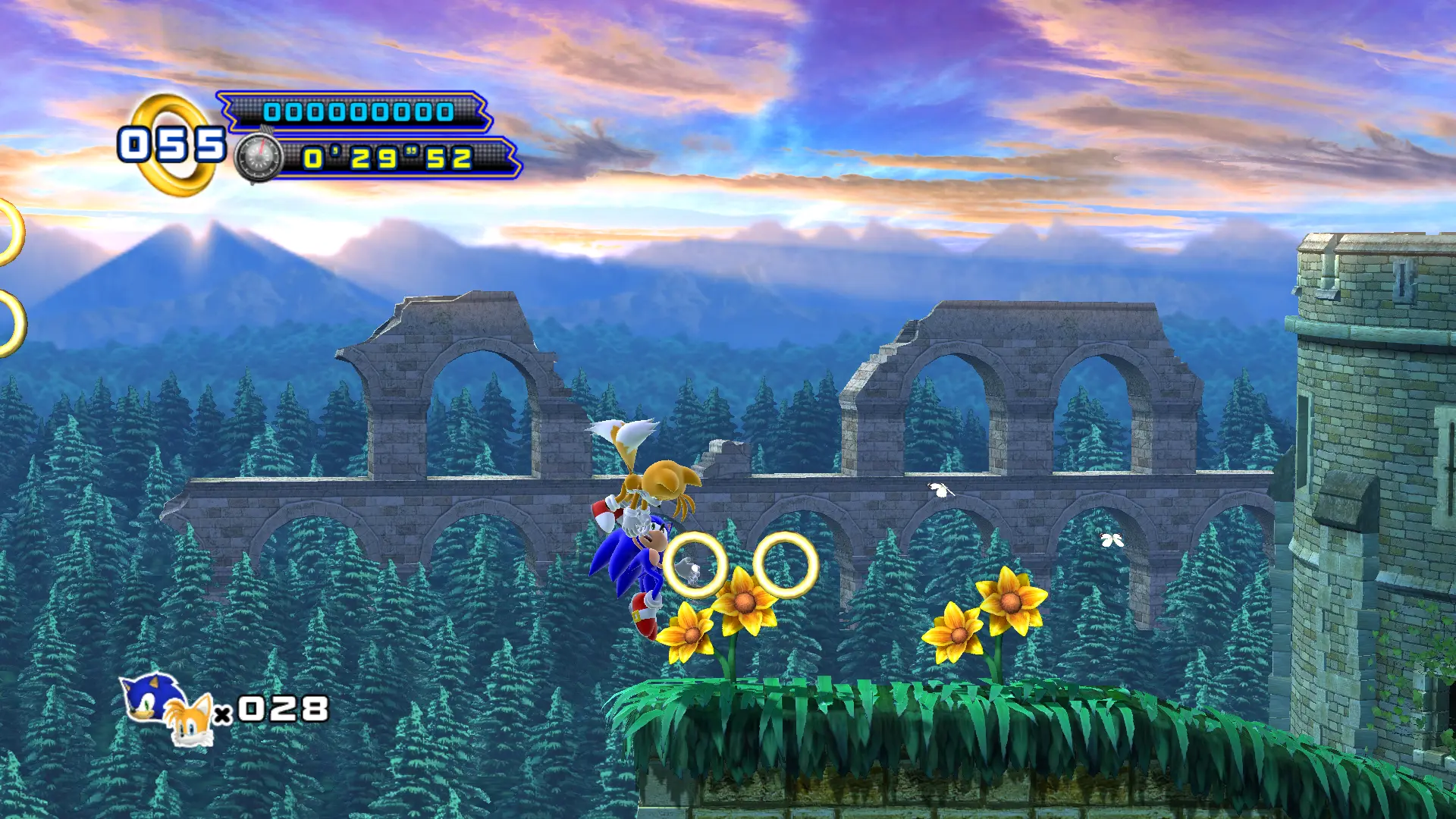
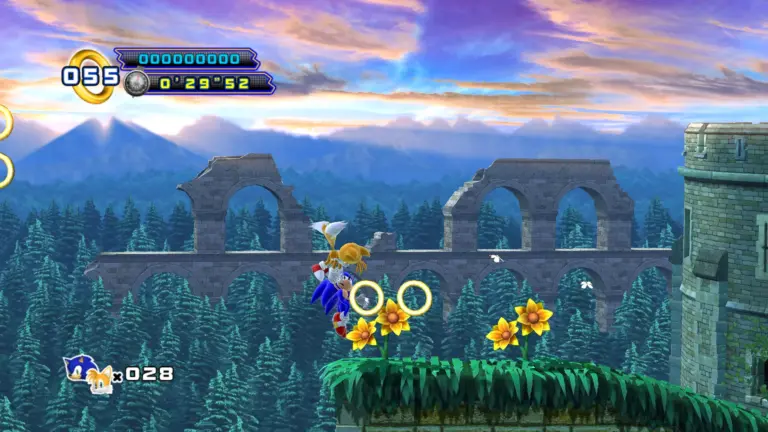 Sylvania Castle Zone3 acts + bossOvergrown, partly flooded castle ruins in the forest. Boss: the Egg Serpentleaf.
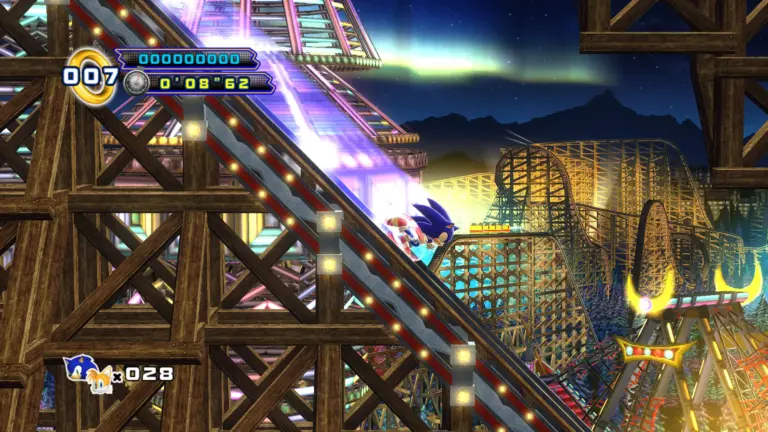 White Park Zone3 acts + bossA snowy theme park with giant snowballs, an avalanche snowboard run and a fairground at night. Boss: Metal Sonic.
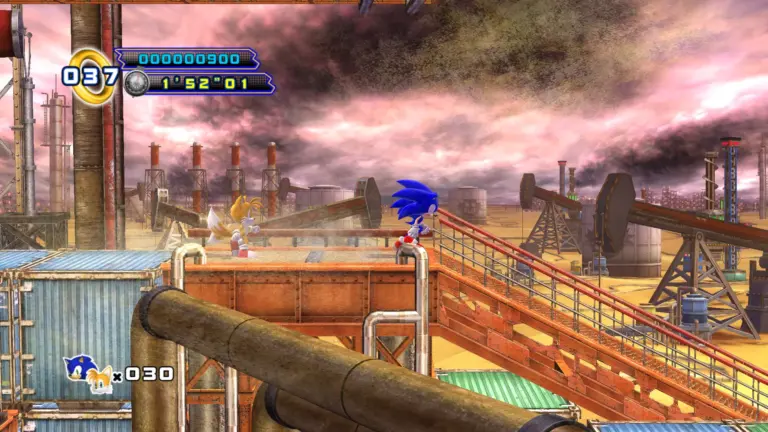 Oil Desert Zone3 acts + bossDesert pipelines, quicksand and oil, where Sega warned that Flamer’s fire spreads across the oily ground; desert Badniks such as Sandworm and Scarabesque lurk here. Boss: the Egg Scrap Mech.
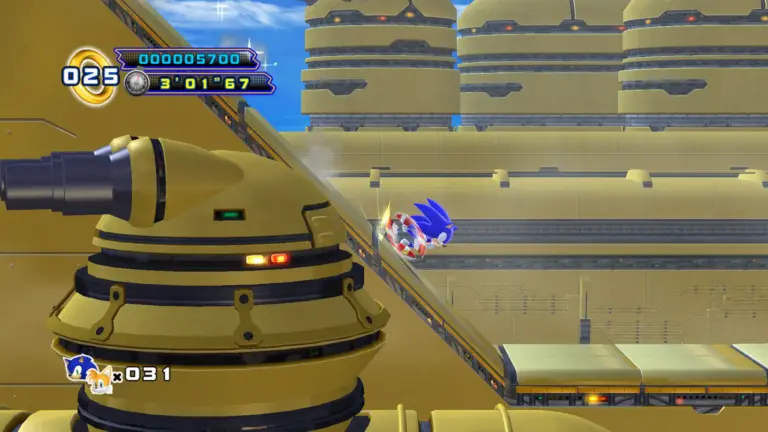 Sky Fortress Zone3 acts + bossEggman’s airborne base, reached on the Tornado; Balkiry, Turtloid and Clucker return from the skies of Sonic 2. Boss: Metal Sonic in the Metal Carrier.
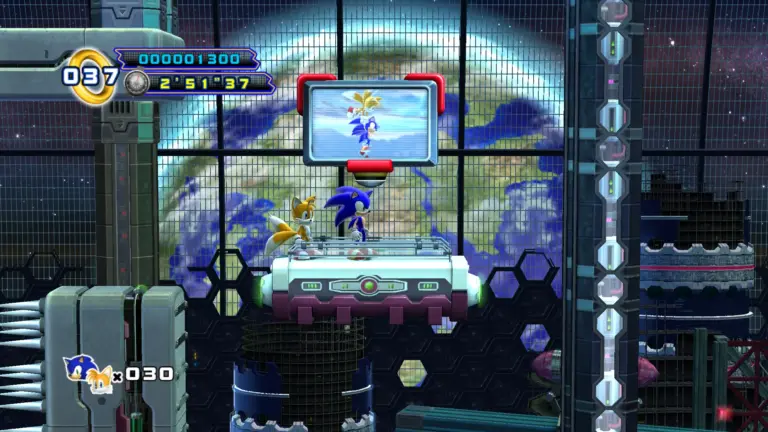 Death Egg mk.II ZoneFinal zoneThe space station built around Little Planet: Eggman and Metal Sonic together, a race against Metal Sonic, then the Egg Heart.
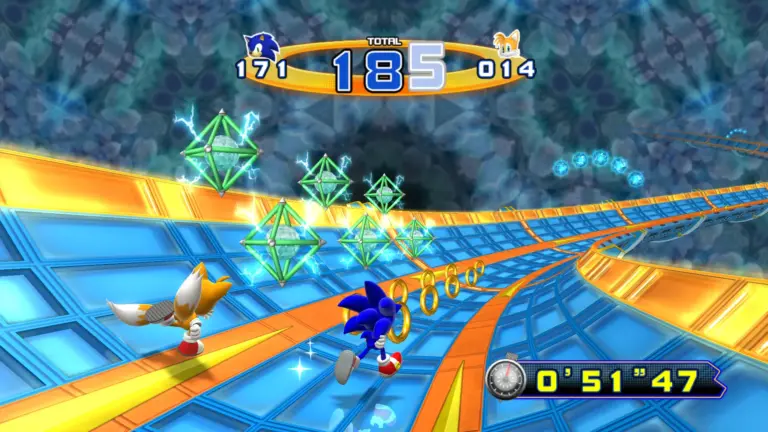 Special Stage7 stages · inspired by Sonic 2A half-pipe run in which Sonic and Tails gather a quota of rings between checkpoints, dodging bombs, with a Chaos Emerald for each one cleared.
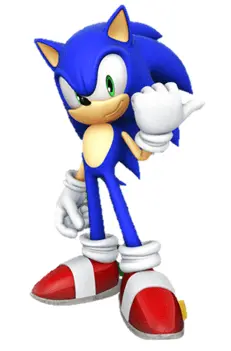 Sonic the HedgehogPlayable
 Miles “Tails” ProwerPartner · Playable in co-op
 Dr. EggmanVillain
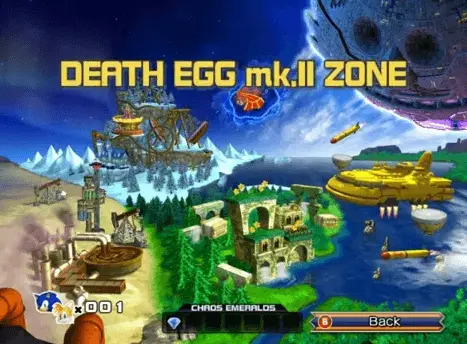 Little PlanetSetting
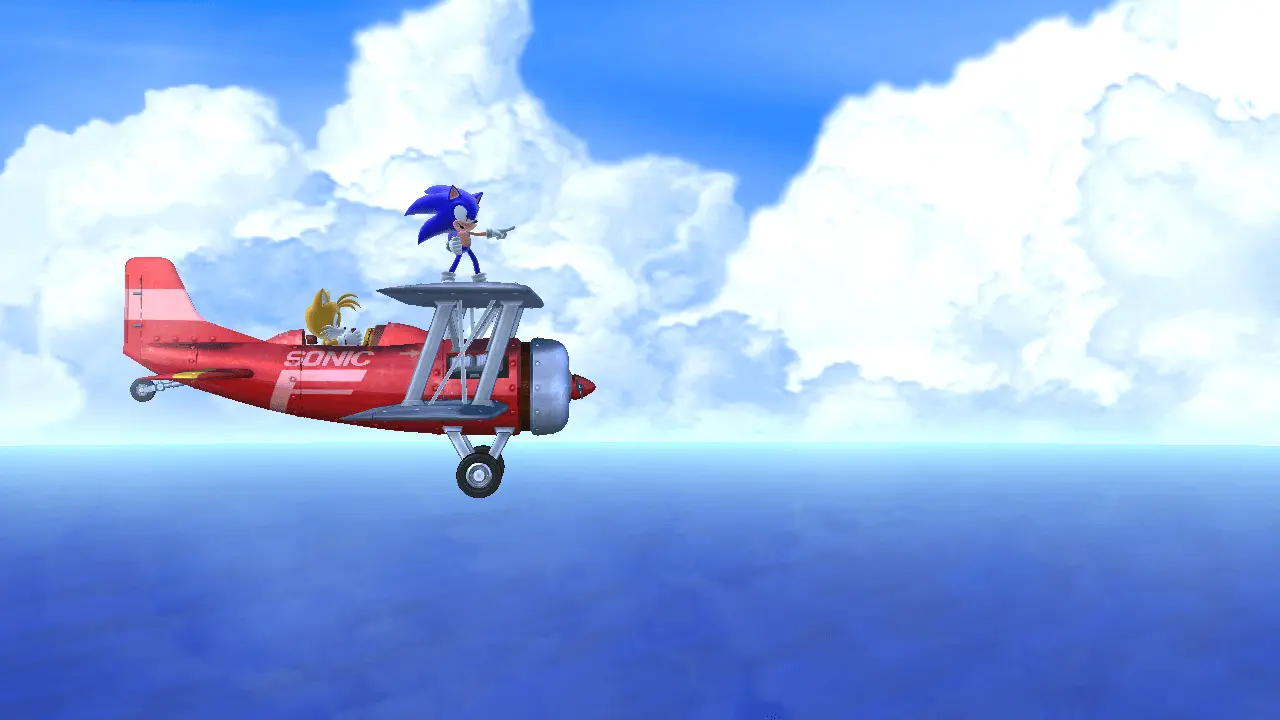 The TornadoVehicle
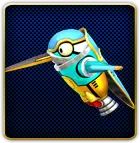 ZoomerNewA kingfisher robot that skims the water and dives at swimmers.
 SteelionNewA sea lion robot whose icy breath freezes the water into obstacles.
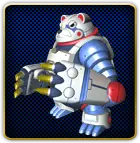 SnowyNewA heavy polar bear robot built for the cold; it takes several hits.
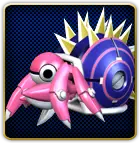 SpikesNewA hermit crab whose spiny shell shrugs off Sonic alone; teamwork is needed.
 FullboarNewA charging boar robot in several colours; the red ones are the dangerous ones.
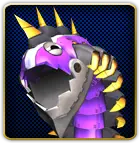 SandwormNewA huge centipede robot that bursts out of quicksand.
 ScarabesqueNewA dung beetle that rolls out endless exploding boulders.
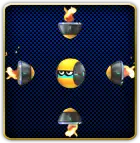 FlamerNewA sea urchin robot, based on Episode I’s Orbinauts and Spike Spinners, whose flames spread across oil.
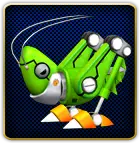 MantisFrom Sonic 3A grasshopper robot from Marble Garden that leaps without warning.
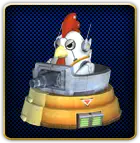 CluckerFrom Sonic 2A chicken gun turret from Wing Fortress, now bolted all over the Sky Fortress.
 BalkiryFrom Sonic 2A jet-bird from Sky Chase, launched in swarms from the Metal Carrier.
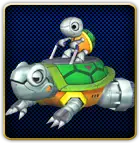 TurtloidFrom Sonic 2A flying turtle from Sky Chase that guards the Metal Carrier.