
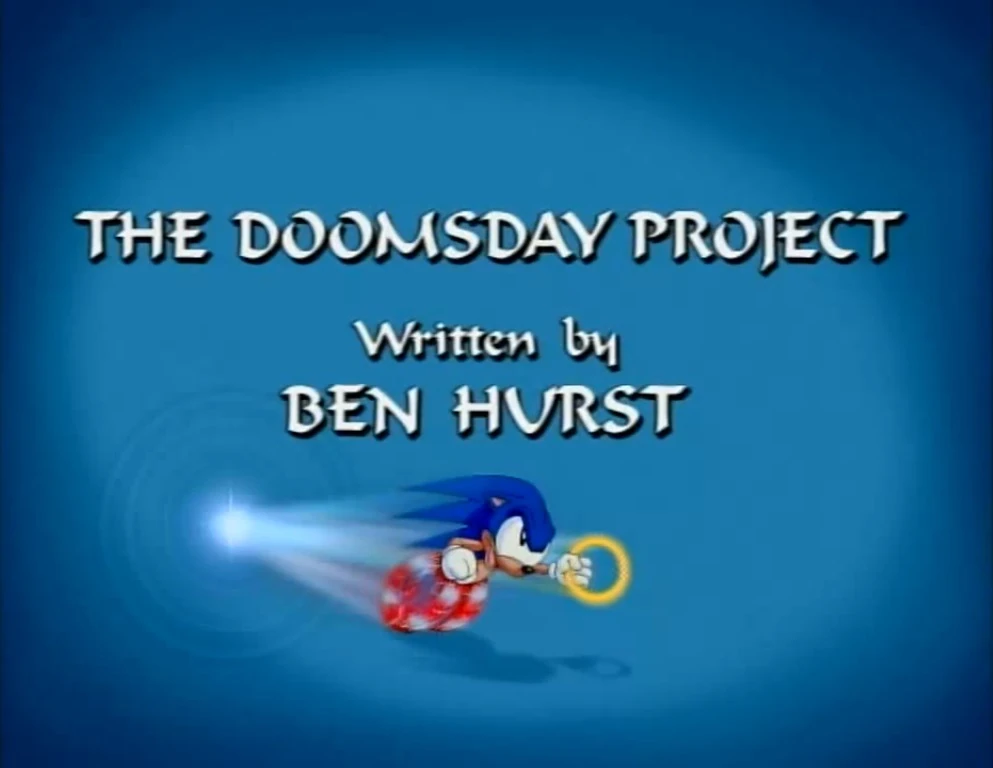
 The last new episode · 3 December 1994 | |
| Show | Sonic the Hedgehog (“SatAM”), ABC, 1993–1994 |
| Last new episode | The Doomsday Project, 3 December 1994 |
| ABC reruns ended | First week of June 1995 |
| Last Canadian airing | CTV, 2 September 1995 |
| Studio | DiC Productions, L.P. – 95% owned by Capital Cities/ABC from late 1993 |
| ABC’s new owner | The Walt Disney Company (deal announced July 1995, completed February 1996) |
| Season 3 | Outlines only; never produced (what was planned) |
- A contract fight: under its 1991–92 deals Sega owned the show and everything made for it; when DiC sold SatAM cels, Sega took legal action in 1995 and moved to end the contract, including Season 3. Wikipedia now calls this the main reason.
- Tough competition: Fox Kids put Mighty Morphin Power Rangers, the biggest kids’ show of the day, in SatAM’s time slot.
- Pre-emptions: ABC and its affiliates often dropped Saturday cartoons for sport.
- New owners: Disney bought ABC’s parent company, and DiC with it, and filled Saturday mornings with its own shows.
- New rules: from 1997 US stations had to air three hours a week of educational children’s shows.
Ben Hurst blamed the second, third and fourth reasons; the first only came to light in 2025.
Introduction to SatAM Sonic’s Cancellation
The late 1980s and 1990s saw a resurgence in animation, with both Disney and Warner Brothers leading the way with a renewed energy not seen in a long time, inspiring other animation firms to make their own quality shows. The era from 1985 to 1997 would be known as the renaissance of animation. It was during this time that Sonic the Hedgehog made his debut on television, both in syndicated format (Adventures of Sonic the Hedgehog) and on Saturday Mornings (“SatAM” Sonic the Hedgehog, on ABC).
To fully understand the situation SatAM was in, we must look at animation in general from the 1970s to the 1990s, as most of the players in the animation market were in play long before SatAM came to light. The players were various: French-founded DiC Entertainment (the animation firm that made SatAM), Capital Cities Communications (former owners of the ABC television network), the Walt Disney Company (who purchased Capital Cities and ABC), the United States Government (for passing the Telecommunications Act of 1996, which loosened the rules on who could own broadcasters), and the Federal Communications Commission (for its new rules on children’s television). This article’s purpose is to show the reasons why SatAM was cancelled.
The Animation Industry
Animation as a whole started declining in the mid-1970s with such low-quality “cookie-cutter” firms like Hanna-Barbera churning out dozens of low-cost, look-alike cartoons that were largely interchangeable in both plot and appearance (using the aptly-named limited animation). By the time the 1980s had arrived, the Walt Disney Company was considering abandoning the animation field altogether. The rise of anime’s popularity in the 1980s with Voltron and other imported shows was not helping matters, either. The 1980s also saw the introduction of cartoons centered or even based off of toy lines, basically being half-hour-long commercials.
1988 would see a shocking surprise: the Walt Disney Company (through its Touchstone Pictures label) and Steven Spielberg’s Amblin Entertainment teamed up – with Warner Brothers lending its Looney Tunes stars – to bring “Who Framed Roger Rabbit” to the theatres. This was an overwhelming success, and heralded a new golden age in animation. Public interest was renewed in animation, and Disney had gone full-swing back into animation with its “Disney Afternoon” syndicated cartoon block. While originally promised to FOX network stations in the USA, this wound up in syndication to various independent stations across the United States and Canada, so FOX decided to start its own Fox Kids animation block on weekday afternoons and Saturday mornings to compete with both the Disney Afternoon (weekday afternoons) and ABC’s Saturday-morning line-up.
This, in turn, would inspire Warner Brothers to get back into the animation business and launch Kids’ WB and The WB Television Network (now part of The CW). Animated shows would become very popular on television and in mainstream society, and their quality would be very high from 1985 to 1997, before starting a slow but steady decline.
What happened next: Fox Kids became FoxBox in 2002 and 4Kids TV in 2005, and Fox dropped it at the end of 2008, ending nearly twenty years of Fox cartoons. Kids’ WB, by then on The CW, was replaced in May 2008 by The CW4Kids, which became Toonzai in 2010 and gave way to Vortexx in 2012.
Capital Cities Communications

Capital Cities Communications was widely known for their surprise purchase of American Broadcasting Company, which was four times its size, back in 1985. It was simply a broadcasting company that owned various ABC television network affiliates in North Carolina and in Albany, New York. The company had been in the broadcasting industry since the early 1950s, and had a good reputation for quality local programming on the stations it owned, or managed for other broadcasting firms. With ABC now under its wing, Capital Cities turned ABC from a last-place network into a first-place star, with its “TGIF” programming block on Friday nights (launched in 1989), and airing such quality cartoons as “ReBoot”, “Cro”, and “Sonic the Hedgehog” on Saturday mornings. Capital Cities would remain in business until 1996, when the Walt Disney Company purchased it in its entirety for the ABC television network.
The deal itself was announced on 18 March 1985: Capital Cities paid $3.5 billion for a company about four times its size, and the merged firm became Capital Cities/ABC.
DiC Entertainment
DiC Entertainment (standing for Diffusion, Information, et Communication in French, or Broadcasting, Information, and Communication in English) was the animation firm that made and distributed Sonic the Hedgehog, licensing the rights from Sega in 1992. The company was founded in France in 1971, with offices in New York City, Los Angeles, Montreal, Toronto, and London. The company itself would be purchased by Disney at the same time as Capital Cities, but would “re-buy” its freedom in 2000. DiC had several dozen quality shows in its portfolio, such as SatAM, Adventures of Sonic the Hedgehog, Madeline, Inspector Gadget, and The New Archies.
There is a twist that makes the story even tighter. In July 1993, two months before SatAM premiered, DiC went into partnership with Capital Cities/ABC, and by the end of that year ABC’s parent company held 95% of DiC Productions, L.P. – the company credited on SatAM. For most of its run, the network that aired the show also owned the studio that made it, so when Disney bought Capital Cities/ABC it got DiC, and SatAM, along with the network.
Update: Andy Heyward bought DiC back from Disney, with backing from Bain Capital, in a deal completed in November 2000. Cookie Jar Entertainment bought DiC in 2008, and DHX Media – renamed WildBrain in 2019 – bought Cookie Jar in 2012. WildBrain owns the SatAM episodes today and streams them on its official YouTube channel.
Enter SatAM
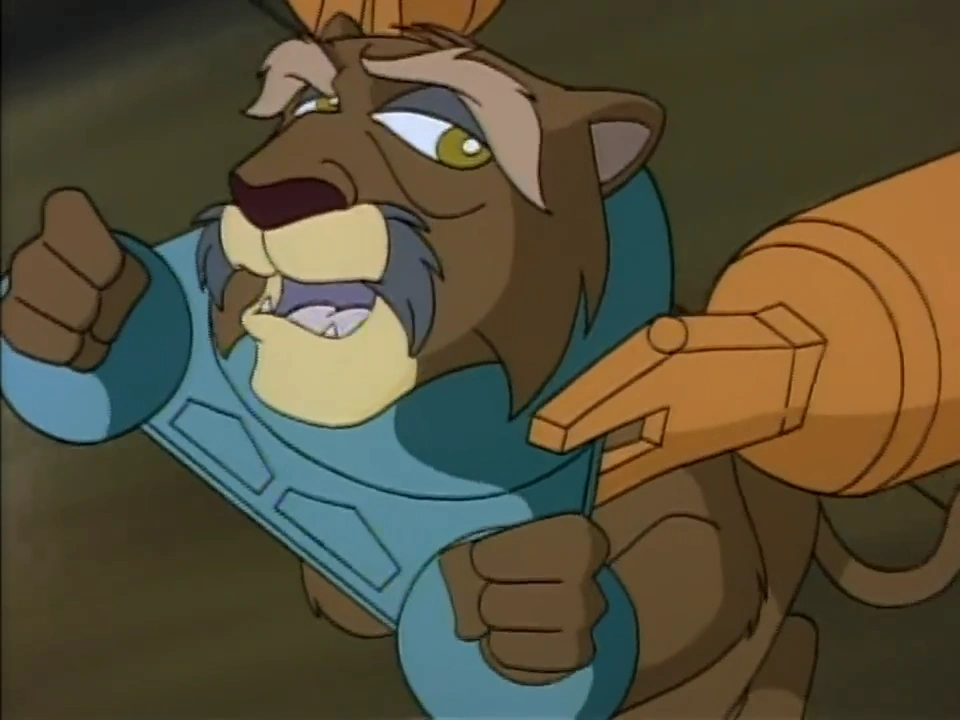
I know what you’re thinking… “why did I have to read all that just to get to where SatAM debuts?” Well, it helps to understand the climate of animation during that time, as well as who was in control of what networks and shows at the time. SatAM was very popular with viewers, as well as with the head of ABC’s children’s programming, though network executives were not as pleased with the show. SatAM was by far one of the darkest children’s shows ever made, and fairly unique among cartoons (only the syndicated “Biker Mice from Mars” had a vaguely-similar theme).
The show ran into problems almost from the beginning, as it went up against FOX Kids’ red-hot “Mighty Morphin Power Rangers”. Compounding this issue was that FOX kept shuffling its schedule to pit the Power Rangers against Sonic in the same time-slot. It also didn’t help that the ABC network as a whole occasionally delayed or cancelled the Saturday Morning lineup in favour of Saturday morning sports (or in the case of affiliates in the midwest and Great Lakes states, Big Ten basketball games). Sonic’s ratings were strong, despite being off the air a considerable amount of time, and achieved a cult following, and an almost Star Trek-like reputation, for being more popular off the air than when it was on.
Why Was SatAM Cancelled?
The simple answer to why Sonic the Hedgehog was cancelled was that Disney bought ABC and its parent company, and decided to fill the programming slots with its own programming, instead of shows from other production houses (Warner Brothers, DiC, and so on), though there were other reasons, as well.
FOX Network had decided to air its most-popular show at the time, Mighty Morphin Power Rangers, directly against SatAM in the same 8:30 timeslot on Saturday Mornings. This severely damaged SatAM’s ratings, as many kids chose to watch the (in this webmaster’s opinion) vastly inferior Power Rangers. Another nail in SatAM’s coffin was ABC constantly airing Saturday Morning sports instead of cartoons on many to all of its network affiliates, which pre-empted many series at the time (including SatAM), and rendering it very difficult to watch the show at all when it was supposed to be scheduled to air.
Media Consolidation
The 1990s were very energetic for television broadcasting firms and media giants, like Warner Brothers and Disney. In 1993, the seeds for today’s CW Television Network were sown when Chris-Craft Industries and Warner Brothers started the Prime Time Entertainment Network, which was a syndication service for shows like Babylon 5, while 1995 would see the debut of the CW’s predecessors, the WB Television Network and UPN. Disney wanted to have its own over-the-air broadcast television network, and in July 1995 it agreed to buy Capital Cities/ABC outright, simply turning it into the broadcast division of the company. The deal was completed in February 1996 – the same month the Telecommunications Act of 1996 was signed, loosening the rules on who could own broadcasters.
As well, Congress had passed the Children’s Television Act of 1990, which required full-power television stations in the United States to serve children’s “Educational/Informational” or E/I needs. In 1996 the Federal Communications Commission tightened the rule, and from 1997 every station had to air at least three hours of E/I shows a week, clearly labelled as such. This is what doomed SatAM and other shows, like Biker Mice from Mars.
Revenge of the Mouse
As soon as Disney had purchased ABC, all non-Disney shows were cancelled, and replaced with temporary filler shows for a year or so until Disney could make its own or import its Disney Channel shows onto ABC. It was perhaps a co-incidence that ABC’s head of children’s programming retired at the end of their term in 1996, and they were replaced with the head of Disney Channel’s children’s programming. Without any support from top-ranking executives, SatAM was done. By 1997, Disney’s One Saturday Morning debuted, and that was the end of non-Disney programming on ABC for Saturday Mornings. To make matters worse, DiC Entertainment was purchased by Disney as well! The company would later re-purchase its freedom from Disney in 2000, but the question of who owned the rights to SatAM would be in question until 2006.
A note on timing: ABC’s last SatAM rerun went out on 3 June 1995, before Disney even announced its deal in July, so the show was already off ABC when the new owners arrived. Disney’s One Saturday Morning launched on ABC on 13 September 1997; it was renamed ABC Kids in 2002 and ran until 2011.
New Evidence: The Sega–DiC Dispute
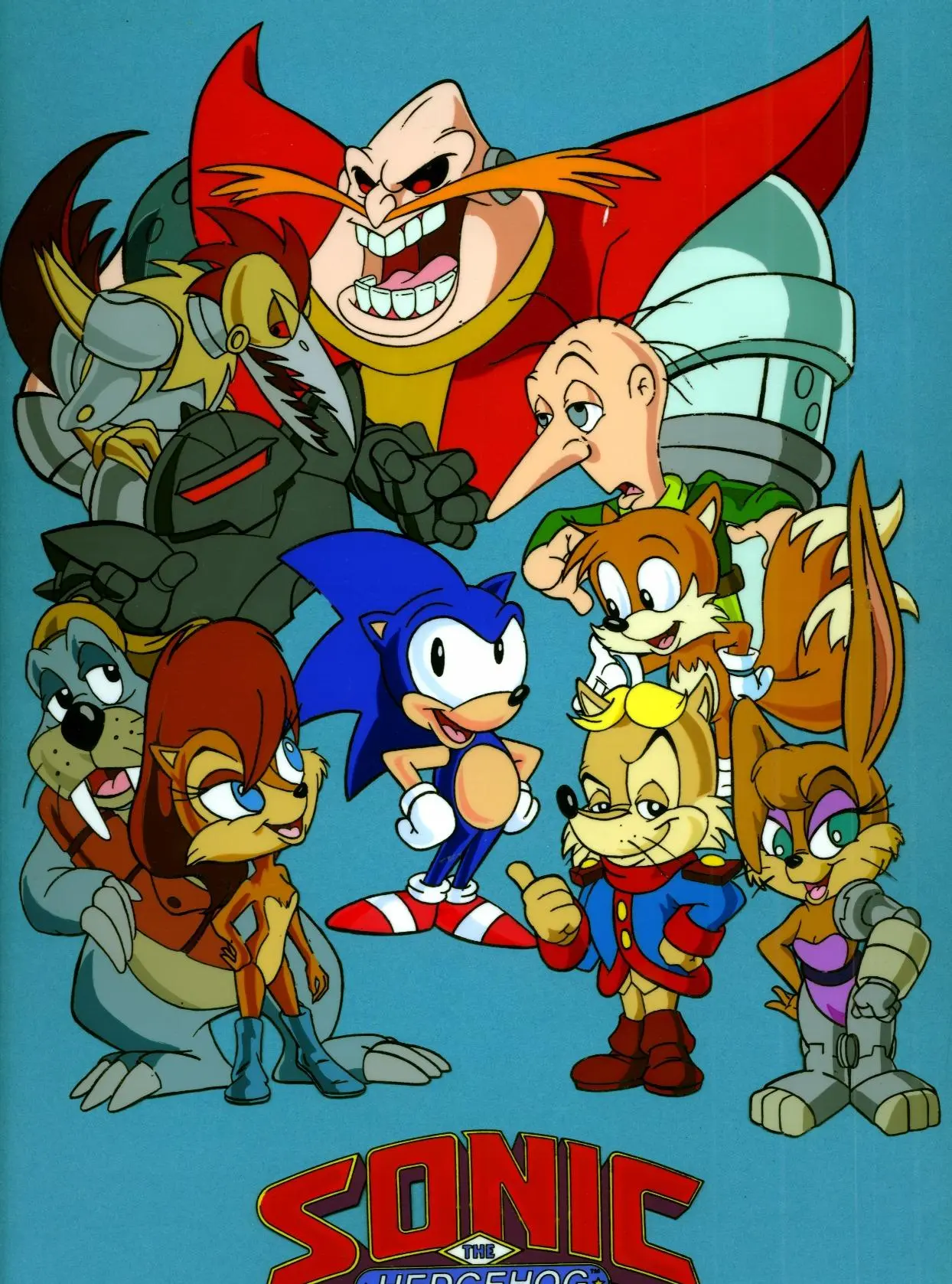
Luke’s article blamed the network, and for decades so did everyone else. Then, in January 2025, the fan researcher Alex Hedgefox shared a document he had obtained from Michealene Risley, a former Sega of America executive. It is a letter from Sega of America’s legal department to its then-CEO, Tom Kalinske, enclosing a draft legal complaint against DiC.
- What Sega alleged: that DiC had sold SatAM animation cels, which Sega then spent money trying to get back; that DiC had not accounted for the show’s costs and income or paid Sega what it was owed; and that it had breached its fiduciary duty.
- What Sega wanted: to end its contract with DiC – including production of “the Network series”, which would have been Season 3 of SatAM.
- Who owns what: according to the document, Sega owns everything DiC made for SatAM and Adventures of Sonic the Hedgehog – the characters, cels, music and the shows – and may reuse the animation in its games without paying royalties.
- When: the letter is undated, but it cites a letter from DiC’s president Andy Heyward dated 20 July 1995.
Sources read it differently. Sonic Stadium, which reported the find, stresses that the document is a draft and that the outcome is unknown, and suggests the dispute probably played a part alongside the ratings and the change of management at ABC. Wikipedia goes further: citing the same thread, it now names the cel sales as the main reason for the cancellation and says Sega took legal action in 1995 and filed for an injunction to stop production. Either way, whatever Disney and ABC decided, Season 3 had a second enemy – SatAM’s own licensor. Ben Hurst, for his part, had always dismissed the cel story as a rumour.
What Season 3 Would Have Been
Only outlines were ever written. Chief writer Ben Hurst later told fans that Season 3 would have brought Sonic and Tails closer together, with Tails finally joining missions, and would have introduced Knuckles at the end of the season, as a main character for a fourth. The red eyes behind Snively in the final scene of The Doomsday Project belonged, Hurst said, to the sorcerer Naugus. The full story is on our Season 2 page.
Where Are They Now?
Capital Cities, which owned ABC and its ABC Television Network, was purchased by the Walt Disney Company in 1996. Its name was changed from Capital Cities/ABC, Inc. back to just ABC, and the ABC Television Network and its owned-and-operated over-the-air television stations are still fully and directly owned by the Walt Disney Company. DiC is now part of WildBrain, FOX Kids and its successor 4Kids TV are long gone, and Archie Comics – which carried the SatAM characters for more than two decades – published its last Sonic comic in 2016; IDW Publishing has held the Sonic comic licence since 2017.
To simplify things, here is who owns what today:
| What | Owner today |
|---|---|
| The ABC network and its stations | The Walt Disney Company (since 1996) |
| DiC and its library, including the SatAM episodes | WildBrain, formerly DHX Media (bought Cookie Jar, DiC’s owner, in 2012) |
| Sonic and the SatAM characters | Sega (per the 1990s agreements described in the 2025 document) |
| Sonic comics | IDW Publishing (licence announced July 2017; Archie’s series ended after issue #290) |
Timeline: From Premiere to Cancellation
| Date | Event |
|---|---|
| 18 Mar 1985 | Capital Cities announces it will buy ABC for $3.5 billion |
| July 1993 | DiC forms a partnership with Capital Cities/ABC; by year’s end ABC’s parent owns 95% of DiC Productions |
| 18 Sep 1993 | SatAM premieres on ABC and CTV with Super Sonic |
| 10 Sep 1994 | Season 2 begins with Game Guy |
| 3 Dec 1994 | The last new episode, The Doomsday Project, airs |
| June 1995 | ABC’s reruns end in the first week of June |
| 20 Jul 1995 | Andy Heyward’s letter to Sega, cited in Sega’s draft complaint |
| 31 Jul 1995 | Disney announces it will buy Capital Cities/ABC |
| 2 Sep 1995 | CTV airs SatAM for the last time |
| Feb 1996 | Disney completes the deal; the Telecommunications Act is signed on 8 February |
| Jun 1997 – Jan 1998 | Edited reruns in USA Network’s Action Extreme Team block |
| 13 Sep 1997 | Disney’s One Saturday Morning launches on ABC; the FCC’s three-hour rule is in force |
| Nov 2000 | Andy Heyward buys DiC back from Disney |
| 2012 | Netflix begins streaming the series (Sonic Retro) |
| 2 Sep 2016 | Reruns begin on Starz |
| Jan 2025 | The Sega–DiC draft complaint comes to light |
| 21 Sep 2026 | SatAM returns to US television on MeTV Toons |
USA Network dates: Wikipedia gives June 1997 – January 1998; Sonic Retro says the run ended in 1997; Luke’s original list said 1996–1997.
More SatAM on Sonic Scene
- The Season 3 that never wasBen Hurst’s plans and the cliffhanger.
- SatAM: the series pageHistory, characters, cast and credits.
- Season 1 (1993)All 13 episodes, characters and the Vault model sheets.
- Season 2 (1994)All 13 episodes, from Game Guy to The Doomsday Project.
- SatAM airing history
- The fabled SatAM game
- Ben Hurst memorial
Sources
Facts on this page were checked against these sources in November 2026.
- Luke, ‘SatAM: Why it was cancelled’ (Sonic Scene) – the original article
- Wikipedia: ‘Sonic the Hedgehog (TV series)’ (cancellation, reruns), ‘DIC Entertainment’, ‘Capital Cities/ABC Inc.’, ‘Who Framed Roger Rabbit’, ‘TGIF (TV programming block)’, ‘Biker Mice from Mars’, ‘4Kids TV’, ‘Toonzai’, ‘Children’s Television Act’, ‘Telecommunications Act of 1996’, ‘ABC Kids (TV programming block)’, ‘Sonic the Hedgehog (Archie Comics)’, ‘Sonic the Hedgehog (IDW Publishing)’ – checked November 2026
- Sonic Stadium, ‘Newly unearthed document sheds light on Sonic SatAM cancellation’ (2025), reporting Alex Hedgefox’s thread (12 Jan 2025)
- Sonic Retro, ‘Sonic the Hedgehog (TV series)’ broadcast history (Wayback copy), citing TV Guide
- Screenshots via Sonic Wiki Zone; logo and Master Cel from Sonic Scene’s own archive