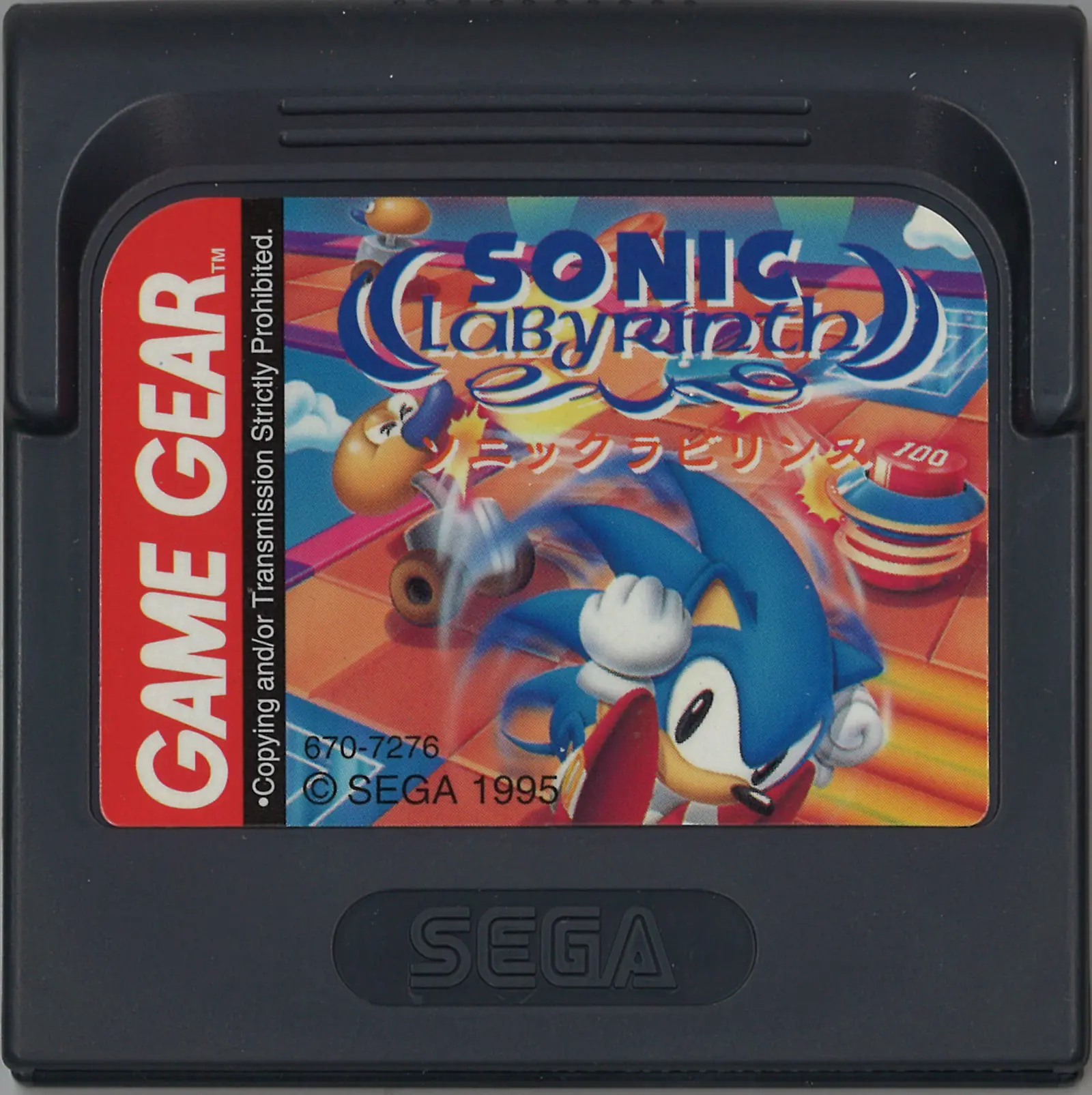
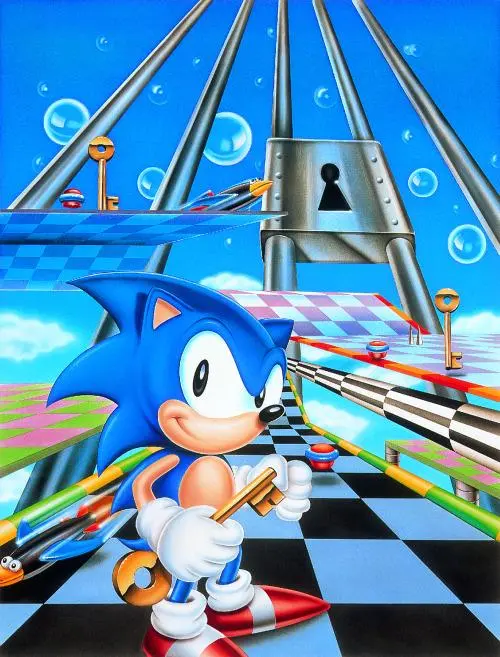
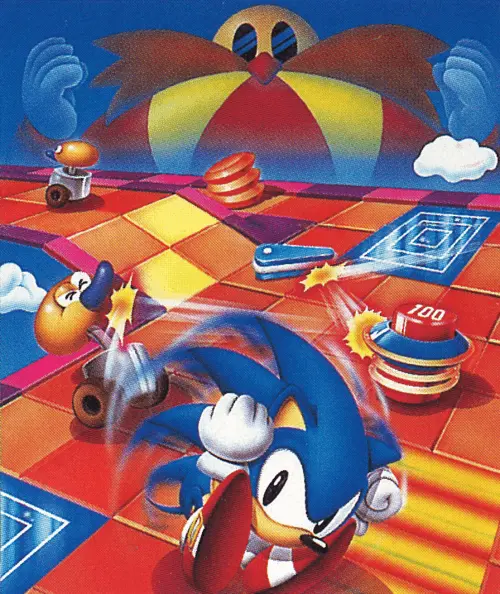
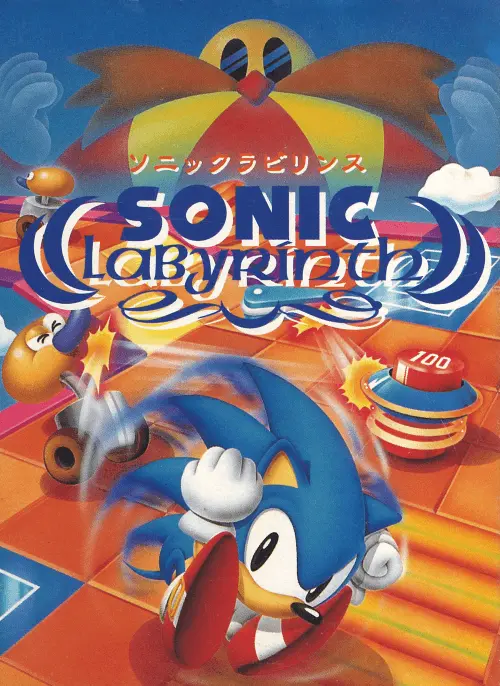
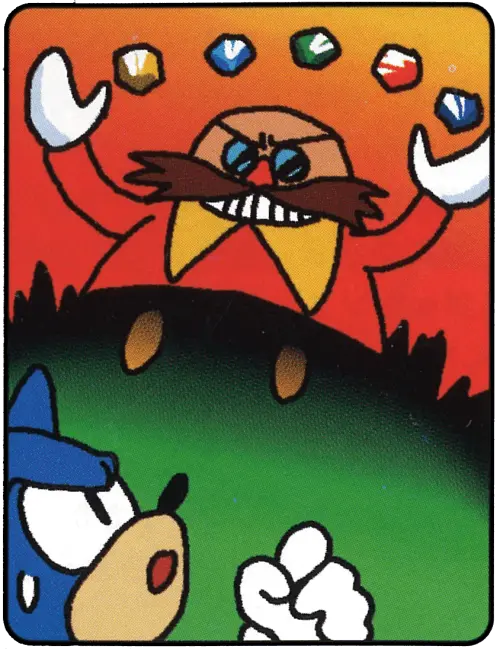
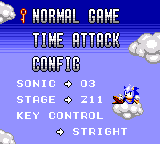
Eggman steals the one thing that makes Sonic Sonic: his speed. Trapped in cursed shoes and unable to jump, the fastest thing alive has to Spin Dash his way through four isometric mazes.
ReleasedOct 1995 (Europe) · 17 Nov 1995 (JP) · Nov 1995 (US)
DeveloperMinato Giken, for Sega
ZonesFour labyrinths, four acts each
PlayableSonic, Spin Dash only
EmeraldsSix, one well hidden
VillainDr. Eggman (Robotnik)
Title
Sonic Labyrinth Japan: ソニックラビリンス (Sonikku Rabirinsu)
Platforms
Sega Game Gear; Nintendo 3DS Virtual Console (2012–13, emulation by M2)
Developer
Minato Giken; our original page credits Sega
Publisher
Sega
Directors
N. Machida, H. Katagiri (Noboru Machida, Hideaki Katagiri)
Planner
K. Tanaka (Kazuhiro Tanaka)
Programmers
K. Iwanaga, Y. Kataoka, A. Inoue, T. Ueshima
Designers
K. Kayajima, K. Tanaka, K. Tamura
Sound
A. Iwanaga (Atsuko Iwanaga)
Genre
Isometric puzzle action
Players
1
Released (Europe)
October 1995 (UK £29.99, 2584-50); Wikipedia gives 3 November 1995
Released (Japan)
17 November 1995 (¥3,800, G-3374)
Released (North America)
November 1995 (2584)
Virtual Console
Nintendo 3DS: 10 May 2012 (Europe, €5 / £4.50), 16 May 2012 (Japan), 27 June 2013 (North America, US$4.99)
Collections
Sonic Adventure DX: Director’s Cut (2003), Sonic Mega Collection Plus (2004), Sonic PC Collection (2009), Sonic Origins Plus (2023); also on the Coleco PlayPal plug-and-play (2006)
Cartridge
512 kB (4 megabits)
Overview
Sonic Labyrinth is the Sonic game built around a cruel joke. Dr. Eggman sneaks a pair of booby-trapped shoes onto Sonic’s feet, and suddenly the fastest hedgehog alive can barely walk and cannot jump at all. All he has left is the Spin Dash, and that is the whole game: aim, charge and let fly across tilted isometric mazes in search of three keys and an exit door.
Minato Giken made it for the Game Gear at the end of 1995, and it plays more like Marble Madness or pinball than a platformer. There are bumpers and flippers, cannons and conveyor belts, a clock that doubles as your health bar, and at the end of each zone a downhill rush to a boss. Hidden in the second zone is a secret door, and without it the ending is incomplete.
Reviewers in 1995 were split down the middle, some calling it fresh and others fiddly, and later writers have been much harsher, and it is regularly named among the worst Sonic games. It still has its curiosities, though, from the manual’s comic story to a part in shaping Sonic 3D Blast a year later.
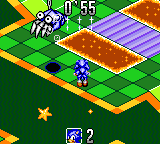
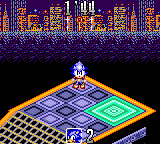
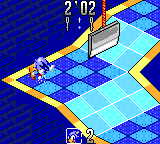
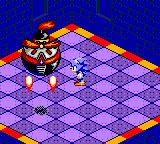
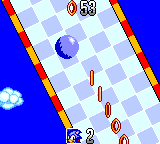
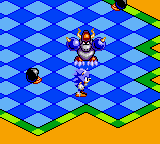
Rolling through the Labyrinth of the Sky.A Scroll Zone slide.Mecha Gorilla, the first boss.
These boots keep my feet from moving fast, but they won’t slow down my Super Spin Dash!
So Sonic decides in the American manual, after a robot has swapped his sneakers for Robotnik’s speed-sapping boots overnight. Only Chaos Emerald power can switch them off, and the Emeralds are hidden inside Robotnik’s Super Labyrinth.
— Official description: Sega of America, Sonic Labyrinth Game Gear instruction manual (1995), “Sonic Slows Down!”, as transcribed by Sonic Retro. One line quoted; the rest summarised.
Quick Answers
The short answers, with the detail further down the page.
When did Sonic Labyrinth come out?
On the Game Gear in Europe in October 1995 (November by some accounts), in Japan on 17 November 1995 and in North America the same month. More →
Why can’t Sonic run or jump?
Dr. Eggman swapped his sneakers for Speed Down Boots, which can only be switched off with Chaos Emerald power. The boots leave him one move: the Spin Dash. More →
Who made it?
Minato Giken, a Japanese developer working for Sega, directed by Noboru Machida and Hideaki Katagiri. More →
How do you clear a stage?
Find three keys and take them to the exit door before the clock runs out. Getting hit knocks ten seconds off the timer; keys and beaten Badniks put time back. More →
How do you get the good ending?
Track down the secret Bonus Stage, tucked away in the Sea labyrinth’s third act, and win its Chaos Emerald. Bosses give four Emeralds and Eggman drops a fifth, so without the bonus gem one is still missing. More →
Is there a level select?
Yes. As soon as the title screen shows PRESS START BUTTON, enter Up twice, Right three times, Down six times and Left nine times. More →
Is Sonic Labyrinth the game that inspired Sonic 3D Blast?
Partly. Wikipedia’s account of 3D Blast names Labyrinth, along with Donkey Kong Country, as an inspiration for its look. More →
Was it well reviewed?
Mixed at the time, from 48% in EGM to 89% in Spain’s Hobby Consolas and Todo Sega. Later reviews have been much harsher. More →
Can I play it today?
Yes: in Sonic Origins Plus (2023) on modern consoles and PC, as well as in older compilations. More →
Plot / Story
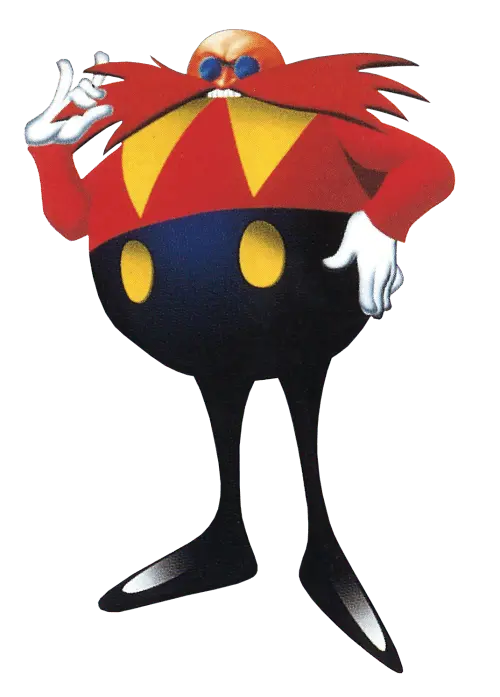
Dr. Eggman, very pleased with himself.
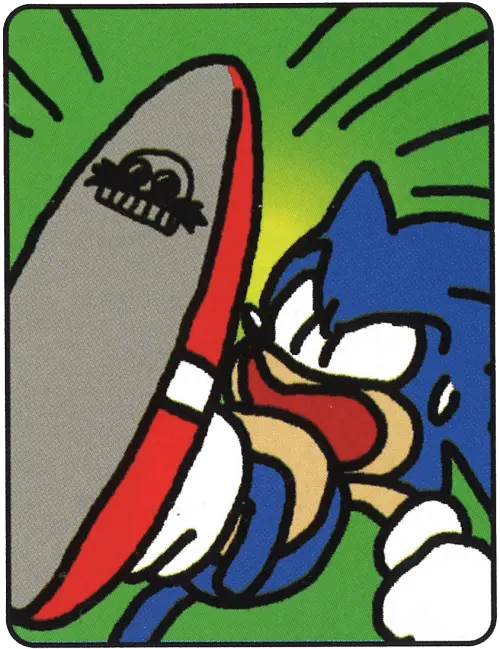
Dr. Eggman has finally worked it out. Every scheme fails for the same reason: Sonic is too fast for his traps. Take away the speed and the hedgehog is finished. So the doctor builds a pair of boots that look exactly like Sonic’s red sneakers, apart from his own face stamped on the soles, and has them swapped for the real thing while Sonic sleeps.
The Japanese manual tells the rest as a four-chapter comedy. Sonic wakes up in the middle of the afternoon, enjoying having the place to himself because Tails left a few days ago on a trip of his own, pulls on his favourite boots and finds his legs strangely heavy. Then he spots the Eggman logo. The doctor, laughing over South Island, cannot resist explaining his plan: the Speed Down Boots were made with Chaos Emerald power, so only Emerald power will get them off, and he has the Emeralds. As he gloats, construction begins on his new fortress, the Super Labyrinth, a maze-shaped Eggmanland.
A hero who can only roll
Sonic’s reaction is pure Sonic. He cannot run and he cannot jump, but he can still curl up and spin, and that, he decides, is plenty. The manual’s character profiles keep the joke going: Sonic will take Eggman out in a matter of seconds, maybe, and Eggman, who plans to conquer the world today and tomorrow, will probably fail again anyway, maybe.
It is a slightly different Sonic from the usual one, more stubborn than cocky, forced to think his way through traps he would normally outrun. In the American manual the boots are fitted by one of Robotnik’s robots rather than by the doctor himself, and Sonic hears the gloating through his window, but the shape of the story is the same.
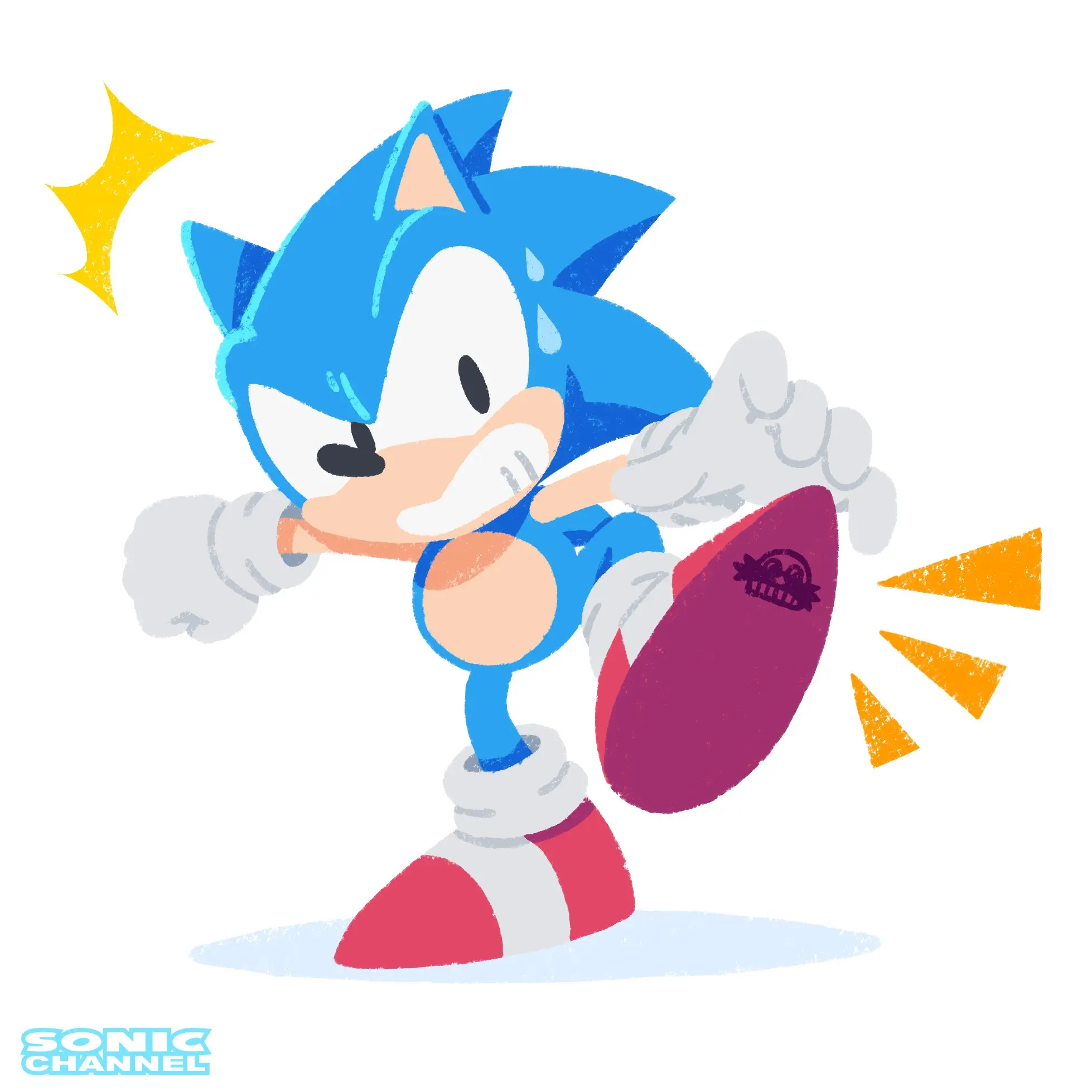
Eggman hatches his plan.Sonic and the cursed boots.The Speed Down Boots in Sonic Channel’s 27th-anniversary art.
How it plays
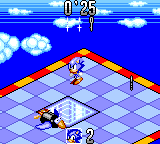
Sonic plods along at a walk until you hold a button: arrows above his head show the charge building, up to four, and letting go fires him off in the direction he faces. A second press brakes. With no jump button, he only leaves the ground when the scenery throws him, off springs, cannons or air bubbles.
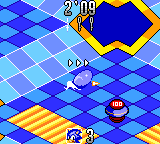
In the first three acts of each zone, three keys open the exit door, and the clock is your health: each hit costs ten seconds, while keys and destroyed Badniks add time back. Power-ups hide in coloured triangles rather than monitors, including an hourglass worth 30 extra seconds. The fourth act is a downhill Scroll Zone with no time limit, where rings finally matter, protecting Sonic in the boss fight at the bottom.
Items come in coloured triangles.Keys and bumpers.Time Attack.
Zones in Sonic Labyrinth
Four labyrinths, each with three key-hunting acts and a fourth act that slides downhill to a boss. Each boss guards a Chaos Emerald.
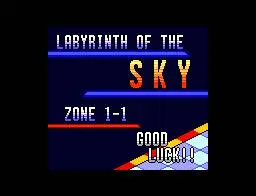
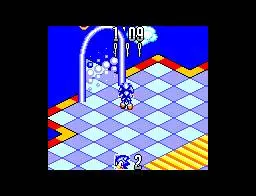
Labyrinth of the SkyActs 1–4 · boss: Mecha GorillaCheckerboard floors in the clouds, slippery panels, pinball bumpers and flippers, and glue-spitting duck robots. Sixty seconds on the clock to start.
Labyrinth of the SeaActs 1–4 · boss: Kani PearlUnderwater, though Sonic never runs short of air. Cannons fire him between platforms and bubbles bounce him upwards. Its third act hides the door to the Bonus Stage.
Labyrinth of the FactoryActs 1–4 · boss: Needle ManMagnetic conveyors, power bolts, glowing floors that slow a roll to less than walking pace, and star platforms that vanish once you land.
Labyrinth of the CastleActs 1–4 · boss: Smiley BombEggman’s haunted fortress: bottomless drops, guillotines, flaming arrows and warp doors. Clear Act 2 fast enough and a clock tower rings out and releases doves.
Bonus StageHidden · the sixth Chaos EmeraldBehind a door marked BONUS in the Sea labyrinth’s third act, reached by a cannon shot. Miss it and the ending gives you a cryptic hint instead of a happy one.
Beat the Smiley Bomb and Eggman flees, dropping an Emerald as he goes. With all six, the boots come off and Sonic gets his speed back.
Sonic Channel anniversary artSega · 2022Sega’s Japanese Sonic Channel marked the game’s 27th anniversary with new artwork of the Speed Down Boots.
Sonic 3D BlastMega Drive · 1996The next isometric Sonic, whose developers drew on Labyrinth as well as Donkey Kong Country.
Characters
A tiny cast: one hero, one villain and four of the doctor’s machines. Seventeen Badnik types, all new, fill the mazes.
Character
Who they are
In this game
Stats & abilities
Sonic the HedgehogThe only playable character
In the Japanese manual’s words, the world’s fastest hedgehog, here robbed of his famous legs.
Tricked into the Speed Down Boots, he Spin Dashes through the Super Labyrinth to win back the Chaos Emeralds and his speed.
Walks slowly; cannot jump
Spin Dash with four charge levels
Brakes with a second press
Time is health in Acts 1 to 3; rings protect him in boss fights
Dr. EggmanDr. Robotnik in the West
The evil genius who, the manual jokes, means to conquer the world both today and tomorrow, and who sees Sonic as his eternal rival.
Invents the Speed Down Boots, hides the Emeralds in his Super Labyrinth and flees at the end, dropping one.
Builds four labyrinths and four bosses
Cannot stop himself explaining his plans
Mecha GorillaBoss · Labyrinth of the Sky · メカゴリラ
A teleporting robot ape.
Waits at the foot of the first slide, after a swarm of tiny exploding gorillas.
Fires off its forearms to roam the arena
Open to attack while armless
8 hits
Kani PearlBoss · Labyrinth of the Sea · カニパール
A mechanical crab; kani is Japanese for crab.
Scuttles along the top of an E-shaped arena after a wave of small crabs.
Armoured while its shell is shut
Opens up to fire a pearl: strike then
5 hits
Needle ManBoss · Labyrinth of the Factory · ニードルマン
A lumbering robot behind a huge spiked shield.
Fired spikes and a guarded front force Sonic round to its back.
Shoots its shield spikes one by one
Only vulnerable from behind
10 hits
Smiley BombFinal boss · Labyrinth of the Castle · スマイリー・ボム
A grinning flying bomb that splits in two.
Guards the last Emerald; after it, Eggman runs for it.
Drops bombs, then dives at the blast point
Second phase: a floating head spitting split lasers
20 hits in two phases
Badniks
Every enemy in the game, grouped by zone, with the sprites from our original gallery and the names from the Japanese manual as used by Sonic Retro.
PeppepeSkyA toy duck that leaves sticky puddles; step in one and Sonic is stuck.
ToririSkyA bird robot that jets across the board (tori means bird).
FlowawaSkyA rooted flower that sprays spores in every direction.
KabutotoSeaA horseshoe-crab robot that sits on a key.
OtotoSeaA shark that charges whenever Sonic climbs into a cannon.
PuyoyoSeaA squirming jellyfish blob.
TakokoSeaA fixed octopus turret firing several ways at once.
YadokakaSeaA hermit crab that hides in its shell.
KibabaFactoryA missile turret that fires in all directions.
MukakaFactoryCentipede robots that race around together.
AroroCastleA bird soldier shooting arrows from a ledge Sonic cannot reach.
DragogoCastleAn invincible dragon that pops up to breathe fireballs.
GaikokoCastleA ghostly skull puffing flames.
KapupuCastleA fish that leaps out of the streams to bite.
NyororoCastleA slithering snake robot.
PeroroCastleA tiny rolling robot that attacks by licking.
RobototoCastleA marching soldier robot.
The people who made it
In-game credits as listed by Sega Retro; full names from Wikipedia.
Minato GikenDeveloperThe Japanese studio that built the game for Sega.
Noboru Machida, Hideaki KatagiriDirectors · N. Machida, H. KatagiriCo-directed the game.
Kazuhiro TanakaPlanner and designer · K. TanakaCredited for planning and as one of three designers.
K. Iwanaga, Y. Kataoka, A. Inoue, T. UeshimaProgrammersThe programming team.
K. Kayajima, K. TamuraDesignersDesigned alongside Tanaka.
Atsuko IwanagaSound · A. IwanagaCredited as sound programmer and named by Wikipedia as the composer. The soundtrack runs to 17 tracks.
How it was made
Our original page had no history section, so this one is new. Little has been published about the game’s making; this is what the credits, the cartridge and later releases show.
An outside studio’s Sonic
Sega handed Sonic Labyrinth to Minato Giken, an outside Japanese developer. Directors Noboru Machida and Hideaki Katagiri built it around a single move, the Spin Dash, and the result plays like a cross between pinball and Marble Madness, the comparison GamePro and Famitsu both reached for. Mean Machines Sega thought the graphics recalled Sega’s isometric arcade game SegaSonic the Hedgehog.
Early versions
The hidden stage select.Image via Sonic Retro
A prototype cartridge dated 25 May 1995 has been preserved, six months before the Japanese release. In July 2023 Sega’s own Sega Forever account posted early footage with a redesigned title screen and another lives icon.
A Time Attack contest
The Time Attack mode, set on a version of the Sky labyrinth’s second act with no enemies or items, gives a five-digit password with each run. In Japan it was the entry code for a contest: between 17 November and 31 December 1995, the hundred fastest players could win prizes. The password has had no use since, and never had one outside Japan.
Release
The game reached Europe first, in October 1995 by most accounts (Wikipedia gives 3 November), then Japan on 17 November at ¥3,800, and North America the same month.
Firsts: what this game introduced
The ideas Sonic Labyrinth was built around.
1The Speed Down BootsEggman’s speed-sapping shoes, the plot device of the game and the reason Sonic cannot run or jump.
2One-button SonicEverything, from attacking to travel, is done with the Spin Dash.
3Time as healthIn the key-hunting acts, damage costs seconds rather than rings.
4Triangles, not monitorsPower-ups sit in coloured triangles whose pattern shows what they hold.
5Scroll ZonesEach zone ends with a downhill ring run straight into the boss arena.
6Seventeen new BadniksFrom Peppepe to Yadokaka, a cast of robots made for this game.
Cheats & secrets
Our original page had no cheats section, so this is new, checked against Sonic Retro’s hidden-content notes.
Stage select
As soon as the title screen shows PRESS START BUTTON, enter Up twice, Right three times, Down six times and Left nine times. The word Select appears and the sound test becomes a stage select.
The sixth Emerald
In Sea Act 3, a door marked BONUS sits in the bottom-right corner of the map. The way in is the cannon in the lower left corner: climb in and hold a direction on the D-pad together with both buttons until it fires.
Pro Action Replay
Unofficial codes for cheat devices and emulators: 00C526:14 turns on the stage select, 00C376:01 makes Sonic invincible, 00C504:07 keeps your keys topped up, 00C501:09 freezes the timer and 00C506:09 gives unlimited lives.
Checked against Sonic Retro, November 2026.
Glitches, exploits and oddities
Sonic Retro has no bug list for the game; these are its stranger corners.
Walking beats rolling
On the Factory’s glowing floors a Spin Dash slows so much that Sonic can walk faster than he rolls, which in this game is saying something.
Underwater without air
The Labyrinth of the Sea is set on the seabed, but Sonic never needs a breath; the water changes nothing about how he moves.
A password for nothing
Time Attack and its password.Image via Sonic Retro
Time Attack still hands out a five-digit password after every run, decades after the Japanese contest it was made for closed. Records are lost when the Game Gear is switched off.
Two sets of names
The power-ups changed names on the way west: the Japanese Twinkle, Speed Boots and Magic Clock became Invincible, Sneakers and Hourglass.
Videos & media
A full playthrough of all four labyrinths, and a short review from the retro games channel CGRundertow.
A full playthrough from the World of Longplays archive.
A short review from CGRundertow.
Trivia & facts
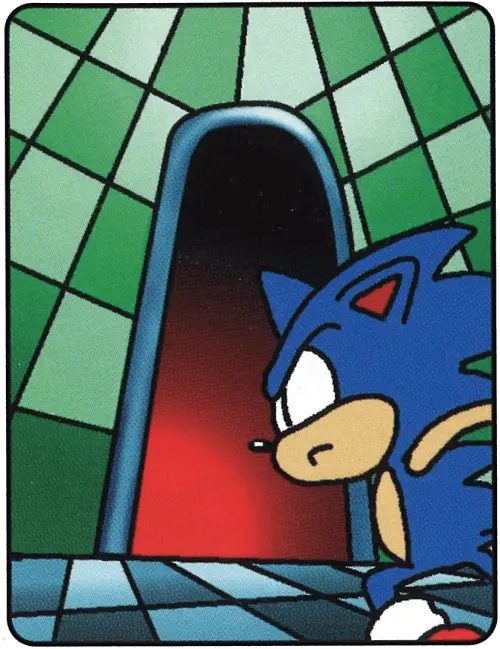
A Japanese manual illustration.The Japanese manual calls Eggman’s fortress a maze-shaped Eggmanland.
The Speed Down Boots are an exact copy of Sonic’s sneakers except for Eggman’s face on the soles. Their full Japanese name translates as Dr. Eggman’s Special Speed Down Boots.
In the Japanese story Sonic is home alone because Tails left a few days earlier on a trip of his own, which neatly echoes the opening of Tails’ Skypatrol, released that April.
Every boss is preceded by a swarm of miniature versions of itself, or in the Smiley Bomb’s case, a rain of tiny Eggman bombs.
Kani Pearl takes its name from kani, Japanese for crab, and Toriri from tori, bird.
Finish Act 2 of the Castle with all three keys before its clock drops below two minutes and the tower rings three bells and lets loose a flock of doves.
Seventeen tracks make up the soundtrack, two of which, the Act 3 theme and the Continue music, are missing from the sound test.
Media & artwork
Box art, artwork and screenshots, from Sonic Scene’s own galleries and Sonic Retro. Select any image to view it larger.
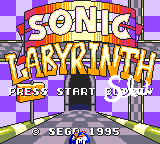
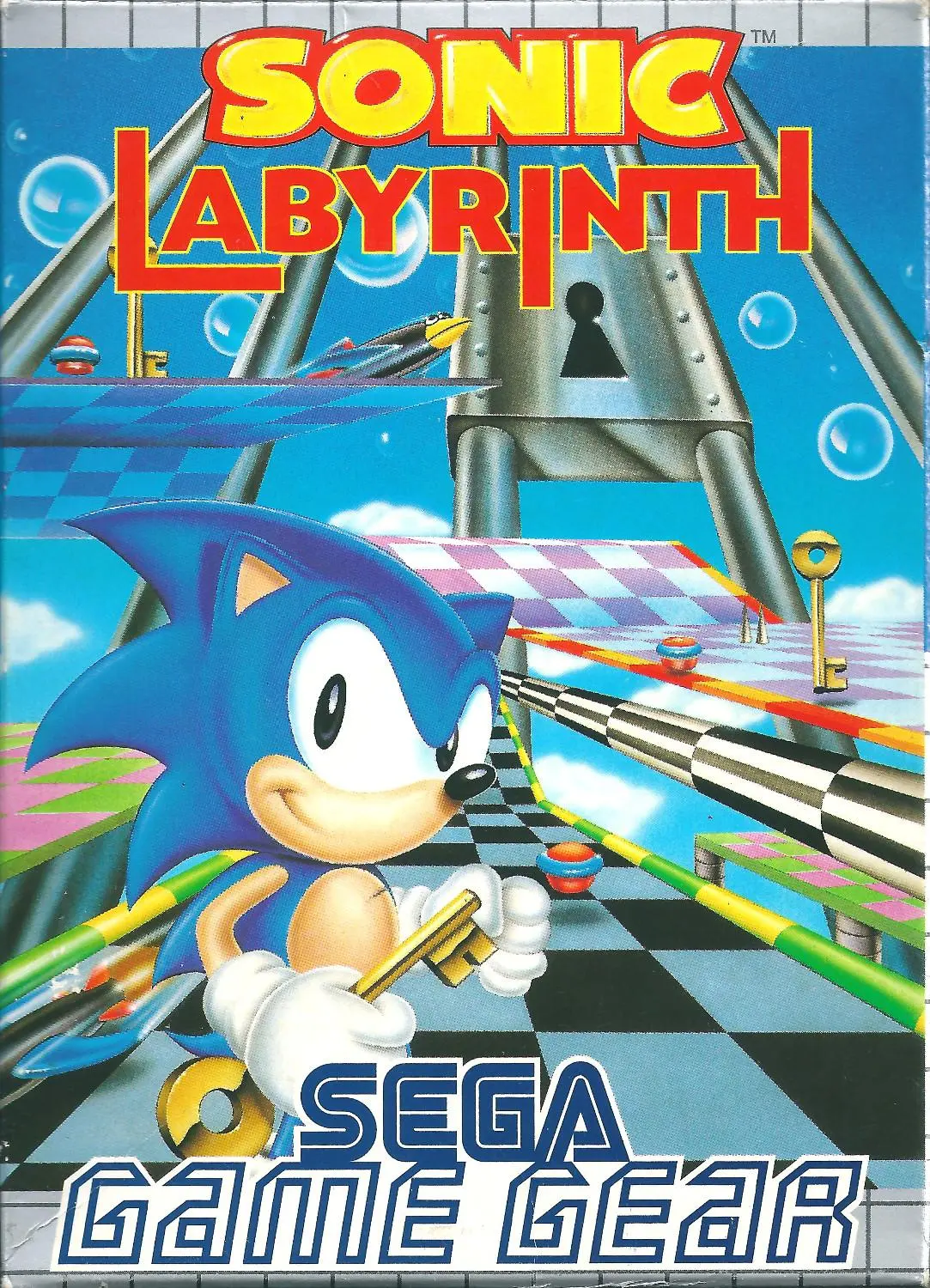
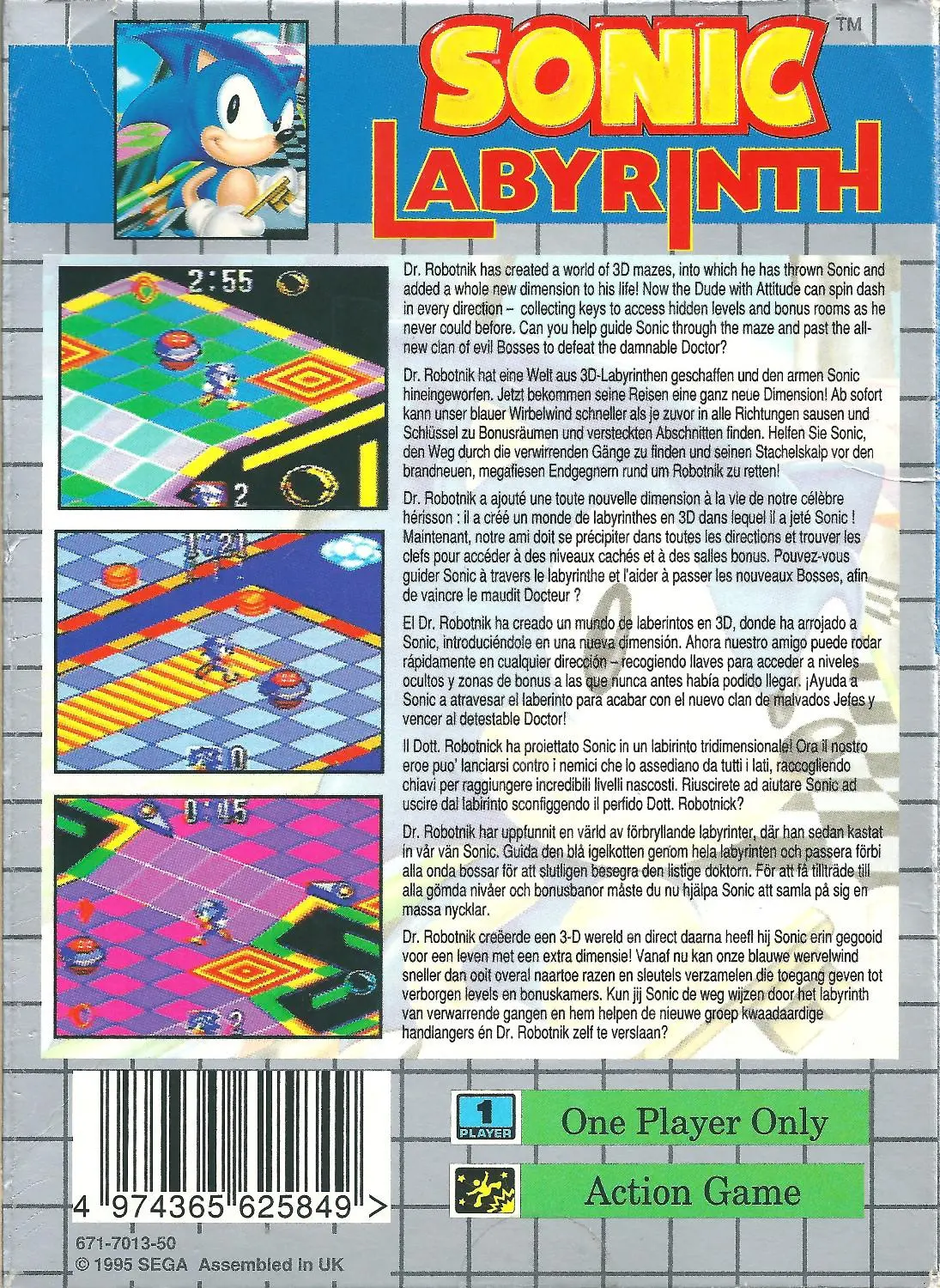
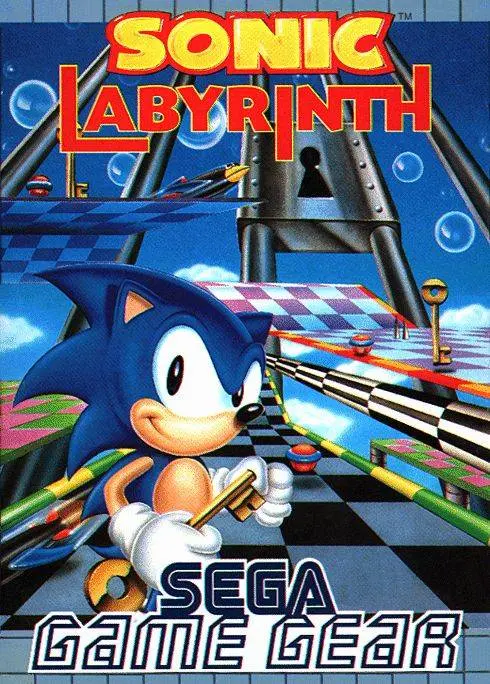
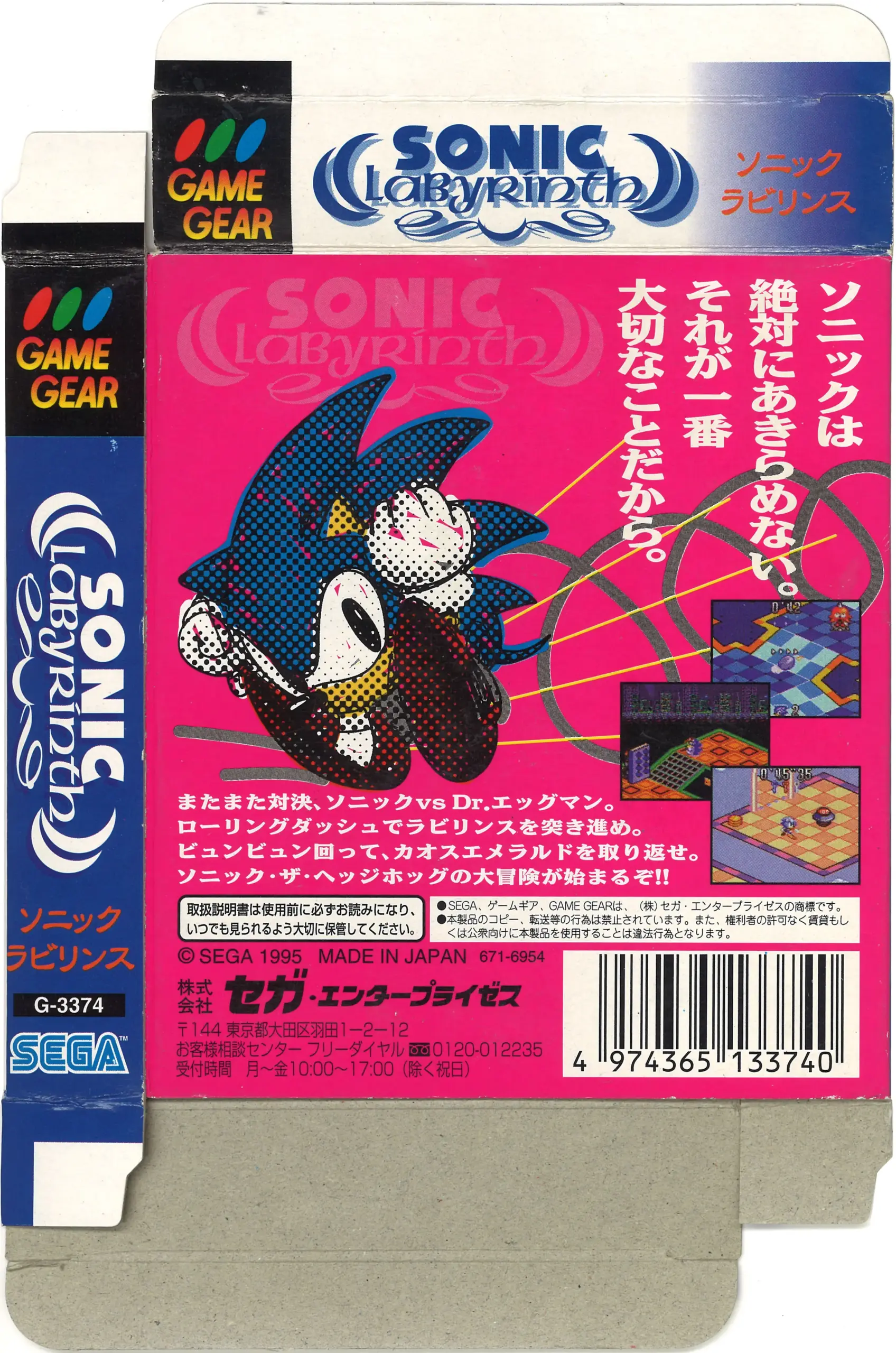
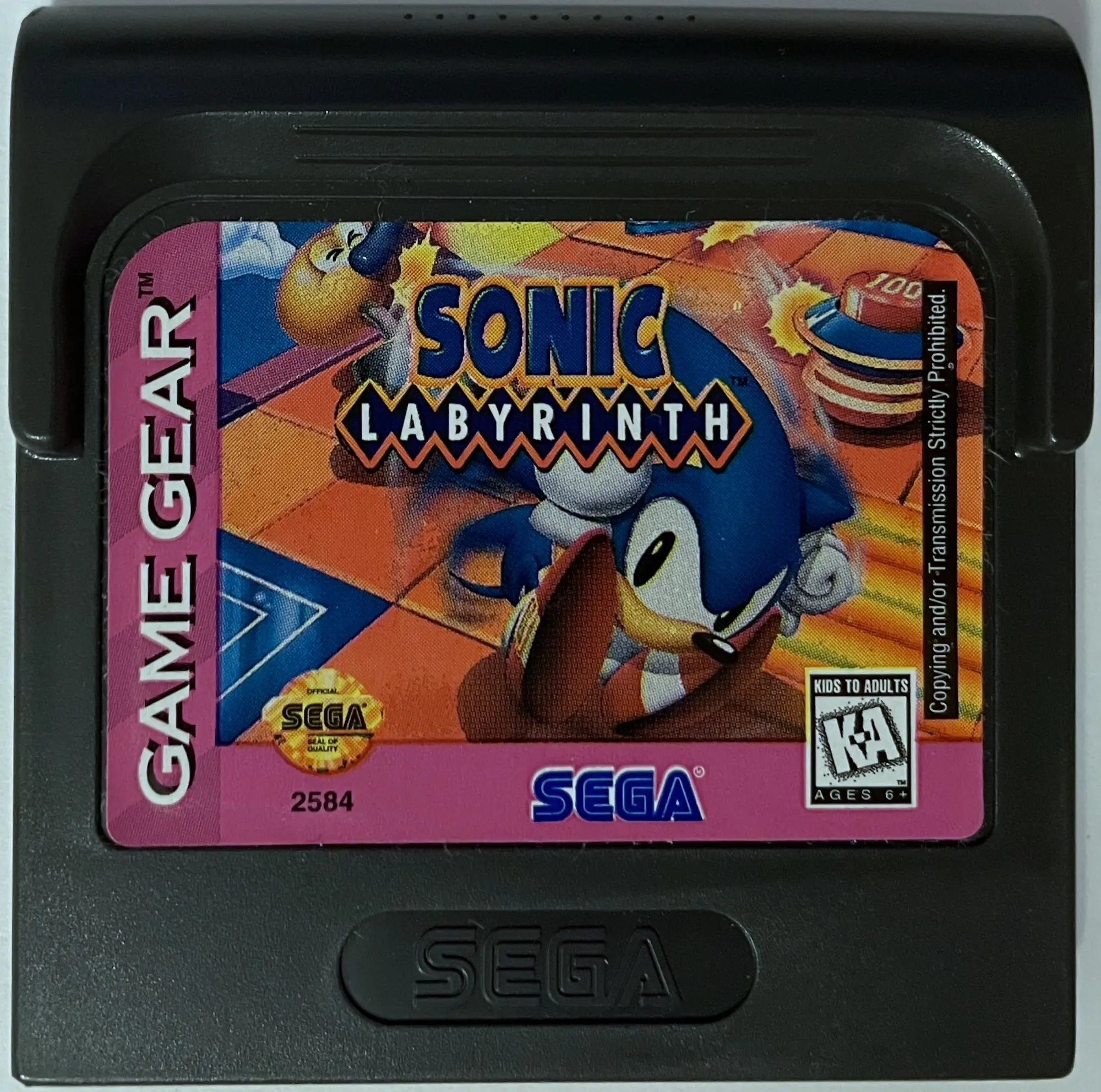
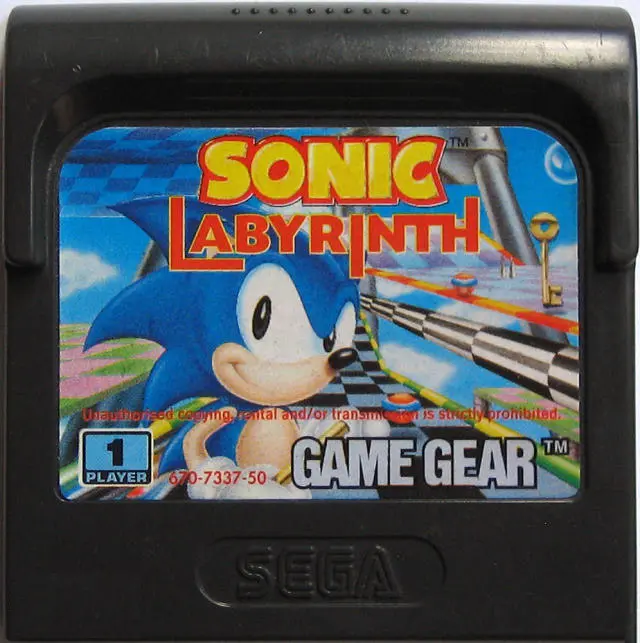
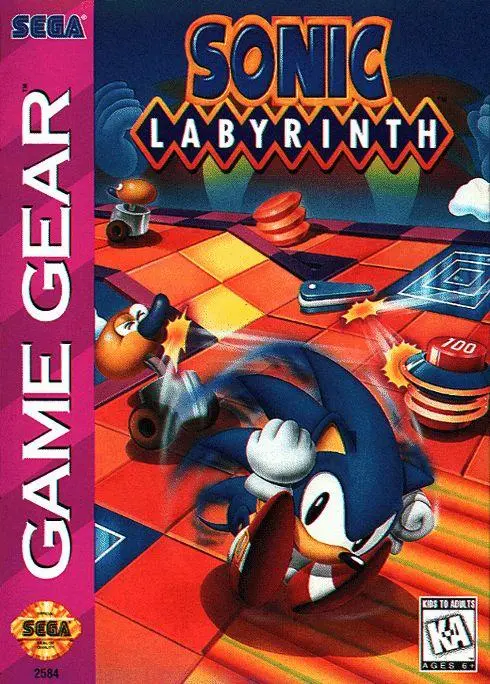
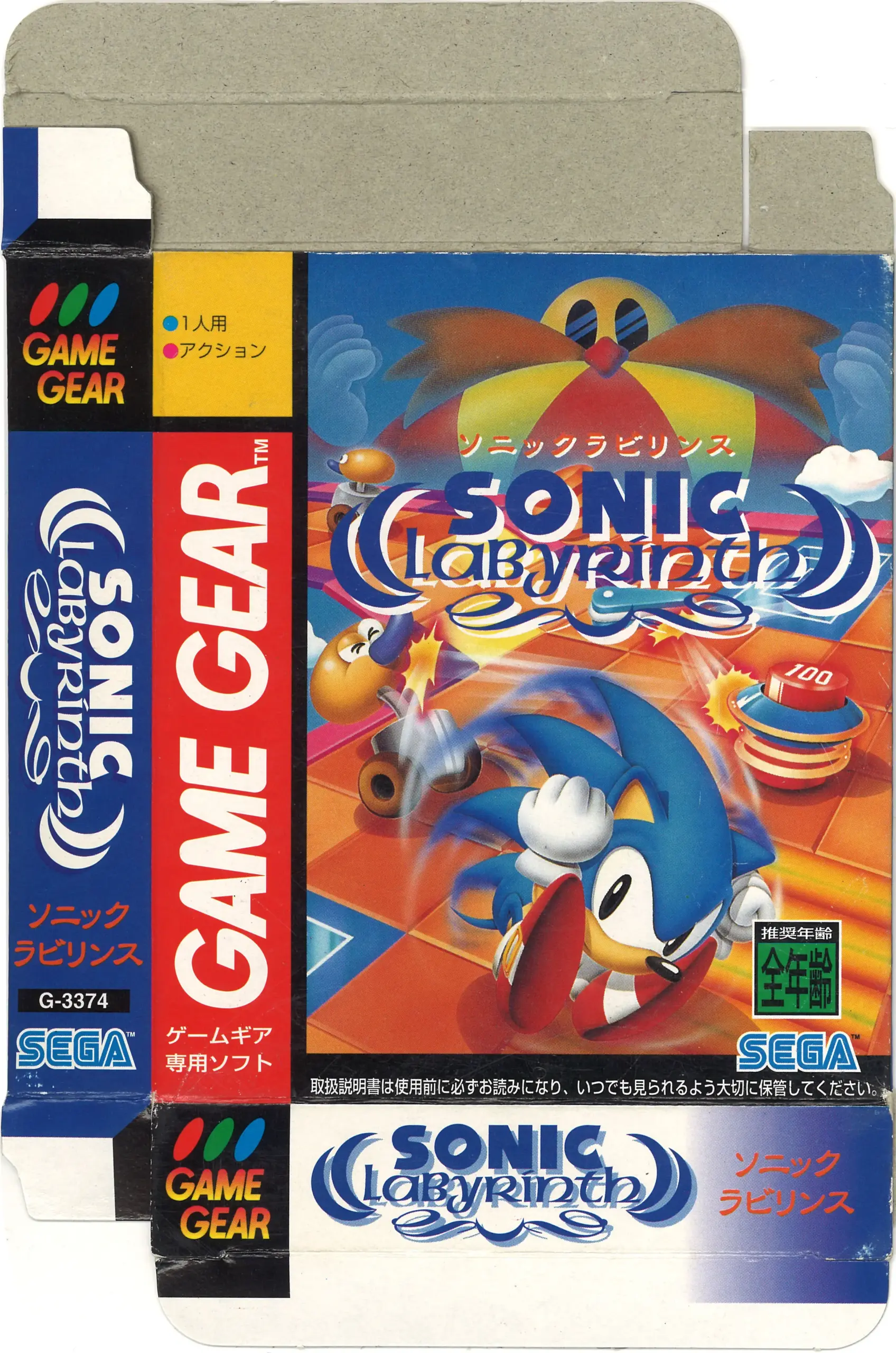
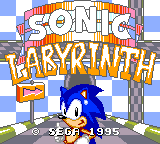
North American box.European box.Back of the European box.Another scan of the European box.Japanese box.Back of the Japanese box.North American cartridge.European cartridge.Japanese cartridge.Cover artwork.Cover artwork.Cover artwork.Logo.Logo.Logo.Sonic artwork.Sonic artwork.Japanese manual illustration.Labyrinth of the Sky title card.Charging a Spin Dash.Bumpers and keys.A conveyor maze.Deep in the labyrinth.The checkerboard floors.A tricky corner.Stage select.
Sonic Labyrinth did not get a sequel, but its isometric view fed into Sonic 3D Blast, and it has been re-released many times since.
Releases and re-releases
Game Gear (Europe)October 1995 – UK £29.99.
Game Gear (Japan)17 November 1995 – ¥3,800.
Game Gear (North America)November 1995 –
Sonic Adventure DX: Director’s Cut2003–04 – Unlockable on GameCube and PC.
Sonic Mega Collection Plus2004–05 – PlayStation 2, Xbox and PC.
PlayPal Plug and Play2006 – Coleco’s handheld.
Sonic PC Collection2009 – PC.
Nintendo 3DS Virtual Console2012–13 – Europe 10 May 2012, Japan 16 May 2012, North America 27 June 2013.
Sonic Origins Plus2023 – With the rest of the Game Gear Sonics.
A step towards Sonic 3D Blast
When Sega and Traveller’s Tales built Sonic 3D Blast in 1996, Wikipedia’s account says, its makers took cues from Donkey Kong Country and from Sonic Labyrinth. The idea of Sonic in an isometric world survived even if the Spin Dash-only control scheme did not.
Still in the story
For a game so often called one of the series’ worst, Labyrinth has proved oddly durable. Sega’s Sonic Channel still marked its 27th anniversary with new art of the Speed Down Boots in 2022.
Sales & reviews
Sales
No sales figures have been published, and we have not found a reliable estimate.
72%Average of the 16 period scores below
89%Hobby Consolas and Todo Sega, Spain
48%Electronic Gaming Monthly, US
4/10Nintendo Life, 3DS review, 2012
Reception and review scores
Period reviews from Sega Retro’s index of magazine scans, with scores converted to percentages where needed.
Hobby ConsolasSpain · December 1995
89%
Todo SegaSpain · January 1996
89%
FreakIsrael · 1996
86%
Mega ForceFrance · January 1996
84%
GameProUS · January 1996 (converted)
83%
Sega PowerUK · December 1995
82%
Sega MagazinGermany · January 1996
81%
Mean Machines SegaUK · November 1995
76%
GamersGermany · December 1995 (grade 2, converted)
Line up the scores in Sega Retro’s index and two camps appear. Two Spanish magazines, Hobby Consolas and Todo Sega, gave it 89%, Sega Magazin went to 81% on the strength of its clever level design, and GamePro’s 83% came with praise for a welcome change of pace and the most interesting Game Gear Sonic in a while, Marble Madness comparison and all. Mega Fun admired the new ideas but still only scored it 59%. At the bottom, Famitsu, Game Informer and EGM all landed at 55% or lower, and EGM blamed the isometric viewpoint for the clumsy steering and judged the mix of Sonic and pinball a failure.
Steering was the common thread. Plenty of critics fought to control Sonic as he ricocheted around the boards, and Mean Machines Sega could not make up its mind: one reviewer enjoyed it as a puzzler in short bursts, the other found it a repetitive grind, and the magazine summed up the odd feeling of finishing a level with practice without quite knowing how.
Modern reviewers have been harsher still. When it reached the 3DS Virtual Console, Nintendo Life scored it 4 out of 10, puzzled that a Sonic game could be so slow on foot; USgamer dismissed it as a poor man’s Marble Madness and Nintendo World Report as a demented spin on Sonic 3D Blast, and Official Nintendo Magazine went furthest, calling it “one of the worst Sonic games ever”.
Reader reviews
No reader reviews yet. Played it? Give it a score out of 10 and tell other fans what you think.
Every fact on this page was checked against the sources below. Sonic Retro and Sega Retro pages were read through Wayback Machine copies, because both live sites show a bot check; each link opens the copy we read. Magazine scores come from Sega Retro’s review index, which links each score to a scan of the original page.
To provide the best experiences, we use technologies like cookies to store and/or access device information. Consenting to these technologies will allow us to process data such as browsing behavior or unique IDs on this site. Not consenting or withdrawing consent, may adversely affect certain features and functions.
Functional
Always active
The technical storage or access is strictly necessary for the legitimate purpose of enabling the use of a specific service explicitly requested by the subscriber or user, or for the sole purpose of carrying out the transmission of a communication over an electronic communications network.
Preferences
The technical storage or access is necessary for the legitimate purpose of storing preferences that are not requested by the subscriber or user.
Statistics
The technical storage or access that is used exclusively for statistical purposes.The technical storage or access that is used exclusively for anonymous statistical purposes. Without a subpoena, voluntary compliance on the part of your Internet Service Provider, or additional records from a third party, information stored or retrieved for this purpose alone cannot usually be used to identify you.
Marketing
The technical storage or access is required to create user profiles to send advertising, or to track the user on a website or across several websites for similar marketing purposes.

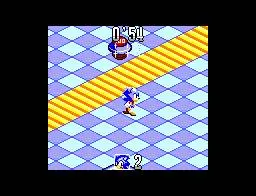

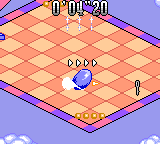
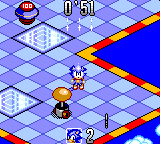 Labyrinth of the SkyActs 1–4 · boss: Mecha GorillaCheckerboard floors in the clouds, slippery panels, pinball bumpers and flippers, and glue-spitting duck robots. Sixty seconds on the clock to start.
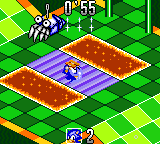 Labyrinth of the SeaActs 1–4 · boss: Kani PearlUnderwater, though Sonic never runs short of air. Cannons fire him between platforms and bubbles bounce him upwards. Its third act hides the door to the Bonus Stage.
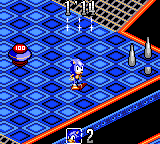 Labyrinth of the FactoryActs 1–4 · boss: Needle ManMagnetic conveyors, power bolts, glowing floors that slow a roll to less than walking pace, and star platforms that vanish once you land.
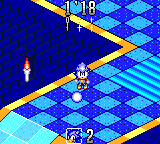 Labyrinth of the CastleActs 1–4 · boss: Smiley BombEggman’s haunted fortress: bottomless drops, guillotines, flaming arrows and warp doors. Clear Act 2 fast enough and a clock tower rings out and releases doves.
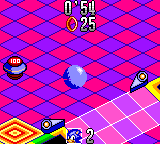 Bonus StageHidden · the sixth Chaos EmeraldBehind a door marked BONUS in the Sea labyrinth’s third act, reached by a cannon shot. Miss it and the ending gives you a cryptic hint instead of a happy one.
 Sonic the HedgehogThe only playable character
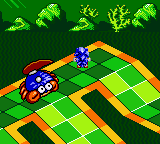 Kani PearlBoss · Labyrinth of the Sea · カニパール
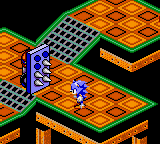 Needle ManBoss · Labyrinth of the Factory · ニードルマン
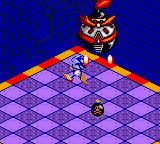 Smiley BombFinal boss · Labyrinth of the Castle · スマイリー・ボム
 PeppepeSkyA toy duck that leaves sticky puddles; step in one and Sonic is stuck.
 ToririSkyA bird robot that jets across the board (tori means bird).
 FlowawaSkyA rooted flower that sprays spores in every direction.
 KabutotoSeaA horseshoe-crab robot that sits on a key.
 OtotoSeaA shark that charges whenever Sonic climbs into a cannon.
 PuyoyoSeaA squirming jellyfish blob.
 TakokoSeaA fixed octopus turret firing several ways at once.
 YadokakaSeaA hermit crab that hides in its shell.
 KibabaFactoryA missile turret that fires in all directions.
 MukakaFactoryCentipede robots that race around together.
 AroroCastleA bird soldier shooting arrows from a ledge Sonic cannot reach.
 DragogoCastleAn invincible dragon that pops up to breathe fireballs.
 GaikokoCastleA ghostly skull puffing flames.
 KapupuCastleA fish that leaps out of the streams to bite.
 NyororoCastleA slithering snake robot.
 PeroroCastleA tiny rolling robot that attacks by licking.
 RobototoCastleA marching soldier robot.