Xbox 360 / PlayStation 32006Sonic Team3D action adventure
Sonic the Hedgehog (2006)
Sonic’s fifteenth birthday party: three hedgehogs, a princess, a sun god and a time-travel plot, released before it was finished and remembered for all the wrong reasons.
Released14 Nov 2006 (Xbox 360, NA) · 24 Nov 2006 (Europe) · 21 Dec 2006 (Japan)
DeveloperSonic Team
DirectorShun Nakamura
VillainsMephiles, Iblis, Solaris and Dr. Eggman
CampaignsSonic, Shadow, Silver and the Last Story
Sales870,000 in North America and Europe by March 2007
Title
Sonic the Hedgehog; Japanese: ソニック・ザ・ヘッジホッグ. Usually called Sonic ’06 or Sonic 2006; Sonic Next-Gen and Sonic 360 were common nicknames at launch
Platforms
Xbox 360, PlayStation 3. A Wii version became the separate game Sonic and the Secret Rings, and a planned Windows version never came out
Developer
Sonic Team (Sega’s Global Entertainment R&D Dept. 1); PlayStation 3 background modelling by Polygon Magic
Support
CG cutscenes by Blur Studio, with Shirogumi also credited for cinematics; motion capture by Katsugekiza; English voices recorded by 4Kids Productions
Publisher
Sega
Director
Shun Nakamura
Producers
Masahiro Kumono and Takashi Iizuka; Yuji Naka led the project until he left Sega in March 2006
Music
Tomoya Ohtani (sound director) with Hideaki Kobayashi, Mariko Nanba, Taihei Sato and Takahito Eguchi; supervised by Masato Nakamura; songs by Ali Tabatabaee and Matty Lewis of Zebrahead, Crush 40, Bentley Jones, Akon and Donna De Lory
Players
1–2: Tag (co-operative) and Battle (race) modes
Rating
ESRB E10+, PEGI 12+
Released (North America)
Xbox 360: 14 November 2006 (US$59.99); PlayStation 3: 30 January 2007
Released (Europe)
Xbox 360: 24 November 2006 (UK £49.99); PlayStation 3: 23 March 2007, the day the PS3 launched in Europe
Released (Australia)
Xbox 360: 23 November 2006; PlayStation 3: 23 March 2007 (A$120)
Released (Japan)
Both versions 21 December 2006 (¥6,800)
Budget edition
Platinum Hits (Xbox 360, North America, 2007, US$19.99)
Sonic and the Secret Rings (Wii, 2007); Sonic Unleashed (2008)
Overview
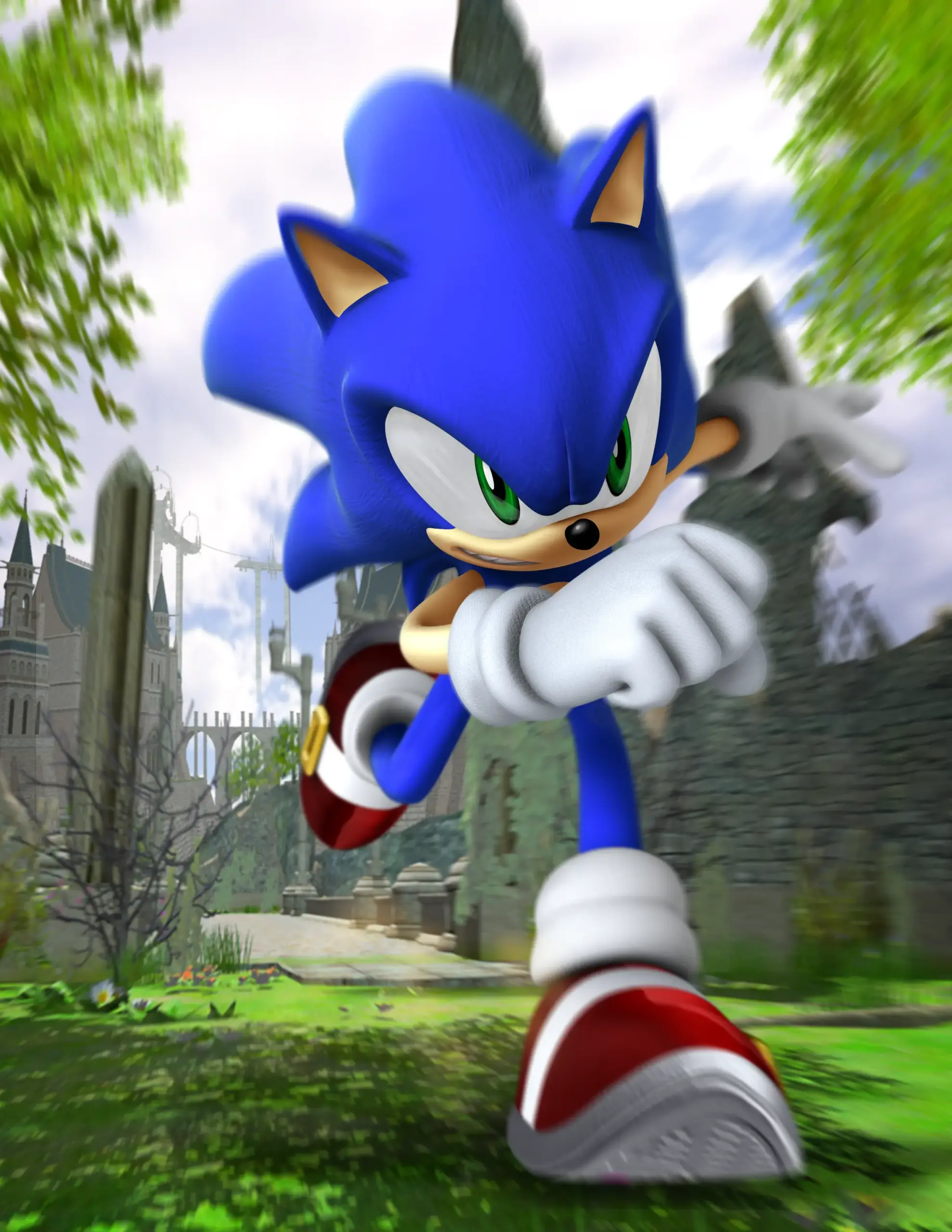
For Sonic’s fifteenth anniversary, Sega gave its new-generation debut the same name as the 1991 original. Sonic Team meant Sonic the Hedgehog to be a fresh start on Xbox 360 and PlayStation 3: a blockbuster with a realistic world, a sweeping story, Havok physics and three playable hedgehogs, Sonic, Shadow and the newcomer Silver, each with his own campaign through the kingdom of Soleanna.
Like Sonic Adventure, it mixes free-roaming town hubs, full of people to talk to and odd jobs to do, with linear action stages and big boss fights. Sonic runs, Shadow fights and rides vehicles, Silver lifts the scenery with his mind, and a supporting cast takes over for stretches of each story. Finish all three campaigns and a Last Story ties them together against Solaris, a god that exists across all of time.
It did not work out. Yuji Naka left Sega during development, the team was split to make a Wii game, and the deadline would not move, so the game shipped in November 2006 with long loading screens, a wayward camera and a long list of bugs. The reviews were harsh and the reputation has stuck, but the game still sold, gave the series Silver the Hedgehog, and keeps a loyal following for its music and its sheer ambition.
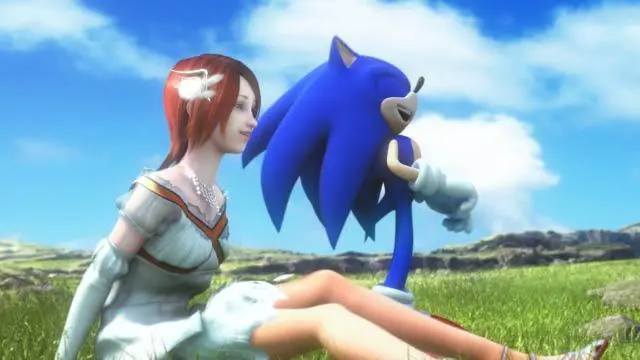
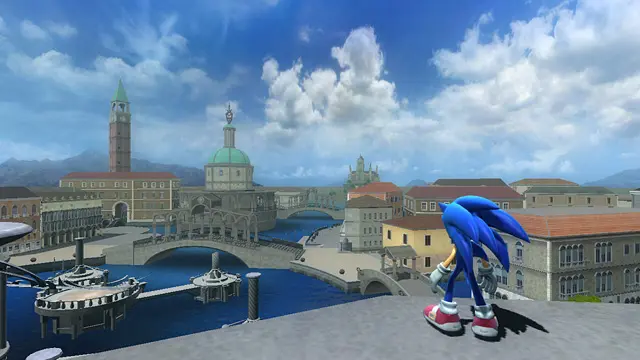
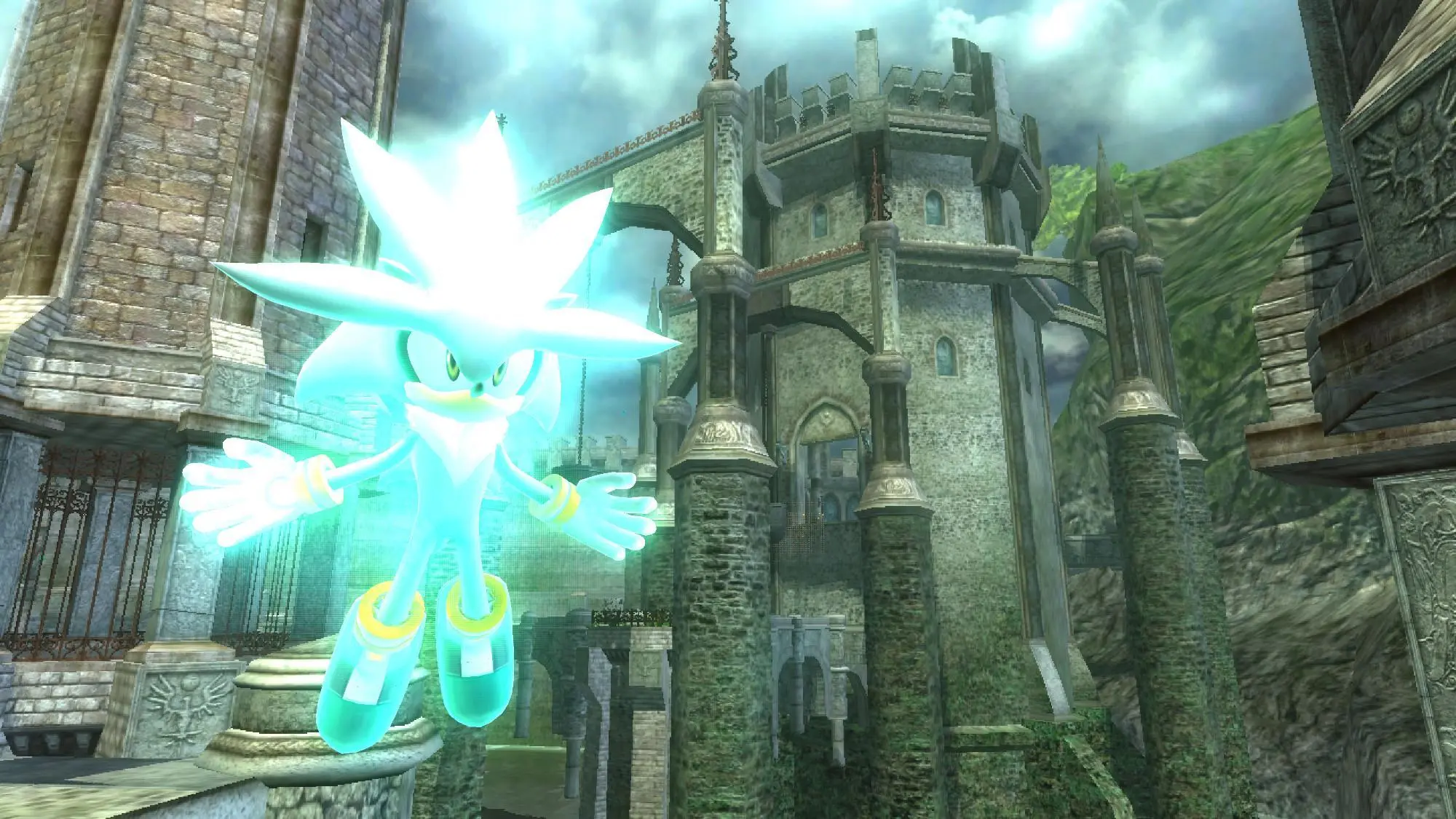
Soleanna, the water city where it all happens.Silver’s psychokinesis at work.Sonic and Princess Elise.
This time, speed won’t be enough…
The back of the North American box leads with that line over art of Sonic, Shadow and Silver, with Eggman and Elise looming behind. Its bullet points promise a choice of the three hedgehogs, with Silver flagged as new, more than ten action-packed stages and ten formidable bosses.
— Official description: back of the North American Xbox 360 box (Sega of America, 2006), from the scan in our box art gallery. One line quoted; the rest summarised.
Quick Answers
The short answers, with the detail further down the page.
When did Sonic the Hedgehog (2006) come out?
On Xbox 360 on 14 November 2006 in North America and 24 November in Europe. The PlayStation 3 version followed on 30 January 2007 in North America and 23 March 2007 in Europe, and Japan got both on 21 December 2006. More →
Why is it called Sonic ’06?
Its real title is simply Sonic the Hedgehog, the same as the 1991 game, to signal a new beginning. Fans and critics add the year to tell them apart. More →
Who is Silver the Hedgehog?
A psychokinetic hedgehog from a ruined world 200 years in the future, who comes back in time to stop the “Iblis Trigger”. He debuted here and became a regular in the series. More →
Who is the villain?
Eggman kidnaps Princess Elise, but the real threats are Mephiles the Dark and the fire monster Iblis, the two halves of Soleanna’s sun god Solaris. More →
Why is it so buggy?
Development was rushed. Yuji Naka left Sega in March 2006, the team was split to make a separate Wii game, and Sega insisted on a 2006 holiday release, so bug reports were set aside and features were cut. More →
Was there a Wii or PC version?
No. A Wii port was dropped in favour of an original Wii game, Sonic and the Secret Rings, and a planned Windows version never appeared. More →
Did it sell?
Better than its reviews: Sega reported 870,000 copies sold in North America and Europe by the end of March 2007, and the Xbox 360 version became a Platinum Hits budget title. More →
Can you still buy it?
Sega pulled it from sale in 2010 along with other poorly reviewed Sonic games. The Xbox 360 version returned to the Xbox 360 Marketplace in May 2022. More →
Plot / Story
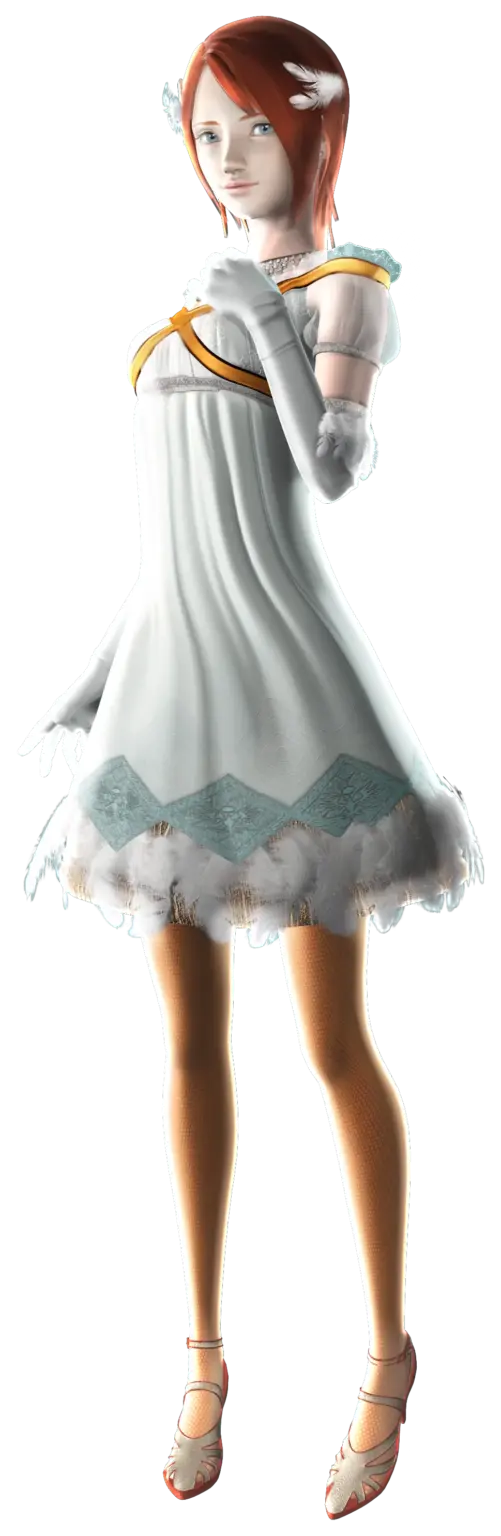
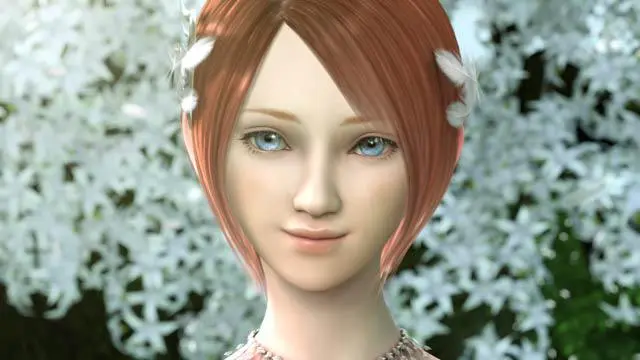
Princess Elise of Soleanna.
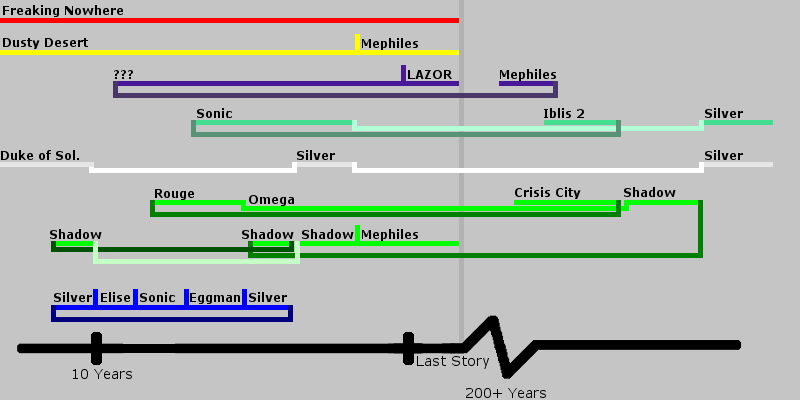
Sonic ’06 tells one story three times. Sonic, Shadow and Silver each get a campaign of their own, crossing paths, swapping Chaos Emeralds and jumping between three points in time: the present day, a burned-out future 200 years ahead and a fateful night ten years in the past. Only when all three are complete does the Last Story reveal how it all fits together.
The Festival of the Sun
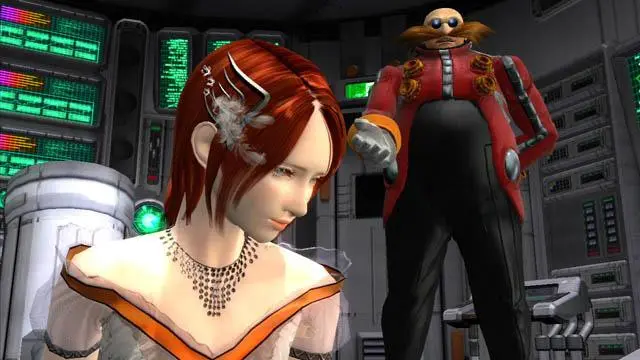
Soleanna is a sunny water city that worships Solaris, a god of light, with an annual Festival of the Sun. During the ceremony its young ruler, Princess Elise, glimpses a vision of a fiery beast consuming the city, and moments later Dr. Eggman crashes the party. He wants Elise for the secret of the Flames of Disaster, a power she is said to hold.
Sonic happens to be in town. He nearly gets Elise away, but Eggman snatches her into his flying fortress, the Egg Carrier, and as she is carried off she throws Sonic the Chaos Emerald she keeps as a charm.
Eggman claims his prize.Soleanna Castle Town.
Sonic: rescuing the princess
With Tails and later Knuckles, Sonic chases the Egg Carrier along the coast, frees Elise from a hiding place in the desert and learns why Eggman wants her: the Flames of Disaster are the wrath of Solaris, the disaster that killed her father ten years ago. Back in Soleanna a silver hedgehog attacks, calling Sonic the “Iblis Trigger”, and in the confusion Eggman takes Elise again.
Eggman offers a swap, Elise for the Emerald, but at his snowy base he double-crosses Sonic with a prototype time machine and flings him and his friends 200 years into the future. In the ruins of Crisis City they meet Shadow and Rouge, stranded the same way, and Tails finds records showing that Elise will die when the Egg Carrier explodes. Using two Emeralds and Chaos Control, Sonic and Shadow open a way home.
The rest of Sonic’s story is a tug of war over Elise: rescued from a train and from the Egg Genesis in the forest, surrendered when Eggman threatens to flatten Soleanna, and finally lost when the Egg Carrier crashes with her on board. A reformed Silver helps Sonic open a portal one day into the past, and this time Sonic reaches the ship in time, beats the Egg Wyvern and leaps clear with Elise in his arms.
Silver attacks Sonic in Castle Town.Crisis City, 200 years on.
Shadow: the Scepter of Darkness
GUN sends Shadow to rescue his partner Rouge from Eggman’s base, where she has stolen a relic called the Scepter of Darkness. At a rendezvous in Kingdom Valley, the ruined castle abandoned after a mysterious accident ten years earlier, Eggman ambushes them, the Scepter breaks open and out steps Mephiles the Dark, a shadowy being who takes Shadow’s shape and hurls the two agents into the future.
There, Shadow learns how far ahead Mephiles is thinking. Rouge carries an Emerald home and gives it to E-123 Omega with orders to deliver it to Shadow two centuries later, so the robot simply waits in standby until the moment comes. Mephiles invites Shadow to join him in taking revenge, and Shadow refuses.
Back in the present, Shadow saves Sonic from Silver and drags Silver through a time rift to Soleanna ten years earlier, to see the truth for himself. Later, Mephiles taunts Omega that humans will one day reprogram him to seal Shadow away. Shadow’s answer comes in the desert ruins: when the Scepter fails to hold Mephiles a second time, he takes off his limiter rings and tears through Mephiles and his clones.
Shadow’s first duel with Mephiles.Omega, two hundred years later.
Silver: hunting the Iblis Trigger
Two centuries from now the world is a wasteland ruled by Iblis, a monster of fire that rises again every time it is beaten. Silver and his friend Blaze the Cat fight it again and again. Then Mephiles appears and names the culprit: Sonic the Hedgehog, the “Iblis Trigger”, whose death in the past will save the future. Blaze is suspicious; Silver is desperate enough to go.
In Soleanna Silver meets Amy, who mistakes him for Sonic, helps him and then refuses to believe a word against her hero. Her faith, Blaze’s doubts and Shadow’s intervention all chip away at the mission. Ten years in the past, Silver sees the truth: Mephiles is his enemy, not Sonic. He even leaves a Chaos Emerald with the young Elise as a lucky charm, the same Emerald she will throw to Sonic years later.
His story ends back in the future. When Silver cannot contain the Flames of Disaster himself, Blaze takes Iblis into her own soul and seals it away, vanishing with it. Silver is left alone as the sky over the ruined world turns blue again.
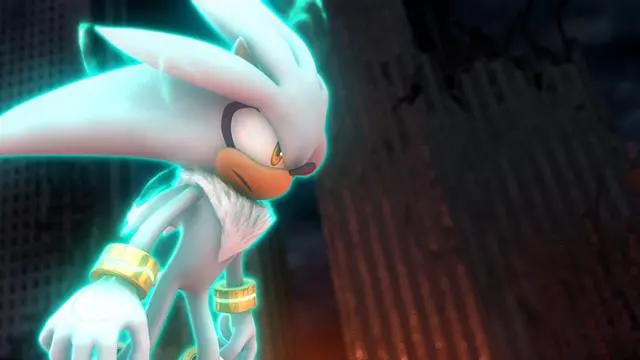
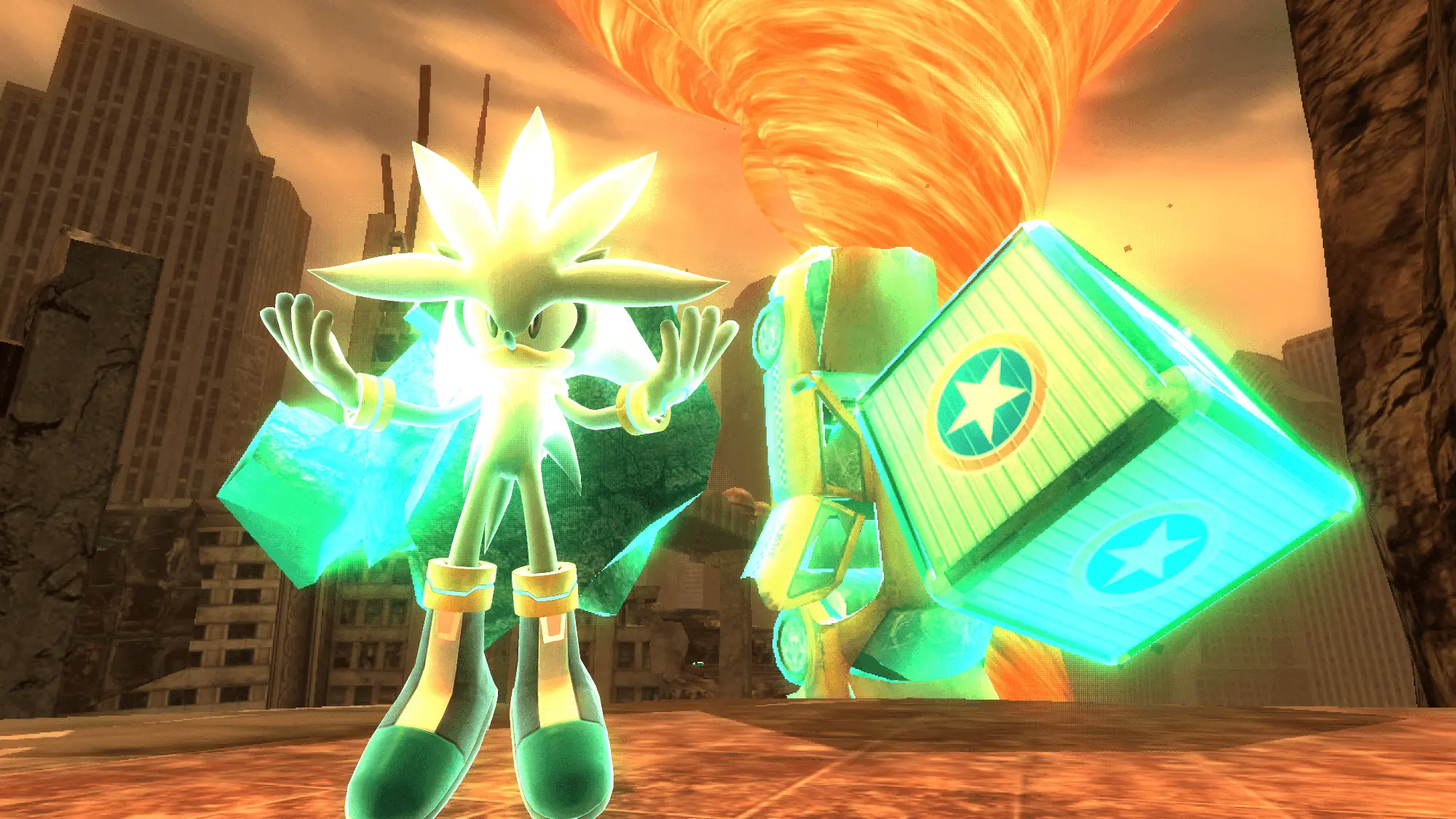
Iblis, the flame that never dies.Silver’s powers.
Ten years earlier: the Solaris Project
The trip ten years into the past exposes the game’s central secret. Soleanna’s Solaris Project, an attempt to tap the power of the sun god, went disastrously wrong, and Solaris split in two: Mephiles and Iblis. Shadow sealed Mephiles in the Scepter of Darkness, taken from the injured Duke of Soleanna, while Silver helped the Duke seal Iblis inside his own daughter. With his last words the Duke told Elise never to cry, because her tears would set the monster free.
The Last Story
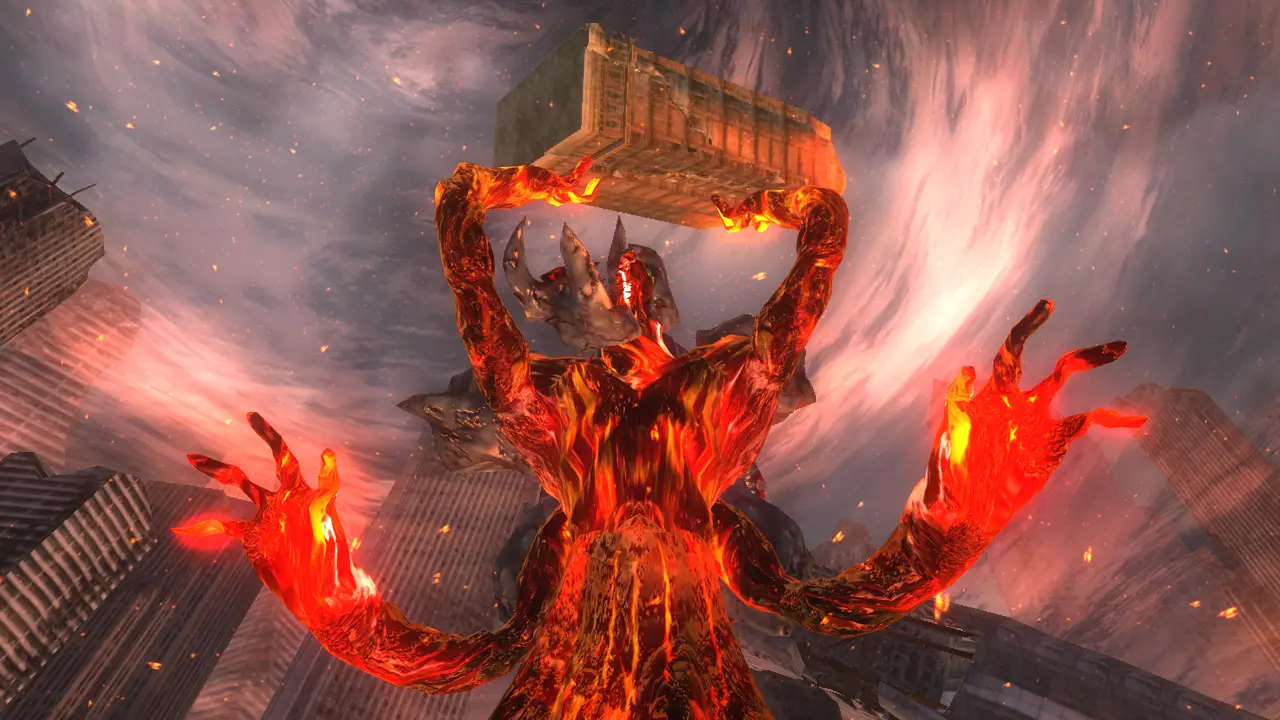
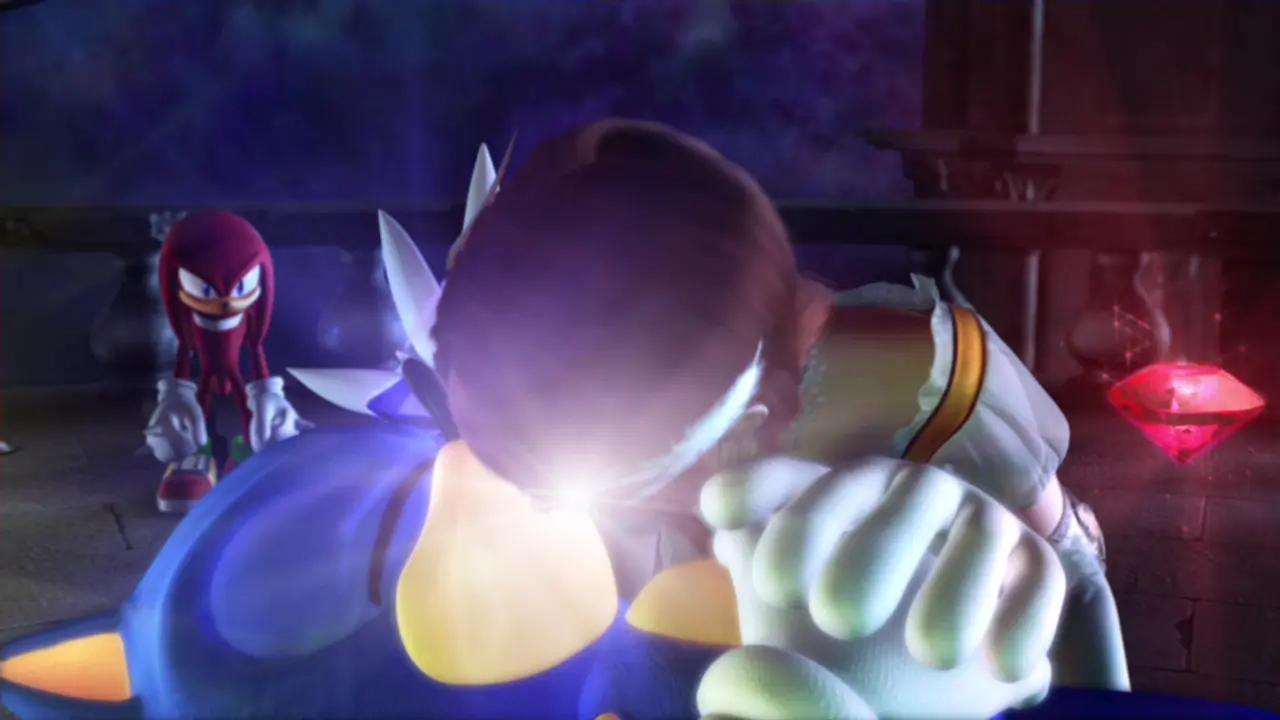
Mephiles finally gets his way. As Sonic and Elise walk back into Soleanna, he blinds them with a Chaos Emerald and strikes Sonic down from behind, killing him. Elise weeps, Iblis breaks free, and Mephiles uses all seven Emeralds to merge with it into Solaris, which begins to consume time itself.
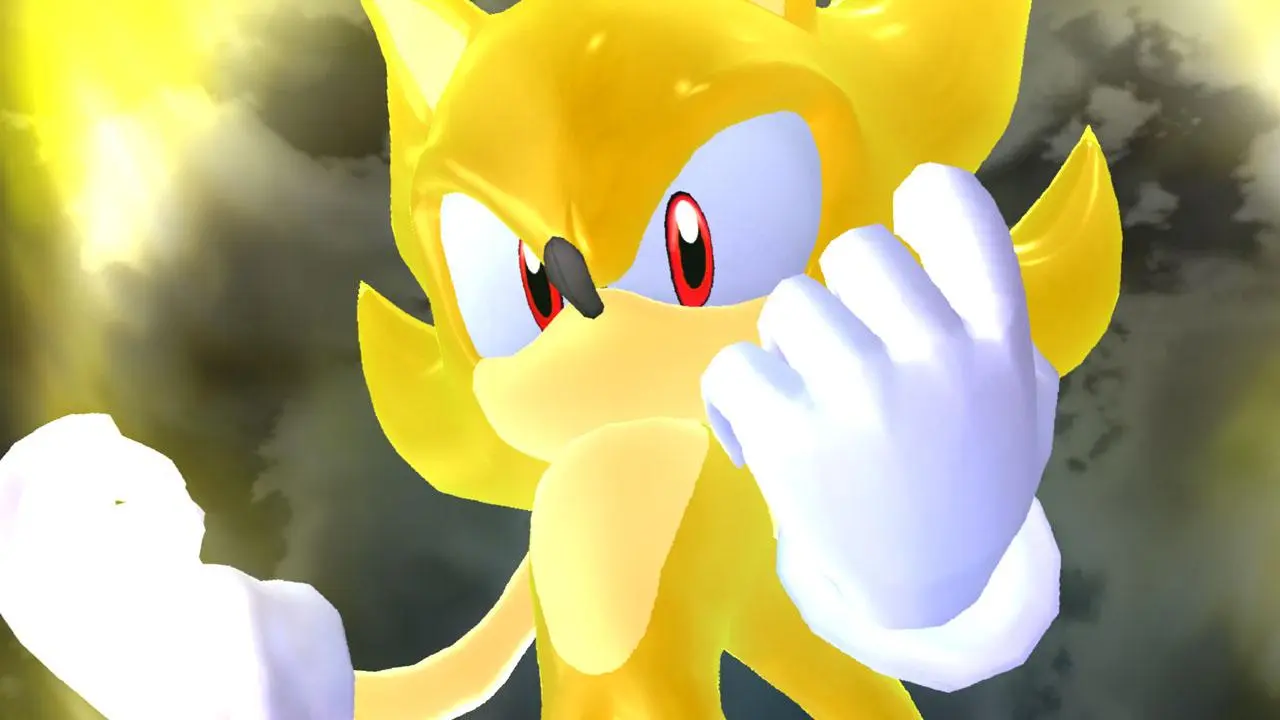
Every hero and even Eggman end up in a void at the end of the world. Elise senses that Sonic is still close, so the others recover the scattered Emeralds and, with a wish and a kiss from Elise, Sonic returns as Super Sonic. He shares the power with Shadow and Silver, and the three super hedgehogs strike Solaris in the present, past and future at once.
The ending undoes everything. Sonic and Elise travel back to when Solaris was only a small flame, and Elise blows it out, erasing the god, Mephiles and Iblis from history. Time resets to the Festival of the Sun, the friends never meet, and only a faint flicker of recognition is left as Sonic runs past the princess.
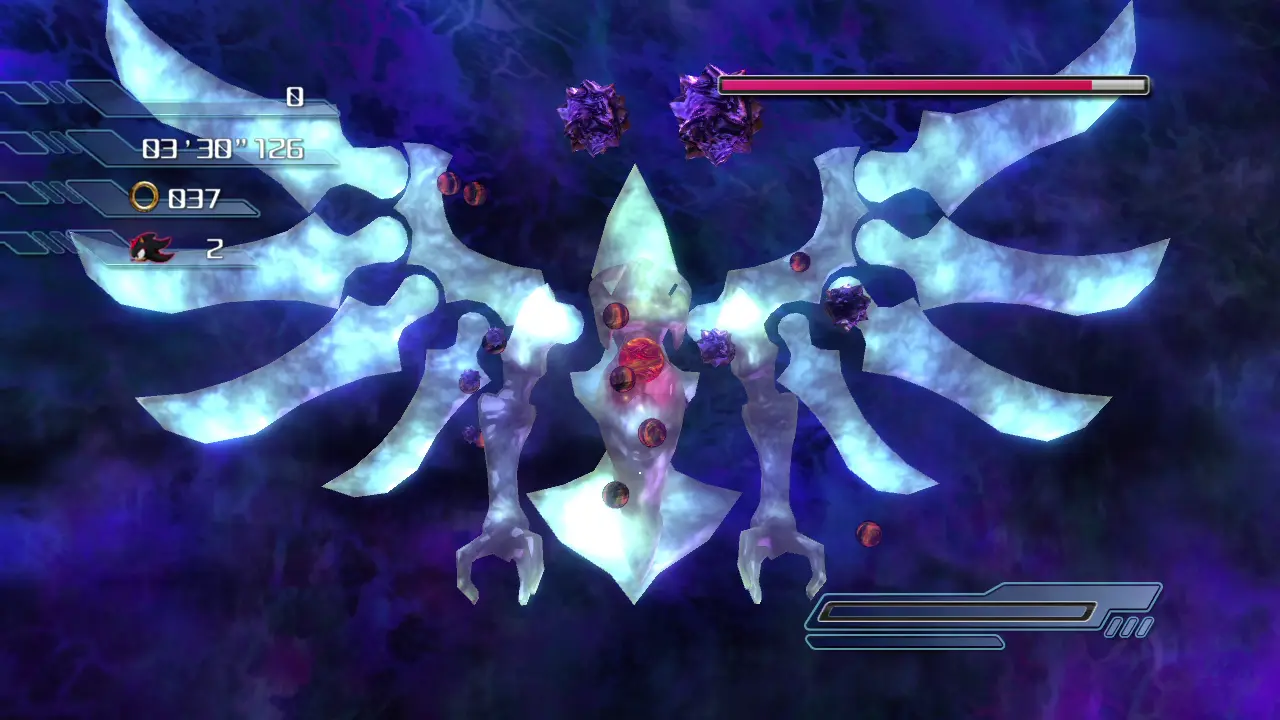
Elise revives Sonic.Solaris.
Stages in Sonic the Hedgehog (2006)
Three town hubs connect nine action stages. All three hedgehogs play all nine, in a different order and with different routes, and the Last Story adds one more. The order for each campaign is given below each stage name.
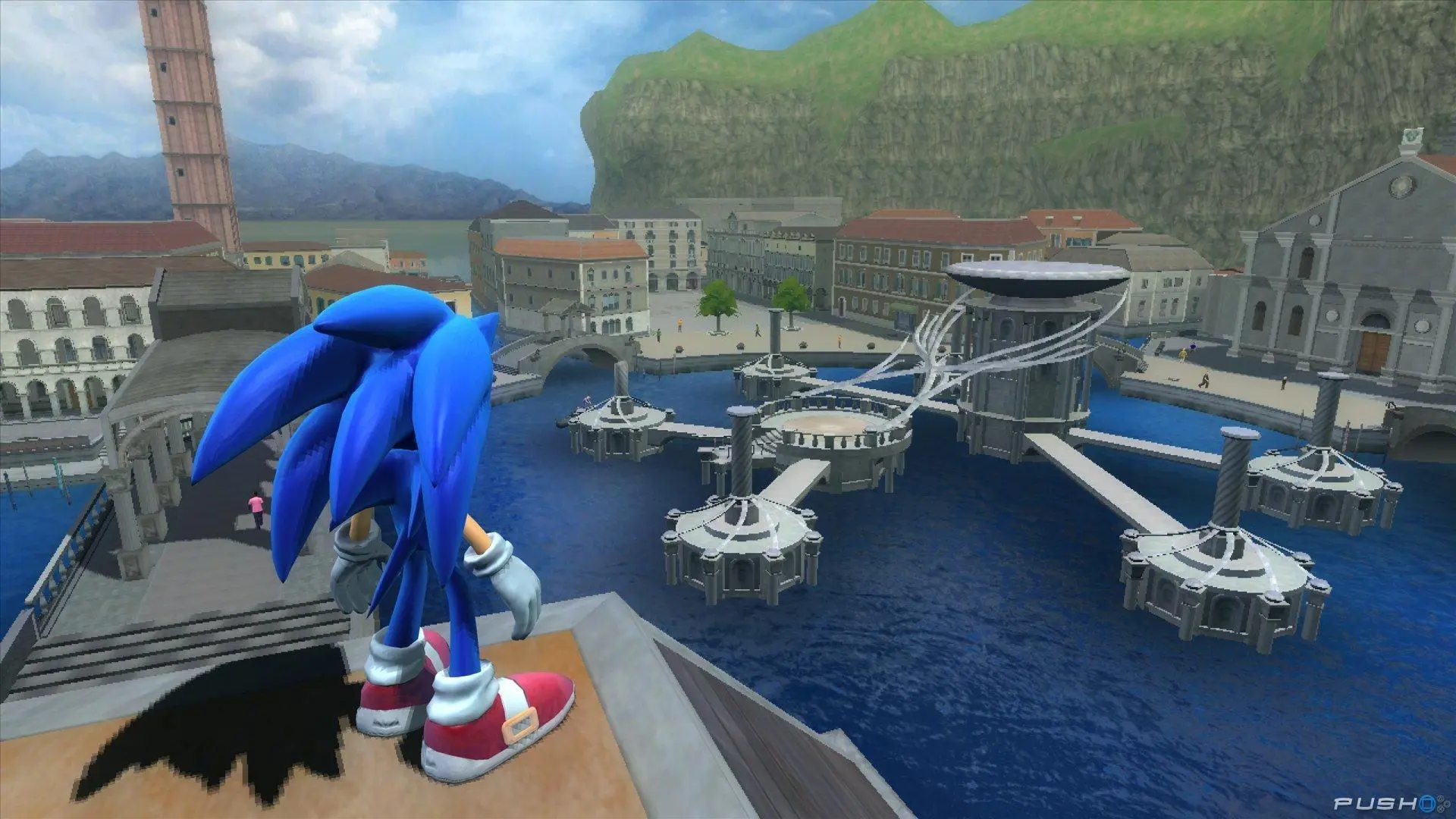
Soleanna Castle TownTown stageThe old city of canals and plazas, home of the Festival of the Sun, full of townsfolk with missions to give.
Soleanna New CityTown stageThe newer district of Soleanna, with townsfolk and side missions of its own.
Soleanna ForestTown stageWoodland outside the city, where Sonic fights the Egg Genesis to rescue Elise.
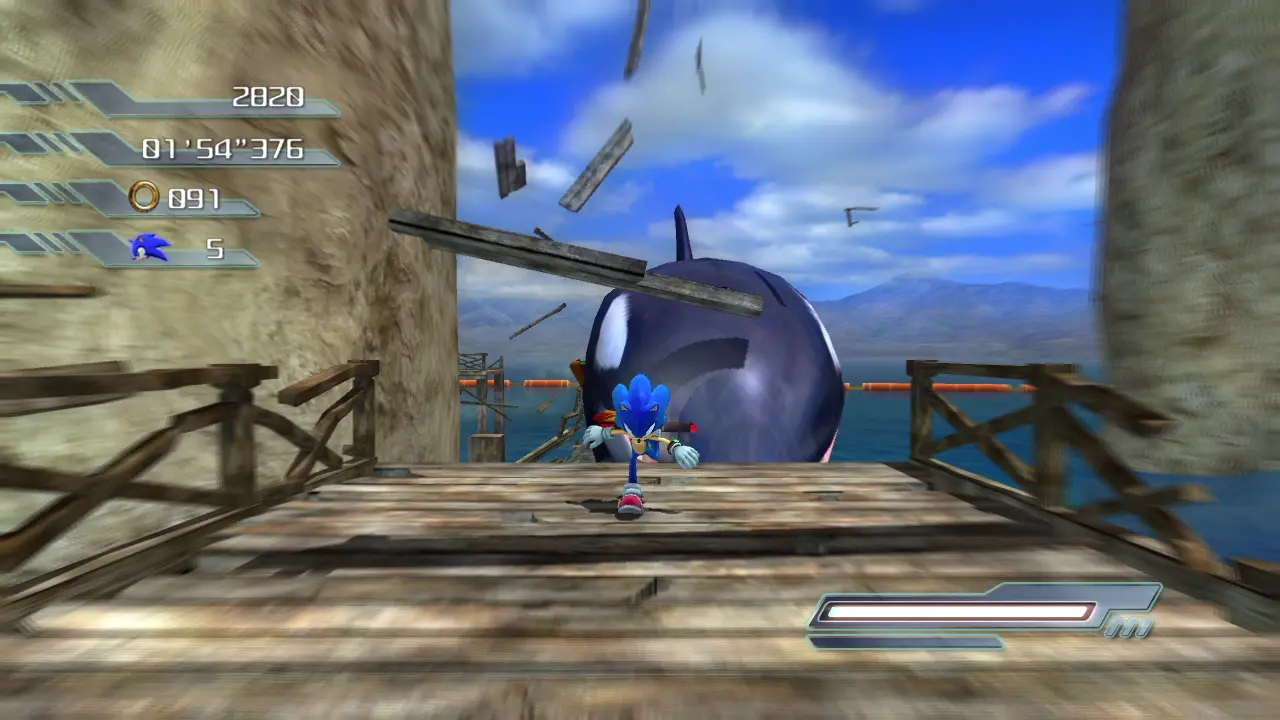
Wave OceanSonic 1st · Shadow 8th · Silver 3rdA coastal stage where Sonic first chases the Egg Carrier out to sea; in Shadow’s story, Omega catches up with Mephiles here.
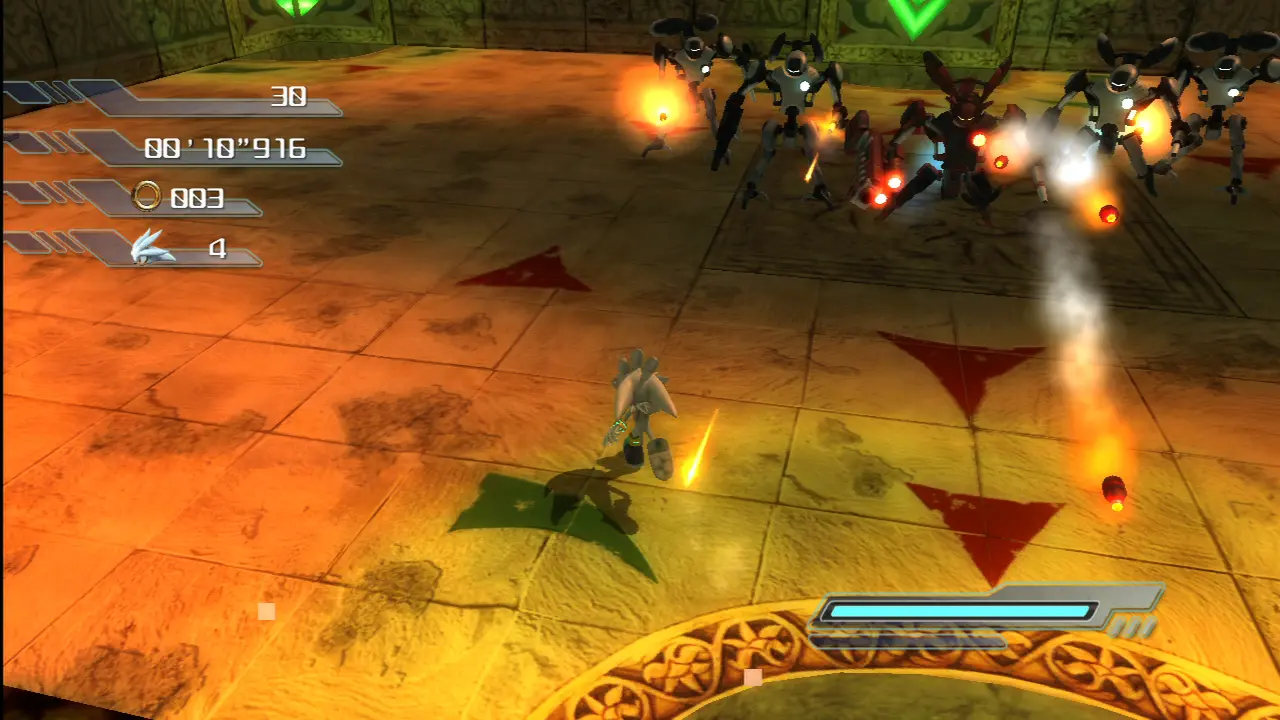
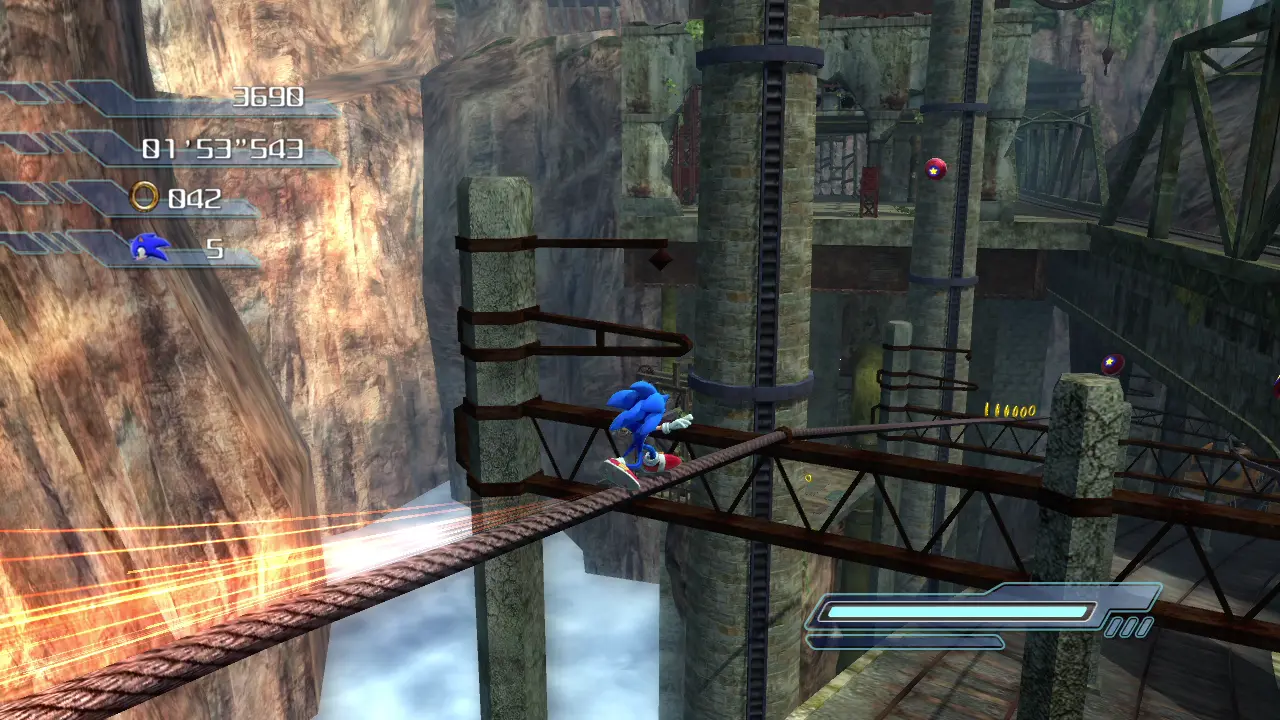
Dusty DesertSonic 2nd · Shadow 9th · Silver 4thSand-blown ruins where Eggman hides Elise and an Emerald lies buried. Sonic meets the Egg Cerberus; Shadow finishes his story here.
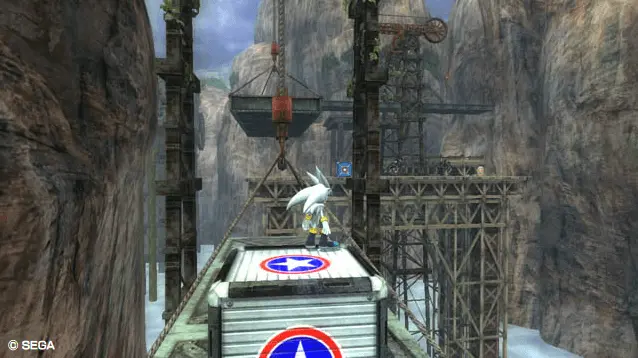
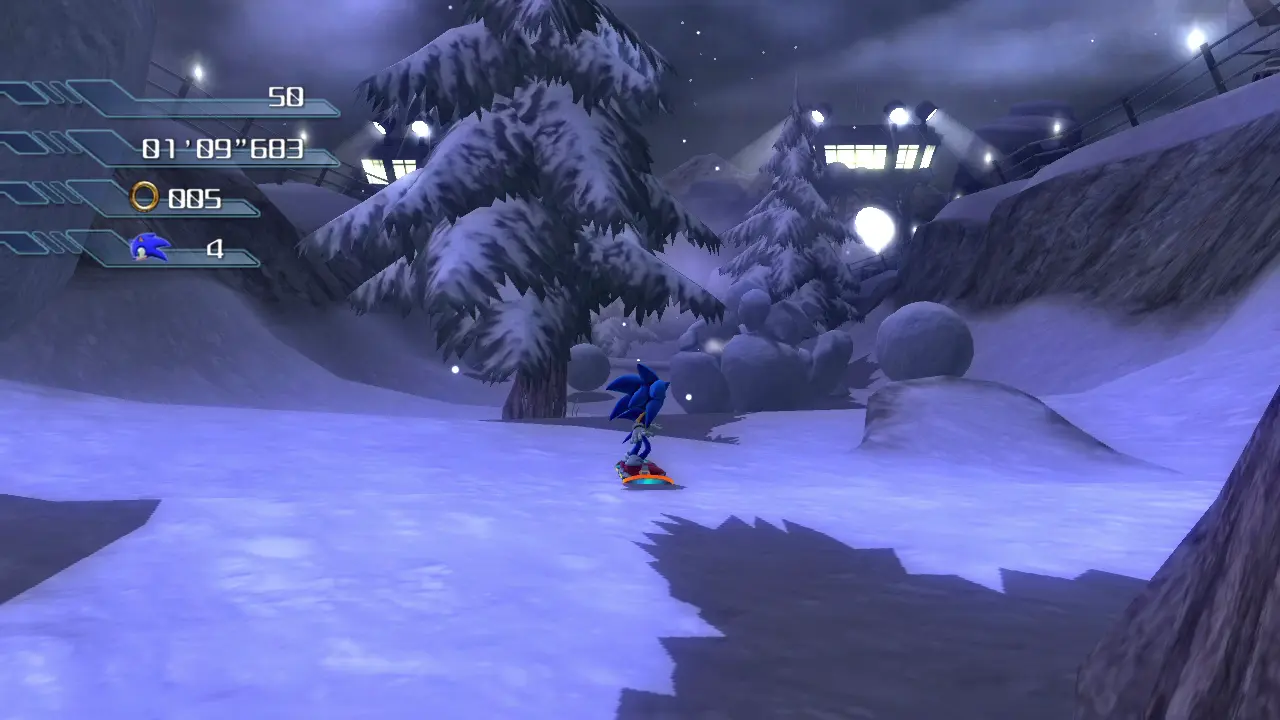
White AcropolisSonic 3rd · Shadow 1st · Silver 5thEggman’s snowbound mountain base: Rouge’s prison, Sonic’s double-crossing hand-over, and Silver’s fight with the Egg Genesis.
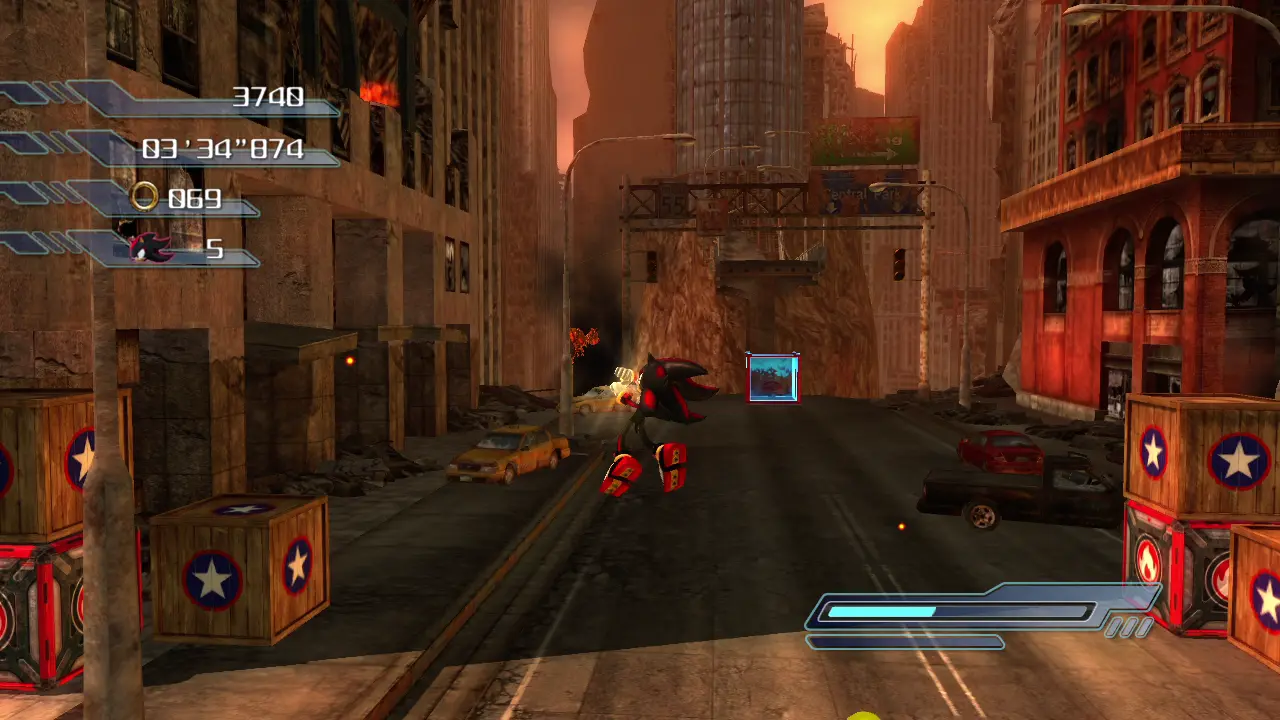
Crisis CitySonic 4th · Shadow 3rd · Silver 1stA ruined city 200 years in the future, overrun by the flames of Iblis. Silver’s home, where every story first meets the monster.
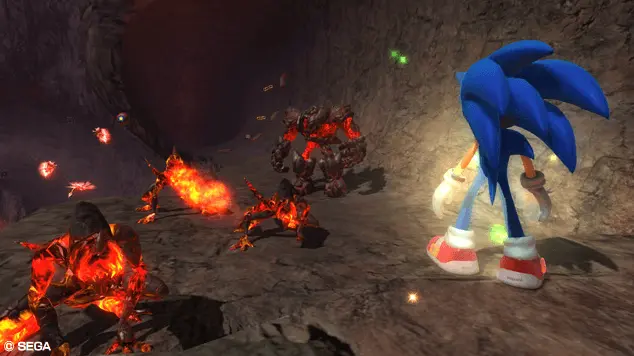
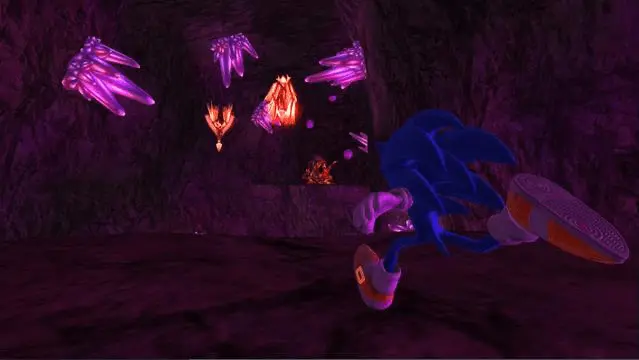
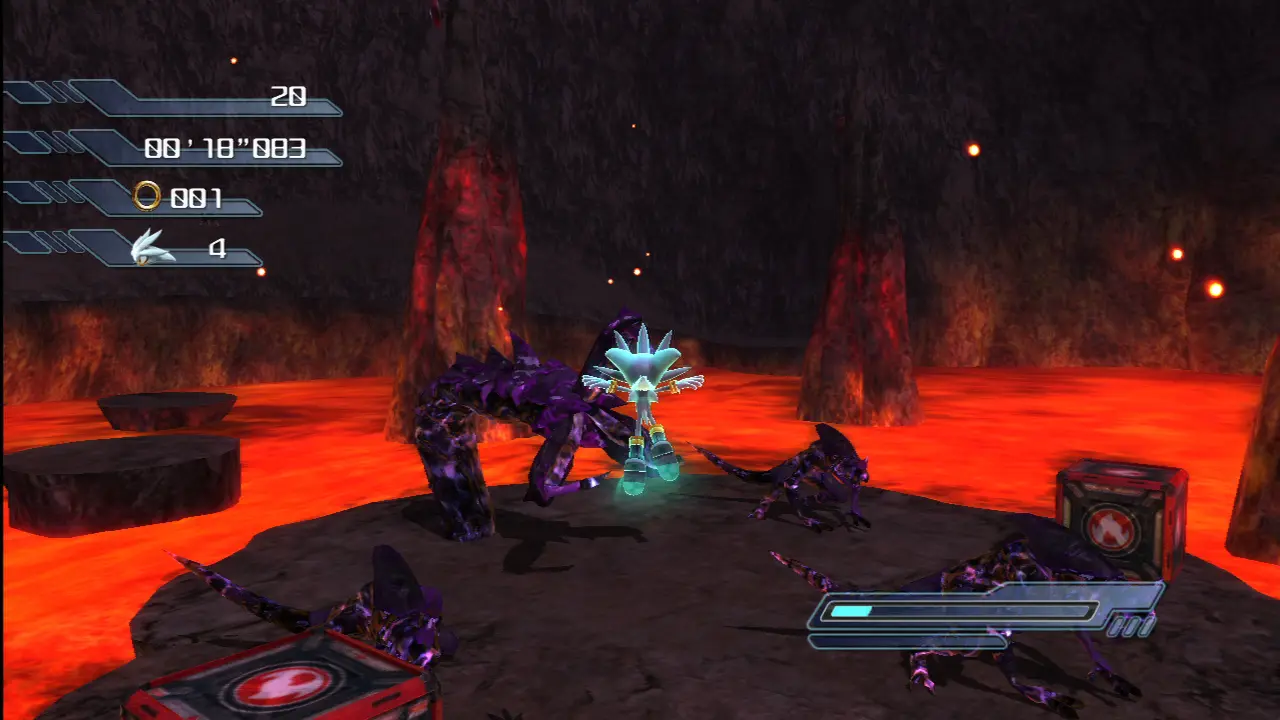
Flame CoreSonic 5th · Shadow 4th · Silver 9thFiery caverns in the future, where Iblis is fought, Shadow first duels Mephiles and Silver’s story ends.
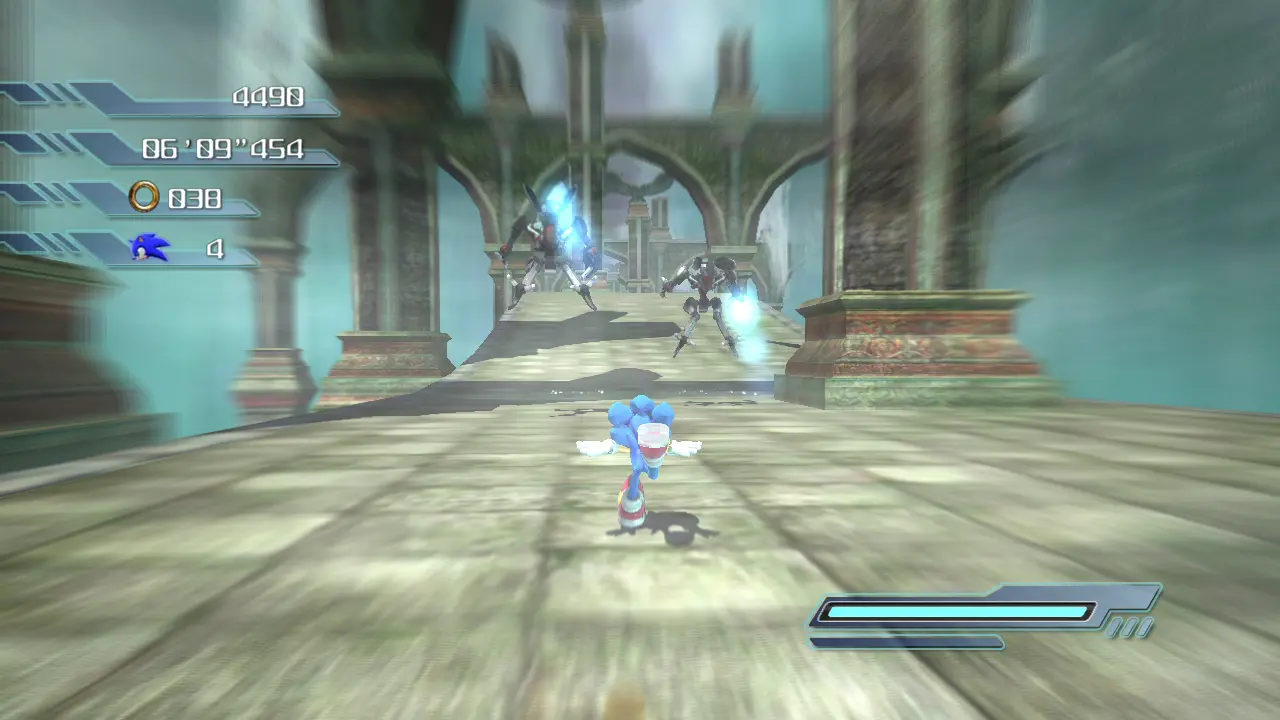
Radical Train6th in every storyA runaway rail chase after Eggman’s train, and the place where Silver and Shadow clash.
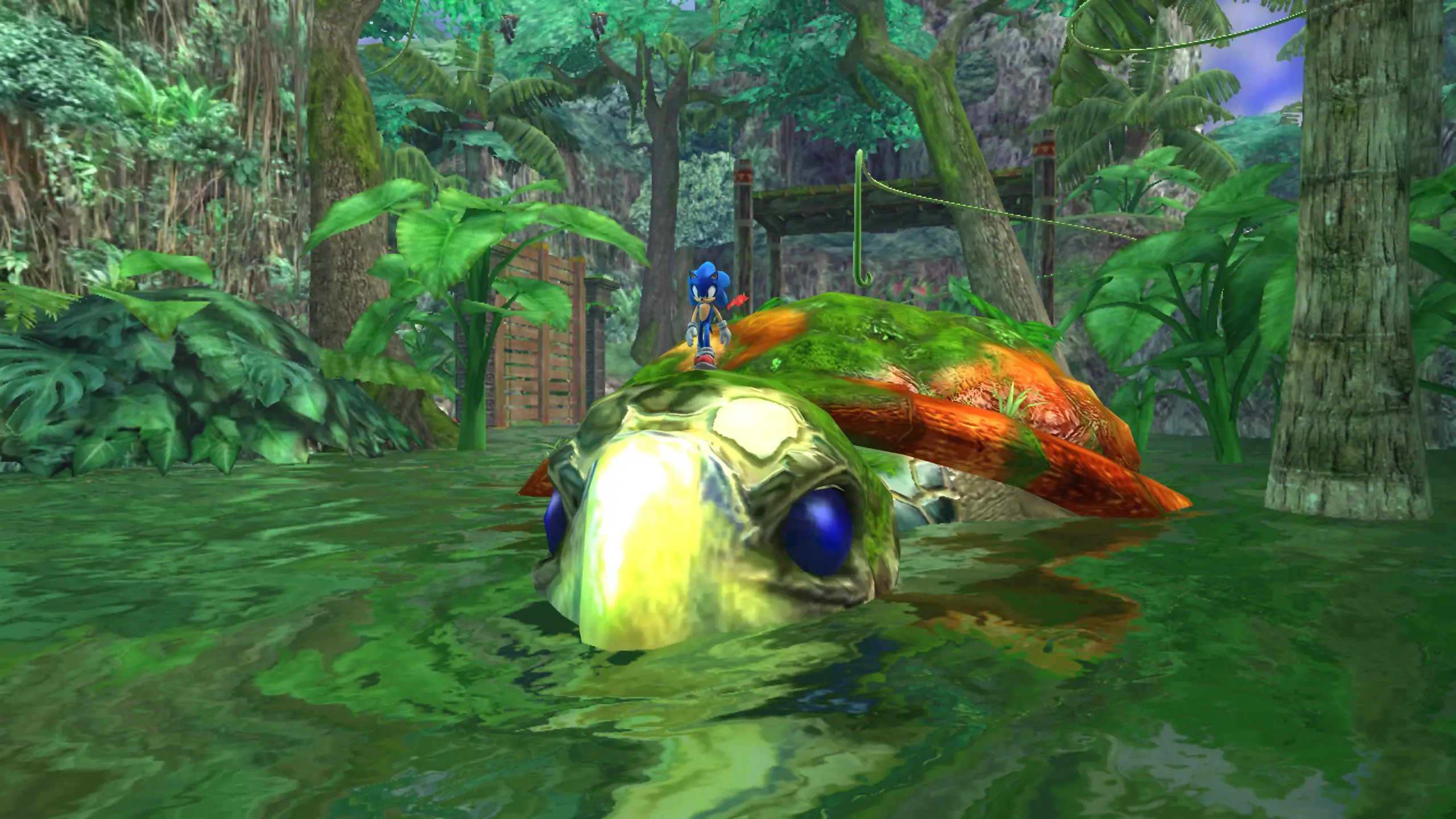
Tropical JungleSonic 7th · Shadow 5th · Silver 2ndThick jungle outside Soleanna. Sonic takes Elise through it on the way home; Rouge finds the dormant Omega here.
Kingdom ValleySonic 8th · Shadow 2nd · Silver 8thThe royal castle abandoned after the Solaris Project accident, where Mephiles is released and where the Egg Carrier goes down.
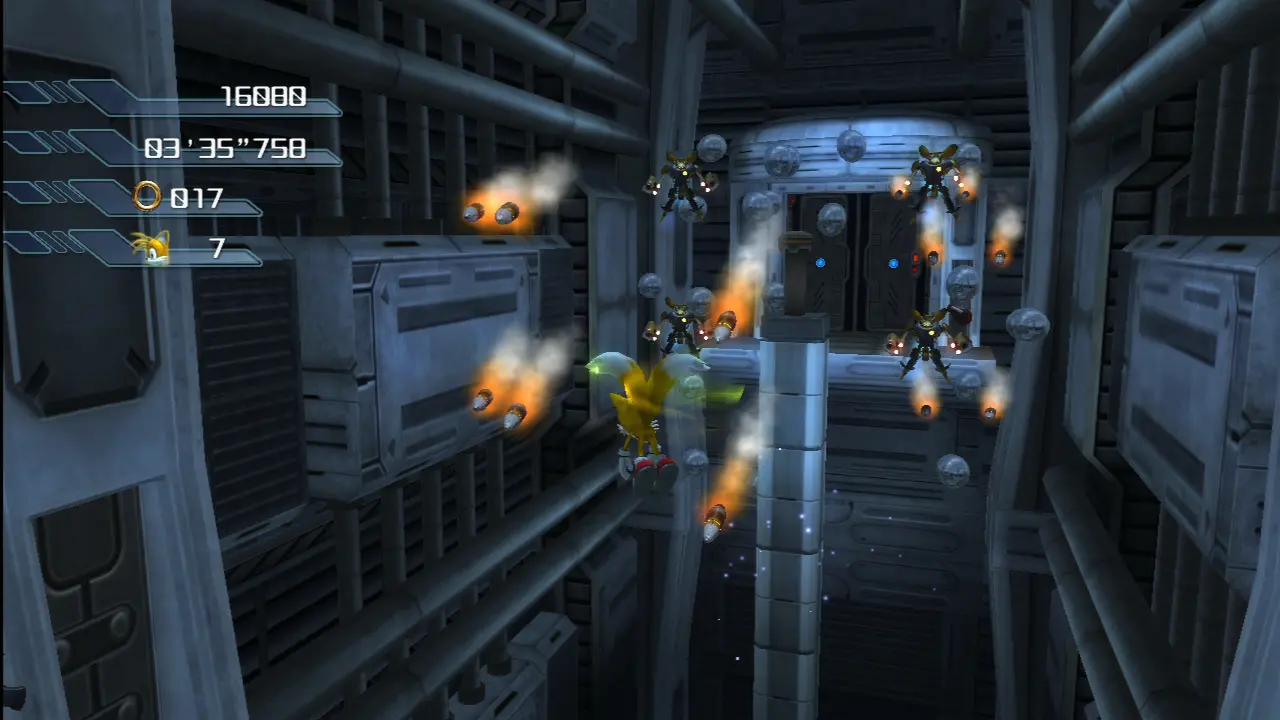
Aquatic BaseSonic 9th · Shadow 7th · Silver 7thEggman’s base, where Sonic slips aboard the Egg Carrier before take-off; Shadow and Silver run through it ten years in the past.
End of the WorldLast StoryA broken void outside time, where everyone gathers the Emeralds to bring Sonic back.
Sonic X4Kids Entertainment dub · TVThe English cast of the Sonic X dub voiced the game, a year after taking over in Shadow the Hedgehog, with Lacey Chabert added as Elise.
Archie’s Sonic the HedgehogArchie Comics · comicSilver became part of the Archie comic series after his debut here.
Sonic GenerationsSega · 2011The anniversary game remade Crisis City as a stage and brought back the Silver boss fight. Our Sonic Generations page.
Shadow GenerationsSega · 2024Kingdom Valley returns as a stage and Mephiles comes back as a boss, trying to use a rift in time to restore himself.
KnucklesLive-action TV seriesThe fourth episode of the live-action series is titled “The Flames of Disaster” and stages Knuckles’ backstory as a rock opera in which he defeats an Iblis-like creature.
“KMT”Drake · 2017The rapper’s track samples “His World”, the game’s main theme.
Characters
Three playable hedgehogs, a friend roster that takes over for parts of each story, a new princess, and three new villains who turn out to be one.
Character
Who they are
In this game
Stats & abilities
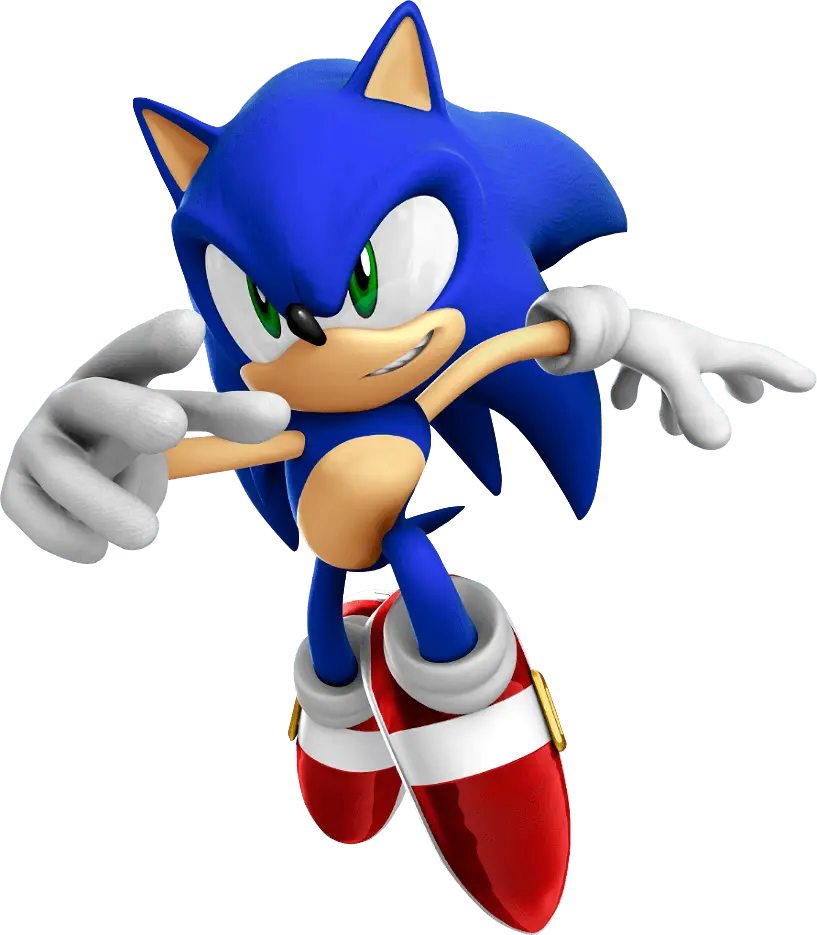
Sonic the HedgehogPlayable · Episode 1
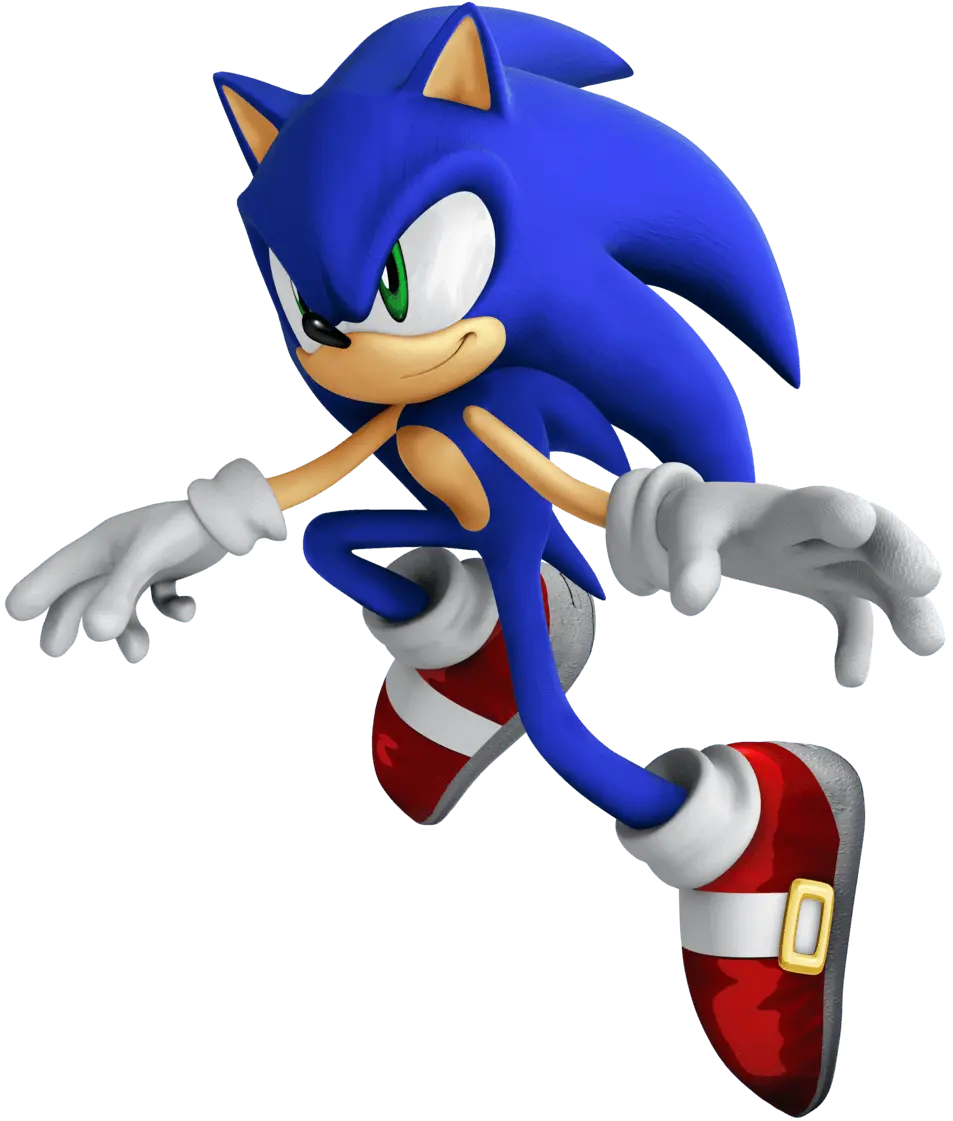
The fastest thing alive, redesigned here to be taller with longer quills to suit a more realistic world.
Spends his campaign rescuing Elise from Eggman, is attacked by Silver as the supposed Iblis Trigger, and is killed and revived in the Last Story.
Homing attack and bounce attack
Full-speed dash sections and a snowboard run
Elise’s protective barrier while carrying her
Super Sonic in the Last Story
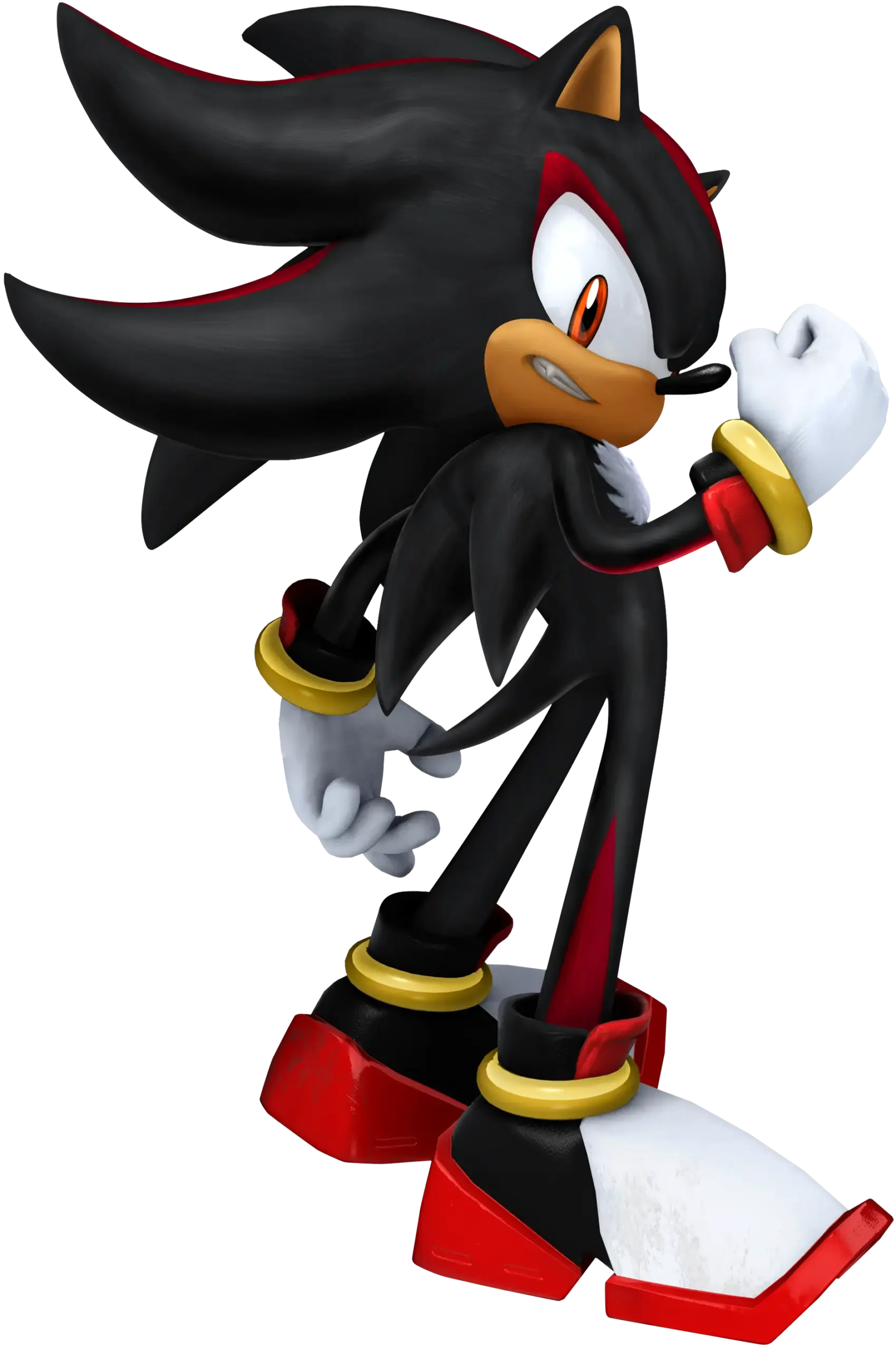
Shadow the HedgehogPlayable · Episode 2
The Ultimate Life Form, now an agent of GUN alongside Rouge.
Unwittingly frees Mephiles and spends his story hunting him through time.
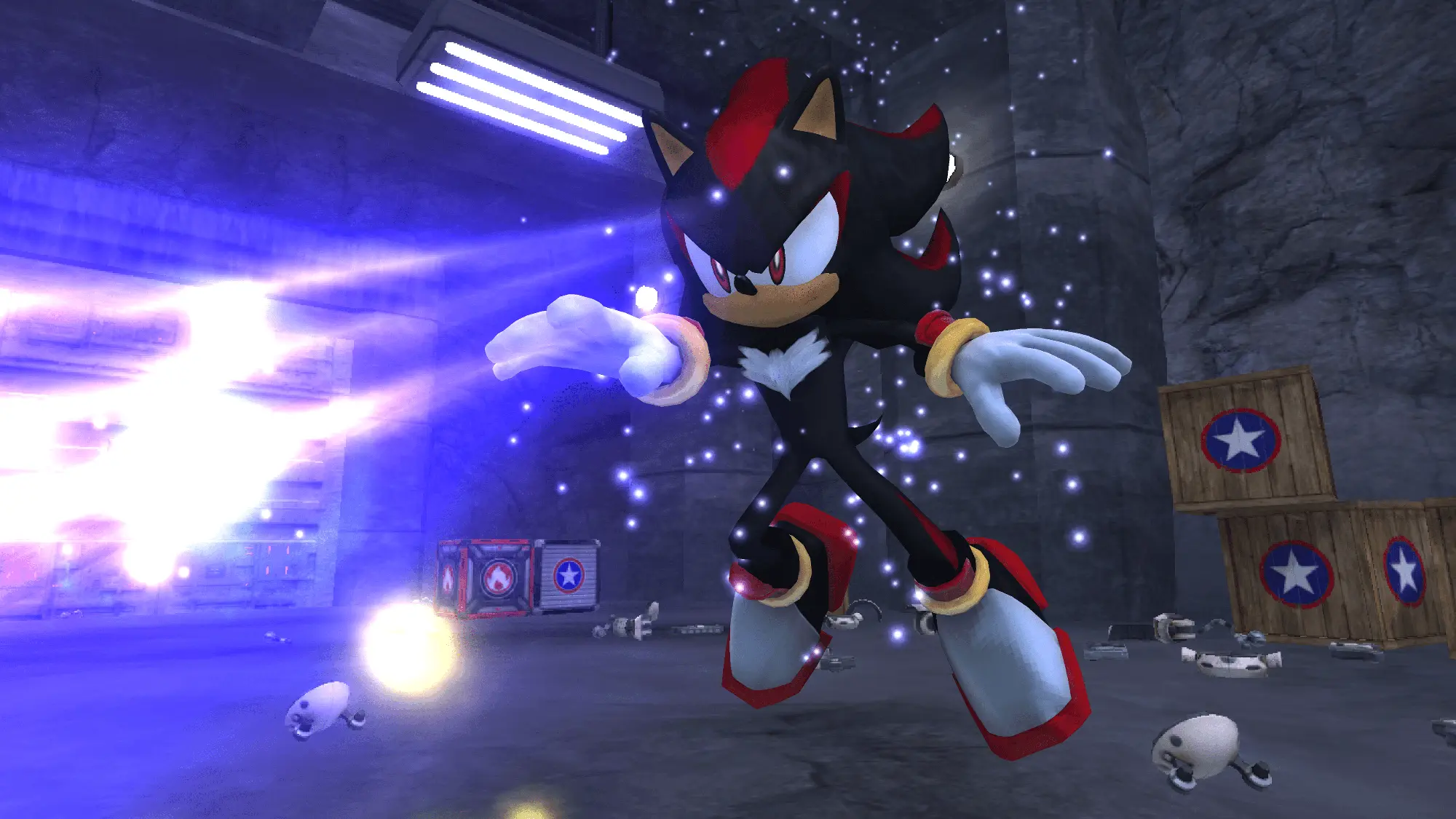
Combat moves and Chaos powers such as Chaos Spear in place of the guns of his own game
Drives vehicles, each with its own physics
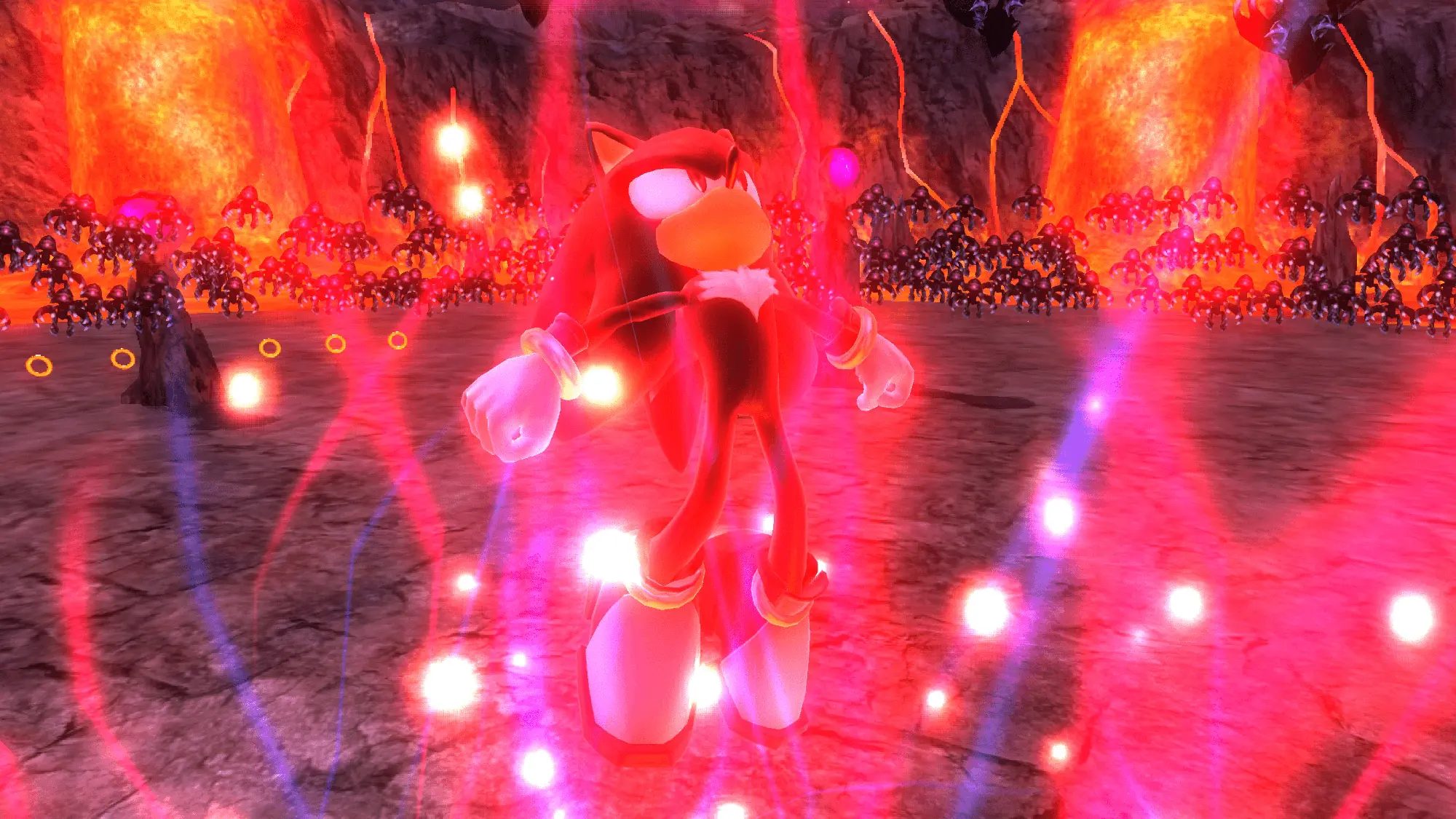
Removes his limiter rings for full power
Super Shadow in the Last Story
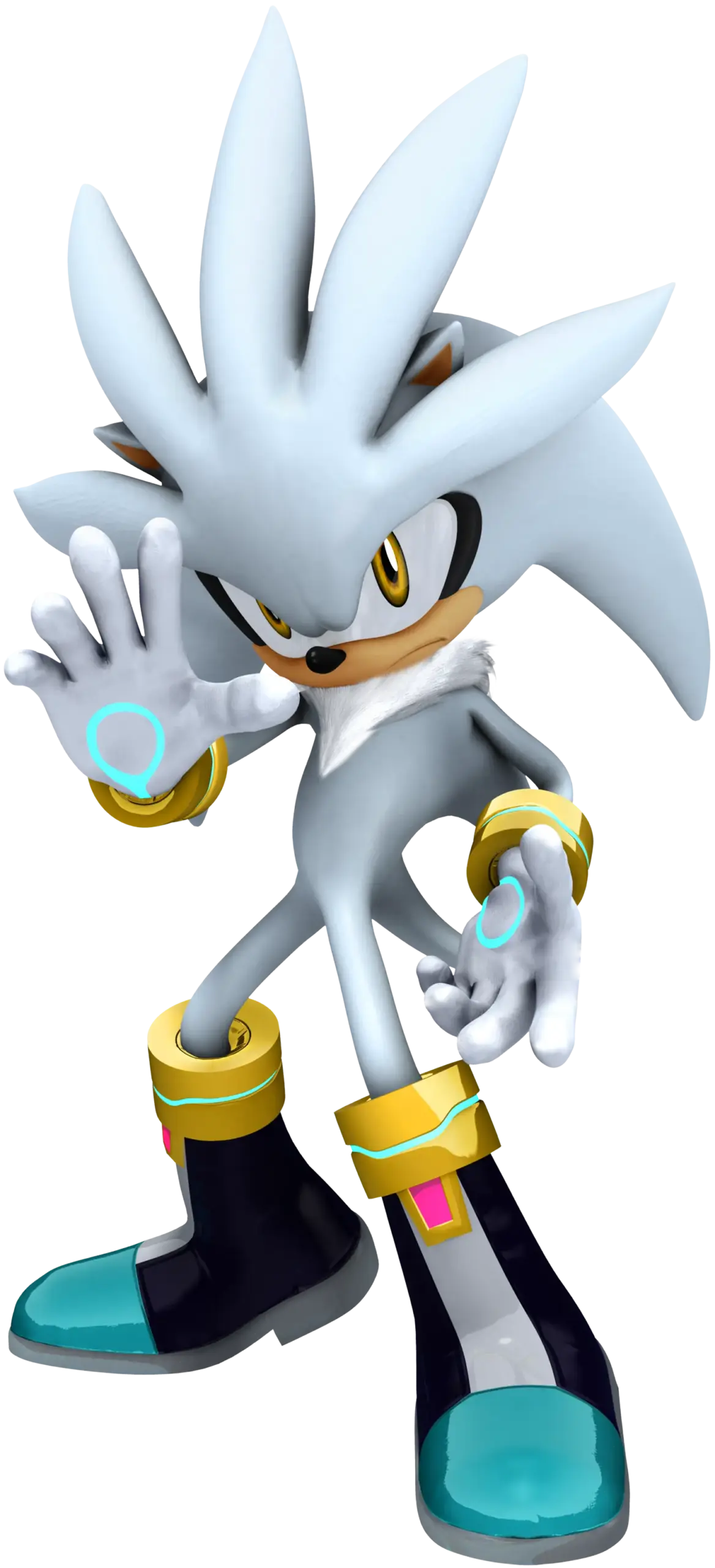
Silver the HedgehogNew · Playable · Episode 3
A hedgehog from 200 years in the future, with psychokinetic powers and a strong sense of duty.
Comes back in time to kill Sonic, the “Iblis Trigger”, before realising Mephiles has played him.
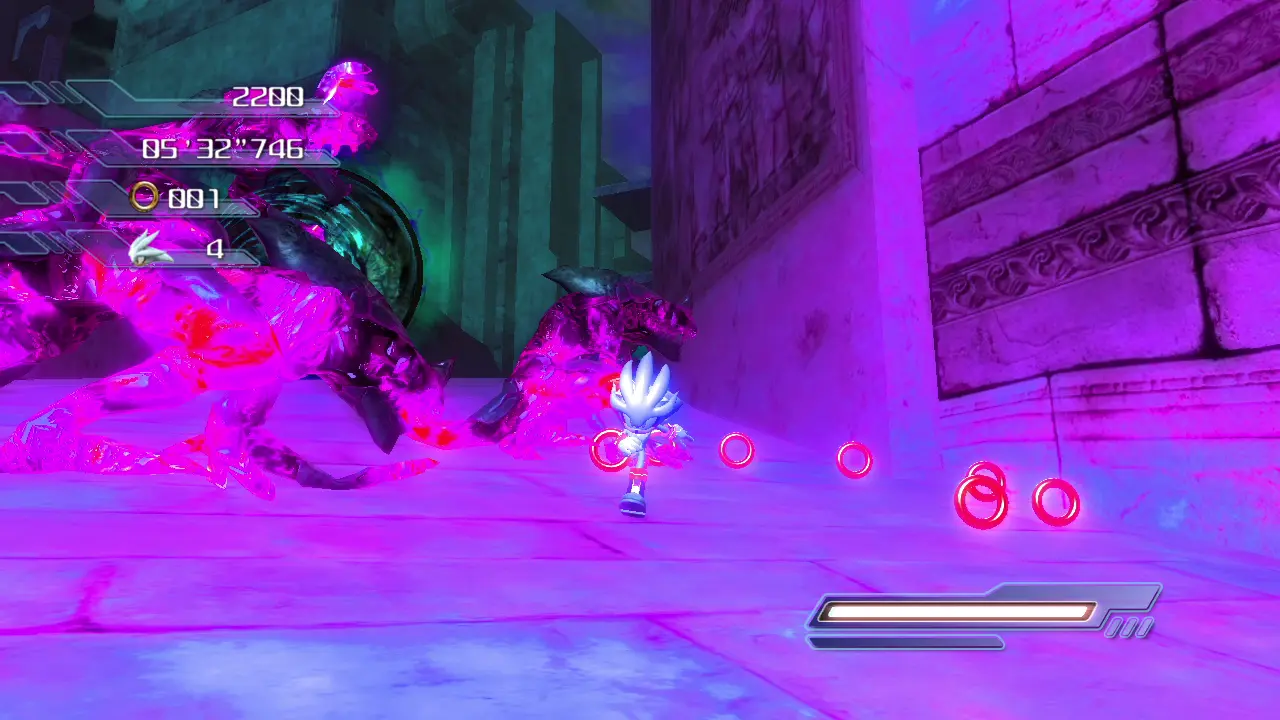
Psychokinesis: grabs and throws objects and enemies
Levitates for as long as his energy gauge lasts
Slower, puzzle-driven stages
Super Silver in the Last Story
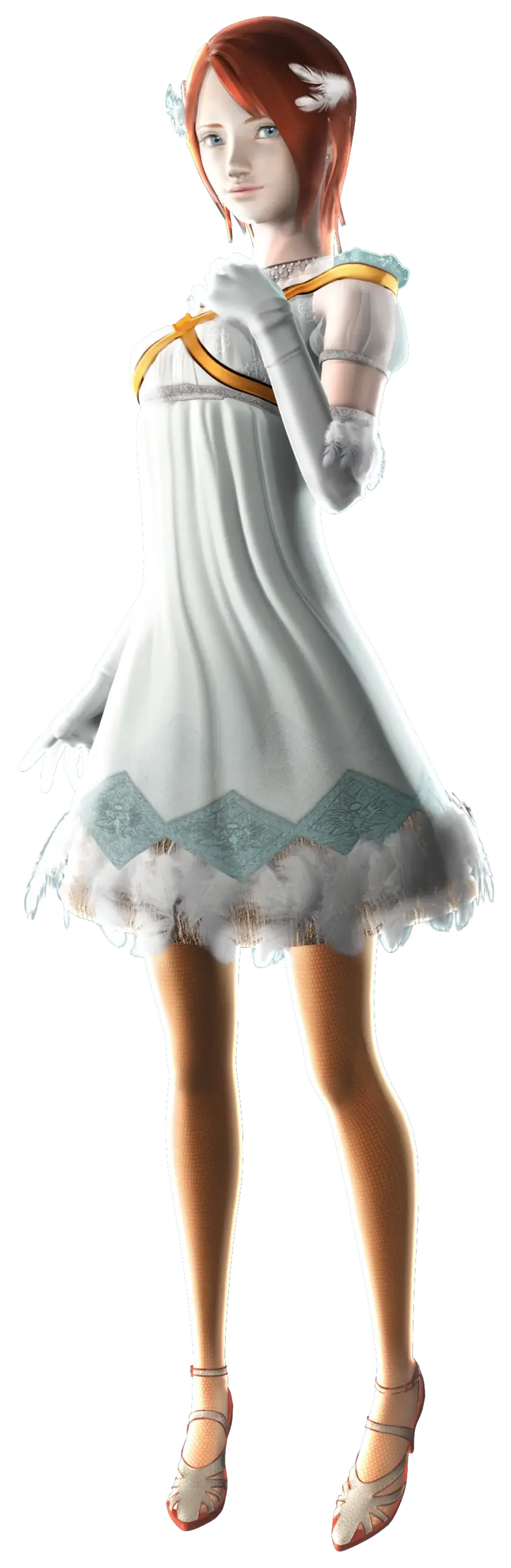
Princess Elise the ThirdNew · Heroine
The young ruler of Soleanna, who lost her father in the Solaris Project disaster. Voiced by Lacey Chabert in English.
Eggman’s hostage for most of Sonic’s story. The fire spirit Iblis is sealed inside her, so she must never cry.
Escort partner in some of Sonic’s stages, shielding him with a barrier.
Dr. EggmanVillain
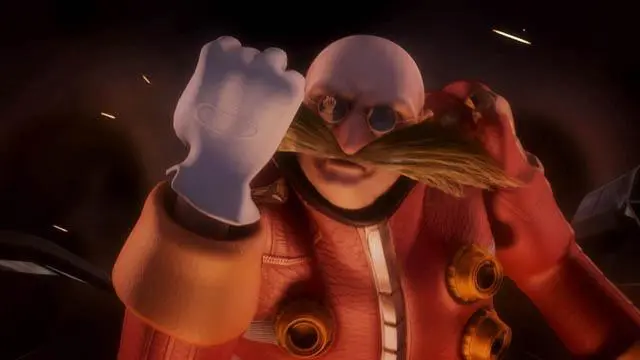
Sonic’s arch-enemy, given a slimmer, more realistic look that was later dropped.
Kidnaps Elise to control the Flames of Disaster and conquer time; survives the Egg Carrier crash to join the heroes at the end.
Bosses: Egg Cerberus, Egg Genesis, Egg Wyvern
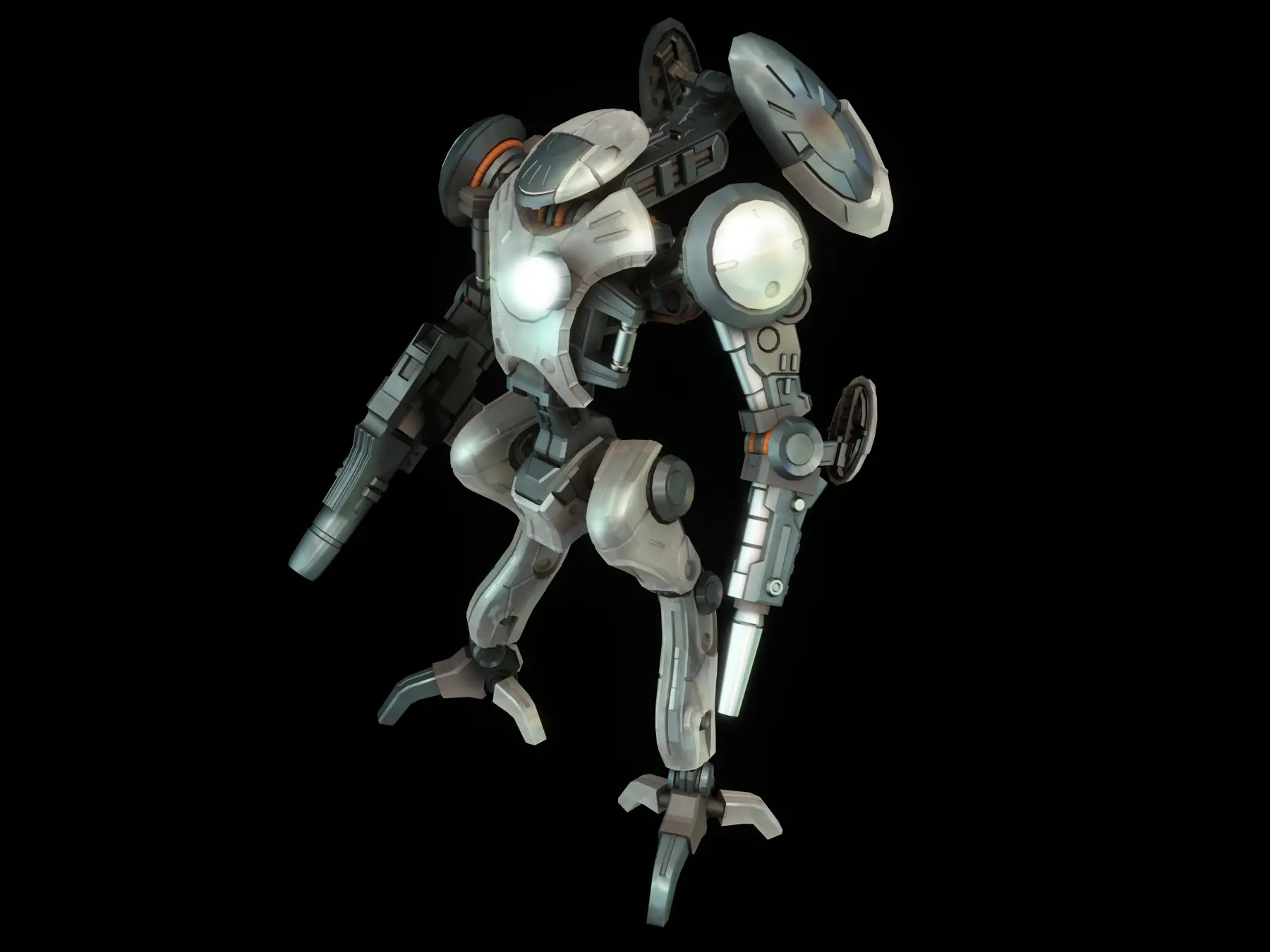
An army of Egg robots and the flying Egg Carrier
Mephiles the DarkNew · Villain
One half of Solaris, sealed in the Scepter of Darkness until Eggman’s ambush frees him in a shape copied from Shadow.
Manipulates Silver, haunts Shadow and kills Sonic to free Iblis and become whole.
Boss twice in Shadow’s story; can split into clones.
IblisNew · Villain
The other half of Solaris, a monster of living flame, sealed inside Elise when she was a child.
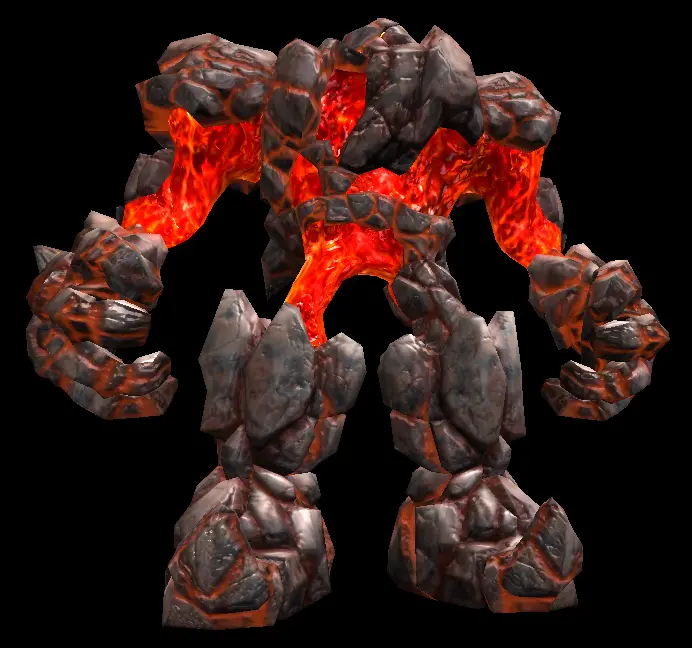
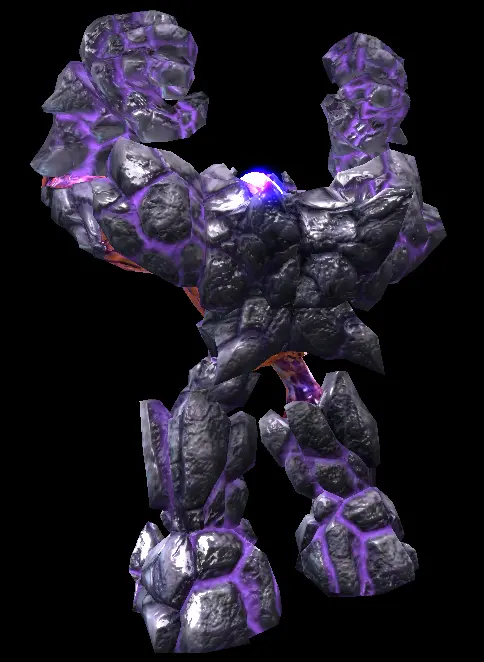
The monster that ravages Silver’s future; Iblis creatures such as Takers, Golems and Titans appear as enemies.
Boss three times, each in a new form.
SolarisNew · Final boss
Soleanna’s sun god, a being that exists across past, present and future.
Reborn when Mephiles and Iblis merge; threatens to devour time itself.
Final boss of the Last Story, fought by all three super hedgehogs.
Miles “Tails” ProwerFriend character
Sonic’s best friend and resident inventor.
Helps Sonic rescue Elise and discovers her fate in the future.
Flies to reach high places; playable in Sonic’s story.
Knuckles the EchidnaFriend character
Guardian of the Master Emerald.
Brings Eggman’s ransom demand and travels to the future with Sonic.
Climbs walls and glides; playable in Sonic’s story.
Amy RoseFriend character
Sonic’s self-declared girlfriend.
Befriends Silver and stands up for Sonic, planting the first doubts in Silver’s mind.
Double jump, Piko Piko Hammer and a turn of invisibility; playable in Silver’s story.
Rouge the BatFriend character
Jewel thief and GUN spy, Shadow’s partner.
Steals the Scepter of Darkness and sends Omega on his two-century errand.
Glides and climbs; playable in Shadow’s story.
E-123 OmegaFriend character
The rogue Eggman robot of Team Dark.
Waits 200 years in standby to hand Shadow an Emerald, then takes on Mephiles himself.
Hovers and fires rapid shots; playable in Shadow’s story.
Blaze the CatFriend character
A princess from another world who commands fire, first seen in Sonic Rush.
Silver’s companion in the future, who doubts Mephiles from the start and finally seals Iblis inside herself.
Fire attacks; playable in Silver’s story.
Bosses
Each campaign has five bosses; the Last Story has one. Several are shared, so the full cast is smaller than it looks.
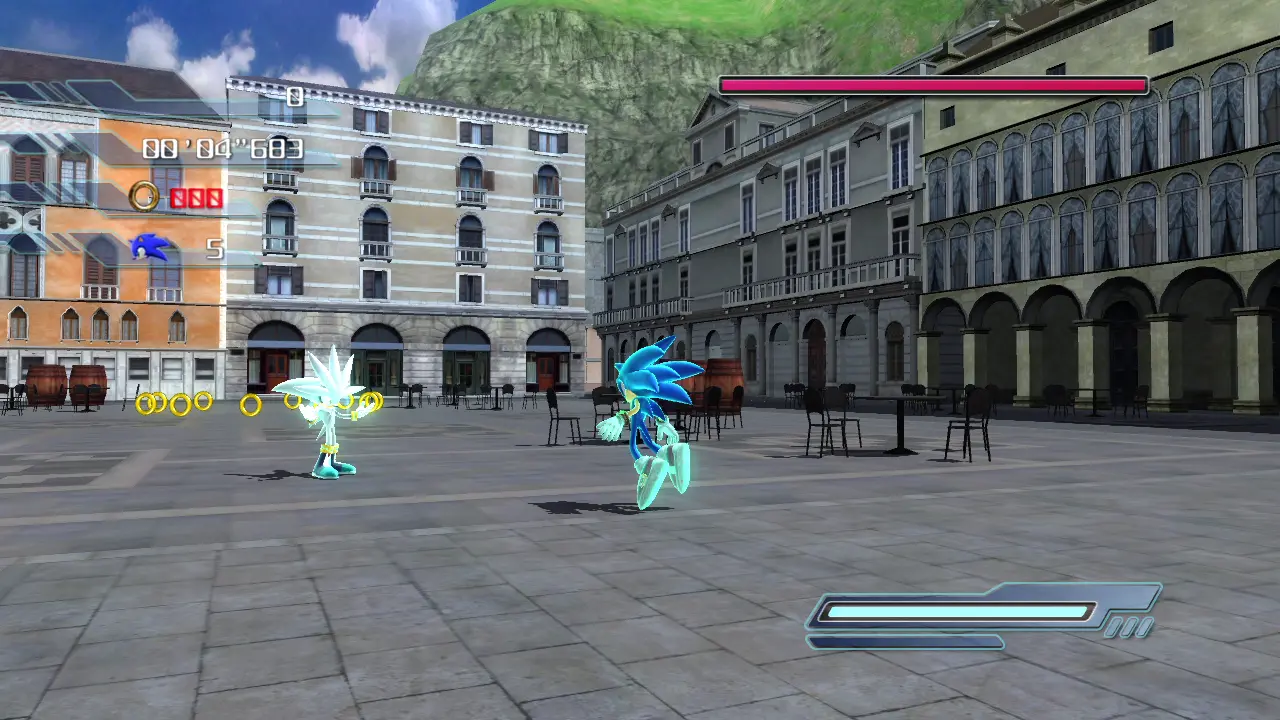
SilverSonic and Silver (Castle Town)The first meeting of Sonic and Silver, fought from both sides.
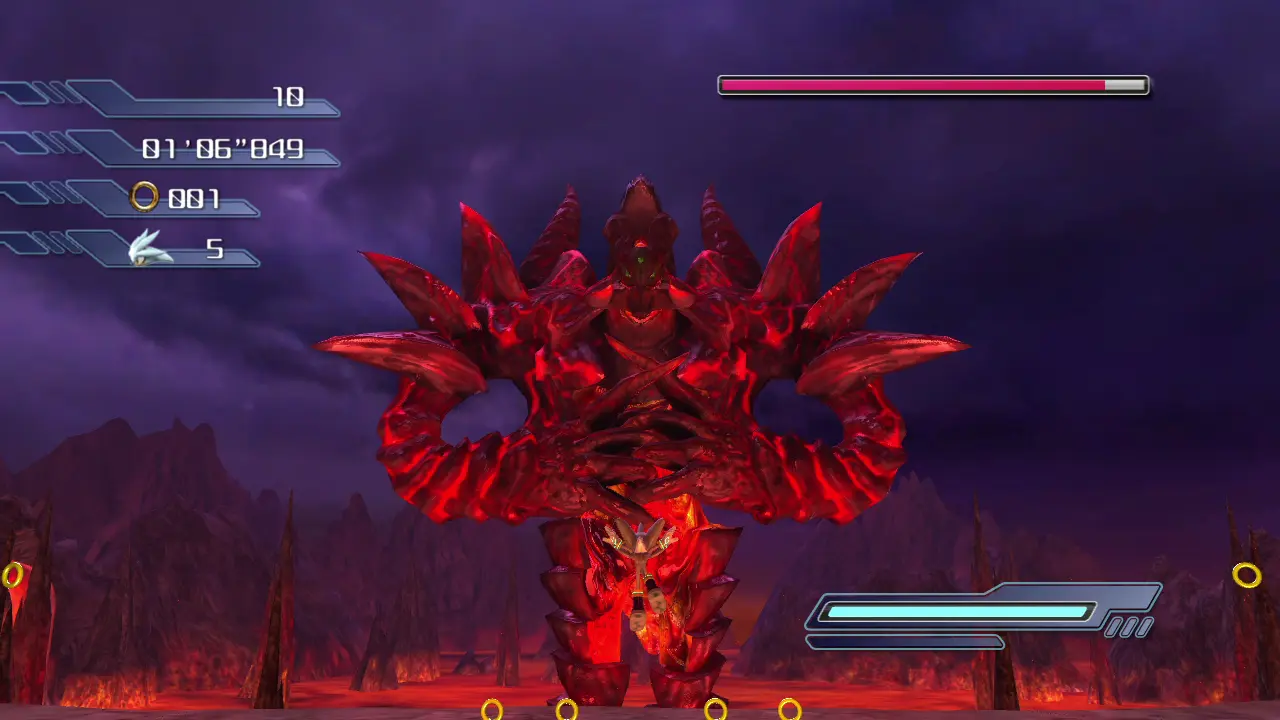
Iblis, second formSonic and Shadow (Flame Core)Iblis in the future, guarding the Emerald the heroes need to get home.
Egg GenesisSonic (Soleanna Forest) · Silver (White Acropolis)A giant Eggman machine, fought once in each of their stories.
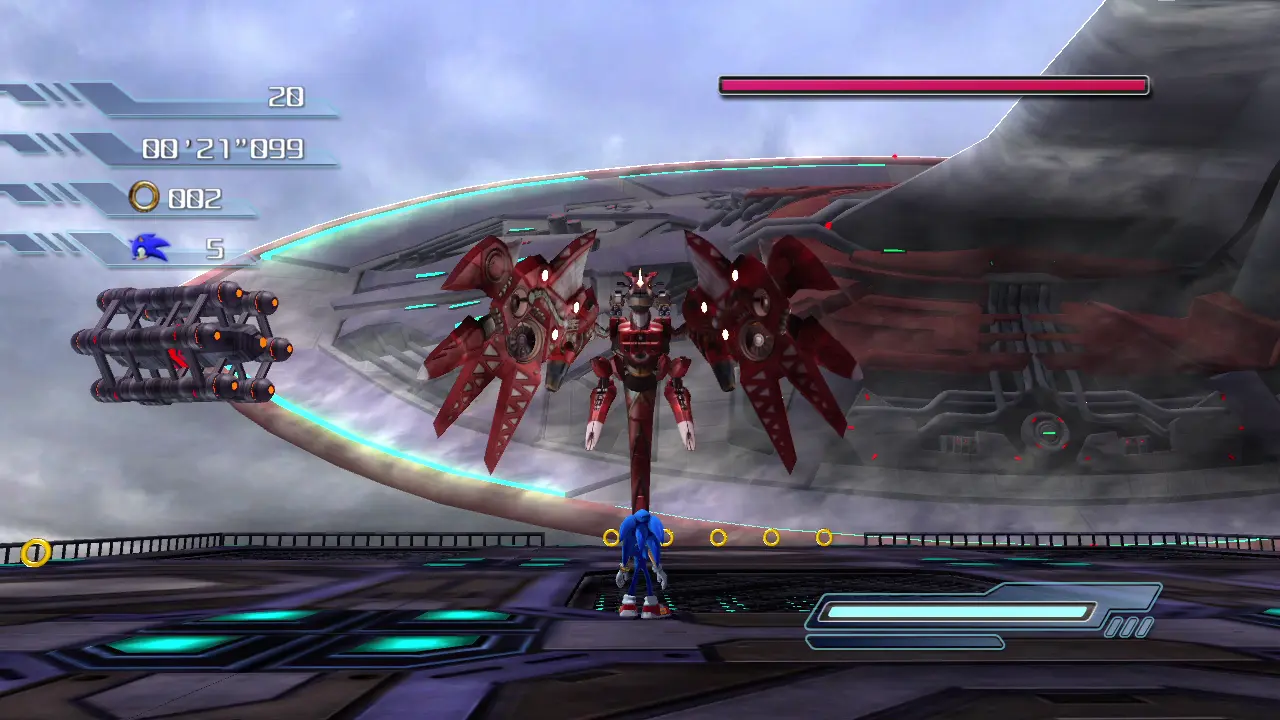
Egg WyvernSonic (Egg Carrier)Eggman’s last stand aboard his falling flagship.
Iblis, first formSilver (Crisis City)Silver and Blaze’s endless enemy, met in the future city.
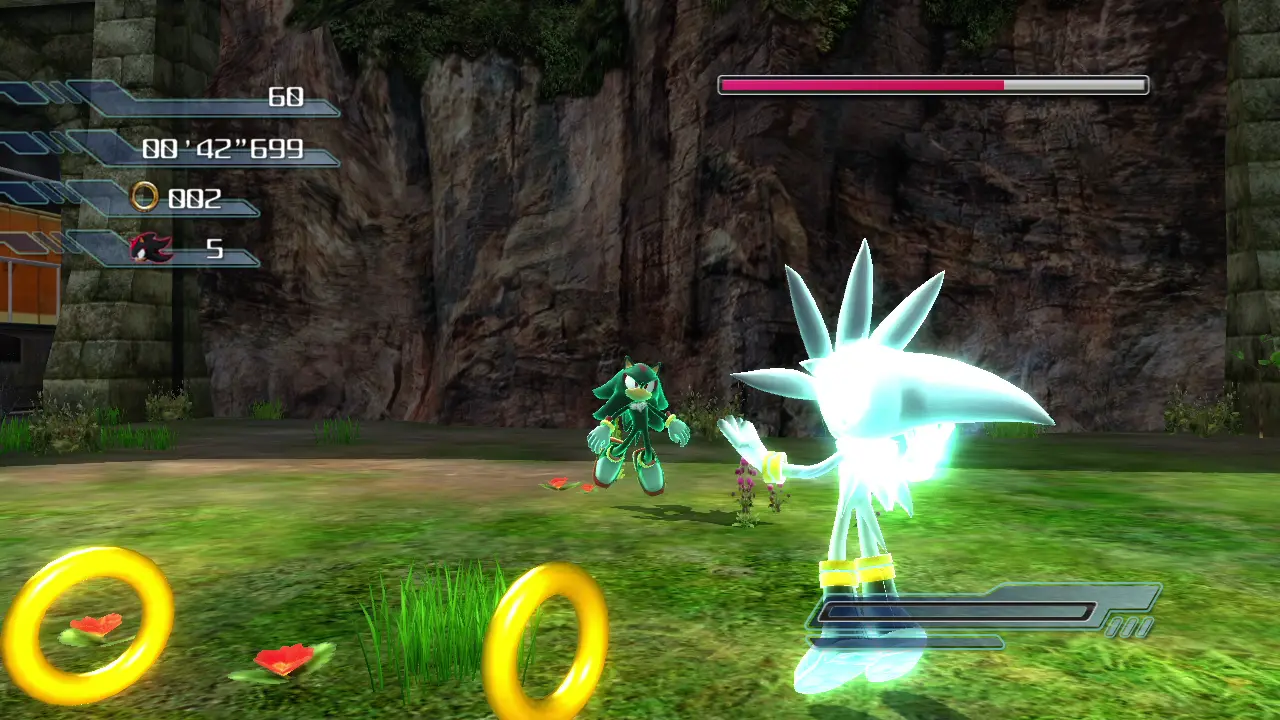
Shadow versus SilverShadow and Silver (Radical Train)Chaos Control against psychokinesis, fought from both sides.
Iblis, third formSilver (Flame Core)The last fight of Silver’s story, before Blaze’s sacrifice.
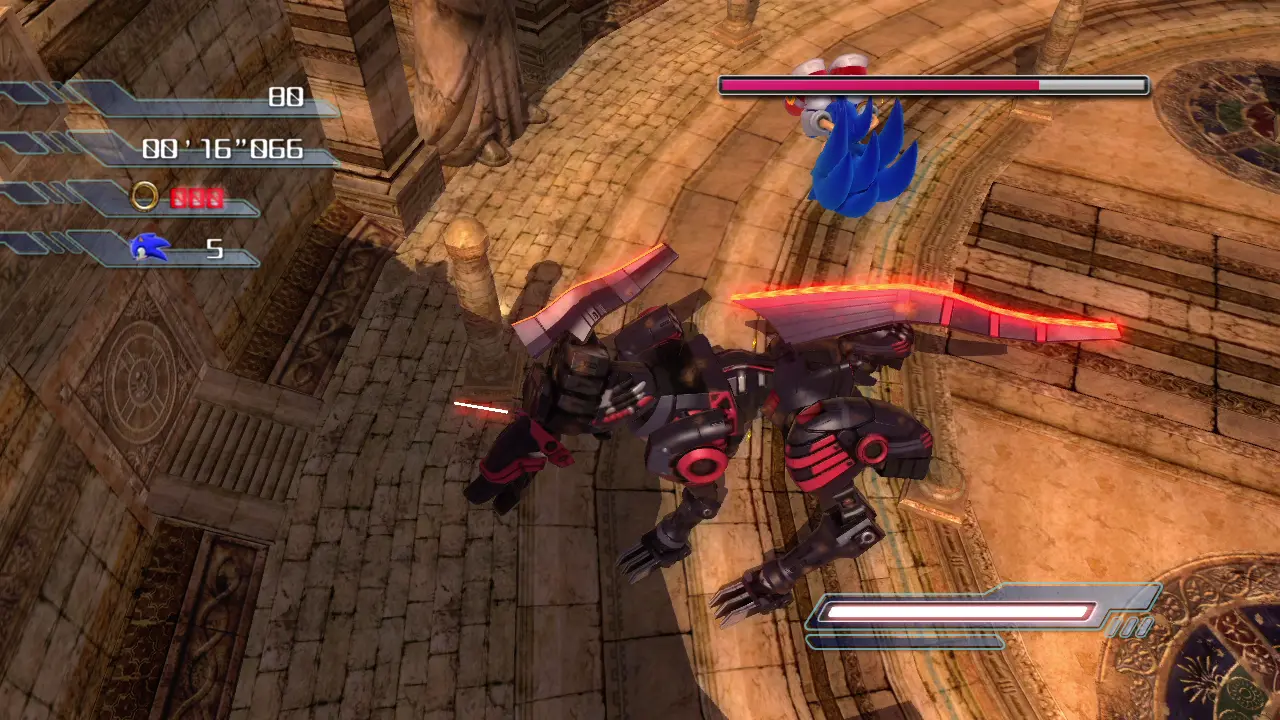
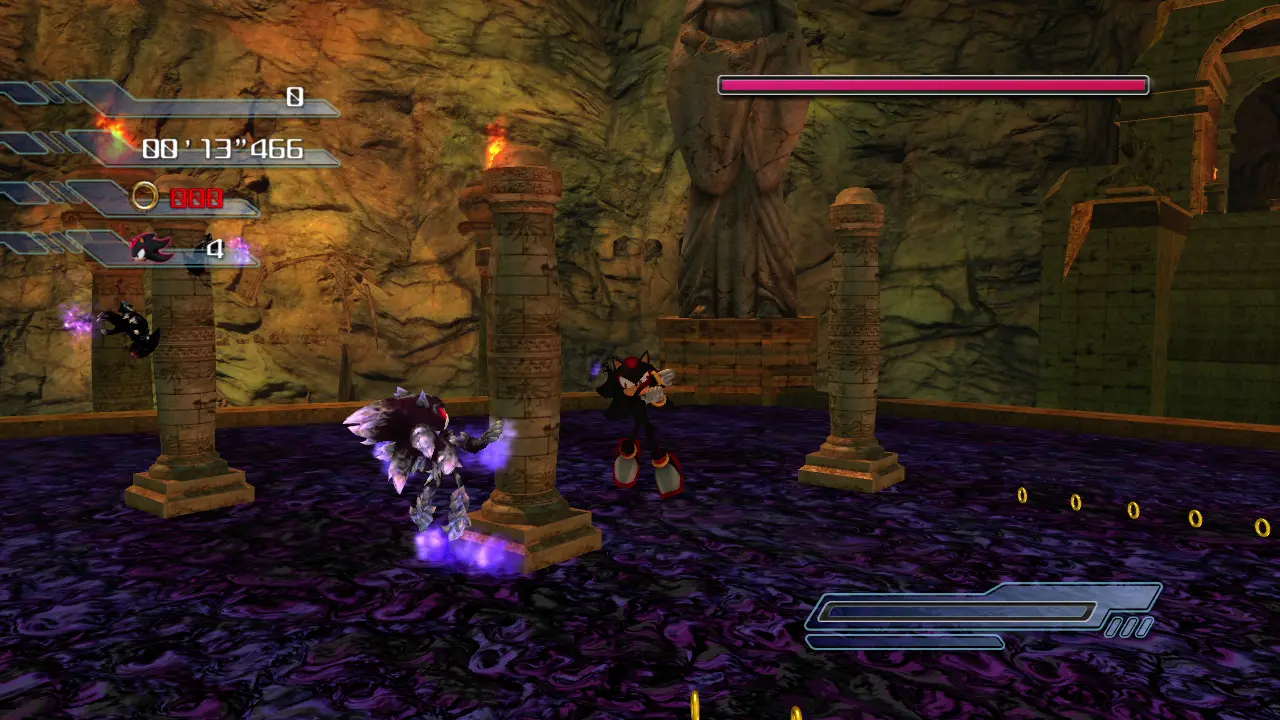
Mephiles, first battleShadow (Flame Core, with Omega)Mephiles in his true form, two centuries ahead.
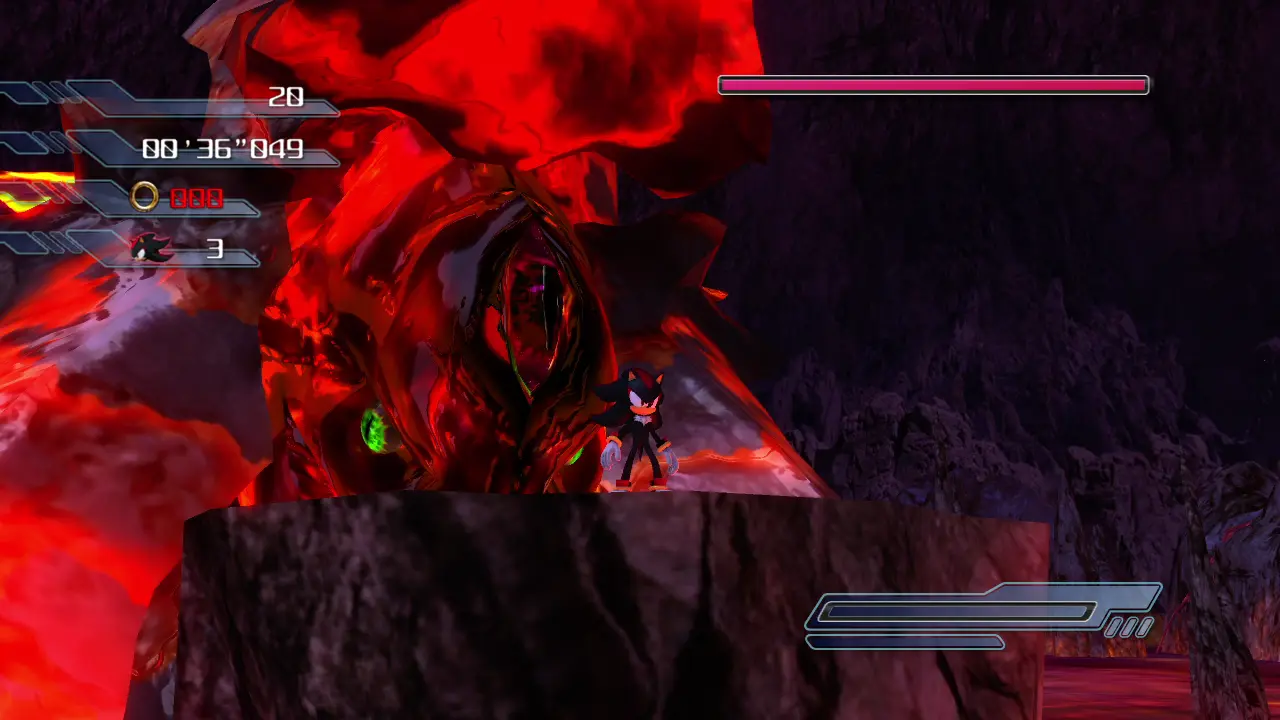
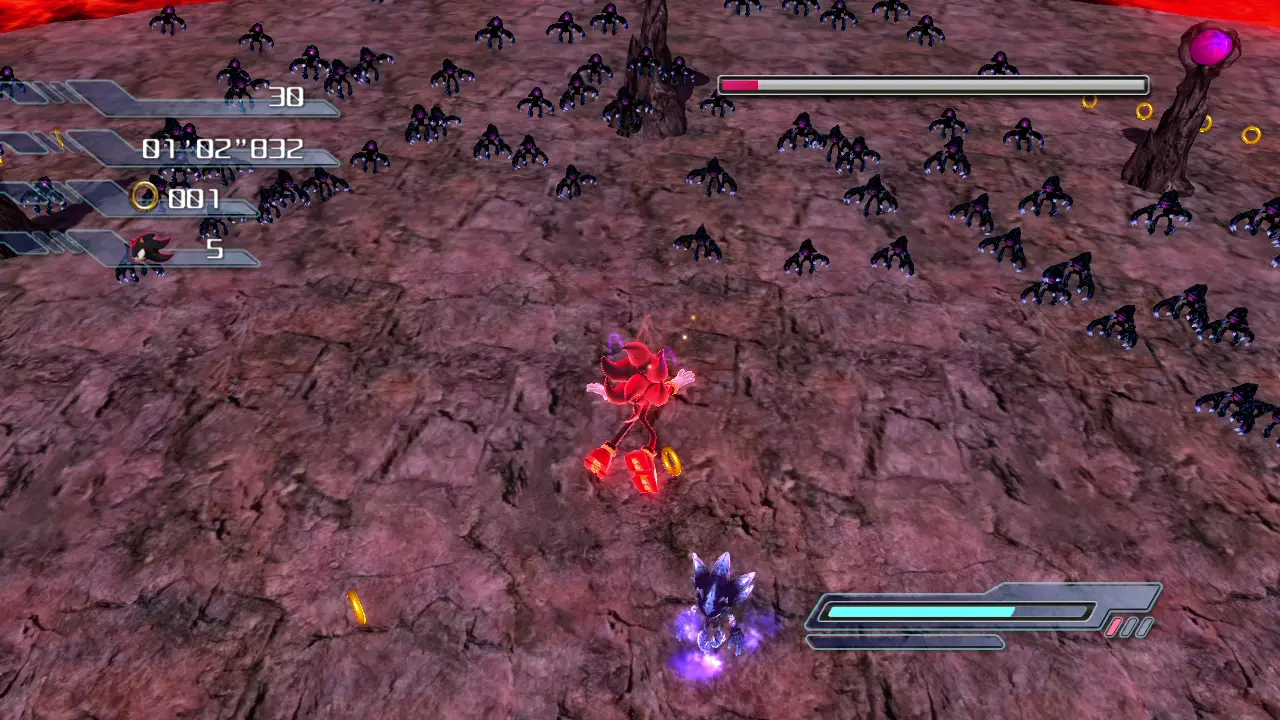
Mephiles, second battleShadow (Dusty Desert)Mephiles holding an Emerald, with Rouge and Omega at Shadow’s side.
SolarisLast Story (End of the World)Fought by Super Sonic, Super Shadow and Super Silver together.
The people who made it
Key credits from Wikipedia’s cited sources, Sega Retro and Sonic Retro.
Shun NakamuraDirectorDrew storyboards for the cutscenes and carried the project after Naka left.
Yuji NakaHead of Sonic TeamSet out to make a blockbuster in the spirit of superhero films, then left Sega in March 2006 to found Prope.
Masahiro Kumono and Takashi IizukaProducersIizuka later admitted the team had no time to polish and was producing content as fast as it could.
Yoshinari AmaikeCharacter artistDesigned Silver, who went through more than fifty versions, starting as an orange mink.
Tomoya OhtaniSound directorHis first Sonic game in charge of the music, aiming for an epic new-generation sound.
Yojiro OgawaWii project leadTook part of the team to make Sonic and the Secret Rings when the Wii port was dropped.
Blur StudioCG cutscenesAnimated the cinematics; animation supervisor Leo Santos recalled the trouble with Sonic’s mouth in the opening scene.
How it was made
Our original page had no history section, so this one is new. It combines Wikipedia’s cited development history with Sonic Retro’s development page (the E3 and Tokyo Game Show showings, design notes and the unreleased PC version) and Sega Retro’s release data.
A rebirth for the fifteenth birthday
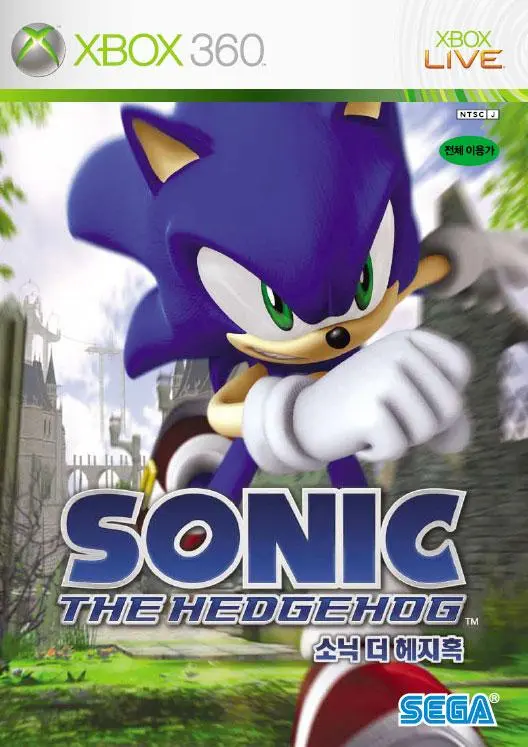
Cover artwork.Image via Sonic Retro
Calling it plain Sonic the Hedgehog was the point. Sega meant the fifteenth-anniversary game as a fresh start, and Yuji Naka wanted it to reach the kind of crowd that queued for Spider-Man 2 and Batman Begins. The brief kept what fans loved about the Mega Drive games, such as several routes through each level, and promised at last to fix the camera everyone grumbled about.
The project itself was older than the Sonic branding. Once Sonic Heroes and Billy Hatcher and the Giant Egg were out of the way in 2003, Sonic Team began sketching a game with true-to-life physics and a more serious tone, aimed at the consoles of the day and not yet about Sonic. Sega’s request for a Sonic title, and the realisation that it would land on the anniversary, moved it to the next generation; hardware specifications reached the team in late 2004 and development kits in early 2005.
Havok, realism and a new hedgehog
Silver, the new hedgehog.
The engine was Havok, which Sonic Team already knew from Astro Boy on PlayStation 2. It made room for huge levels crowded with objects, and for experiments with global illumination and a day-and-night cycle. Everything leaned towards realism: Soleanna was modelled on Venice, Sonic Retro notes, Sonic grew taller and Eggman slimmer so that they could share scenes with human characters, and Sonic Retro records a test of Sonic with realistic fur.
Silver was a product of the physics too: a hero who hurls objects around shows off what Havok can do. He started out as an orange mink and went through more than fifty versions before he settled, and Sonic Retro credits his final design to Amaike and notes that the game files still call him Venice, after the city behind Soleanna. Shadow, meanwhile, swapped the guns of his own game for hand-to-hand fighting and vehicles.
A promising start
Super Sonic in an early screen.
For a while it looked like a winner. A video shown privately at E3 in May 2005 soon found its way online, and at the Tokyo Game Show that September Naka confirmed the title and the anniversary link. The playable demo there was a technology showcase for the physics and lighting; Sonic Retro notes that Sonic ran at double his final speed with a debug mode left on. Another demo at E3 2006 and a September 2006 Xbox Live demo kept previews upbeat.
Falling apart
Then the team came apart. Naka resigned in March 2006 to found his own studio, Prope. The Wii development kits brought another split: a port to the weaker machine looked too slow to finish, so Yojiro Ogawa was given an original Wii game, which became Sonic and the Secret Rings, and took part of the team with him. A Windows version got as far as an advert in the PC manual for Sonic Riders and no further, while Sonic Retro credits Polygon Magic with background modelling for the PlayStation 3 version.
The release date did not move. Racing to make the 2006 holiday season, Sonic Team pushed through control problems and quality-assurance bug reports in the last months and cut features, the day-and-night cycle and online multiplayer among them. Ogawa later described the strain of finishing Xbox 360 and PlayStation 3 versions at the same time with one team; the game went out unfinished to hit the anniversary.
Music and voices
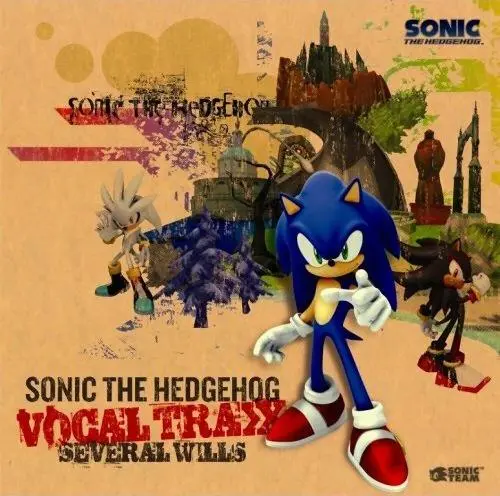
Vocal Traxx: Several Wills.
Two albums came out on 10 January 2007: the three-disc Original Soundtrack, holding all 93 tracks, and Vocal Traxx: Several Wills, with seven songs including Crush 40’s take on “His World”. The game version of that main theme was sung by Ali Tabatabaee and Matty Lewis of Zebrahead. Each hero had a song: Crush 40 recorded “All Hail Shadow” and Bentley Jones sang Silver’s “Dreams of an Absolution”, Donna De Lory sang “My Destiny” for Elise, and Akon remixed Dreams Come True’s “Sweet Sweet Sweet”, a tune first heard at the end of Sonic 2.
Behind the songs, Tomoya Ohtani led a five-strong team of composers, supervised by Masato Nakamura of Dreams Come True, who had scored the first two Mega Drive games. The English voices were the Sonic X dub cast, and the disc carries Japanese voices too, picked by the console’s language setting.
Release and downloads
North America got the Xbox 360 version on 14 November 2006 and Europe ten days later, and Japan had both versions on 21 December. The PlayStation 3 game waited so that it could ship with the downloadable content already on the disc, arriving on 30 January 2007 in North America and on 23 March 2007, the console’s own launch day, in Europe and Australia.
The 2007 downloads added a harder mode and a boss rush for each hedgehog, plus Team Attack Amigo, which swaps characters every few levels on the way to a boss.
Firsts: what this game introduced
Sonic ’06 was a first in several ways, not all of them happy.
1New generationThe first Sonic game for the Xbox 360 and PlayStation 3 generation.
2Silver the HedgehogDebut of Silver, who went on to appear in Sonic Rivals, the Mario & Sonic Olympic series, Sonic Forces and more.
3Elise, Mephiles, Iblis and SolarisThe debuts of the princess and the villain who is really one god in two halves. Elise has never returned; Mephiles was playable in Sonic Runners and came back in Shadow Generations.
4Ohtani in chargeThe first Sonic game with Tomoya Ohtani as sound director.
Cheats & secrets
Our original page had no secrets section, so this one is new. There are no cheat codes; everything is unlocked by playing.
Unlocking the other hedgehogs
Only Sonic’s story is open at first. Clear Crisis City as Sonic to open Shadow’s story, and beat Silver in Sonic’s story to open Silver’s.
The Last Story
Finish all three campaigns and the Last Story appears.
Audio Room and Theater Room
Complete any one hedgehog’s story 100% to open the music player and the cutscene viewer. Beating Solaris adds Elise’s theme.
Tag and Battle
Two players can team up in Tag mode, sharing lives as they clear stages for Chaos Emeralds, or race to the goal in Battle mode.
Glitches, exploits and oddities
The game’s bugs are legendary, and they made it a favourite of Let’s Play videos. Here are some of the oddities left on the disc.
Head to the Wave Ocean
Near the end of Shadow’s story the GUN Commander’s radio message was left in with a fluffed take: he says “Head to the Wave Ocean”, mutters about the line and reads it again properly.
The Book of Darkness
In one scene of Shadow’s story, the Scepter of Darkness is called the “Book of Darkness” by mistake.
Online, apparently
The box describes the game as online capable, but there is no online play at all; the only online feature is the downloadable content. Rumoured four-player mini-games such as a quiz never made it in either.
Where did the Emeralds go?
The Emeralds’ routes through time.Image via Sonic Retro
Tracking the seven Emeralds through all the time travel turns up paradoxes. The blue Emerald is caught in a loop: Silver gives it to the young Elise, who treasures it for ten years and throws it to Sonic, who loses it to Eggman, from whom Silver takes it back to the past. It never enters or leaves the loop, and it also leaves Elise holding an Emerald during years when Sonic and Shadow needed all seven to go Super.
Silver, alias Venice
Silver’s internal name in the files of both the Xbox Live demo and the final game is Venice, the city that inspired Soleanna.
Videos & media
IGN’s footage of the playable Tokyo Game Show 2005 demo, and a complete playthrough.
Sonic’s early speed at the Tokyo Game Show 2005, from IGN.
A full playthrough from LongplayArchive.
Trivia & facts
Elise.Image via Sonic RetroA script leaked before release shows that Elise was once Princess Oliga, a name Sonic Retro links to the singer Origa.
Akon’s “Sweet Sweet Sweet” reworks the Dreams Come True song whose melody plays at the end of Sonic the Hedgehog 2.
Drake’s 2017 track “KMT” samples “His World”.
Eggman’s realistic redesign.One concept model by Cemre Ozkurt gave Sonic realistic fur; the idea was dropped.
Sonic Retro points out that the music for Town Mission 4 has a melody close to Flash Man’s stage in Mega Man 2.
An instrumental of “His World” heard at E3 2006 was dropped from the final game; fans call it “the Lost Instrumental”.
In 2019 a SnapCube Real-Time Fandub, recorded in a single take over the game’s cutscenes, became a hit of its own.
Sonic’s death in the Last Story is one of the rare times a villain actually kills him; Sonic Retro calls it the only one.
Media & artwork
Box art, artwork, cutscenes and screenshots from Sonic Scene’s own galleries and Sonic Retro. Select any image to view it larger.
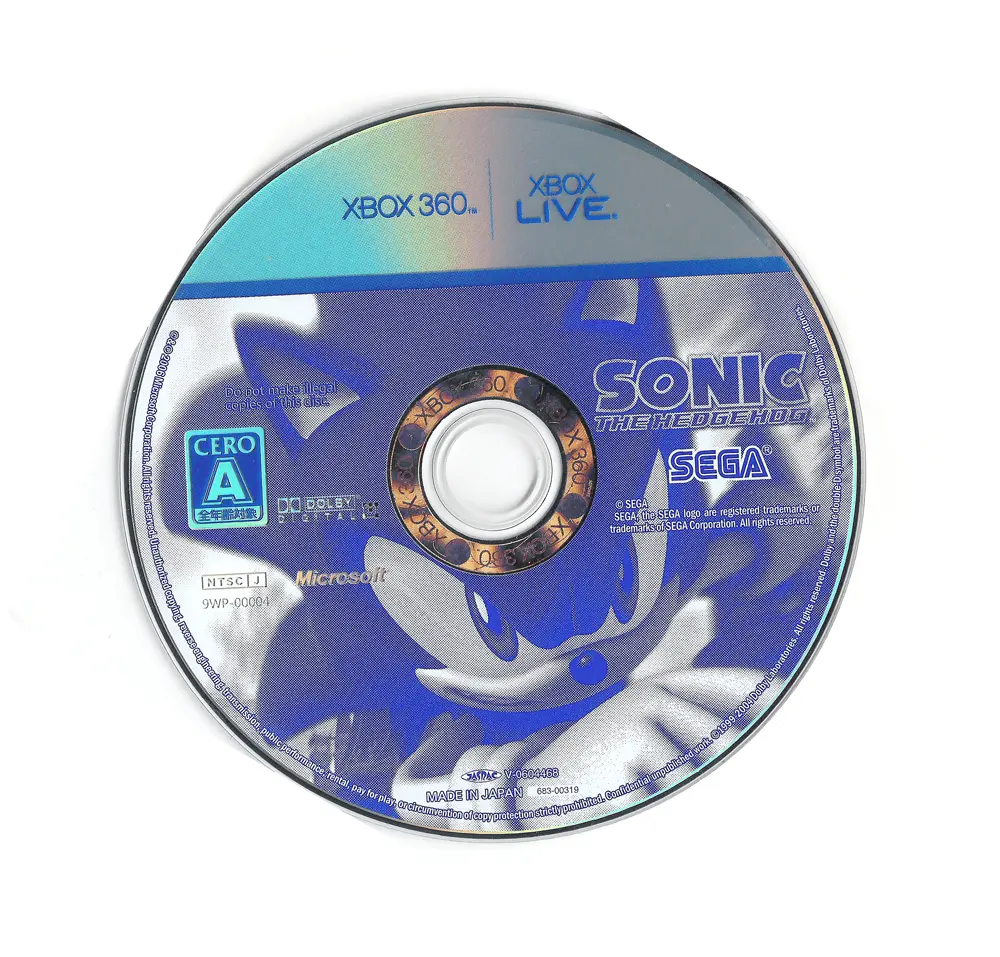
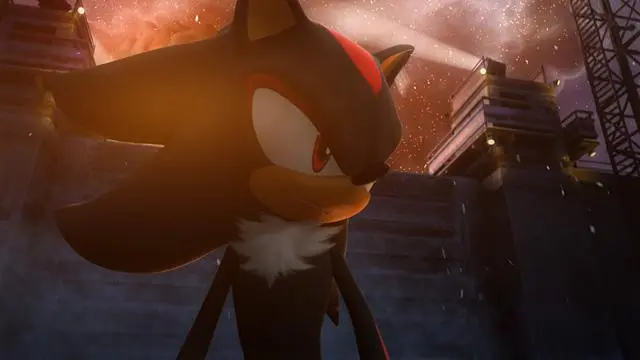
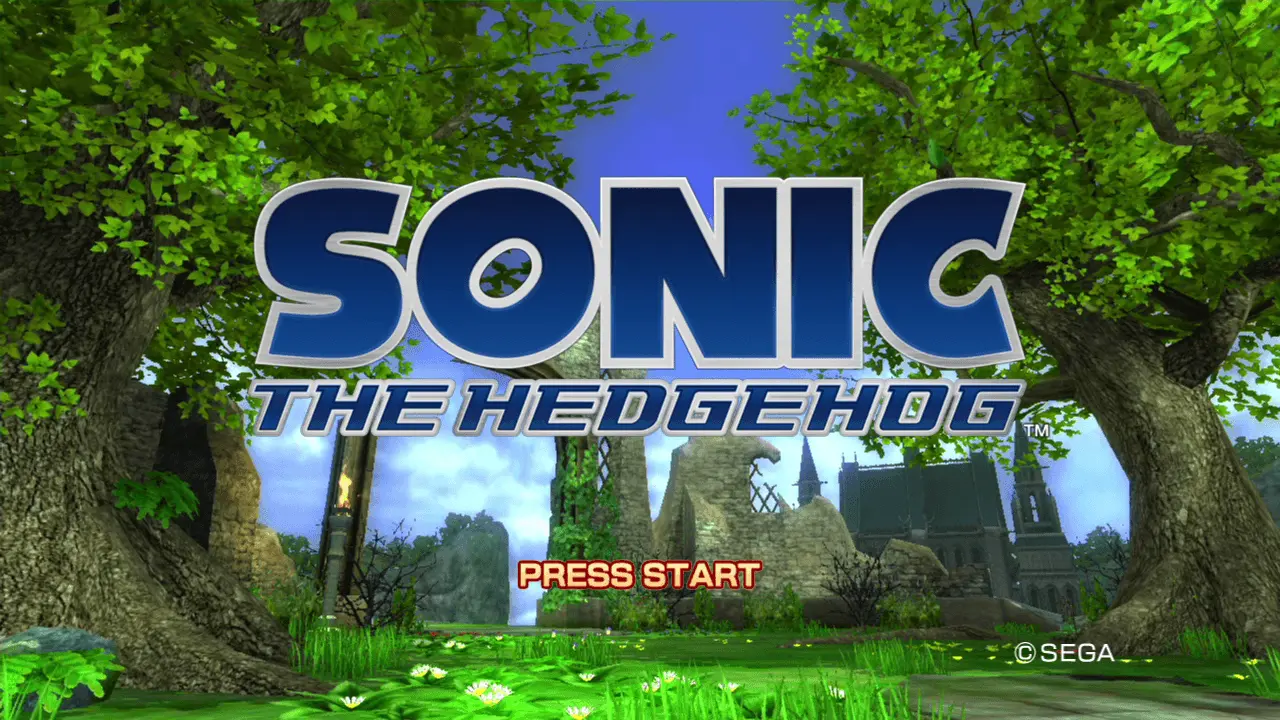
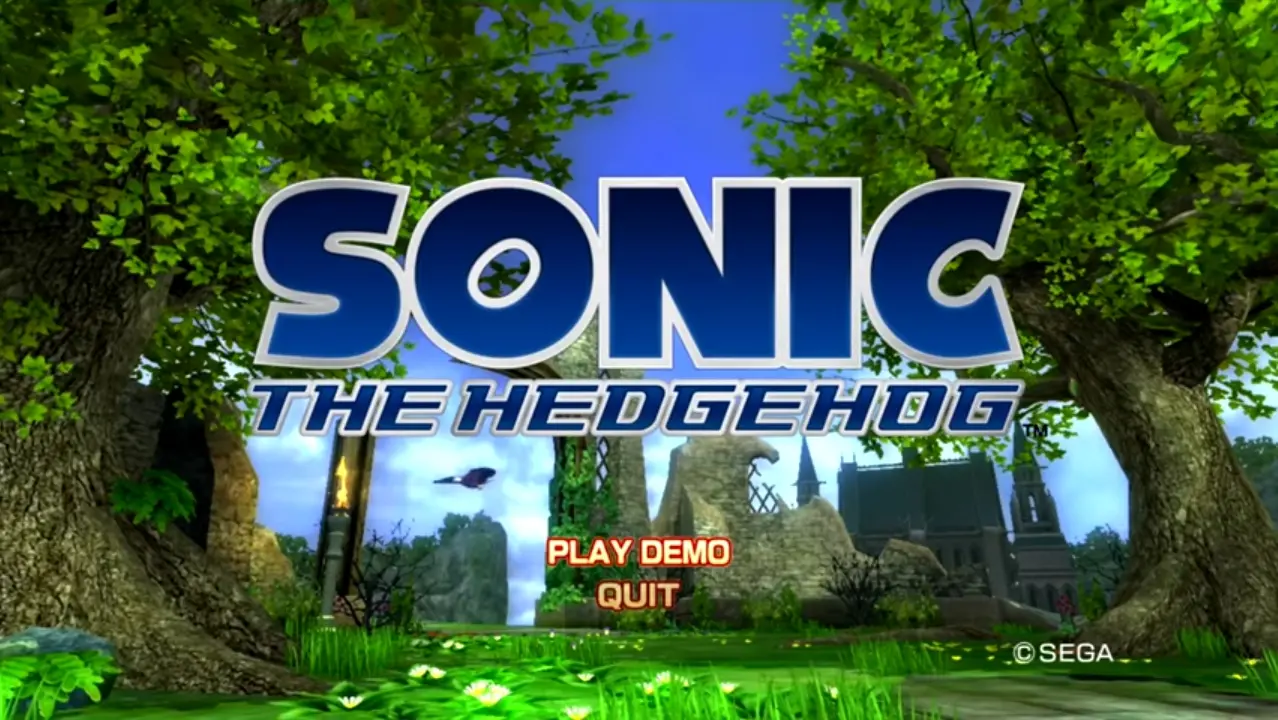
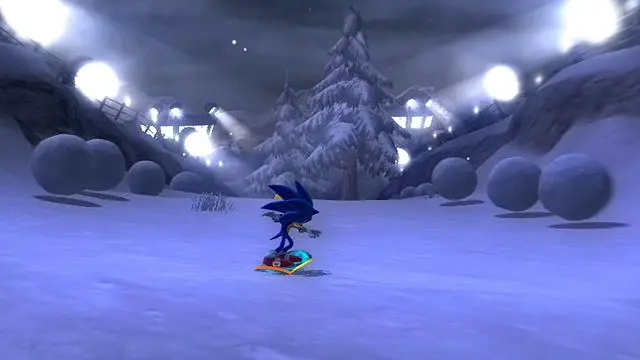
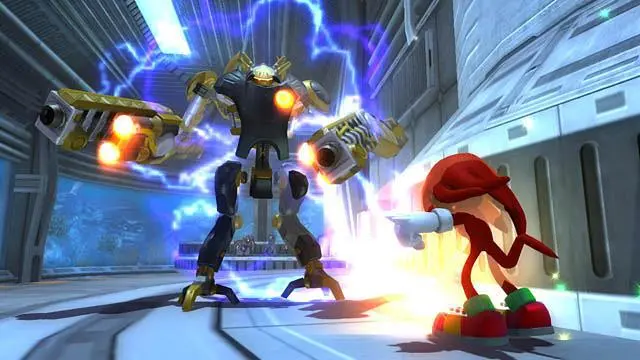
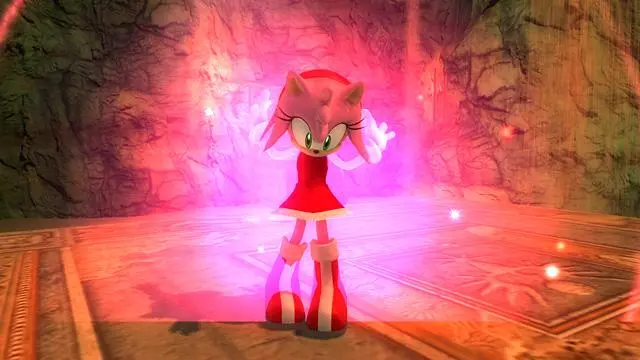
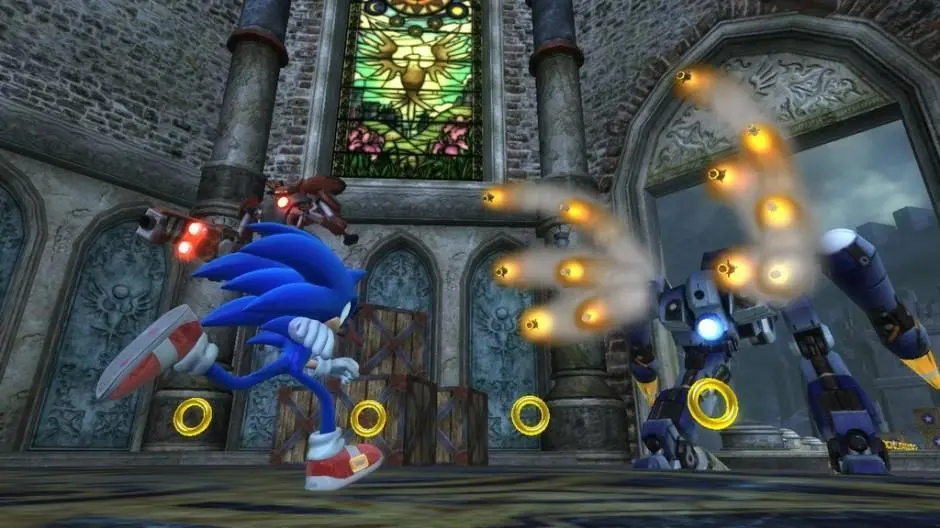
North American Xbox 360 box.European Xbox 360 box.Korean Xbox 360 box.Platinum Hits box.North American PlayStation 3 box.Japanese PlayStation 3 box.Japanese Xbox 360 disc.Original Soundtrack.Logo.Iblis, second form.Sonic on the run.Sonic.Sonic render.Shadow in a cutscene.Title screen.The Xbox Live demo.White Acropolis.Flame Core.Radical Train.Shadow’s Chaos Spear.Shadow’s Chaos powers.Knuckles in action.Amy.An Iblis Taker.Eggman’s artillery.Egg Gunner.Iblis Golem.Iblis Titan.Mephiles, second battle.Iblis, third form.
Sonic ’06 is widely considered the low point of the series and it changed Sega’s direction: Sonic Unleashed avoided its serious tone, the realistic Sonic and Eggman designs were dropped, and Sonic Colours went back to light-hearted fun. Yet Silver became a regular, the music is well loved, and fans have spent years trying to rebuild the game as it was meant to be.
Releases and re-releases
E3 closed-door revealMay 2005 – Video shown privately, later leaked.
Tokyo Game Show demoSeptember 2005 – Title and anniversary confirmed.
Xbox Live demoSeptember 2006 – A short Sonic section.
Xbox 360 (North America, Europe)14 and 24 November 2006 – US$59.99; UK £49.99.
Xbox 360 and PlayStation 3 (Japan)21 December 2006 – ¥6,800 each.
Soundtrack albums10 January 2007 – Original Soundtrack and Vocal Traxx: Several Wills.
PlayStation 3 (North America)30 January 2007 – With the downloadable content.
PlayStation 3 (Europe, Australia)23 March 2007 – A launch-day title.
Platinum Hits (Xbox 360)2007 – US$19.99.
Xbox Live Marketplace (Games on Demand)6 August 2009 – Digital re-release in the US at US$19.99, by Sega Retro’s release table (Wikipedia gives 15 April 2010).
DelistedOctober 2010 – Pulled with other poorly reviewed Sonic games.
Relisted on Xbox 360 Marketplace24 May 2022 – In selected countries.
Afterlife
Sonic Generations rebuilt Crisis City and the Silver fight in 2011, a choice some reviewers questioned, and Shadow Generations brought back Kingdom Valley and Mephiles in 2024. Silver has turned up in Sonic Rivals, the Mario & Sonic series, Team Sonic Racing and Sonic Forces, and in a 2025 Dengeki Online poll in Japan he ranked third among the series’ most popular characters, with Mephiles twelfth.
Fans have tried to give the game a second chance. A group called Gistix began a Unity remake in 2015 and released demos in 2017, and a separate team led by ChaosX has released demos of Sonic P-06 since 2019.
Sales & reviews
Sales
The reviews did not stop people buying it. Sega’s results show 550,000 Xbox 360 copies sold in North America and Europe by the end of 2006, and 870,000 across both formats by the end of March 2007, which Sega described as strong. The Xbox 360 version later joined the Platinum Hits budget range.
870,000Sold in North America and Europe by March 2007 (Sega)
46Metacritic, Xbox 360
43Metacritic, PlayStation 3
44%Sega Retro average of five magazine reviews (Xbox 360)
Reception and review scores
Scores from Wikipedia’s cited review table and Sega Retro’s magazine index, converted to percentages. Metacritic rated both versions “generally unfavorable”.
FamitsuJapan · Xbox 360 (30/40)
75%
Game InformerUS · Xbox 360 (6.75/10)
68%
Official Xbox MagazineUK · Xbox 360 (6/10)
60%
PlayUS · PlayStation 3 (5.5/10)
55%
GameProUS · Xbox 360
54%
Game StationUK · Xbox 360
50%
IGNUS · Xbox 360 (4.8/10)
48%
Xbox: The Official MagazineUS · Xbox 360
45%
GameSpotUS · Xbox 360 (4.4/10)
44%
Electronic Gaming MonthlyUS · Xbox 360
40%
HyperAustralia · Xbox 360
30%
EurogamerUK · Xbox 360 (2/10)
20%
Almost every review landed on the same list of faults: a camera that swung wildly, long and frequent loading screens, loose controls, confusing level design and a long list of bugs. GameSpot called it “a mess from top to bottom”, Eurogamer rated the camera the worst it had ever seen, and plenty of critics resented how much of the running time went to characters other than Sonic. The plot was judged muddled and far too gloomy, the voice acting grating, and the romance between Sonic and a human princess a step too far.
The disappointment was sharper because the previews had been warm. GameSpot had seen real promise in the E3 2006 demo and GameSpy liked the look, and some hoped this would finally be the 3D Sonic to put the series right. A few reviewers still found things to like. IGN spotted short stretches showing how a new-generation Sonic could work, 1UP felt it still played like Sonic, and Game Informer admired its ambition and sheer amount of content. Play’s Dave Halverson went furthest, scoring the Xbox 360 version 9.5 out of 10 before lowering it to 8.5 in the following issue, once he learned the load times and bugs had survived into the shipped game, and giving the PlayStation 3 version 5.5 when they still had not been fixed. The soundtrack has kept its admirers ever since.
Reader reviews
No reader reviews yet. Played it? Give it a score out of 10 and tell other fans what you think.
Every fact on this page was checked against the sources below. Sonic Retro and Sega Retro pages were read through Wayback Machine copies from 2024 and 2025 that show the real article, because both live sites show a bot check. Review scores come from Wikipedia’s cited review table and Sega Retro’s magazine index. Our original article was an infobox only; its facts are kept in the info table.
To provide the best experiences, we use technologies like cookies to store and/or access device information. Consenting to these technologies will allow us to process data such as browsing behavior or unique IDs on this site. Not consenting or withdrawing consent, may adversely affect certain features and functions.
Functional
Always active
The technical storage or access is strictly necessary for the legitimate purpose of enabling the use of a specific service explicitly requested by the subscriber or user, or for the sole purpose of carrying out the transmission of a communication over an electronic communications network.
Preferences
The technical storage or access is necessary for the legitimate purpose of storing preferences that are not requested by the subscriber or user.
Statistics
The technical storage or access that is used exclusively for statistical purposes.The technical storage or access that is used exclusively for anonymous statistical purposes. Without a subpoena, voluntary compliance on the part of your Internet Service Provider, or additional records from a third party, information stored or retrieved for this purpose alone cannot usually be used to identify you.
Marketing
The technical storage or access is required to create user profiles to send advertising, or to track the user on a website or across several websites for similar marketing purposes.



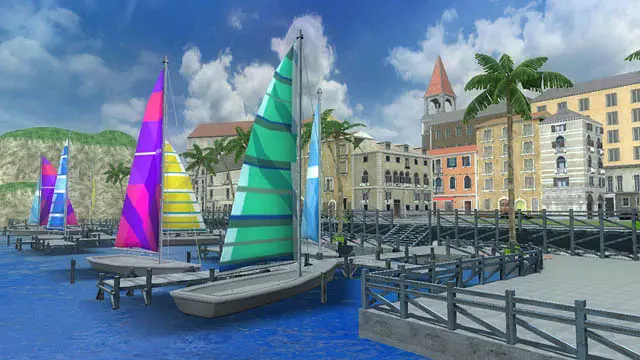 Soleanna New CityTown stageThe newer district of Soleanna, with townsfolk and side missions of its own.
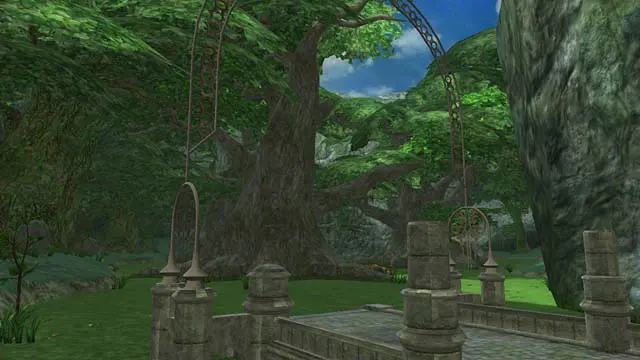 Soleanna ForestTown stageWoodland outside the city, where Sonic fights the Egg Genesis to rescue Elise.
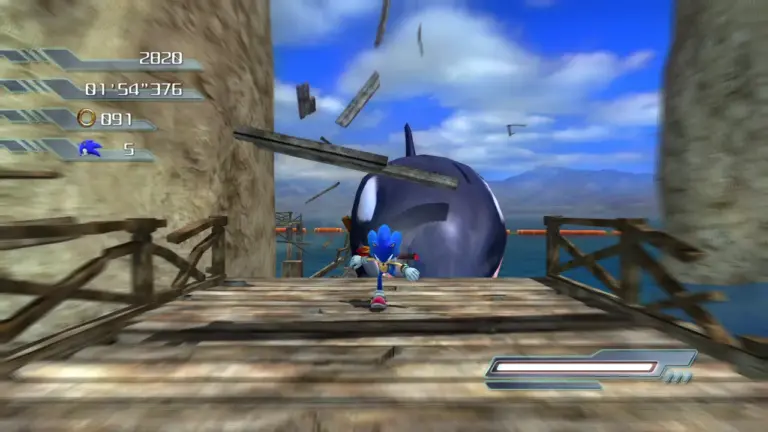 Wave OceanSonic 1st · Shadow 8th · Silver 3rdA coastal stage where Sonic first chases the Egg Carrier out to sea; in Shadow’s story, Omega catches up with Mephiles here.
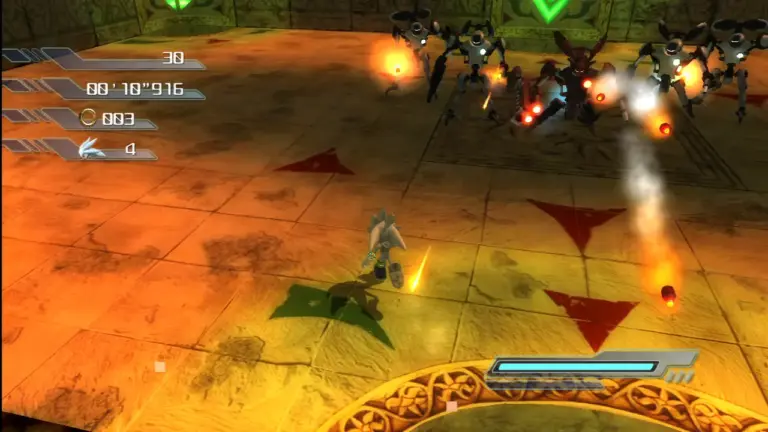 Dusty DesertSonic 2nd · Shadow 9th · Silver 4thSand-blown ruins where Eggman hides Elise and an Emerald lies buried. Sonic meets the Egg Cerberus; Shadow finishes his story here.
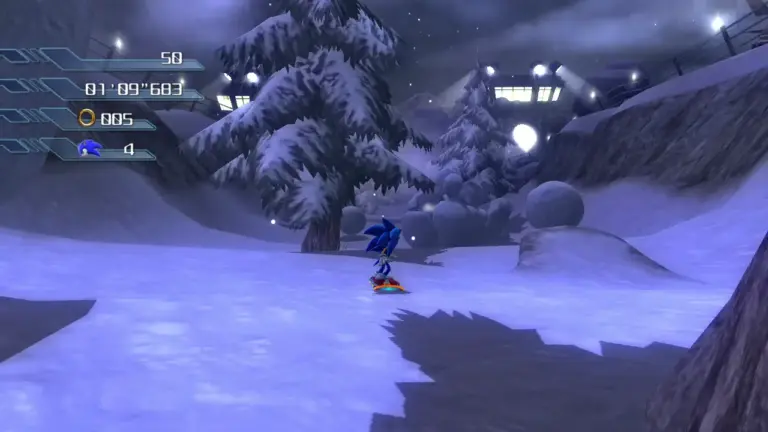 White AcropolisSonic 3rd · Shadow 1st · Silver 5thEggman’s snowbound mountain base: Rouge’s prison, Sonic’s double-crossing hand-over, and Silver’s fight with the Egg Genesis.
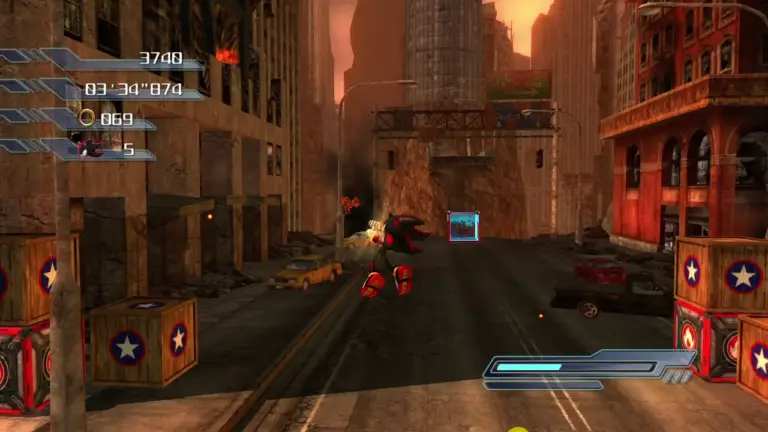 Crisis CitySonic 4th · Shadow 3rd · Silver 1stA ruined city 200 years in the future, overrun by the flames of Iblis. Silver’s home, where every story first meets the monster.
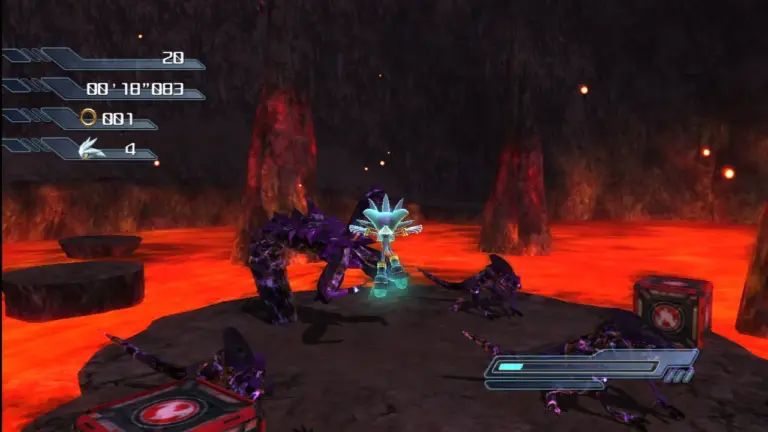 Flame CoreSonic 5th · Shadow 4th · Silver 9thFiery caverns in the future, where Iblis is fought, Shadow first duels Mephiles and Silver’s story ends.
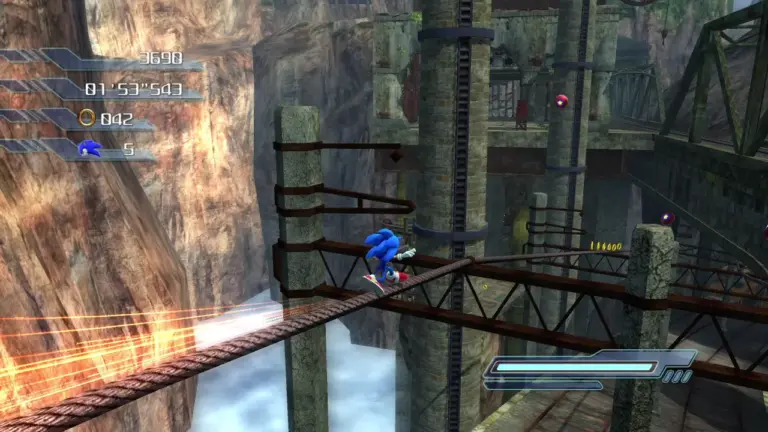 Radical Train6th in every storyA runaway rail chase after Eggman’s train, and the place where Silver and Shadow clash.
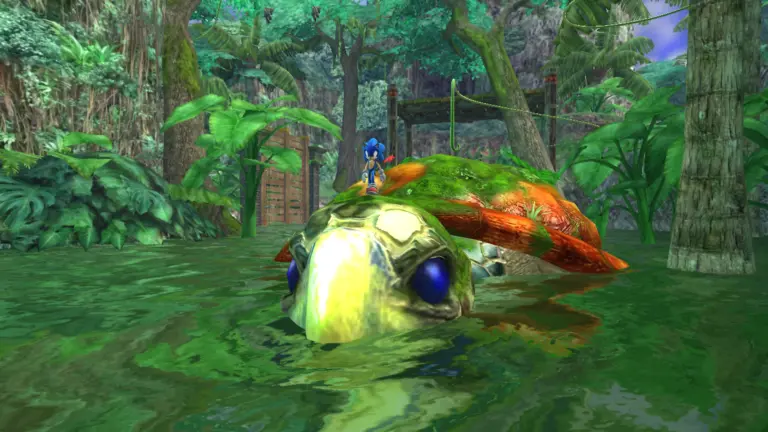 Tropical JungleSonic 7th · Shadow 5th · Silver 2ndThick jungle outside Soleanna. Sonic takes Elise through it on the way home; Rouge finds the dormant Omega here.
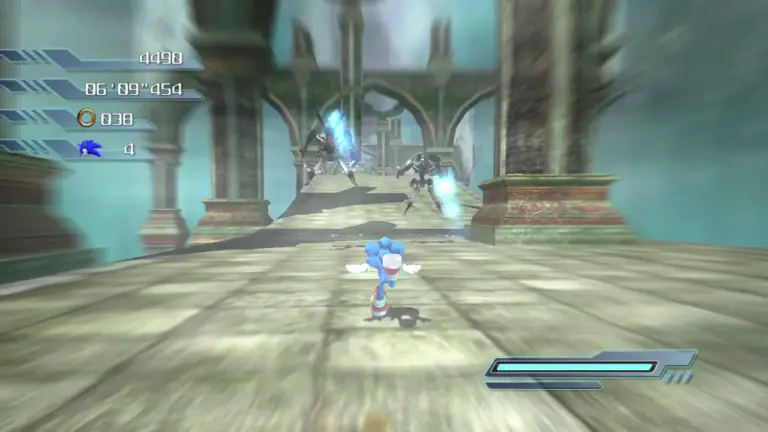 Kingdom ValleySonic 8th · Shadow 2nd · Silver 8thThe royal castle abandoned after the Solaris Project accident, where Mephiles is released and where the Egg Carrier goes down.
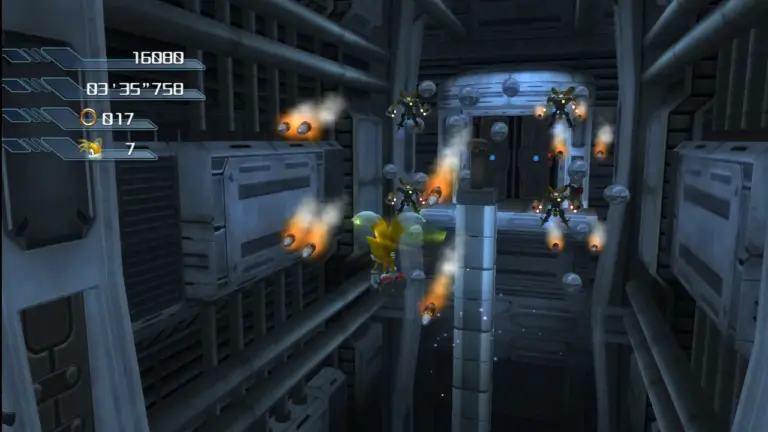 Aquatic BaseSonic 9th · Shadow 7th · Silver 7thEggman’s base, where Sonic slips aboard the Egg Carrier before take-off; Shadow and Silver run through it ten years in the past.
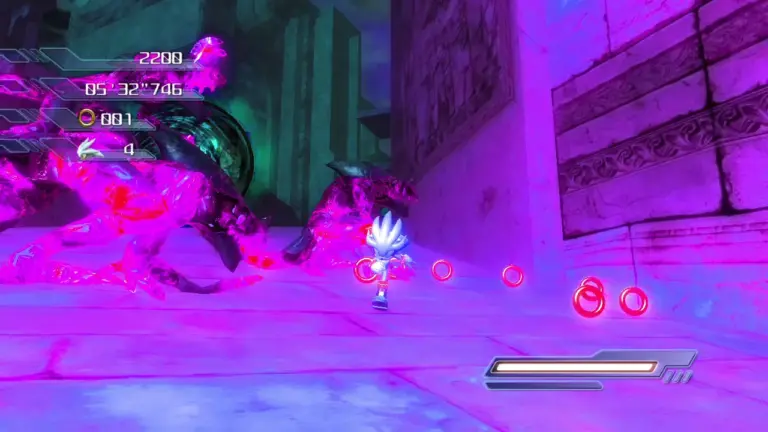 End of the WorldLast StoryA broken void outside time, where everyone gathers the Emeralds to bring Sonic back.
 Sonic the HedgehogPlayable · Episode 1
 Shadow the HedgehogPlayable · Episode 2
 Princess Elise the ThirdNew · Heroine
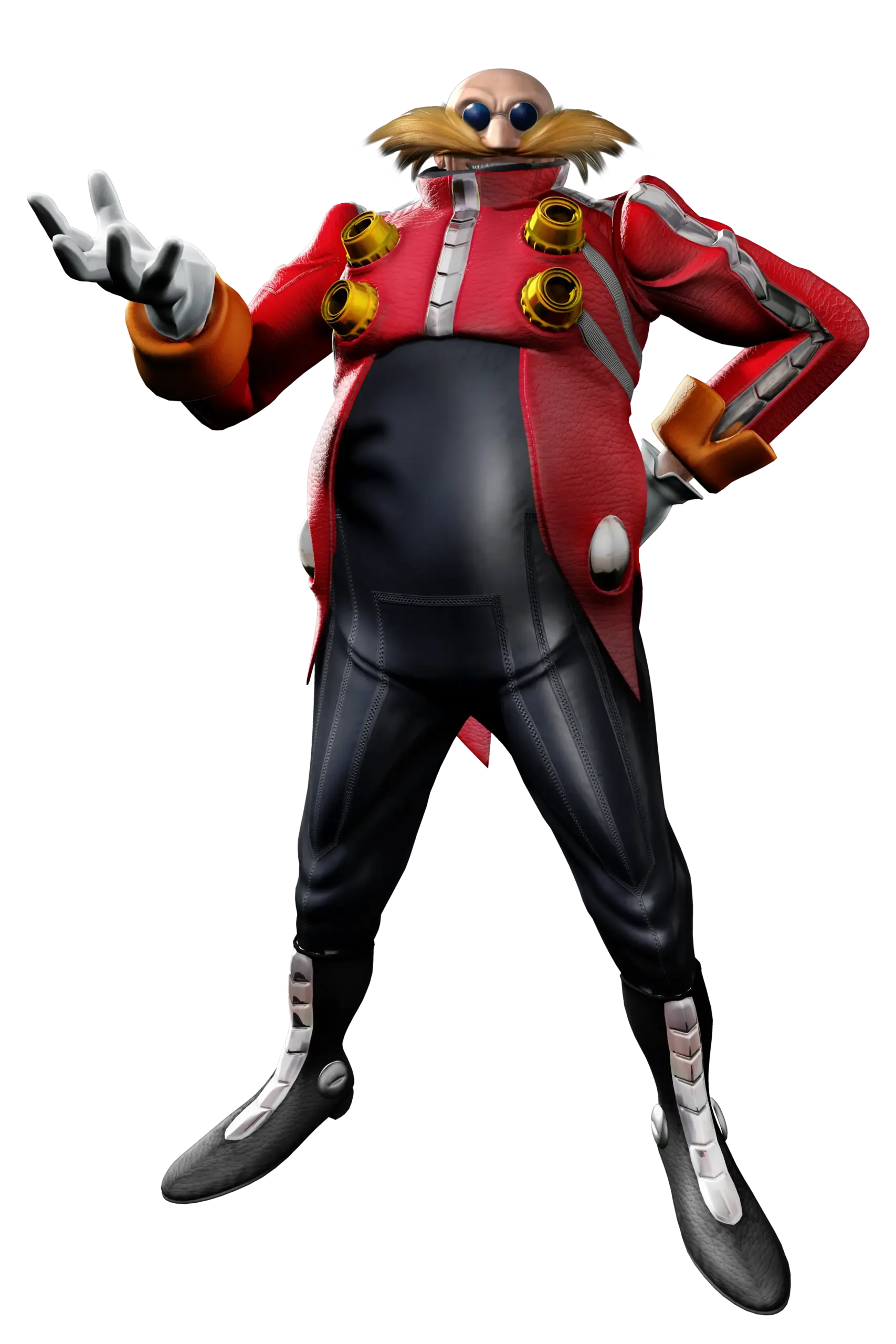 Dr. EggmanVillain
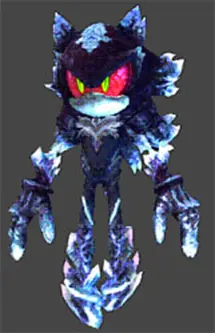 Mephiles the DarkNew · Villain
 Miles “Tails” ProwerFriend character
 Knuckles the EchidnaFriend character
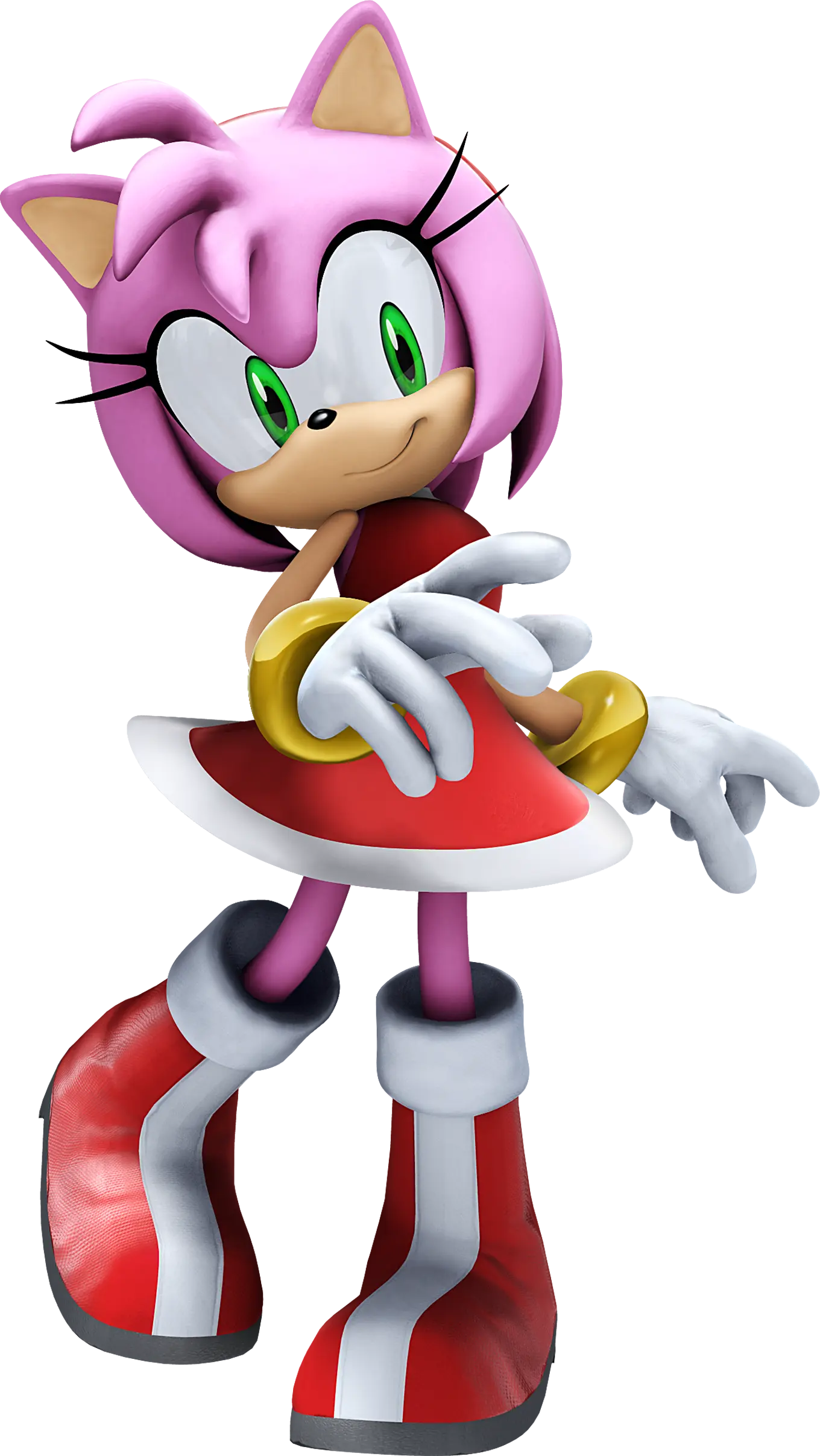 Amy RoseFriend character
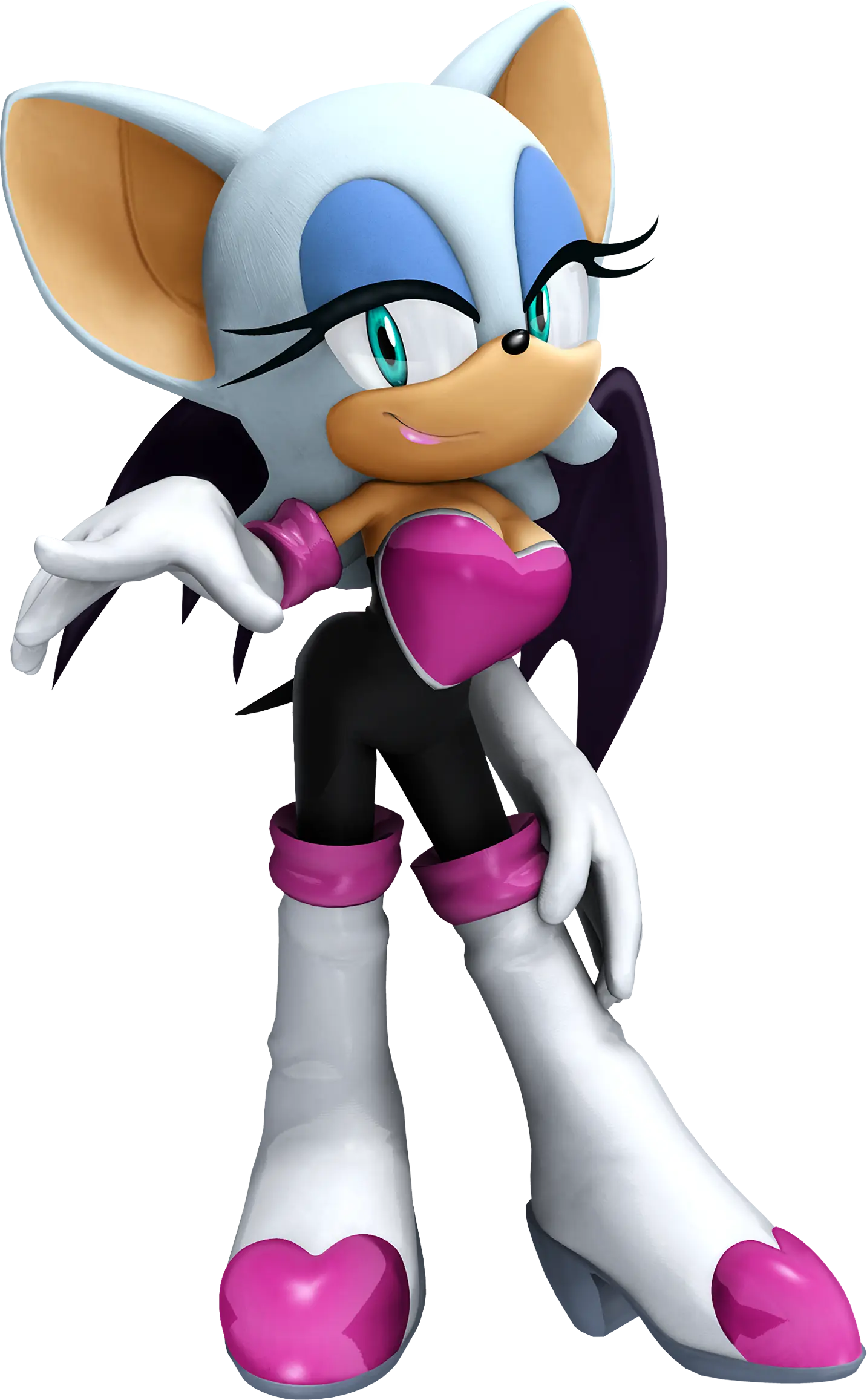 Rouge the BatFriend character
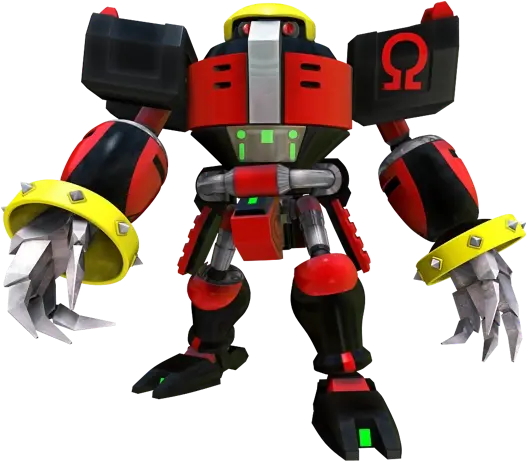 E-123 OmegaFriend character
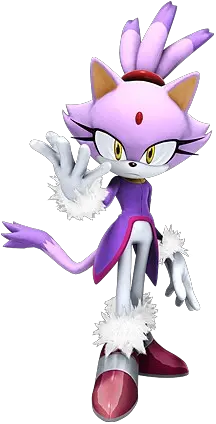 Blaze the CatFriend character
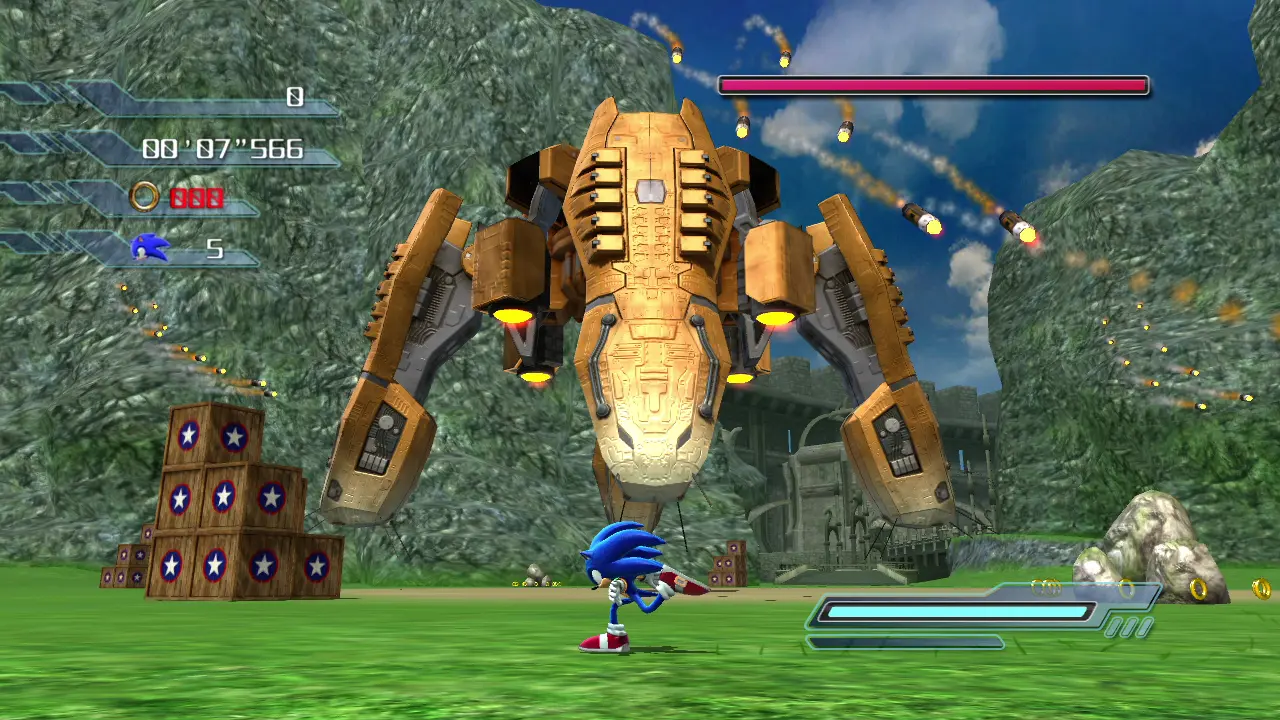
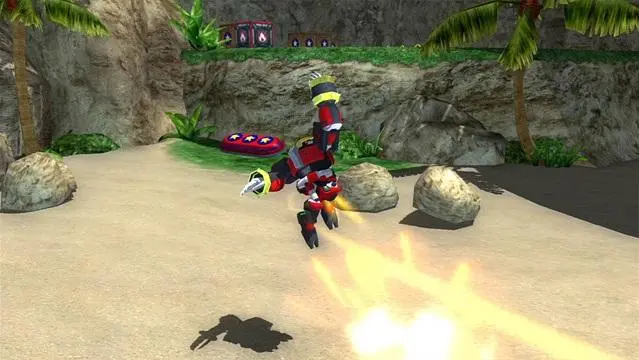
 Egg CerberusSonic (Dusty Desert) · Shadow (White Acropolis)A three-headed robot hound from Eggman’s kennel.
 SilverSonic and Silver (Castle Town)The first meeting of Sonic and Silver, fought from both sides.
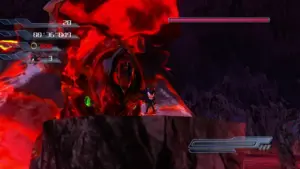 Iblis, second formSonic and Shadow (Flame Core)Iblis in the future, guarding the Emerald the heroes need to get home.
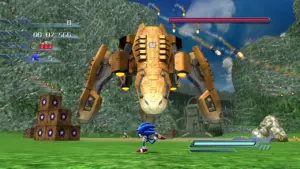 Egg GenesisSonic (Soleanna Forest) · Silver (White Acropolis)A giant Eggman machine, fought once in each of their stories.
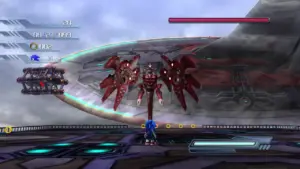 Egg WyvernSonic (Egg Carrier)Eggman’s last stand aboard his falling flagship.
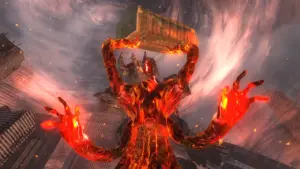 Iblis, first formSilver (Crisis City)Silver and Blaze’s endless enemy, met in the future city.
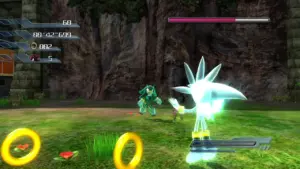 Shadow versus SilverShadow and Silver (Radical Train)Chaos Control against psychokinesis, fought from both sides.
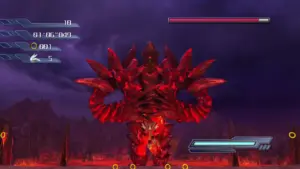 Iblis, third formSilver (Flame Core)The last fight of Silver’s story, before Blaze’s sacrifice.
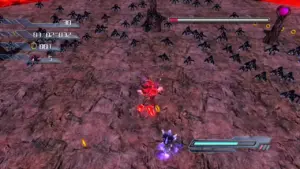 Mephiles, first battleShadow (Flame Core, with Omega)Mephiles in his true form, two centuries ahead.
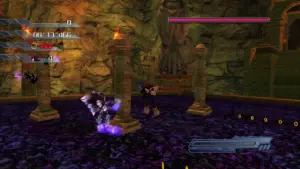 Mephiles, second battleShadow (Dusty Desert)Mephiles holding an Emerald, with Rouge and Omega at Shadow’s side.
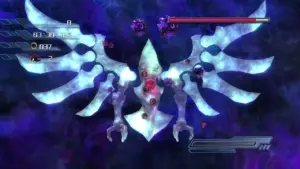 SolarisLast Story (End of the World)Fought by Super Sonic, Super Shadow and Super Silver together.