Dreamcast / GameCube2001Sonic Team USA3D action platformer
Sonic Adventure 2 (2001)
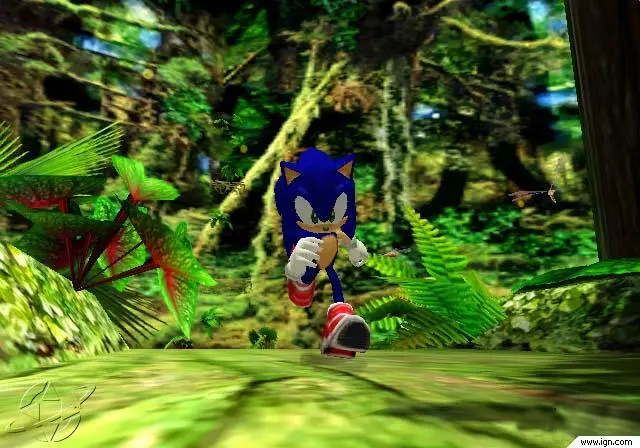
Good against evil, told from both sides. Sonic’s tenth-birthday adventure introduced Shadow, Rouge and a space colony with a fifty-year-old secret, and then became the first Sonic game on a Nintendo home console.
Released19 Jun 2001 (NA) · 21–23 Jun 2001 (Europe, Japan) · Battle: Dec 2001–May 2002
DeveloperSonic Team USA, with Sonic Team
DirectorTakashi Iizuka; producer Yuji Naka
Hero sideSonic, Tails, Knuckles
Dark sideShadow, Dr. Eggman, Rouge
A last and a firstThe last Sonic on a Sega console; Battle was the first on a Nintendo home console
Title
Sonic Adventure 2; Japanese: ソニックアドベンチャー2. GameCube version: Sonic Adventure 2: Battle
Platforms
Dreamcast (2001); GameCube as Battle (2001–2002); PlayStation 3, Xbox 360 (2 October 2012) and PC via Steam (20 November 2012) as a download
Developer
Sonic Team USA, with Sonic Team; CG movies by Super 78, motion capture by Visual Concepts, audio by Wave Master
Publisher
Sega
Producer
Yuji Naka; executive producer Isao Okawa
Director
Takashi Iizuka
Story
Scenario writer Shiro Maekawa
Art director
Kazuyuki Hoshino
Main programmer
Tetsu Katano
Music
Sound director Jun Senoue, with Fumie Kumatani, Tomoya Ohtani and Kenichi Tokoi; main theme Live & Learn by Crush 40
Players
1–2
Released (Dreamcast)
North America 19 June 2001 (US$39.95); Spain 21 June; UK 22 June by Sega Retro, 23 June by Sonic Retro (£29.99); Japan and most of Europe 23 June (¥5,800); Australia 13 July 2001
Released (GameCube)
Japan 20 December 2001 (¥6,800); North America February 2002 (Sega Retro: 12 February; Wikipedia: 11 February; US$49.99); Europe 3 May 2002 (UK £39.99); Australia 17 May 2002
Special editions
Japanese Birthday Pack (Dreamcast, 2001); Player’s Choice (GameCube, 2003)
Sonic Adventure 2 arrived in June 2001, ten years after Sonic’s debut and only months after Sega announced it was leaving the console business. It became the last Sonic game made for a Sega machine, and its GameCube version, Sonic Adventure 2: Battle, the first on a Nintendo home console (Sonic Advance reached the Game Boy Advance on the same day in Japan).
The big idea is a story told from both sides. On the Hero side, Sonic, Tails and Knuckles try to save the world; on the Dark side, Dr. Eggman joins forces with two newcomers, Shadow the Hedgehog and Rouge the Bat, to conquer it. Each side pairs up its characters by play style: high-speed runs for Sonic and Shadow, robot-walker shooting for Tails and Eggman, and treasure hunts for Knuckles and Rouge.
Made in San Francisco by a much smaller team than the first game, it is faster, more linear and more action-packed, with no hub worlds, a proper two-player mode and a revamped Chao Garden with Hero and Dark Chao. Its opening stage, City Escape, is still talked about as one of the best first levels in gaming, and Shadow went on to become one of Sega’s most popular characters.
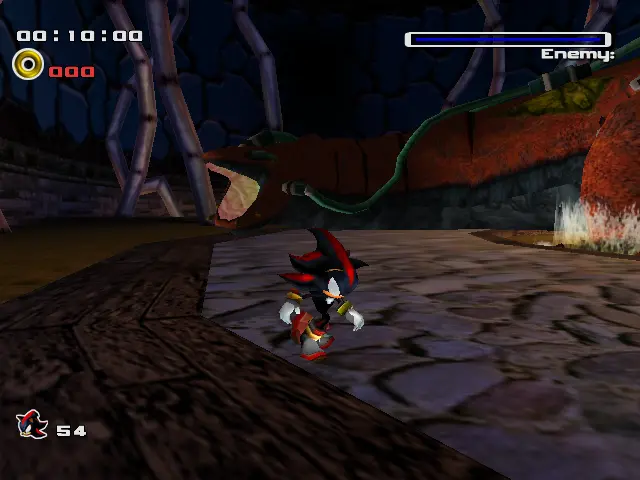
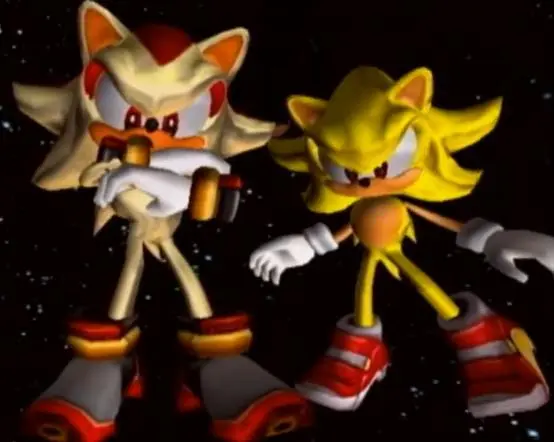
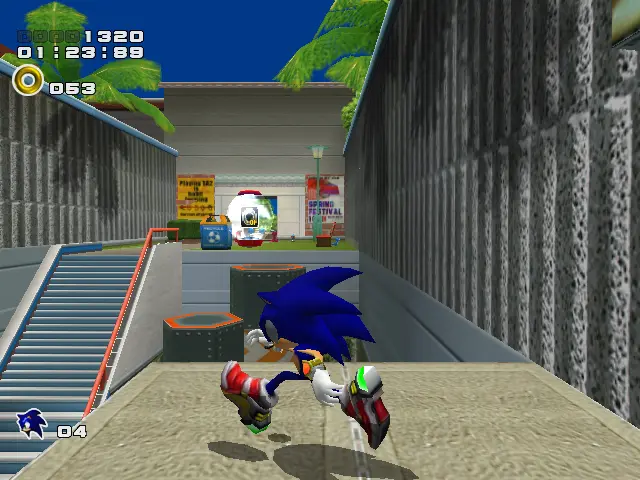
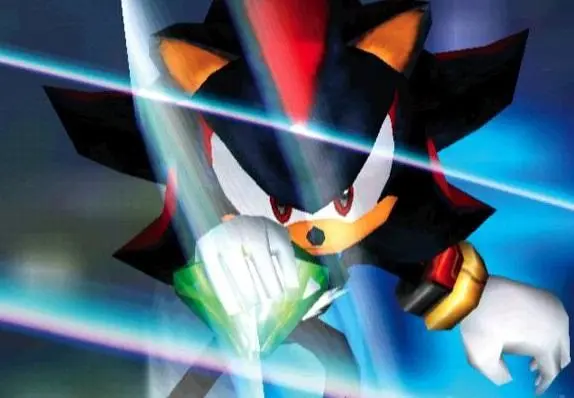
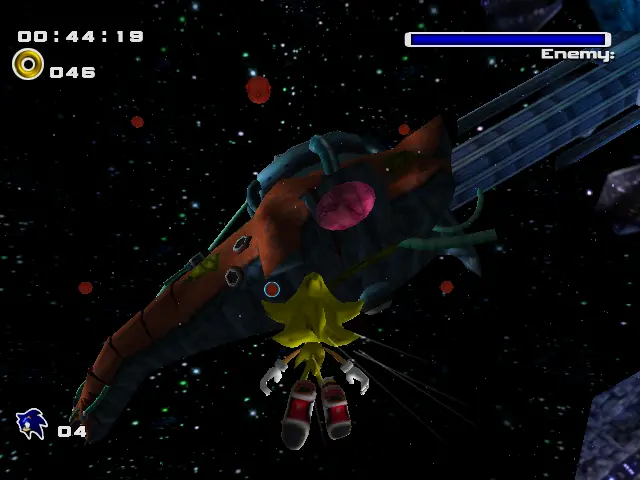
City Escape, the famous first stage.Shadow’s first Chaos Control.Finalhazard, the final boss.
a whirlwind 3D adventure
Sega of America announced the worldwide launch on 19 June 2001 as part of Sonic’s tenth birthday. Its release promised Sonic, Knuckles and Tails against Eggman and two mysterious new rivals, Shadow and Rouge, more than 30 stages from city streets to outer space, rail grinding through a San Francisco-inspired level, split-screen battles with six characters and plenty of Chao, all for US$39.95.
— Official description: Sega of America press release, 19 June 2001 (Business Wire), as archived by Sega Retro. One phrase quoted; the rest summarised.
Quick Answers
The short answers, with the detail further down the page.
When did Sonic Adventure 2 come out?
On the Dreamcast on 19 June 2001 in North America and on 21–23 June in Europe and Japan. Sonic Adventure 2: Battle followed on the GameCube from December 2001. More →
Who can you play as?
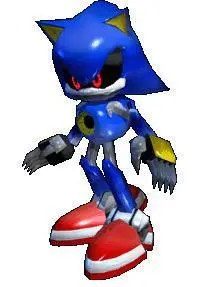
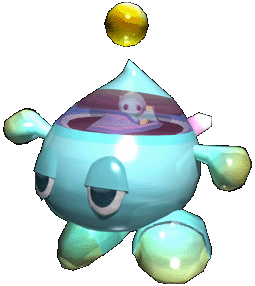
Sonic, Tails and Knuckles on the Hero side; Shadow, Dr. Eggman and Rouge on the Dark side. Amy, Tikal, Chaos, Metal Sonic, Big and a Chao Walker can be unlocked for two-player mode. More →
Who is Shadow?
The “Ultimate Lifeform”, created fifty years earlier by Eggman’s grandfather, Professor Gerald Robotnik, on the Space Colony ARK, and sealed away by the military after the death of his friend Maria. More →
How do you unlock the Last Story?
Finish both the Hero and Dark stories. The Last Story is a single stage, Cannon’s Core, followed by the battles with the Biolizard and Finalhazard. More →
How do you unlock Green Hill?
Collect all 180 Emblems, which means an A rank on every mission. The reward is a 3D remake of the first act of Sonic 1’s Green Hill Zone. More →
What is the difference with Battle?
The GameCube version keeps the single-player game but expands two-player mode, folds in the Dreamcast download content, links to Sonic Advance on the Game Boy Advance instead of the VMU, and removes most of the hidden Big the Cat cameos. More →
How well did it sell?
About 500,000 copies on the Dreamcast and 1.7 million as Battle, which made it the best-selling third-party GameCube game. More →
Where can I play it today?
The 2012 download version is on Steam, and the Xbox 360 version runs on Xbox One and Series X|S; the Battle extras are paid add-ons there. More →
Plot / Story
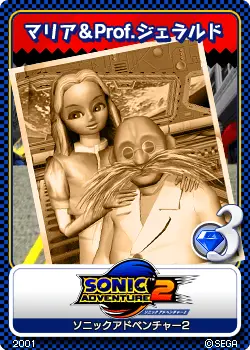
Maria and Professor Gerald Robotnik.
Sonic Adventure 2 splits its story in two. Play the Hero side and the Dark side in either order; each shows the same events from the other team’s point of view, and only together, in the Last Story, does the whole truth come out.
Fifty years ago: Project Shadow
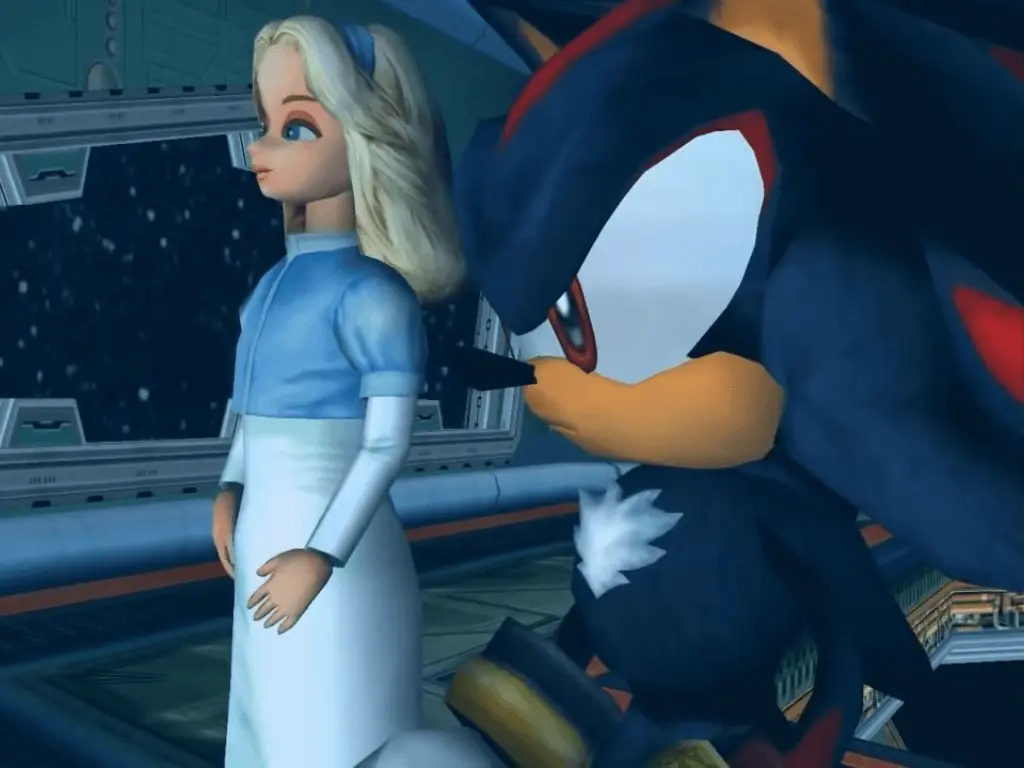
Shadow and Maria aboard the ARK.
Half a century before the game, Professor Gerald Robotnik, one of the greatest scientists alive, was asked by the government to research immortality. He agreed only when his granddaughter Maria fell ill with an incurable disease, NIDS, and moved with her to the Space Colony ARK, a research station in orbit. There, under the name Project Shadow, he studied the Chaos Emeralds, invented the Chaos Drive and grew a prototype Ultimate Lifeform, the Biolizard, which proved impossible to control.
His second attempt was Shadow, a black hedgehog bound to the power of the Emeralds, who became Maria’s closest friend. But the military organisation GUN feared the project, faked an accident and stormed the colony. Maria got Shadow into an escape pod and sent him down to the planet before she was shot. Gerald took the blame, and Shadow ended up frozen in a GUN base for the next fifty years.
The Dark story
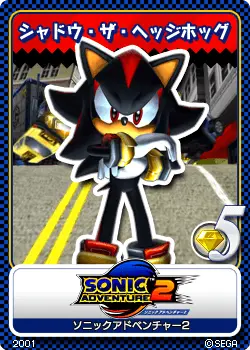
Shadow, the Ultimate Lifeform.
Reading his late grandfather’s diary, Dr. Eggman learns of a secret weapon locked in a GUN base on Prison Island. He breaks in and wakes Shadow, who calls himself the Ultimate Lifeform and offers to help Eggman conquer the world, if he will bring Chaos Emeralds to the ARK. Shadow remembers a promise to Maria and believes it was a promise of revenge.
Rouge the Bat, secretly a government spy, offers her services along the way and hands over a Chaos Emerald to win their trust. On the ARK, Shadow shows Eggman the Eclipse Cannon, another of Gerald’s creations, and Eggman holds the world to ransom on live broadcast, destroying half of the Moon to prove he means it.
The Hero story
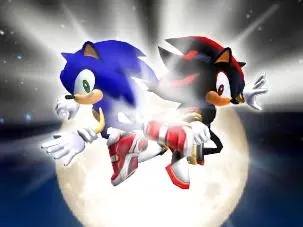
Sonic meets the “faker”.
GUN arrests Sonic, who has been mistaken for Shadow, but he breaks out of a military helicopter over the city and comes face to face with his double. Meanwhile Knuckles catches Eggman and Rouge trying to steal the Master Emerald and shatters it rather than let them take it, then sets off to collect the pieces. Tails and Amy free Sonic from Prison Island, and the friends follow the trail to the ARK, where Tails builds a fake Chaos Emerald to wreck the cannon. Eggman sees through the plan and blasts Sonic into space in an escape pod rigged to explode, but Sonic uses the fake Emerald to perform Chaos Control and escape.
The Last Story
When Eggman fires the cannon, the ARK starts falling towards the planet and Gerald appears in a recorded message: the colony was programmed long ago to crash if the Emeralds were ever used, his revenge on the world that killed Maria. For the first time Eggman has to work with Sonic and Tails, and everyone heads into the cannon’s core with the Master Emerald, except Shadow.
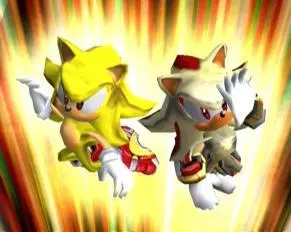
It takes Amy to change his mind. She reminds him what Maria really asked of him, to help people rather than destroy them, and Shadow joins the fight, taking on the Biolizard alone. The creature fuses with the colony as Finalhazard, and Sonic and Shadow use the Emeralds to become Super Sonic and Super Shadow, defeat it and push the ARK back into orbit. Drained, Shadow falls towards the planet, at peace with his promise, and the others return home.
Cannon’s Core.Super Sonic and Super Shadow.
Stages in Sonic Adventure 2
More than 30 stages, shared out so that every character gets roughly the same amount of play. Each team mate has their own run of levels, grouped here by character.
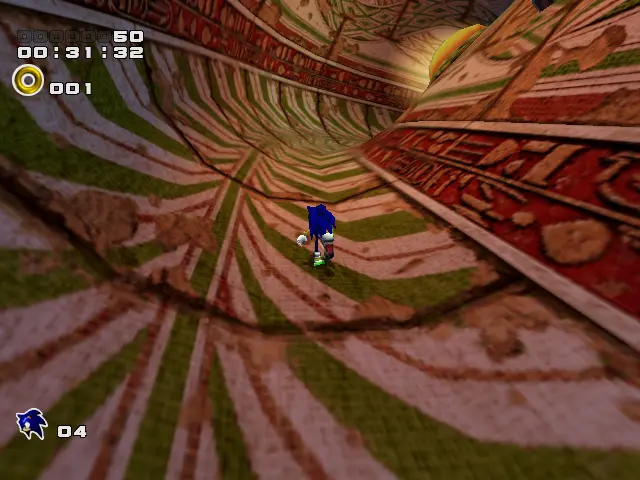
SonicSix stagesCity Escape, Metal Harbor, Green Forest, Pyramid Cave, Crazy Gadget and Final Rush. City Escape sends Sonic snowboarding down hilly streets ahead of a giant truck.
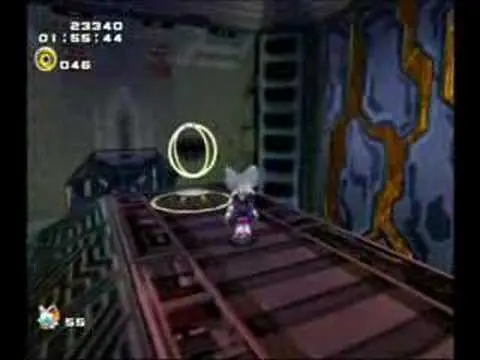
ShadowFour stagesRadical Highway, White Jungle, Sky Rail and Final Chase: Sonic’s moves, in darker places.
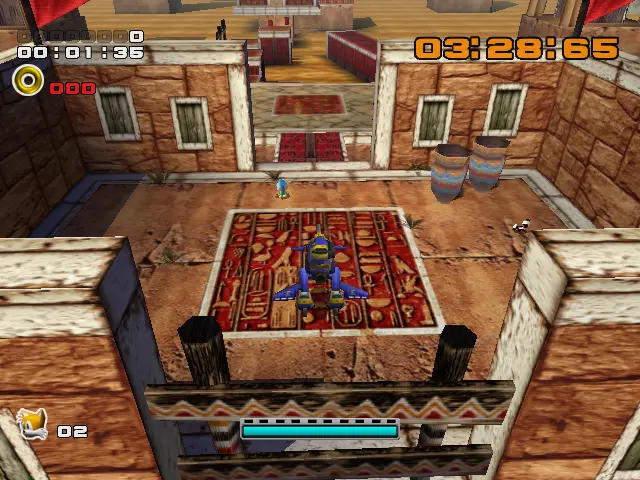
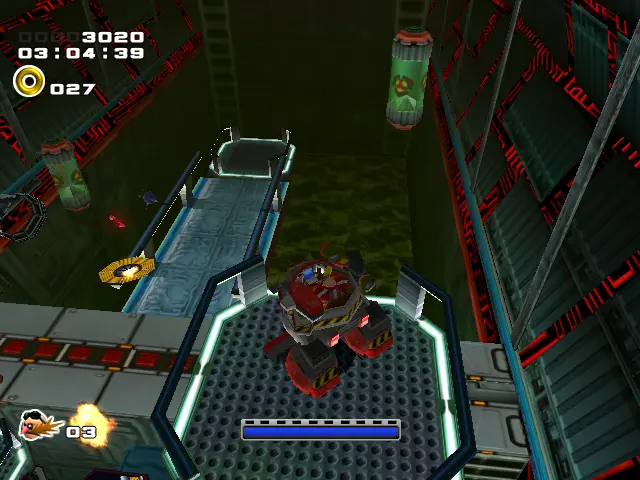
TailsFour stagesPrison Lane, Mission Street, Hidden Base and Eternal Engine, piloting the Cyclone walker.
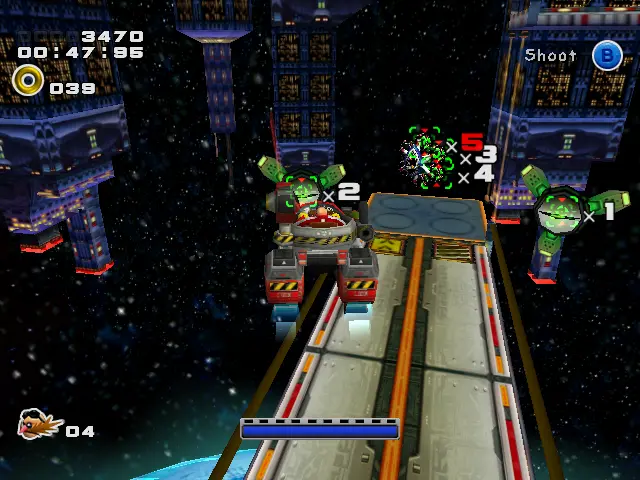
Dr. EggmanFive stagesIron Gate, Sand Ocean, Lost Colony, Weapons Bed and Cosmic Wall, in his own walker.
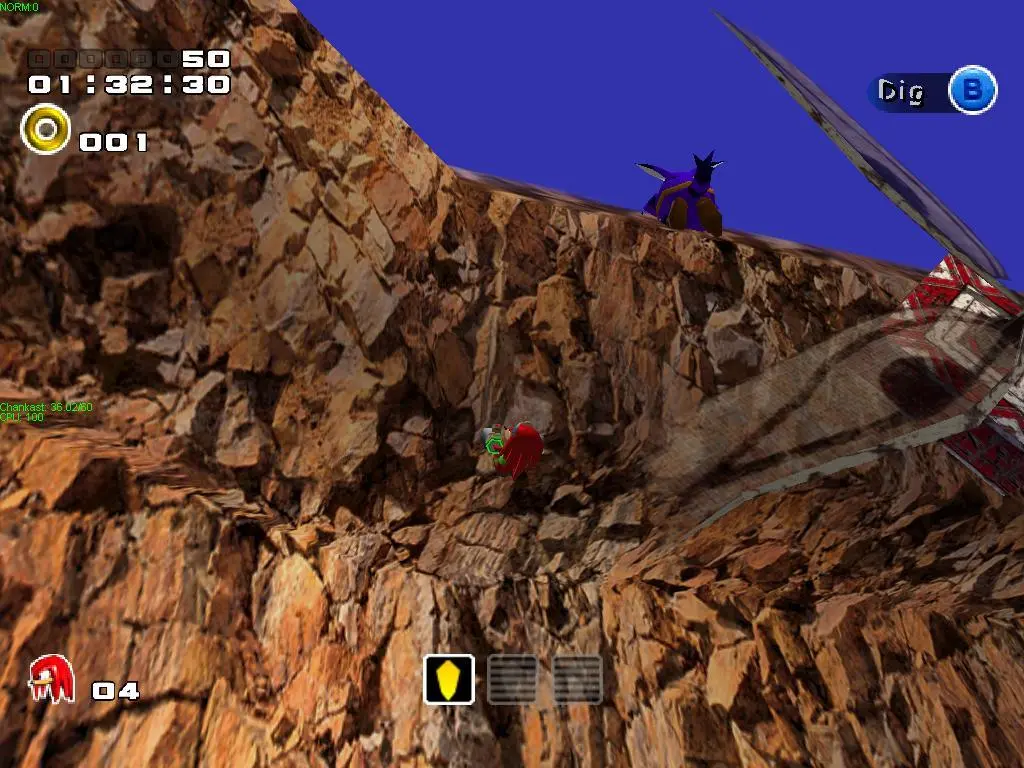
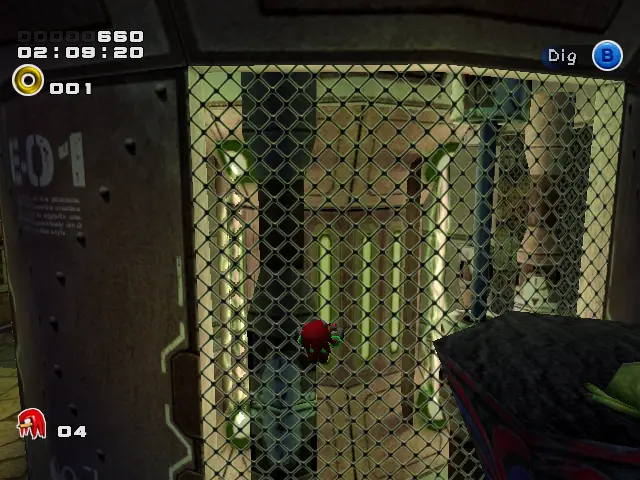
KnucklesFive stagesWild Canyon, Pumpkin Hill, Aquatic Mine, Death Chamber and Meteor Herd, digging and gliding for Master Emerald shards; his stages are set to rap.
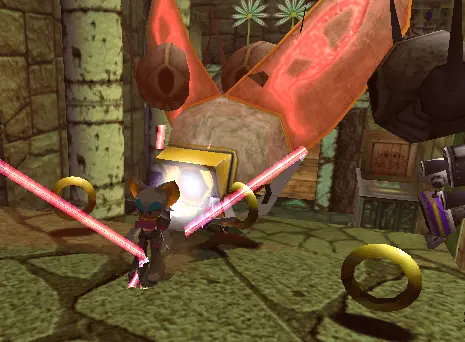
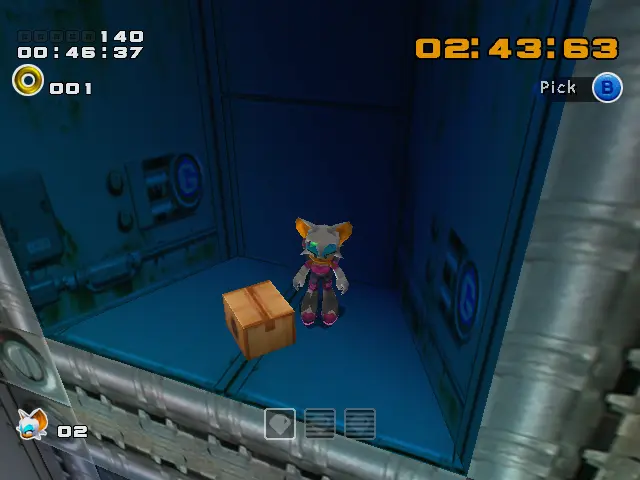
RougeFour stagesDry Lagoon, Egg Quarters, Security Hall and Mad Space, hunting the same shards and Chaos Emeralds.
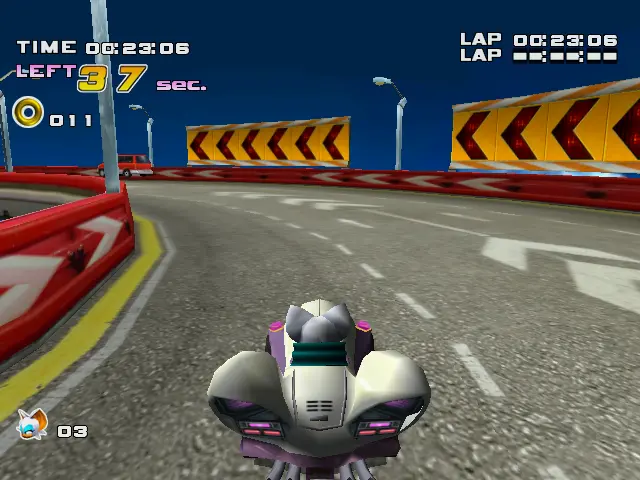
Route 101 and Route 280Kart chases · Tails, RougeTails tails the President’s limousine in the Tornado’s car mode; Rouge has a chase of her own.
Cannon’s CoreLast StoryOne stage in five parts, played by Tails, Eggman, Rouge, Knuckles and Sonic in turn.
Green HillSecretA 3D remake of Sonic 1’s first act, for collecting every Emblem.
Every stage has five missions: the story goal, collecting 100 rings, finding a lost Chao, beating a time limit and a hard-mode run.
In comics, TV & other media
Sonic Adventure 2’s story has been retold in comics, on television and, in 2024, in cinemas. More in Sonic in other movies and media.
Sonic the Hedgehog #98Archie Comics · June 2001Written by Karl Bollers and pencilled by Patrick Spaziante from little more than the demo and some screenshots, because Sonic Team kept the story secret. It covers only the opening, up to Sonic’s arrest, and tells readers to play the game for the rest.
Sonic Universe #2Archie Comics · March 2009The full adaptation finally arrived eight years later, written by Ian Flynn with art by Tracy Yardley and Steven Butler.
Sonic X, episodes 33–38TMS Entertainment, anime · 2003From Project: Shadow to Showdown in Space. The show’s human hero, Chris Thorndyke, takes over Amy’s key role, including the scene where Shadow remembers his promise to Maria.
Sonic the Hedgehog 3Paramount film · 2024The third live-action film adapts the game, with Shadow held in a GUN facility, Sonic leaping from a helicopter, the Eclipse Cannon and Live & Learn as a recurring theme.
Shadow the Hedgehog and Shadow GenerationsSega · 2005 and 2024Shadow’s own games pick up the threads of Project Shadow; Shadow Generations rebuilds Sonic Adventure 2 levels and bosses.
Dreamcast Magazine #30UK magazine · Sonic Scene archiveA top-ten games of the year feature on Sonic Adventure 2, from our magazine scans.
Characters
Six playable characters in two teams of three, each Hero matched with a Dark rival who plays the same way.
Character
Who they are
In this game
Stats & abilities
Sonic the HedgehogHero side · speed
The hero, now wearing Soap rail-grinding shoes thanks to a real-world tie-in.
Arrested in Shadow’s place, he breaks free, chases his double and ends the game as Super Sonic.
Homing Attack, Spin Dash, Light Speed Dash
Rail grinding, new to the series
Six stages from City Escape to Final Rush
Shadow the HedgehogNew · Dark side · speed
The Ultimate Lifeform, Gerald Robotnik’s creation, sealed away for fifty years. Sonic Team first imagined a black rival hedgehog for Sonic Adventure.
Helps Eggman in pursuit of revenge, until Amy reminds him of his promise to Maria.
Plays like Sonic, with matching upgrades
Chaos Control with an Emerald
Super Shadow in the final battle
Miles “Tails” ProwerHero side · shooting
Sonic’s best friend and inventor.
Rescues Sonic with Amy and comes up with the fake Chaos Emerald meant to destroy the Eclipse Cannon.
Pilots the Cyclone walker
Lock-on lasers
A kart chase on Route 101
Dr. EggmanDark side · shooting
Gerald’s grandson, inspired by his grandfather’s diary.
Frees Shadow, seizes the Eclipse Cannon and destroys half of the Moon; then has to team up with Sonic.
Pilots the Egg Walker
Lock-on lasers
Fights Tails twice and the Egg Golem once
Knuckles the EchidnaHero side · treasure hunting
Guardian of the Master Emerald.
Shatters the Master Emerald to keep it from Eggman and Rouge, then gathers the pieces.
Glides, climbs and digs
Radar for three shards per stage
Faces Rouge and King Boom Boo
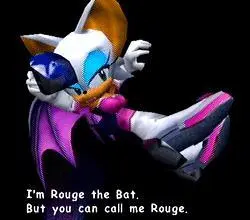
Rouge the BatNew · Dark side · treasure hunting
A government spy with her eye on the Master Emerald. In development the name Shadow belonged to a new bat character; when she became Rouge, the hedgehog inherited it.
Joins Eggman and Shadow to get close to the Emeralds and steals three from the GUN base.
Flies, climbs and digs like Knuckles
Four stages and a kart chase
Amy RoseStory · two-player
Sonic’s self-declared girlfriend.
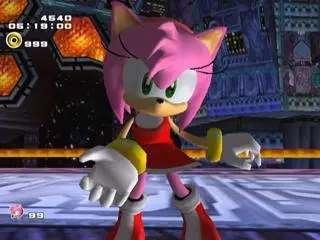
Helps rescue Sonic and, at the climax, persuades Shadow to save the world.
Unlocked for two-player mode by earning A ranks with Sonic.
Professor Gerald RobotnikNew
Eggman’s grandfather and one of the most brilliant minds of his age.
Creator of Shadow, the Biolizard and the Eclipse Cannon, whose last revenge is to send the ARK crashing down.
Seen in flashbacks and a recorded message.
Maria RobotnikNew
Gerald’s granddaughter and Eggman’s cousin, sick with NIDS.
Shadow’s friend on the ARK, killed in the GUN raid; her last wish drives the whole story.
Seen in flashbacks.
BiolizardPrototype of the Ultimate Life Form
Gerald’s first attempt at Project Shadow, a giant lizard on life support.
Waits in the depths of the ARK and becomes the final threat.
Fought by Shadow alone
Fuses with the ARK as Finalhazard
OmochaoNew · helper
A little robot Chao.
Replaces Tikal as the game’s hint giver, popping up to explain everything.
Became a series regular.
ChaoHero, Dark and Neutral
The virtual pets from Sonic Adventure.
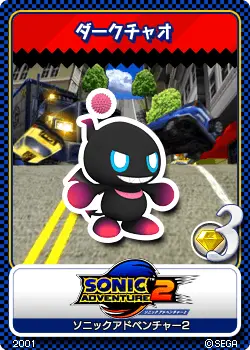
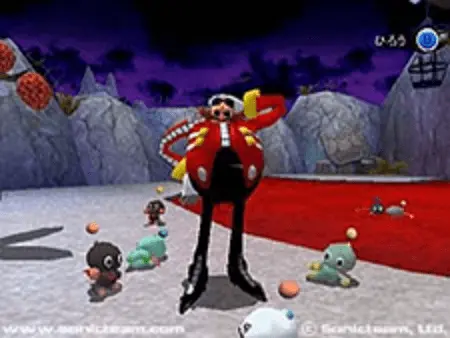
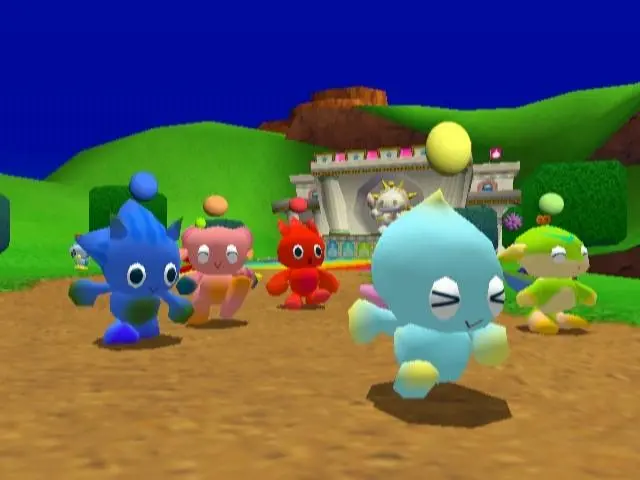
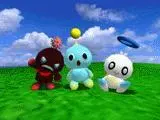
Live in Chao World, reached with a Chao Key found in each stage; raised by Hero or Dark characters they become halo-wearing Hero Chao or devilish Dark Chao.
Hero, Dark and Neutral gardens and races
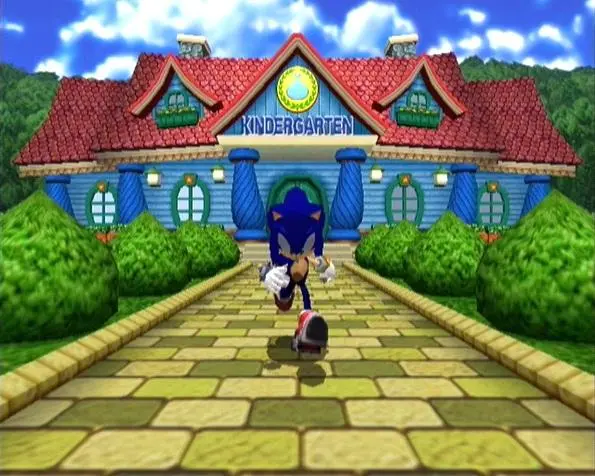
A Chao Kindergarten
Battle can send Chao to Sonic Advance on the GBA
Bosses
Most bosses are rival battles between the Hero and Dark characters; Sonic and Shadow, and Tails and Eggman, meet twice, Knuckles and Rouge once.
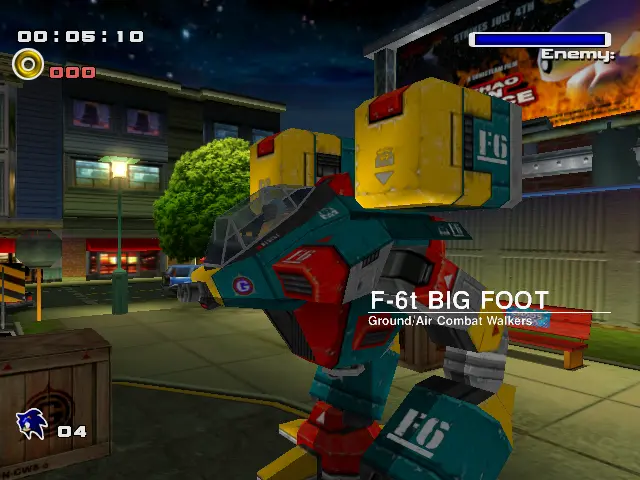
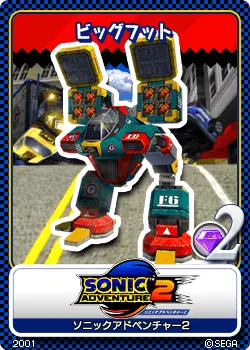
F-6t Big FootGUN · Hero storyA walking, hovering GUN robot with a Gatling gun and missiles; the first boss on the Hero side.
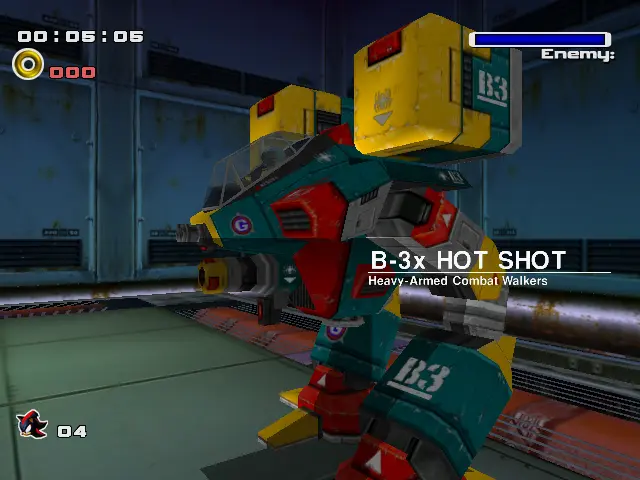
B-3x Hot ShotGUN · ShadowBig Foot with a laser cannon; the first Dark-side boss.
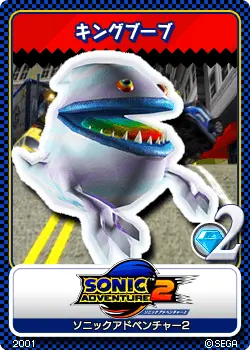
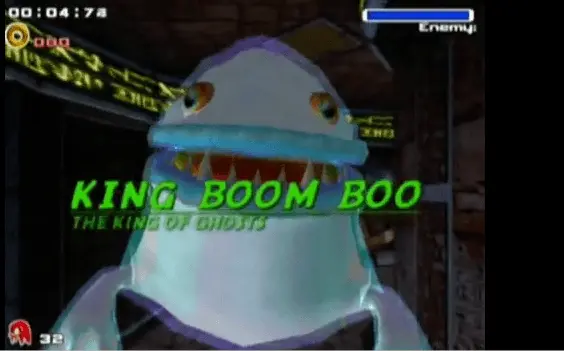
King Boom BooKnucklesThe king of the ghosts, fought with a day-and-night twist.
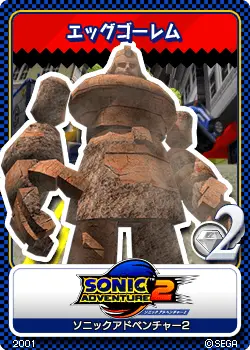
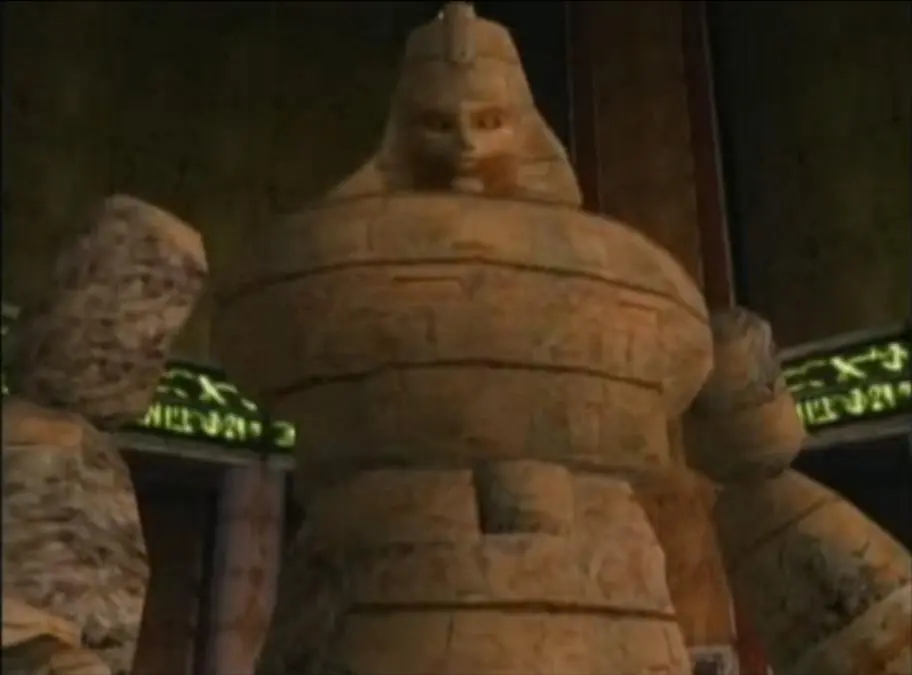
Egg GolemSonic and EggmanThe only boss Eggman built, fought inside his pyramid base by both sides.
Sonic vs ShadowTwiceThe rival hedgehogs settle things head to head.
Tails vs EggmanTwiceWalker against walker.
Knuckles vs RougeOnceTreasure hunter against treasure hunter.
BiolizardLast Story · ShadowGerald’s prototype, deep in the ARK.
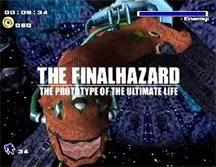
FinalhazardLast Story · Super Sonic, Super ShadowSwitch between the two to keep both ring counts alive.
The people who made it
Key credits, as listed by Sega Retro, with what Wikipedia’s cited sources say about their work.
Takashi IizukaDirectorMoved to San Francisco to found Sonic Team USA, and calls this the Sonic he most enjoyed making.
Yuji NakaProducerSonic’s co-creator, who said the team could now tap the Dreamcast’s full power for 60 frames per second.
Shiro MaekawaScenario writerA Panzer Dragoon Saga writer who set much of the story in space and shaped Shadow.
Kazuyuki HoshinoArt directorFelt that working in the US helped the team capture an American atmosphere.
Tetsu KatanoMain programmerLed the programming, as on Sonic Adventure.
Jun SenoueSound directorGave each character’s stages their own genre and wrote Live & Learn as Crush 40.
Tomoya OhtaniComposerHis first Sonic game; composed the music for Knuckles’ rap stages, performed by Hunnid-P, and later became the series’ sound director.
How it was made
Our original page had no history section. This one draws on Wikipedia’s cited development history, the staff and partner credits and release data on Sega Retro, Sega’s 2001 press release and Sonic Retro’s notes on the GameCube changes.
Made in San Francisco
The names in Sega Retro’s credits are familiar: Takashi Iizuka directing, Yuji Naka producing, Kazuyuki Hoshino on art and Tetsu Katano as main programmer, with Shiro Maekawa writing the scenario. The address was new. Iizuka had moved to San Francisco to run Sonic Team USA, much as Sonic 2 had been made in America after a Japanese first game, and just 11 of the roughly 120 people behind Sonic Adventure went with him.
The group spent six months on the Western version of Sonic Adventure before starting the sequel, which took about a year and a half with 15 or 16 staff; Iizuka called it an attempt to make the impossible possible. Partners filled the gaps, with Super 78 producing the CG movies, Visual Concepts handling motion capture and Wave Master the audio.
A rival for a new century
Shadow’s first Chaos Control.
Maekawa sent much of the story into space because this was the first Sonic of the 21st century. The new star had been waiting since the brainstorming for Sonic Adventure: a black hedgehog, reworked as an antihero for American players, with Image Comics’ Spawn among the influences. He started out as Terios the Prisoner and took the name Shadow when the team settled on Rouge for its other newcomer, a bat. Nobody expected to see him again after this game.
Levels from the neighbourhood
City Escape.Screenshot via Sonic Retro
California crept into the stages. Sega’s June 2001 press release promised rail-grinding through a stage inspired by San Francisco and a dash to stay ahead of an 18-wheeler on residential streets, and the team took ideas from Yosemite National Park as well. Its own collection of parking tickets turned into a joke: police cars that Sonic can wreck.
Fewer people meant a tighter design: two campaigns of three characters instead of six separate stories, no hub worlds, and a similar share of stages for everyone. The target was 60 frames per second, rail grinding became the new signature move, and a deal with Soap, which made grind shoes, put the brand on Sonic’s feet and in the scenery. Green Hill was a late surprise, built in about a week by Iizuka, an artist and a programmer in the month the game went to manufacturing.
A genre for every hero
Jun Senoue’s idea was variety. With Fumie Kumatani, Tomoya Ohtani and Kenichi Tokoi he gave each character’s stages a style of its own, from pop-punk and glam metal to orchestral pieces, and Knuckles got rap, composed by Ohtani and performed by Hunnid-P. Ted Poley wrote and sang Escape from the City for the opening stage, Tony Harnell, Paul Shortino and Johnny Gioeli also sang, and Senoue and Gioeli recorded the main theme, Live & Learn, as Crush 40. The music was finished in February 2001.
A farewell on the Dreamcast
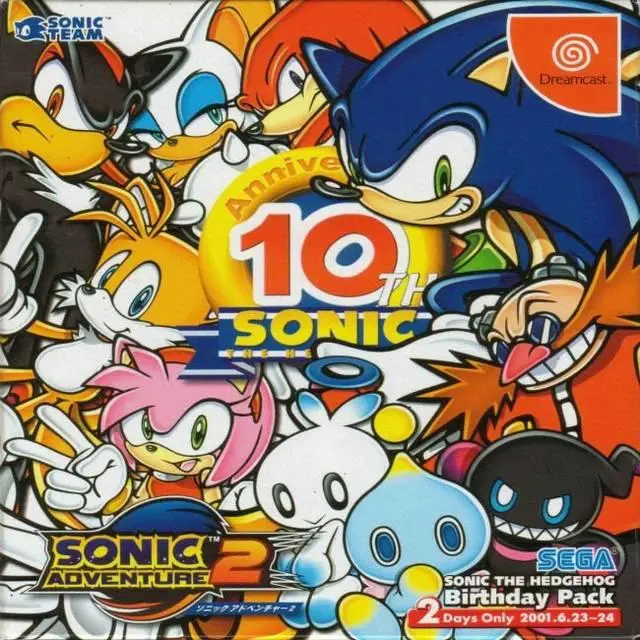
The Japanese Birthday Pack.
The first public showing was at E3 in May 2000, and early copies of Phantasy Star Online carried a playable demo. Before the game was done, Sega announced on 31 January 2001 that it would stop making the Dreamcast. Sonic Adventure 2 reached North America on 19 June 2001 and Europe and Japan within the week, in time for Sonic’s tenth anniversary; Japan also had a limited Birthday Pack with a gold music disc, a commemorative coin and a booklet on the series’ history.
Battle on the GameCube
G-Force #1 (May 2002) reviews Battle.
A GameCube project teased at Nintendo Space World in 2001 turned out to be Sonic Adventure 2: Battle. It came out in Japan on 20 December 2001, the same day as Sonic Advance on the Game Boy Advance, so the two shared Sonic’s Nintendo debut, with Battle the first on a Nintendo home console; in North America, Advance arrived about a week before it, in February 2002, and Europe had Battle on 3 May 2002.
The story mode was left largely alone. Two-player mode now covered almost every stage, the Dreamcast download extras were built in, a Game Boy Advance link took over from the VMU and textures and colours were reworked. Sonic Retro adds that most of the hidden Big the Cat cameos in the Dreamcast stages became rings, and that a Dark Chao Walker replaced Big as a two-player character.
Firsts: what this game introduced
Sonic Adventure 2 introduced ideas the series still uses.
1Rail grindingThe first Sonic with grinding on rails, now part of almost every Sonic game.
2Shadow and RougeDebuts of Shadow the Hedgehog, Rouge the Bat, Gerald and Maria Robotnik and Omochao as a character.
3Proper two-player modeThe first 3D Sonic platformer with a full two-player mode, with unlockable characters (Sonic R had already offered split-screen racing in 1997).
4Hero and DarkTwo campaigns telling one story from both sides, and Hero and Dark Chao to match.
5Sonic on NintendoBattle shared Sonic’s Nintendo debut with Sonic Advance for the Game Boy Advance: both came out in Japan on 20 December 2001, and Advance reached North America about a week earlier. Battle was the first Sonic on a Nintendo home console.
6Eggman joins the heroesSonic Retro says the Last Story marks the first time Eggman has to team up with Sonic and Tails.
Cheats & secrets
Our original page had no secrets section, so this one is new. Sonic Adventure 2’s rewards are unlocked by playing.
Green Hill
Collect all 180 Emblems, which requires an A rank in every mission, to unlock a 3D recreation of the first act of Green Hill Zone from Sonic the Hedgehog, made for Sonic’s tenth birthday.
Two-player characters
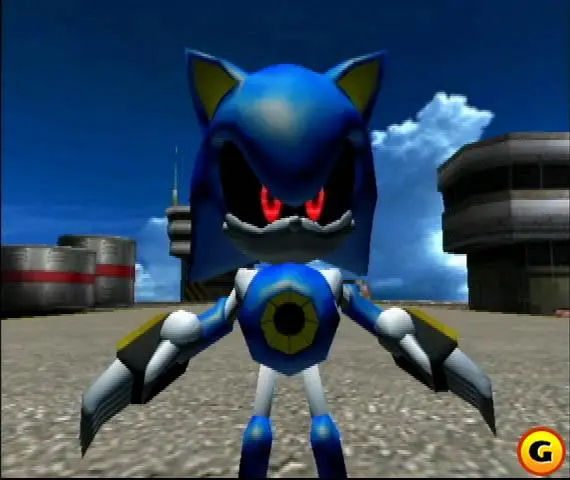
Earn A ranks with a character to unlock their bonus partner in two-player mode: Amy (Sonic), Metal Sonic (Shadow), a Chao Walker (Tails), Big the Cat (Eggman), Tikal (Knuckles) and Chaos (Rouge). In Battle, Big’s slot goes to a Dark Chao Walker.
Five missions per stage
After clearing a stage, Stage Select opens four more missions: 100 rings, a lost Chao, a time limit and a hard mode.
Hidden Big
In the Dreamcast version a model of Big the Cat is hidden somewhere in each stage, often in a funny or perilous spot. Battle replaced almost all of them with rings.
Checked against Sonic Retro, November 2026.
Glitches, exploits and oddities
Sonic Adventure 2 is smoother than its predecessor, but reviewers and Sonic Retro’s bug hunters have found plenty of rough edges.
Overlapping dialogue
The audio mix often lets characters talk over each other in cutscenes, something reviewers still single out.
Plot holes by design
Because the two campaigns show events differently, some scenes do not quite line up between the Hero and Dark stories; Nintendo Life blamed this for the story’s plot holes.
The camera
Players can turn the camera with the triggers, but it snaps back as soon as the character moves, which made the cramped corners of Knuckles’ and Rouge’s stages especially awkward for reviewers.
Permanent speed changes
Sonic Retro documents a flaw in how the game cancels temporary speed changes, such as Speed Shoes, the two-player Speed Up power or a charging Light Attack, when you die or restart, which can leave a character’s speed permanently altered.
Floating treasure
In Knuckles’ and Rouge’s stages, destroy an enemy that is carrying a hunting item without touching it and the item is left hovering where the enemy was.
Mission 6 and the extra frames
A Dreamcast-only menu trick, selecting Chao World from Stage Select and then backing out, is known to fans as Mission 6. And when you touch the goal, the timer keeps running for two more frames before the results appear.
Videos & media
Sega’s trailer for the 2012 re-release, and a complete Dreamcast playthrough.
The 2012 launch trailer from Sega Europe’s official channel.
A complete Dreamcast playthrough of the Hero, Dark and Last stories.
Trivia & facts
Shadow.Shadow was originally called Terios the Prisoner.
Sonic’s shoes in this game are a real product, from the grinding-shoe maker Soap, and Soap adverts appear in the stages.
The development team’s run-ins with parking enforcement in San Francisco led to police cars Sonic can destroy.
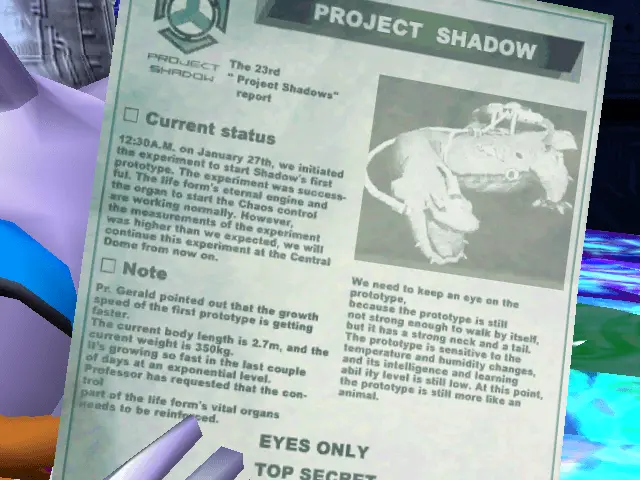
A Project Shadow file.Eggman’s demonstration of the Eclipse Cannon blows away half of the Moon.
Johnny Gioeli has said he was paid US$3,000 for Live & Learn, which has since appeared in at least 25 games. His 2024 lawsuit against Sega over the song was dismissed in 2025.
Ted Poley has called Escape from the City his biggest hit, though he receives no royalties from it.
Sonic Generations rebuilt City Escape in both 2D and 3D, and Sonic Frontiers recreates Metal Harbor, Green Forest and Sky Rail.
Media & artwork
Box art, artwork and screenshots from Sonic Scene’s own galleries and Sonic Retro. Select any image to view it larger.
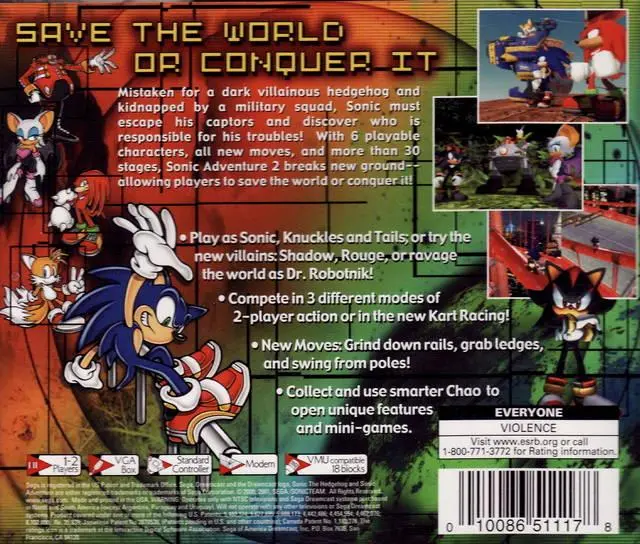
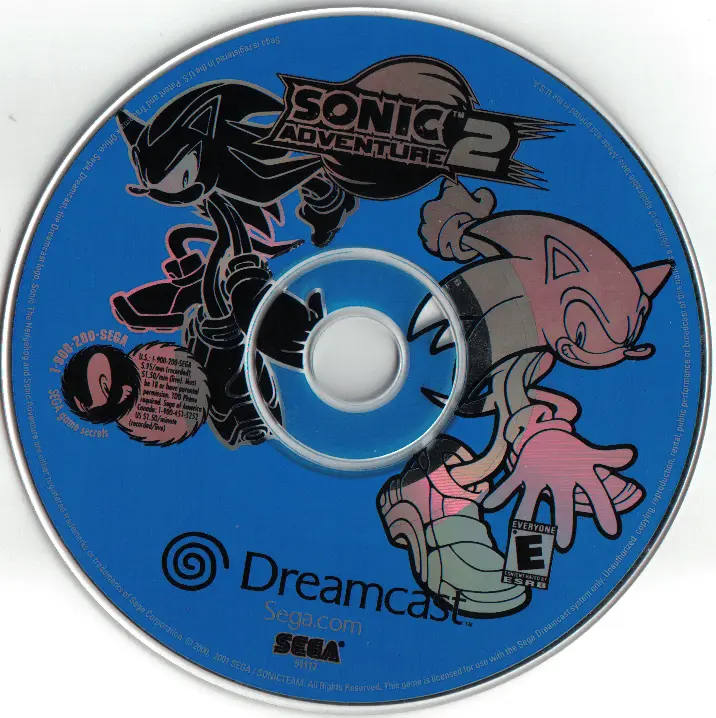
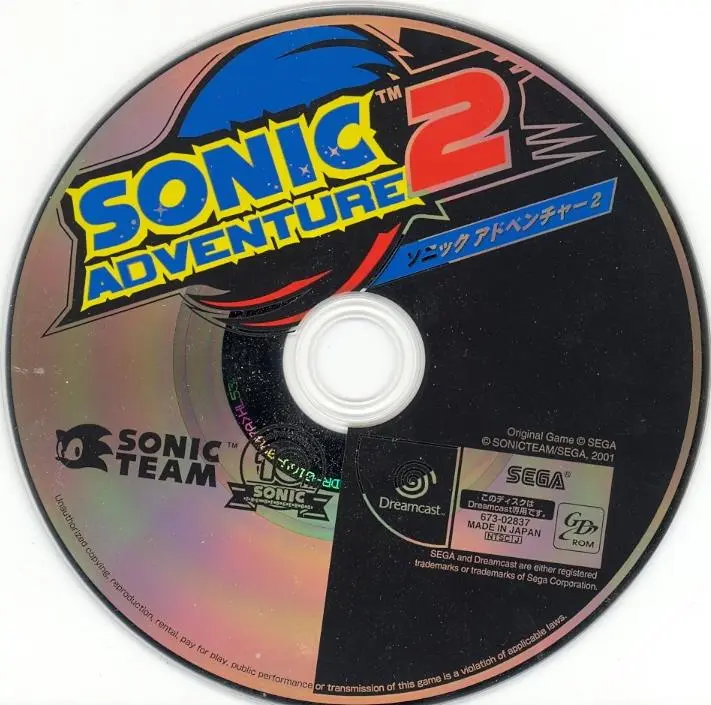
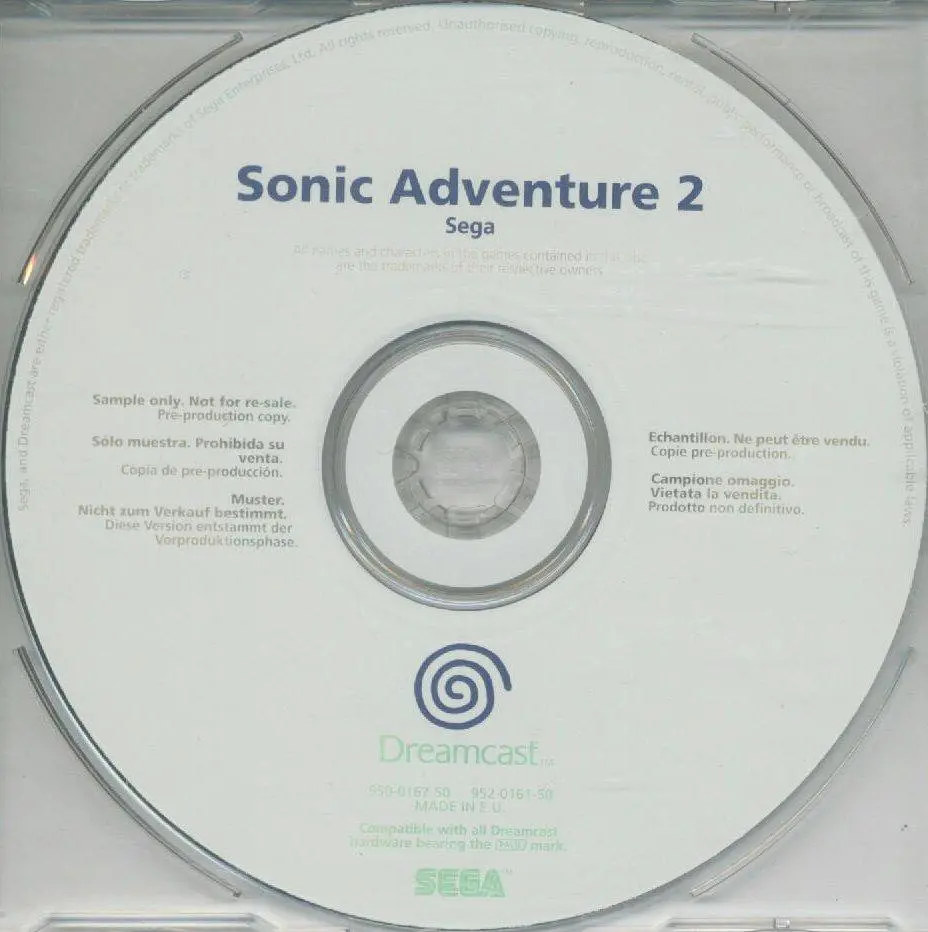
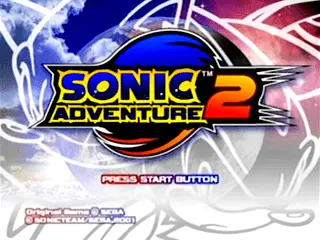
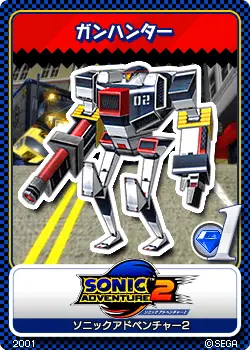
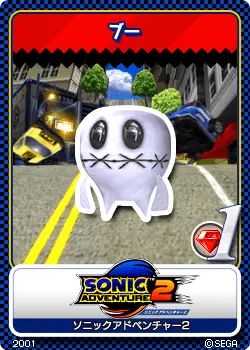
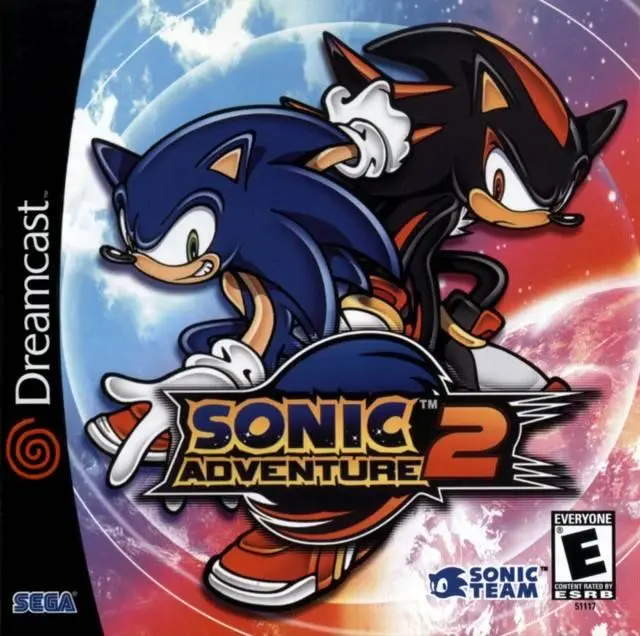
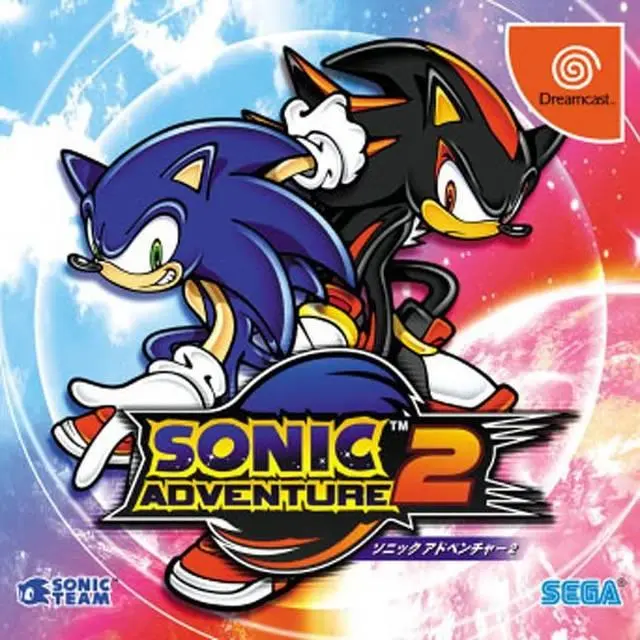
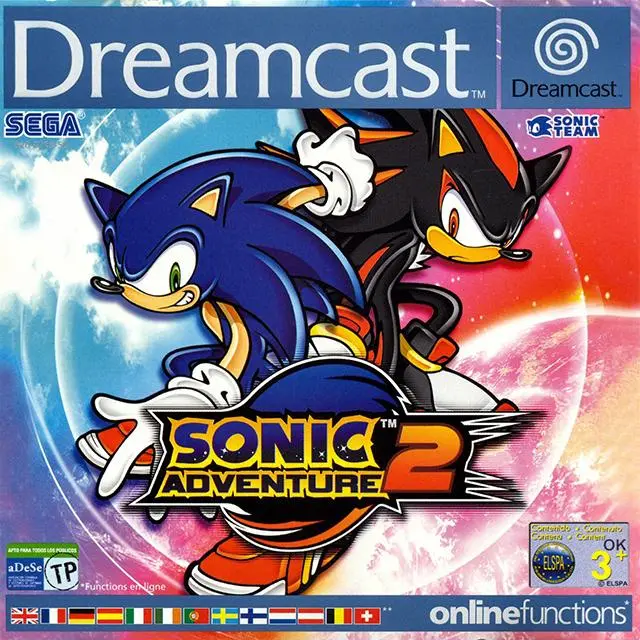
North American box.Back of the North American box.European box.Japanese box.North American disc.A Japanese anniversary disc.A pre-release disc.The title screen.Metal Sonic.The Chao Walker.A Dark Chao.A Chaos Drive.GUN Beetle.GUN Hunter.A Boo.Big Foot.Rouge’s entrance.Super Shadow.Crazy Gadget.Wild Canyon.Egg Quarters.Green Forest.A night-time highway.Hidden Base.Pyramid Cave.Death Chamber.Lost Colony.Security Hall.Route 280.Cosmic Wall.The Egg Golem.King Boom Boo.Finalhazard.The Hero Garden.The Dark Garden.A Chao Race.The Chao Kindergarten.Chao.Metal Sonic in two-player mode.Amy.
Sonic Adventure 2 closed Sonic’s Sega-console era and, through Battle, introduced him to a generation of Nintendo players. Sonic Team USA went straight on to Sonic Heroes, the first multiplatform Sonic, then to Shadow’s own game.
Releases and re-releases
Dreamcast (North America)19 June 2001 – US$39.95.
Dreamcast (Europe and Japan)21–23 June 2001 – Japan also got the limited Birthday Pack.
Dreamcast (Australia)13 July 2001 – A$99.95.
Sonic Adventure 2: Battle (GameCube)December 2001–May 2002 – Japan 20 December 2001, North America February 2002, Europe 3 May 2002.
PlayStation 3 and Xbox 3602 October 2012 – High definition and widescreen; the Battle extras sold separately.
PC (Steam)20 November 2012 – Part of the Sega Heritage range.
The rise of Shadow
Shadow’s apparent death did not last: fans took to him so quickly that he returned in Sonic Heroes, got starring roles of his own in 2005 and again in 2024, and was named the most popular character after Sonic by Yuji Naka in 2005 and again in a 2009 Sega poll.
How it is remembered
It is often ranked among the best Sonic games and is a favourite of both Iizuka and Senoue, but it is also divisive. Fans love the Sonic and Shadow stages, the Chao and the soundtrack, while the shooting and treasure-hunting stages, the camera and the story get rougher treatment, and the 2012 version had mixed reviews. Later games tried to repeat its mix of play styles with less success, and a planned Sonic Adventure 3 never happened; Sonic Unleashed began life as a sequel before becoming its own game.
Sales & reviews
Sales
The Dreamcast version sold more than 84,000 copies in its first week in Japan, a record for the series, and about 500,000 worldwide, despite the console having been discontinued. Battle did far better: it was the best-selling GameCube game in North America from January to August 2002 with 465,000 copies, passed a million worldwide that summer and reached 1.7 million, making it the best-selling third-party game on the system.
1.7mBattle copies sold worldwide
500,000Dreamcast copies worldwide
85%Sega Retro average, Dreamcast (27 reviews)
72%Sega Retro average, Battle (20 reviews)
Reception and review scores
G-Force #1 (May 2002) reviews Battle, from our magazine scans.
Period scores from Sega Retro’s review index, which links each one to a scan of the original page.
GameProUS · July 2001 · Dreamcast
95%
Dreamcast MagazineUK · July 2001 · Dreamcast
93%
HyperAustralia · September 2001 · Dreamcast
87%
FamitsuJapan · June 2001 · Dreamcast
33/40
Official Dreamcast MagazineUK · July 2001 · Dreamcast
8/10
Electronic Gaming MonthlyUS · September 2001 · Dreamcast
75%
Game InformerUS · August 2001 · Dreamcast
72%
EdgeUK · August 2001 · Dreamcast
7/10
Next GenerationUS · September 2001 · Dreamcast
50%
CubeUK · GameCube (import)
85%
Nintendo PowerUS · GameCube
84%
GameProUS · GameCube
80%
Electronic Gaming MonthlyUS · GameCube
67%
Nintendo Official MagazineUK · April 2002 · GameCube
60%
Critics liked the variety of play styles, the replay value of its 180 missions and, above all, the looks: GameRevolution and GamePro could hardly find enough superlatives, IGN rated its textures among the best yet seen, and the 60 frames per second impressed everyone. IGN joked that the Dreamcast was bowing out with a sonic boom rather than a bang. Senoue’s soundtrack was widely praised, too.
The camera was the main complaint again, with GameSpot calling out the cardinal sin of making players jump to platforms they cannot see, and the story drew criticism for being scattered. Battle, released six months later, was seen as too little changed and scored lower, around 73 on Metacritic, though GameSpy thought it played better on the GameCube controller.
Honours
IGN · 2001Editors’ Choice AwardFor the Dreamcast version.
GamesRadar10th greatest Dreamcast gameIn its list of the top 25.
ScrewAttack5th best Dreamcast gameIn its Dreamcast ranking.
Reader reviews
No reader reviews yet. Played it? Give it a score out of 10 and tell other fans what you think.
Every fact on this page was checked against the sources below. Sonic Retro and Sega Retro pages were read through Wayback Machine copies from late 2024 and 2025, because both live sites show a bot check; each Sonic Retro link opens the nearest archived copy. Magazine scores come from Sega Retro’s review index, which links each score to a scan of the original page.
To provide the best experiences, we use technologies like cookies to store and/or access device information. Consenting to these technologies will allow us to process data such as browsing behavior or unique IDs on this site. Not consenting or withdrawing consent, may adversely affect certain features and functions.
Functional
Always active
The technical storage or access is strictly necessary for the legitimate purpose of enabling the use of a specific service explicitly requested by the subscriber or user, or for the sole purpose of carrying out the transmission of a communication over an electronic communications network.
Preferences
The technical storage or access is necessary for the legitimate purpose of storing preferences that are not requested by the subscriber or user.
Statistics
The technical storage or access that is used exclusively for statistical purposes.The technical storage or access that is used exclusively for anonymous statistical purposes. Without a subpoena, voluntary compliance on the part of your Internet Service Provider, or additional records from a third party, information stored or retrieved for this purpose alone cannot usually be used to identify you.
Marketing
The technical storage or access is required to create user profiles to send advertising, or to track the user on a website or across several websites for similar marketing purposes.
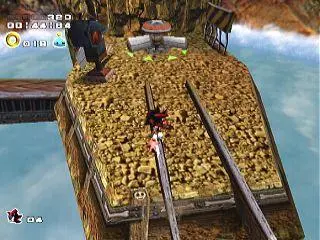 ShadowFour stagesRadical Highway, White Jungle, Sky Rail and Final Chase: Sonic’s moves, in darker places.
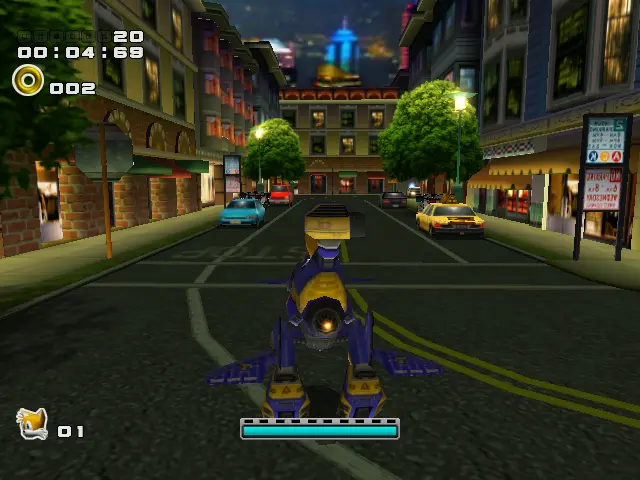 TailsFour stagesPrison Lane, Mission Street, Hidden Base and Eternal Engine, piloting the Cyclone walker.
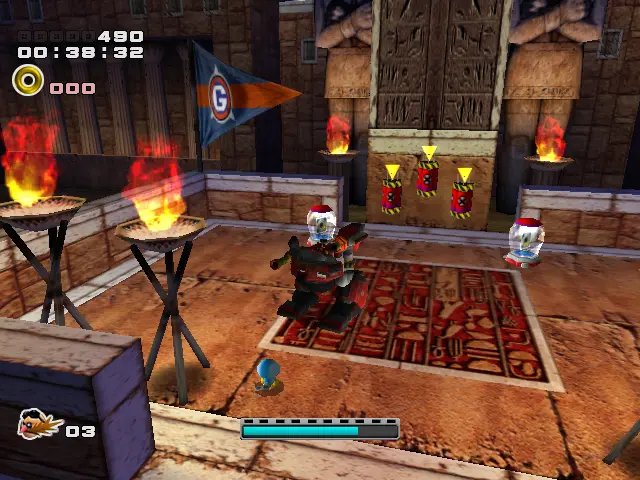 Dr. EggmanFive stagesIron Gate, Sand Ocean, Lost Colony, Weapons Bed and Cosmic Wall, in his own walker.
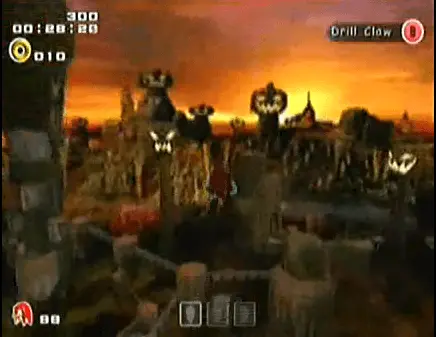 KnucklesFive stagesWild Canyon, Pumpkin Hill, Aquatic Mine, Death Chamber and Meteor Herd, digging and gliding for Master Emerald shards; his stages are set to rap.
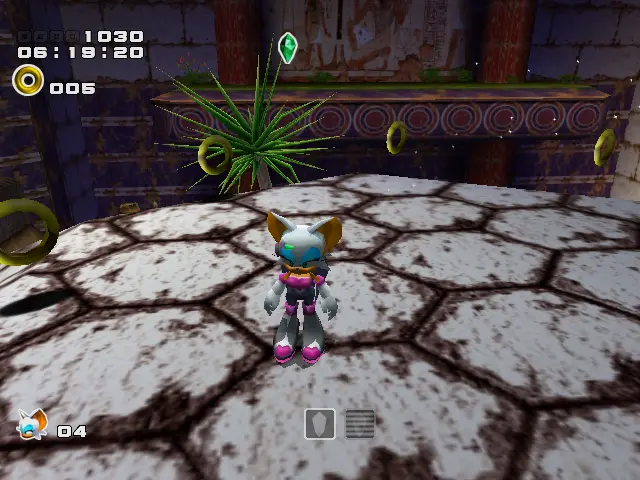 RougeFour stagesDry Lagoon, Egg Quarters, Security Hall and Mad Space, hunting the same shards and Chaos Emeralds.
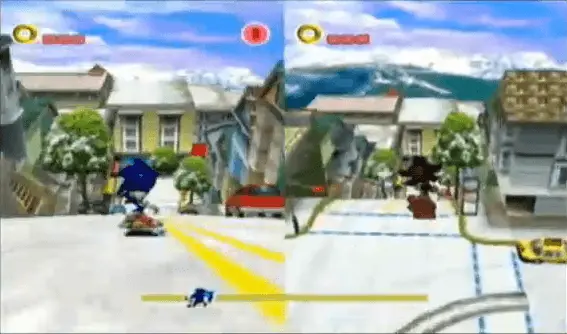 Route 101 and Route 280Kart chases · Tails, RougeTails tails the President’s limousine in the Tornado’s car mode; Rouge has a chase of her own.
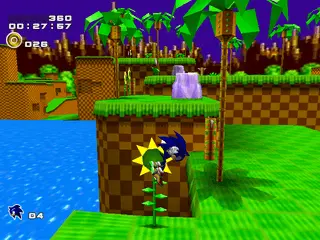 Green HillSecretA 3D remake of Sonic 1’s first act, for collecting every Emblem.
 Dreamcast Magazine #30UK magazine · Sonic Scene archiveA top-ten games of the year feature on Sonic Adventure 2, from our magazine scans.
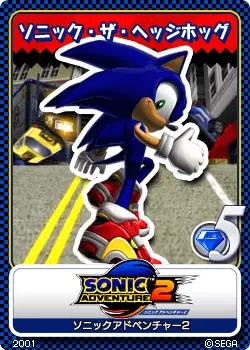 Sonic the HedgehogHero side · speed
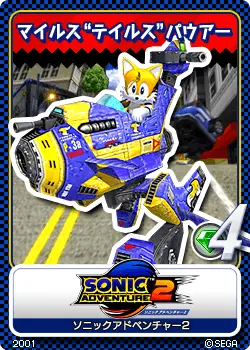 Miles “Tails” ProwerHero side · shooting
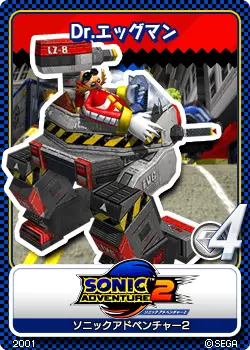 Dr. EggmanDark side · shooting
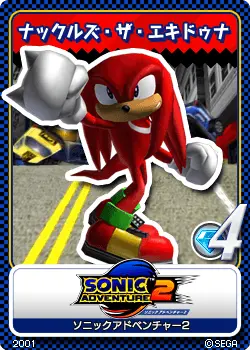 Knuckles the EchidnaHero side · treasure hunting
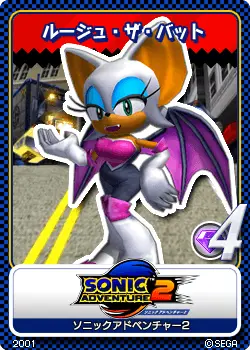 Rouge the BatNew · Dark side · treasure hunting
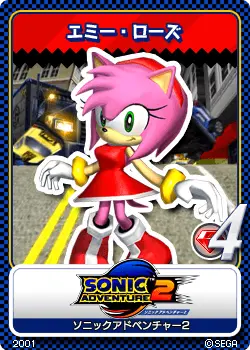 Amy RoseStory · two-player
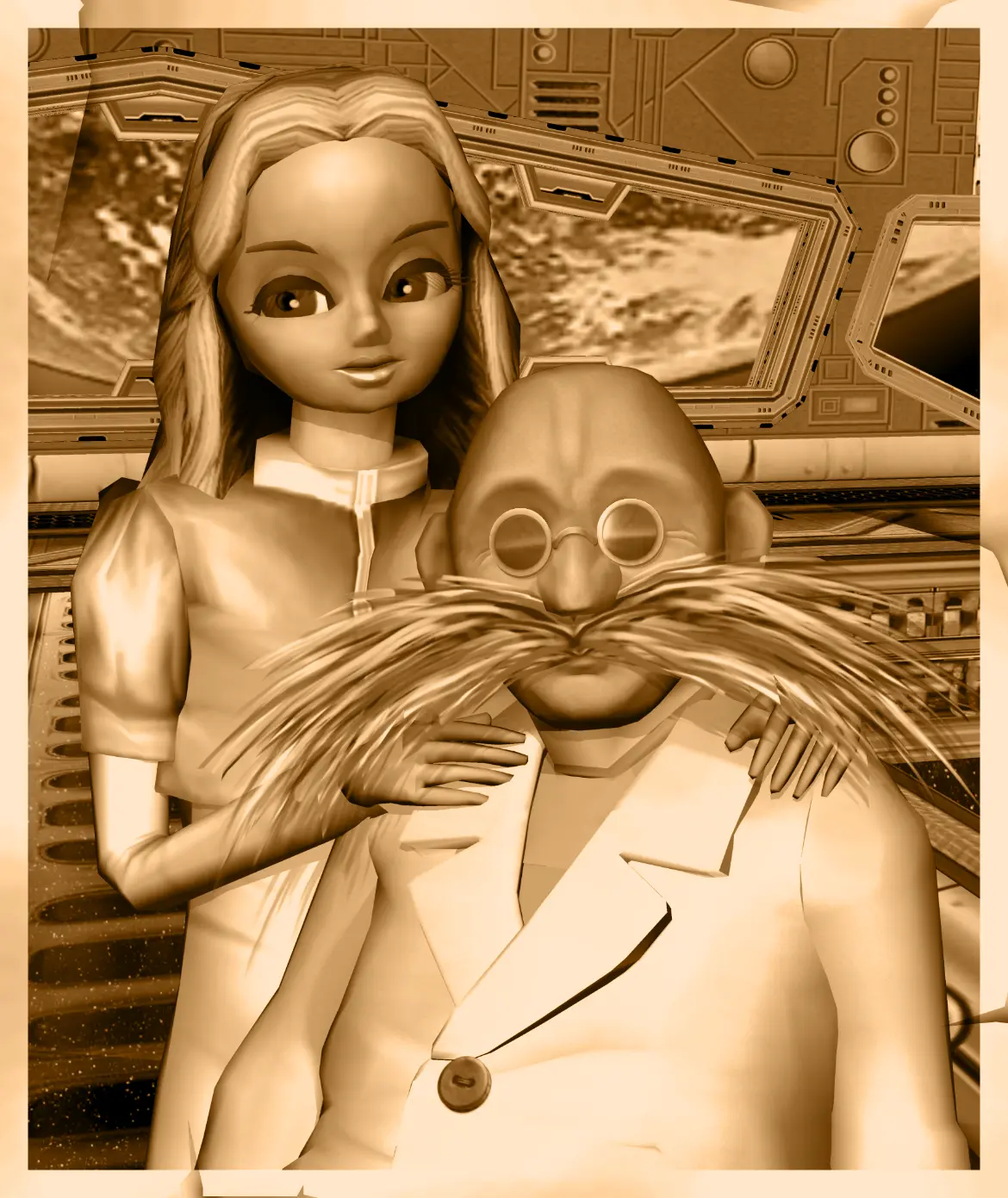 Professor Gerald RobotnikNew
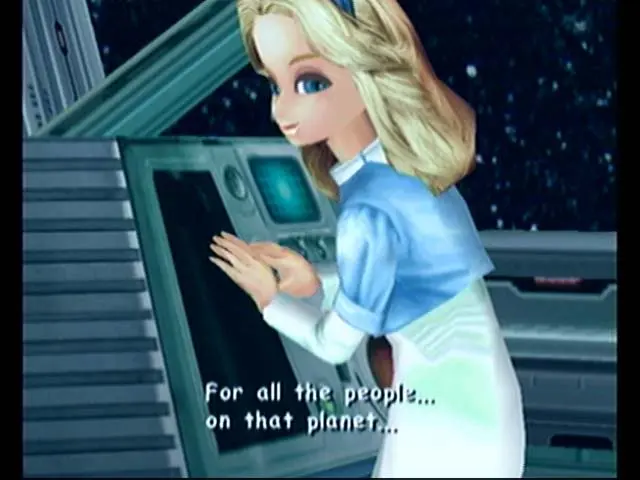 Maria RobotnikNew
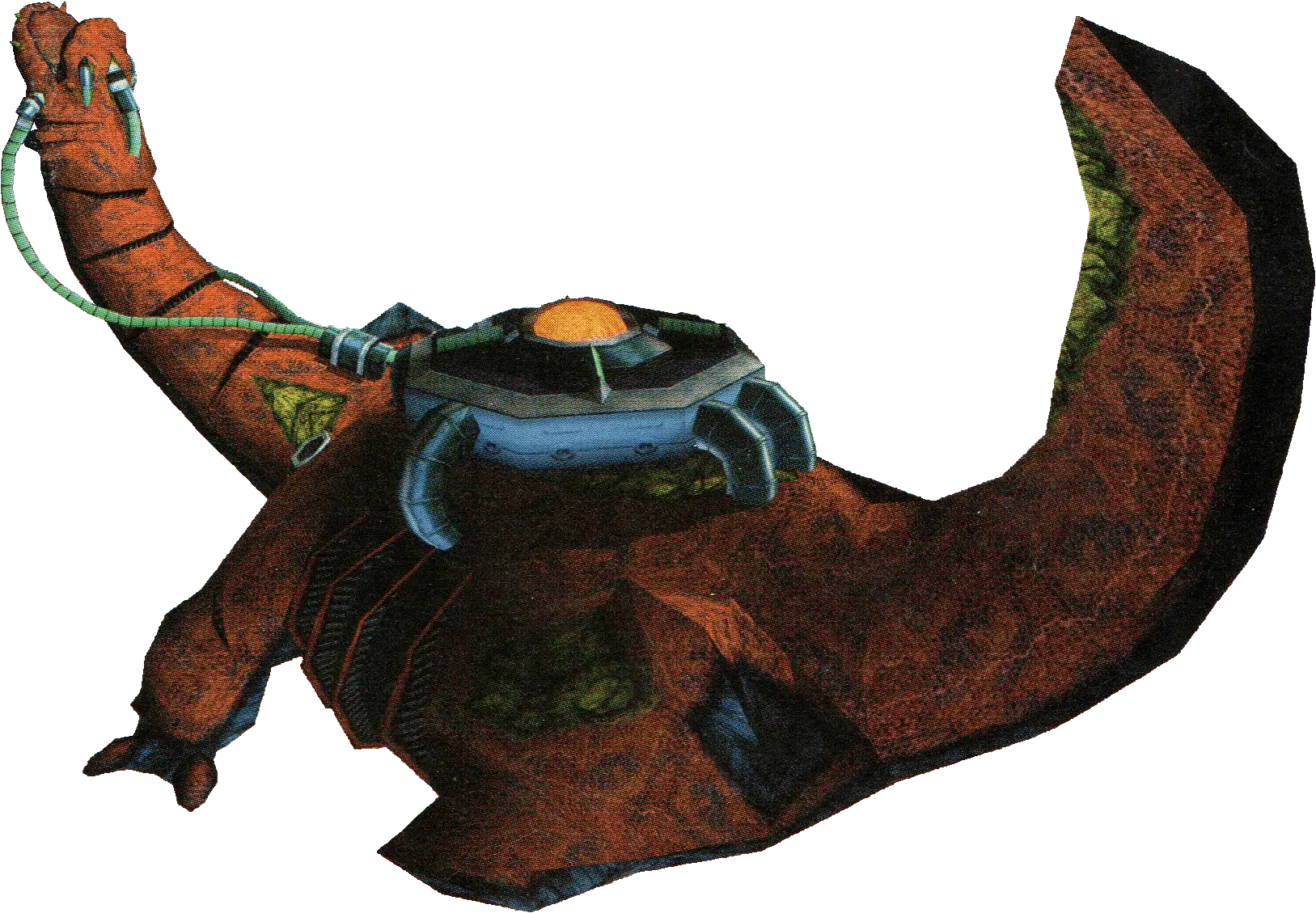 BiolizardPrototype of the Ultimate Life Form
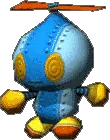 OmochaoNew · helper
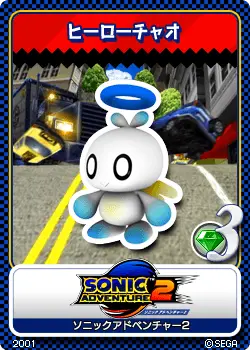 ChaoHero, Dark and Neutral
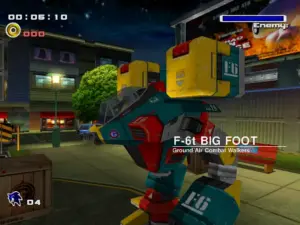 F-6t Big FootGUN · Hero storyA walking, hovering GUN robot with a Gatling gun and missiles; the first boss on the Hero side.
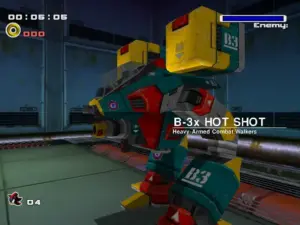 B-3x Hot ShotGUN · ShadowBig Foot with a laser cannon; the first Dark-side boss.
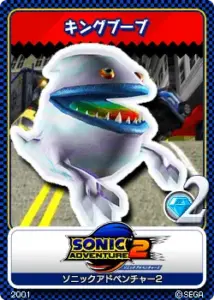 King Boom BooKnucklesThe king of the ghosts, fought with a day-and-night twist.
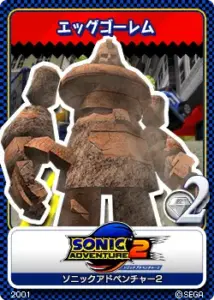 Egg GolemSonic and EggmanThe only boss Eggman built, fought inside his pyramid base by both sides.
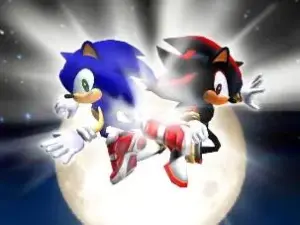 Sonic vs ShadowTwiceThe rival hedgehogs settle things head to head.
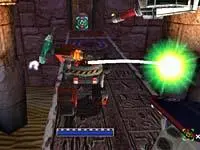 Tails vs EggmanTwiceWalker against walker.
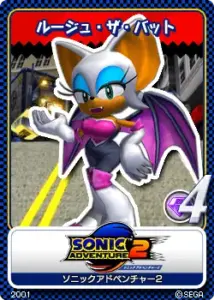 Knuckles vs RougeOnceTreasure hunter against treasure hunter.
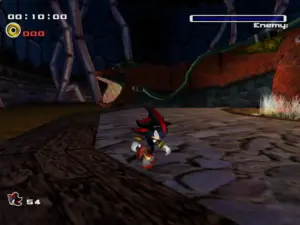 BiolizardLast Story · ShadowGerald’s prototype, deep in the ARK.
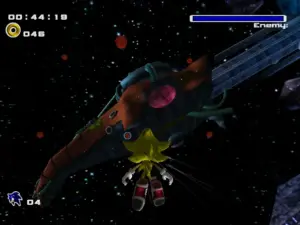 FinalhazardLast Story · Super Sonic, Super ShadowSwitch between the two to keep both ring counts alive.