PC (Windows)1996BAP Interactive / Orion InteractiveEducational
Sonic’s Schoolhouse (1996)
School’s cool with Sonic! Sega’s 1996 learning game drops you into a 3D schoolhouse where Sonic is the teacher, the pupils are cartoon animals and Dr. Robotnik pinches your answers.
Released18 Oct 1996 (North America)
DevelopersBAP Interactive and Orion Interactive
PublisherSega Entertainment
Players1 or 2, split screen
SubjectsMaths, reading and spelling
ForKindergarten to fourth grade
Title
Sonic’s Schoolhouse (announced as Sonic Schoolhouse)
Platform
PC, Windows 3.1 and Windows 95 (CD-ROM)
Developers
BAP Interactive and Orion Interactive (our original page credited Orion Interactive)
Publisher
Sega Entertainment (Sega’s PC company); distributed by Sega of America, and by Worldwise Enterprise in Taiwan
Concept
Bruce Austin
Design
Bruce Austin, Britton Jackson, Jim O’Keane, Jed Weintrob
Programming
Jim O’Keane, Jack Bowman
Art
Jeremy Buttell, Mike Malloy
Sound design
Robert Francke
Voice
Meg Inglima
Sega Entertainment
Greg Suarez (executive producer), Matt Wolf (producer)
Genre
Educational, first-person 3D
Players
1 or 2 (split screen)
Released (North America)
18 October 1996 (US$34.99, 85047)
Re-released
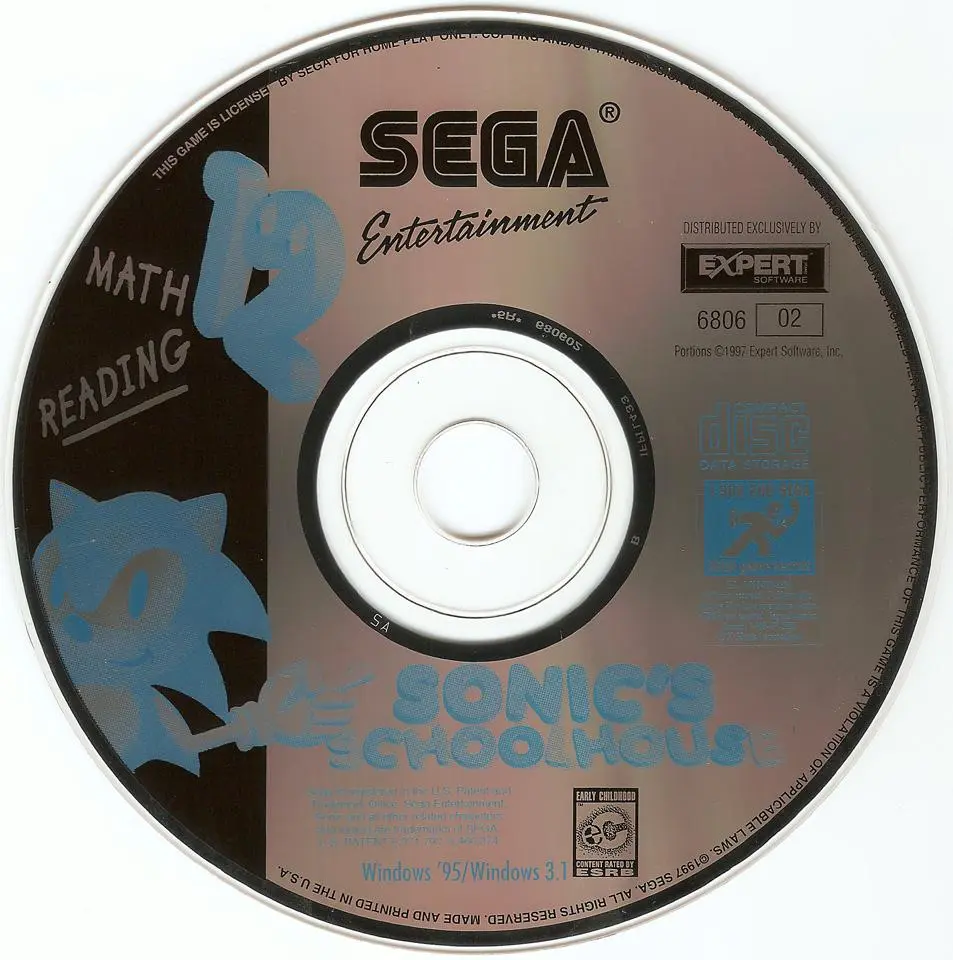
September 1997, Sega PC Collection by Expert Software (US$19.99)
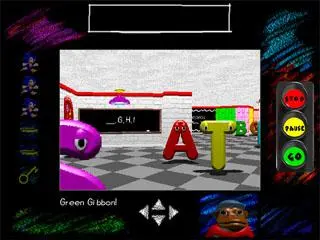
Sonic’s Schoolhouse is the Sonic game where Sonic does the teaching. Released for Windows PCs in October 1996, it takes place inside a brightly coloured 3D school seen through your own eyes, in the style of id Software’s shooters. You walk the corridors as one of ten cartoon animals, find the answers bouncing round each classroom and carry them back to the blackboard before Dr. Robotnik can snatch them.
Sega’s PC company published it with Orion Interactive, and it was built by BAP Interactive, which had first made the game without Sonic at all. It covered maths, reading and spelling from kindergarten to fourth grade, came with a printable certificate for your gumball haul, and arrived with a big holiday marketing push alongside five other Sonic games.
History has not been kind to it, and later critics have been scathing. It has had an unexpected afterlife, though: its eerie empty halls became the main inspiration for the indie horror game Baldi’s Basics.
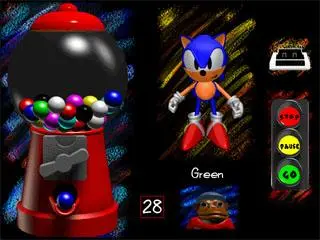
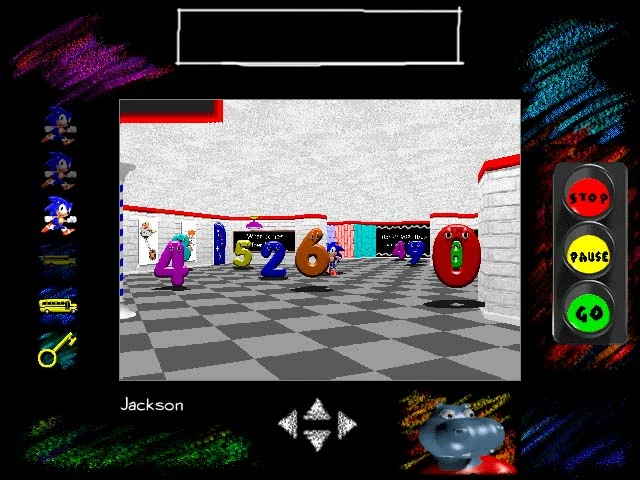
Letters on the loose.Robotnik comes for your answer.Counting gumballs.
“Sonic’s Schoolhouse is like Doom for kids.”
That was Sega Entertainment’s chief executive, Shinobu Toyoda, at launch, adding that instead of dark hallways and bad guys, children got a bright 3D school and friends to race to the answers. Sega billed the game as its first edutainment title and Sonic’s debut as a computer learning pal, designed as a game with letters and numbers where the weapons and spaceships would usually go.
— Official description: Sega Entertainment press release, 10 October 1996, as archived by Sega Retro. One line quoted; the rest summarised.
Quick Answers
The short answers, with the detail further down the page.
When did Sonic’s Schoolhouse come out?
On 18 October 1996, in North America only, for Windows 3.1 and Windows 95. More →
Can you play as Sonic?
No. Sonic is the teacher and guide; you play as one of ten cartoon animals. More →
What does it teach?
Maths, reading and spelling, with difficulty set from kindergarten to fourth grade. More →
Who made it?
BAP Interactive and Orion Interactive, for Sega’s PC publisher Sega Entertainment. More →
Was it always a Sonic game?
No. It began as Answer Hunt, an educational game starring a cartoon clock, and was reworked with Sonic once Sega came on board. More →
Is it really connected to Baldi’s Basics?
Yes. Baldi’s creator, Micah McGonigal, has said Sonic’s Schoolhouse was pretty much the main inspiration. More →
Can two people play?
Yes, on a split screen, either against each other or together. More →
Plot / Story
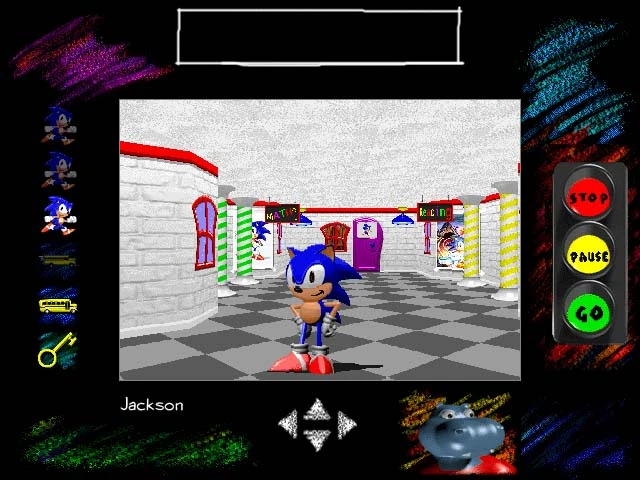
Sonic waiting in the hall.Image via Sonic Wiki Zone
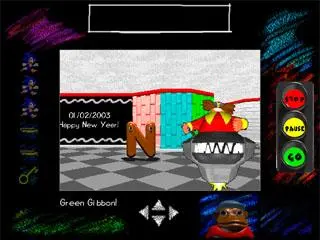
There is no world to save in Sonic’s Schoolhouse. Sonic has swapped running for teaching, and his school is open for lessons. Your character is the new pupil, and the villain is the nearest thing to a school bully: Dr. Robotnik, who wanders the classrooms with his robots and runs off with whatever answer you are carrying.
Sonic is everywhere, cheering you on, giving hints when you click on him and celebrating good work. The blackboards ask the questions, the answers bounce, hop and float round the room as letters, numbers and balloons with pictures, and the reward for a correct answer is a gumball.
A day at Sonic’s school
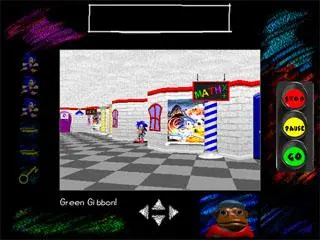
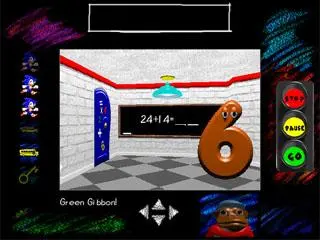
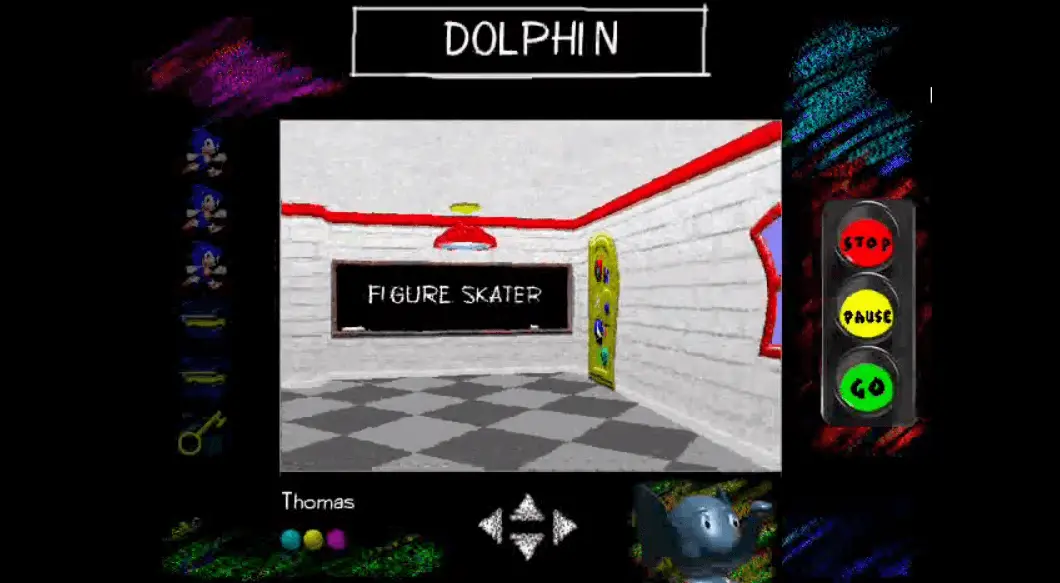
Walk through a classroom door and you are in a lesson. Each room has four questions on show and six more hidden behind locked doors, which open as you answer correctly. Spelling and maths mean filling in the blank; in reading you match pictures to words. Carry a wrong answer by mistake and you can recycle it instead, to Sonic’s approval.
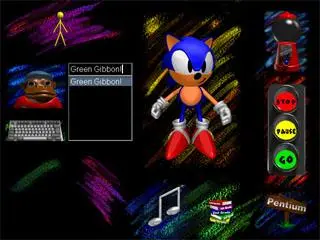
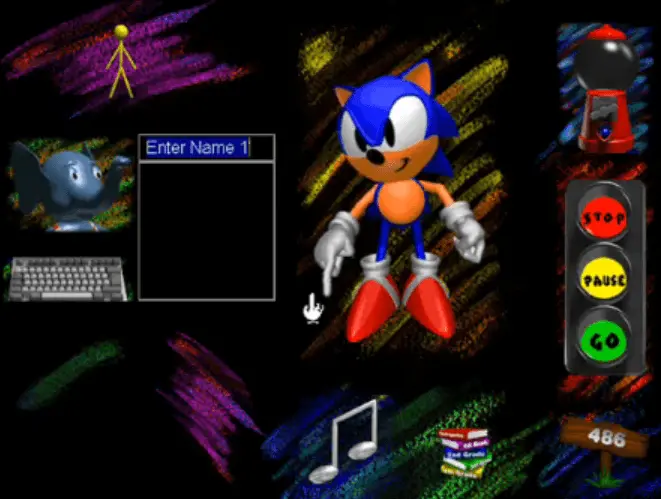
Answers earn gumballs, and gumballs fill a machine back on the options screen. At the end you can print a list of the right answers and a certificate showing your score.
A maths room.Reading: find the word.Another reading question.
Recess and field trips
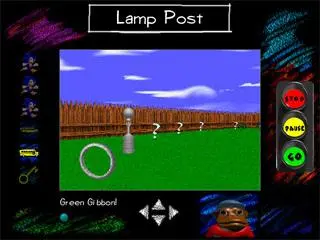
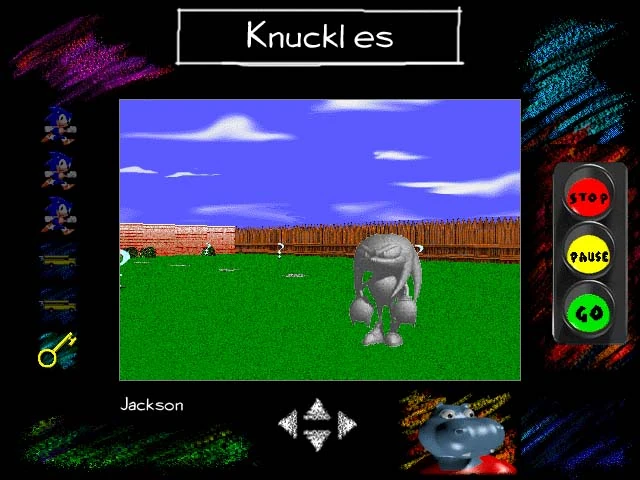
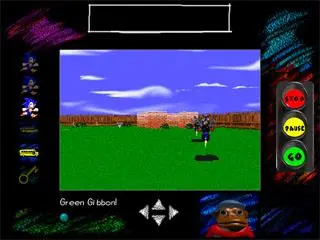
Explore the classrooms and you can find a Playground Pass, which opens the schoolyard behind the building. There you can play 3D Concentration, flipping giant question marks to find matching statues of Sonic characters, or Ring Hunt, a race to grab every ring before Robotnik’s Buzz Bombers and Moto Bugs catch you and knock them all loose.
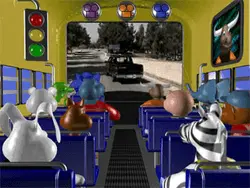
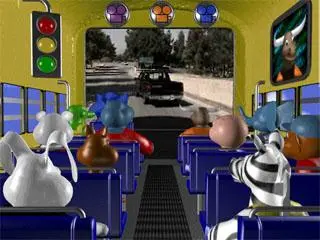
A Field Trip pass takes you out to the school bus parked out front. Sonic takes the wheel and short wildlife films play through the windscreen, teaching facts about the animals in the game.
3D Concentration.The schoolyard.A field trip.
Two players
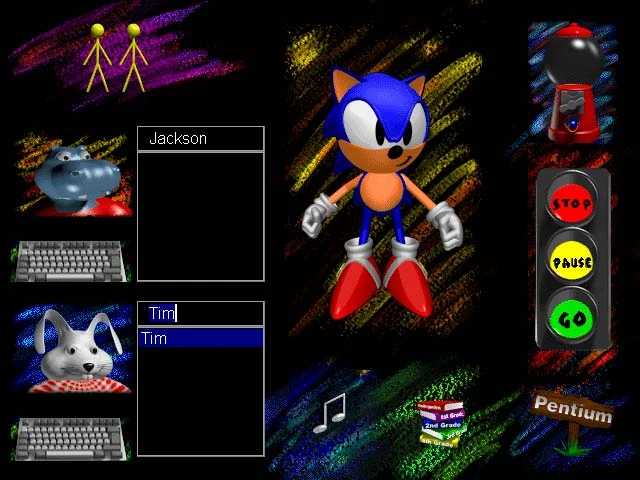
The game was built on a two-player engine, and a second child can join on a split screen. In the competitive mode the two players race for answers and can even steal from each other, just as Robotnik does; there is a co-operative mode too, and both players can use the playground and the field trips.
Around the schoolhouse
Every room is reached from the main corridor. The US manual describes four classrooms, two for maths and one each for spelling and reading, plus the playground and the field trip.
Maths roomsTwo classroomsOne room for addition and multiplication, one for subtraction and division, with sums on the blackboard and numbers bouncing round the floor.
Reading RoomWords and picturesMatch picture balloons to the words on the board.
Spelling RoomMissing lettersFind the missing letters and fill in the word.
The playgroundNeeds a Playground PassRecess, with 3D Concentration and Ring Hunt.
The school busNeeds a Field Trip passWildlife videos with Sonic at the wheel.
Baldi’s Basics in Education and LearningIndie game · 2018Micah McGonigal’s edutainment horror game, made for the 2018 Meta Game Jam, grew directly out of how unsettling he found Sonic’s Schoolhouse.
Sonic X-tremeCancelled · SaturnThe Sonic sprites drawn for Sega’s abandoned Saturn game were reused here, according to Sega’s own Encyclo-speed-ia and Sonic Retro.
Bloodwings: Pumpkinhead’s RevengePCBAP Interactive’s only other released game, which ran on the same I3D engine.
A small staff, one troublemaker and a class of ten.
Character
Who they are
In this game
Stats & abilities
Sonic the HedgehogTeacher
Sega’s mascot, recast as the friendliest teacher in school.
Not playable. He guides you through every lesson, gives hints when clicked, drives the field-trip bus and hands out praise for good answers.
Click him for hints
Sprites first drawn for Sonic X-treme
Dr. RobotnikThe answer thief
Sonic’s arch-enemy, recast as the school troublemaker.
Prowls the classrooms with his robots and steals whatever answer you are holding. In Ring Hunt he sends Badniks after your rings.
Takes your answer, not you
Sends the spoil sports in Ring Hunt
The pupilsPlayable · ten animals
A class of ten cartoon animals; you choose which one you are.
You pick one at the start and walk the school in first person as that character.
One or two players
Grade level from kindergarten to fourth
Tails and KnucklesCameos
Sonic’s friends from the Mega Drive games.
They appear as statues to be matched in 3D Concentration.
Recess only
Badniks
Robotnik’s “spoil sports” in Ring Hunt are two of the oldest Badniks in the series.
Buzz BomberRing HuntThe wasp robot from the first Sonic game. Get caught and you lose every ring.
Moto BugRing HuntThe ladybird robot from Green Hill, here chasing you round the schoolyard.
The people who made it
From the credits in the US manual, as listed by Sega Retro, and the companies named at launch.
BAP InteractiveDeveloperThe multimedia arm of Bruce Austin Productions, a privately held California company, which built the game first as Answer Hunt.
Orion InteractiveCo-developerA division of Orion Pictures, founded in 1993, which partnered with Sega on the project.
Bruce AustinConcept, producer, designerCredited with the concept.
Britton Jackson, Jed WeintrobProducers and designersJackson later recalled a team fighting against pretty limited technology.
Jim O’Keane, Jack BowmanProgrammersO’Keane also wrote the I3D engine the game runs on.
Meg InglimaVoiceThe game’s only credited voice; Sonic does almost all the talking.
Sega EntertainmentPublisherSega’s PC company, a joint venture with Softbank; Greg Suarez was executive producer.
How it was made
Our original page had no history section, so this one is new.
From Answer Hunt to Sonic
The unused clock host, left in the files.Image via Sonic Wiki Zone
The game began without Sonic. BAP Interactive developed it as Answer Hunt, with a talking cartoon clock as the host, and its production partner took it to Sega. Sega liked it enough to turn it into a Sonic game, and Sonic replaced the clock.
The clock never quite left. Dig through the game’s data files and the CGI cartoon clock that was meant to host it is still in there.
A Doom for kids
The engine was I3D, a commercial 3D toolkit by programmer Jim O’Keane that BAP had already used for Bloodwings: Pumpkinhead’s Revenge. It draws flat, right-angled corridors much like Wolfenstein 3D, with two-player split screen built in, and a switch on the options screen sets the detail for a Pentium or a slower 486.
To pitch the questions at the right ages, Sega Entertainment had ten educators and child psychologists advise on them.
Launch
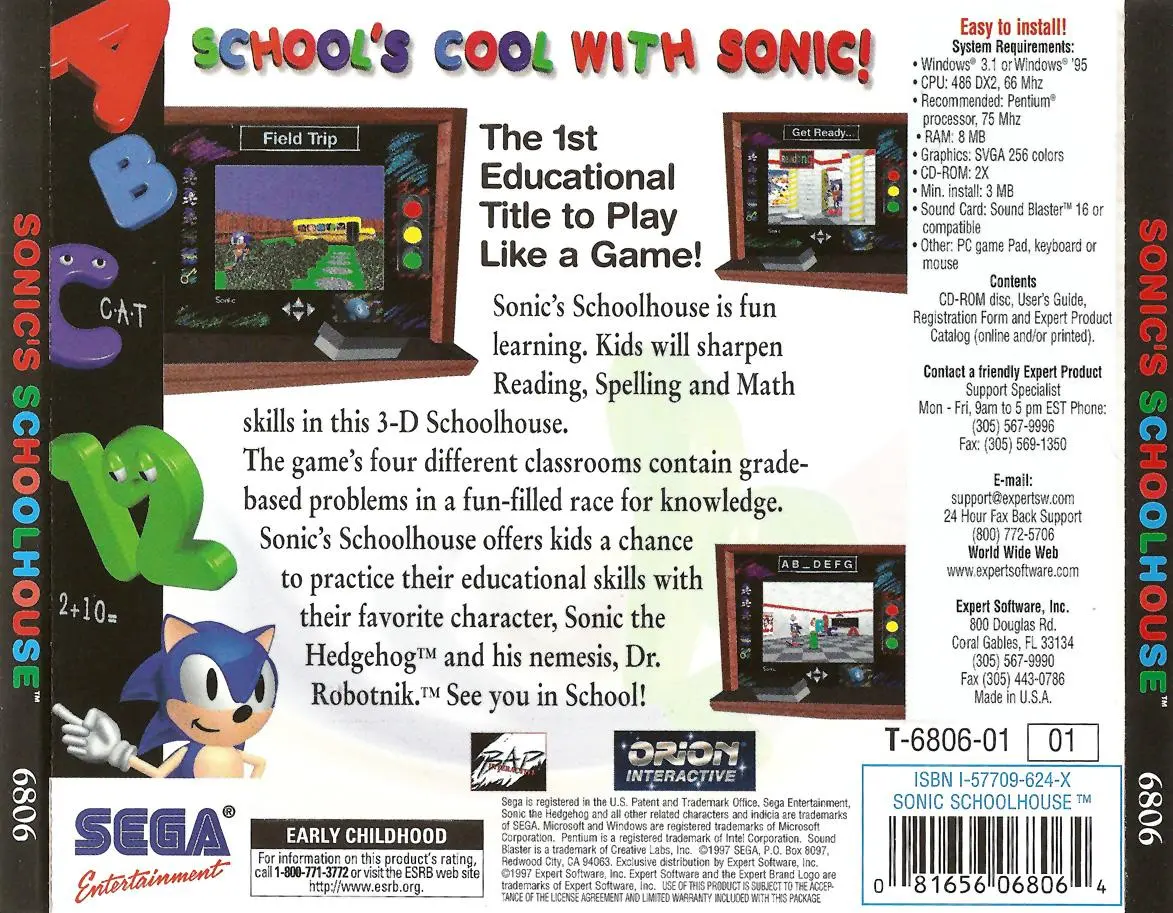
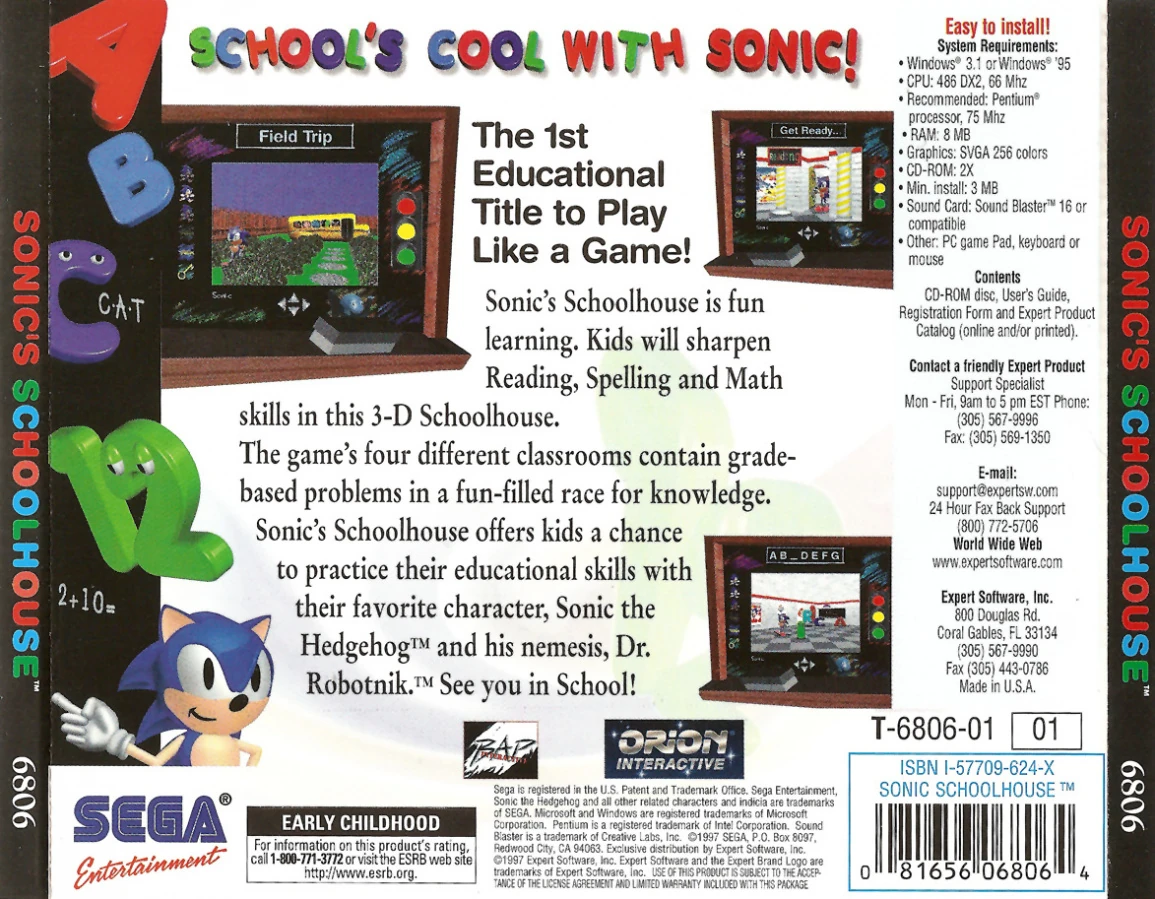
The back of the box.
Sega announced it as Sonic Schoolhouse at E3 in May 1996, and showed it again at its Gamer’s Day that August, when GamePro reported it as the first of a series of educational games hosted by Sonic. It went on sale on 18 October 1996 at US$34.99.
Sega folded the launch into Blue is Back, its US$20 million campaign for six Sonic games that holiday season. There were print ads from October to December, store displays, a free demo on Sega’s website and sampler discs, and every box held coupons worth US$40 off Sonic T-shirts, mousepads, comics and plush toys.
Firsts: what this game introduced
What Sonic’s Schoolhouse brought to the series, by Sega’s account and otherwise.
1Sonic the teacherSega billed it as its first edutainment title and Sonic’s debut as a computer learning pal.
2Head-to-head homeworkSega claimed it was one of the first edutainment games in which children could play against each other at the same time.
3X-treme’s Sonic, releasedSonic sprites made for the cancelled Sonic X-treme finally reached players here.
Glitches, exploits and oddities
No bugs are documented. These are the game’s oddities.
Blue arms
Early box art.Image via Sonic Wiki Zone
In early versions of the cover art, published while the game was still called Sonic Schoolhouse, Sonic’s arms are coloured blue instead of peach.
A school named twice
Even Sega’s launch press release could not decide: it calls the game Sonic Schoolhouse in one paragraph and Sonic’s Schoolhouse in the next.
The clock in the machine
The clock that never was.Image via Sonic Wiki Zone
The game’s data files still hold the CGI cartoon clock that hosted Answer Hunt before Sonic took the job.
Robotnik’s strange priorities
You are a defenceless cartoon animal alone in a school, and Robotnik’s master plan is to take the answer you are holding.
Videos & media
A complete playthrough, and a review from LGR, the PC gaming channel.
A full playthrough by NintendoComplete.
A review from LGR.
Trivia & facts
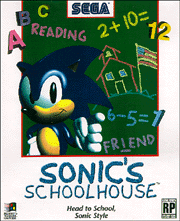
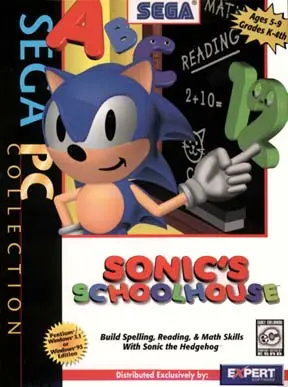
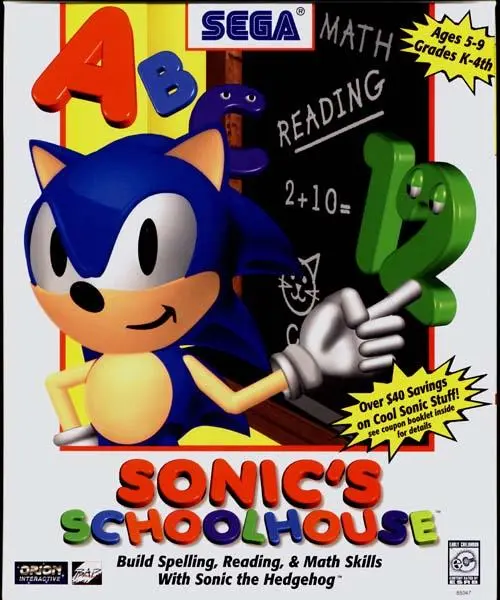
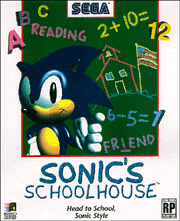
The box front.The box tagline reads “School’s cool with Sonic!”, and the front adds “Head to School, Sonic Style”.
The only voice actor in the credits is Meg Inglima, and Sonic does almost all the talking.
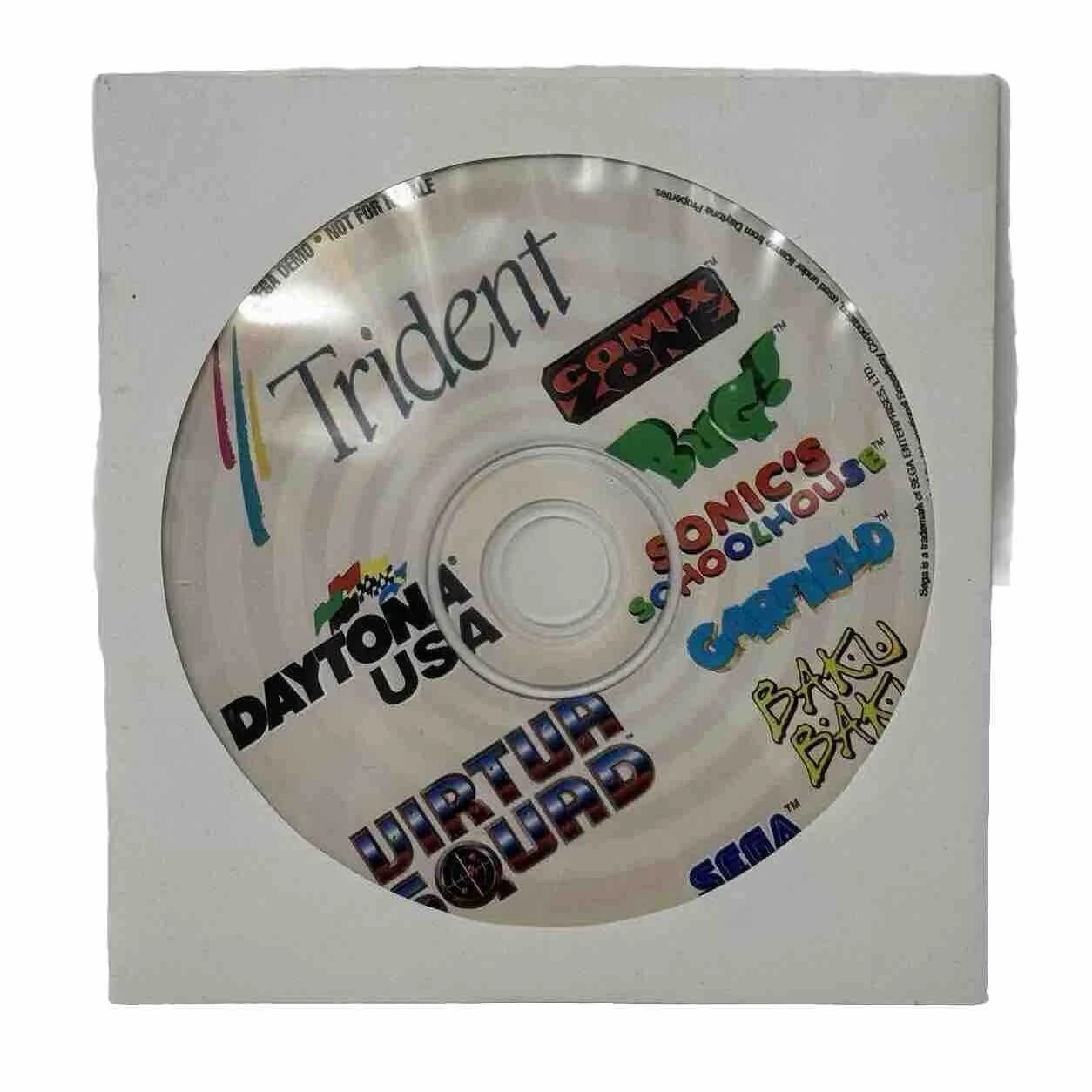
Sega put a demo on its PC sampler discs, including one that came with Trident graphics cards in 1997.
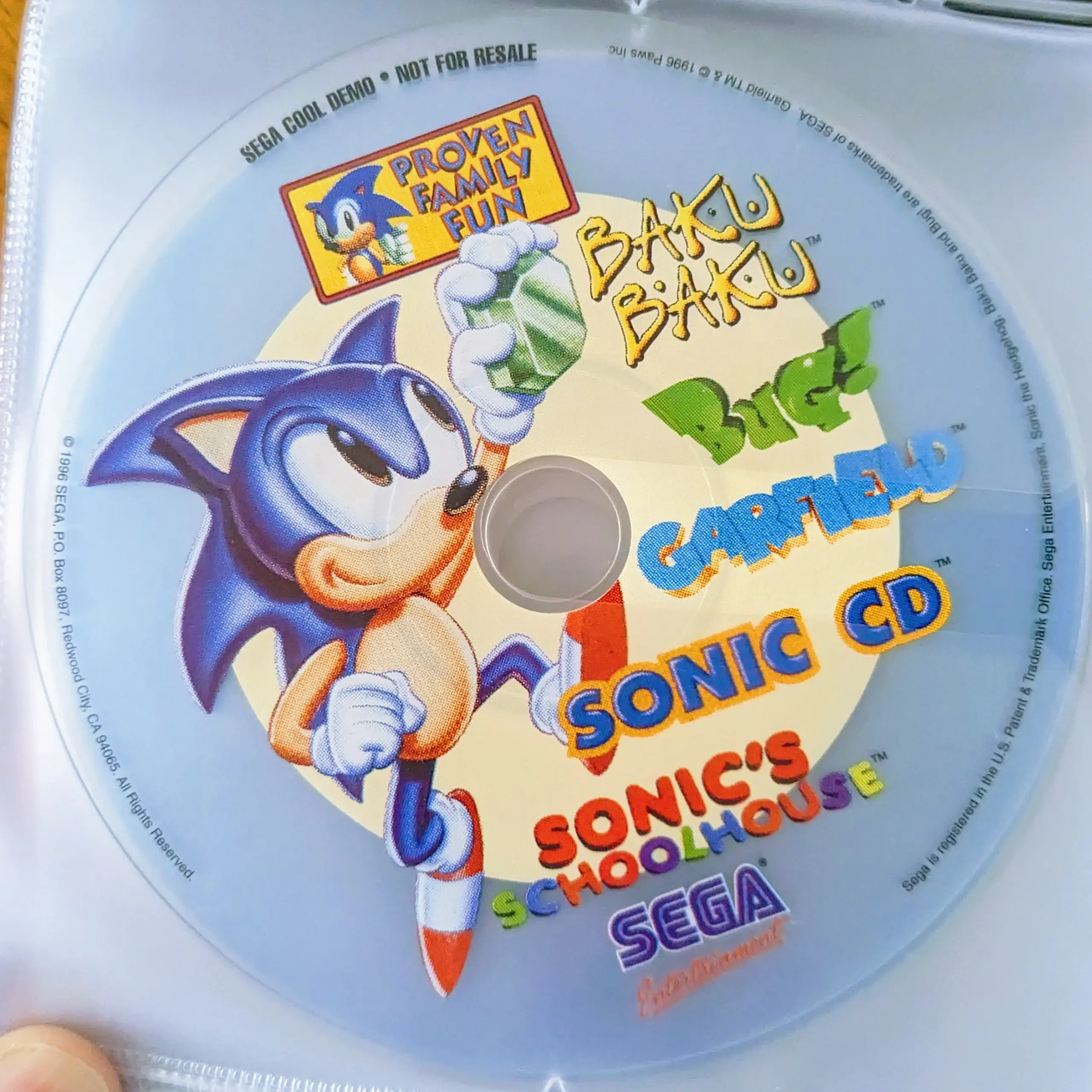
A demo also appeared on the Sega Family Fun Pak, a 1996 disc of five Sega trial versions with a rebate of US$5 for each full game bought.
Sega Entertainment, the publisher, was brand new. Sega’s own announcement of May 1996 says Sega of America and Softbank had set it up together that March; Expert Software’s 1997 release about the budget reissue gives April instead.
Orion Interactive was part of Orion Pictures, the film studio.
Media & artwork
Box art, discs and screenshots, from Sonic Scene’s own galleries, Sonic Retro and Sonic Wiki Zone. Select any image to view it larger.
The box.Box front.Back of the box.The full box back.The CD-ROM.Expert Software re-release.Early box art.Sega Proven Family Fun Sampler.Trident sampler disc.The options screen.The options menu.A corridor.Bouncing letters.Robotnik in class.A maths room.Another maths room.A reading question.The schoolyard.A field trip.On the bus.The gumball count.The unused clock.
There was never a second Schoolhouse, despite the talk of a series. The first one has lived on in other ways.
Releases
Windows PC (North America)18 October 1996 – Sega Entertainment, US$34.99.
Sega Family Fun Pak (demo)1996 – LaserSoft compilation of five Sega trials.
Sega PC CollectionSeptember 1997 – Expert Software budget release, US$19.99, alongside Sonic CD and five other Sega PC games.
The Baldi connection
In 2018 Micah McGonigal made Baldi’s Basics in Education and Learning for the Meta Game Jam, a horror game dressed up as cheap 1990s edutainment, and it became a hit. In an interview with Game Developer he named Sonic’s Schoolhouse as pretty much the main inspiration: he never played it as a child, but the first time he saw it, it creeped him out.
Back on the budget shelf
In June 1997 Sega handed its value-priced PC range to Expert Software, which called it the first budget line Sega had ever released. Sonic’s Schoolhouse was one of the first seven titles, on sale from September 1997 at US$19.99.
Sales & reviews
Sales
No sales figures have been published, and Sega Retro’s index lists only a GamePro preview from 1996, so we have no period review score to show.
US$34.99Launch price, 1996
US$19.99Expert Software re-release, 1997
10Educators and child psychologists on the advisory panel
US$40Of Sonic merchandise coupons in every box
What critics said later
Retrospective verdicts have been harsh.
Hardcore Gaming 101 chose it for its weekly worst-games column in 2014 and found little to like. The engine, it said, only beat Wolfenstein 3D by having floor textures; switching from kindergarten to fourth grade barely changed a thing; and Sonic’s high, nasal voice grated. Its real scorn was saved for Sega, for bolting its mascot onto a “bare-bones edutainment title”, and it pointed parents to LeapFrog’s handhelds instead. When GamesRadar+ summed up every Sonic game in ten words or fewer in 2016, this one got “vaguely educational” mini-games set inside “a grade-schooler’s nightmare”.
Reader reviews
No reader reviews yet. Played it? Give it a score out of 10 and tell other fans what you think.
Every fact on this page was checked against the sources below. Sonic Retro and Sega Retro pages were read through Wayback Machine copies, because both live sites show a bot check; each link opens the copy we read.
To provide the best experiences, we use technologies like cookies to store and/or access device information. Consenting to these technologies will allow us to process data such as browsing behavior or unique IDs on this site. Not consenting or withdrawing consent, may adversely affect certain features and functions.
Functional
Always active
The technical storage or access is strictly necessary for the legitimate purpose of enabling the use of a specific service explicitly requested by the subscriber or user, or for the sole purpose of carrying out the transmission of a communication over an electronic communications network.
Preferences
The technical storage or access is necessary for the legitimate purpose of storing preferences that are not requested by the subscriber or user.
Statistics
The technical storage or access that is used exclusively for statistical purposes.The technical storage or access that is used exclusively for anonymous statistical purposes. Without a subpoena, voluntary compliance on the part of your Internet Service Provider, or additional records from a third party, information stored or retrieved for this purpose alone cannot usually be used to identify you.
Marketing
The technical storage or access is required to create user profiles to send advertising, or to track the user on a website or across several websites for similar marketing purposes.

 Maths roomsTwo classroomsOne room for addition and multiplication, one for subtraction and division, with sums on the blackboard and numbers bouncing round the floor.
 The school busNeeds a Field Trip passWildlife videos with Sonic at the wheel.