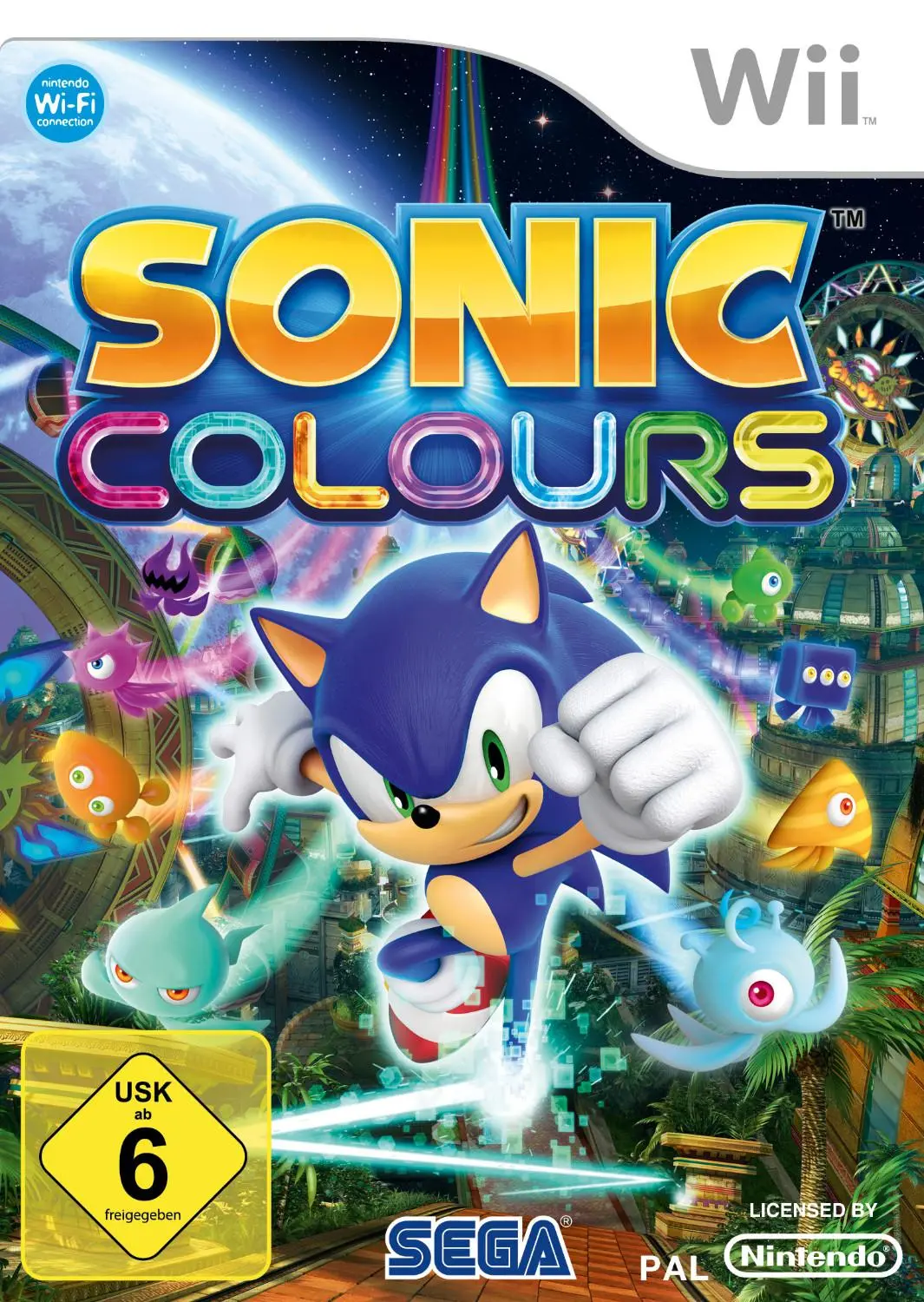
Sonic Colours in Europe and Australia; Sonic Colors in North America and Japan (ソニック カラーズ)
Platforms
Wii; Nintendo DS (a separate 2D game). Remastered as Sonic Colors: Ultimate (2021) for Switch, PlayStation 4, Xbox One and Windows
Developers
Sonic Team (Wii); Dimps (Nintendo DS). CG animation by Marza Animation Planet; English voices recorded at Studiopolis
Publisher
Sega
Directors
Morio Kishimoto (Wii); Takao Hirabayashi (DS)
Producers
Takashi Iizuka; Hiroyuki Kawano (DS)
Writers
Ken Pontac and Warren Graff, with Yasushi Otake
Music
Tomoya Ohtani, Kenichi Tokoi, Fumie Kumatani, Hideaki Kobayashi, Mariko Nanba and Naofumi Hataya; played by the Amsterdam Session Orchestra; songs by Cash Cash
Genre
3D and 2D platformer
Players
1–2 (co-operative on Wii, competitive on DS)
Released (Australia)
11 November 2010
Released (Europe)
12 November 2010
Released (North America)
16 November 2010 (Wii US$49.99)
Released (Japan)
18 November 2010 (Wii ¥5,800)
Previously
Sonic Unleashed (2008) and Sonic and the Black Knight (2009)
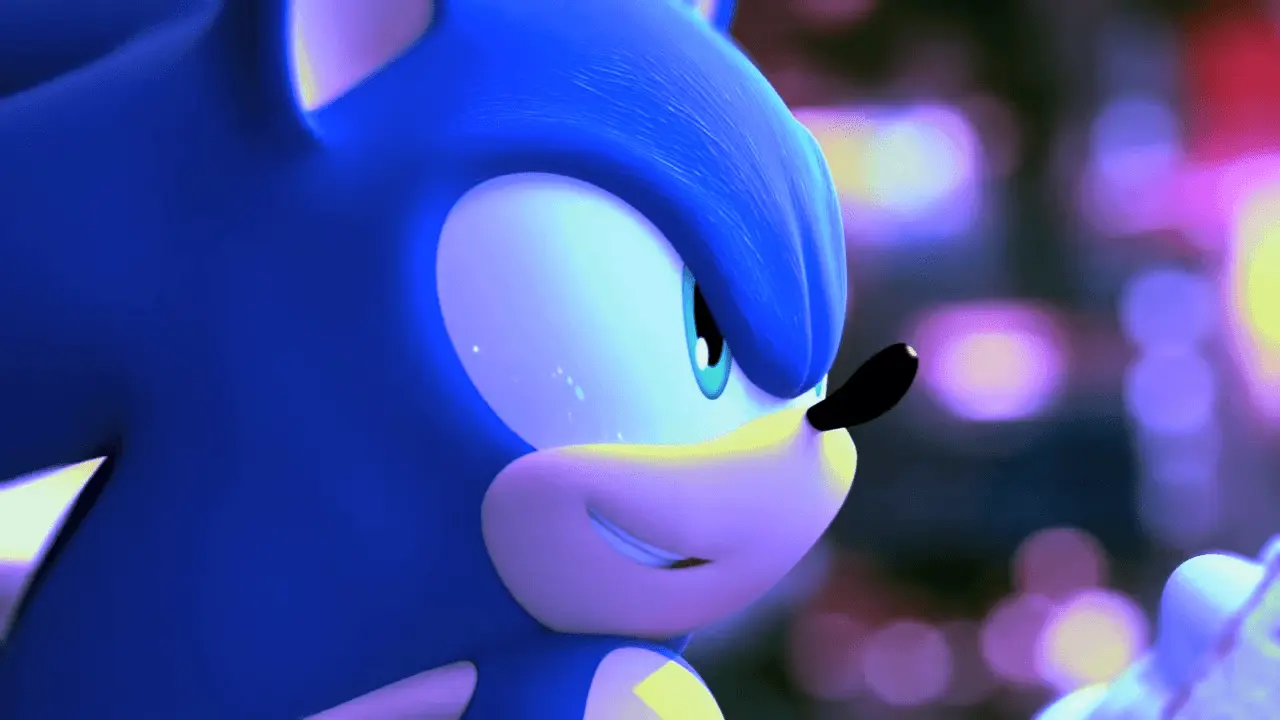
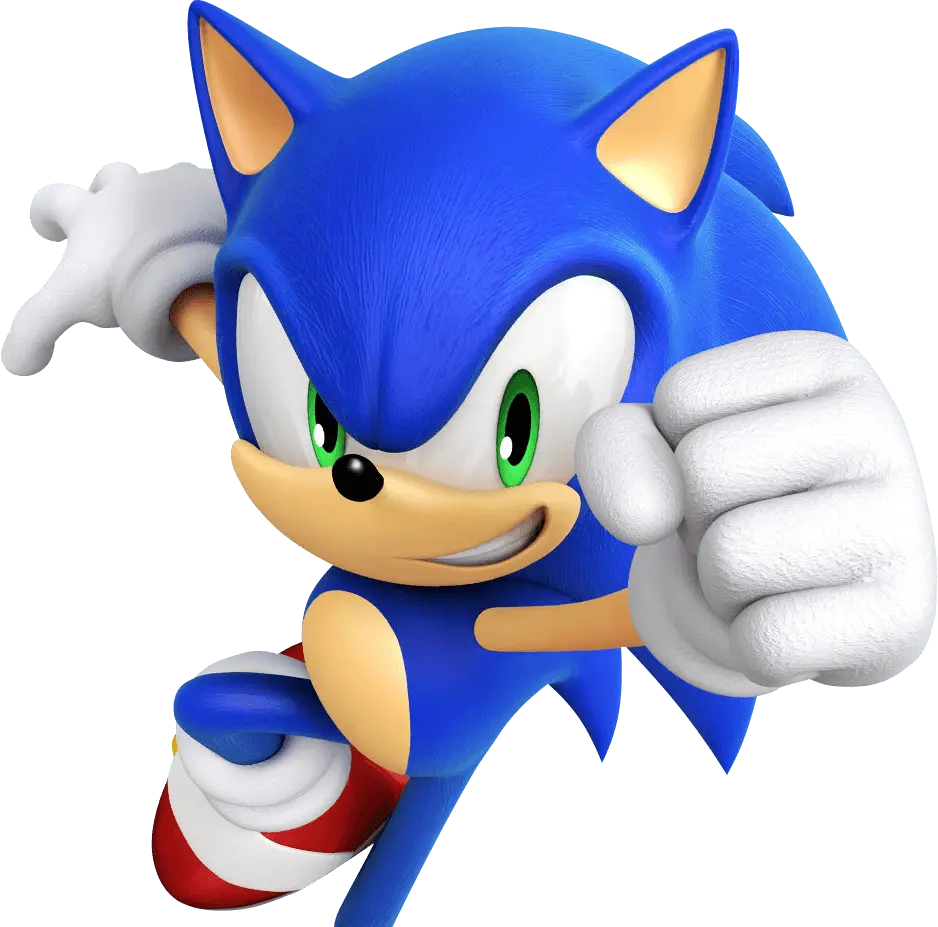
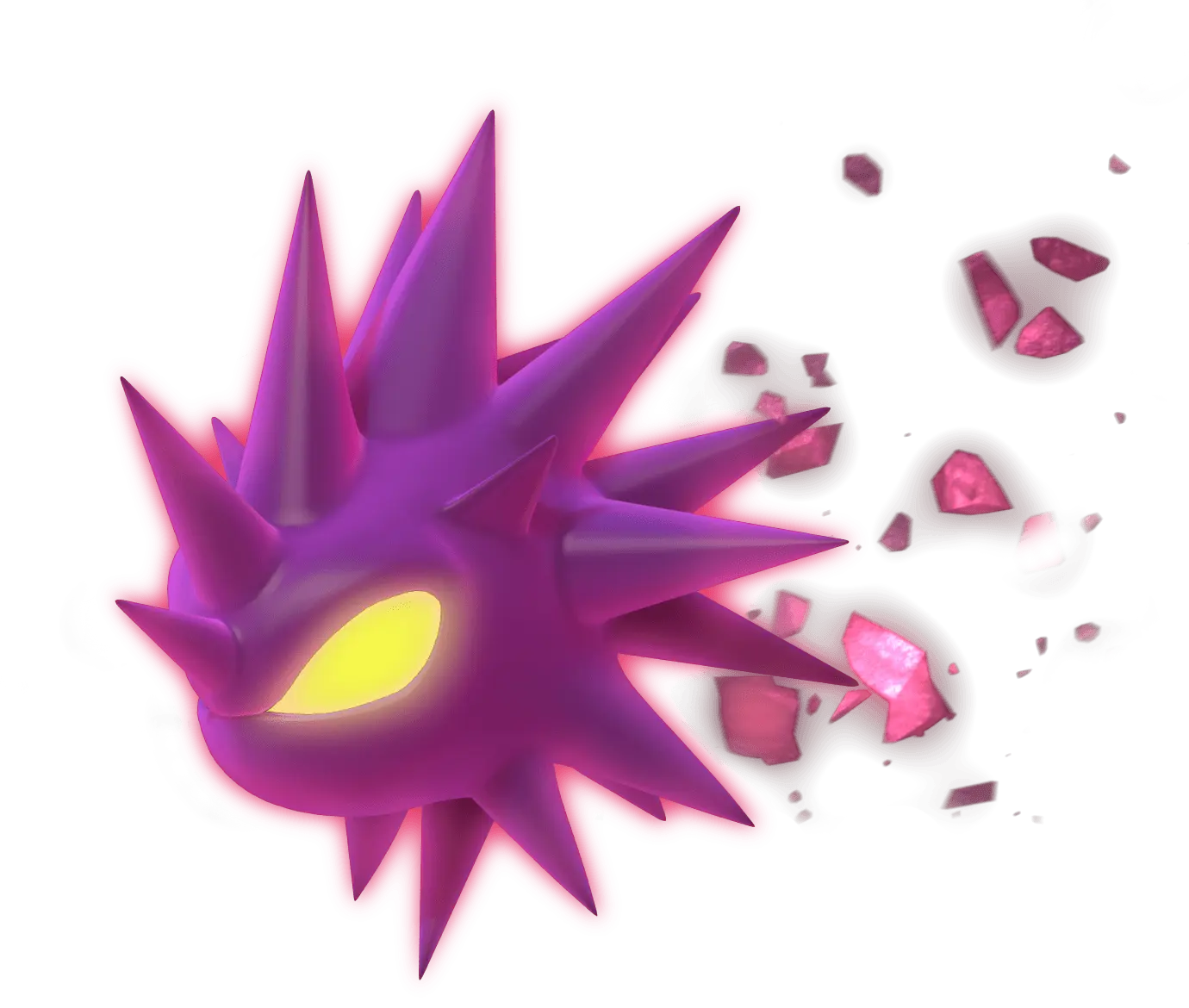
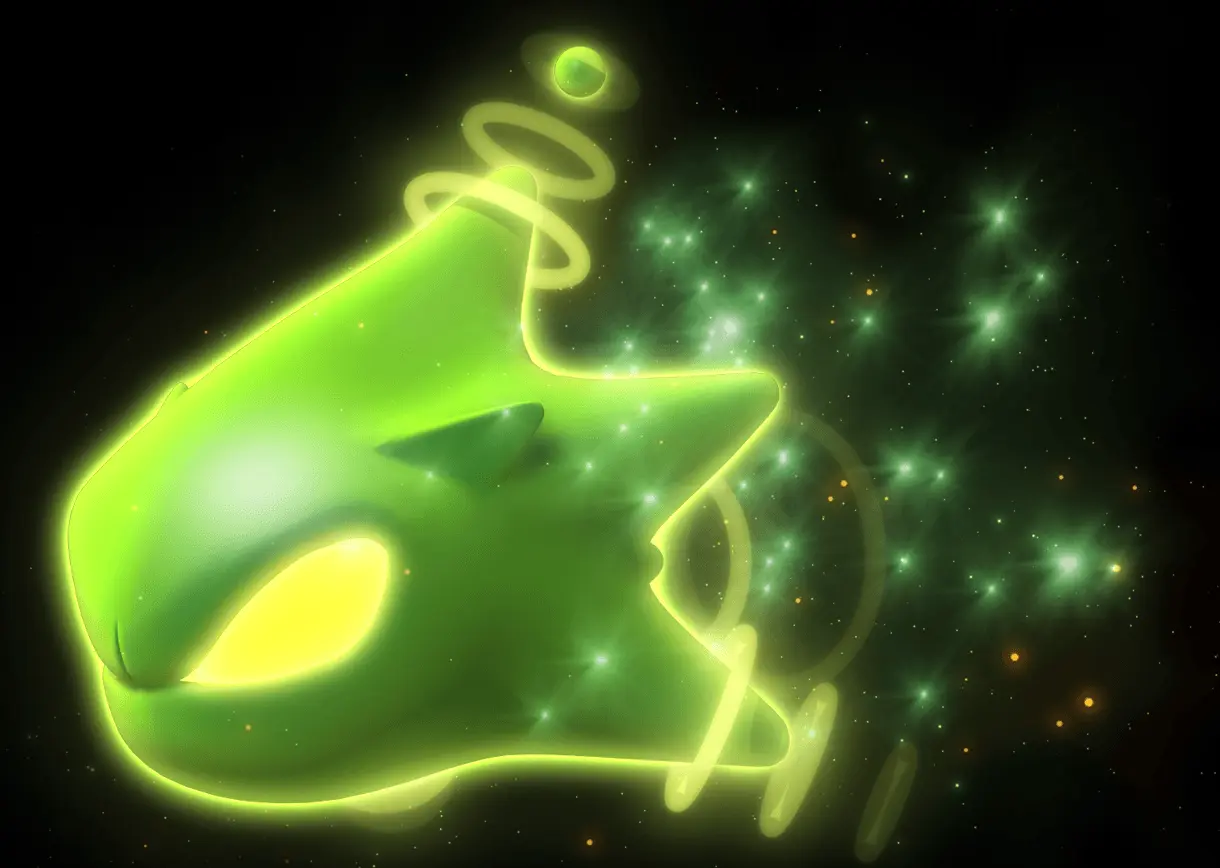
After the Werehog, Sonic Team went back to basics. Sonic Colours keeps the boost and the switches between 3D and side-on 2D from Sonic Unleashed, drops everything that slowed it down, and adds a twist of its own: the Wisps, colourful aliens whose powers turn Sonic into a laser, a drill, a rocket and more. The Wii version mixes high-speed runs with careful platforming, while Dimps’ Nintendo DS version is a 2D game in the style of Sonic Rush.
The setting is pure fun. Dr. Eggman has built a giant amusement park in orbit around Sonic’s planet, claiming he has turned over a new leaf, but his rides are powered by kidnapped Wisps. Sonic and Tails go to investigate, and Sonic sets off across seven planets of candy mountains, carnival fleets and aquariums to set the aliens free.
The game was designed to reach a wider audience, including younger players and Mario fans, and introduced a new English voice cast. Critics called it a return to form, it sold four million copies across both versions, and the Wisps have been part of the series ever since.
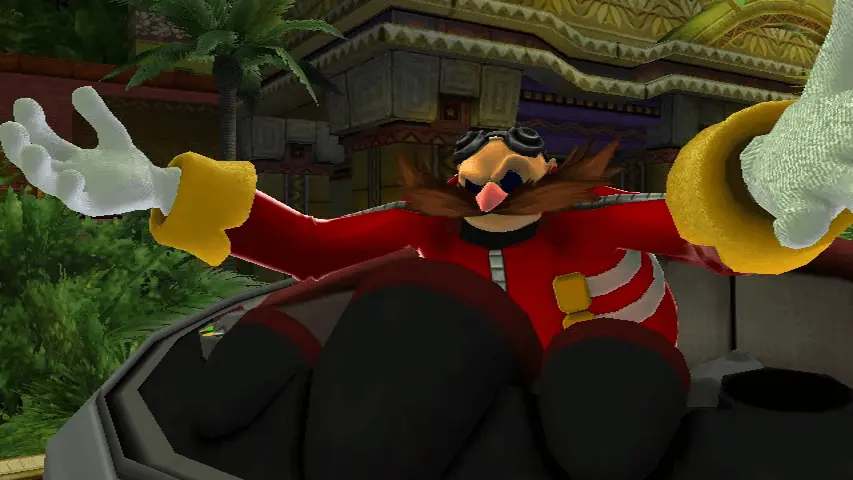
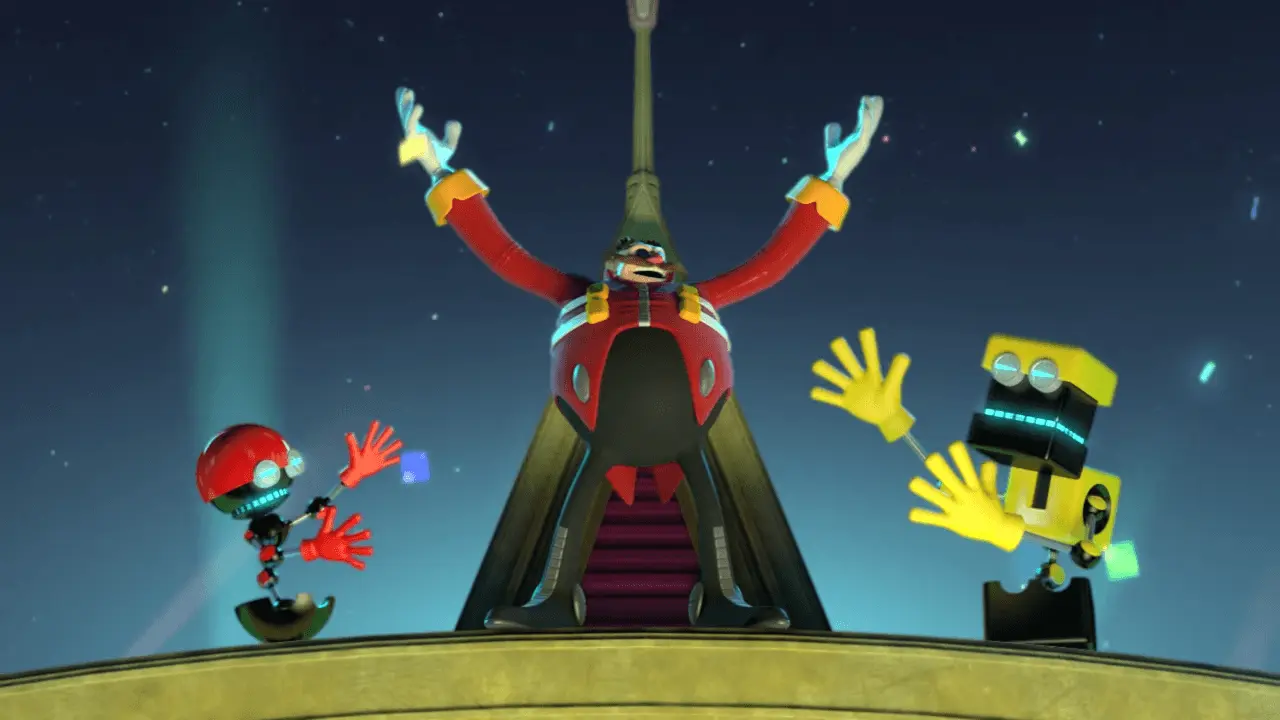
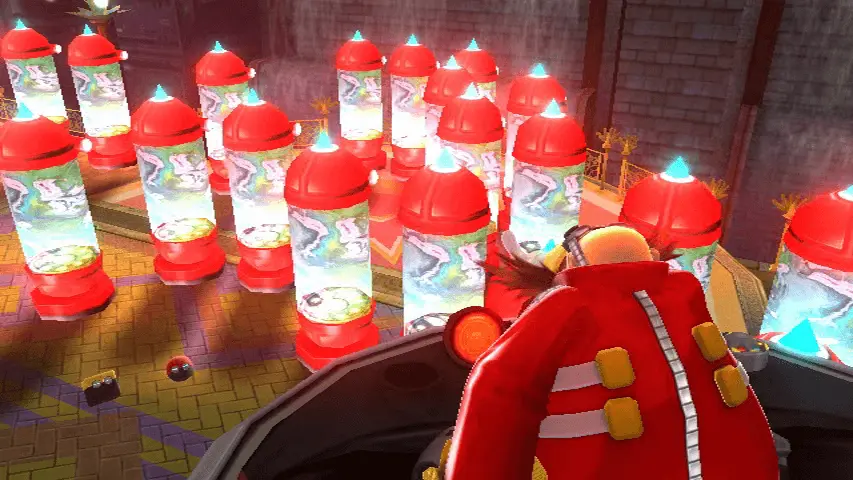
Hovering through Starlight Carnival.Planet Wisp, the aliens’ home.Eggman welcomes everyone to his park.
The diabolical Dr. Eggman has hatched another plan for world domination!
Sega’s story summary goes on to describe Eggman’s amazing interstellar amusement park, floating in space around Sonic’s home planet, and reveals that it runs on the energy of a captured alien race called the Wisps. Sonic discovers the park, finds he can use the aliens’ powers himself, and sets out to pass Eggman’s test “with flying colors”. The feature list promises non-stop speed, new power-ups drawn from the Wisps’ coloured energy, a unique set of Color Powers for each system, and a blend of 3D and classic 2D on Wii alongside dual-screen 2D on DS.
— Official description: Sega’s product text for Sonic Colors, as reproduced on our original Sonic Colours page. One line quoted; the rest summarised.
Quick Answers
The short answers, with the detail further down the page.
When did Sonic Colours come out?
In November 2010: 11 November in Australia, 12 November in Europe, 16 November in North America and 18 November in Japan, on Wii and Nintendo DS. More →
Colours or Colors?
Both. It is Sonic Colours in Europe and Australia and Sonic Colors in North America and Japan. More →
What are Wisps?
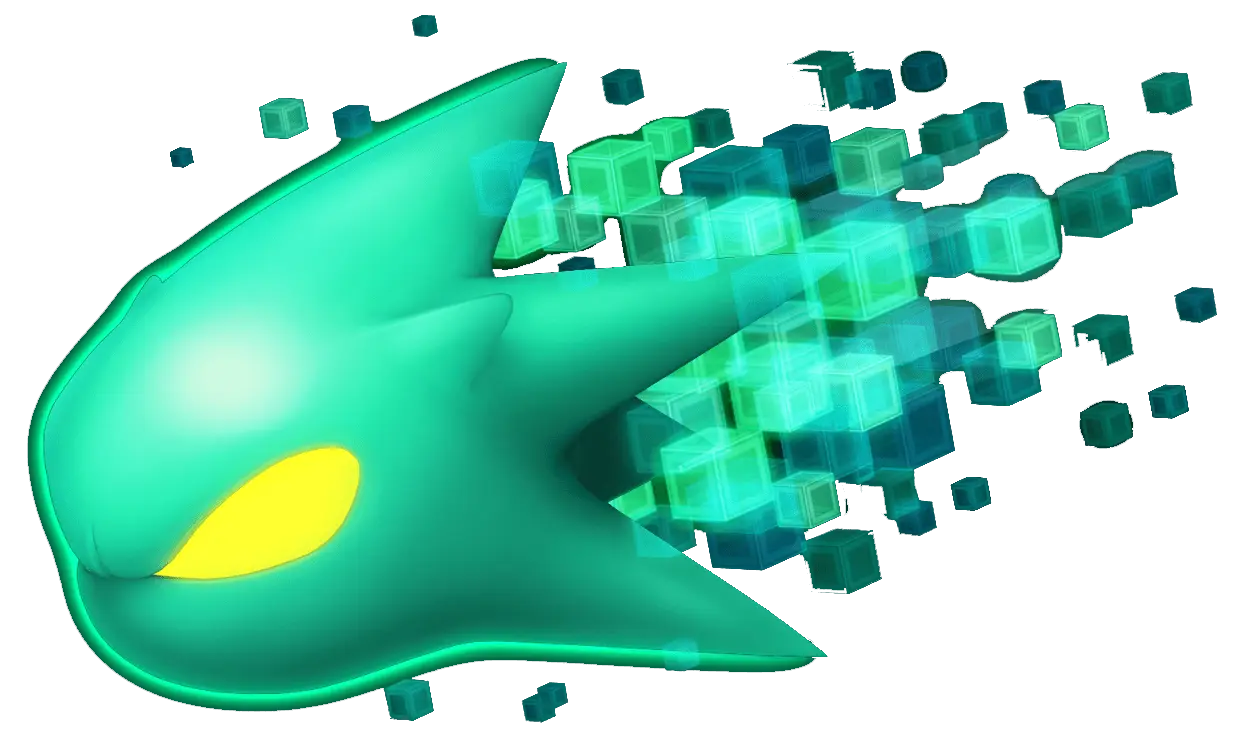
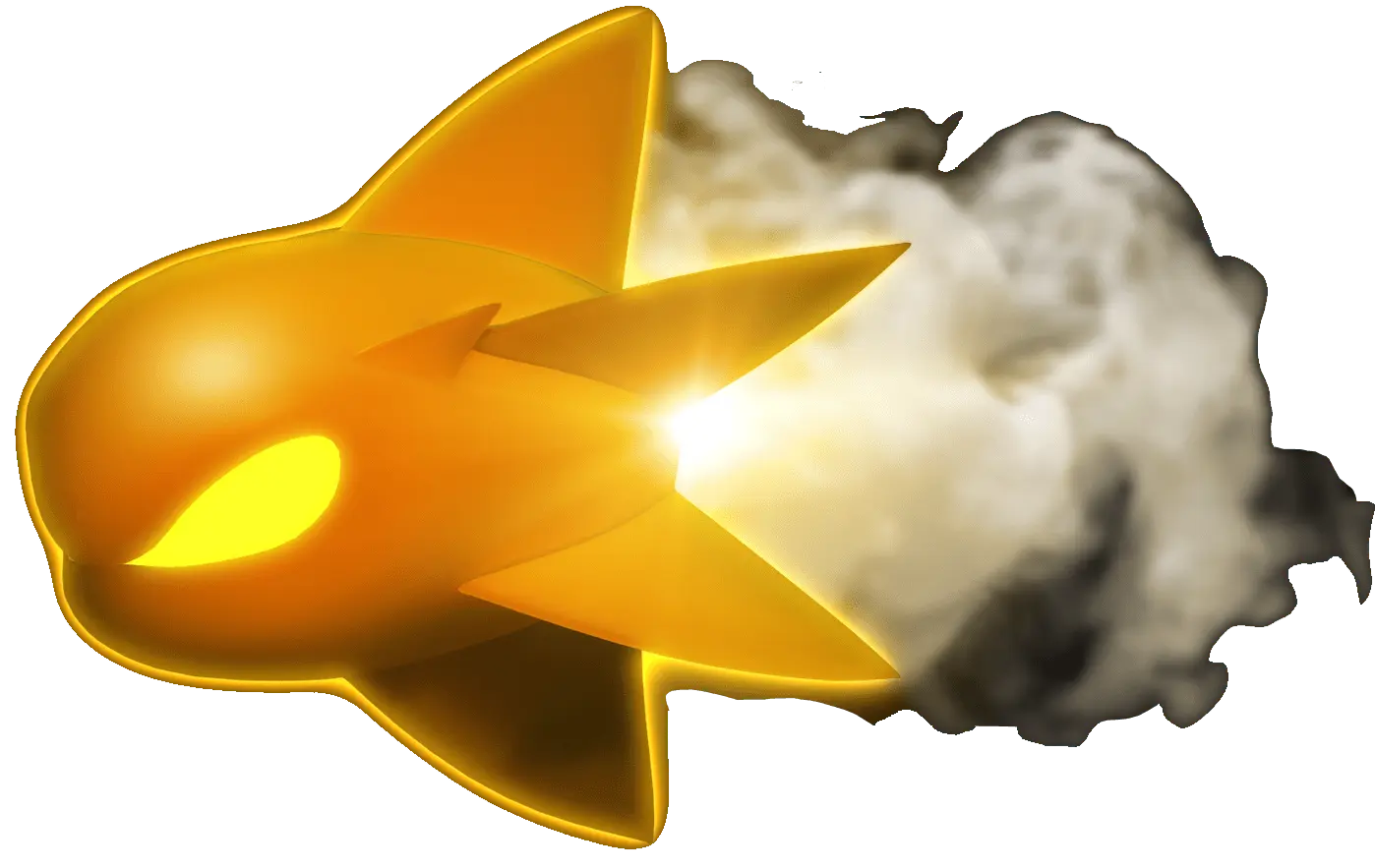
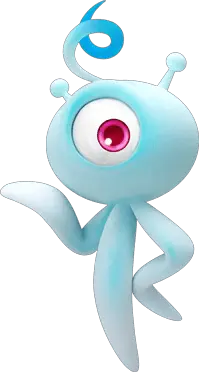
Small alien creatures from Planet Wisp. Each colour grants a power, such as the Cyan Laser, Yellow Drill or Orange Rocket, and Eggman wants their energy for a mind-control ray. More →
Are the Wii and DS versions the same?
No. The Wii game is a 3D and 2D platformer by Sonic Team; the DS game is a 2D side-scroller by Dimps with its own stages, special stages, missions with Sonic’s friends, two exclusive Wisps and an extra final boss. More →
Can you play as Super Sonic?
Yes. Collect all seven Chaos Emeralds in Game Land, the Sonic Simulator, and Super Sonic becomes available in the normal stages once you have 50 rings. More →
Who voices Sonic?
Roger Craig Smith, in his first big outing in the role, after Sega replaced most of the English cast in 2010. Mike Pollock stayed on as Eggman. More →
Did it sell well?
Yes: 2.18 million copies by March 2011, and four million across Wii and DS according to Takashi Iizuka in 2021. More →
Can I play it today?
Sonic Colors: Ultimate, a remaster of the Wii version, came out in 2021 for Switch, PlayStation 4, Xbox One and Windows. More →
Plot / Story
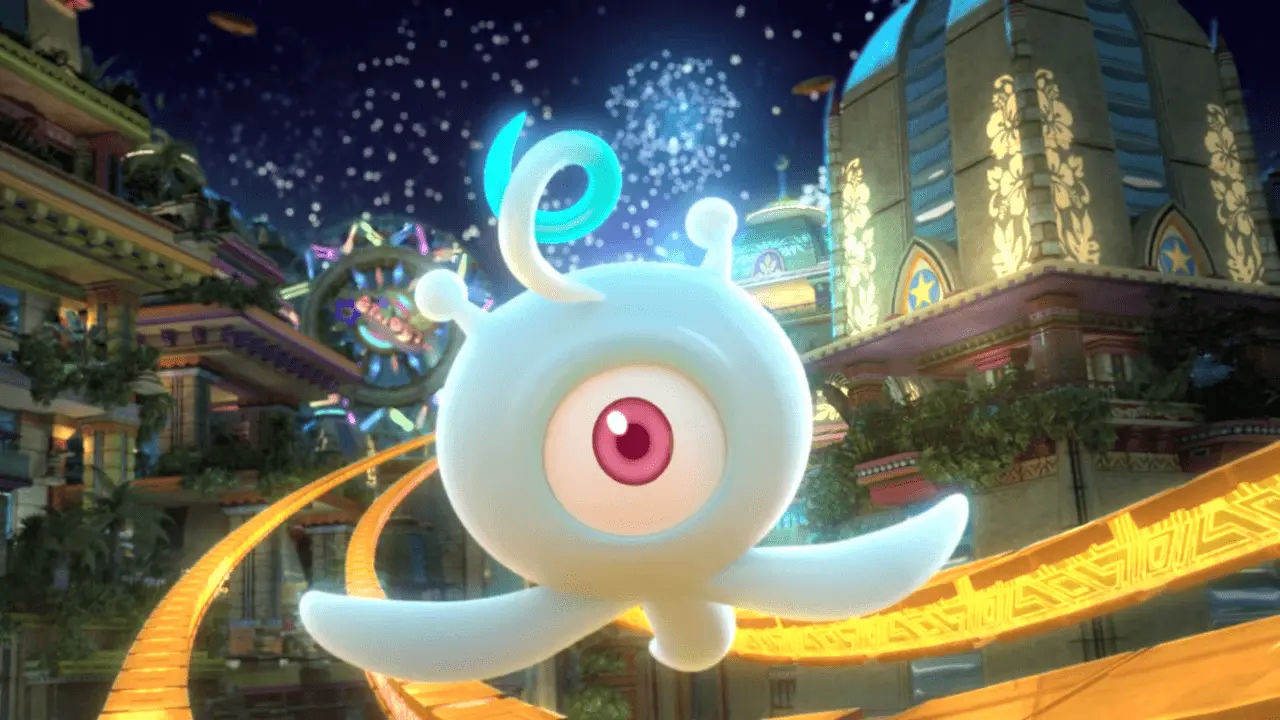
Yacker, the Wisp who befriends Sonic and Tails.
Colours tells a short, cheerful story with a lot of jokes, most of them at Eggman’s expense. It was written for the West by Ken Pontac and Warren Graff, who had worked on MadWorld and Happy Tree Friends.
Welcome to Eggman’s park
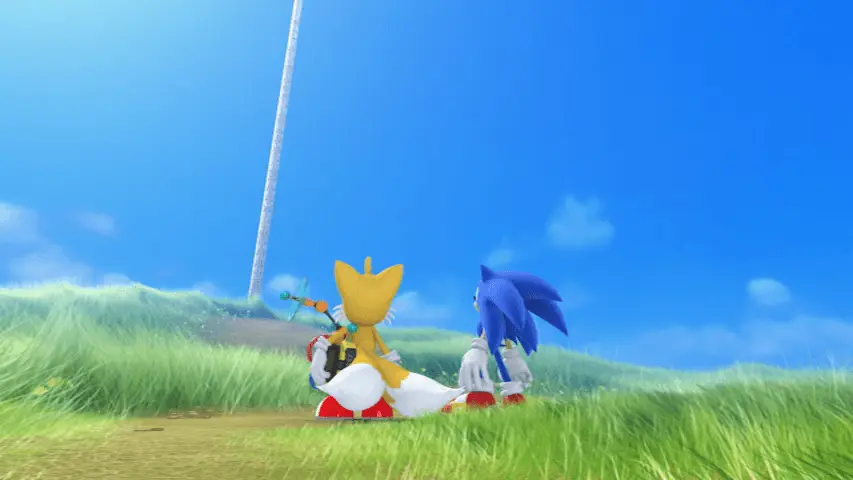
Dr. Eggman has opened Dr. Eggman’s Incredible Interstellar Amusement Park, a string of small planets chained together in orbit, and announces it is his way of making up for past misdeeds. Sonic does not believe a word of it, and Tails comes along to investigate.
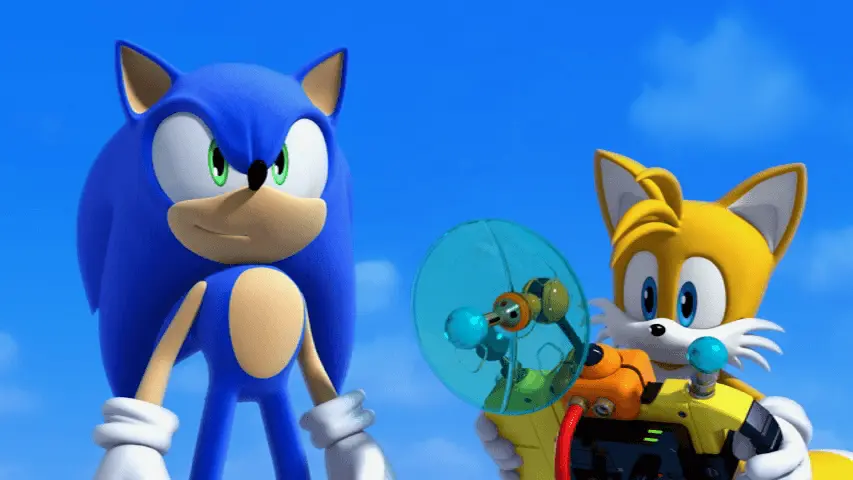
They soon catch Eggman’s new robot helpers, Orbot and Cubot, chasing a small alien. Tails rigs his Miles Electric into a translator, and the alien, Yacker, explains: he is a Wisp, and Eggman has captured his people so that their energy can drive a mind-control ray and put the whole planet under his command.
Orbot and Cubot.Eggman’s park announcements.
Setting the Wisps free
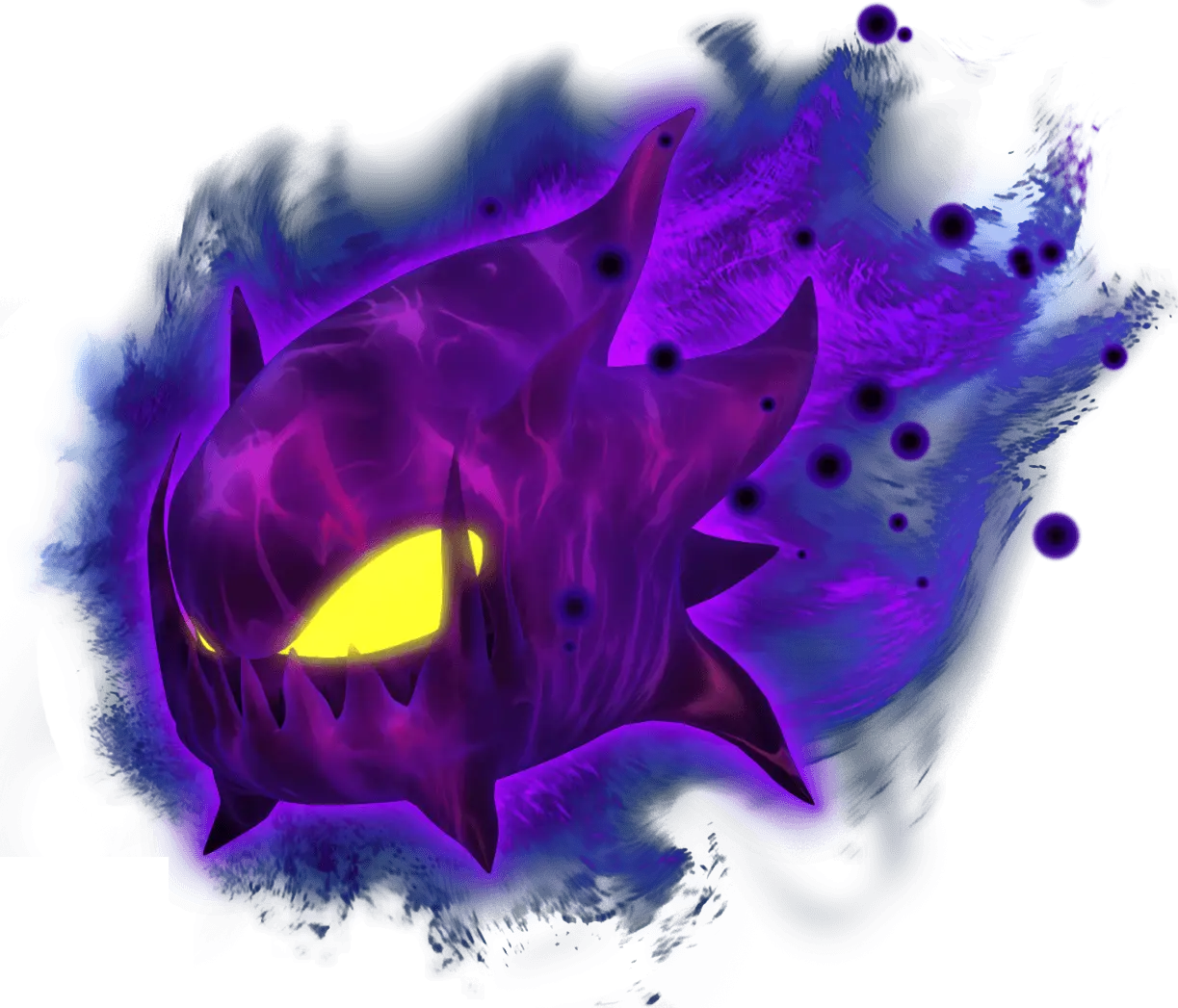
Sonic works his way through the park one planet at a time, freeing the Wisps and borrowing their powers as he goes, and shutting down the generators that hold the planets in place. Along the way he learns that Eggman is draining the captured Wisps and turning them into dark Nega-Wisps.
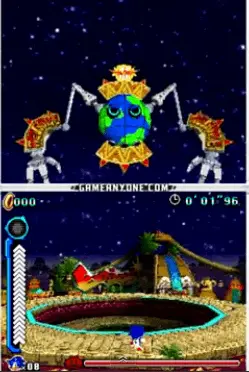
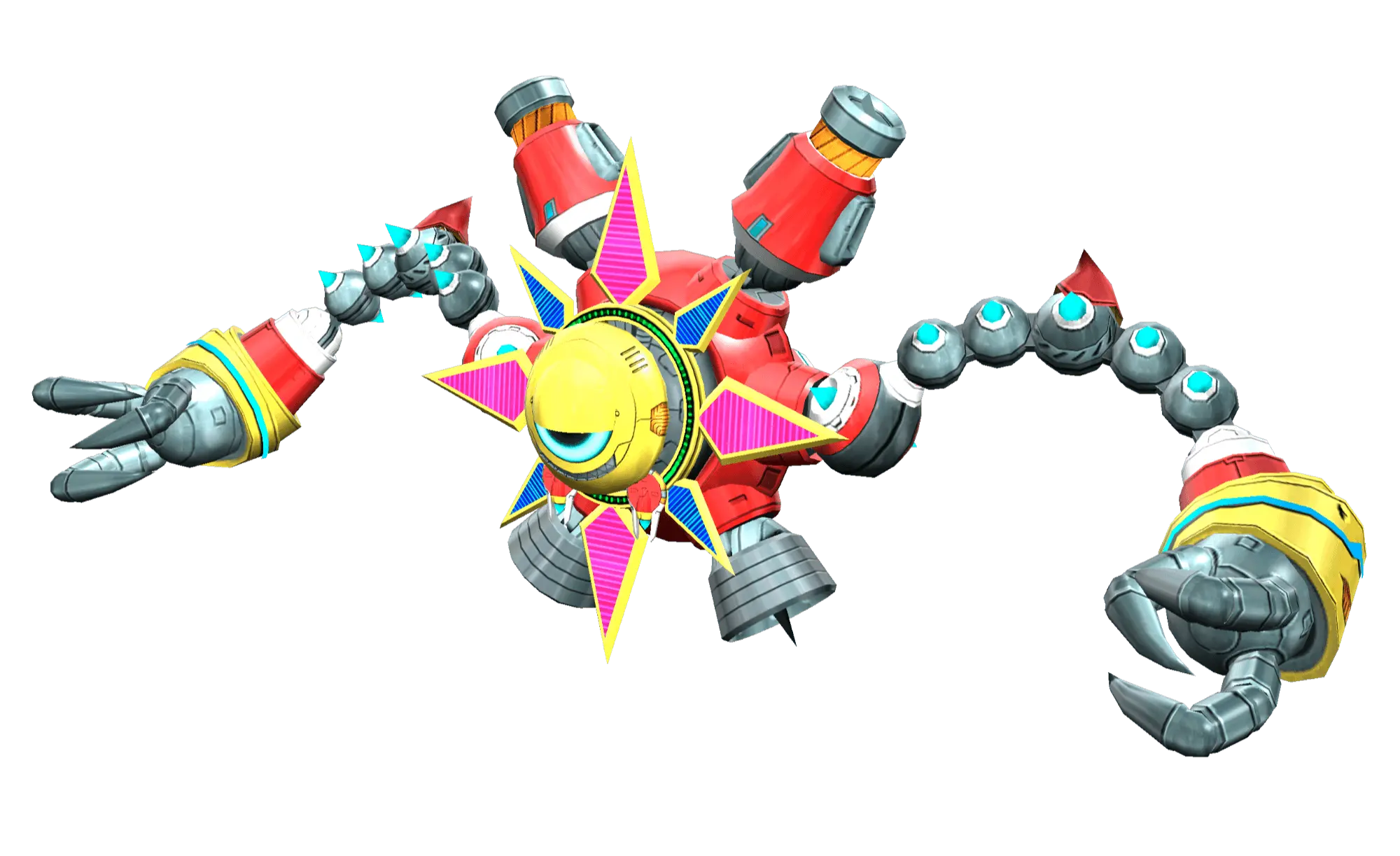
An early win has a lasting effect: when Sonic wrecks the giant robot Rotatatron, a stray arm flies off and damages Eggman’s mind-control ray. In the DS version, Sonic also runs into many old friends who are exploring the park for their own reasons.
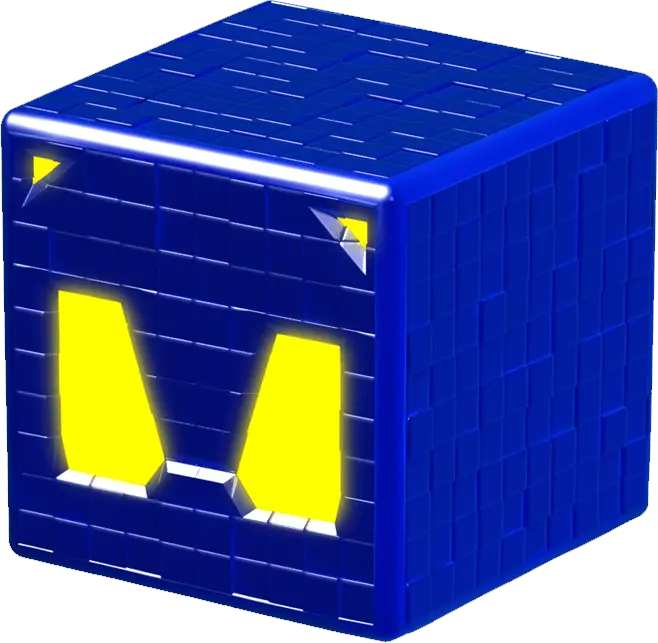
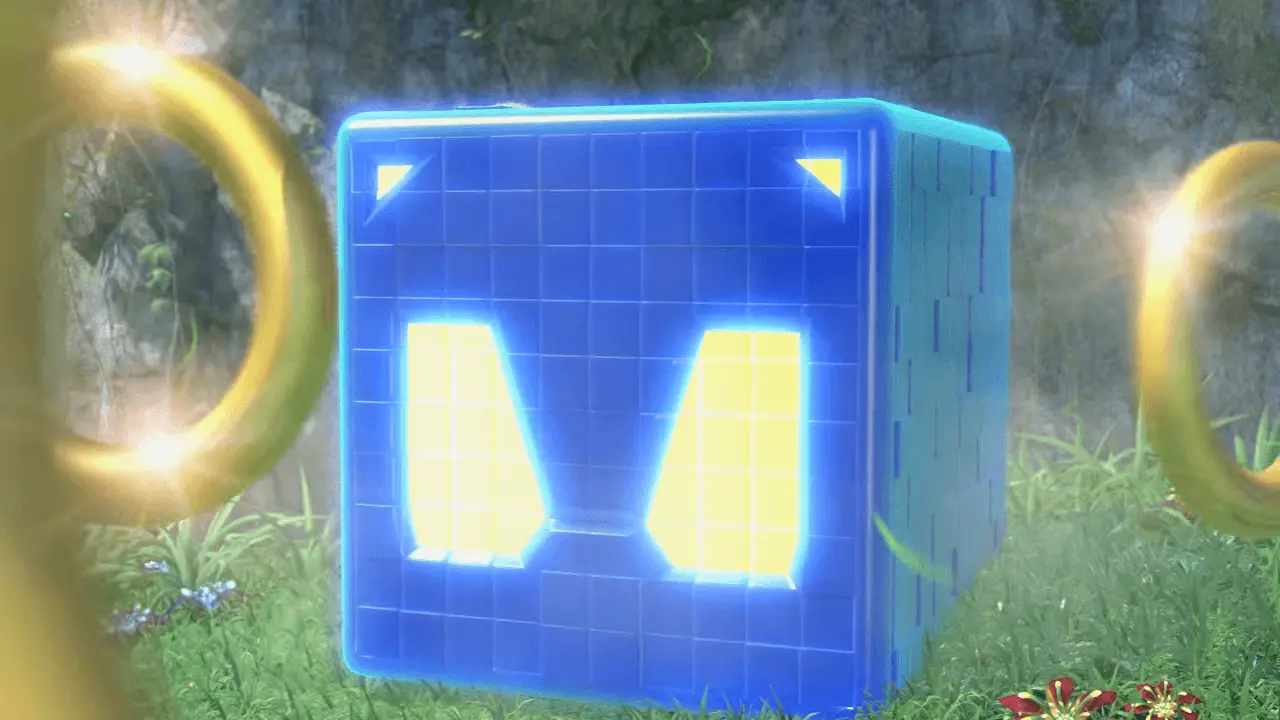
Sonic meets the Blue Cube Wisp.Rotatatron.
Terminal Velocity
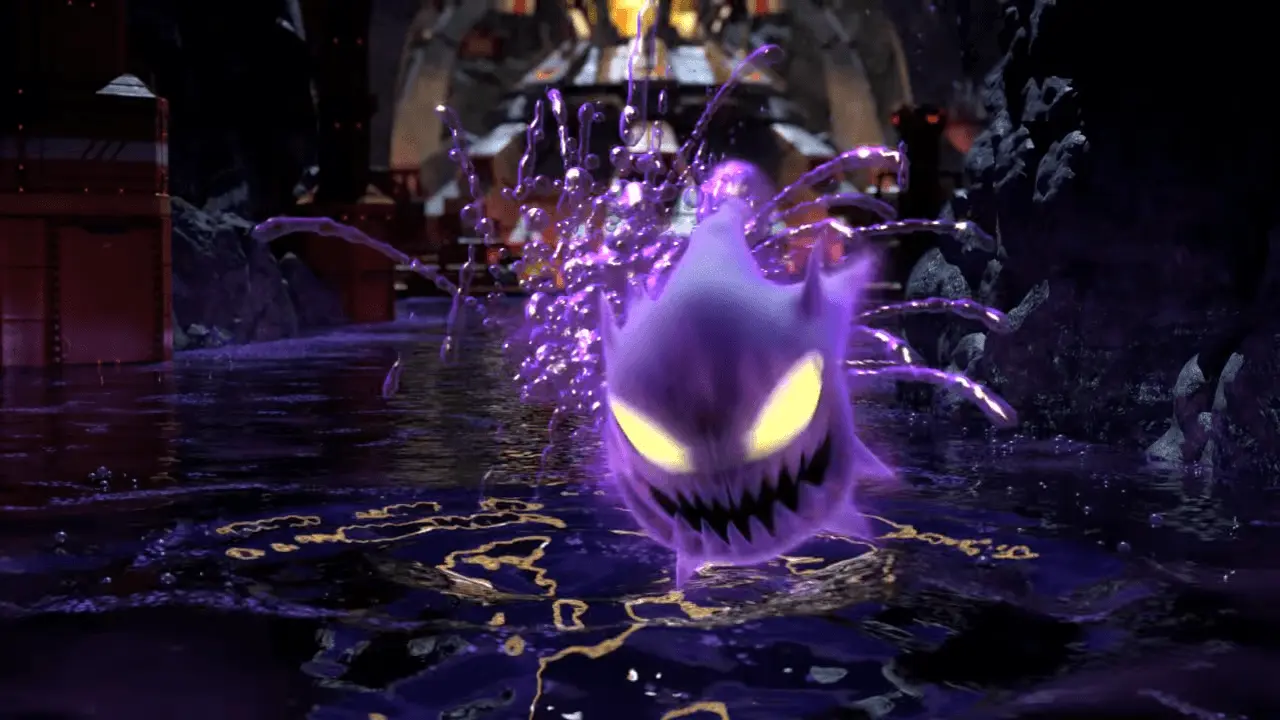
With every generator down, Eggman fires the ray anyway. The damaged machine explodes, and the energy of the Nega-Wisps tears open a black hole. Sonic and Tails race for Eggman’s space elevator, Sonic shoves Tails into the lift to send him to safety, and turns to face Eggman in the Nega-Wisp Armor, a machine that throws every Wisp power back at him.
The trapped Wisps break free mid-fight and lend Sonic their combined power to finish the job. Sonic is swallowed by the black hole, but the Wisps carry him back to the planet below, close the hole and return their worlds home. Yacker says goodbye, and in a final scene Eggman is left drifting through space with Orbot and Cubot pushing his broken Egg Mobile.
The Nega-Wisp Armor.Sonic and Tails, safely home.
The DS ending
The DS version has one more twist. The Mother Wisp, leader of the Wisps, has been corrupted by the negative energy and become the Nega-Mother Wisp. Sonic uses the seven Chaos Emeralds to turn Super and battles her, restoring her to normal before the Wisps head home.
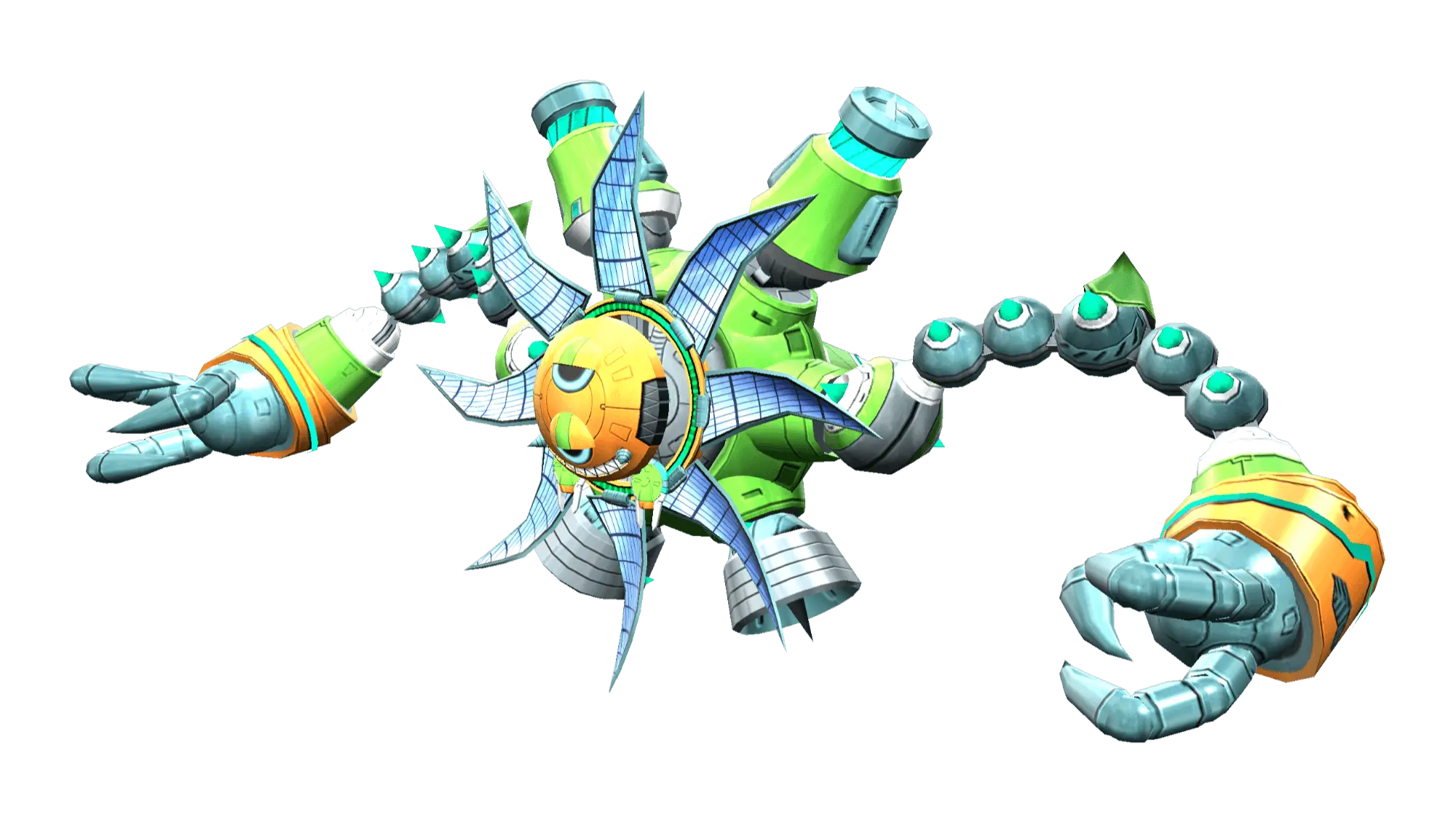
Planets in Sonic Colours
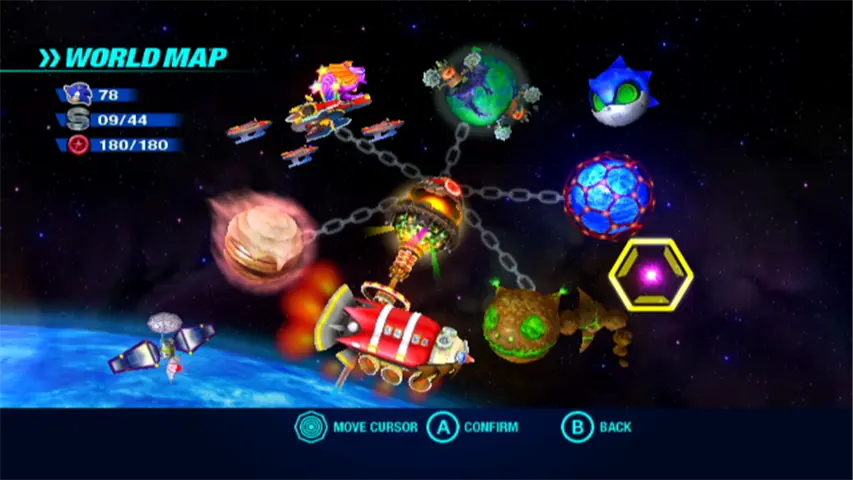
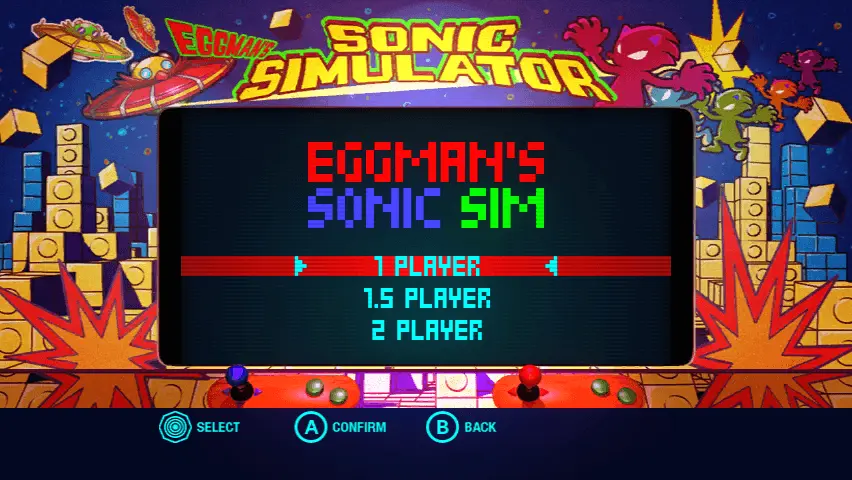
Eggman’s park is made of planets connected to a central hub. Each has six acts and a boss on Wii, and finishing all six opens a seventh, Terminal Velocity. Game Land, the co-op Sonic Simulator, hides the Chaos Emeralds.
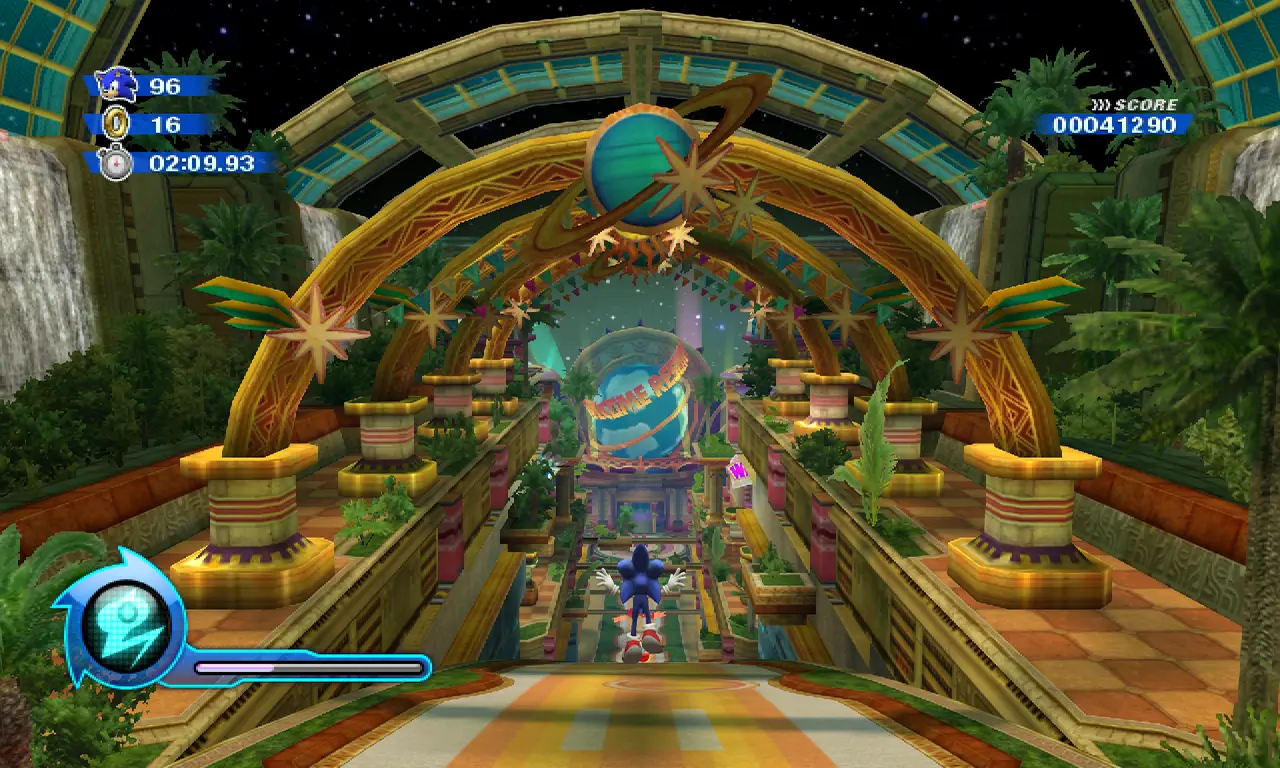
Tropical ResortPlanet 1 · boss: RotatatronThe park’s front gate, where Sonic meets Yacker and the first Wisps.
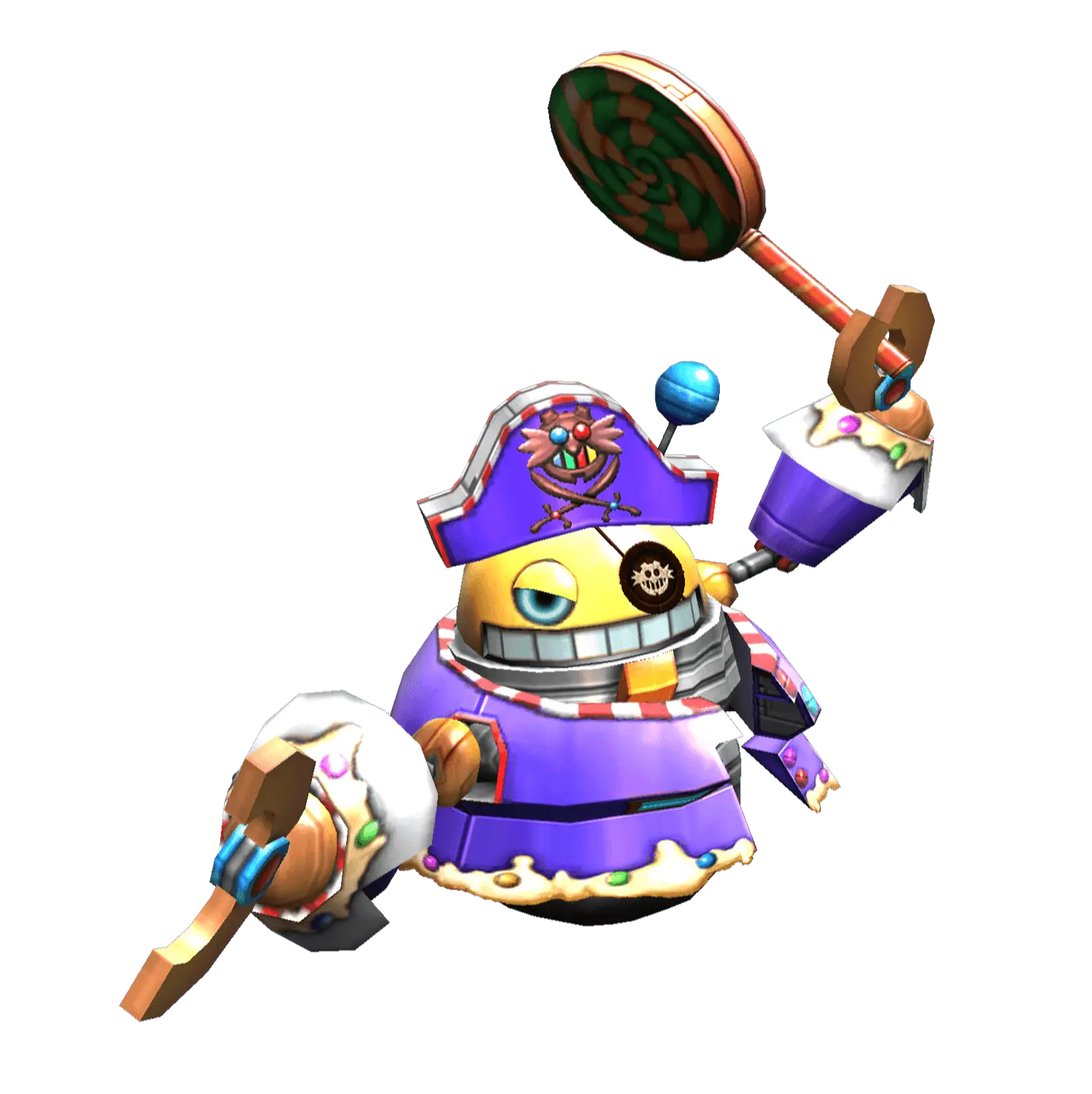
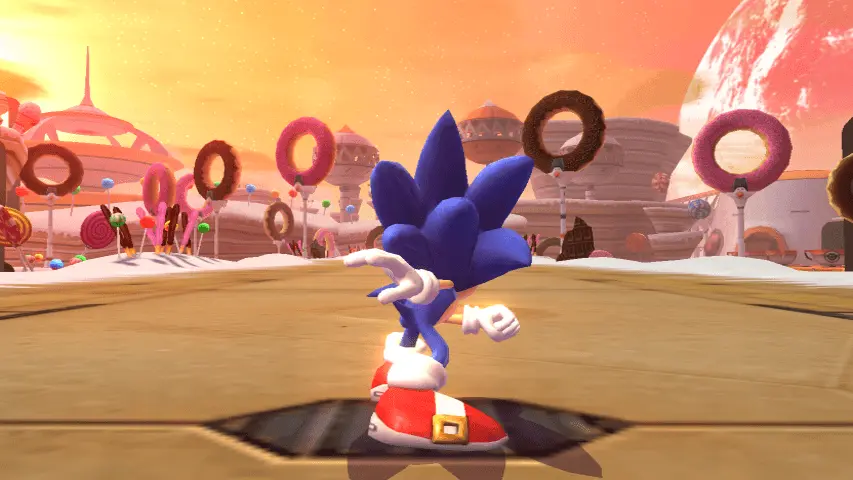
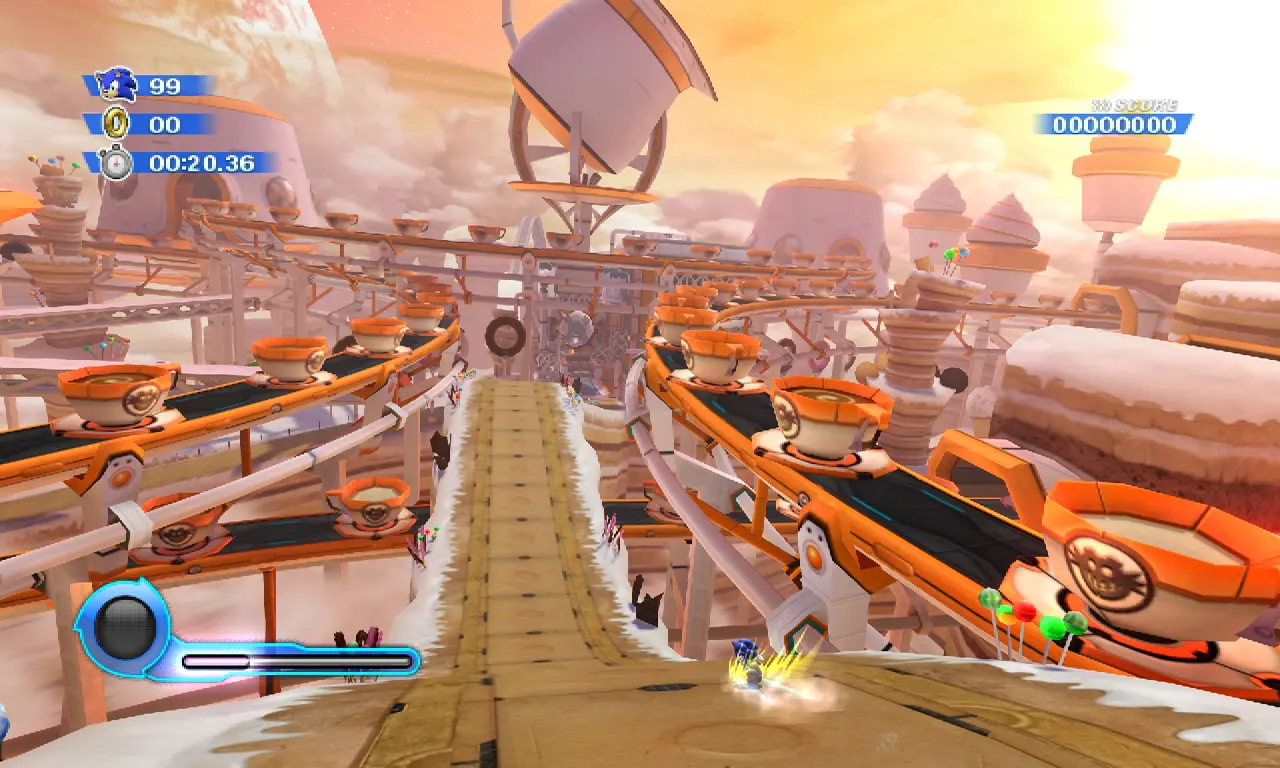
Sweet MountainPlanet 2 · boss: Captain JellyA mountain of cakes, sweets and candy, overseen by a pirate jellyfish robot.
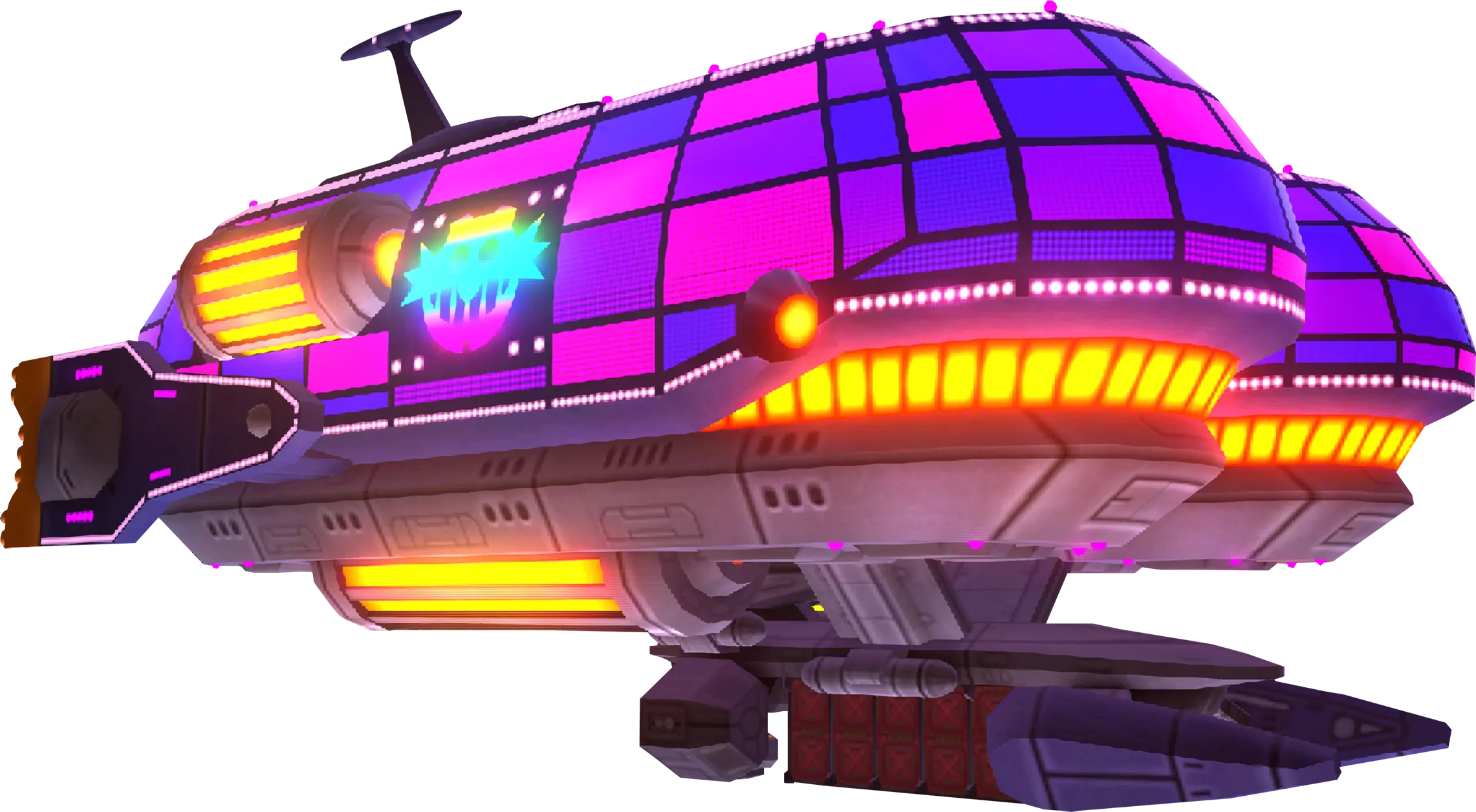
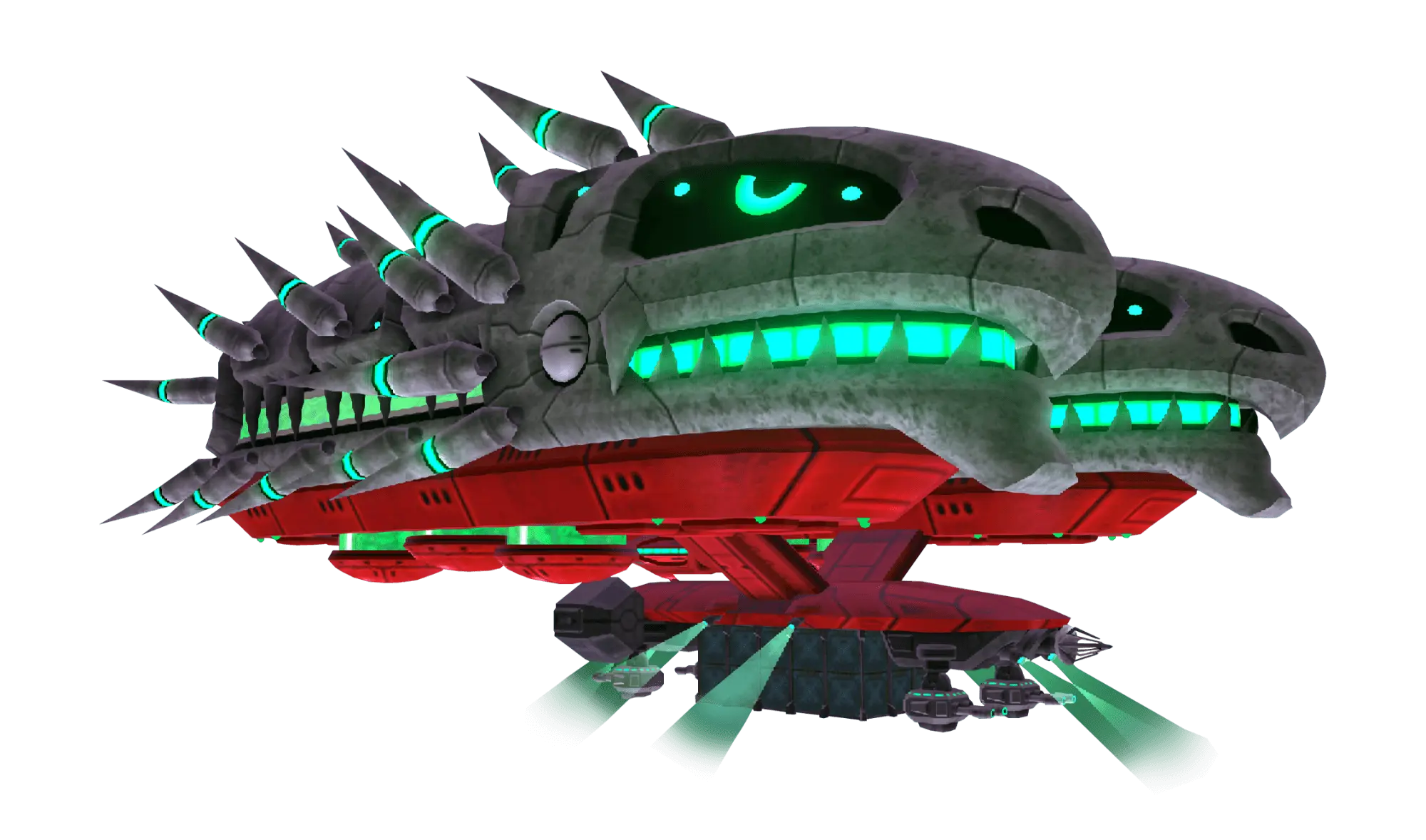
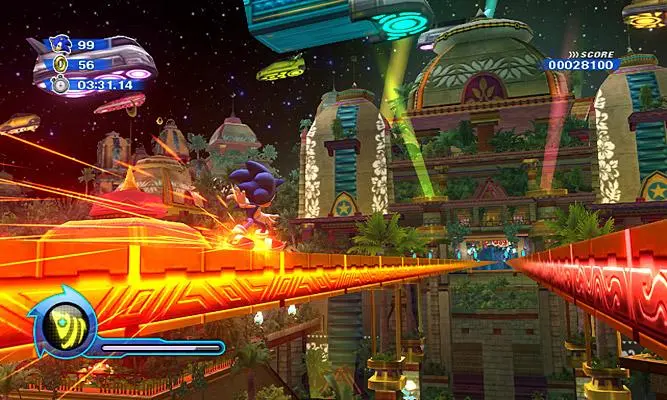
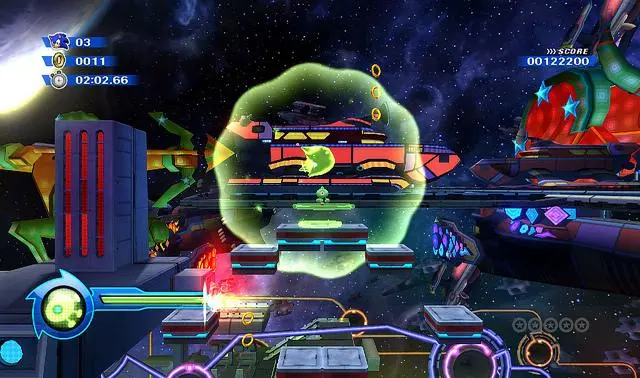
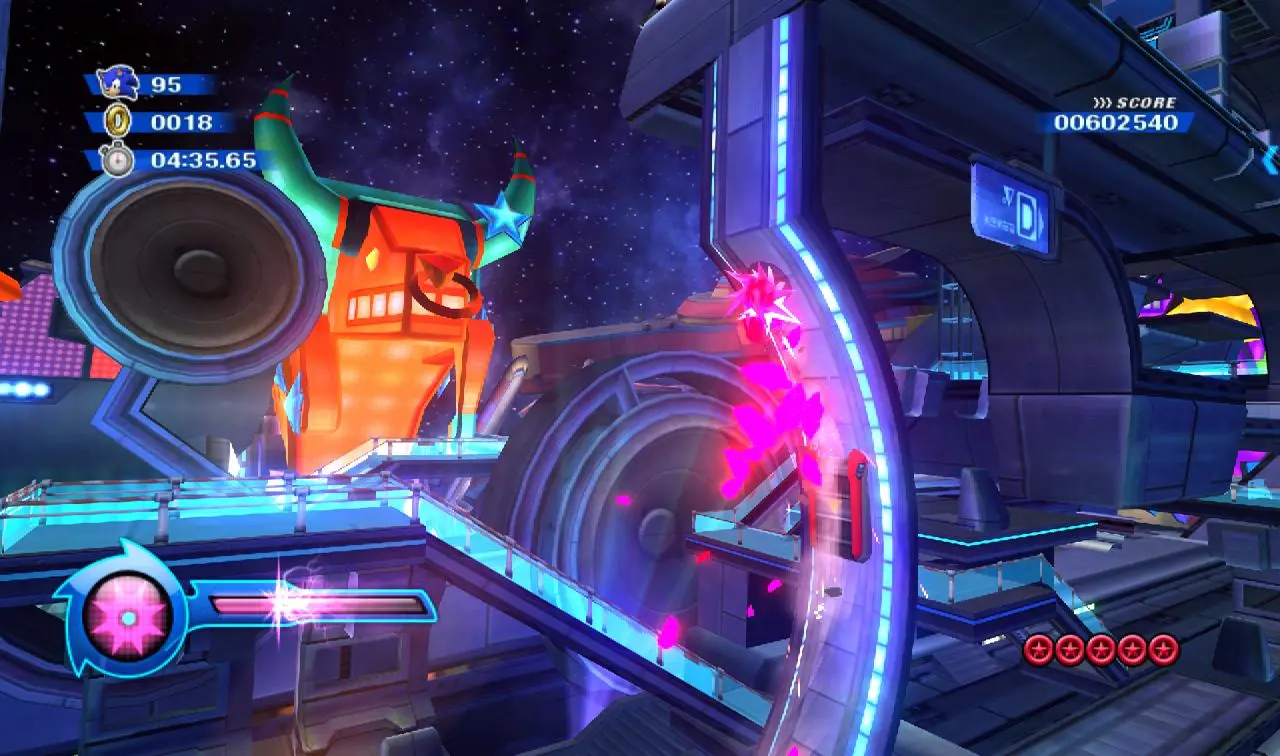
Starlight CarnivalPlanet 3 · boss: Frigate OrcanA night-time festival in space, run across a fleet of spaceships.
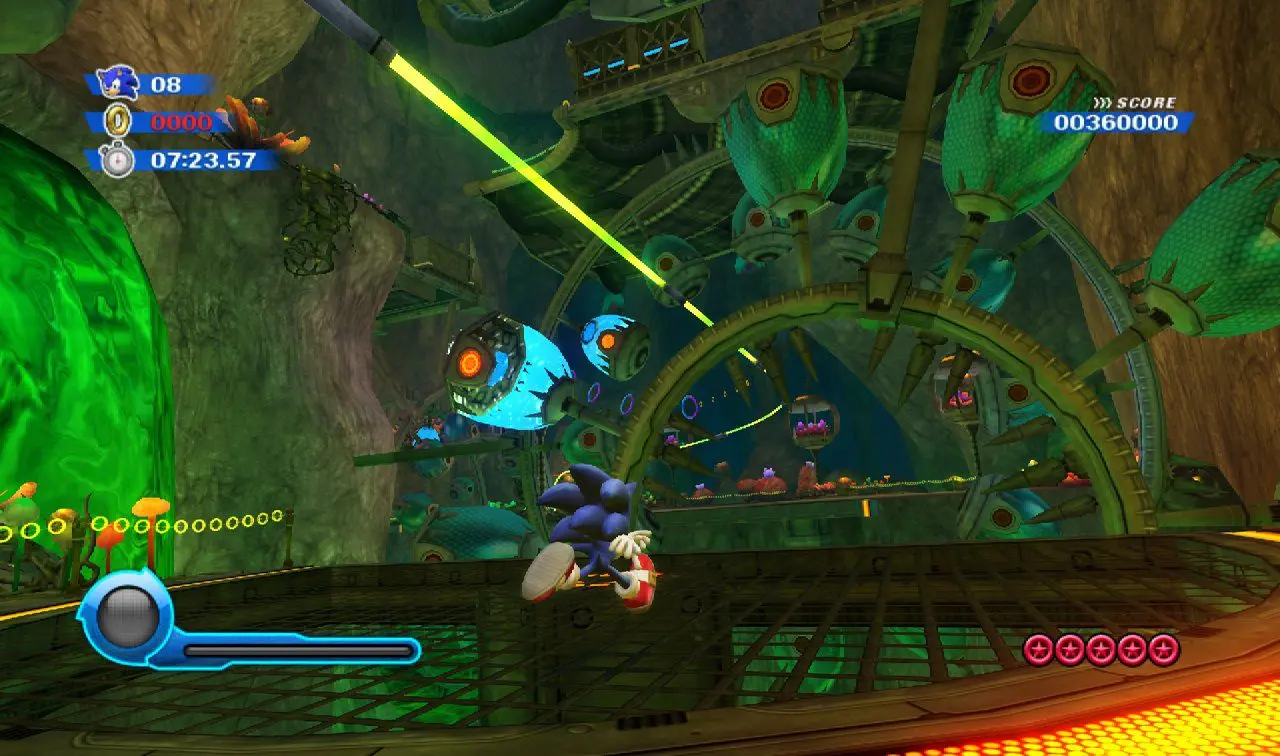
Planet WispPlanet 4 · boss: RefreshinatorThe Wisps’ own home world, chained into the park. Remade for Sonic Generations.
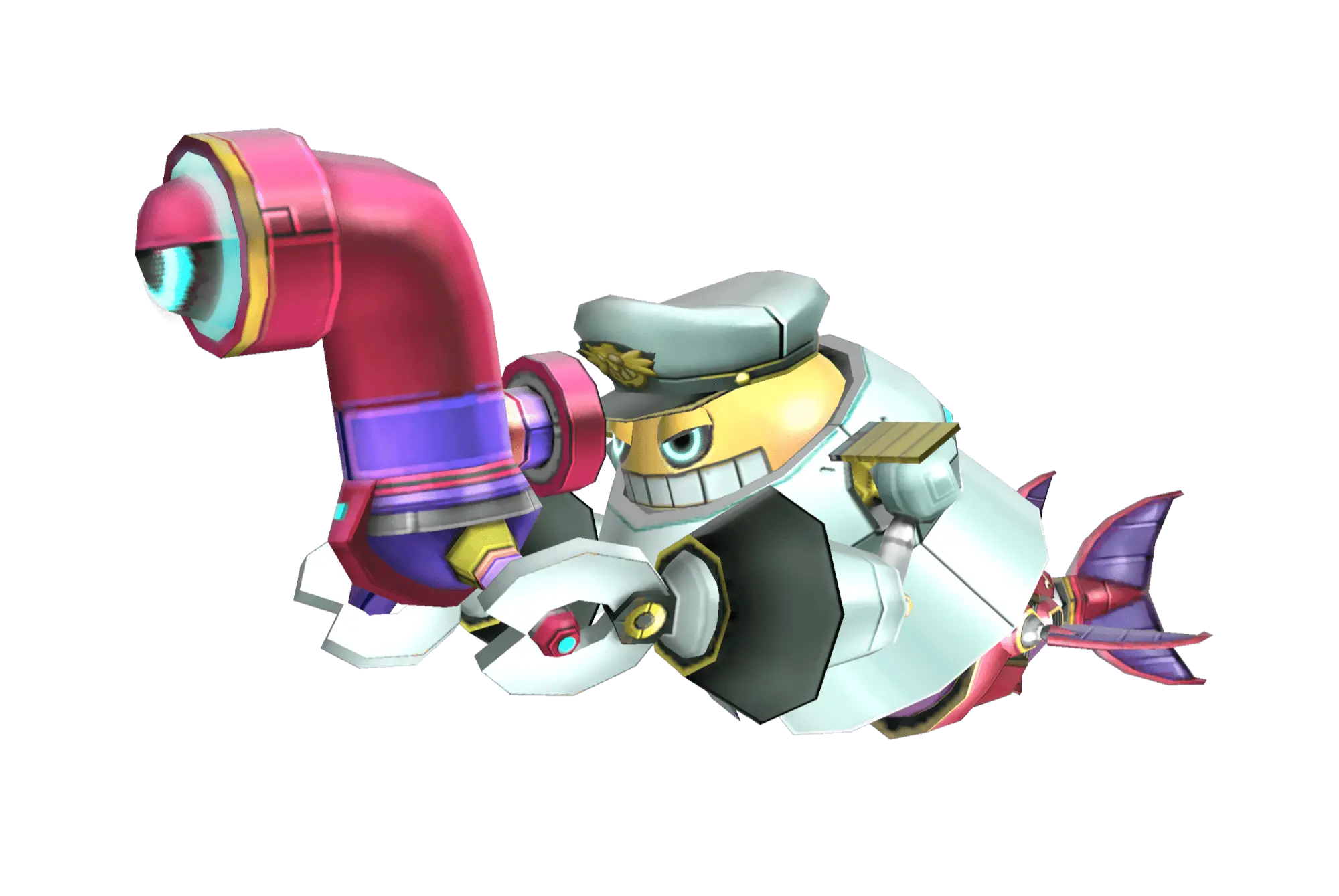
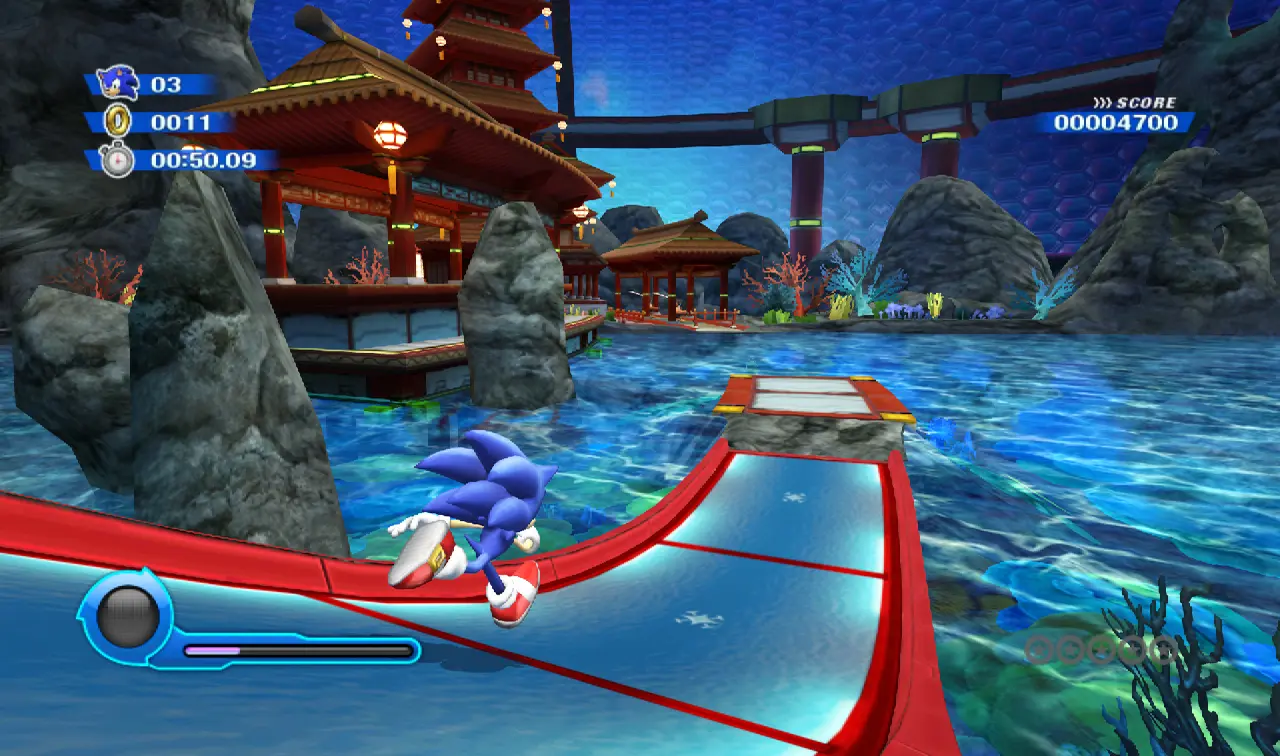
Aquarium ParkPlanet 5 · boss: Admiral JellyA giant aquarium park, played above and below the water.
Asteroid CoasterPlanet 6 · boss: Frigate SkullianA rollercoaster through an asteroid field, with an extra mid-level machine to beat.
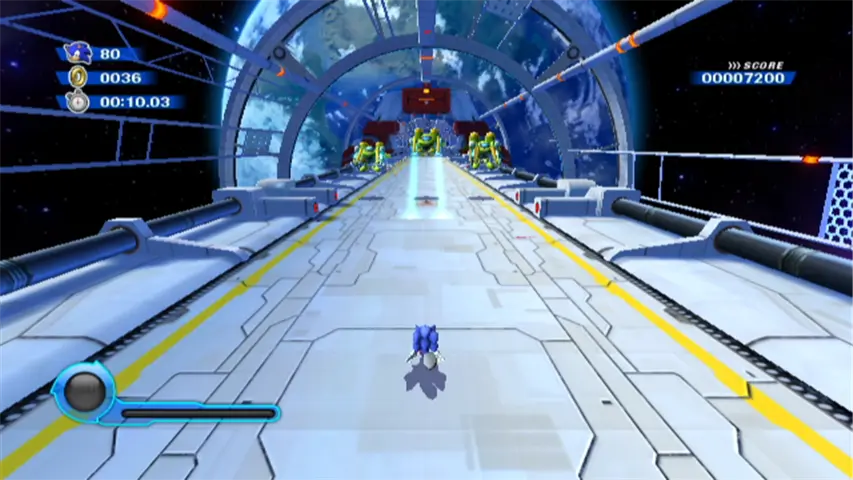
Terminal VelocityFinal stage · boss: Nega-Wisp ArmorA dash down Eggman’s space elevator, ending with the last battle.
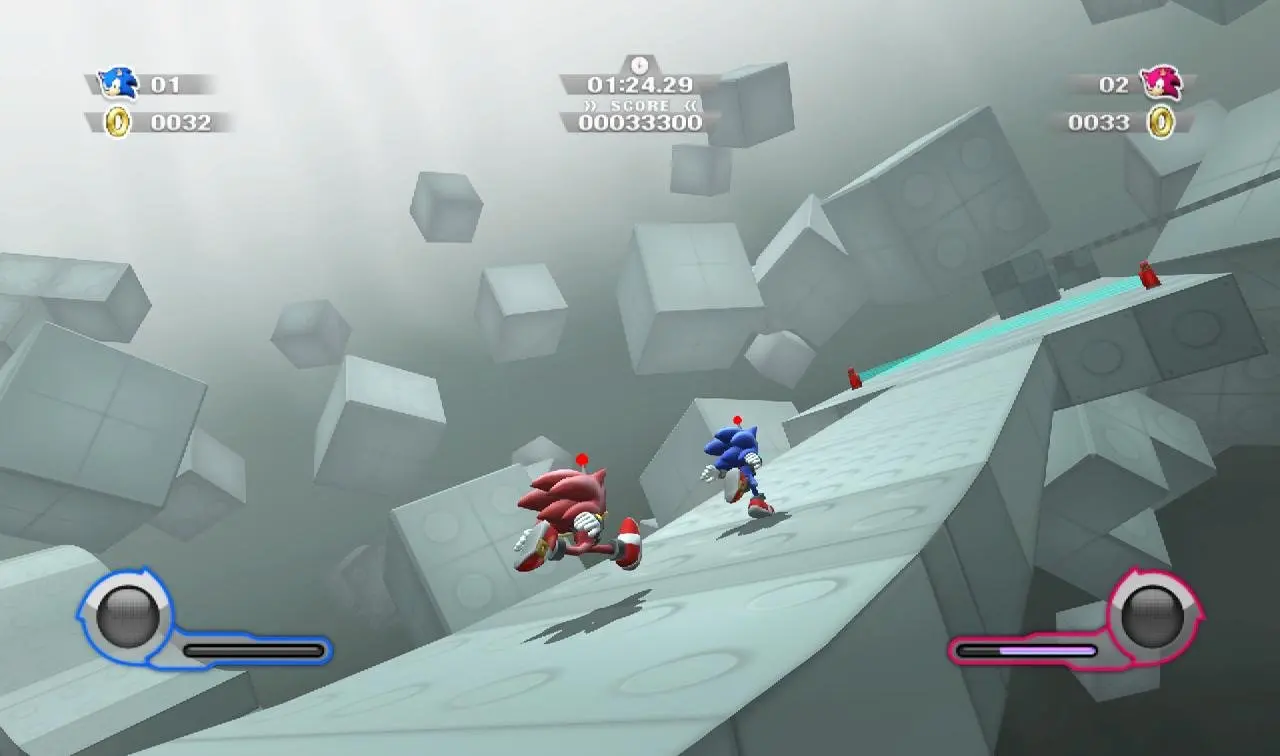
Game LandSonic SimulatorEggman’s virtual test course, built from blocks. Its acts are unlocked with Red Star Rings and each set ends with a Chaos Emerald.
Archie’s Sonic the HedgehogArchie Comics · comicThe comic series adapted the story of Sonic Colours.
Sonic Colors: Rise of the WispsAnimated miniseries · August 2021A two-episode animated short released to promote Sonic Colors: Ultimate.
Sonic GenerationsSega · 2011Remade Planet Wisp on consoles and PC and Tropical Resort on Nintendo 3DS. Our Sonic Generations page.
Sonic Lost World and Sonic ForcesSega · 2013 and 2017Both brought the Wisps back, and they have been a series staple since. Our Sonic Lost World page.
Rekishi Taisen GettenkaSega arcade card game · JapanJapanese pre-orders came with a card that let Sonic appear in this arcade game.
Vivid Sounds × Hybrid ColorsSoundtrack · 22 December 2010The three-CD Japanese soundtrack album, later sold digitally through iTunes.
Characters
Fans had asked for a game with Sonic alone in the spotlight, and Colours obliged. The rest of the cast is small: a sidekick, a villain, two new robot assistants and a race of aliens. The DS version adds cameo missions with a crowd of old friends.
Character
Who they are
In this game
Stats & abilities
Sonic the HedgehogPlayable
The fastest thing alive, now voiced in English by Roger Craig Smith.
Suspects Eggman from the start and frees the Wisps planet by planet.
Boost, refilled by White Wisps
Homing attack, stomp and double jump
Quick step and drift in marked sections
Eight Color Powers on Wii
Super Sonic with all seven Emeralds
Miles “Tails” ProwerPartner
Sonic’s best friend, voiced in English by Kate Higgins.
Turns his Miles Electric into a Wisp translator and keeps Sonic company, until Sonic sends him to safety at the end.
Not playable on Wii; Miis or Sonic robots stand in for player two in Game Land.
Dr. EggmanVillain
Sonic’s arch-enemy, still voiced by Mike Pollock.
Runs the amusement park as a front for a mind-control plan powered by the Wisps.
Bosses on every planet
Final boss: the Nega-Wisp Armor
OrbotNew · Henchman
Eggman’s round, red robot assistant.
Hunts Wisps with Cubot and makes park announcements alongside his boss.
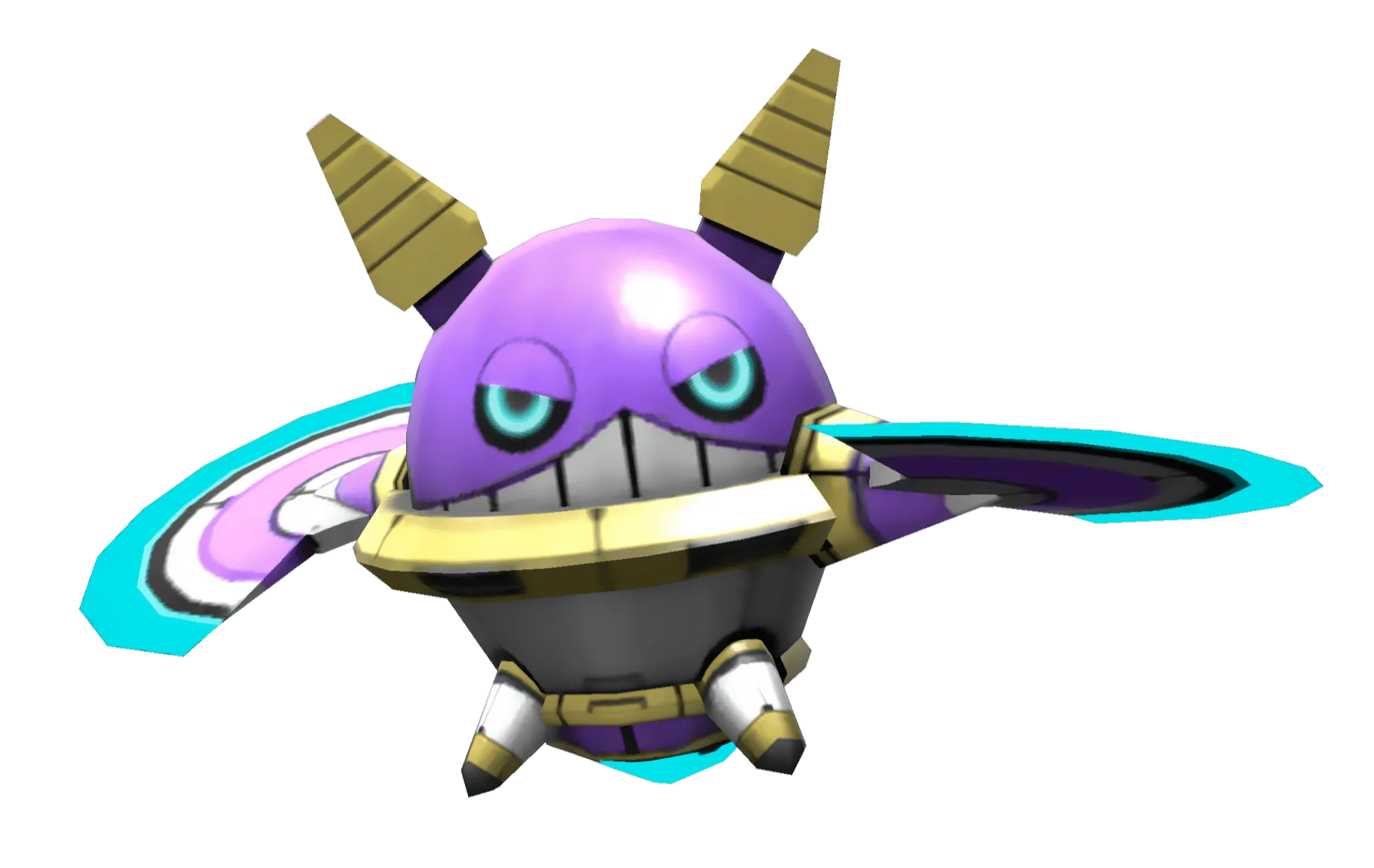
Nega-Wisp ArmorTerminal VelocityEggman’s final machine, powered by Nega-Wisps.
Nega-Mother WispDS only · Super SonicThe corrupted Mother Wisp, fought as Super Sonic.
The people who made it
Key credits from Wikipedia’s cited sources, Sonic Retro and Sega Retro.
Morio KishimotoDirector (Wii)Also the Wii version’s lead designer; he went on to direct Sonic Lost World.
Takao HirabayashiDirector (DS)Led Dimps’ DS version, built on the Sonic Rush engine.
Takashi IizukaProducerPitched the game at a casual audience, including children and fans of Super Mario.
Ken Pontac and Warren GraffScriptThe MadWorld and Happy Tree Friends writers gave the story its comic tone.
Tomoya Ohtani and teamMusicSix composers wrote a score more energetic than recent games, recorded with the Amsterdam Session Orchestra.
Cash CashSongsJean Paul Makhlouf sang “Reach for the Stars”, and with his brother Alex the ending song “Speak With Your Heart”.
How it was made
Our original page carried only Sega’s product description, so this history is new, built from Wikipedia’s cited development history, Sonic Retro and Sega Retro.
Made for everyone (mostly)
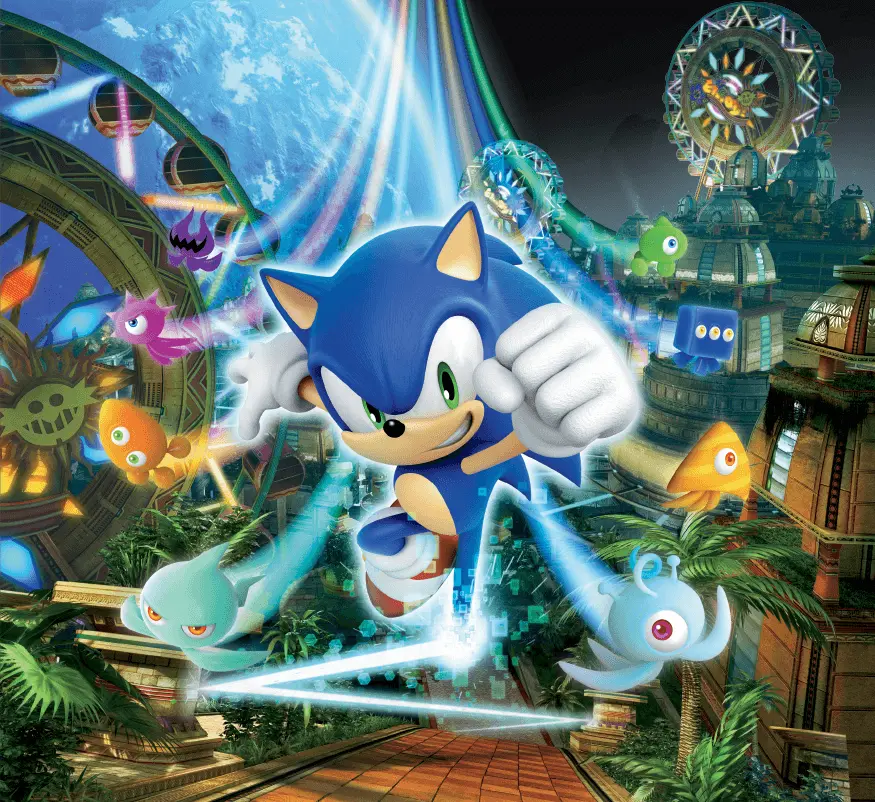
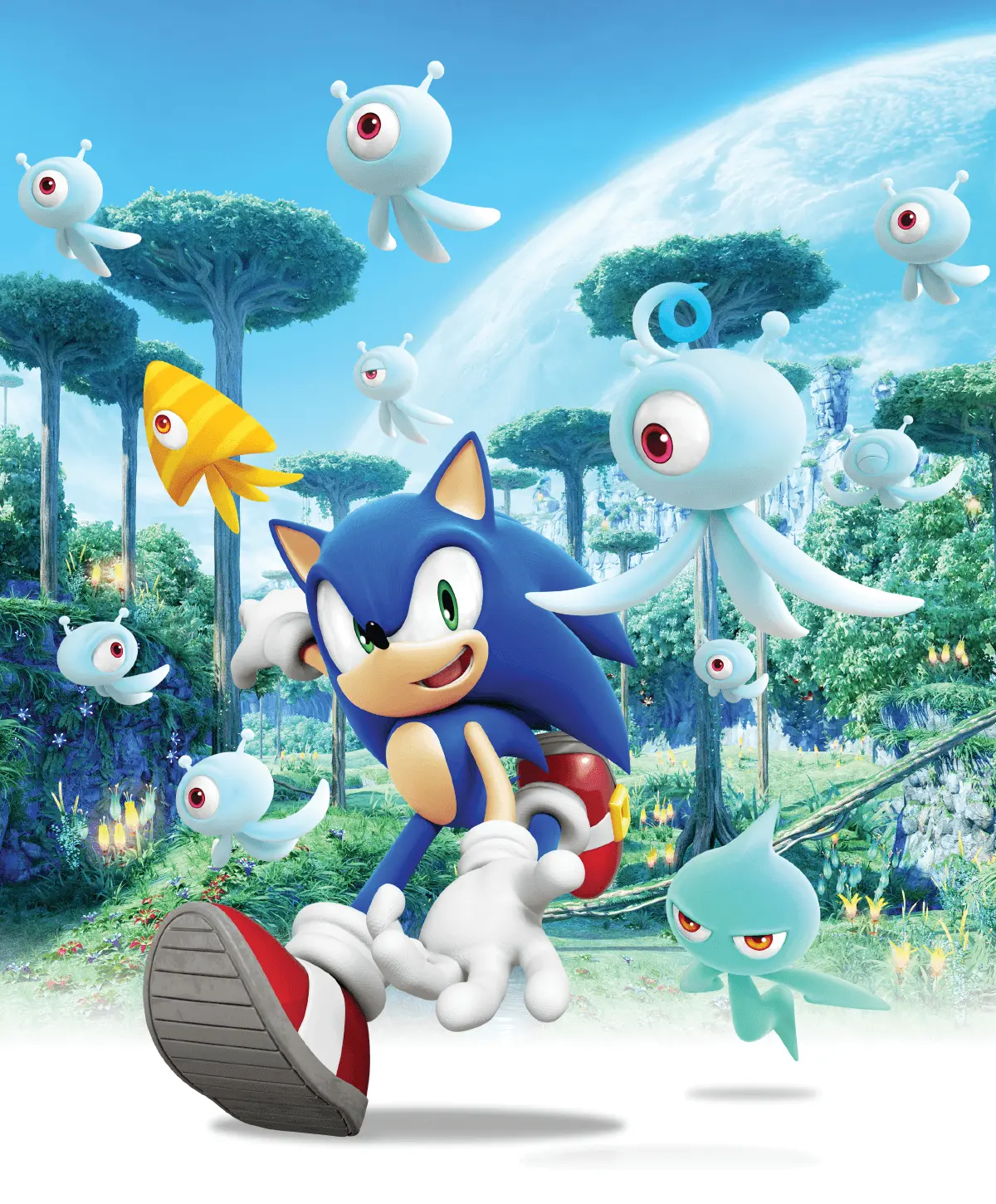
Key artwork.
Takashi Iizuka was frank about who Colours was for. Sega put it on Wii and DS to catch the huge crowd that had bought the Mario & Sonic Olympic games, and Iizuka described the target as casual players, children and Mario fans among them, adding that no Sonic game could ever satisfy every Sonic fan. That line set off alarm bells until Sega brand manager Judy Gilbertson promised that long-time fans were not being left out.
In practice Colours went back to basics. Work started once Sonic Unleashed was done in 2008, in parallel with Sonic Generations, and kept the core of Unleashed while chasing the mix of speed and platforming people remembered from the Mega Drive. Fans had asked for Sonic alone, so he is the only playable character, and there is no gimmick in the vein of the swordplay in Sonic and the Black Knight.
A theme park in space
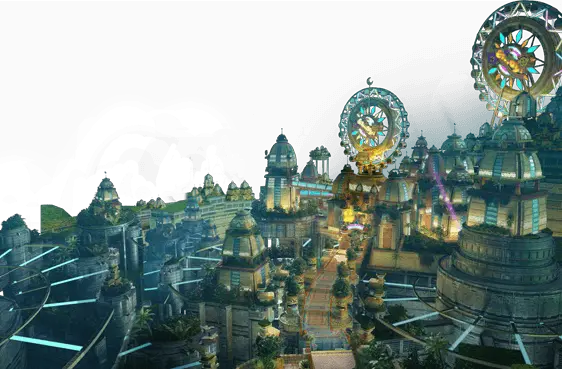
Tropical Resort artwork.
An amusement park was on the table from the very start. On solid ground, though, a park looked too cramped for Sonic, so the team spread it across planets, which also gave each world its own character, and used Disneyland for visual reference.
The Wisps solved the variety problem: they change how Sonic moves without stopping him in his tracks or handing control to someone else. Some stages show Wisp routes before you own the Wisp that opens them, a nudge to come back later, and the Wii game borrows the PhysX physics engine from Sonic and the Secret Rings.
Two versions
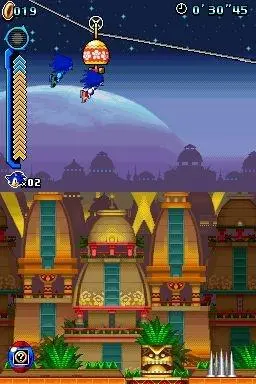
Tropical Resort on DS.
Colours came in two quite different forms, much as Sonic had arrived on 8-bit and 16-bit machines in 1991. On DS, Dimps reused the Sonic Rush engine for a side-scroller spread over both screens, then added touch-screen special stages modelled on Sonic the Hedgehog 2, missions with familiar characters from across the series, a competitive two-player mode, an extra final boss and two Wisps of its own, Red Burst and Violet Void, which take the place of the Wii’s Hover, Spikes, Cube and Frenzy.
New voices
Colours was the first widely played game after Sega replaced the English cast it had used since Shadow the Hedgehog. Roger Craig Smith became Sonic, Kate Higgins voiced Tails and Mike Pollock carried on as Eggman, with Kirk Thornton and Wally Wingert as Orbot and Cubot. Sonic Retro notes that Sonic Free Riders reached shops slightly earlier with the new cast, but only on Kinect. The Japanese cast stayed largely the same.
Launch
A post on Sega’s blog announced Colours on 26 May 2010, and the game then toured E3, Gamescom, PAX and the Tokyo Game Show. To protect the brand, Sega withdrew several weakly reviewed Sonic games from sale shortly before launch, and on 4 November 2010 New York’s Bryant Park hosted a Sonic Colors skating event.
Release dates ran from Australia on 11 November 2010 through Europe on the 12th and North America on the 16th to Japan on the 18th. Pre-order extras differed by region: a Sonic-head hat from GameStop in North America, an arcade card in Japan and, in Europe, a special edition with figurines of Sonic and three Wisps.
Music
The opening.
Japan’s three-CD soundtrack, Vivid Sounds × Hybrid Colors, arrived on 22 December 2010, and the best-known names on it were Cash Cash. The band’s Jean Paul Makhlouf sang “Reach for the Stars” over the opening and shared the closing “Speak With Your Heart” with his brother Alex. Behind them, Tomoya Ohtani’s team of six composers went for something punchier than recent Sonic scores, and the Amsterdam Session Orchestra recorded the music you hear in the stages.
Firsts: what this game introduced
Colours introduced ideas and characters that became fixtures of the series.
1The WispsTheir debut. The Color Powers returned in Sonic Generations, Sonic Lost World, Sonic Forces and more.
2Orbot and CubotEggman’s bickering robot sidekicks first appear here.
3A new English castThe first widely played game with Roger Craig Smith as Sonic and Kate Higgins as Tails.
4Super Sonic in the stagesSonic Retro notes it was the first 3D Sonic game to let you play as Super Sonic in the normal levels, once all seven Emeralds are found.
Cheats & secrets
Our original page had no secrets section, so this one is new. Colours has no cheat codes; its extras are earned.
Red Star Rings and Game Land
Every act hides Red Star Rings. Collecting them unlocks acts in Game Land, Eggman’s Sonic Simulator, which one or two players can tackle as Sonic-shaped robots or their Miis.
Super Sonic
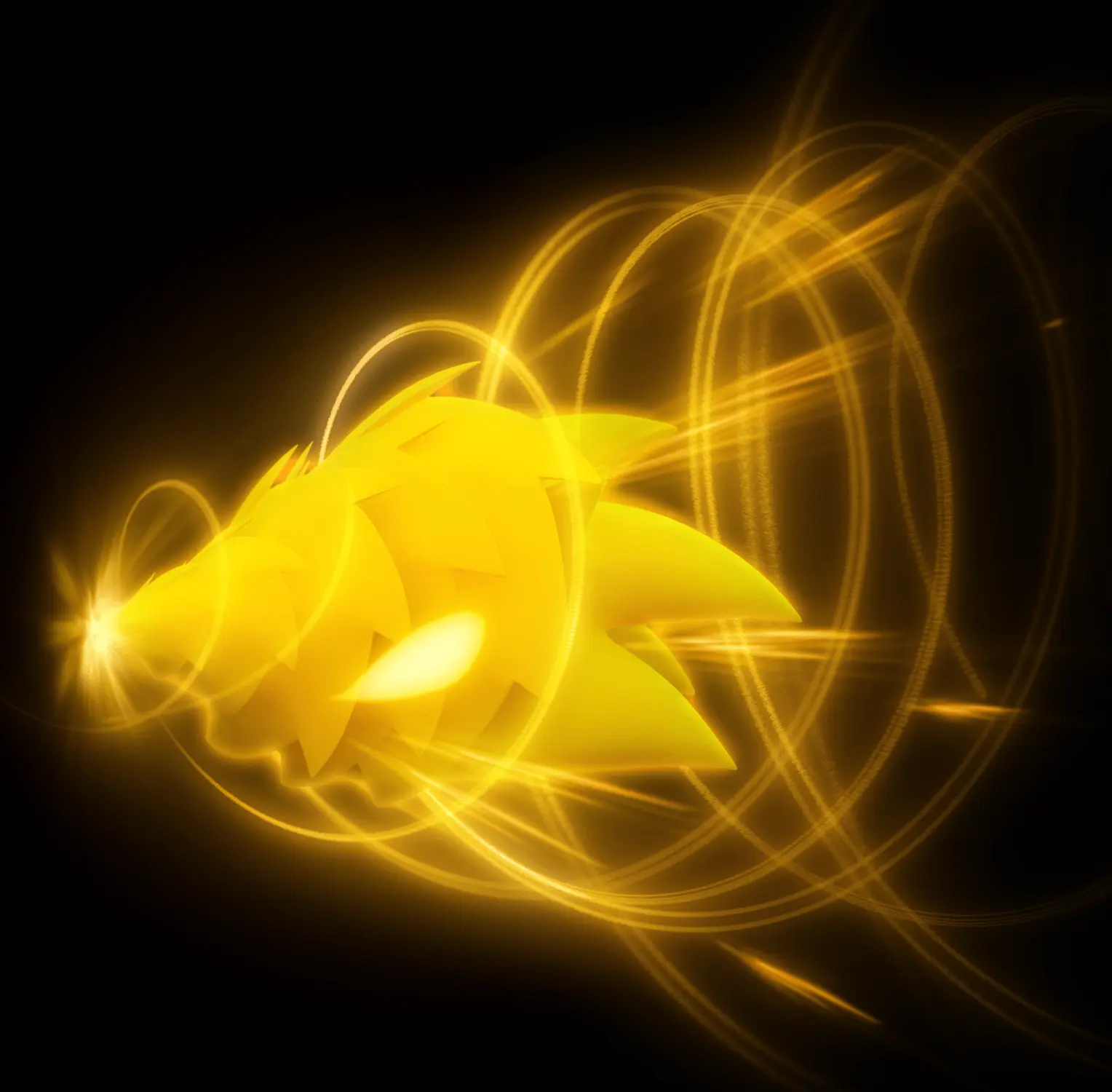
The third act of each Game Land set ends with a Chaos Emerald instead of a goal ring. With all seven, Sonic can turn Super in the normal stages after grabbing 50 rings: invincible, with endless boost, but unable to use Wisps and losing a ring every second. Super Sonic cannot be used in boss battles.
Revisiting stages
Some routes need Wisps that only turn up later in the game, so replaying finished acts with new powers opens new paths and hidden items.
Online leaderboards
Wii players could upload their scores to online leaderboards through the Nintendo Wi-Fi Connection.
Glitches, exploits and oddities
Colours shipped in good shape. These are its oddities, plus the problems of its 2021 remaster.
The hidden language menu
Every Wii release carries both English and Japanese voices, but the option to switch only appears after you start a new game and clear the first two acts of Tropical Resort.
Cubot’s voice chip
Cubot’s voice chip is on the blink for much of the story, a running gag rather than a bug.
A rough remaster
When Sonic Colors: Ultimate launched in September 2021, players reported bugs that were not in the original. The Switch version fared worst, with a lower frame rate, longer loading and flashing effects that raised epilepsy concerns, and the cutscenes, upscaled from 480p by machine learning, showed visible artefacts. Patches through December 2021 fixed many problems and let players switch back to the original soundtrack.
An uncredited engine
Players digging into the PC version of Ultimate found it had been built with the open-source Godot engine, which was not credited.
Videos & media
Sega’s launch trailer and a complete playthrough of the Wii version.
The launch trailer, from Sega’s official channel.
A full playthrough of the Wii version from FCPlaythroughs.
Trivia & facts
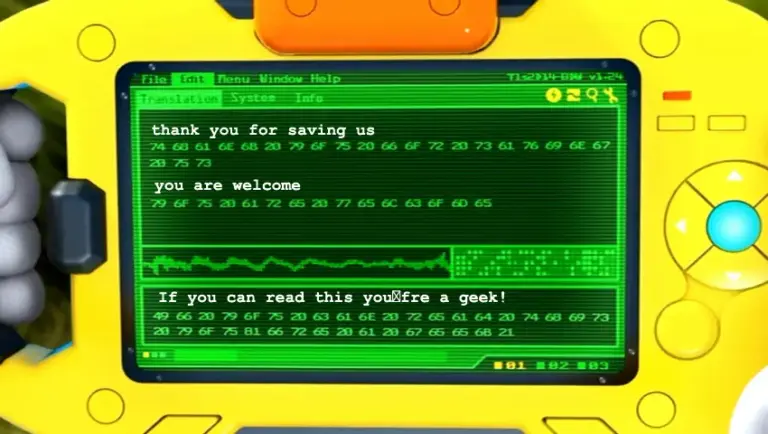
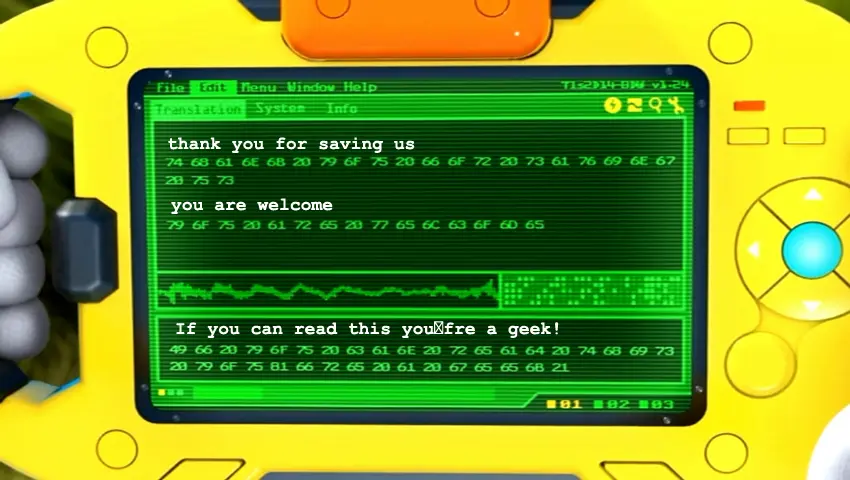
The hidden message.Screenshot via Sonic RetroIn one of the closing scenes, Tails’ Miles Electric shows three lines of hexadecimal. Decoded as Japanese Shift-JIS text, they read “thank you for saving us”, “you are welcome” and “If you can read this you’re a geek!”
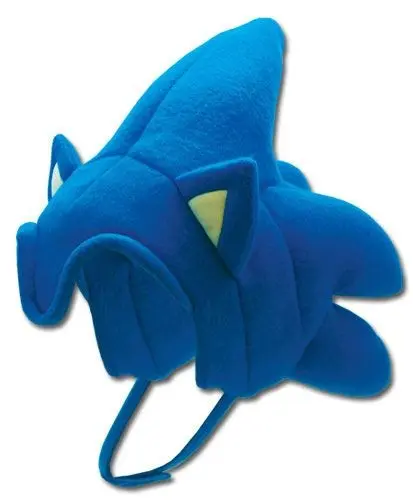
The GameStop hat.Image via Sonic RetroGameStop’s pre-order bonus in North America was a hat shaped like Sonic’s head.
The European special edition came with a Sonic figurine and three Wisps: white, cyan and orange with the Wii game, yellow, red and blue with the DS game. In France and Spain it was sold through Carrefour, and Australia’s version added a blue Classic Controller.
Japanese pre-orders included a card for Sega’s arcade game Rekishi Taisen Gettenka, letting Sonic join its battles.
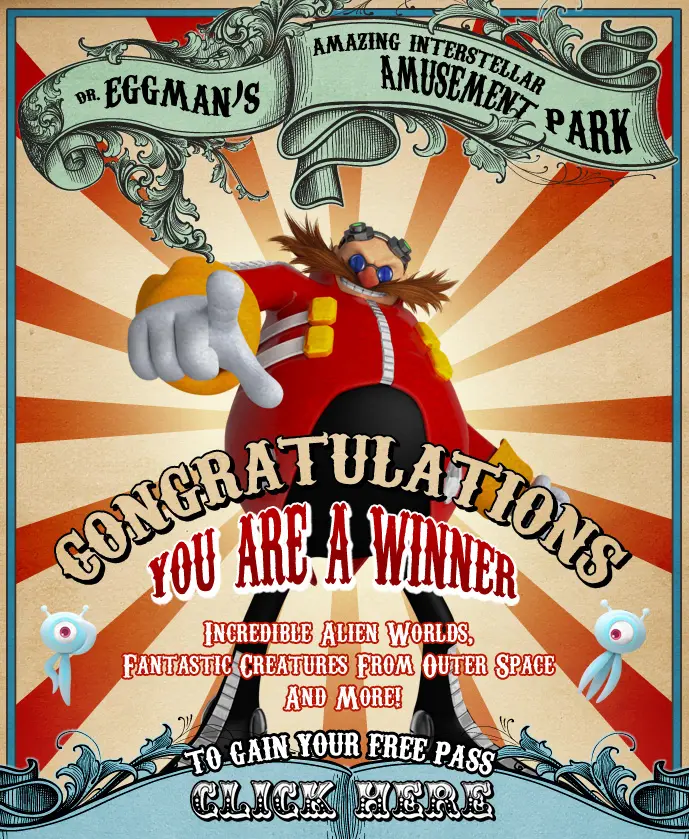
Eggman’s invitation.Image via Sonic RetroEggman sent out invitations to his park as part of the promotion.
The game’s planets borrow their look from Disneyland, which the developers used as a visual reference.
Sonic Retro points out that the Wii and DS launch echoes 1991, when Sonic arrived on both 8-bit and 16-bit consoles.
Media & artwork
Box art, artwork, cutscenes and screenshots from Sonic Scene’s own galleries and Sonic Retro. Select any image to view it larger.
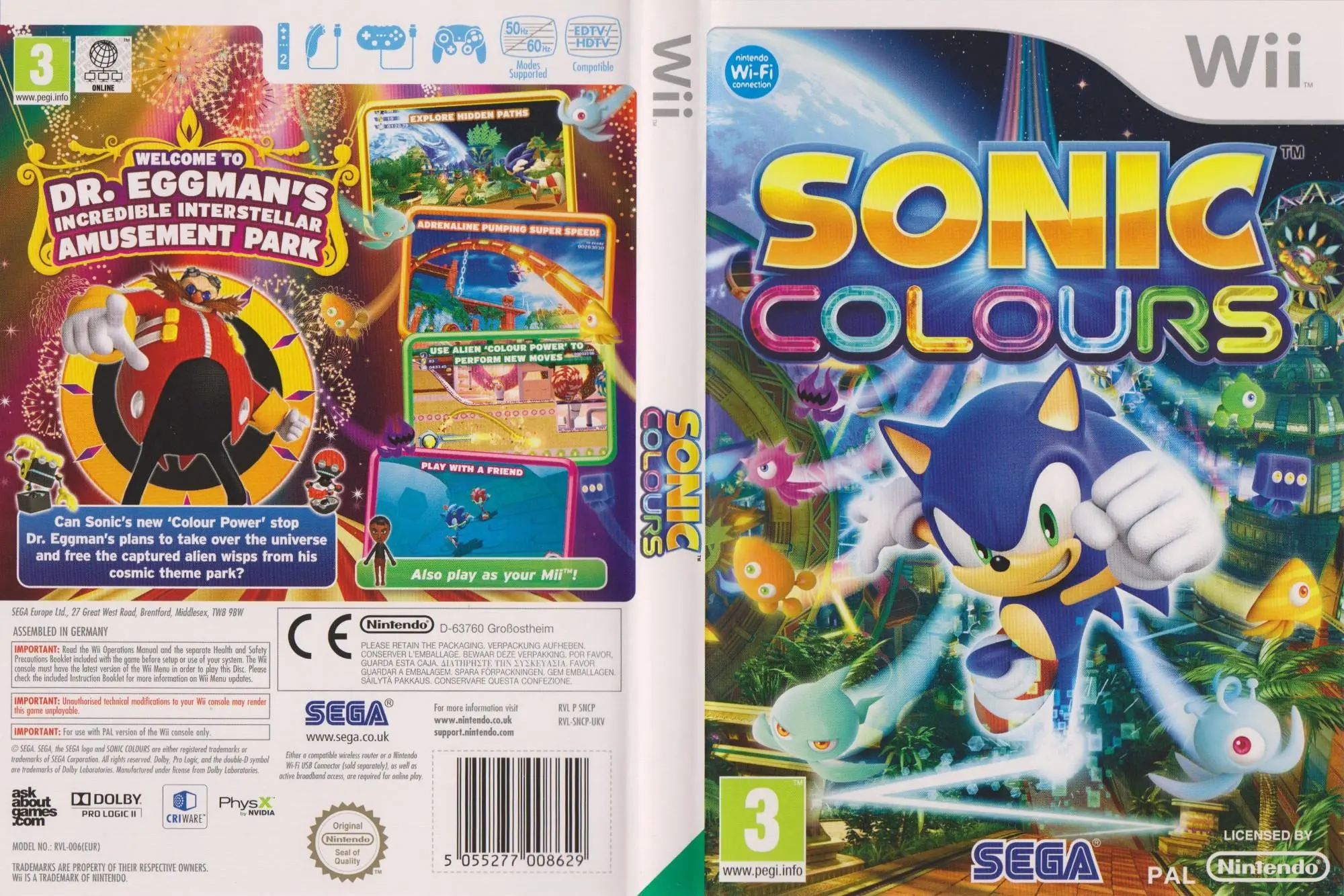
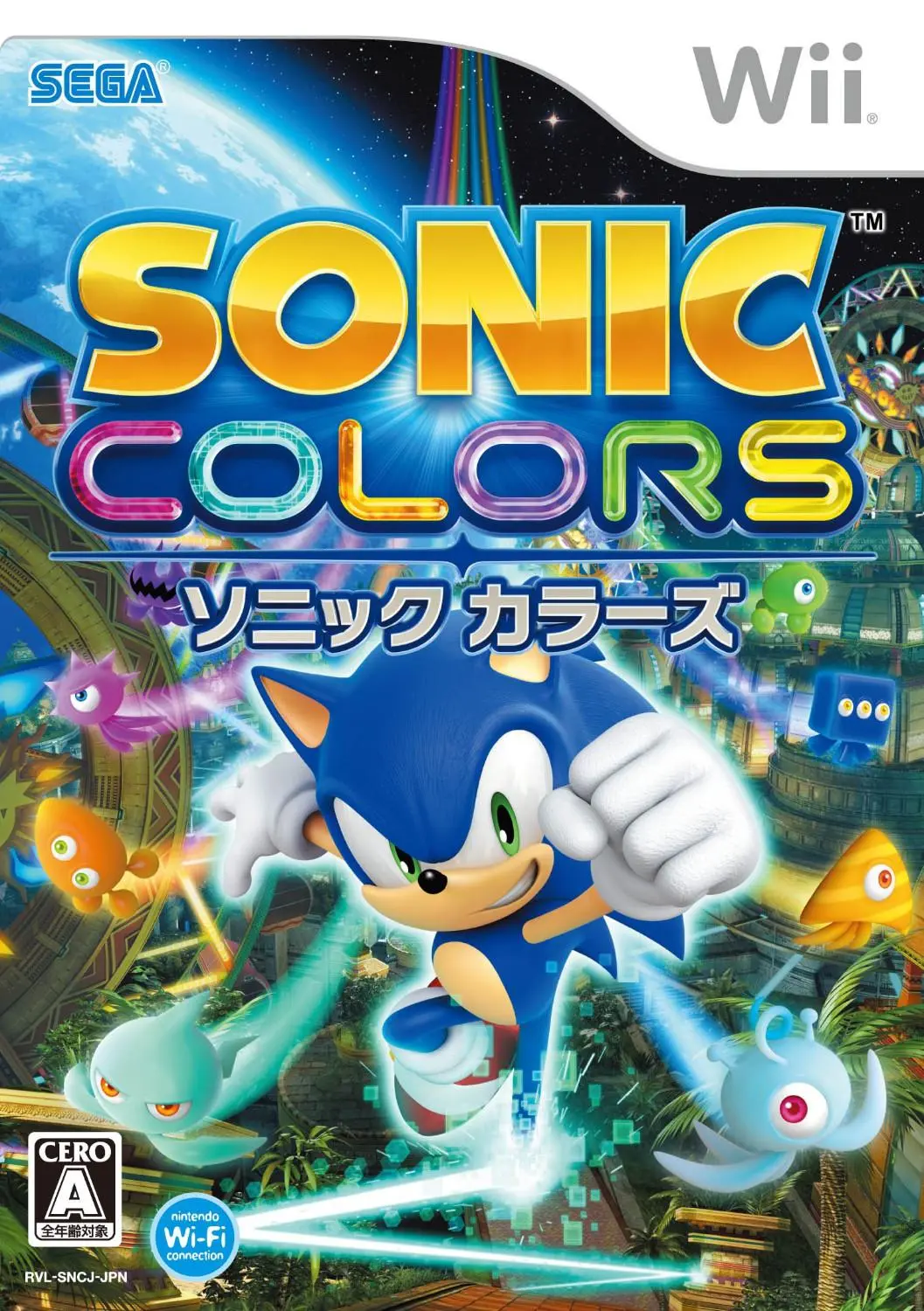
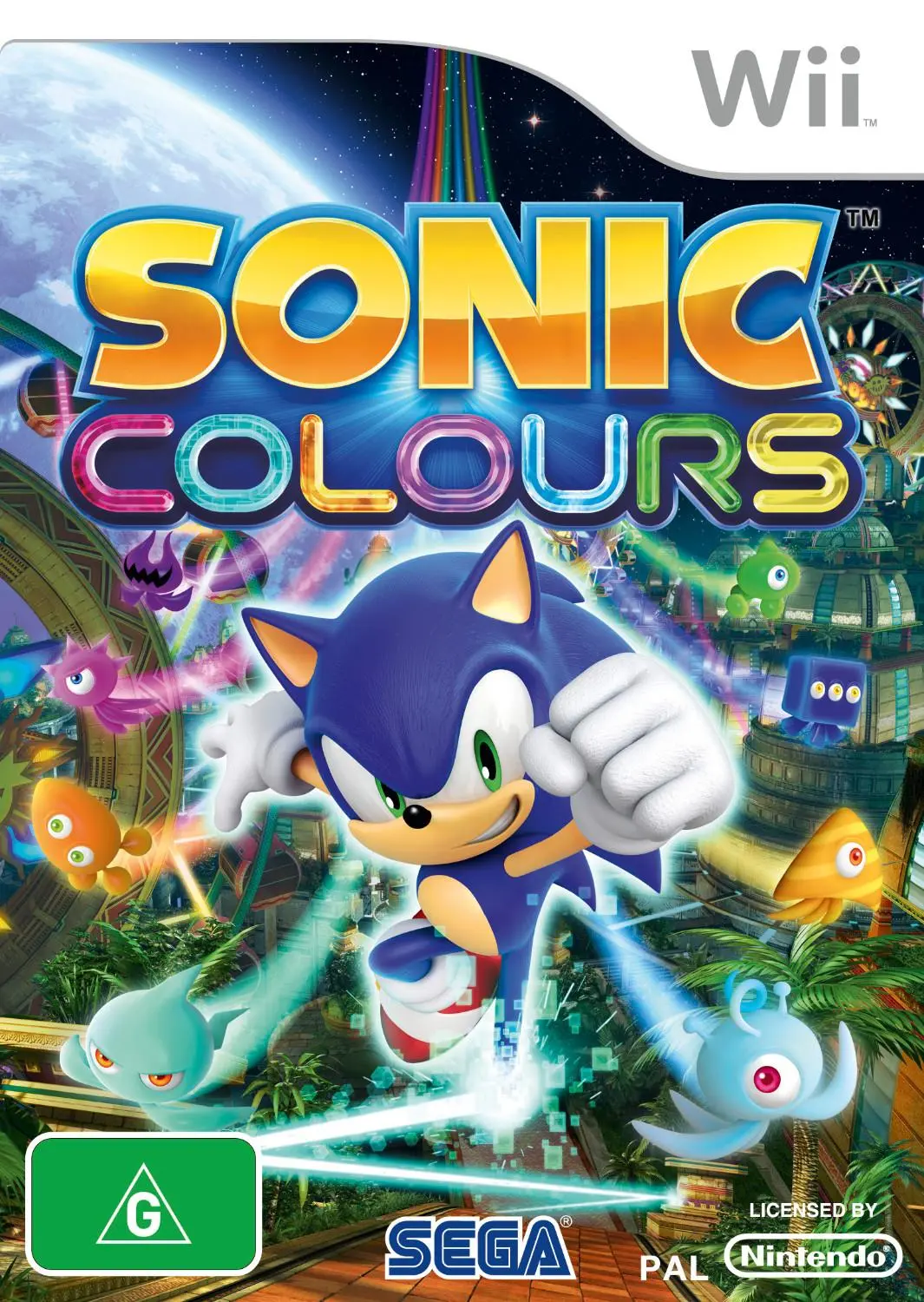
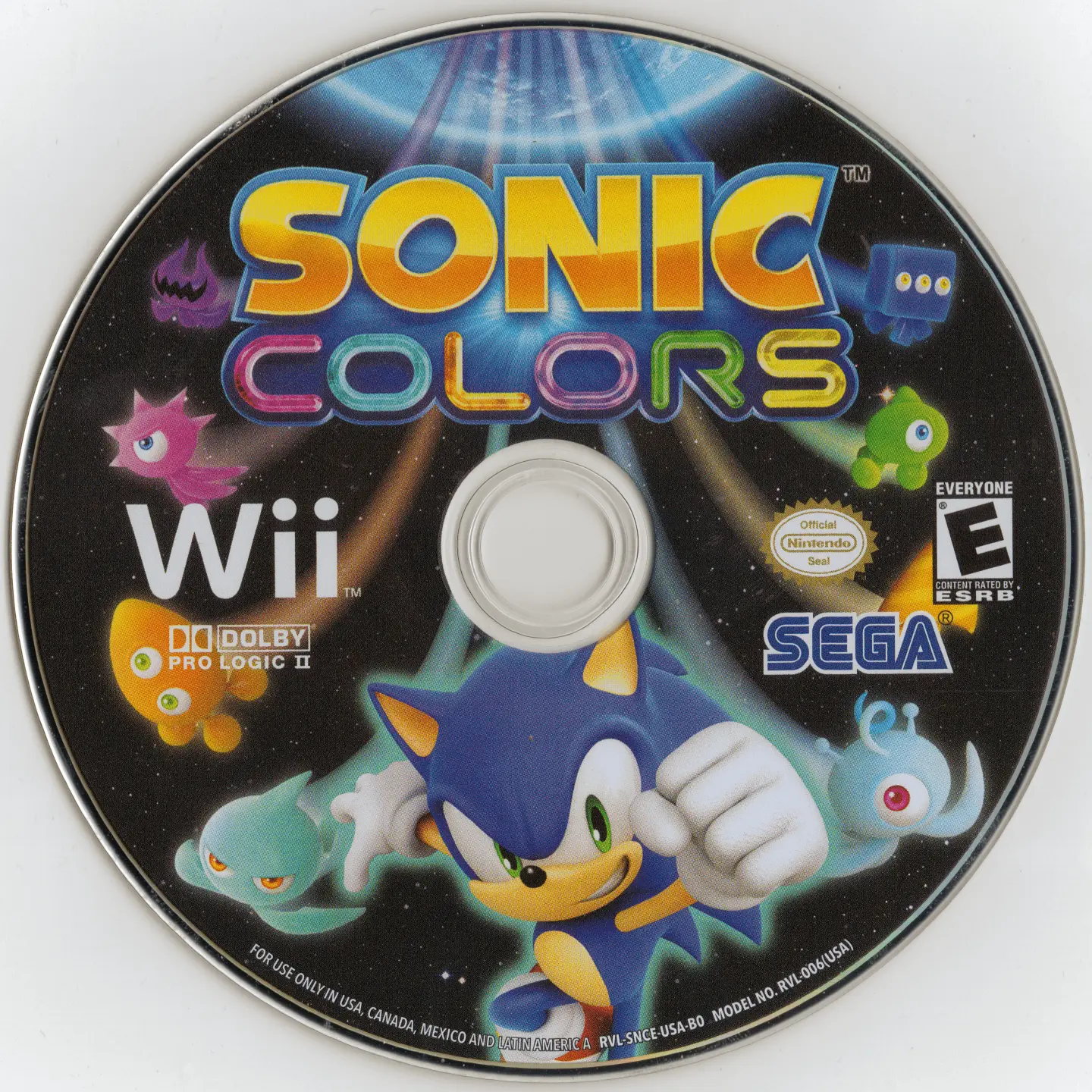
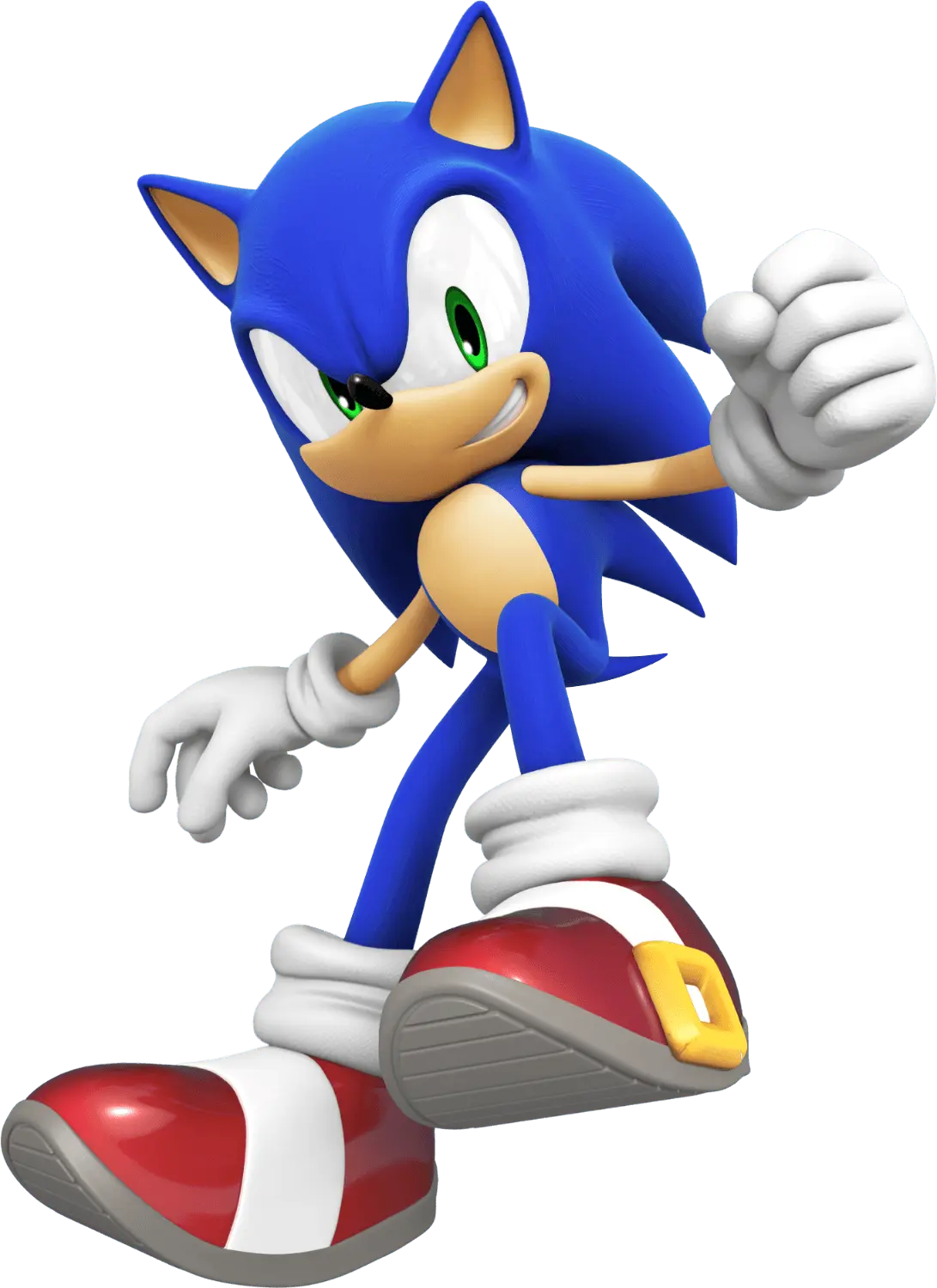
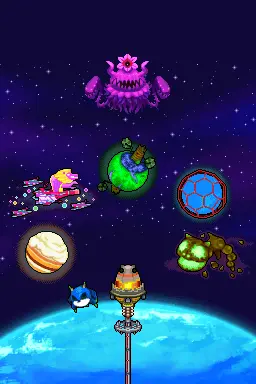
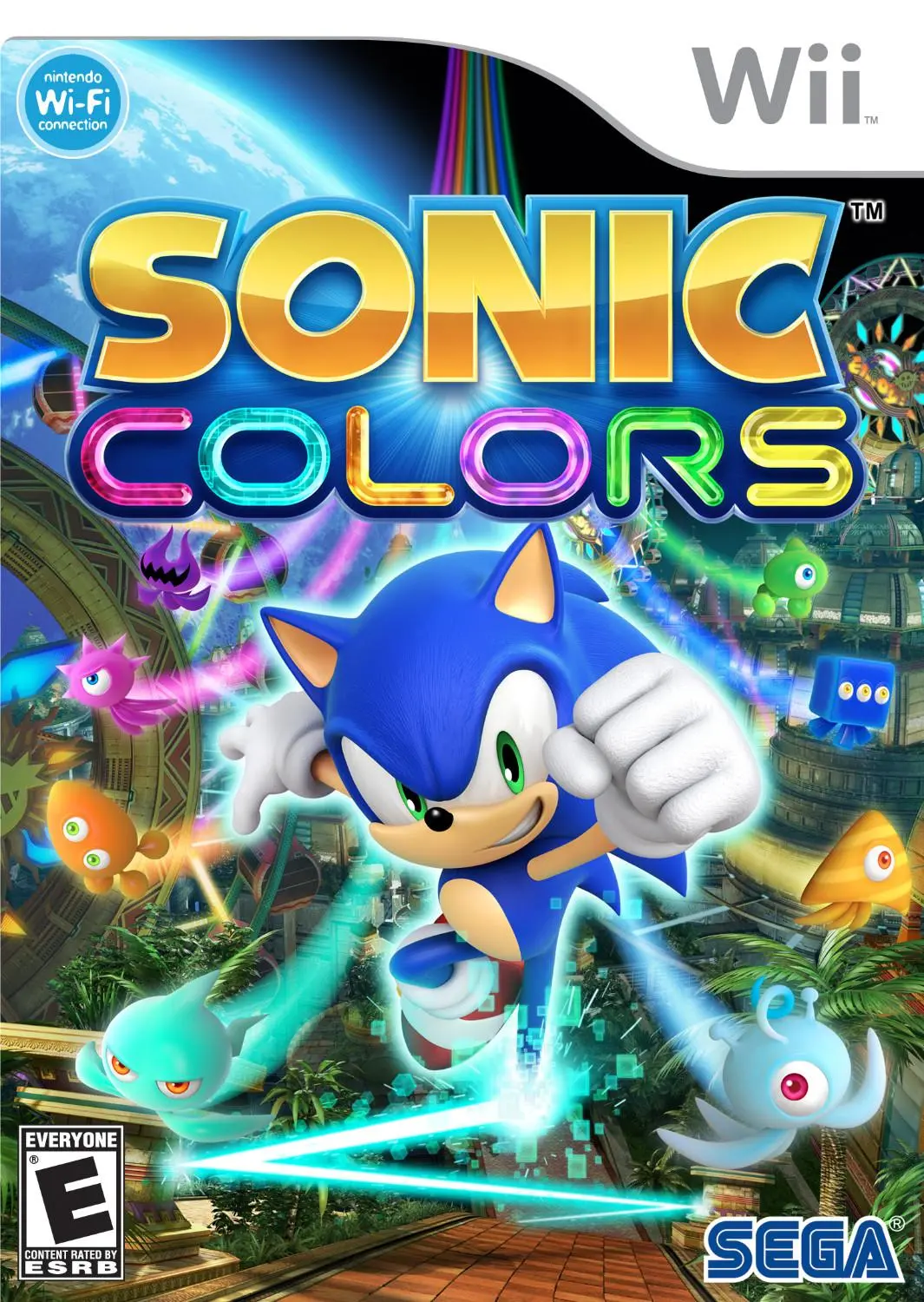
European Wii box, front and back.Japanese Wii box.Australian Wii box.German Wii box.North American Wii disc.Promotional artwork.Sonic.Sonic.Cyan Laser.Yellow Drill.Orange Rocket.Pink Spikes.Green Hover.Blue Cube.Purple Frenzy.Red Burst (DS).Violet Void (DS).The Wii world map.The DS world map.Yacker in the opening.Eggman, in need of a cheeseburger.Meeting the Purple Frenzy Wisp.The end.Tropical Resort.Planet Wisp.Sweet Mountain.Aquarium Park.Asteroid Coaster.Game Land’s title screen.Globotron (DS).Egg Pawn.Motobug.Bladed Spinner.Jawz.Shadow (DS).Silver (DS).Blaze (DS).Amy (DS).Cream (DS).Rouge (DS).Omega (DS).Vector (DS).Big (DS).Super Sonic (DS).
Colours put Sonic back on track with critics and fans, and its Wisps became a permanent part of the series. The A.V. Club later summed it up as the series rediscovering its knack for light, whimsical stories.
Releases and re-releases
Announced26 May 2010 – Sega blog post.
Wii and Nintendo DS (Australia, Europe)11 and 12 November 2010 – Special edition with figurines in parts of Europe.
Wii and Nintendo DS (North America)16 November 2010 – US$49.99 on Wii.
Wii and Nintendo DS (Japan)18 November 2010 – ¥5,800 on Wii.
Vivid Sounds × Hybrid Colors22 December 2010 – Soundtrack, Japan; iTunes in January 2011.
Sonic Generations2011 – Planet Wisp and Tropical Resort remade.
Sonic Colors: Rise of the WispsAugust 2021 – Two-part animated short.
Sonic Colors: Ultimate7 September 2021 – Switch, PlayStation 4, Xbox One, Windows; Japan 9 September.
Ultimate on Amazon Luna and Steam2022 and 2023 – Luna 21 April 2022; Steam 6 February 2023.
Sonic Colors: Ultimate
Blind Squirrel Games remastered the Wii version for the series’ thirtieth anniversary. Ultimate has sharper visuals, a re-recorded soundtrack, a reworked lives system, a new Jade Ghost Wisp borrowed from Team Sonic Racing, Rival Rush races against Metal Sonic, and cosmetics including some based on the 2020 film. Kate Higgins returned to record new lines as Tails. Reviews were mixed, largely because of its launch bugs.
Sales & reviews
Sales
Colours sold steadily. Sega’s results show 1.85 million copies across Wii and DS by the end of 2010 and 2.18 million by the end of March 2011, and in a 2021 Famitsu interview Takashi Iizuka put the total at four million.
4mCopies sold, Wii and DS (Iizuka, 2021)
78Metacritic, Wii
79Metacritic, Nintendo DS
87%Sega Retro average of three magazine reviews (Wii)
Reception and review scores
Scores from Wikipedia’s cited review table and Sega Retro’s magazine index, converted to percentages. Metacritic rated both versions “generally favorable”.
Nintendo PowerUS · Wii
90%
Nintendo Life9/10
90%
Official Nintendo MagazineUK · Wii
86%
FamitsuJapan · Wii
85%
IGNUS · Wii and DS (8.5/10)
85%
Game InformerUS · DS (8.5/10)
85%
GameSpotUS · Wii and DS (8/10)
80%
EurogamerUK · Wii (8/10)
80%
EmpireUK (4/5)
80%
Nintendo PowerUS · DS (7.5/10)
75%
Game InformerUS · Wii (7/10)
70%
GamesRadarWii (3.5/5)
70%
WiredUS (7/10)
70%
DestructoidUS · Wii (4.5/10)
45%
Critics were delighted. The Wii version’s visuals were ranked among the best on the console, the music was praised as jazzy and full of energy, and the new voice cast was welcomed as a big improvement. Reviewers liked how smoothly the game switched between 3D and side-on play, and the Wisps were the star: GamesRadar called them the best feature, and Game Informer was relieved they added something new without the Werehog’s drag on the pace.
There were complaints. Several reviewers found the difficulty steep, the bosses repetitive and the co-op Sonic Simulator dull, and GameSpot’s reviewer preferred plain platforming to the Wisp sections. Destructoid was the outlier, panning the controls and physics. Overall, though, Colours was hailed as one of the best Sonic games and a return to form after a difficult few years.
Honours
IGN · 2010Quick Fix awardIGN also named it one of the best games on the Wii.
Reader reviews
No reader reviews yet. Played it? Give it a score out of 10 and tell other fans what you think.
Every fact on this page was checked against the sources below. Sonic Retro and Sega Retro pages were read through Wayback Machine copies from 2024 and 2026 that show the real article, because both live sites show a bot check. Review scores come from Wikipedia’s cited review table and Sega Retro’s magazine index. Our original page reproduced Sega’s product description; it is summarised in the official description box and its game stats are kept in the info table.
To provide the best experiences, we use technologies like cookies to store and/or access device information. Consenting to these technologies will allow us to process data such as browsing behavior or unique IDs on this site. Not consenting or withdrawing consent, may adversely affect certain features and functions.
Functional
Always active
The technical storage or access is strictly necessary for the legitimate purpose of enabling the use of a specific service explicitly requested by the subscriber or user, or for the sole purpose of carrying out the transmission of a communication over an electronic communications network.
Preferences
The technical storage or access is necessary for the legitimate purpose of storing preferences that are not requested by the subscriber or user.
Statistics
The technical storage or access that is used exclusively for statistical purposes.The technical storage or access that is used exclusively for anonymous statistical purposes. Without a subpoena, voluntary compliance on the part of your Internet Service Provider, or additional records from a third party, information stored or retrieved for this purpose alone cannot usually be used to identify you.
Marketing
The technical storage or access is required to create user profiles to send advertising, or to track the user on a website or across several websites for similar marketing purposes.

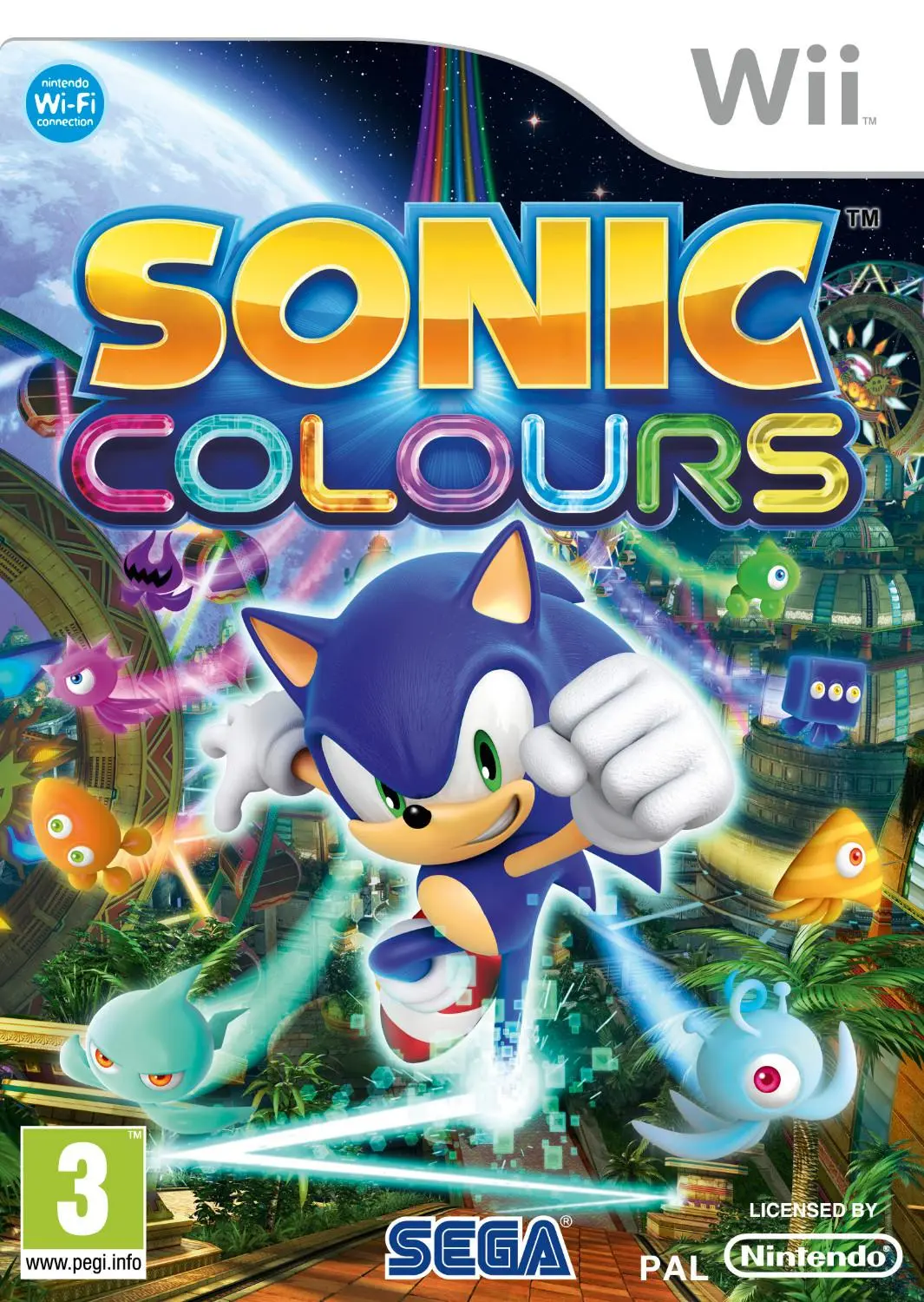
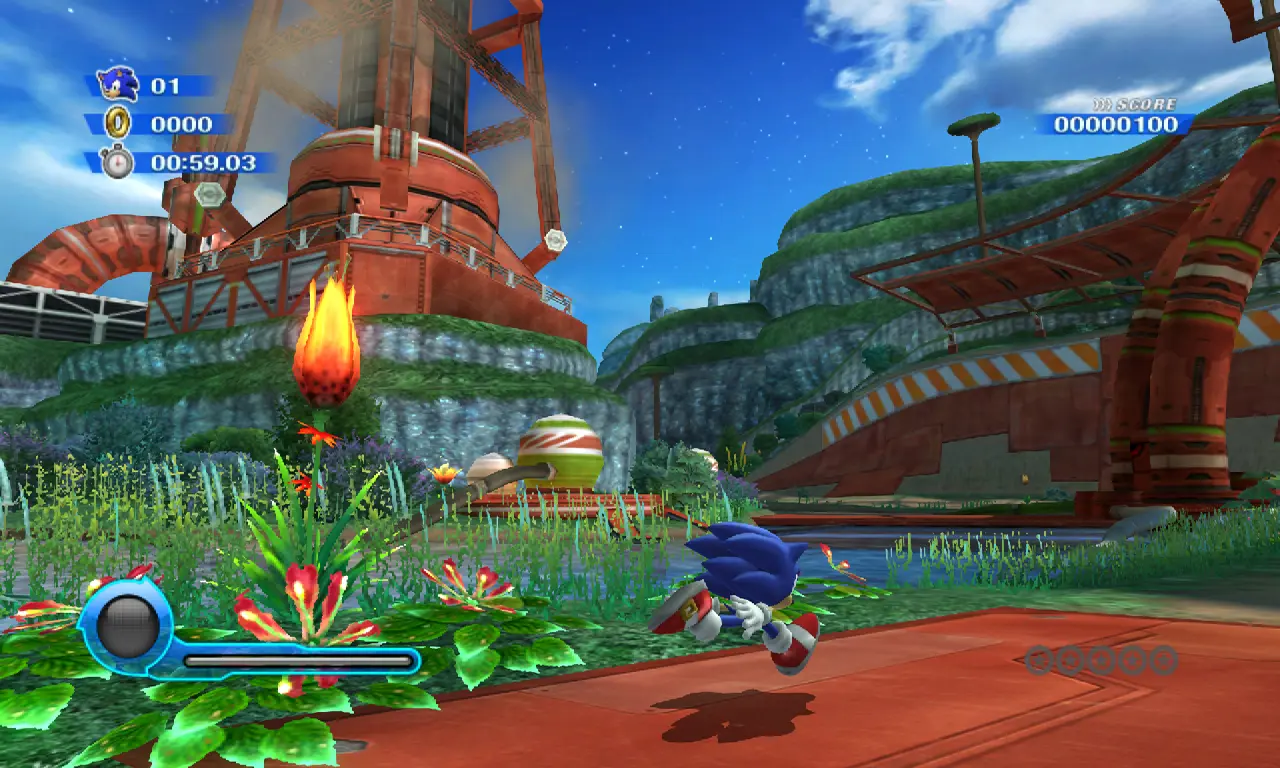


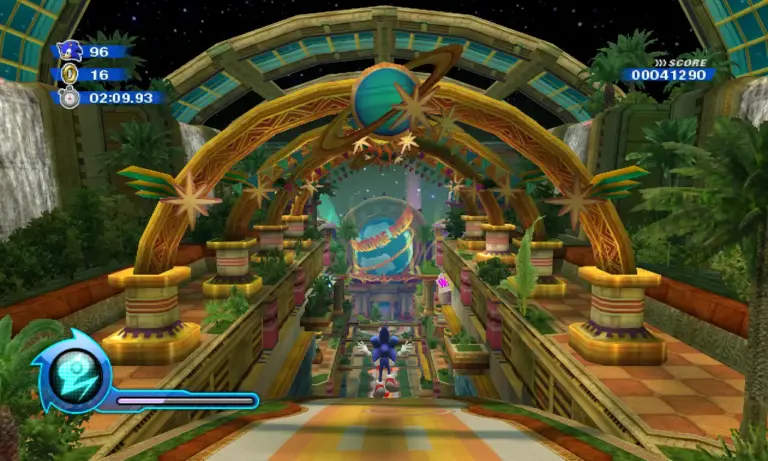 Tropical ResortPlanet 1 · boss: RotatatronThe park’s front gate, where Sonic meets Yacker and the first Wisps.
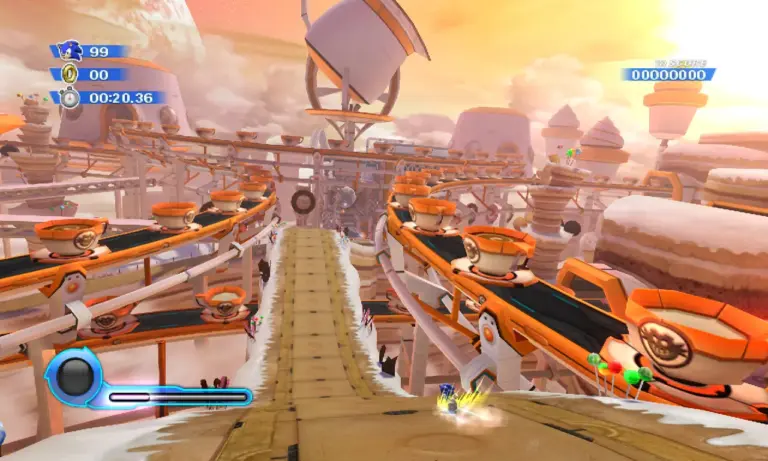 Sweet MountainPlanet 2 · boss: Captain JellyA mountain of cakes, sweets and candy, overseen by a pirate jellyfish robot.
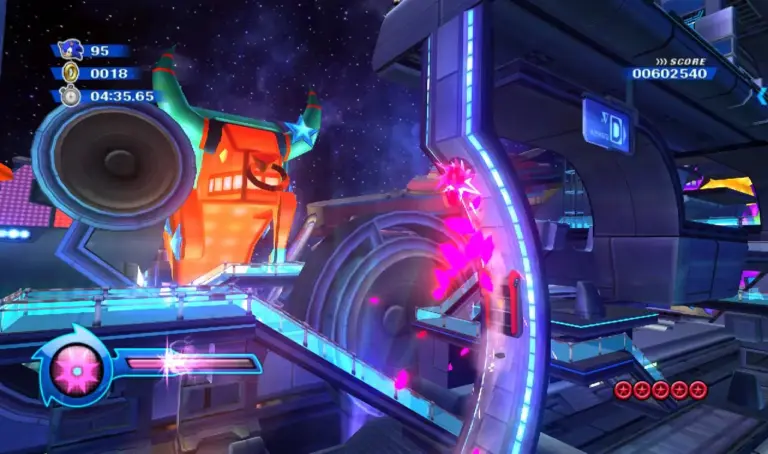 Starlight CarnivalPlanet 3 · boss: Frigate OrcanA night-time festival in space, run across a fleet of spaceships.
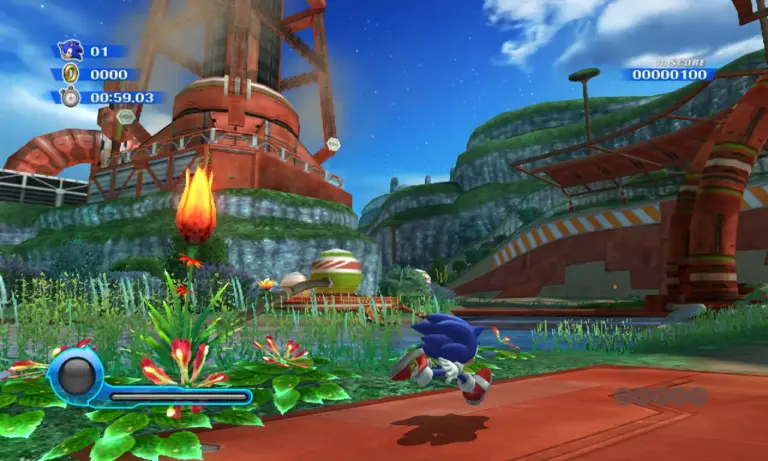 Planet WispPlanet 4 · boss: RefreshinatorThe Wisps’ own home world, chained into the park. Remade for Sonic Generations.
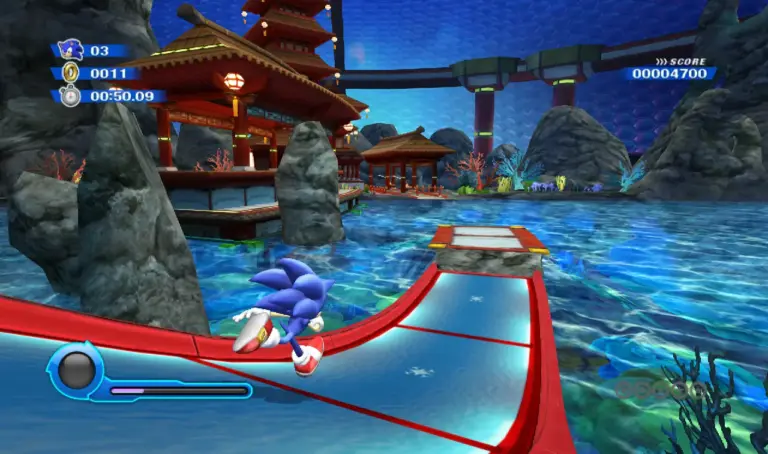 Aquarium ParkPlanet 5 · boss: Admiral JellyA giant aquarium park, played above and below the water.
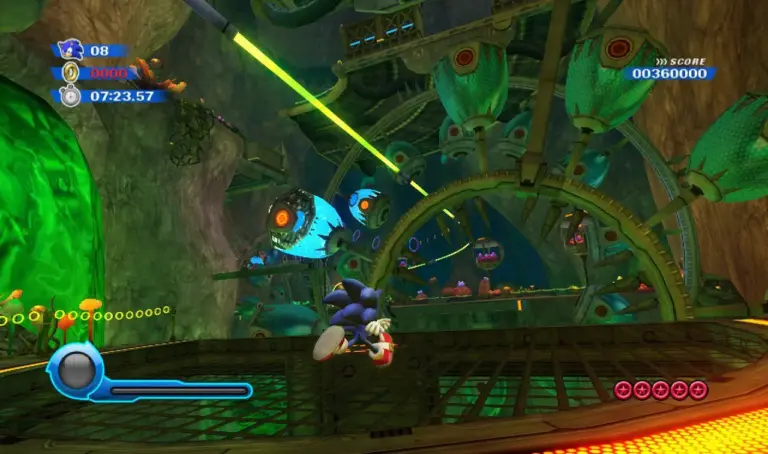 Asteroid CoasterPlanet 6 · boss: Frigate SkullianA rollercoaster through an asteroid field, with an extra mid-level machine to beat.
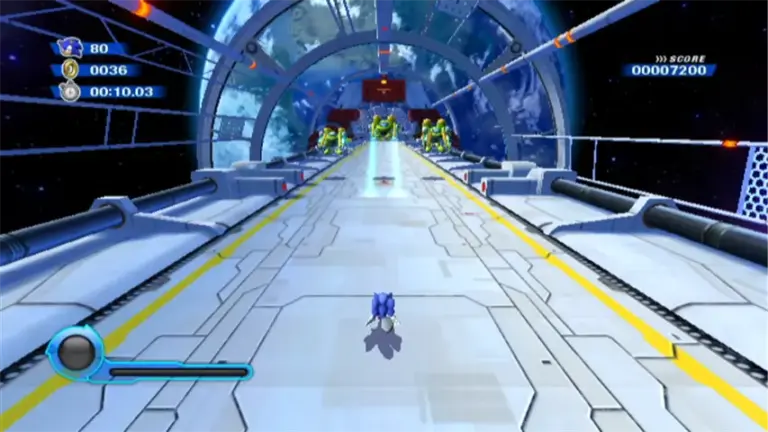 Terminal VelocityFinal stage · boss: Nega-Wisp ArmorA dash down Eggman’s space elevator, ending with the last battle.
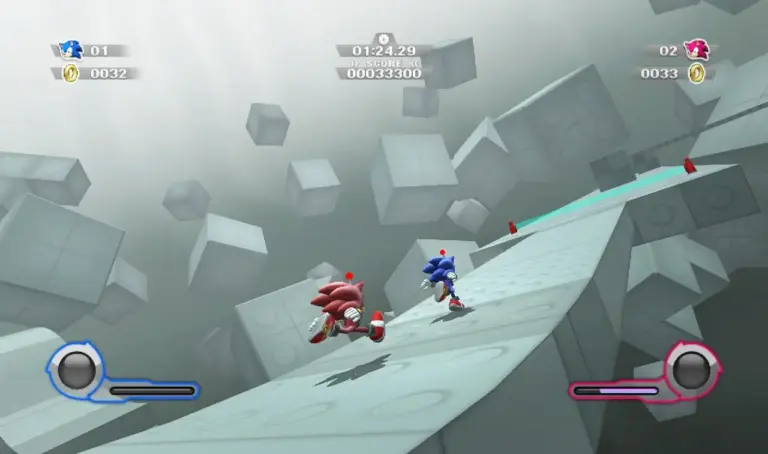 Game LandSonic SimulatorEggman’s virtual test course, built from blocks. Its acts are unlocked with Red Star Rings and each set ends with a Chaos Emerald.
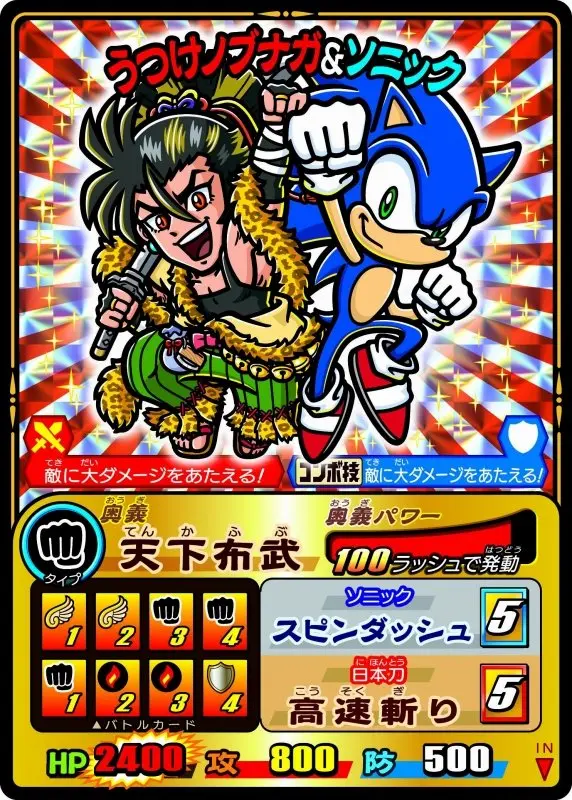 Rekishi Taisen GettenkaSega arcade card game · JapanJapanese pre-orders came with a card that let Sonic appear in this arcade game.
 Sonic the HedgehogPlayable
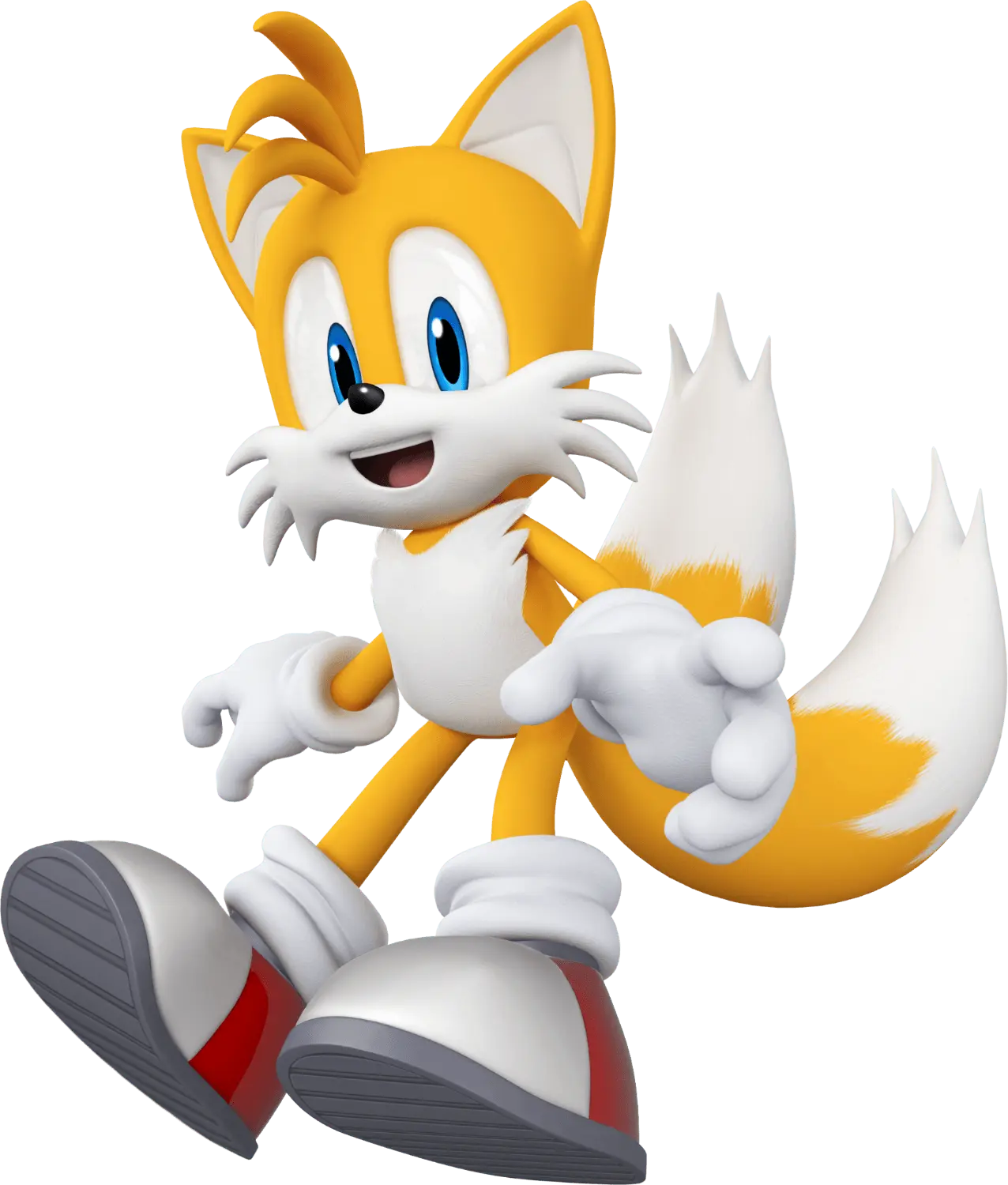 Miles “Tails” ProwerPartner
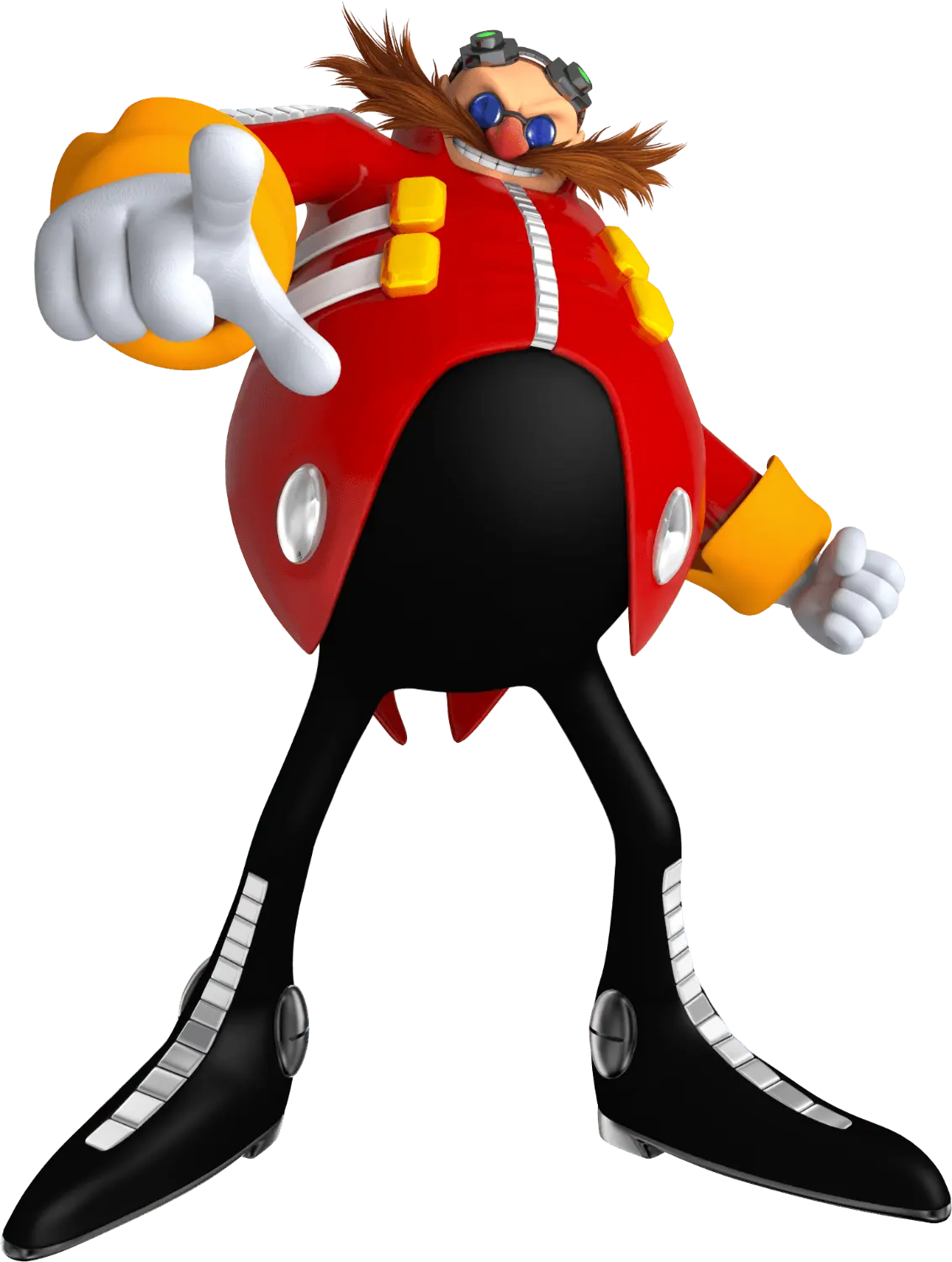 Dr. EggmanVillain
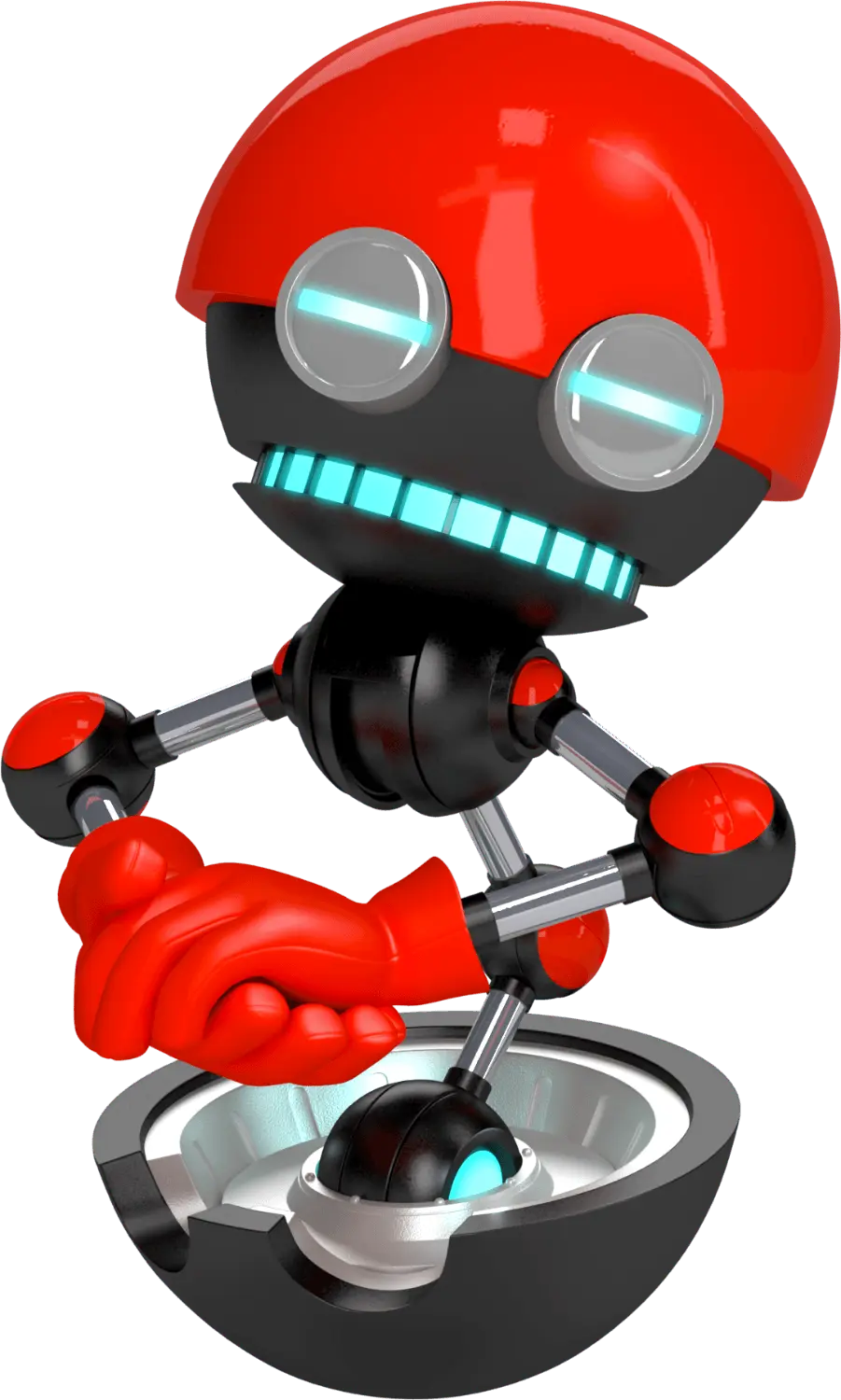 OrbotNew · Henchman
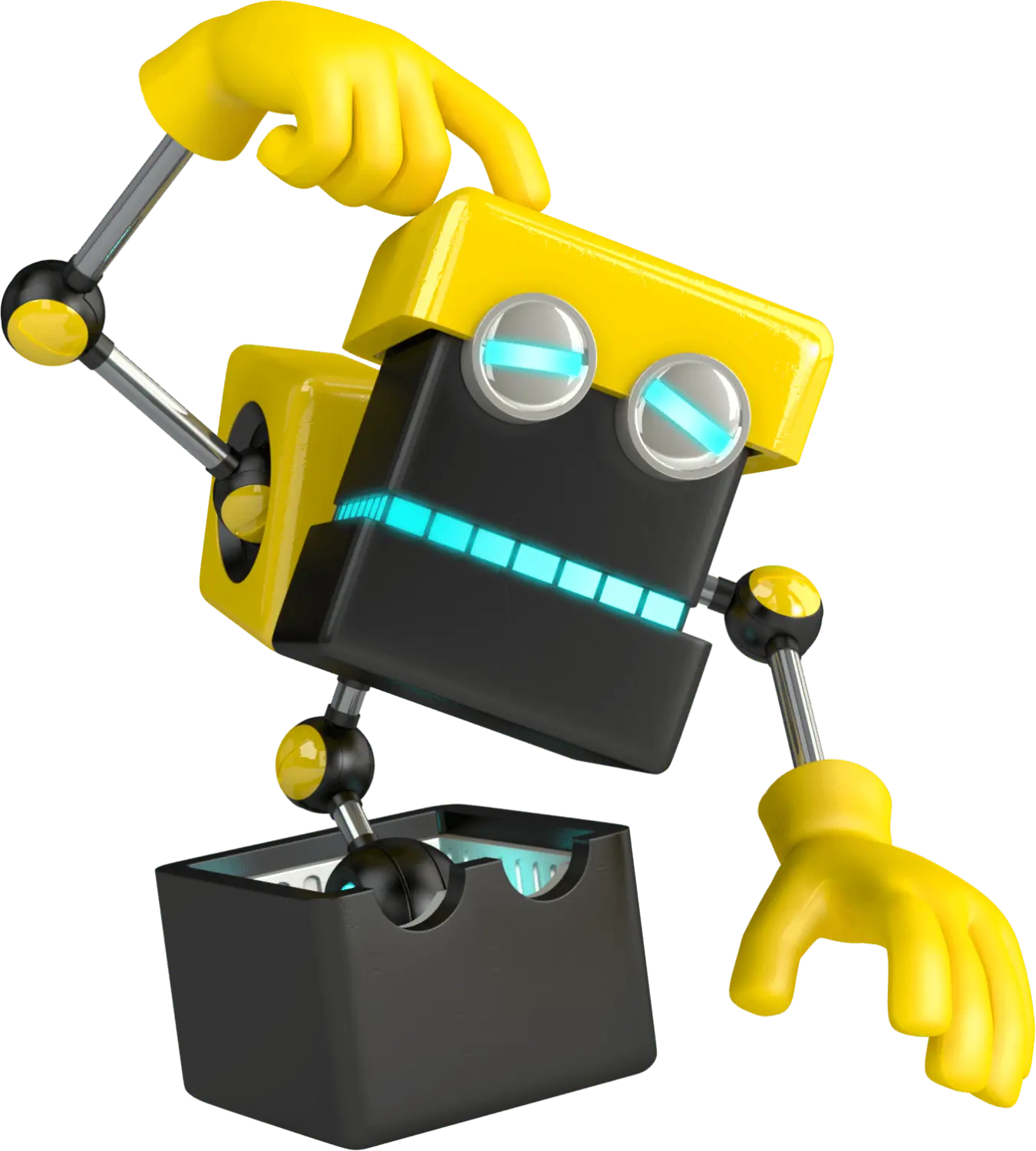 CubotNew · Henchman
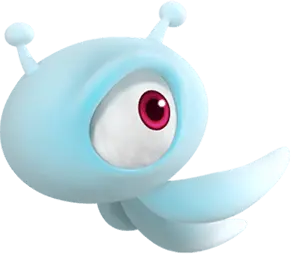 The WispsNew · Power-ups
 Sonic’s friendsDS only
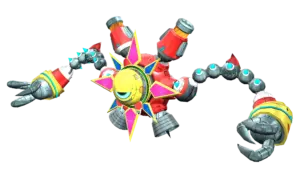 RotatatronTropical ResortA giant spinning robot whose lost arm later sabotages Eggman’s ray.
 Captain JellySweet MountainA pirate-themed robot captain.
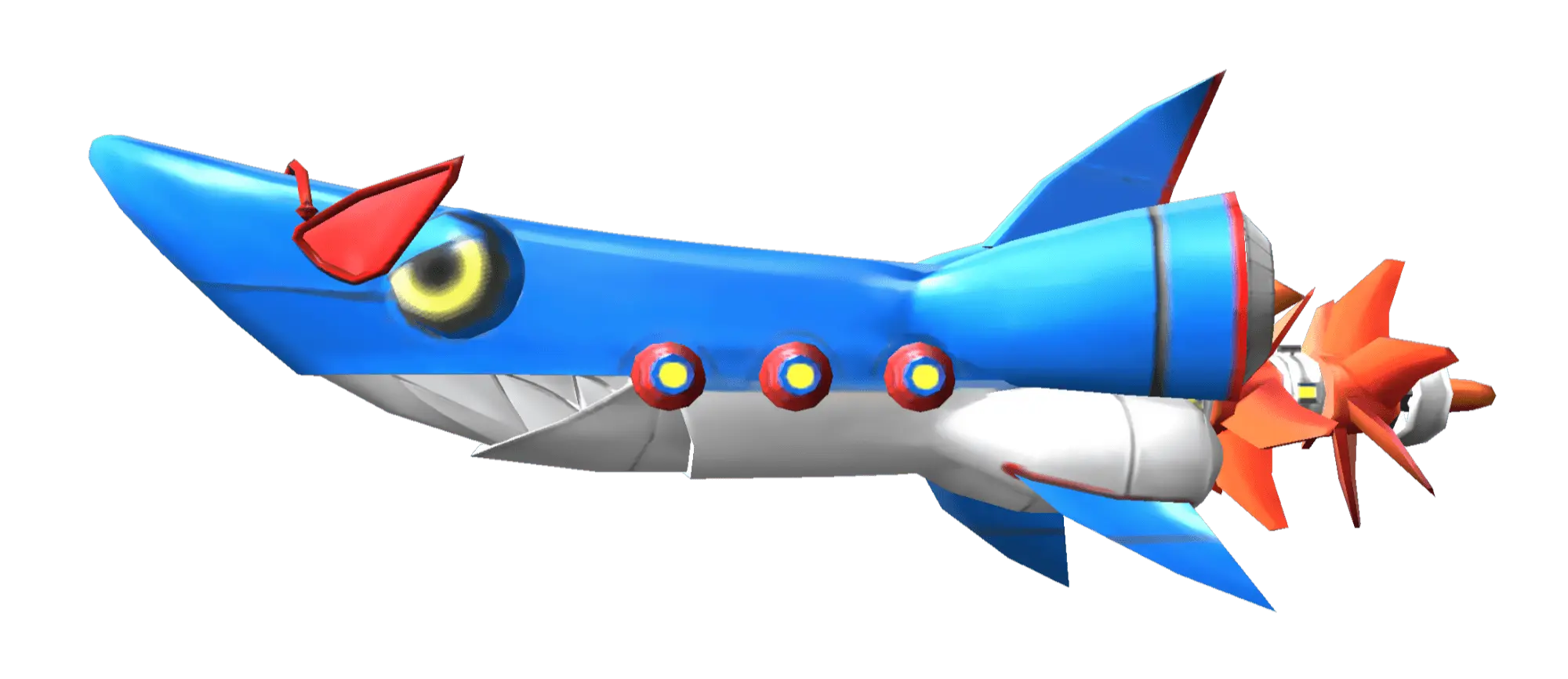
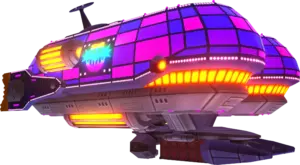 Frigate OrcanStarlight CarnivalAn orca-shaped battleship.
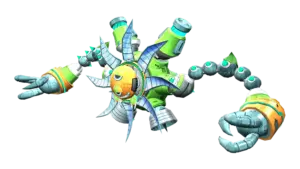 RefreshinatorPlanet WispEggman’s robot on the Wisps’ home world.
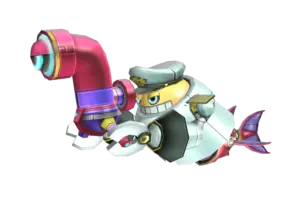 Admiral JellyAquarium ParkA second jellyfish robot, with a higher rank, met in the aquarium.
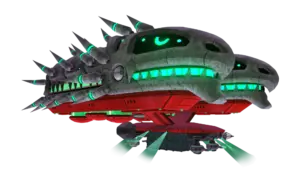 Frigate SkullianAsteroid CoasterA skull-faced warship.
 Nega-Wisp ArmorTerminal VelocityEggman’s final machine, powered by Nega-Wisps.
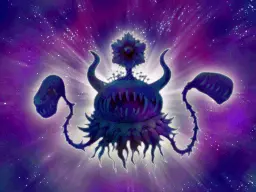 Nega-Mother WispDS only · Super SonicThe corrupted Mother Wisp, fought as Super Sonic.