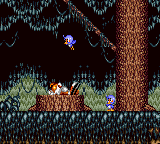
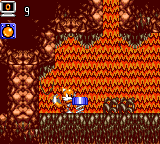
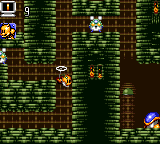
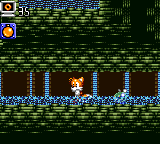
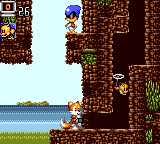
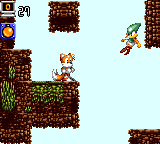
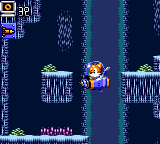
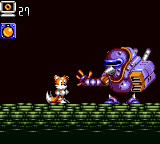
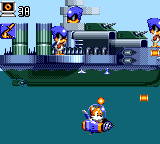
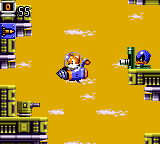
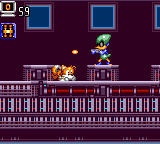
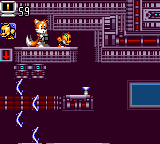
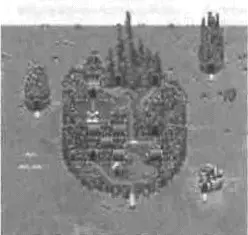
An army of bomb-happy birds sets Tails’ island on fire. No running, no spinning, no Sonic: just a pocketful of bombs, a robot double and a submarine that learns to fly.
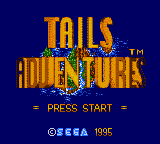
Tails Adventure (Western packaging) Tails Adventures on the title screen and in Japan: テイルスアドベンチャー (Teirusu Adobenchā)
Platforms
Sega Game Gear; Nintendo 3DS Virtual Console (2013, emulation by M2)
Developer
Aspect
Publisher
Sega
Producer and director
K. Hasegawa (Katsuhiro Hasegawa)
Game design
M. Simamura, O. Kodera
Art
N. Honda, S. Higashi (Nobuhiko Honda, Shinichi Higashi)
Programming
K. Oikawa, H. Saigusa, Y. Makishima
Music
K. Mixa (Kojiro Mikusa)
Genre
Action adventure / exploration platformer
Players
1
Released (Japan)
22 September 1995 (¥3,800, G-3372)
Released (Europe)
September 1995 by Sonic Retro’s dating; 6 October 1995 in the UK (£29.99, 2583-50)
Released (North America)
November 1995 (2583)
Virtual Console
Nintendo 3DS: 3 April 2013 (Japan, ¥300); 20 June 2013 (North America US$4.99, Europe €4.99, UK £4.49)
Collections
Sonic Adventure DX: Director’s Cut (2003), Sonic Gems Collection (2005), Sonic PC Collection (2009), Sonic Origins Plus (2023); also on the Coleco PlayPal plug-and-play (2006)
Cartridge
512 kB (4 megabits); internal build stamp 21 July 1995, version 1.02
Tails Adventure is the game where Tails stops following and starts exploring. Aspect, the studio behind Sonic Chaos and Sonic Triple Trouble, built it in 1995 as a slow, thoughtful side-scroller: Tails walks rather than runs, he cannot spin, and instead of racing to a signpost he pokes around a whole island, collecting gadgets that open up paths in places he has already been.
The island is under attack from the Battle Kukku army, an empire of militaristic birds hunting for the Chaos Emeralds. Tails fights back with bombs, a hammer and an arsenal of oddities, sends a tiny robot copy of himself into tunnels he cannot fit through, and takes his submarine, the Sea Fox, out to sea and, eventually, into the sky. He can carry only four items at a time, so every trip from his workshop is a small puzzle in itself.
Released in Japan, Europe and North America in the autumn of 1995, it was the first solo adventure for Tails sold in the West, since the earlier Tails’ Skypatrol stayed in Japan. Critics at the time found it slow and familiar; later writers, playing it on 3DS and in compilations, have been kinder, comparing it to Metroid and calling it the Sonic game that feels most like a Nintendo one.
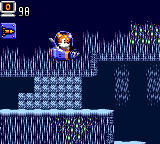
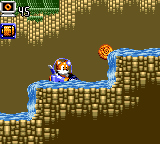
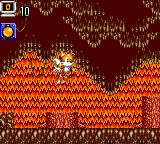
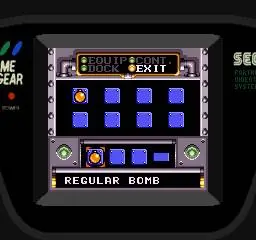
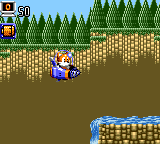
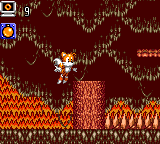
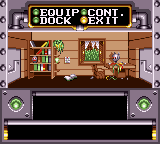
Poloy Forest in flames.Choosing four items at Tails’ House.The Sea Fox hopping up the river.
Even heroes need some time off now and then
So says the American story, in which Sonic and Tails have gone their separate ways for a holiday and Tails is dozing in the woods of his favourite island when the bombs start falling. A flying fortress appears on the horizon, the forest catches fire, and it is up to Tails to take on the bird army.
— Official description: Sega, Tails Adventure North American instruction manual, “The Fortress Attacks!”, as transcribed by Sonic Retro from the Sonic Gems Collection digital manual. One line quoted; the rest summarised.
Quick Answers
The short answers, with the detail further down the page.
When did Tails Adventure come out?
On the Game Gear in Japan on 22 September 1995, in Europe that autumn (6 October in the UK) and in North America in November 1995. More →
Is it called Tails Adventure or Tails Adventures?
Both. The Western box and manual say Tails Adventure; the title screen and the Japanese release say Tails Adventures. More →
Who made it?
Aspect, the Japanese studio behind several Game Gear Sonics, including Sonic Chaos and Sonic Triple Trouble, with K. Hasegawa as producer and director. Sega published it. More →
Who are the villains?
The Battle Kukku army, an empire of birds led by Great Battle Kukku 15th, with his son Battle Kukku 16th (“Speedy”) and the owl scientist Dr. Fukurokov. Dr. Eggman does not appear. More →
Does it happen before Sonic 2?
In Japan, yes: the manual sets it before Tails met Sonic. The Western manual instead has Sonic and Tails taking a break from each other, so the timing depends on which manual you read. More →
How does it play?
Like an exploration game. Tails walks, jumps and flies for a few seconds at a time, throws bombs, and collects items that open new routes in earlier stages. Rings are his health. More →
How many items are there?
32 by Sonic Retro’s count: 24 for Tails, six of them Chaos Emeralds, and eight for the Sea Fox (Wikipedia’s 26 appears to leave out the Emeralds). Tails can take only four into a stage. More →
How do you save?
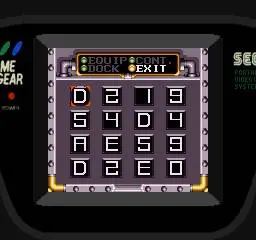
With a 16-character password, shown under CONT. at Tails’ House and entered from CONTINUE on the title screen. More →
Can I play it today?
Yes: in Sonic Origins Plus (2023) on modern consoles and PC. It was also on the 3DS Virtual Console from 2013 and in Sonic Gems Collection in 2005. More →
Plot / Story
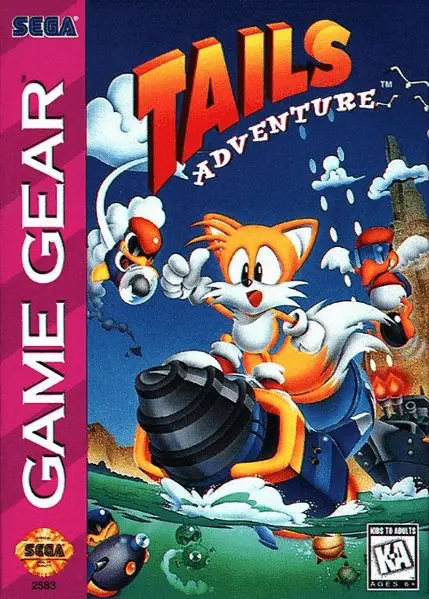
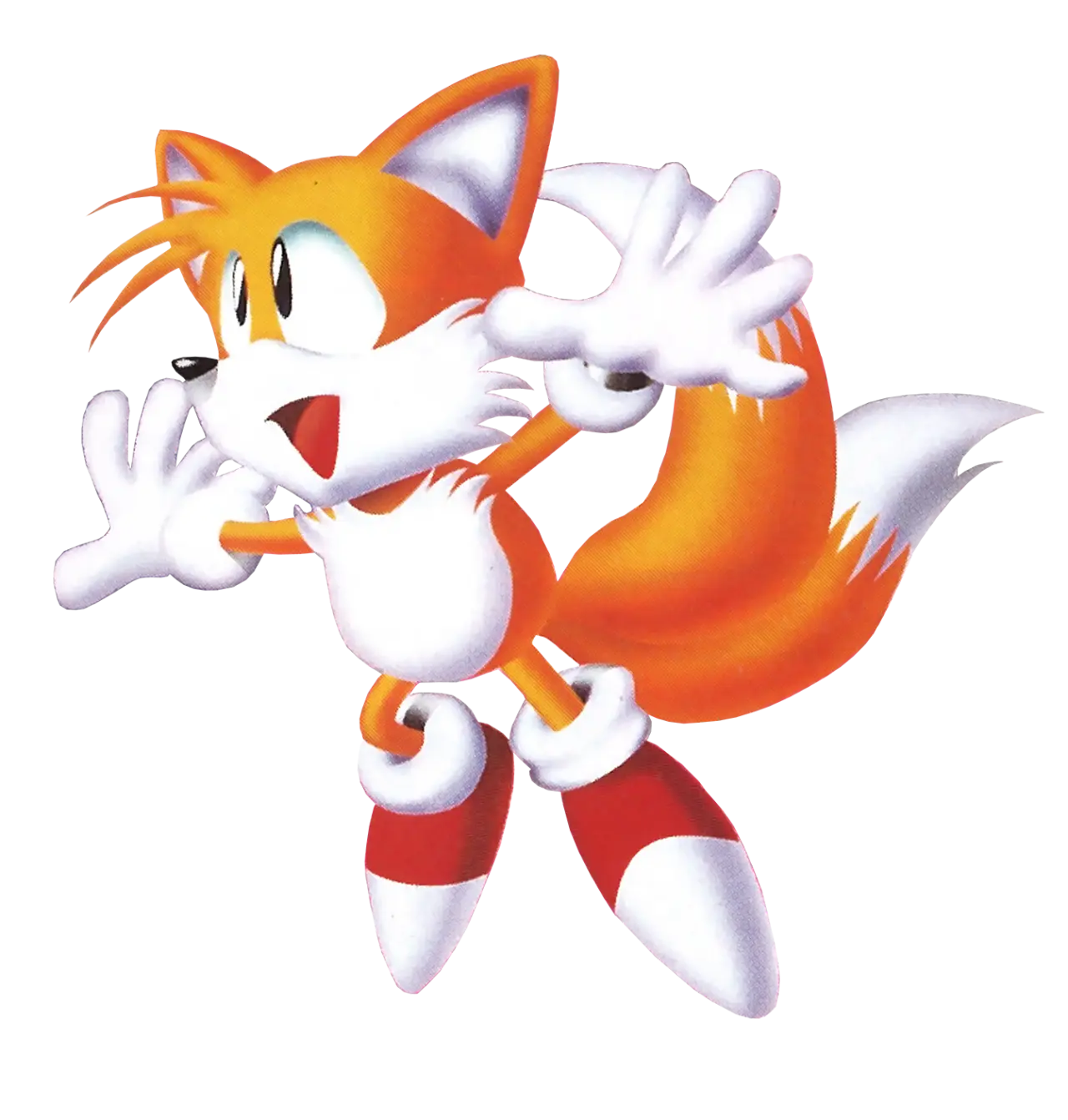
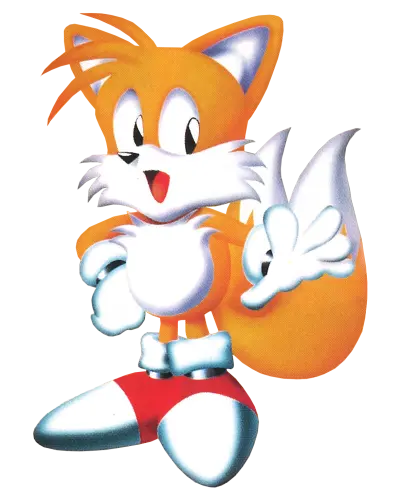
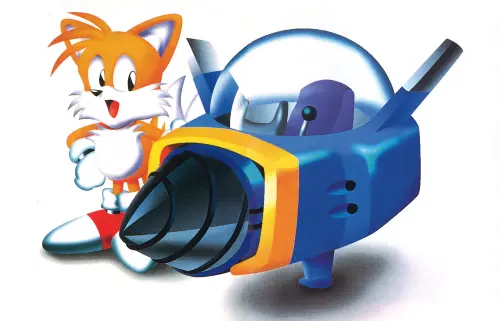
Tails in Sega’s artwork for the game.
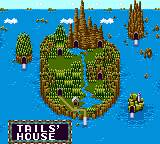
Far to the south, on a coral-ringed island so small it is missing from the maps, lives a two-tailed fox with a workshop. The Japanese manual calls the place Cocoa Island and says legend has hidden the Chaos Emeralds there since ancient times. Tails has made his home at its southern tip, in a laboratory he calls Tails’ House, and he spends his days doing exactly as he pleases.
On the day the story begins, that means a nap in the shade of the forest. A colossal explosion jolts him awake. A Flicky flaps up in a panic: the Battle Kukku army has arrived. Tails, still half asleep, has never heard of them and garbles the name back. The bird spells it out. Great Battle Kukku the Fifteenth, emperor of the Battle Kukkus, wants the Emeralds for world conquest and has sent a whole mining army to dig them up, and a giant war machine is already flattening the trees and breathing fire across the island.
A story before Sonic, or a holiday after?
In Japan this is an origin story. The manual says outright that it takes place before Tails met Sonic, which, as Sonic Retro points out, would explain why he never curls into a spinning ball. The emperor crows “cock-a-doodle-doo” as he sends his troops out, the island goes up in flames, and the manual leaves Tails as the only one able to stand up to the army, setting out on the first real adventure of his life.
The American and European manuals tell it differently. There the island is Tails’ favourite holiday spot (the US manual even calls it Tails Island), Sonic and Tails have simply parted for a break, and the attack comes from a flying fortress that looms over the horizon.
Cocoa Island on the map screen.The forest burns.Tails and the Sea Fox.
Tails the inventor
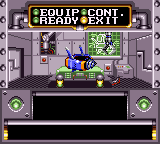
This is Tails the engineer at full stretch. His own Remote Robot, a pint-sized mechanical fox, crawls into gaps too small for him, flips switches and drags rocks while he stands guard. In the water the same robot becomes the Sea Fox, a submarine the Japanese manual credits with a top speed of 100 knots, a drill for tunnelling and a reactor Tails built himself; before the end he has bolted on a rocket booster and taken it into the sky.
Back at Tails’ House he picks his kit for each trip: four items for himself and four for the submarine. Bombs come in five flavours, from basic to remote-controlled to napalm. There are speed boots, a hammer, night-vision goggles, a teleporter for a quick escape, a radio that changes the music, and charms named after Sonic, Knuckles and Fang. The Sonic charm teaches him the Spin Dash, Knuckles lends him a punch, and Fang, of all people, makes enemies drop more rings.
The Remote Robot.Tails’ House.The Sea Fox dock.
How it plays
Rings are Tails’ health, counted in a box at the top of the screen. He starts with a maximum of ten, each Chaos Emerald adds ten more and lengthens his flight, and the sixth takes the cap to 99. A hit costs only a few rings rather than all of them, and enemies and blown-up walls leave fresh ones behind.
His flight starts at about three seconds and stretches to about fifteen. The stages are reached from a map of the island and can be cleared in more than one order; each new item reveals routes that were sealed before, so revisiting old areas is part of the plan. If you arrive at an obstacle with the wrong four items, the only fix is to leave, re-equip and start the stage again.
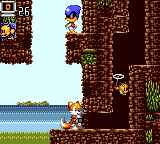
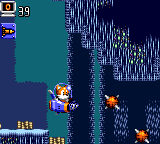
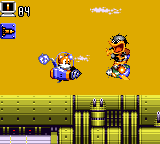
Some of the 32 items.Exploring the flooded caves.The Sea Fox airborne.
Stages in Tails Adventure
Twelve stages, all on or around Cocoa Island, unlocked from the map screen. Several hold a boss; four are played in the Sea Fox.
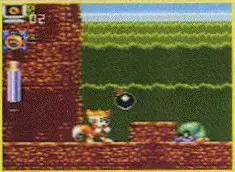
Poloy ForestStage 1 · boss: Bird WalkerTails’ own woods, set ablaze in the opening attack. The fighting goes on inside giant hollow trees and along their branches.
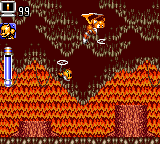
Volcanic TunnelStage 2 · boss: Mecha GolemLava pits, leaping fireballs and passages only the Remote Robot can squeeze through. A dip in the lava costs four rings.
Polly Mt. 1Stage 3 · boss: Battle Kukku 16thWindswept peaks full of helmeted birds lobbing bombs and rocks. Ends with a chase up the mountain after Speedy.
Lake RockyStage 4 · Sea Fox · boss: Kukku CruiserNot a lake at all but the sea around the island, and the Sea Fox’s first outing.
Cavern IslandStage 5 · boss: Mecha GolemA flooded maze of tunnels and strong currents. Water slows Tails and grounds him, but he can never drown.
Green IslandStage 6A jungle islet north-west of Cocoa Island, with passages in tree trunks, updrafts, beehives and undergrowth that only fire will clear.
Caron ForestStage 7Reached by burning through the bushes in Poloy Forest: the same kind of woodland, still green and unburnt.
Lake CrystalStage 8 · Sea FoxReally the island’s river. The Sea Fox hops upstream over floating logs to a great waterfall.
Polly Mt. 2Stage 9The mountain’s pitch-black heart, barely playable without the Night Vision goggles.
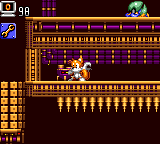
Coco IslandStage 10 · boss: Dr. FukurokovThe Kukkus’ mechanised base, reached after a gruelling submarine battle. It vanishes from the map once cleared.
Battle Fortress 1Stage 11 · Sea FoxThe base rises from the sea and takes to the air; the rocket-boosted Sea Fox follows it into the sky.
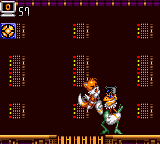
Battle Fortress 2Stage 12 · bosses: Battle Kukku 16th, Great Battle Kukku 15thOn board the fortress, among endless conveyor belts, for the last two fights.
Beat the emperor and the fortress crumbles into the sea while Tails escapes in the Sea Fox.
In comics, TV & other media
The Battle Kukkus vanished after 1995 as far as the games are concerned, but the comics found them. More in Sonic in other movies and media.
Sonic Universe: The Tails AdventureArchie Comics · issues 17–20 · 2010A four-part adaptation, fifteen years after the game, that loosely follows its plot: Tails takes the newly married Antoine and Bunnie to Cocoa Island for their honeymoon. It also marked the first full appearance of the Battle Bird Armada, Archie’s version of the Kukkus, who had only been hinted at before.
The Battle Bird ArmadaArchie Comics · from Sonic Universe 33A second arc made the birds descendants of the ancient Babylonians and old enemies of the Babylon Rogues and Bean the Dynamite. After the Super Genesis Wave reboot, Great Battle Kukku 15th became one of Dr. Eggman’s Egg Bosses.
Sonic the Hedgehog Encyclo-speed-iaOfficial guidebookSega’s official history book covers the game; Sonic Retro cites it on the Battle Kukku army.
Sonic Triple TroubleGame Gear · 1994Tails’ Sea Fox submarine had already appeared in Aspect’s previous Sonic game.
Characters
A one-fox army against an empire of birds. The villains all made their debut here, and Sonic, Knuckles and Fang appear only as lucky charms in Tails’ item bag.
Character
Who they are
In this game
Stats & abilities
Miles “Tails” ProwerThe only playable character
An energetic two-tailed fox who loves building machines and lives in his own laboratory on Cocoa Island. In the Japanese story he has not yet met Sonic.
Woken by the invasion, he takes on the whole Battle Kukku army alone, armed with his inventions.
Walks, jumps, ducks, climbs ledges; no running or spinning
Flies for 3 to about 15 seconds
Health counted in rings, 10 to 99
Throws bombs; carries four items
Remote Robot and Sea FoxTails’ machines · Mecha Tails and Sea Tail in Japan
A small robot fox Tails can steer by remote, and the submarine it turns into in the water.
The robot squeezes into tight spaces, hits switches and fetches items while Tails stays safe; the Sea Fox handles Lake Rocky, Lake Crystal and the battles at sea and in the air.
Robot hovers with no time limit and ignores most hazards
Sea Fox: Vulcan gun, torpedoes, mines, missiles
Rocket Booster lets it fly
Great Battle Kukku 15thEmperor · グレイトバトルクック15世
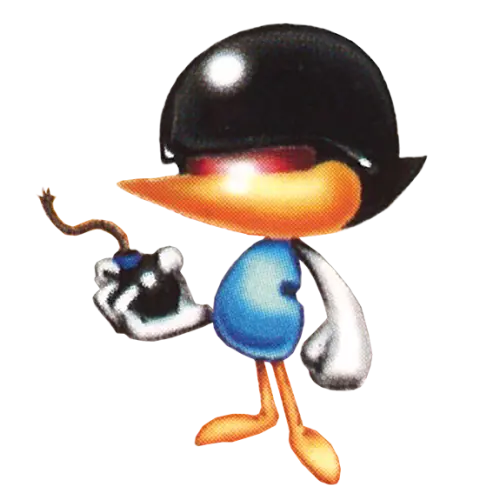
Dictator of the Battle Kukku Empire, a bird with a taste for explosives and dreams of world conquest.
Sends a mining army to dig up the Emeralds and waits at the heart of the Battle Fortress for the final fight.
Hurls golden bombs, rolls them, or throws four at once
Grabs Tails and flings him at the wall
Final boss, Battle Fortress 2
Battle Kukku 16th “Speedy”Crown prince · バトルクック16世
The emperor’s son and heir, a white bird in green armour who already carries his regnal number. The Japanese manual says he earned the nickname Speedy for how fast he runs away.
Leads the troops on Polly Mt. 1, flees to the top of the mountain and drops a Chaos Emerald; returns in armour to guard his father’s chamber.
First fight: a chase, he cannot be hurt
Corkscrew dive-bombs
Second fight: energy bolts and jet-pack flares
Dr. FukurokovImperial scientist
An elderly, heavily bearded owl, a professor at the Battle Kukku Empire’s academy. His name plays on fukurō, Japanese for owl.
Runs the Coco Island base. He never fights head-on: he drops Tails into a trap and leaves his machines to do the work.
Beaten by sneaking the Remote Robot up and pushing a boulder onto his head
Enemies and bosses
The Battle Kukku army fields soldiers, robots and war machines, using the names from Sonic Retro and the Japanese manual. Artwork from our original gallery; sprites and boss shots via Sonic Retro.
Bird WalkerBoss · Poloy ForestA two-legged green robot crewed by two Kukkus, with flamethrowers.
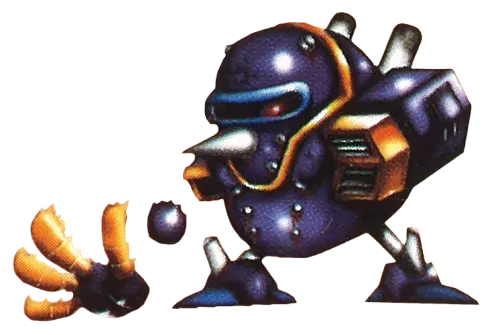
Mecha GolemBoss · Volcanic Tunnel, Cavern IslandA bulbous purple battlesuit with a reaching arm; blast off its faceplate to expose the pilot.
Kukku CruiserBoss · Lake RockyAn anti-submarine ship raining depth charges on the Sea Fox.
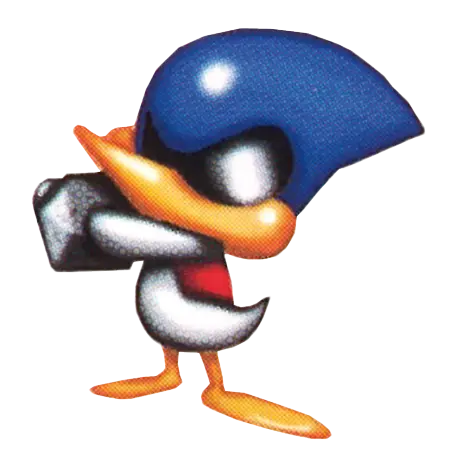
Bomb Throwing CombatantPolly Mt. 1A foot soldier who lobs bombs.
Rock Throwing CombatantPolly Mt. 1Throws rocks from the heights.
Jumping CombatantFrom Polly Mt. 1An agile trooper who leaps at Tails.
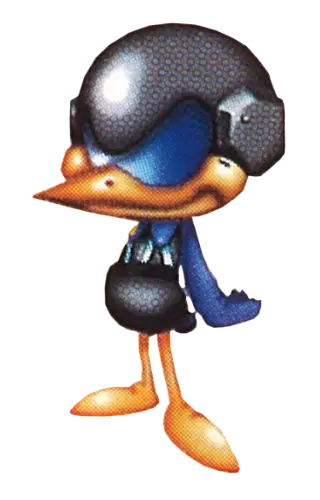
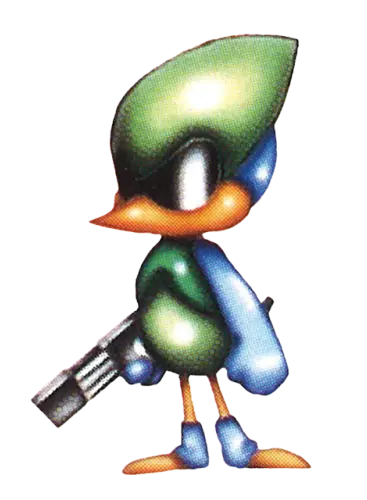
Sniper KukkuCoco Island · Battle Fortress 2Elite marksmen in heavy green armour. The Japanese name means “passive combatant”.
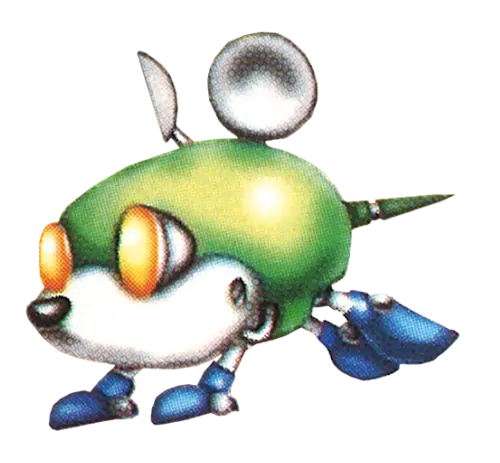
NezuCavesA little rat-shaped robot; the name comes from nezumi, mouse.
Bat RobotCavesHangs in the dark until its eyes light up, then swoops.
Drill MoleCavesLurks underground with only its drill showing.
Combat WalkerPoloy and Caron ForestA small walking mech with a front cannon.
Combat Hover PodPoloy and Caron ForestA round hovercraft not unlike Eggman’s Egg Mobile.
Little KukkuGreen IslandTiny, athletic and fond of flying kicks.
BeehiveGreen IslandWalk under it and the bees pour out.
Flying BomberSea Fox stagesSwoops over the water and drops bombs.
Robo KukkuBattle Fortress 2Mass-produced robot birds that ride the conveyor belts just to get in the way.
The people who made it
In-game credits as listed by Sega Retro; full names as given by Wikipedia.
Katsuhiro HasegawaProducer and director · K. HasegawaRan the project for Aspect.
M. Simamura, O. KoderaGame designDesigned the stages and the item puzzles.
Nobuhiko Honda, Shinichi HigashiArtDrew Tails, the Kukku army and Cocoa Island.
K. Oikawa, H. Saigusa, Y. MakishimaProgrammingSega Retro’s Aspect page names a Kazuyuki Oikawa as the company’s president and a Hiroyuki Saigusa as a founding member, probably the same two people.
Kojiro MikusaMusic · credited as K. MixaComposed the soundtrack, and went on to score Sonic Blast.
M23DS Virtual Console, 2013The emulation specialists behind the 3DS re-release.
How it was made
Our original page had no history. Very little has been published about how Tails Adventure was made, so this section sticks to what the game, its packaging and its credits show.
Aspect’s sideways step
Aspect had already made Sonic Chaos and Sonic Triple Trouble for the Game Gear when it built Tails Adventure, and it shows in the details: the Sea Fox submarine comes straight from its Sonic Triple Trouble, and its composer, Kojiro Mikusa, went on to score the studio’s Sonic Blast. What changed was the pace. Producer and director K. Hasegawa’s team swapped speed for exploration, item collecting and backtracking, closer to an adventure game than to anything else in the series at the time.
The cartridge carries an internal stamp, “Ver1,02”, dated 21 July 1995, two months before the Japanese release.
Before release
A prerelease screenshot from the European box.Image via Sonic Retro
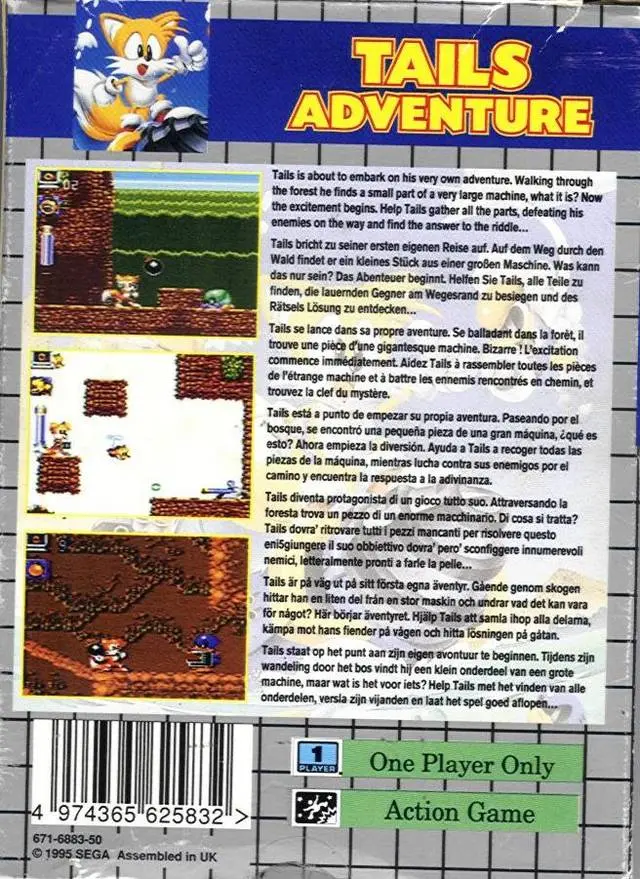
The packaging and manuals preserve an earlier version of the game. The map in the manual places Tails’ head lower, adds a path across the top and lacks the name box of the finished screen. The European box back shows Tails standing in an area that is not in the final game with his flight timer on screen, and his item icon is the Large Bomb while he throws an ordinary one; another shot puts a cannon on Polly Mt. 1, which has none in the released version.
Two stories, two titles
The Japanese title, Tails Adventures, stayed on the title screen everywhere, while the Western box dropped the final s. The manuals went further apart: Japan’s casts the game as Tails’ life before Sonic, while the English version moves the story to a holiday after the two have already teamed up. Some names differ too: in Japan the Remote Robot is Mecha Tails, the Sea Fox is the Sea Tail and Coco Island is Kukku Island.
Release
Sega released the game in Japan on 22 September 1995 at ¥3,800. The UK got it on 6 October at £29.99, and North America in November. Unlike the Japan-only Skypatrol, it was sold worldwide from the start.
Firsts: what this game introduced
What Tails Adventure brought to the series.
1Tails’ solo adventure in the WestSonic Retro calls it the first solo adventure for Tails released outside Japan; Tails’ Skypatrol, made first, stayed in Japan until 2003.
2The Battle Kukku EmpireGreat Battle Kukku 15th, Speedy and Dr. Fukurokov all debuted here.
3The Remote RobotTails’ remote-controlled robot double, the tool behind most of the game’s puzzles.
4A flying Sea FoxTriple Trouble’s submarine returns with a full weapons locker and, with the Rocket Booster, learns to fly.
5Exploration over speedTwelve interlinked stages and 32 items, with new gadgets reopening old areas, in the style later called Metroidvania.
6Friends as itemsSonic, Knuckles and Fang appear only as charms that lend Tails the Spin Dash, a punch and extra luck.
Cheats & secrets
Our original page had no cheats section, so this is new, checked against Sonic Retro’s hidden-content notes. Enter passwords from CONTINUE on the title screen.
All Chaos Emeralds
A767 AA3A 58A6 ED16
All items and a level select
ADE7 AA2A 51A6 6D12
Straight to the final boss
ADE6 AA2A 51A6 6D13 gives every item and marks every stage and boss as beaten, apart from the final fight.
Spinning cannons
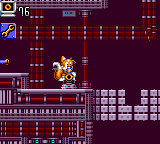
The Wrench has one official job, turning the conveyor belts in Battle Fortress 2. Take it back to Coco Island, which you can only reach again by going back through Lake Rocky, and use it while standing on one of the cannons: the cannon turns round in an animation the game otherwise never shows, then swings back. The cannon graphics are also loaded in Battle Fortress 2, where they were probably meant to appear.
Pro Action Replay
00D2F7:09 gives infinite rings (an unofficial code for cheat devices and emulators).
Checked against Sonic Retro, November 2026.
Glitches, exploits and oddities
A handful of bugs, none ever fixed, and one that speedrunners love.
Two of you at once
Tails and the Remote Robot moving together.Image via Sonic Retro
Tails is supposed to stand still while the Remote Robot is out. Launch the robot at the very moment Tails begins to climb a ledge, though, and the pad steers the pair of them together. The graphics cannot cope, with mangled sprites and either character liable to sink through solid ground after a jump, yet speedrunners rely on the trick to grab items and open up areas long before the game means them to.
Raido and Rocket Booter
The “Raido” on the equip screen.Image via Sonic Retro
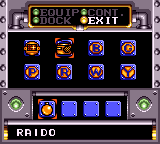
Two items are misspelt. The Radio reads “Raido” on the equip screen, though not when you pick it up, and the Rocket Booster is a “Rocket Booter” everywhere.
Backwards punches
Use the Knuckles item while walking right and Tails slides slightly backwards, which makes the short punch awkward to land. Keep punching and he drifts all the way to the left edge of the screen.
Stuck in the ceiling
Inside the rock in Lake Rocky.Image via Sonic Retro
In the second part of Lake Rocky, letting the Sea Fox drift into the drillable rocks while firing the Vulcan Gun can push it up into the ceiling. It can move around inside the walls but never get out again, and the only cure is a reset.
Swimming against the tide
Taking a hit makes Tails ignore the currents in Cavern Island’s flooded tunnels for a moment, so getting hurt in the right spot lets you swim down passages meant to be one-way.
Videos & media
A complete playthrough, and a short review from the retro games channel CGRundertow.
A full playthrough from the World of Longplays archive.
A short review from CGRundertow.
Trivia & facts
Lake Crystal’s rapids.Lake Rocky is not a lake but the sea around the island, and Lake Crystal is the island’s river.
Do not confuse Coco Island, the Kukku base, with Cocoa Island, the whole landmass. In Japanese the base is simply Kukku Island.
Both fortress stages are called just “Battle Fortress” in the English version.
Speedy already has his regnal number, 16th, while his father is very much alive and throwing bombs.
Tails cannot drown here, unlike Sonic in the main games: water only slows him and stops him flying.
The Mecha Golem’s wreckage stays on the floor of its Cavern Island cave for the rest of the game.
The Japanese manual says the Sea Fox, or Sea Tail, reaches 100 knots on a reactor of Tails’ own design.
Speedy is beaten in his first fight without taking a single hit: you only have to follow him to the summit, much like Eggman’s escape in Sonic 1’s Labyrinth Zone.
Media & artwork
Box art, artwork and screenshots, from Sonic Scene’s own galleries, Sonic Retro and Sonic Wiki Zone. Select any image to view it larger.
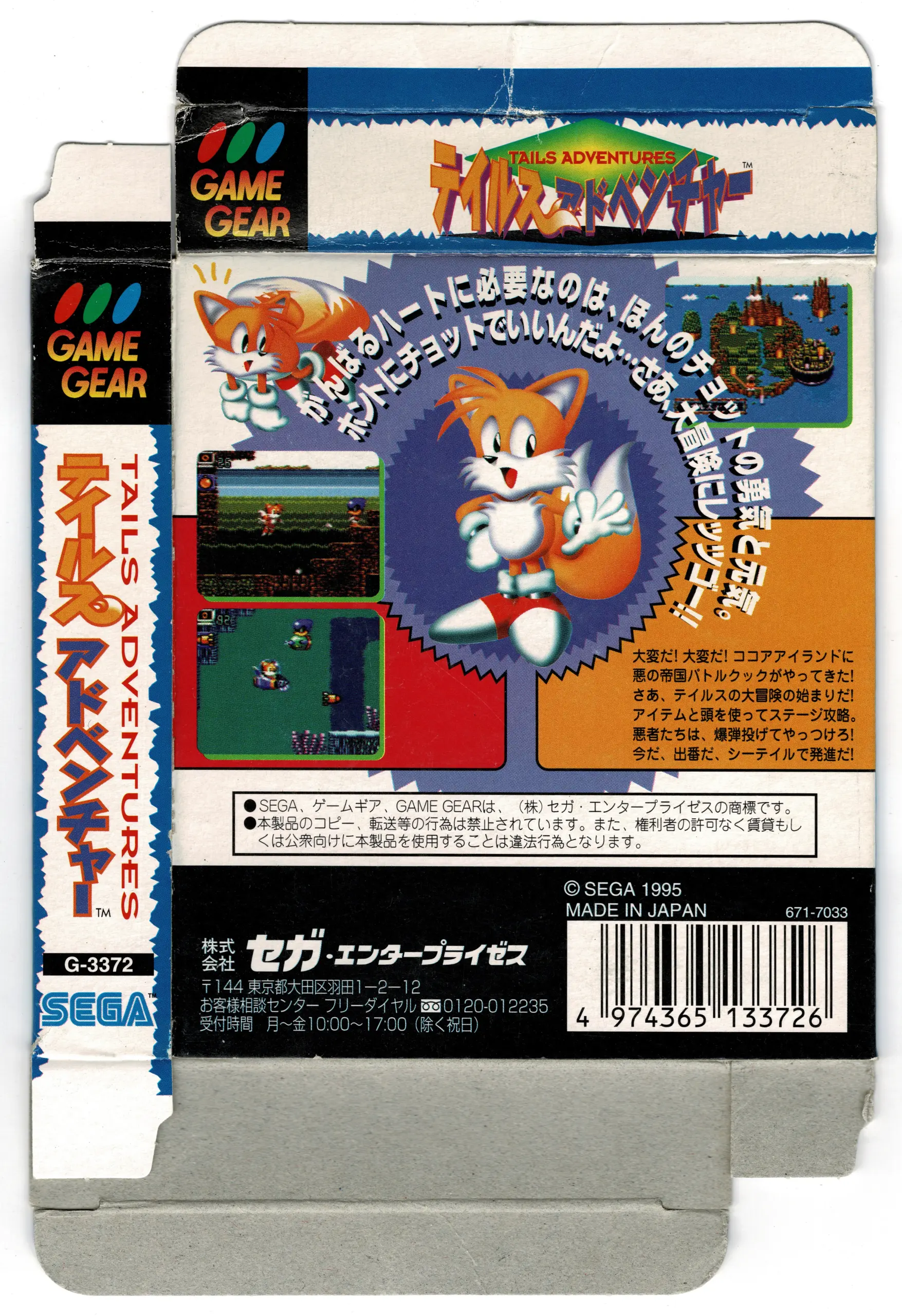
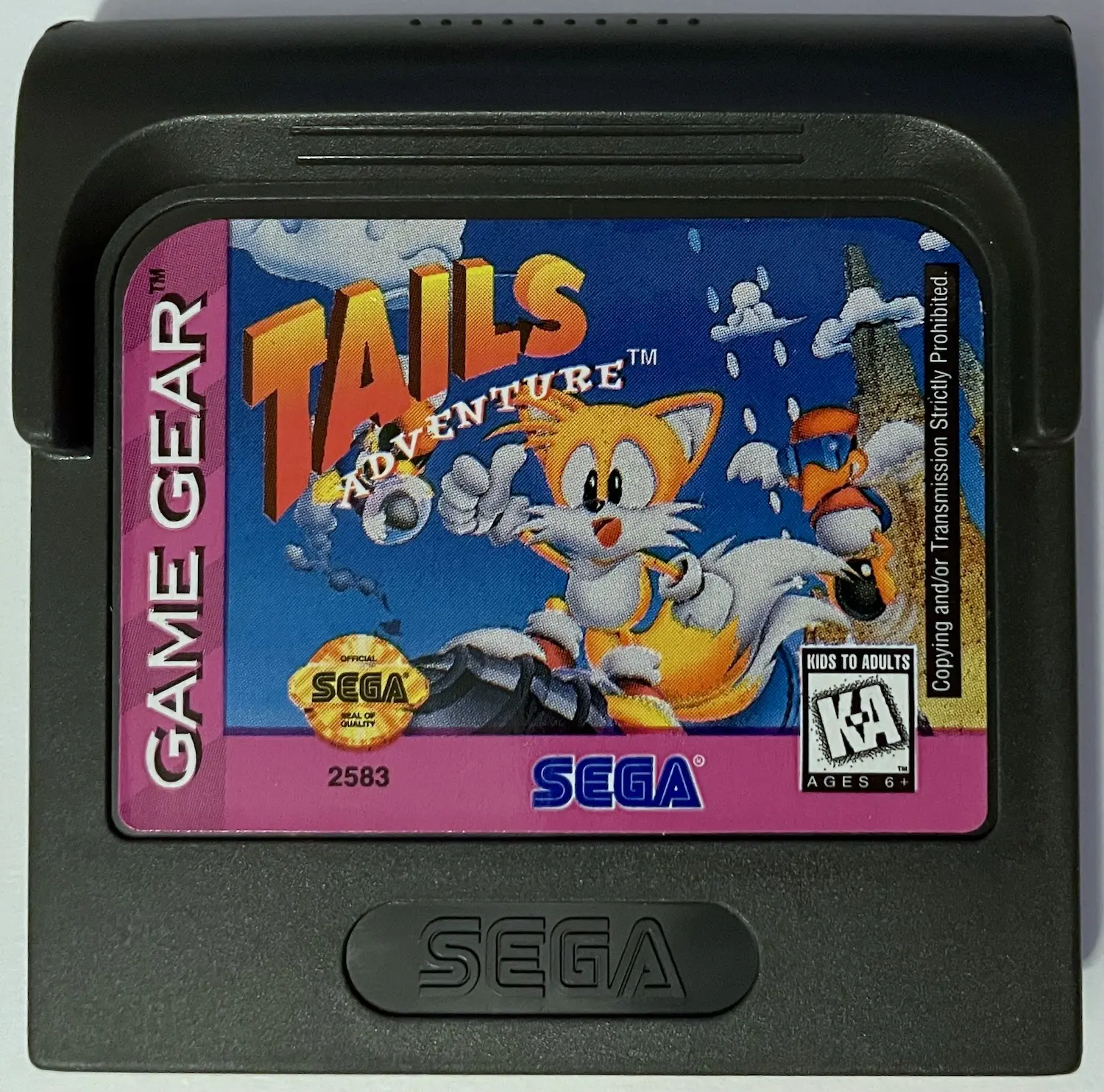
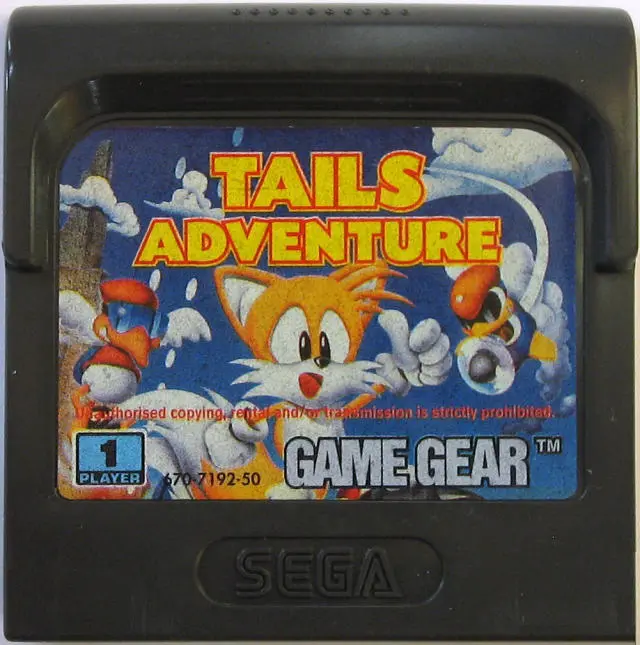
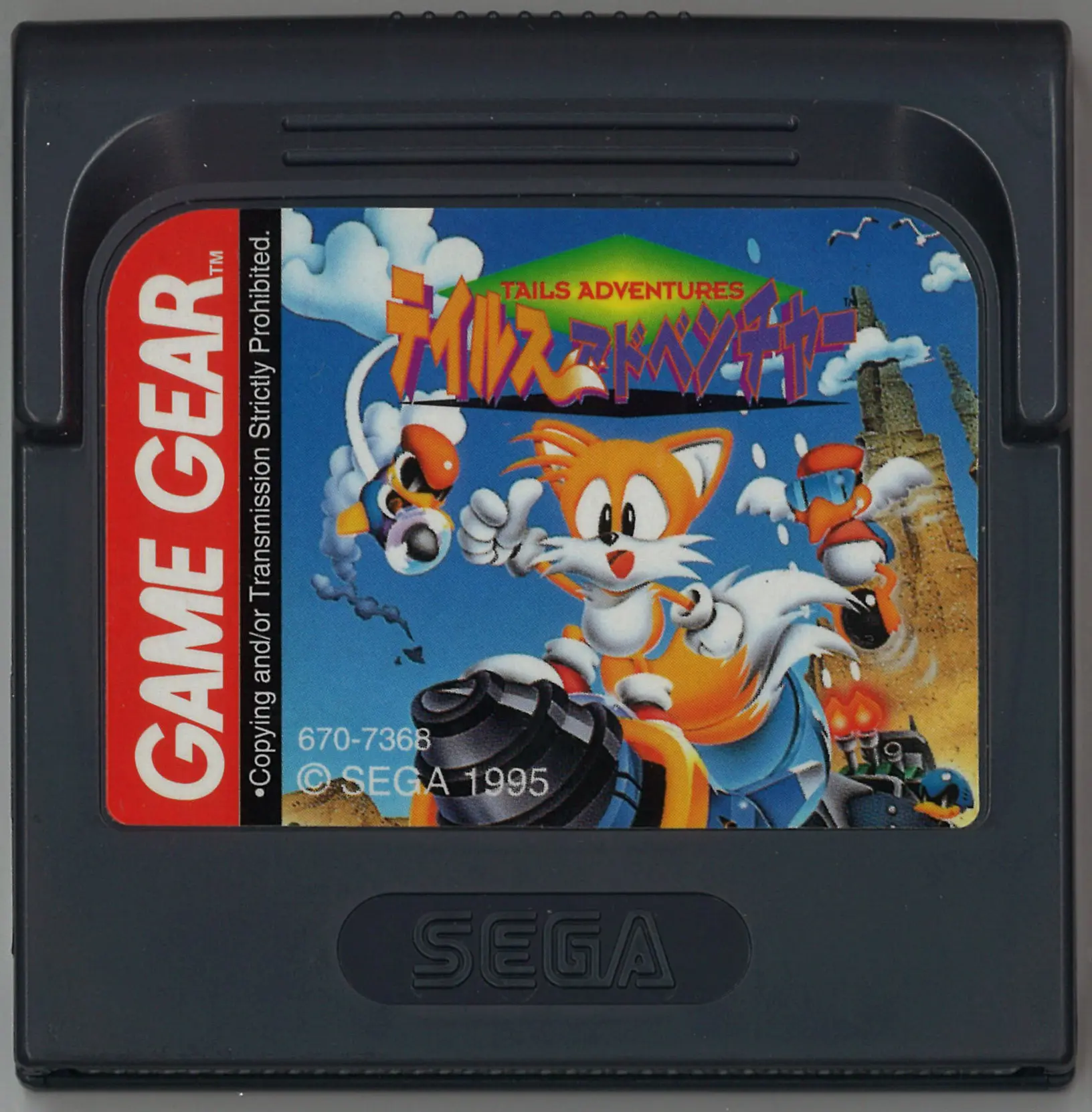
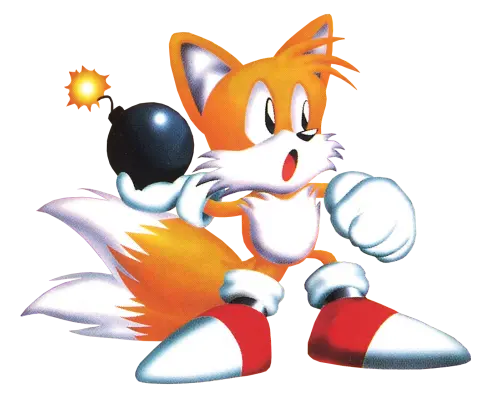
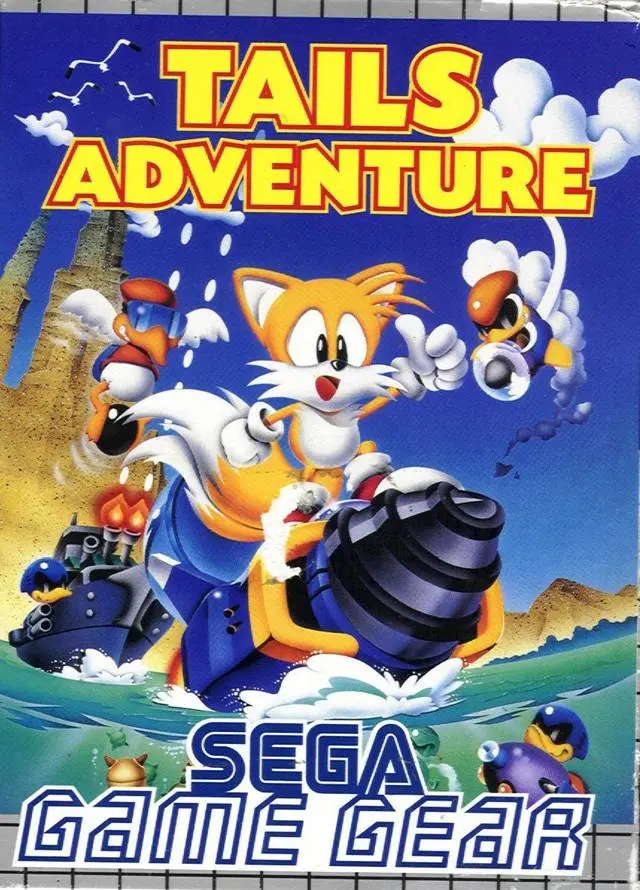
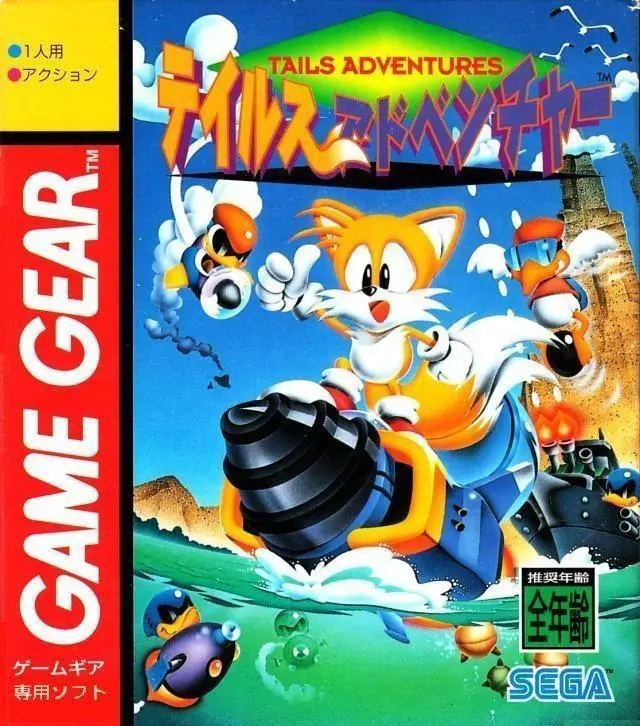
North American box.European box.Back of the European box.Japanese box.Back of the Japanese box.North American cartridge.European cartridge.Japanese cartridge.The English logo.The Japanese logo.Tails artwork.Tails with a bomb.Tails and the Flickies.Poloy Forest.Deep in the woods.Forest caves.Rocky heights.Above the clouds.Flooded tunnels.The Mecha Golem.The Sea Fox at sea.Flying the Sea Fox.Inside the Kukku base.Kukku machinery.Fortress corridors.The password screen.The final battle.A cannon turned with the Wrench.The map as shown in the manual.
Tails Adventure never got a sequel, but it has been re-released many times, and its reputation has climbed as players came to value what it tried.
Releases and re-releases
Game Gear (Japan)22 September 1995 – ¥3,800, as Tails Adventures.
Game Gear (Europe and UK)Autumn 1995 – UK release 6 October, £29.99.
Game Gear (North America)November 1995 – As Tails Adventure.
Sonic Adventure DX: Director’s Cut2003 – An unlockable bonus game.
Sonic Gems Collection2005 – GameCube and PlayStation 2.
PlayPal Plug and Play2006 – Coleco’s handheld.
Sonic PC Collection2009 – PC.
Nintendo 3DS Virtual Console2013 – 3 April in Japan, 20 June in the West; emulation by M2.
Sonic Origins Plus2023 – With every other Game Gear Sonic.
From odd one out to cult favourite
Reviewers who came to it on 3DS saw it as a different game from the one 1995 had dismissed. Nintendo Life called it the odd one out among the Game Gear Sonics but a strong case for its own identity, and USgamer recommended it as the nearest a Sonic game has come to feeling like a Nintendo series.
Sales & reviews
Sales
No sales figures have been published, and we have not found a reliable estimate.
77%Average of the 12 period scores below
88%Todo Sega, Spain
48%Famitsu, Japan
12Period reviews in Sega Retro’s index
Reception and review scores
Period reviews from Sega Retro’s index of magazine scans, with scores converted to percentages where needed.
Most magazines liked it without loving it. Mean Machines Sega called it decidedly unoriginal but found the secrets and the steep learning curve kept it interesting; EGM compared it to the Super Mario games and enjoyed hunting for hidden areas, while noting some screen blur. GamePro praised the graphics, controls and music but grumbled that it was nothing like as fast as a Sonic game. Famitsu, the harshest, found it too ordinary for a Sonic title and the view too narrow.
The compilations were less kind. Critics of the Gems Collection picked on the graphical glitches and poor emulation of its Game Gear extras, and 1UP put this one and Skypatrol down to Sega “scraping the bottom of the barrel”. The 3DS release turned things round: Nintendo Life and Nintendo World Report both drew comparisons with Metroid and Gargoyle’s Quest, though both disliked having to restart a stage when they found they had brought the wrong items.
Honours
USgamerRecommendedRecommended as the nearest a Sonic game has come to feeling like a Nintendo series.
Reader reviews
No reader reviews yet. Played it? Give it a score out of 10 and tell other fans what you think.
Every fact on this page was checked against the sources below. Sonic Retro and Sega Retro pages were read through Wayback Machine copies, because both live sites show a bot check; each link opens the copy we read. Magazine scores come from Sega Retro’s review index, which links each score to a scan of the original page.
To provide the best experiences, we use technologies like cookies to store and/or access device information. Consenting to these technologies will allow us to process data such as browsing behavior or unique IDs on this site. Not consenting or withdrawing consent, may adversely affect certain features and functions.
Functional
Always active
The technical storage or access is strictly necessary for the legitimate purpose of enabling the use of a specific service explicitly requested by the subscriber or user, or for the sole purpose of carrying out the transmission of a communication over an electronic communications network.
Preferences
The technical storage or access is necessary for the legitimate purpose of storing preferences that are not requested by the subscriber or user.
Statistics
The technical storage or access that is used exclusively for statistical purposes.The technical storage or access that is used exclusively for anonymous statistical purposes. Without a subpoena, voluntary compliance on the part of your Internet Service Provider, or additional records from a third party, information stored or retrieved for this purpose alone cannot usually be used to identify you.
Marketing
The technical storage or access is required to create user profiles to send advertising, or to track the user on a website or across several websites for similar marketing purposes.


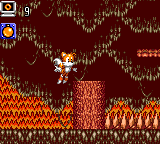 Poloy ForestStage 1 · boss: Bird WalkerTails’ own woods, set ablaze in the opening attack. The fighting goes on inside giant hollow trees and along their branches.
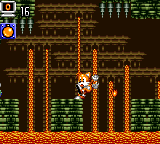 Volcanic TunnelStage 2 · boss: Mecha GolemLava pits, leaping fireballs and passages only the Remote Robot can squeeze through. A dip in the lava costs four rings.
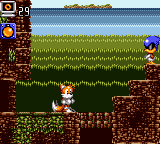 Polly Mt. 1Stage 3 · boss: Battle Kukku 16thWindswept peaks full of helmeted birds lobbing bombs and rocks. Ends with a chase up the mountain after Speedy.
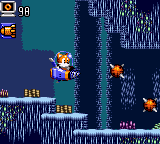 Lake RockyStage 4 · Sea Fox · boss: Kukku CruiserNot a lake at all but the sea around the island, and the Sea Fox’s first outing.
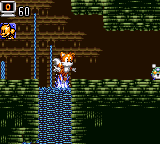 Cavern IslandStage 5 · boss: Mecha GolemA flooded maze of tunnels and strong currents. Water slows Tails and grounds him, but he can never drown.
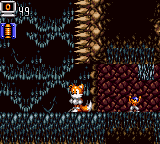 Green IslandStage 6A jungle islet north-west of Cocoa Island, with passages in tree trunks, updrafts, beehives and undergrowth that only fire will clear.
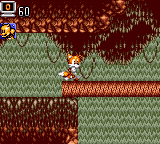 Caron ForestStage 7Reached by burning through the bushes in Poloy Forest: the same kind of woodland, still green and unburnt.
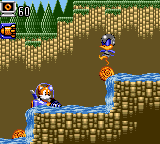 Lake CrystalStage 8 · Sea FoxReally the island’s river. The Sea Fox hops upstream over floating logs to a great waterfall.
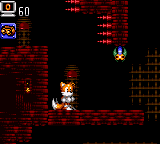 Polly Mt. 2Stage 9The mountain’s pitch-black heart, barely playable without the Night Vision goggles.
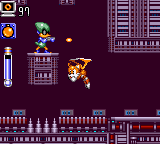 Coco IslandStage 10 · boss: Dr. FukurokovThe Kukkus’ mechanised base, reached after a gruelling submarine battle. It vanishes from the map once cleared.
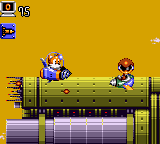 Battle Fortress 1Stage 11 · Sea FoxThe base rises from the sea and takes to the air; the rocket-boosted Sea Fox follows it into the sky.
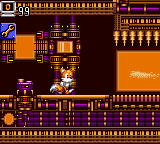 Battle Fortress 2Stage 12 · bosses: Battle Kukku 16th, Great Battle Kukku 15thOn board the fortress, among endless conveyor belts, for the last two fights.
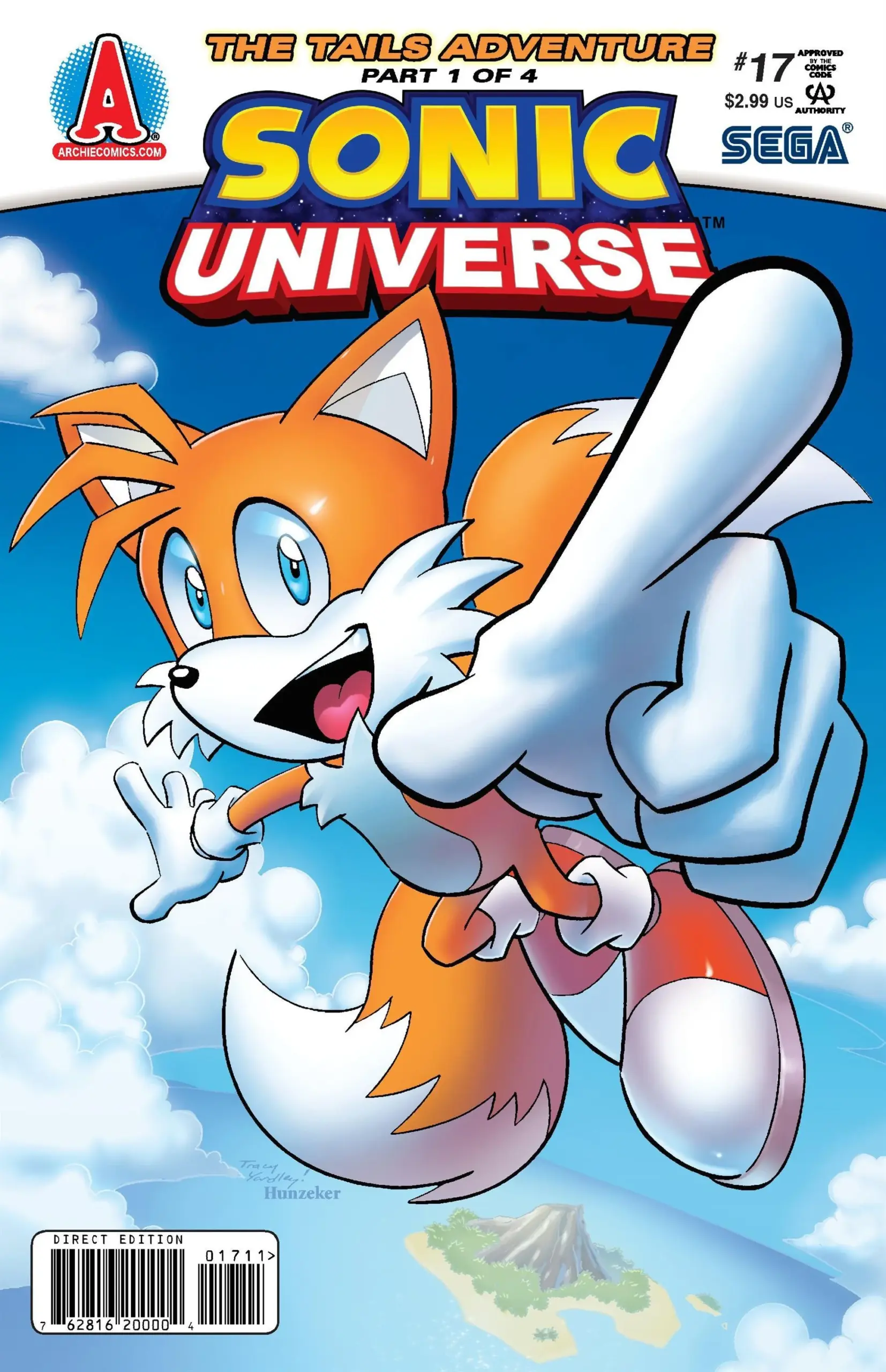 Sonic Universe: The Tails AdventureArchie Comics · issues 17–20 · 2010A four-part adaptation, fifteen years after the game, that loosely follows its plot: Tails takes the newly married Antoine and Bunnie to Cocoa Island for their honeymoon. It also marked the first full appearance of the Battle Bird Armada, Archie’s version of the Kukkus, who had only been hinted at before.
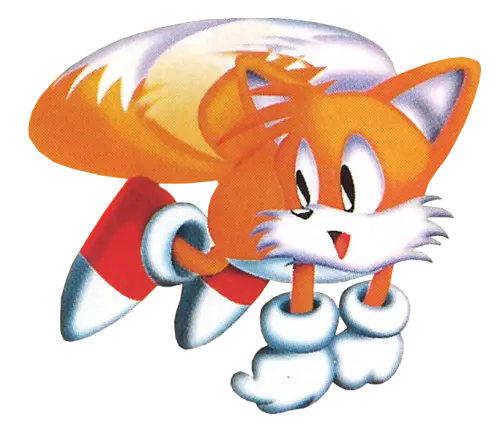 Miles “Tails” ProwerThe only playable character
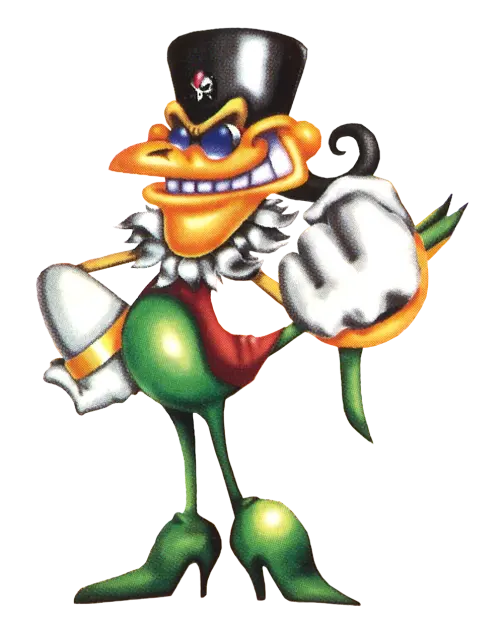 Great Battle Kukku 15thEmperor · グレイトバトルクック15世
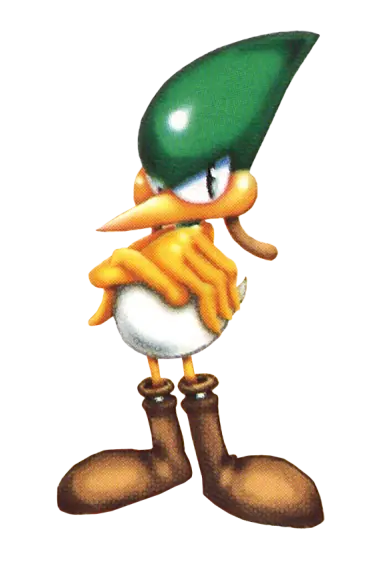 Battle Kukku 16th “Speedy”Crown prince · バトルクック16世
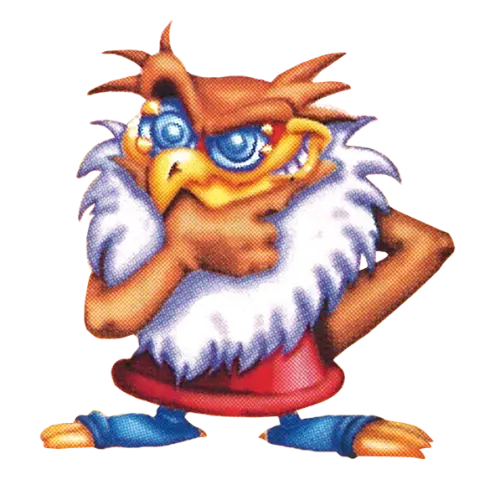 Dr. FukurokovImperial scientist
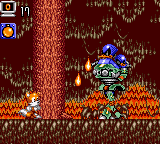 Bird WalkerBoss · Poloy ForestA two-legged green robot crewed by two Kukkus, with flamethrowers.
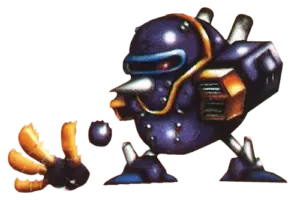 Mecha GolemBoss · Volcanic Tunnel, Cavern IslandA bulbous purple battlesuit with a reaching arm; blast off its faceplate to expose the pilot.
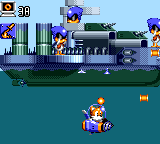 Kukku CruiserBoss · Lake RockyAn anti-submarine ship raining depth charges on the Sea Fox.
 Bomb Throwing CombatantPolly Mt. 1A foot soldier who lobs bombs.
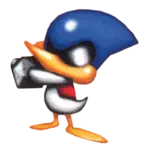 Rock Throwing CombatantPolly Mt. 1Throws rocks from the heights.
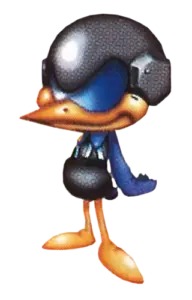 Jumping CombatantFrom Polly Mt. 1An agile trooper who leaps at Tails.
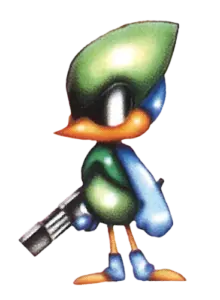 Sniper KukkuCoco Island · Battle Fortress 2Elite marksmen in heavy green armour. The Japanese name means “passive combatant”.
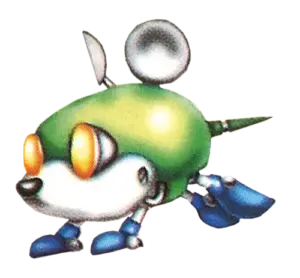 NezuCavesA little rat-shaped robot; the name comes from nezumi, mouse.
 Bat RobotCavesHangs in the dark until its eyes light up, then swoops.
 Drill MoleCavesLurks underground with only its drill showing.
 Combat WalkerPoloy and Caron ForestA small walking mech with a front cannon.
 Combat Hover PodPoloy and Caron ForestA round hovercraft not unlike Eggman’s Egg Mobile.
 Little KukkuGreen IslandTiny, athletic and fond of flying kicks.
 BeehiveGreen IslandWalk under it and the bees pour out.
 Flying BomberSea Fox stagesSwoops over the water and drops bombs.
 Robo KukkuBattle Fortress 2Mass-produced robot birds that ride the conveyor belts just to get in the way.