Sega’s big bet on a Western Sonic: new looks, a new TV show and a new villain, an ancient cyborg snake. The game that launched it all became one of the most mocked in the series.
Released11 Nov 2014 (NA) · 21 Nov 2014 (Europe) · 29 Nov 2014 (Australia) · 18 Dec 2014 (Japan)
DeveloperBig Red Button Entertainment (with IllFonic)
DirectorBob Rafei
VillainsLyric the Last Ancient, Dr. Eggman, Metal Sonic, Shadow
EngineCryEngine 3
Sales620,000 with Shattered Crystal (by March 2015)
Title
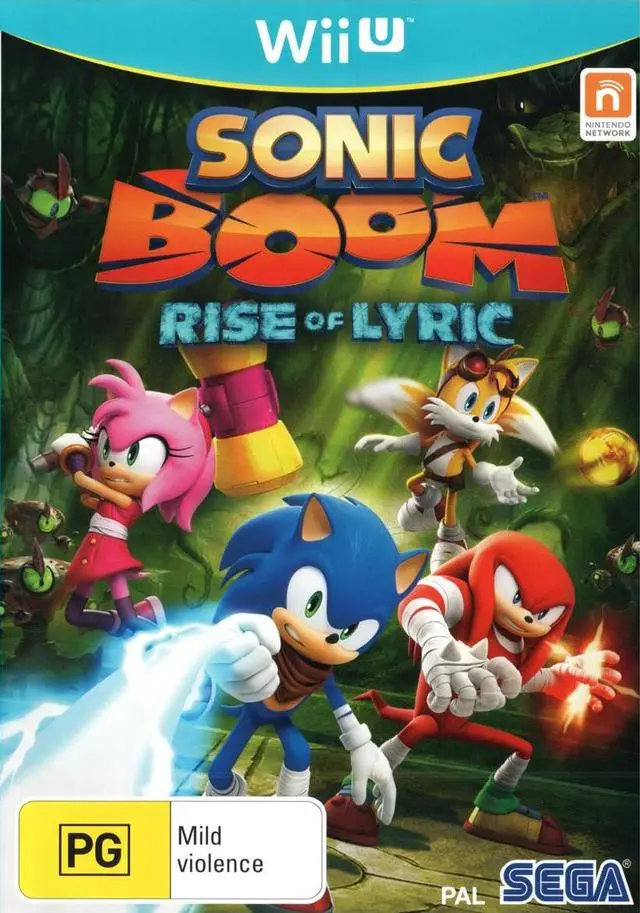
Sonic Boom: Rise of Lyric; Japan: ソニックトゥーン 太古の秘宝 (Sonic Toon: Ancient Treasure); France: Sonic Boom: L’Ascension de Lyric; Germany: Sonic Boom: Lyrics Aufstieg; Spain: El Ascenso de Lyric; Italy: L’Ascesa di Lyric
Working titles
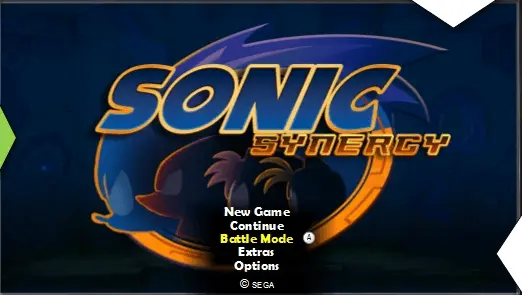
Sonic Origins; Sonic Synergy
Platform
Wii U
Developer
Big Red Button Entertainment, Los Angeles, with IllFonic; supervised by Sonic Team (Takashi Iizuka)
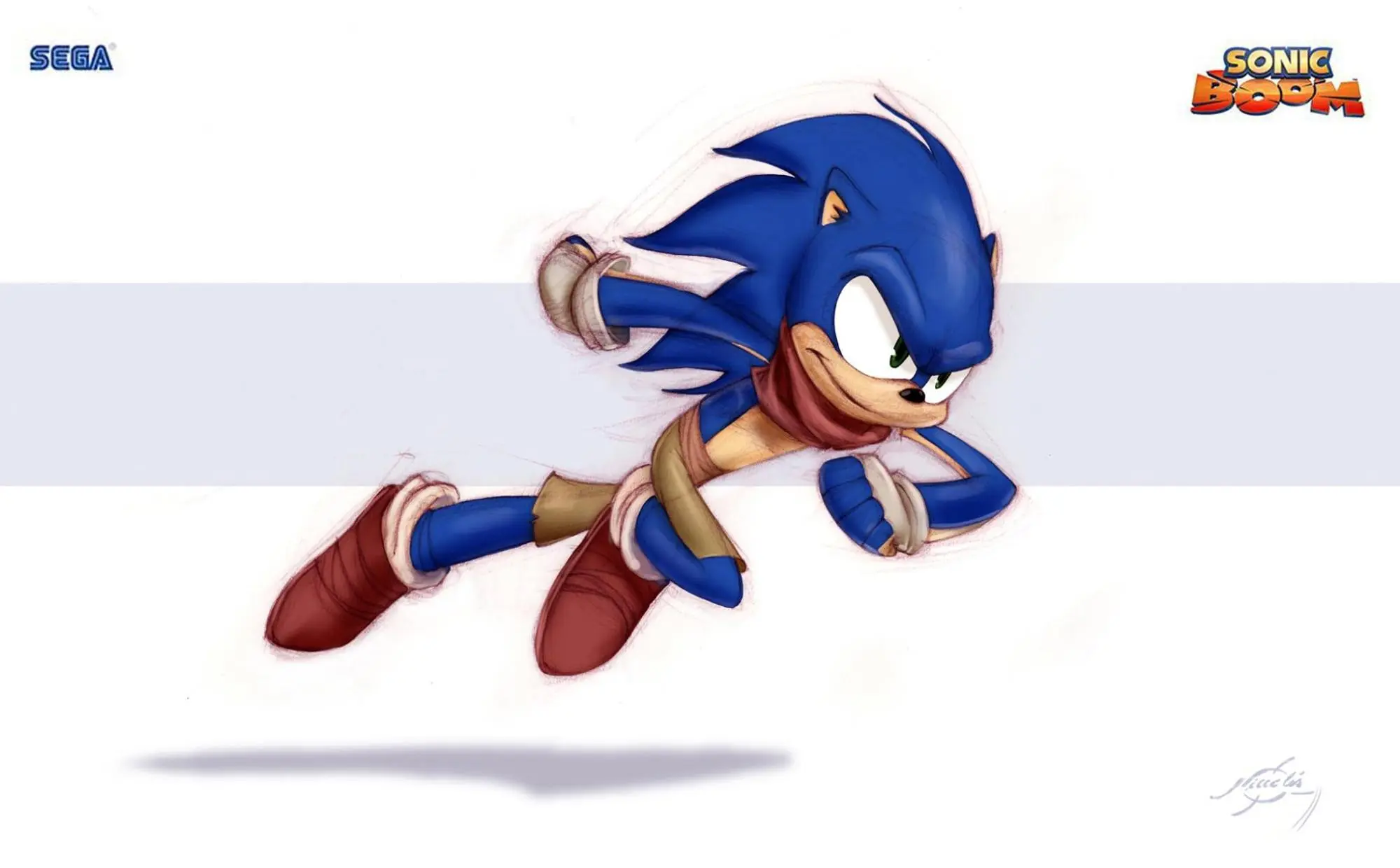
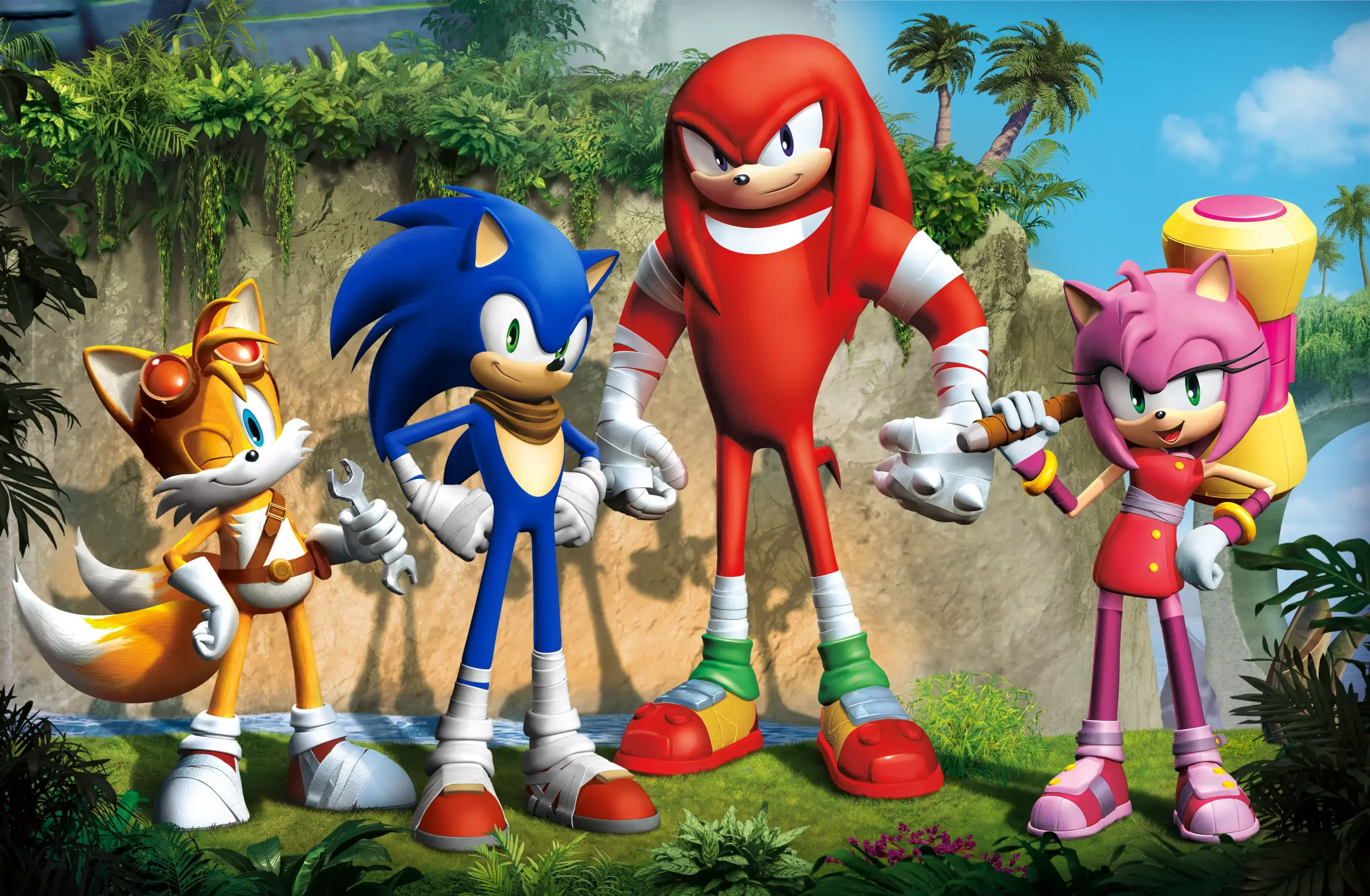
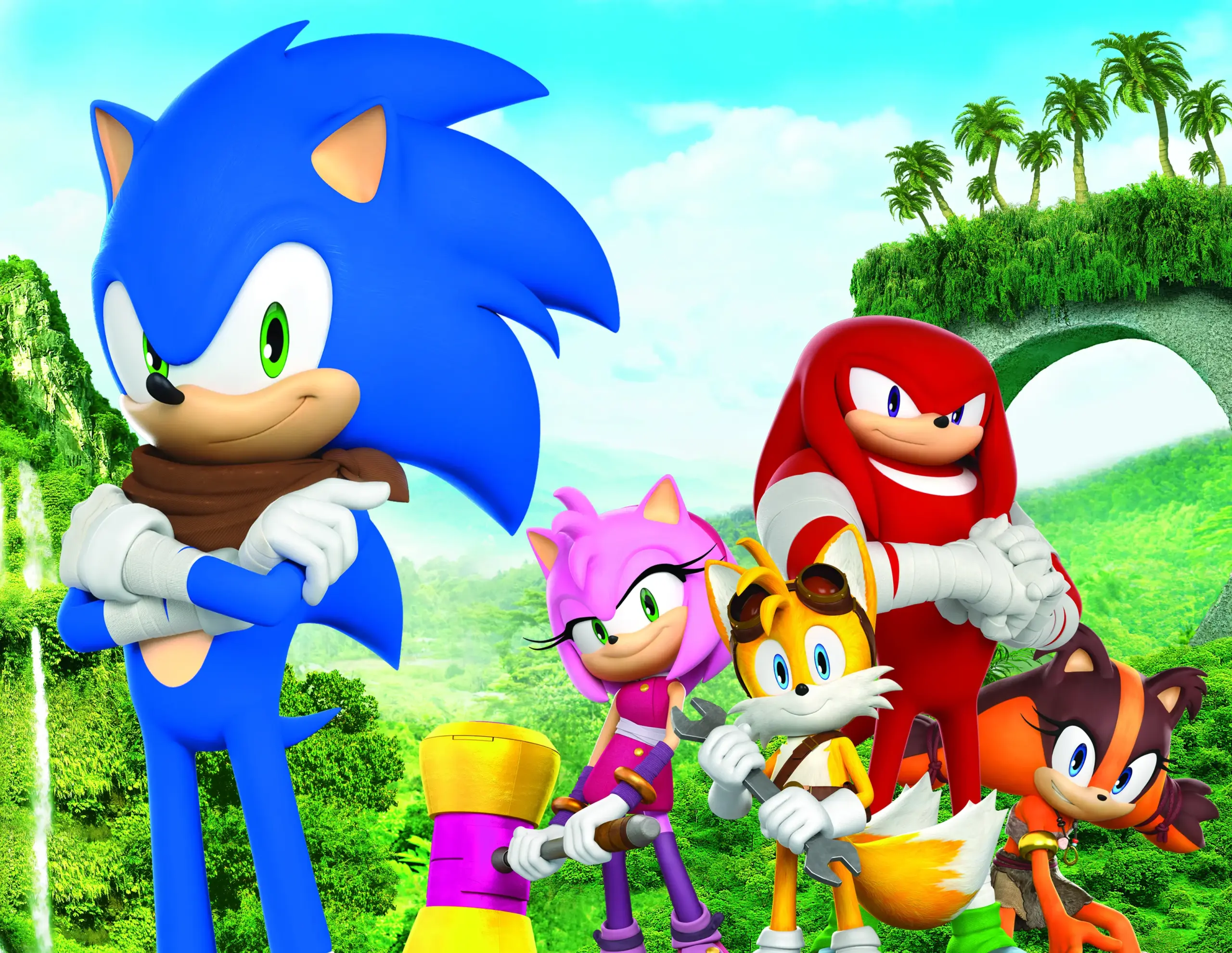
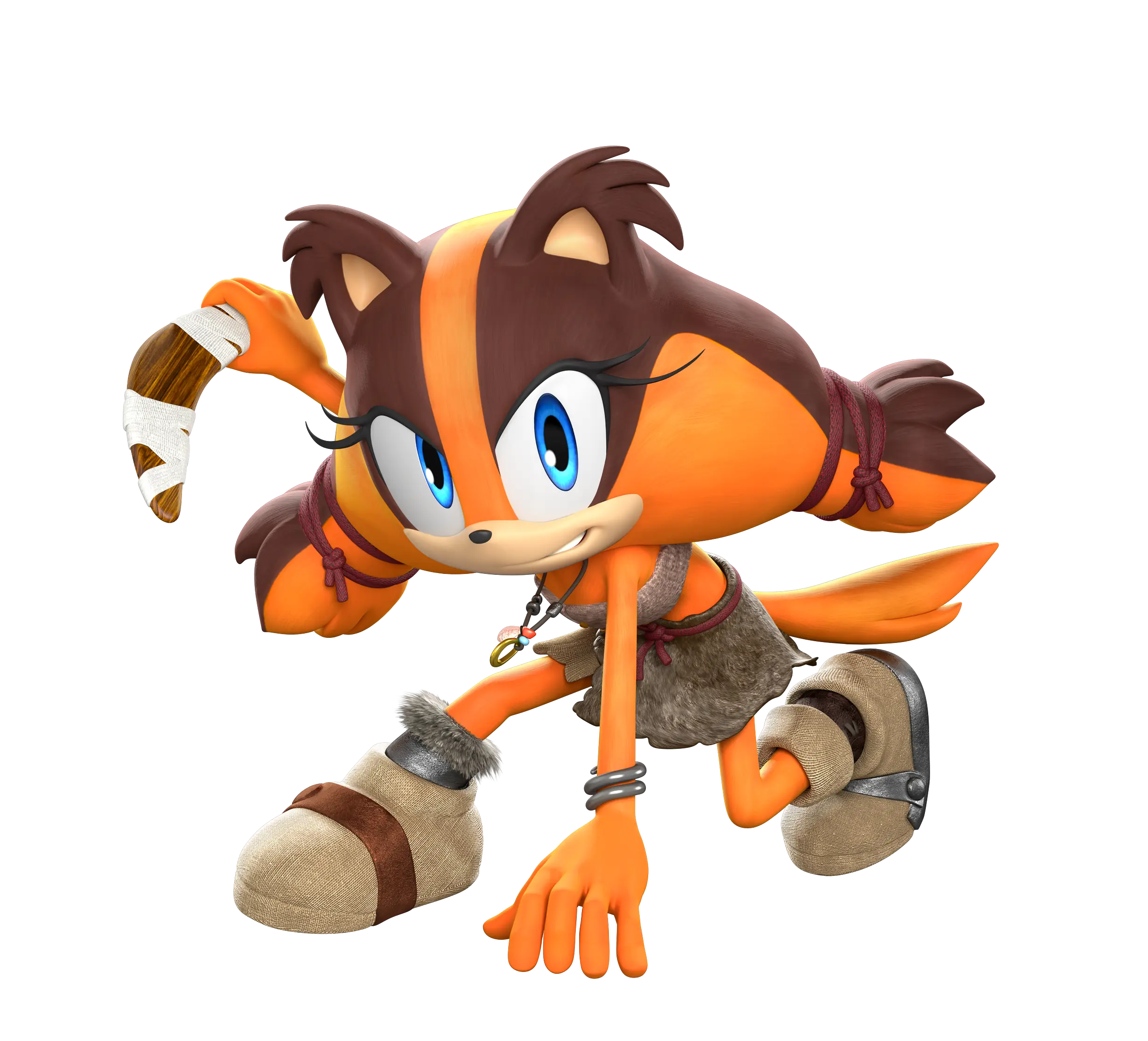
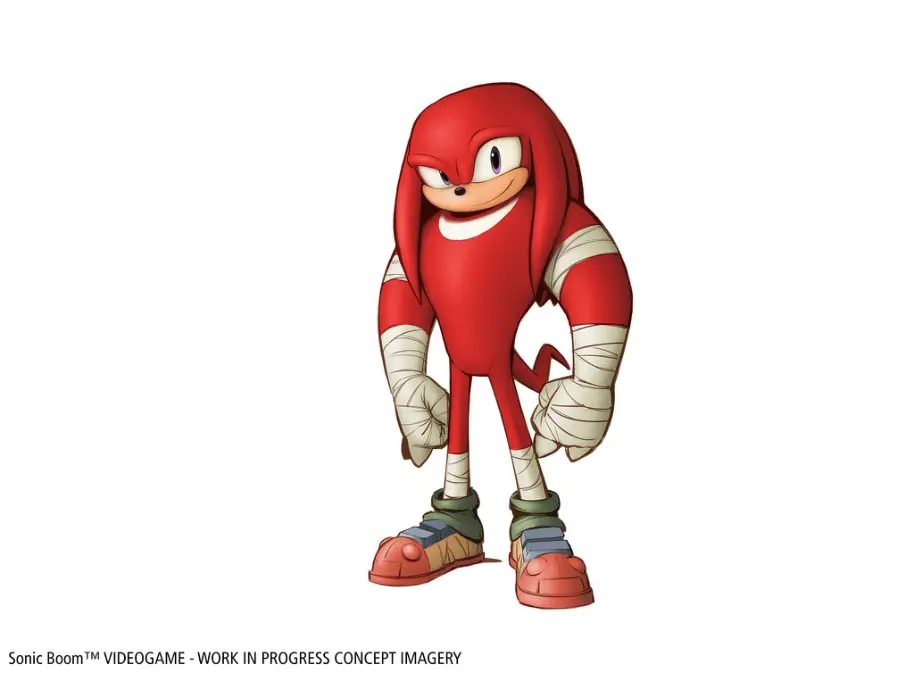
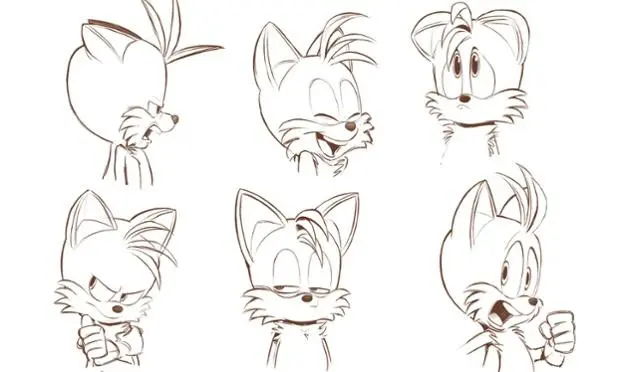
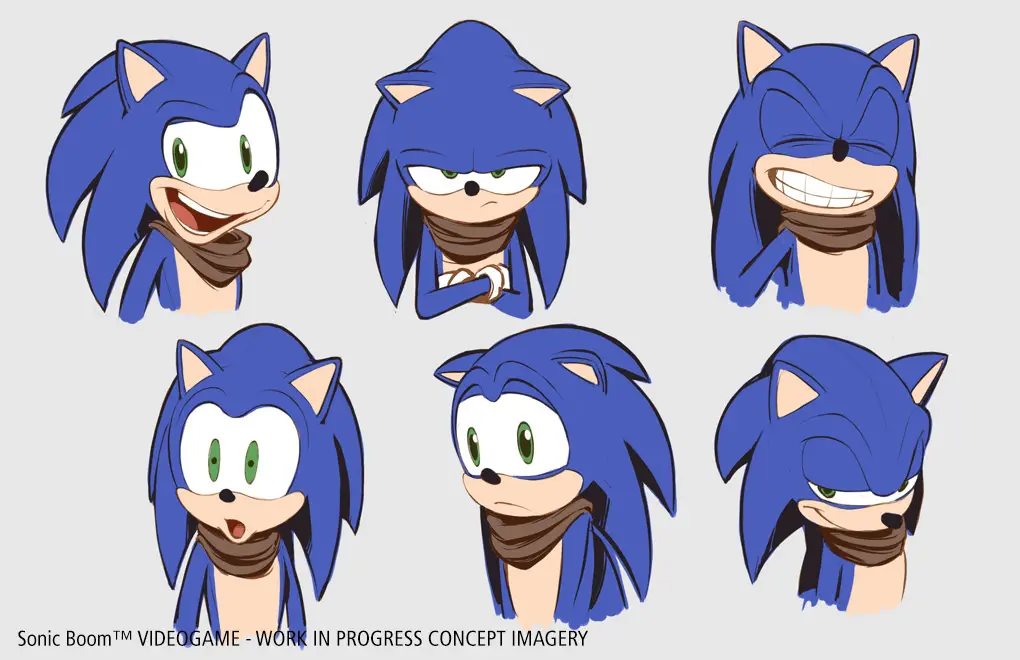
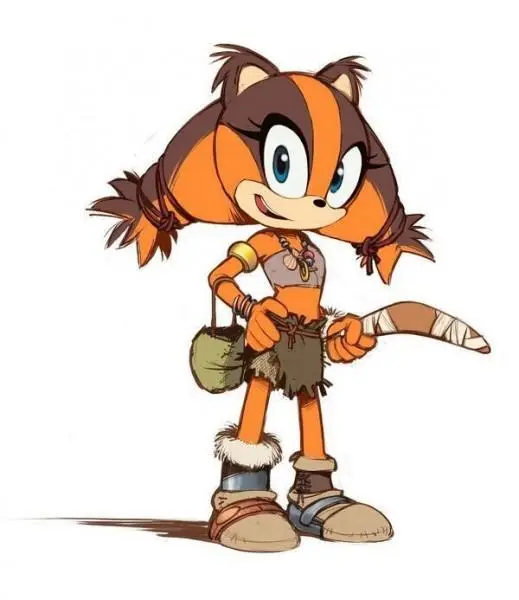
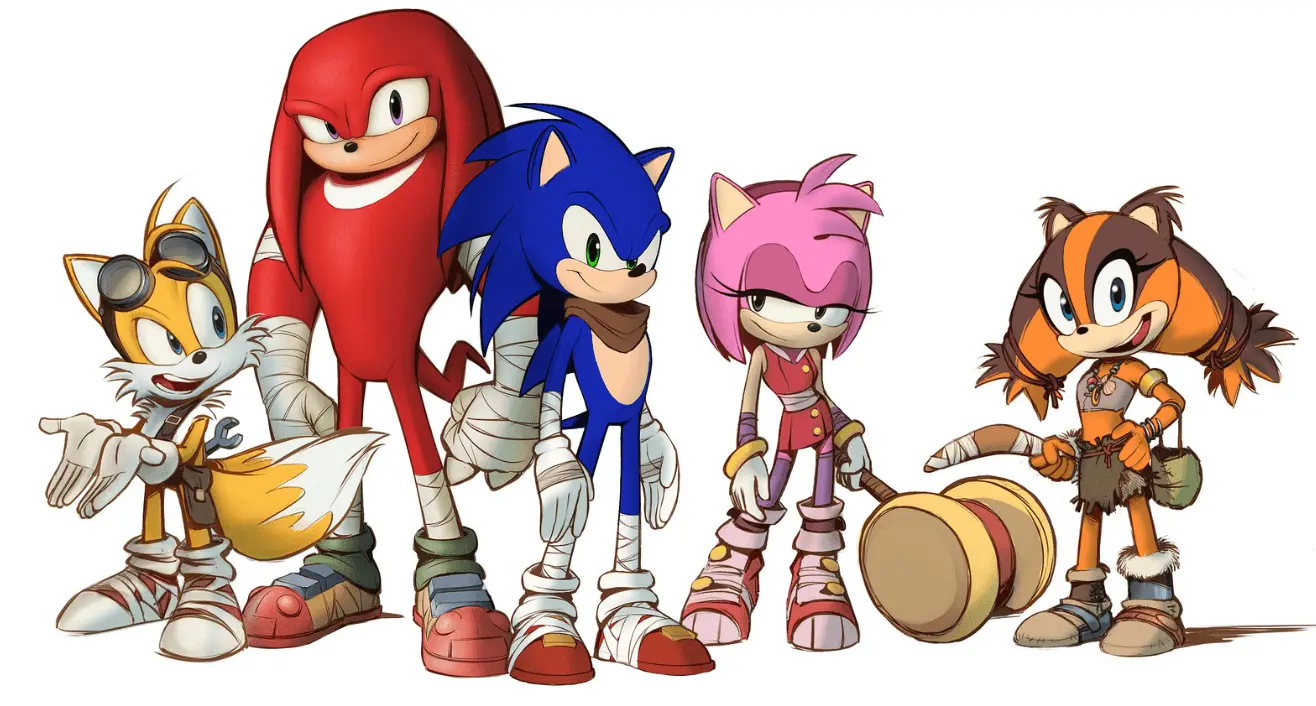
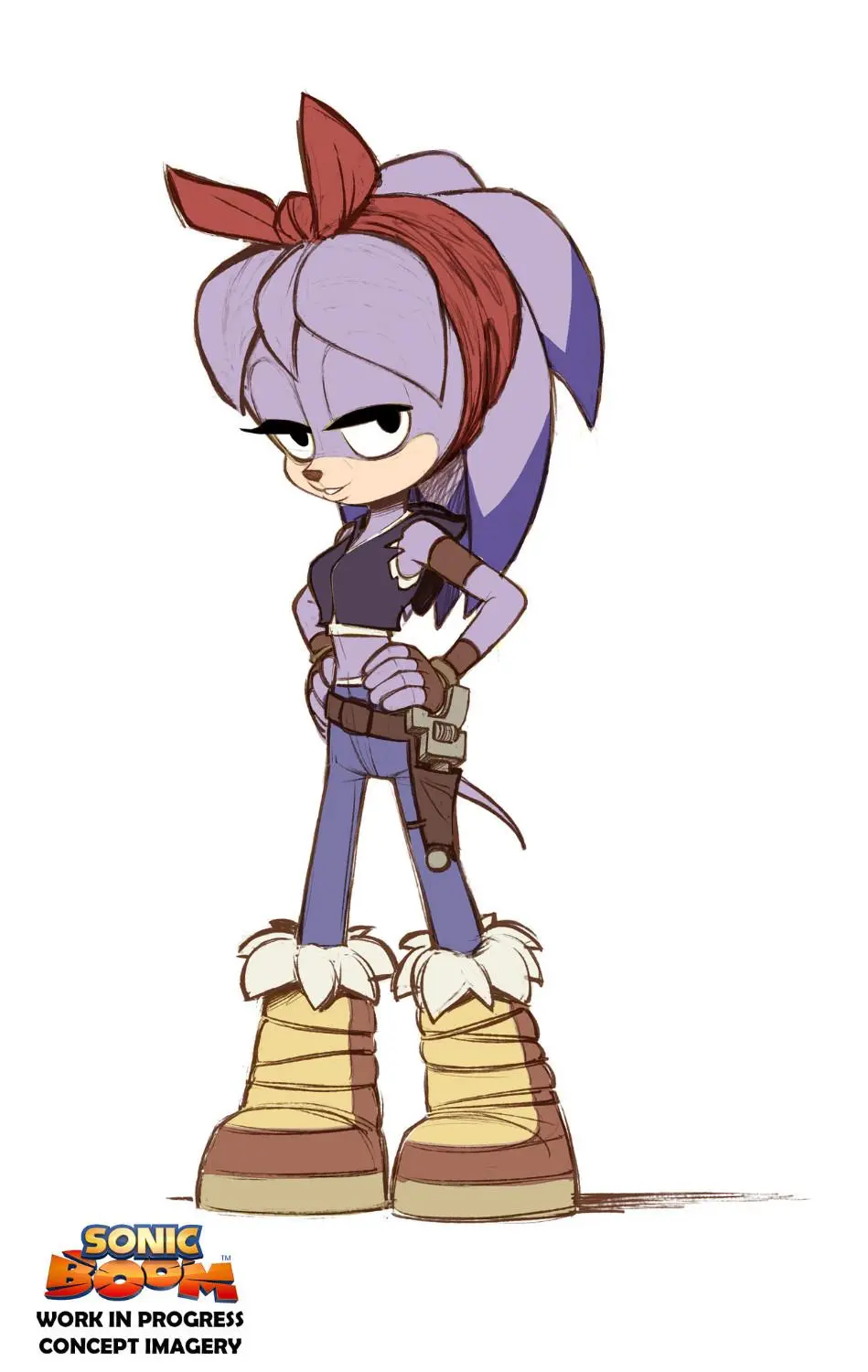
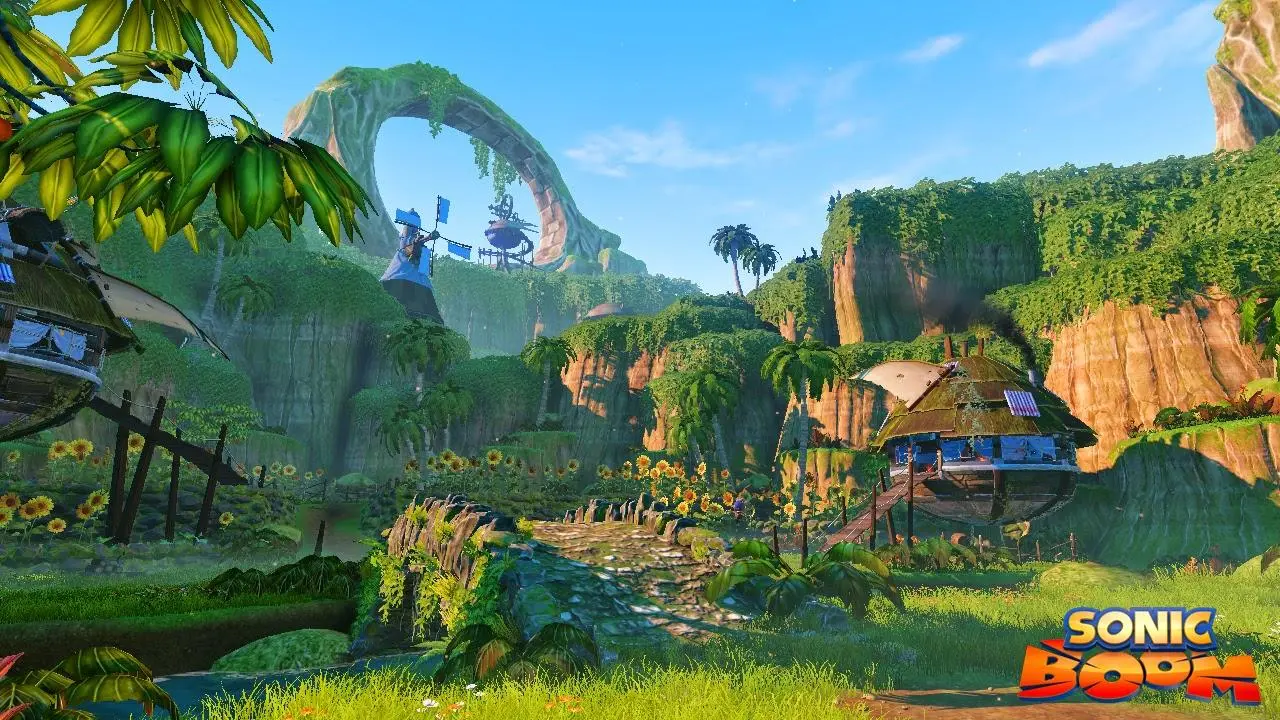
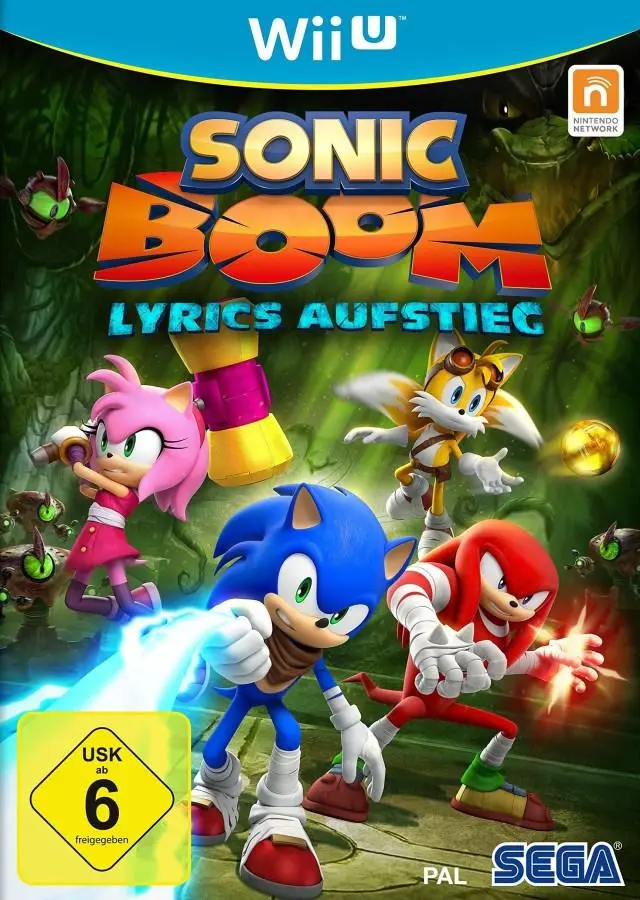
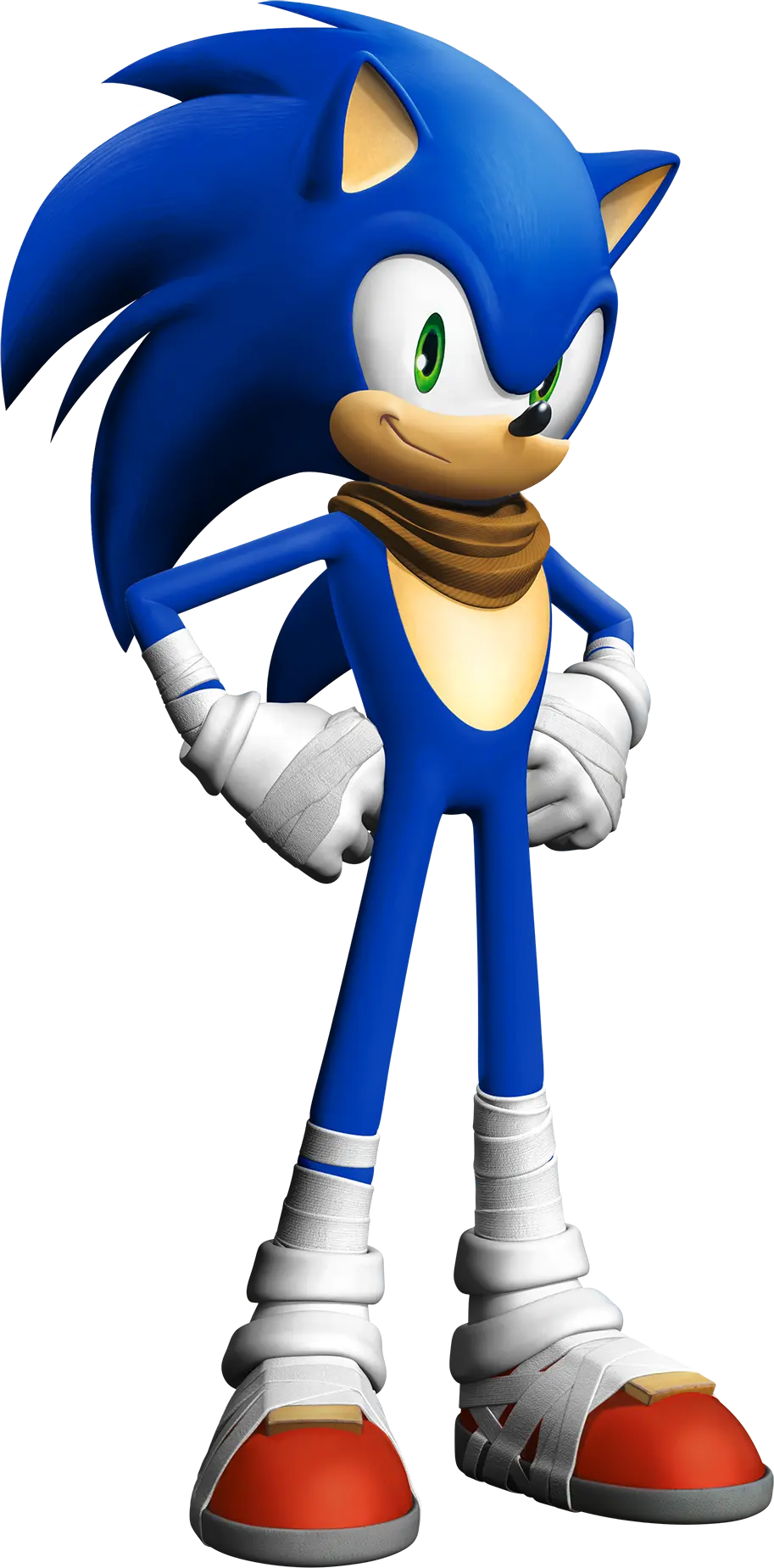
In 2014 Sega launched Sonic Boom, a new branch of the series aimed at Western audiences, with its own continuity: a CGI cartoon on Cartoon Network, an Archie comic, toys from Tomy and two games, Rise of Lyric for the Wii U and Sonic Boom: Shattered Crystal for the 3DS. Sonic got a neckerchief and sports tape, Knuckles became a towering, dim-witted strongman, Amy and Tails were refreshed, and a new heroine, Sticks the Badger, joined the team.
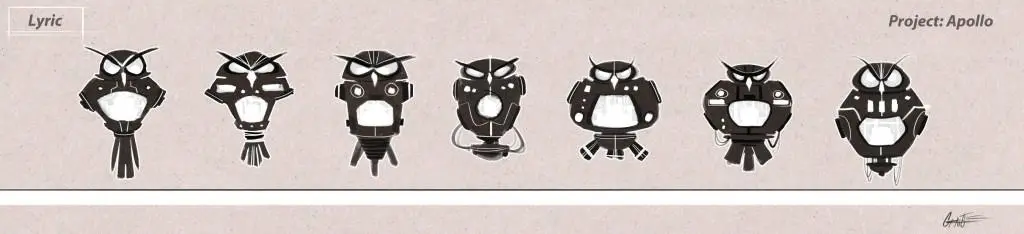
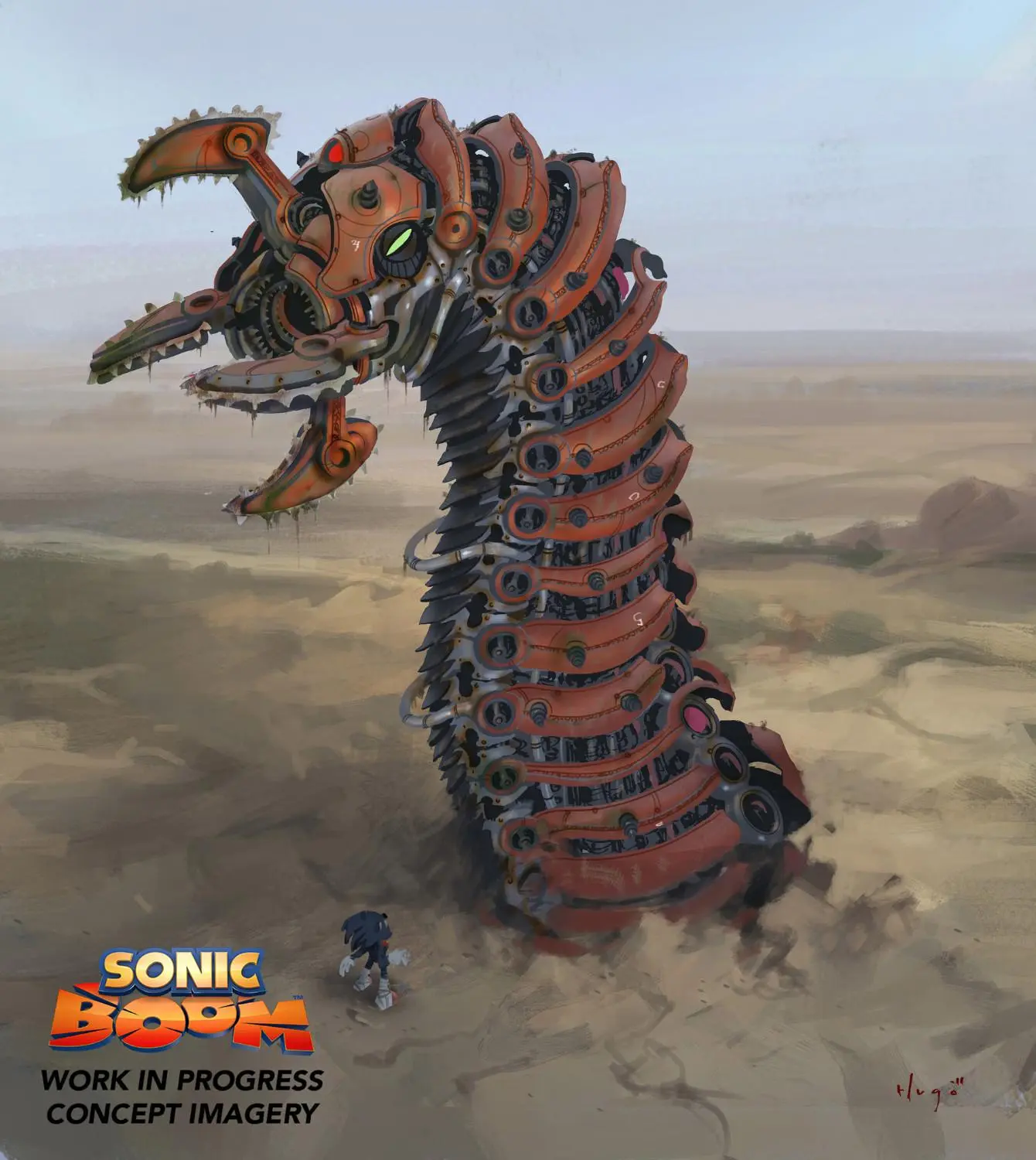
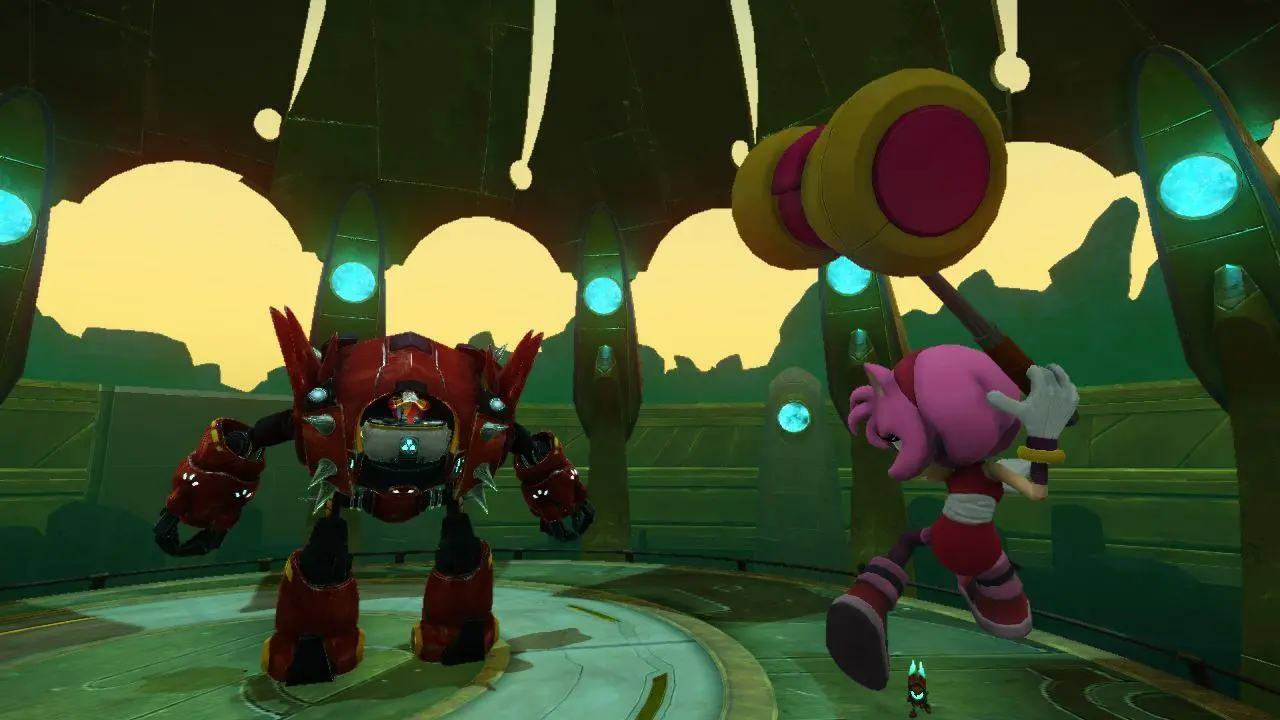
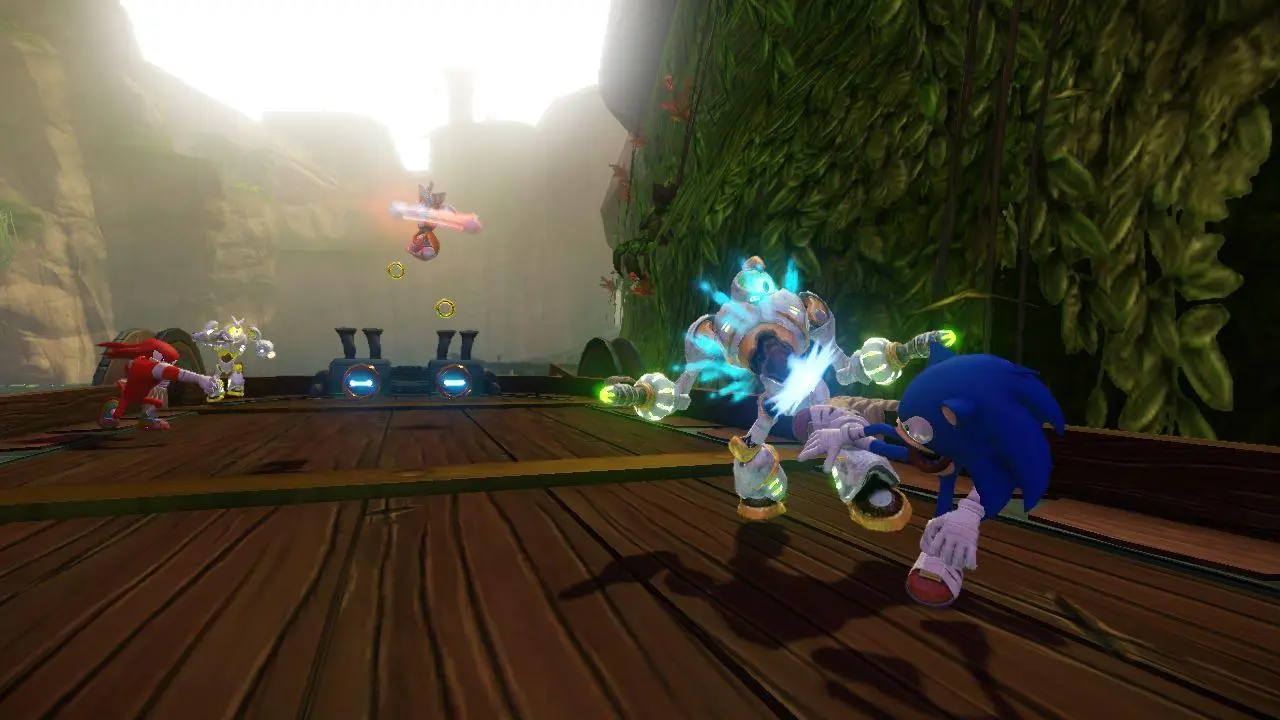
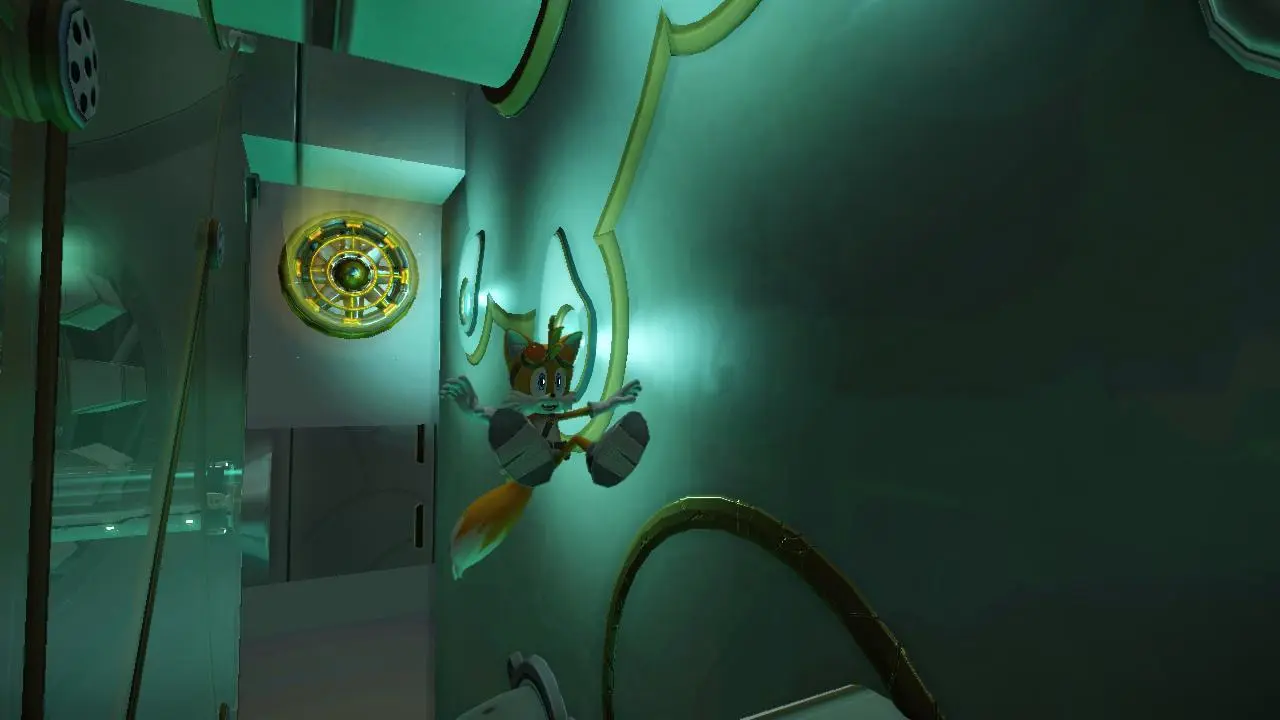
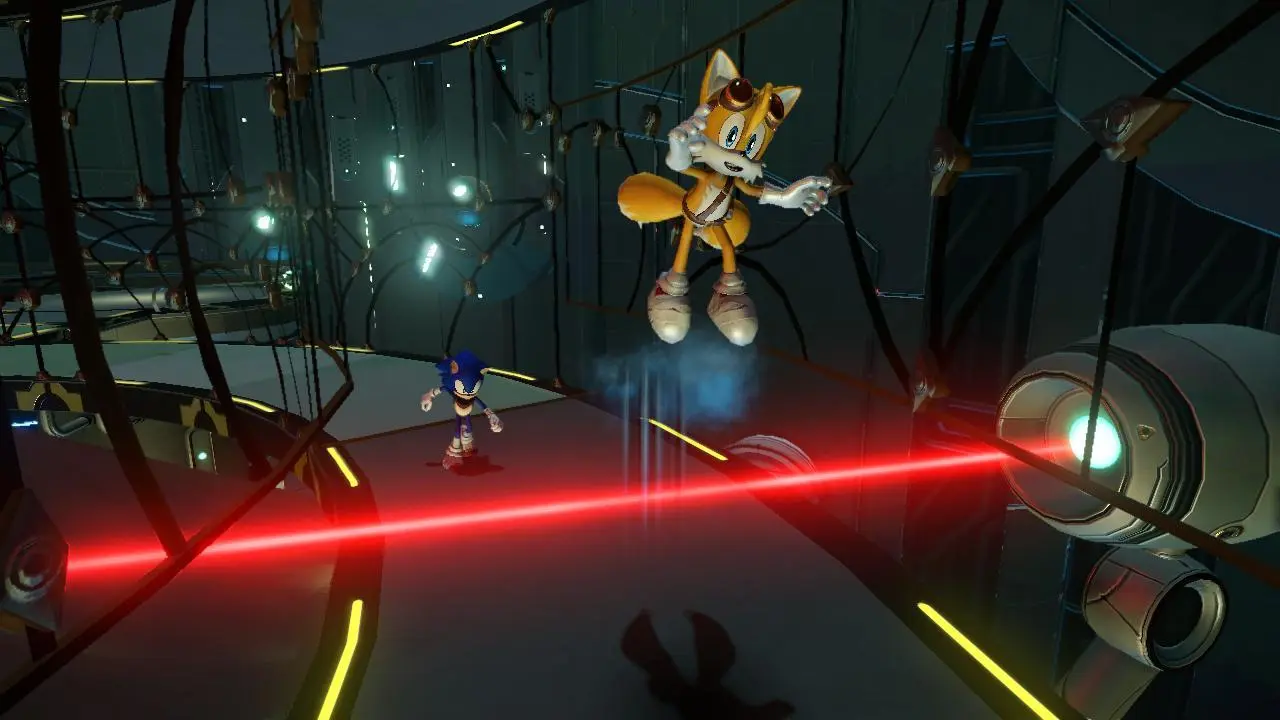
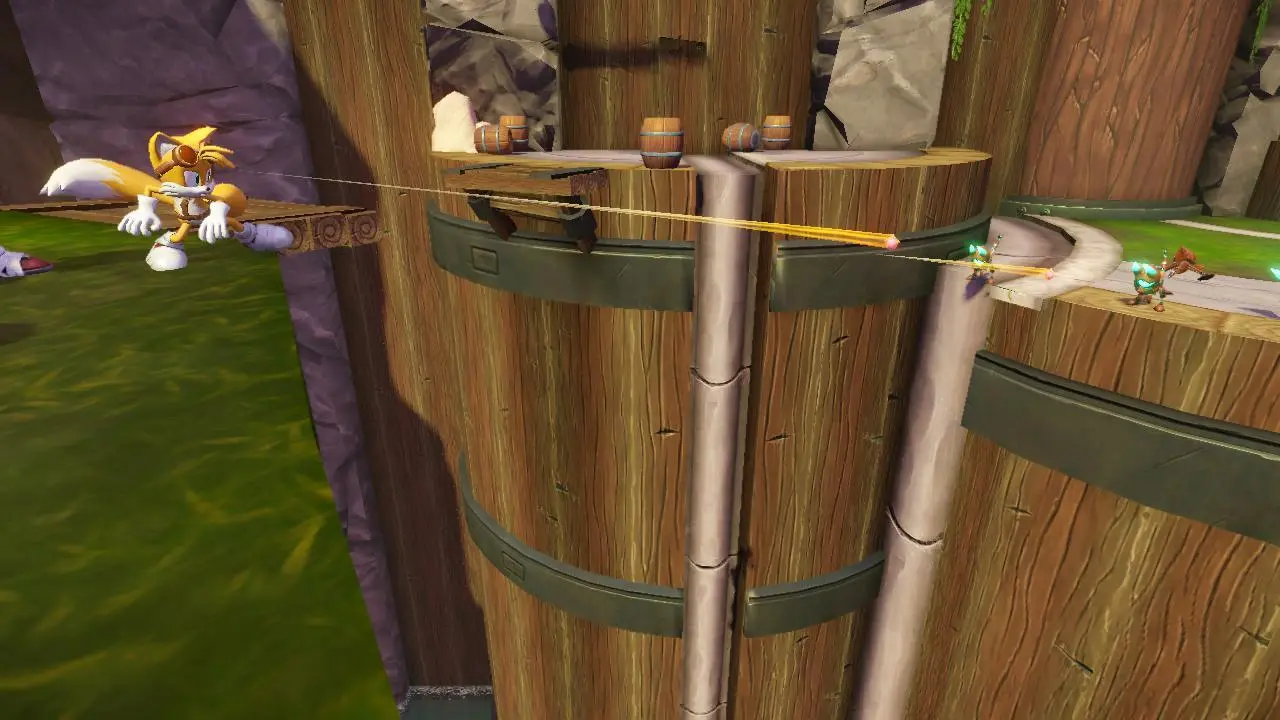
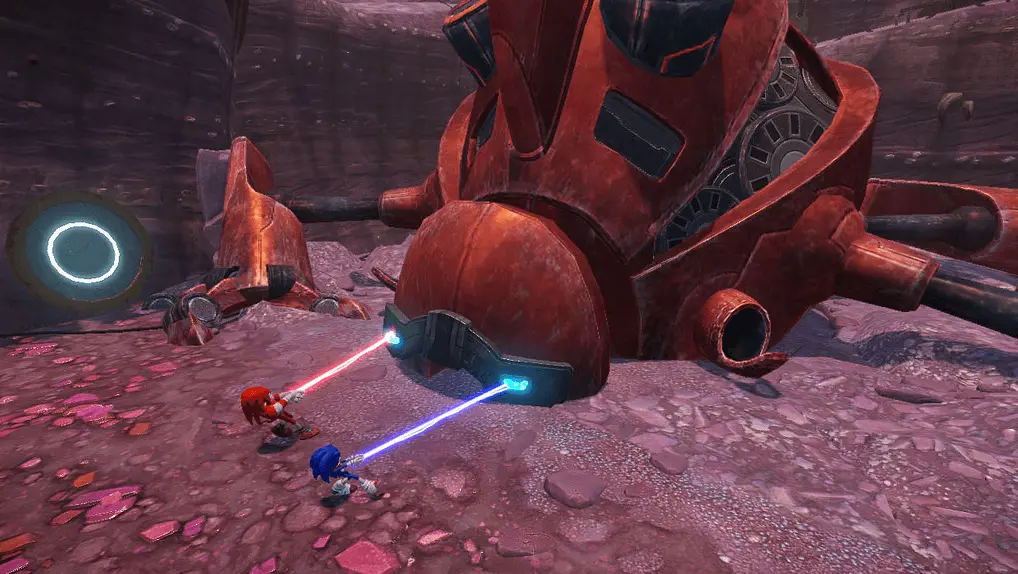
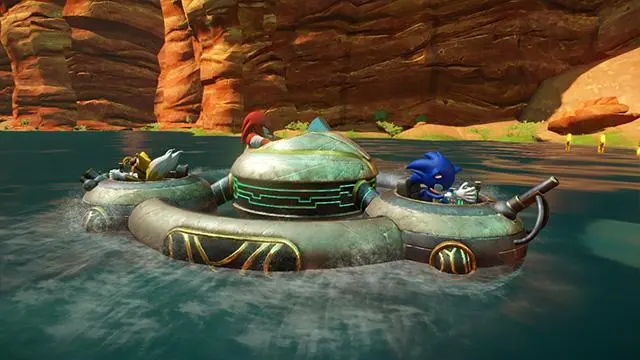
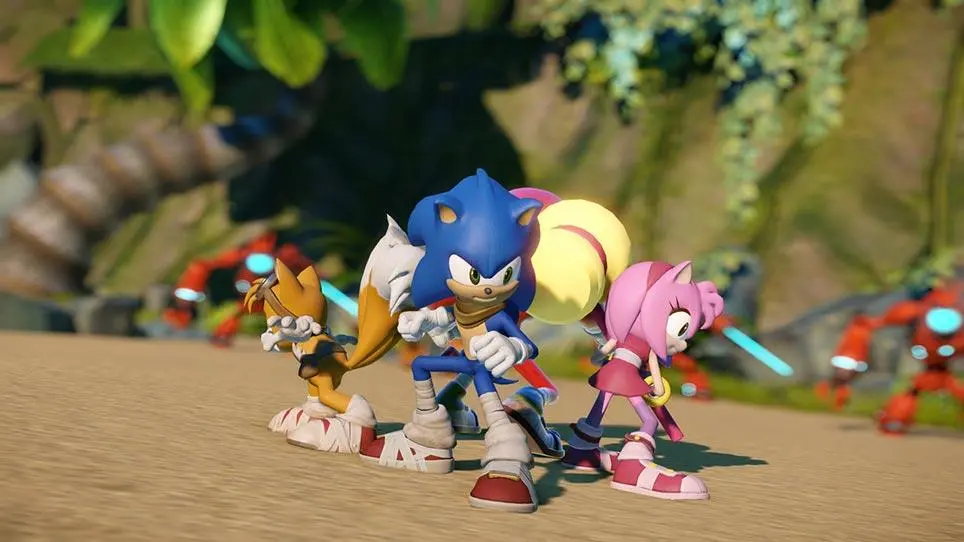
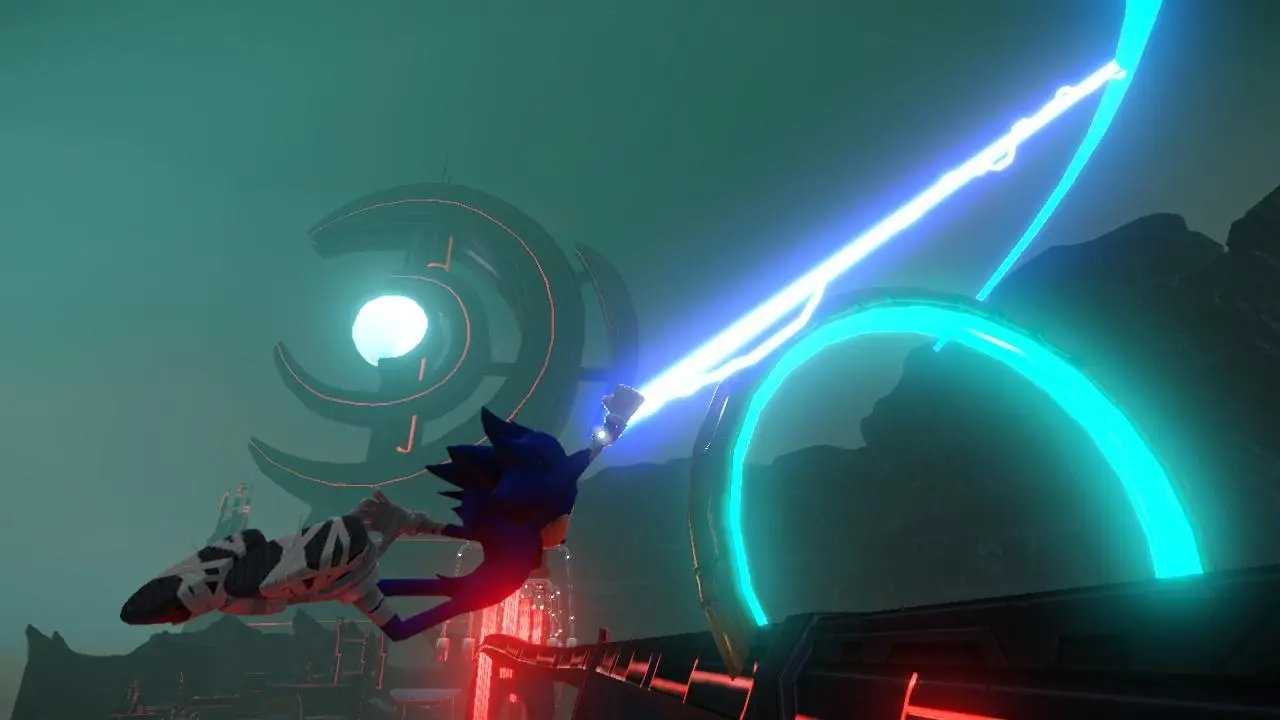
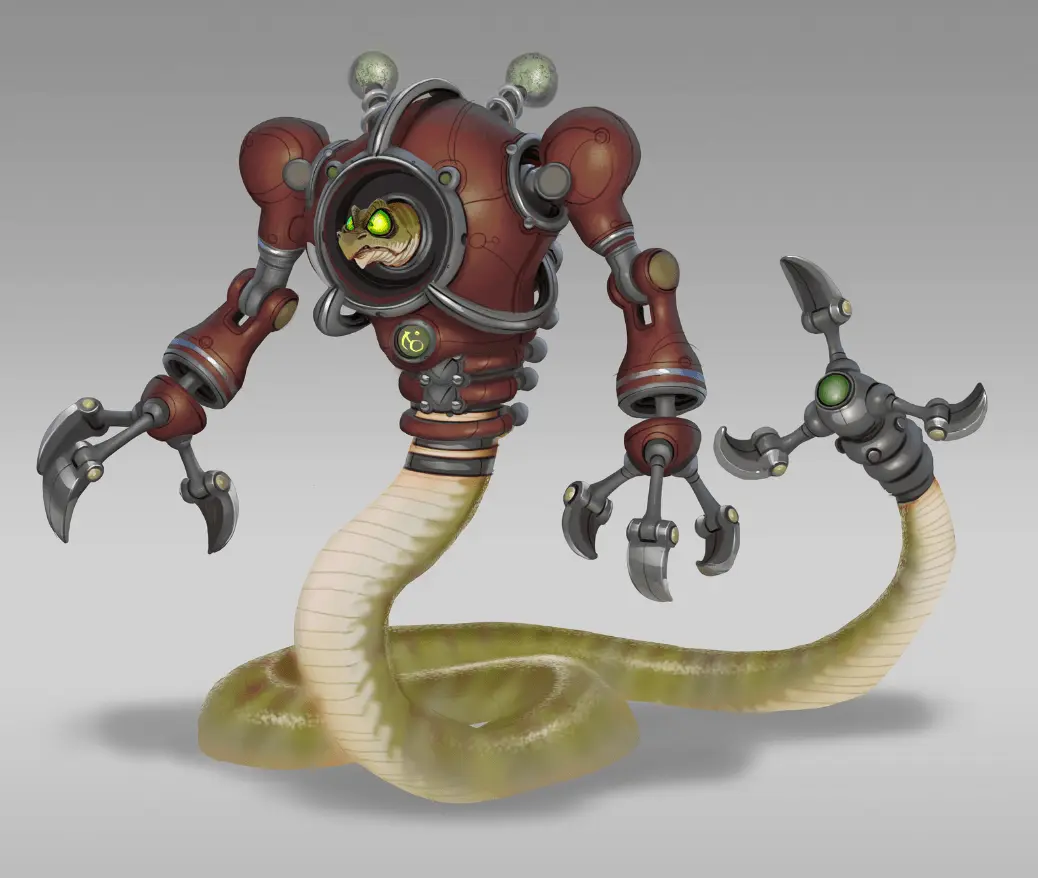
Rise of Lyric, made by the Los Angeles studio Big Red Button, is an action-adventure rather than a race to the finish. Sonic, Tails, Knuckles and Amy explore and brawl their way across an island, swapping between characters to use their skills and tethering themselves to rails, enemies and puzzles with a new energy whip, the Enerbeam. Their enemy is Lyric, the last of an ancient race, a cyborg snake who wants to replace all life with machines.
The game had been in development since 2011, first as Sonic Origins and then as Sonic Synergy, before a Nintendo exclusivity deal moved it to the Wii U and the TV writers rewrote its story. It arrived buggy, slow and unfinished. Critics savaged it, it scored 32 on Metacritic, and together with Shattered Crystal it had sold just 620,000 copies by the end of March 2015. The TV series, by contrast, went on to two seasons and a cult following.
Team Sonic.Riding the rails with the Enerbeam.Facing Lyric.
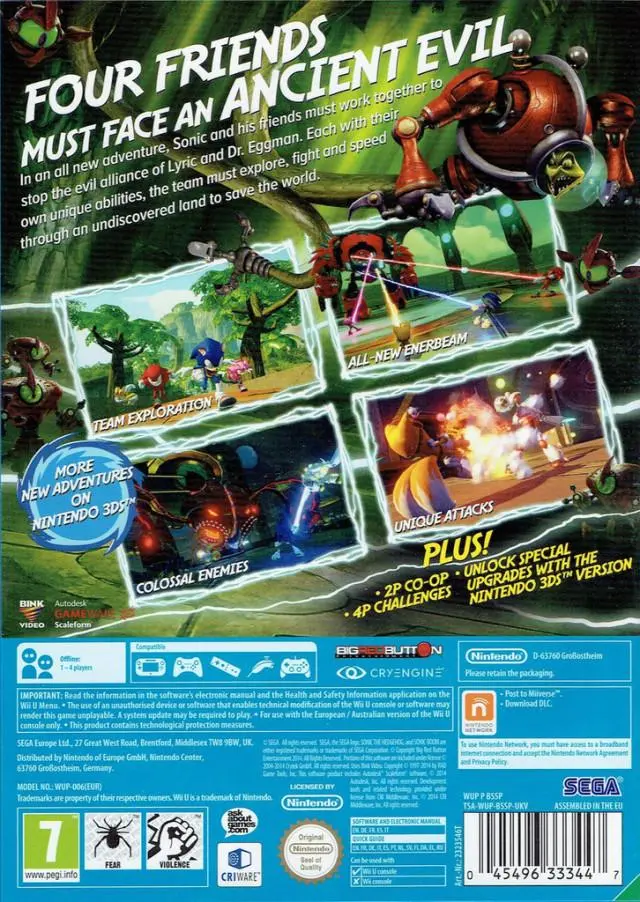
Four friends must face an ancient evil.
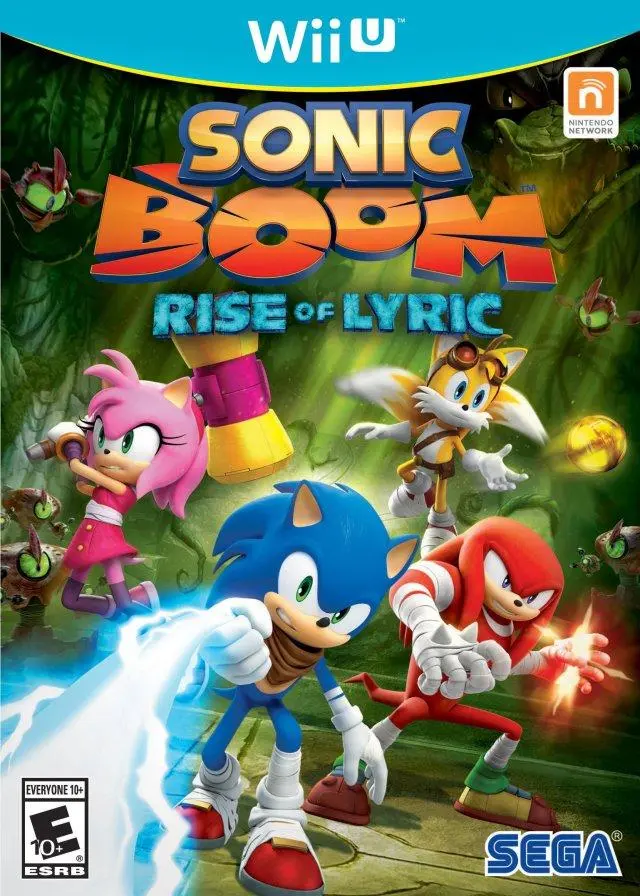
The European box explains that, in an all-new adventure, Sonic and his friends have to work together to stop an evil alliance between Lyric and Dr. Eggman, each using their own abilities to explore, fight and race across an undiscovered land. Its captions promise team exploration, the new Enerbeam, colossal enemies and unique attacks, plus two-player co-op, four-player challenges and special upgrades unlocked through the Nintendo 3DS game.
— Official description: back of the European Wii U box (Sega, 2014), from the scan in our box art gallery. Headline quoted; the rest summarised.
Quick Answers
Quick answers; more detail further down.
When did Rise of Lyric come out?
On 11 November 2014 in North America, 21 November in Europe and 29 November in Australia, for the Wii U. Japan got it on 18 December 2014 as Sonic Toon: Ancient Treasure. More →
Is it connected to the Sonic Boom TV series?
Yes. The games were made as prequels to the cartoon, which began on 8 November 2014, and the TV writers were given control of the game’s setting late in development. Many villagers from the show appear. More →
How is it related to Shattered Crystal?
They are companion games released the same day, with separate stories about Lyric. Shattered Crystal on 3DS was made by Sanzaru Games, and the Wii U box promises special upgrades unlocked through the 3DS game. More →
Who is Lyric?
The last surviving Ancient, an armoured cyborg rattlesnake who planned to wipe out living things and replace them with robots, and was imprisoned for it a thousand years ago. More →
Why is it so badly regarded?
Bugs, frame-rate drops, missing sounds, sluggish combat, a camera that fights the player and dialogue that repeats endlessly. It was rushed onto the Wii U after years of upheaval, and Sega’s own CEO later said it had damaged customers’ trust. More →
What was the Knuckles glitch?
On launch day players found that pausing during Knuckles’ jump let him jump again, all the way into the sky, so most of the game could be skipped. A patch in January 2015 fixed it. More →
Can two people play?
Yes: two players can play the story together, and up to four can play the challenge mini-games. More →
Plot / Story
Lyric the Last Ancient.
Rise of Lyric is a prequel to the Sonic Boom cartoon, set in the same world, and leans on a long-lost civilisation called the Ancients.
The tomb
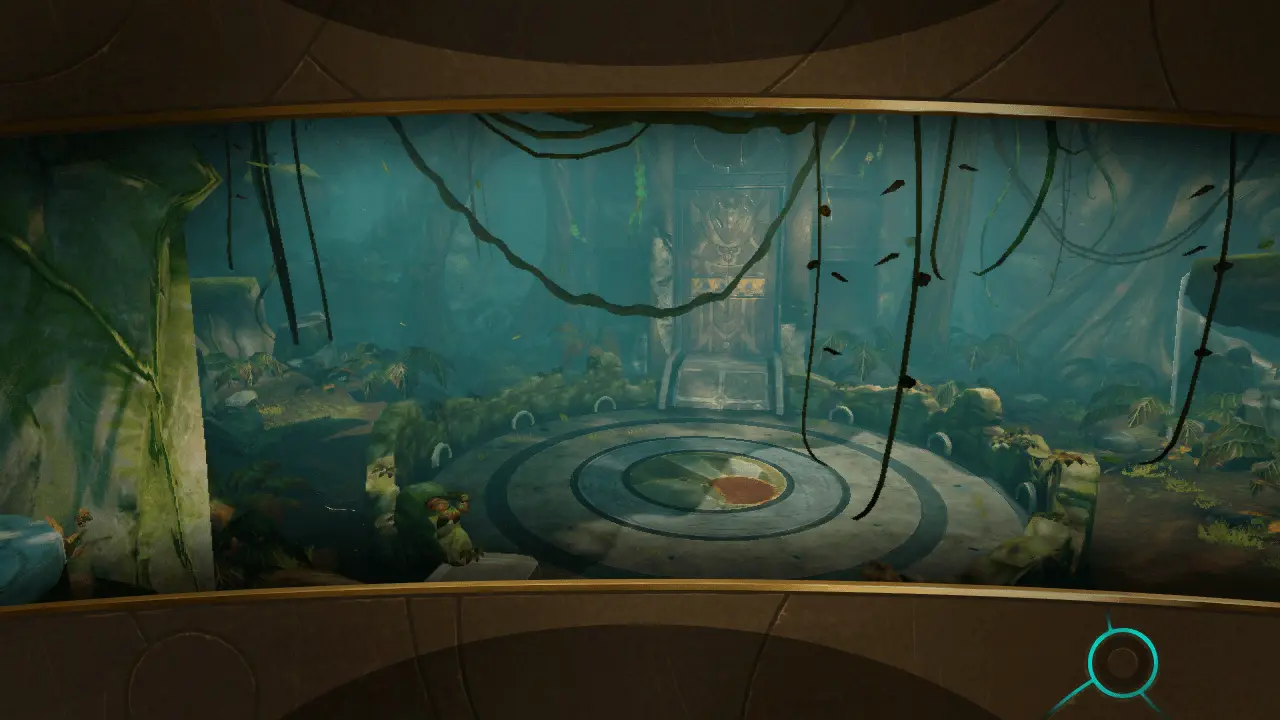
Chasing Dr. Eggman, Sonic, Tails, Knuckles and Amy stumble on an ancient tomb whose doors are carved with pictures of Sonic and Tails. Amy talks Sonic out of opening it, but when Metal Sonic ambushes them, Sonic pulls the doors open anyway to escape. Inside waits Lyric, an armoured cyborg snake and the last of the Ancients, who recognises Sonic from events a thousand years earlier and takes the team prisoner. Tails breaks them out and converts their restraints into Enerbeams, glowing energy whips that become the team’s signature tool.
Lyric’s Tomb.Eggman arrives.
The last Ancient
Through Cliff, the team learns Lyric’s history. Long ago he meant to harness the Chaos Crystals for a mechanical army that would sweep away every living creature and leave only machines, and when the other Ancients discovered the plan they locked him away. Now he is free and hunting the crystals again, so Team Sonic sets out to find them first.
In a deserted Ancient laboratory the heroes find an unexpected ally: MAIA, one of Lyric’s own robots, who rebelled against him. She opens a portal that sends Sonic and Tails a thousand years into the past to recover a map of the crystals. There Shadow attacks them; they beat him, take the map from Lyric’s weapons facility and trap the younger Lyric so that the Ancients can imprison him, closing the loop.
Cliff.An Ancient factory.
An uneasy alliance
Lyric reluctantly teams up with Eggman, then betrays him by reprogramming Metal Sonic to turn on his creator. Team Sonic defeats Metal Sonic and Eggman and recovers the final Chaos Crystal, only for Lyric and his robots to ambush them. Sonic refuses to hand the crystals over; his friends give in. Lyric’s robots bury Sonic under rubble and he seems to be gone, but he digs himself out.
Sonic and Amy against Lyric’s robots.Sky Citadel.
Lyric’s Lair
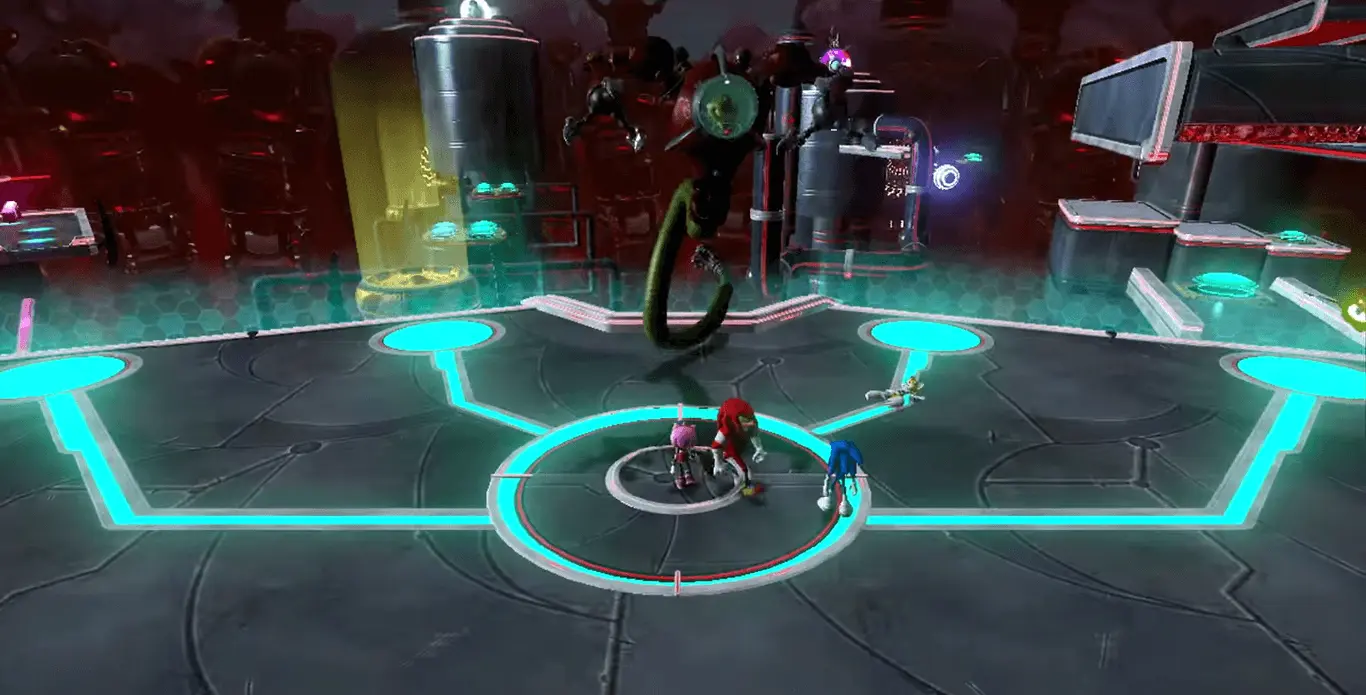
The four storm Lyric’s Lair. Lyric turns their own Enerbeams against them and ties them up, but Eggman, out for revenge, ambushes the snake and frees them. Working together, the friends knock Lyric out and tear off the device that lets him control machines. They celebrate without noticing Eggman pocket the device and use it to bring Metal Sonic back to life.
Lyric’s Lair.The final battle.
Two versions of Lyric’s fate
Rise of Lyric and Sonic Boom: Shattered Crystal were developed side by side by different studios and tell separate stories that do not fit neatly together. In Shattered Crystal, Lyric falls to his apparent death from his airship; in Rise of Lyric he survives, defeated and stripped of his technology.
Areas in Rise of Lyric
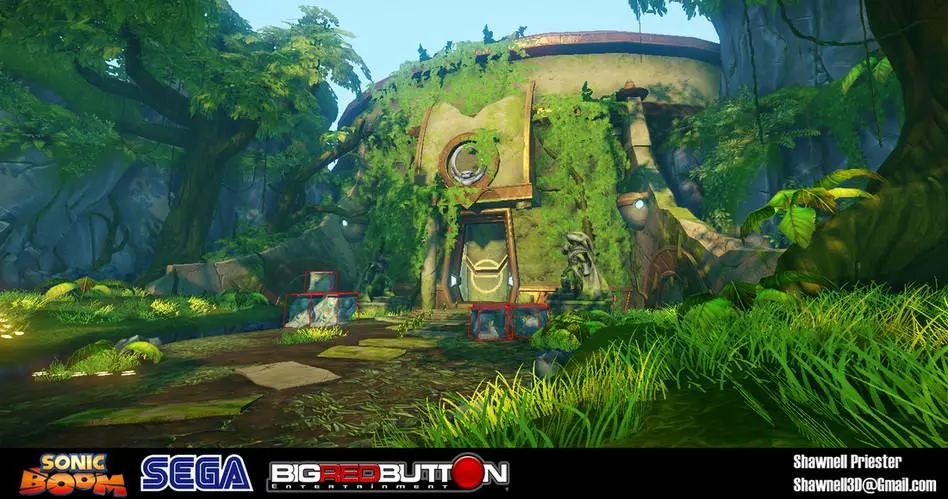
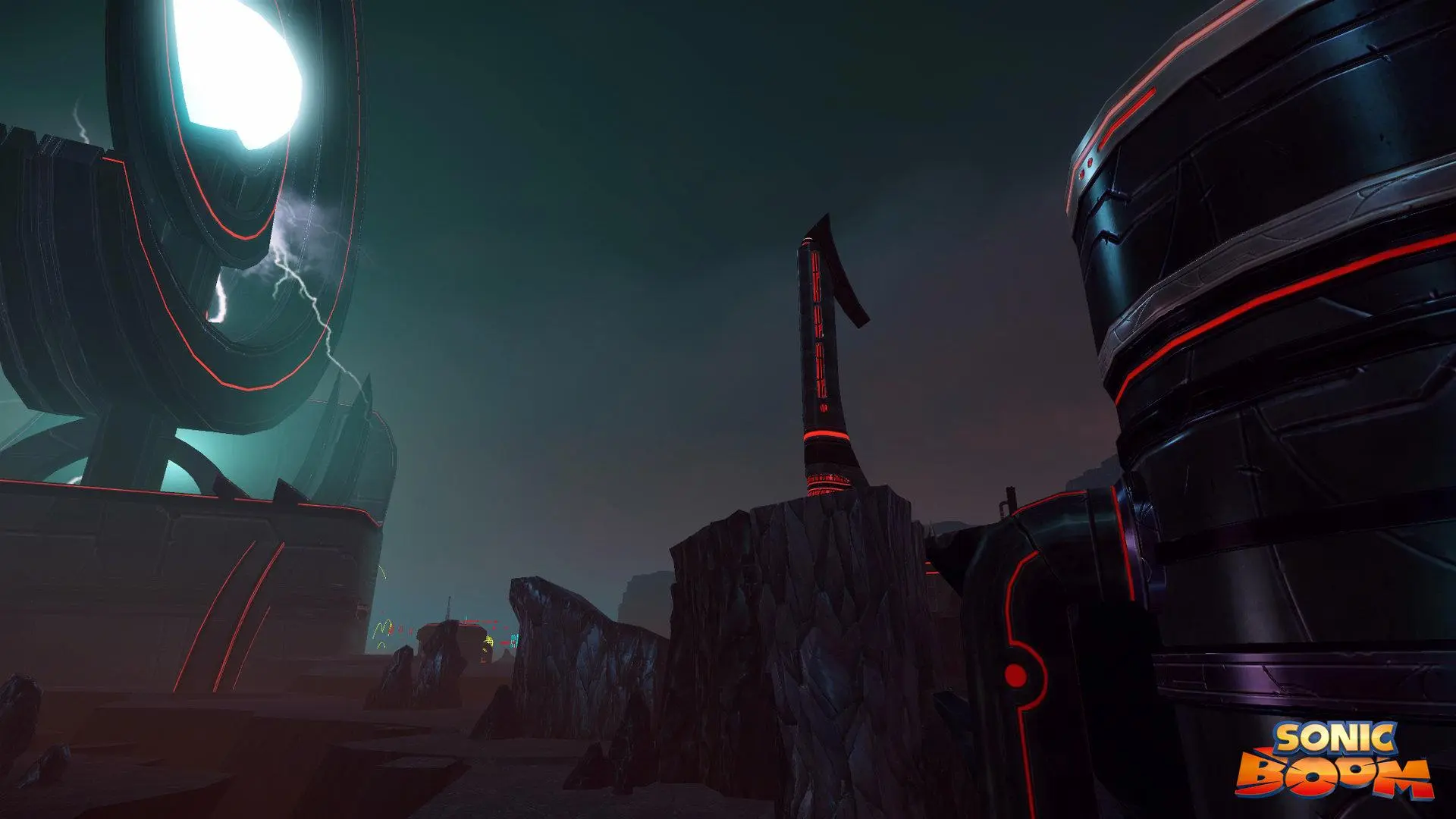
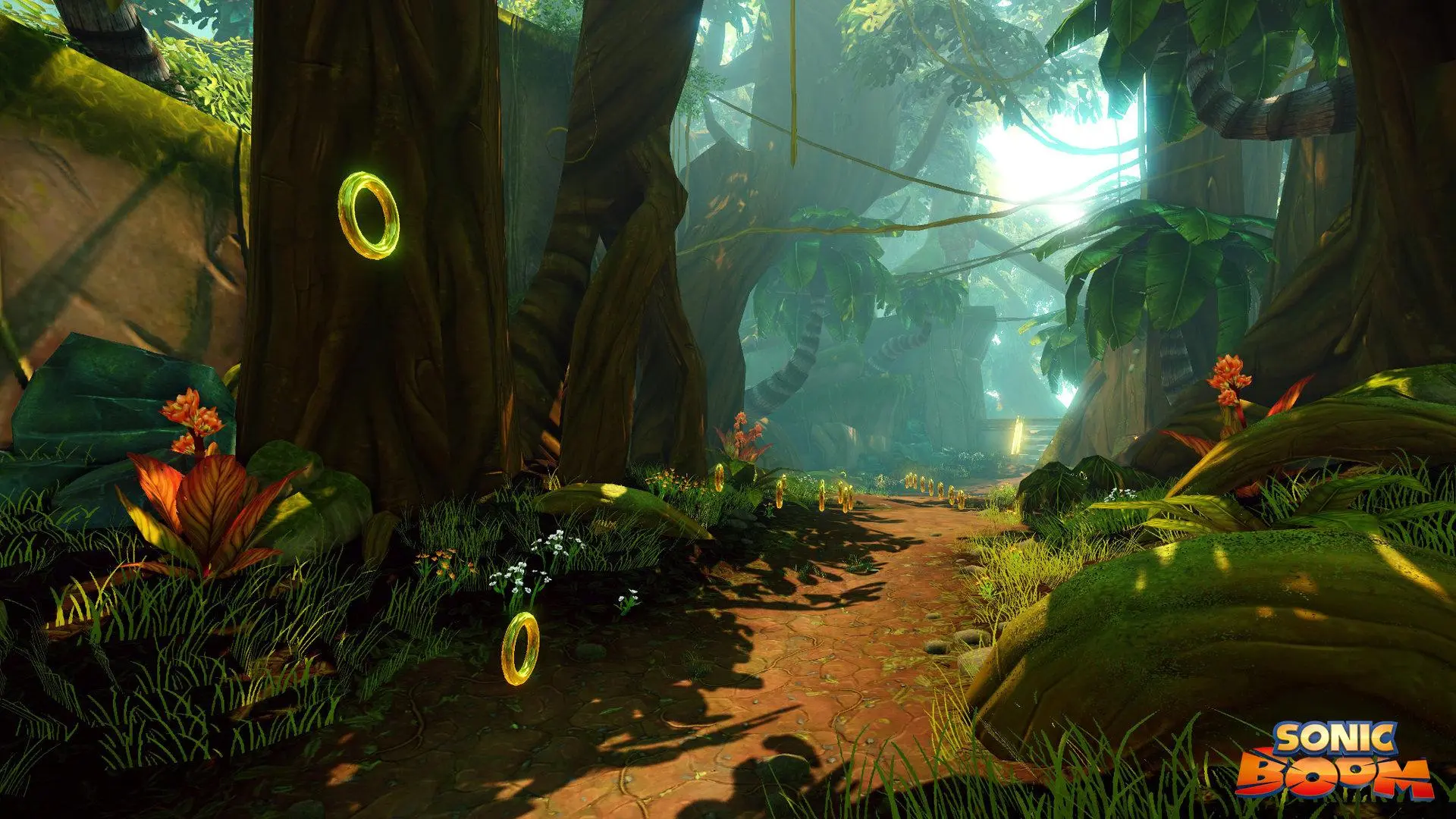
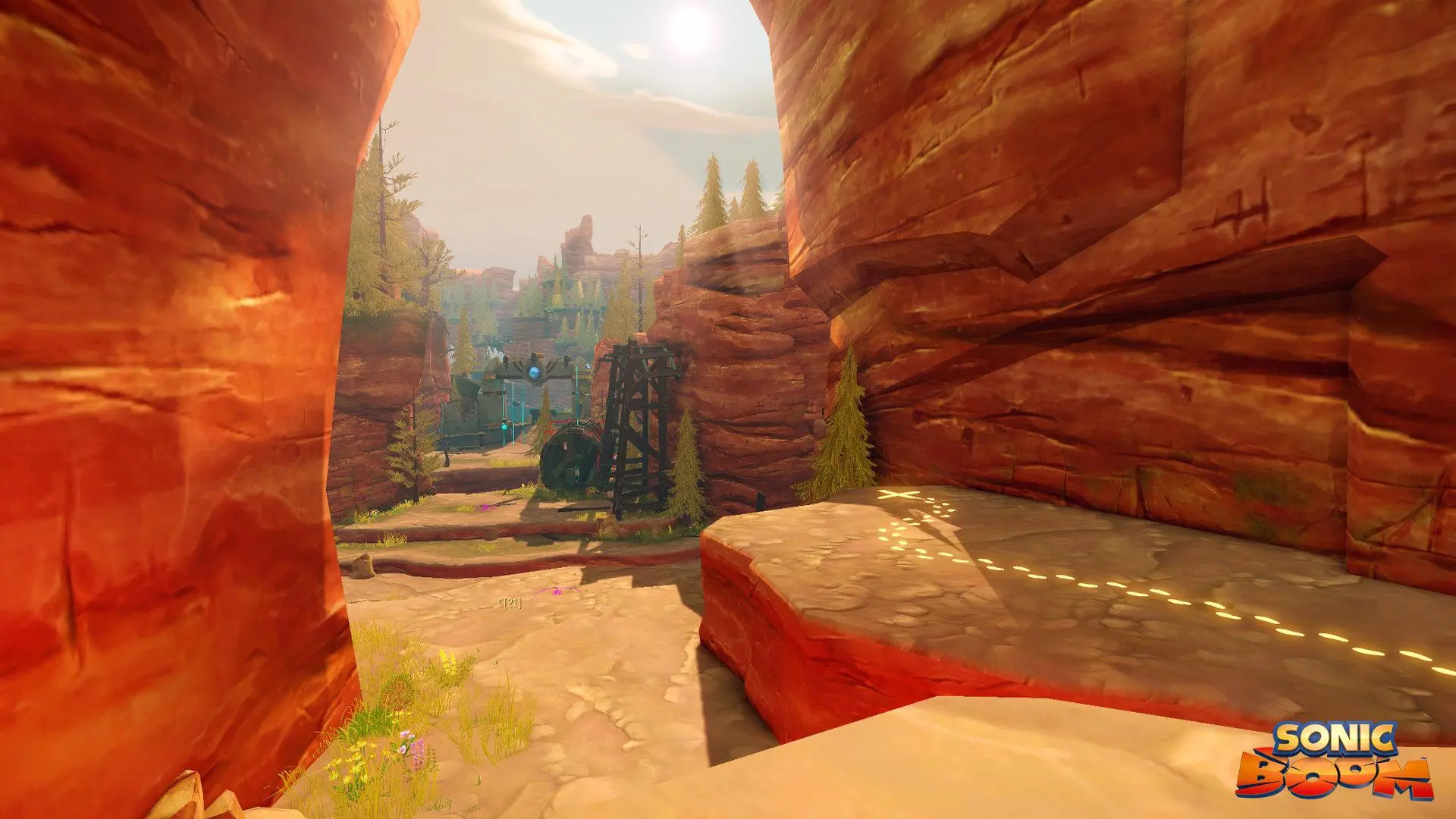
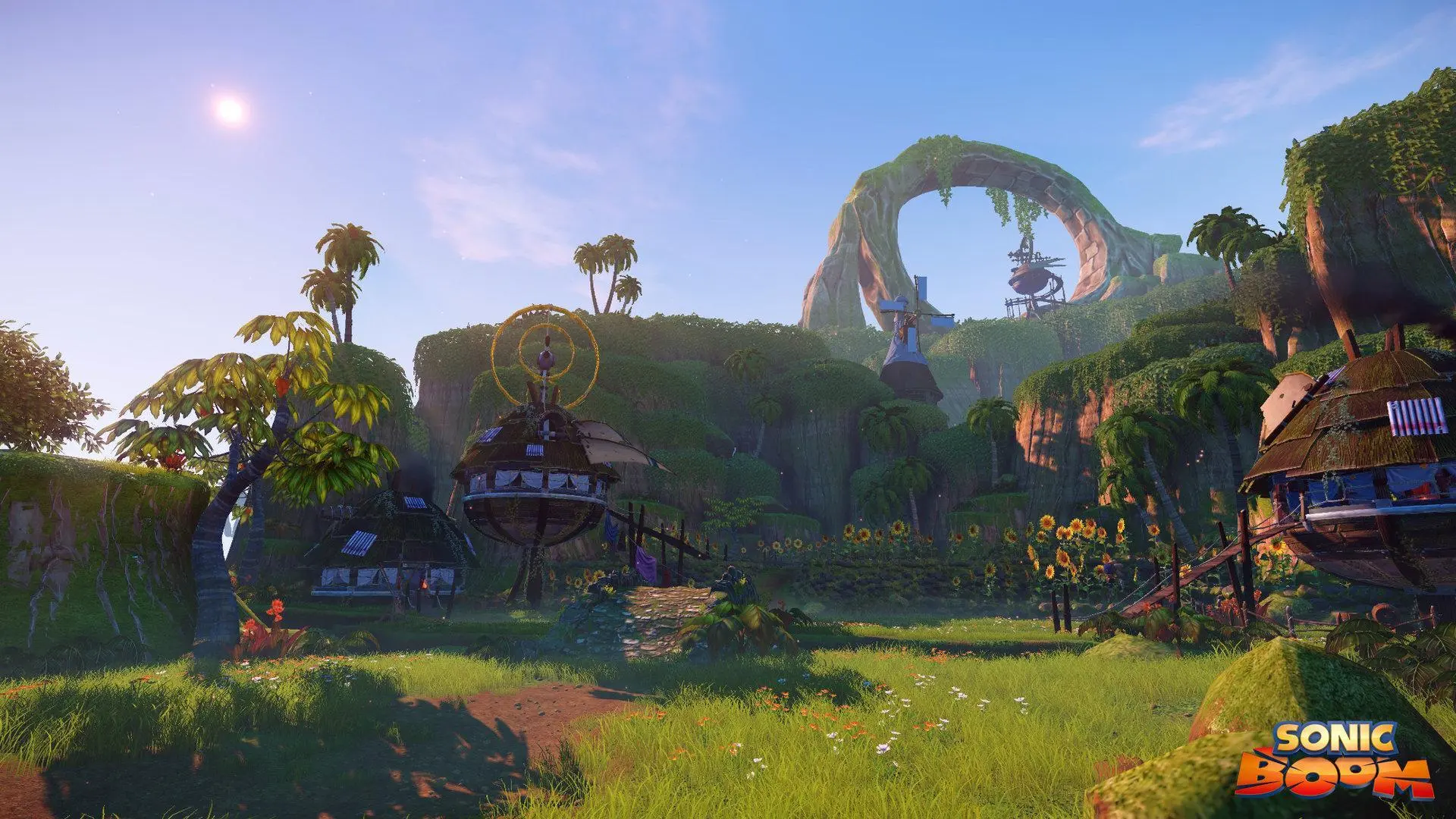
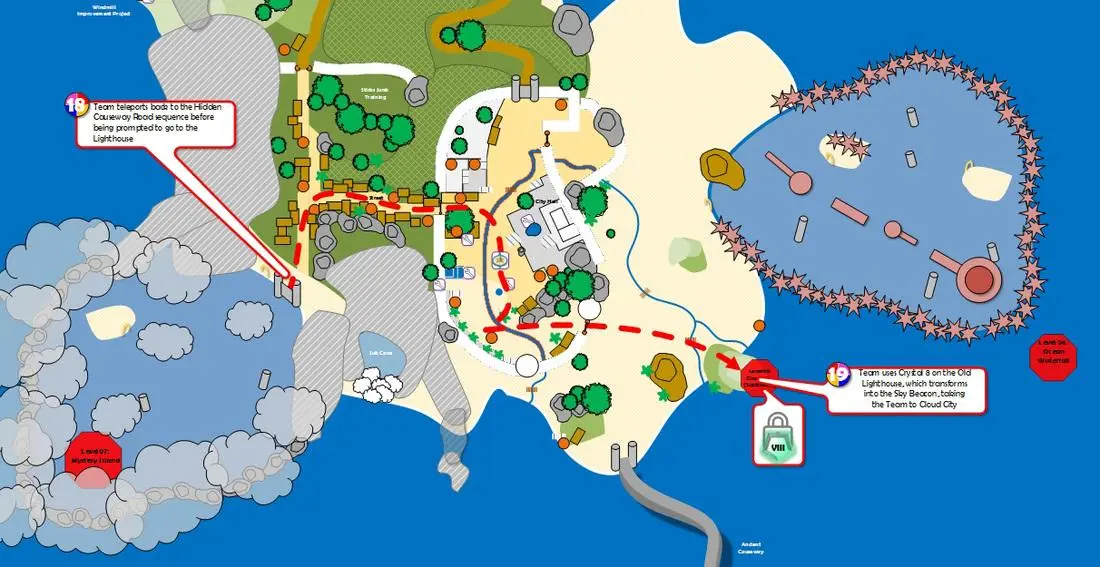
The island is split into hubs to explore and linear levels that alternate brawling, platforming, puzzles and high-speed rail runs. Some levels split the team into pairs.
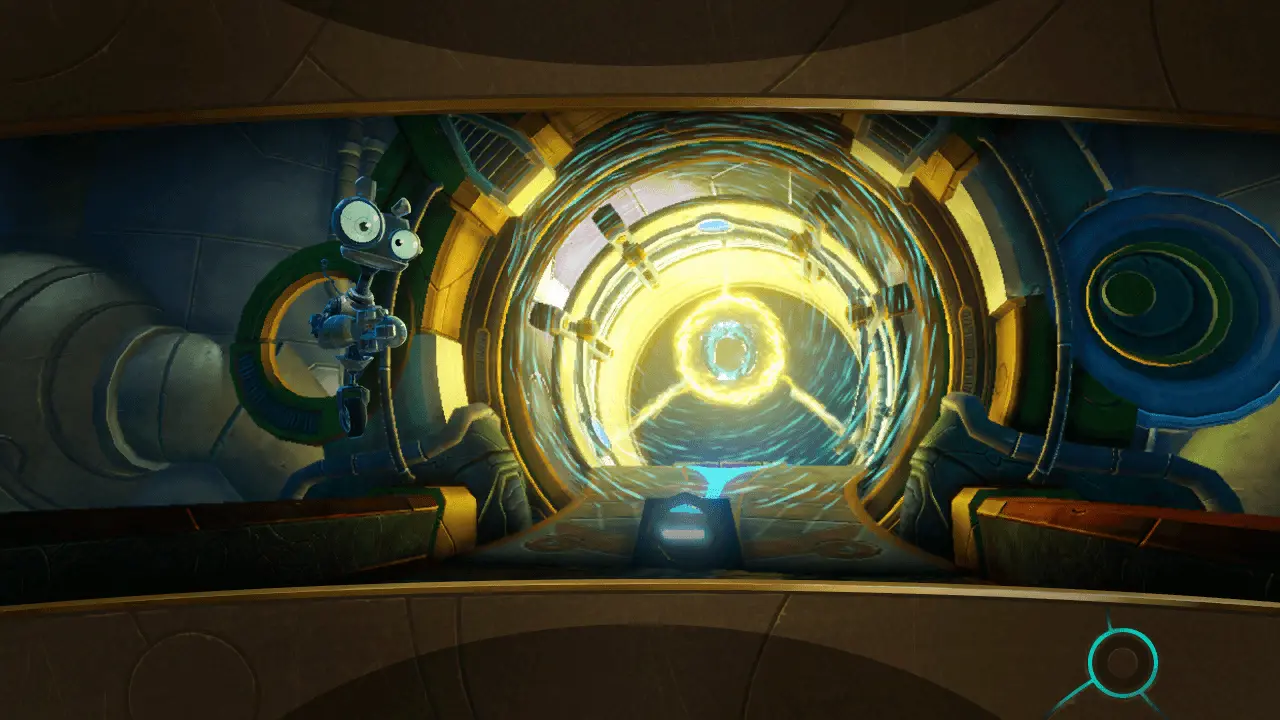
Lyric’s TombOpening levelWhere Team Sonic frees Lyric by accident.
Cliff’s Excavation SiteHubCliff’s dig, the team’s first base of operations.
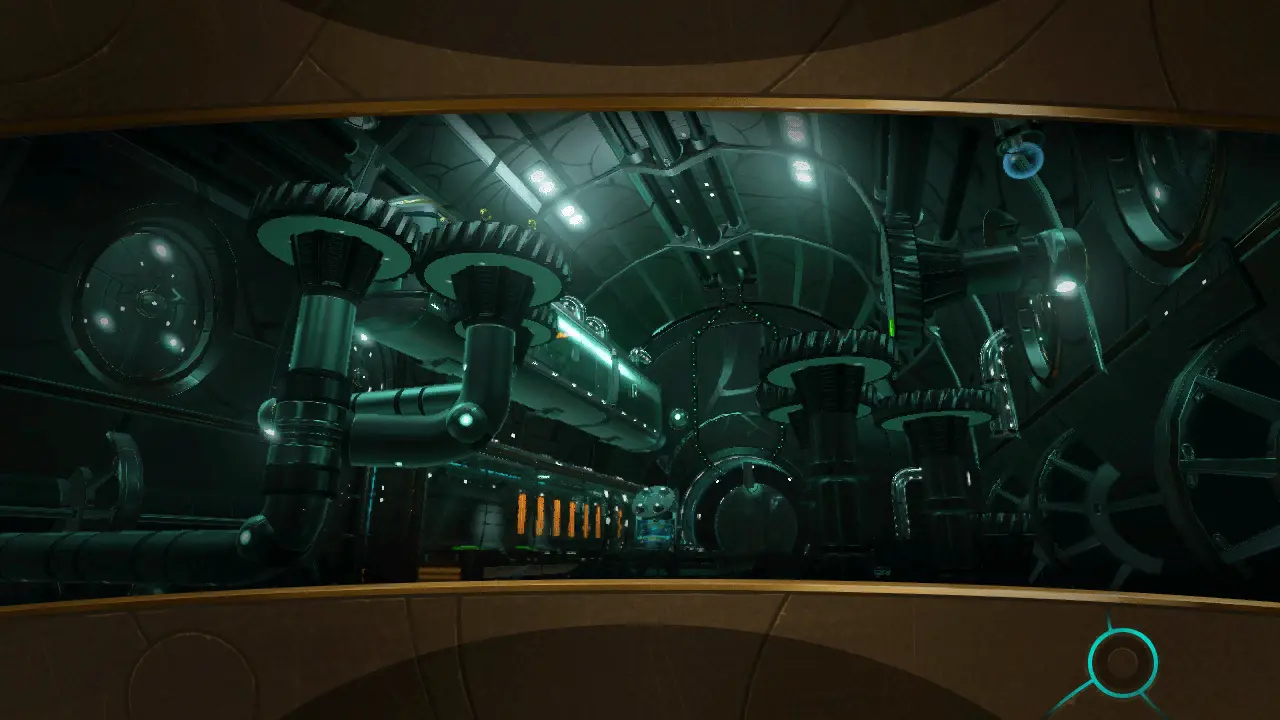
Abandoned Research FacilityLevelThe Ancients’ derelict lab, home of MAIA.
Lyric’s Weapon FacilityLevel · the pastVisited by Sonic and Tails a thousand years ago.
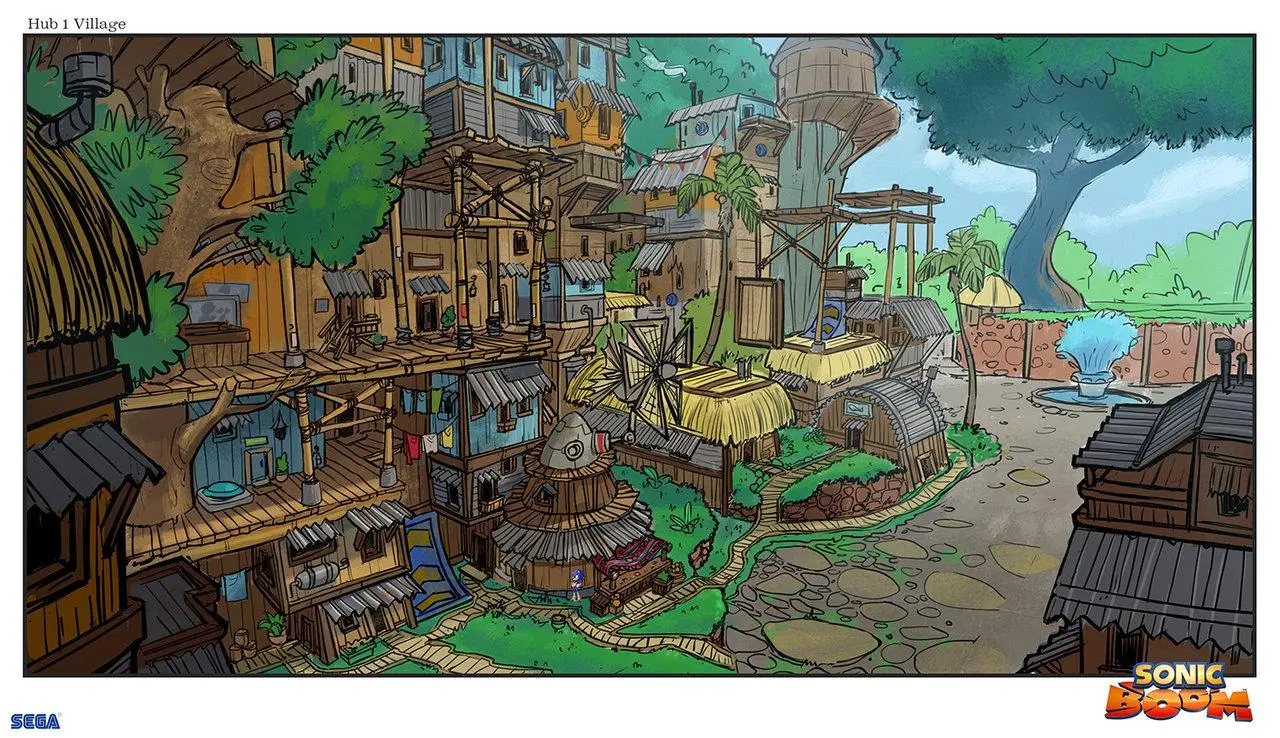
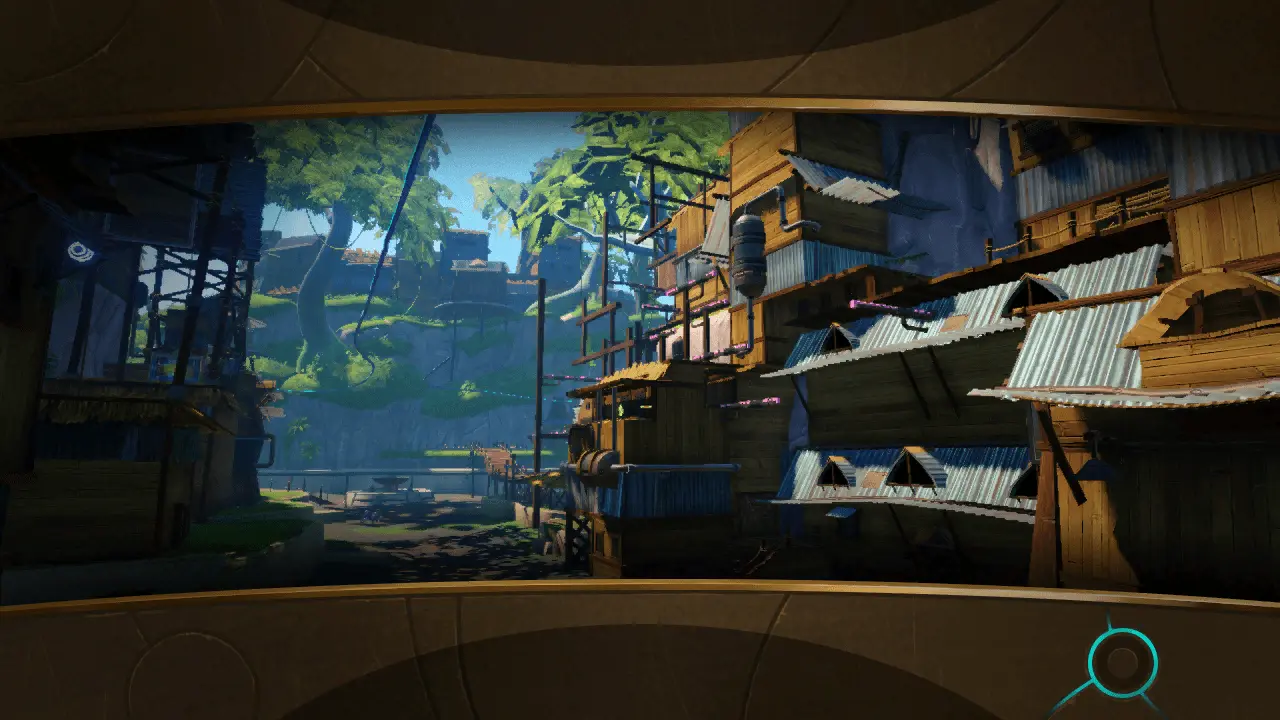
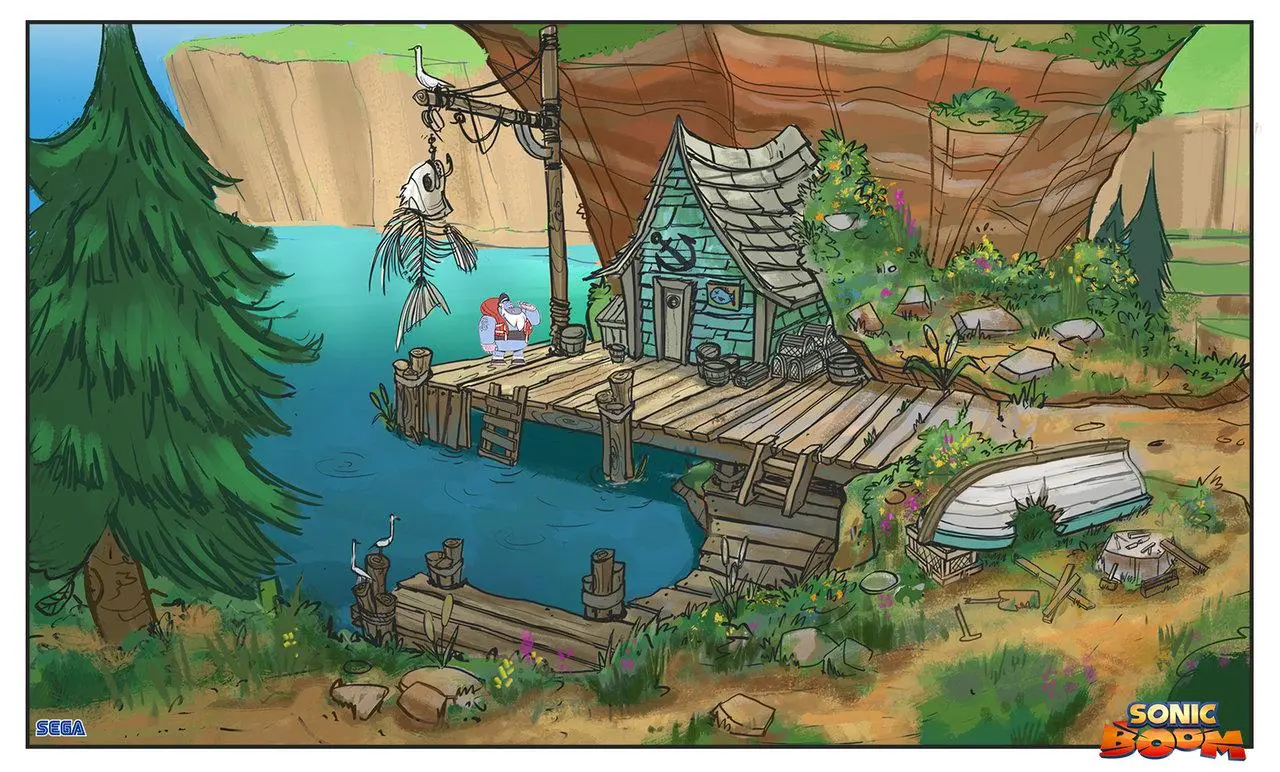
Bygone IslandHubThe village island familiar from the TV series.
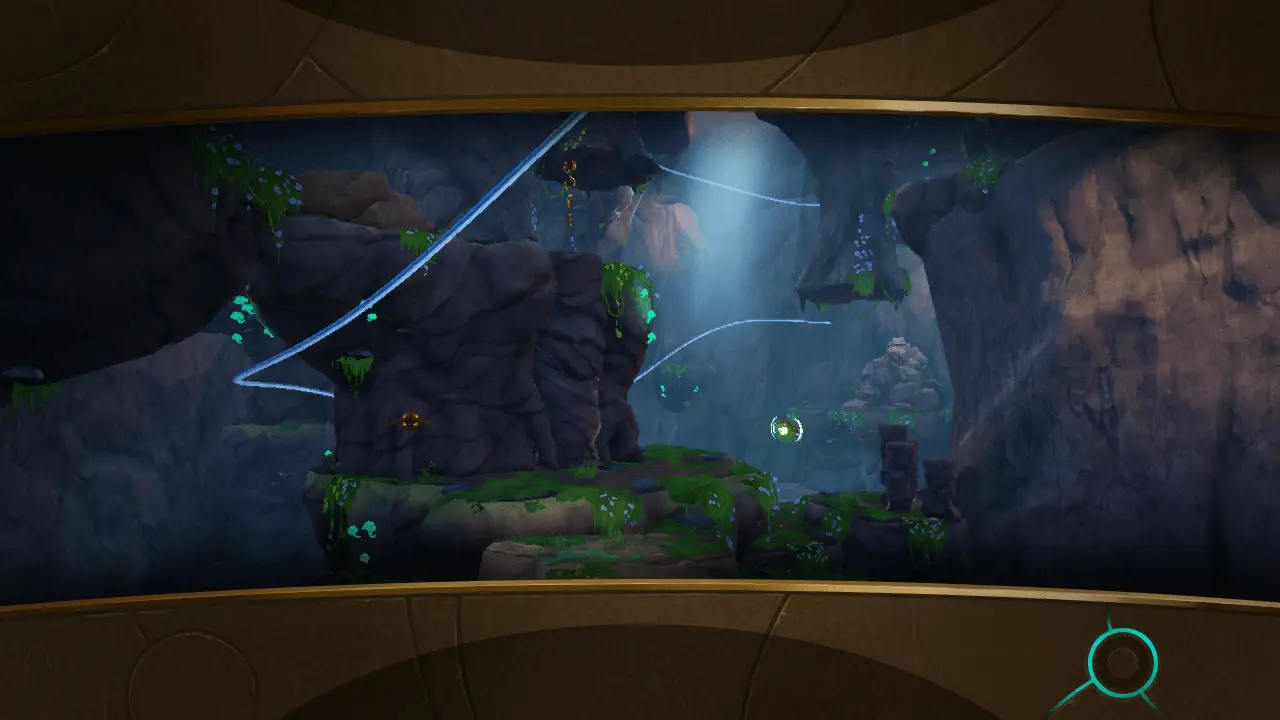
The PitLevelA deep canyon level.
Crater LakeHubA later hub area.
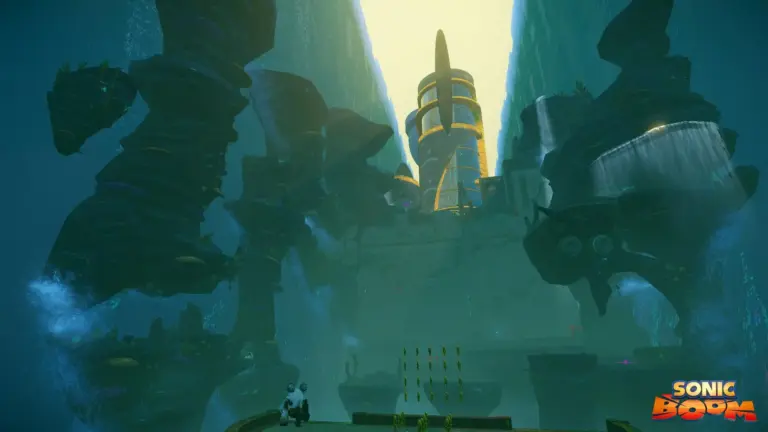
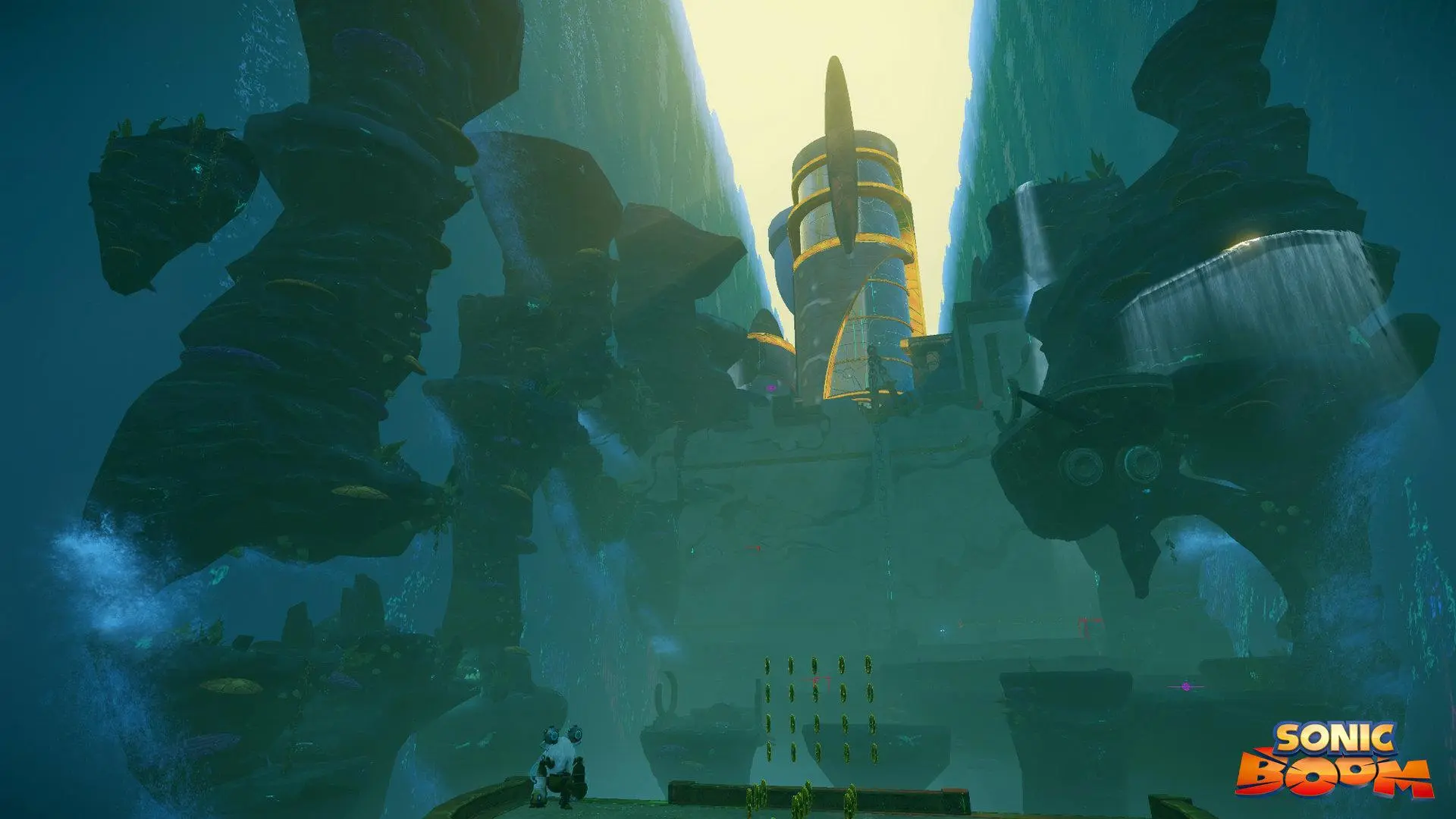
Ocean Purification PlantLevelAn industrial plant out at sea.
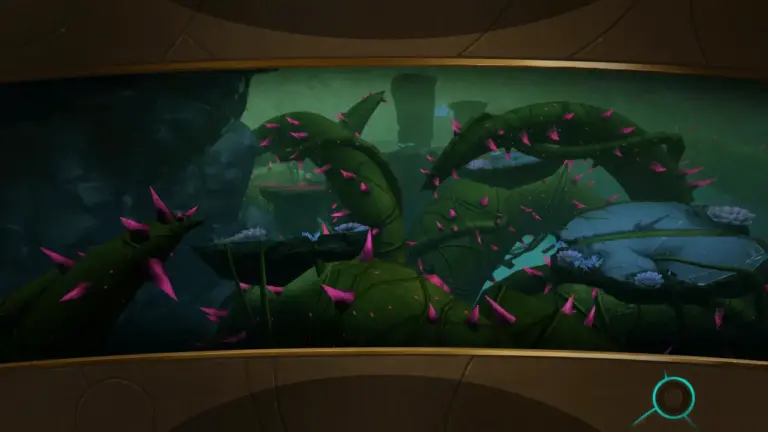
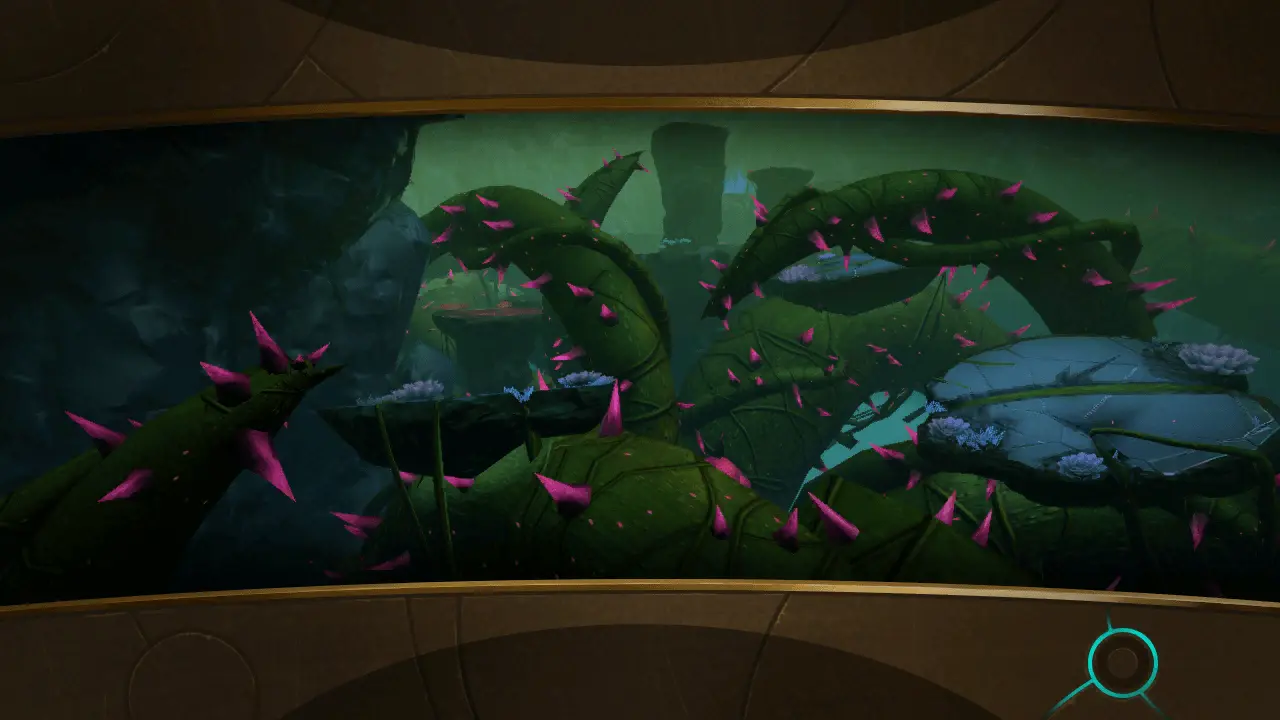
Slowpoke Isle and Creeper GorgeLevelsTwo of the later levels.
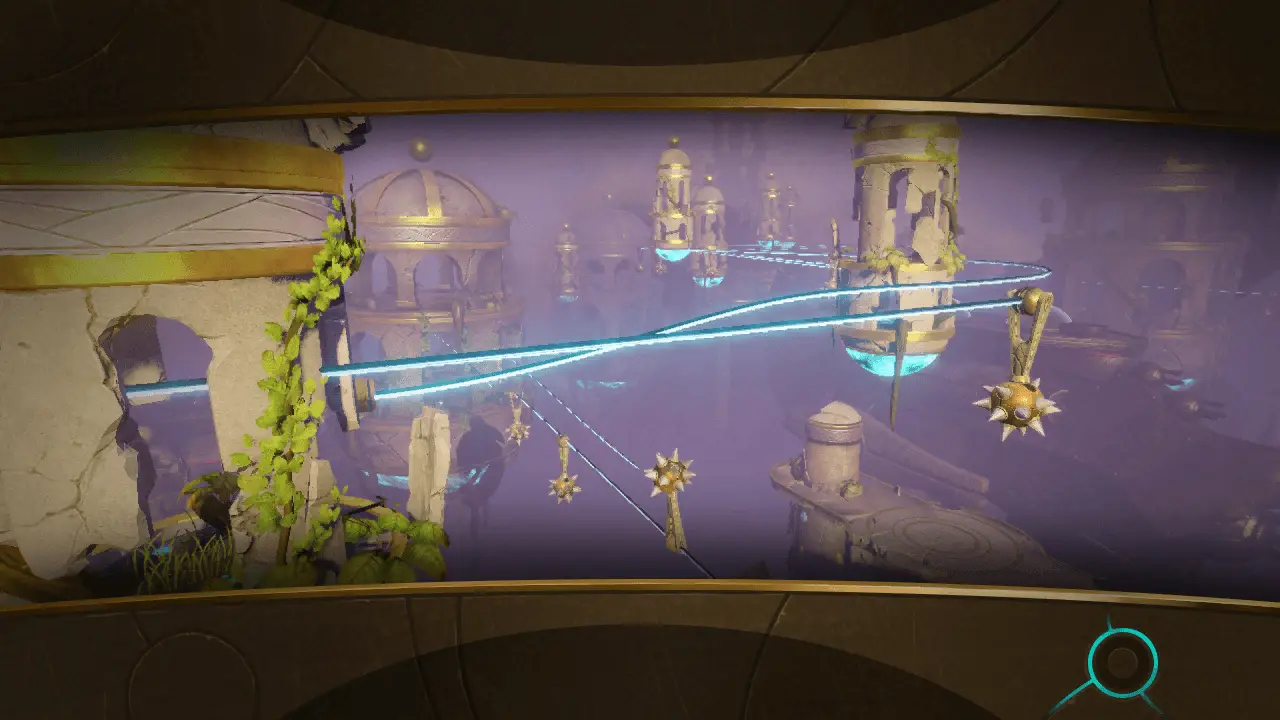
Sky CitadelLevelA fortress in the clouds. A biplane section between here and the final level was cut.
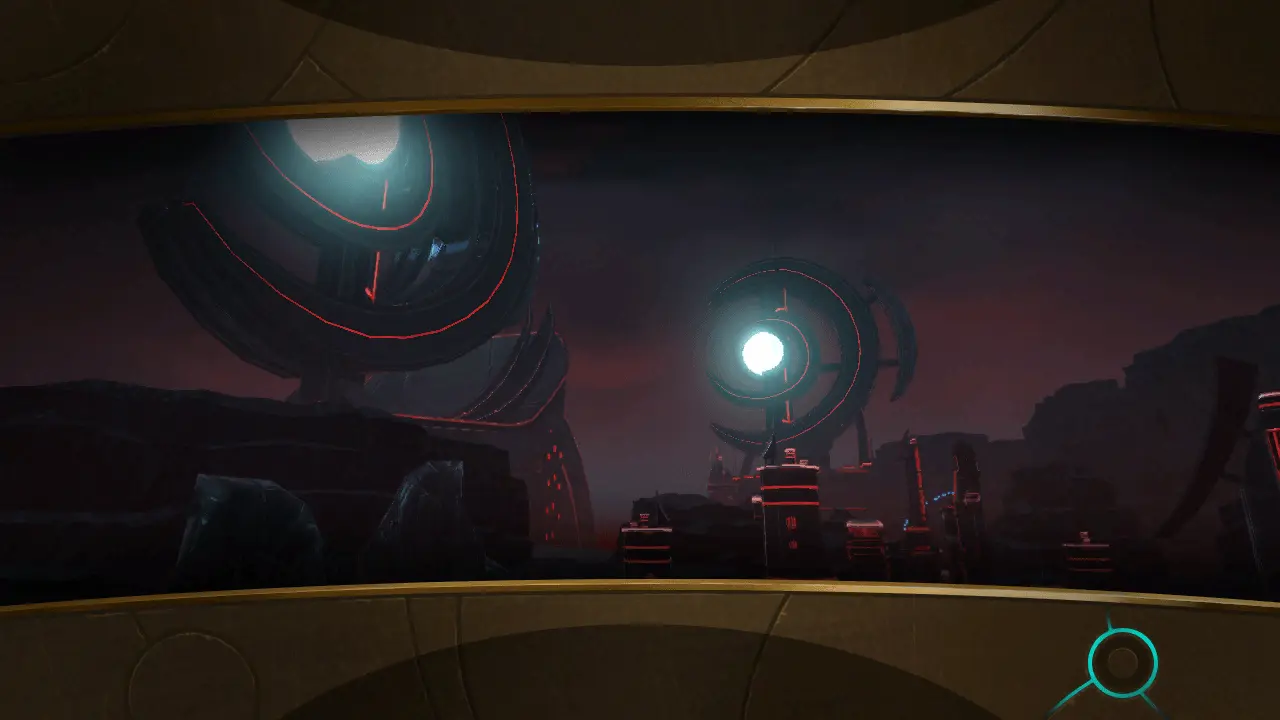
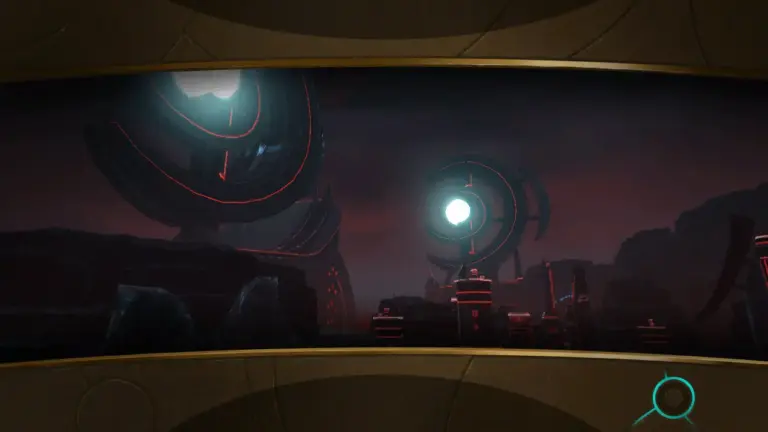
Lyric’s LairFinal levelThe showdown with Lyric.
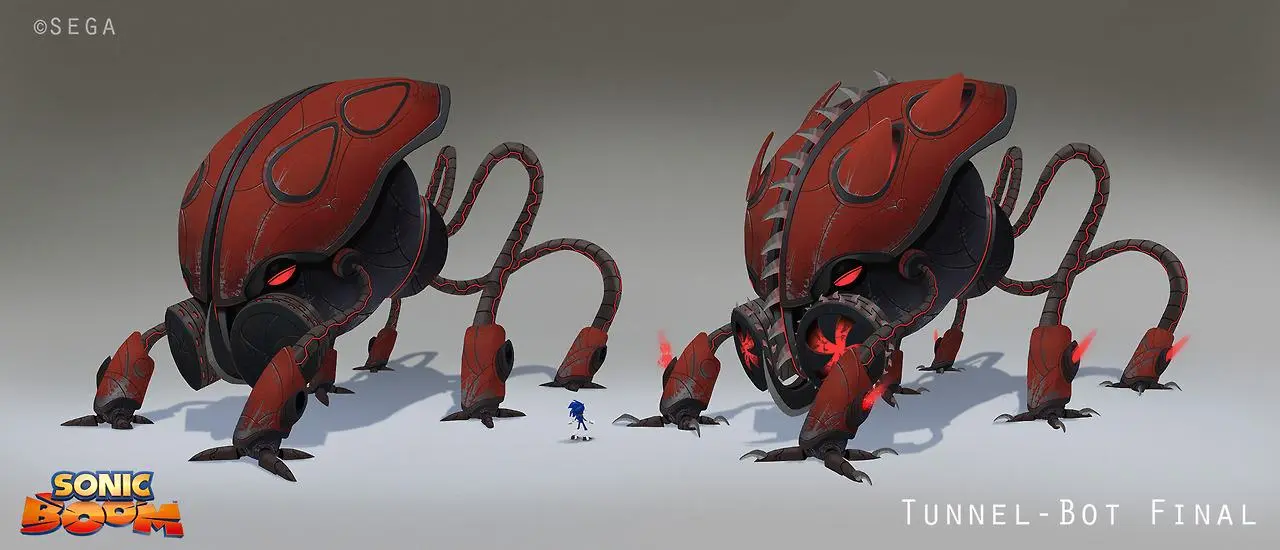
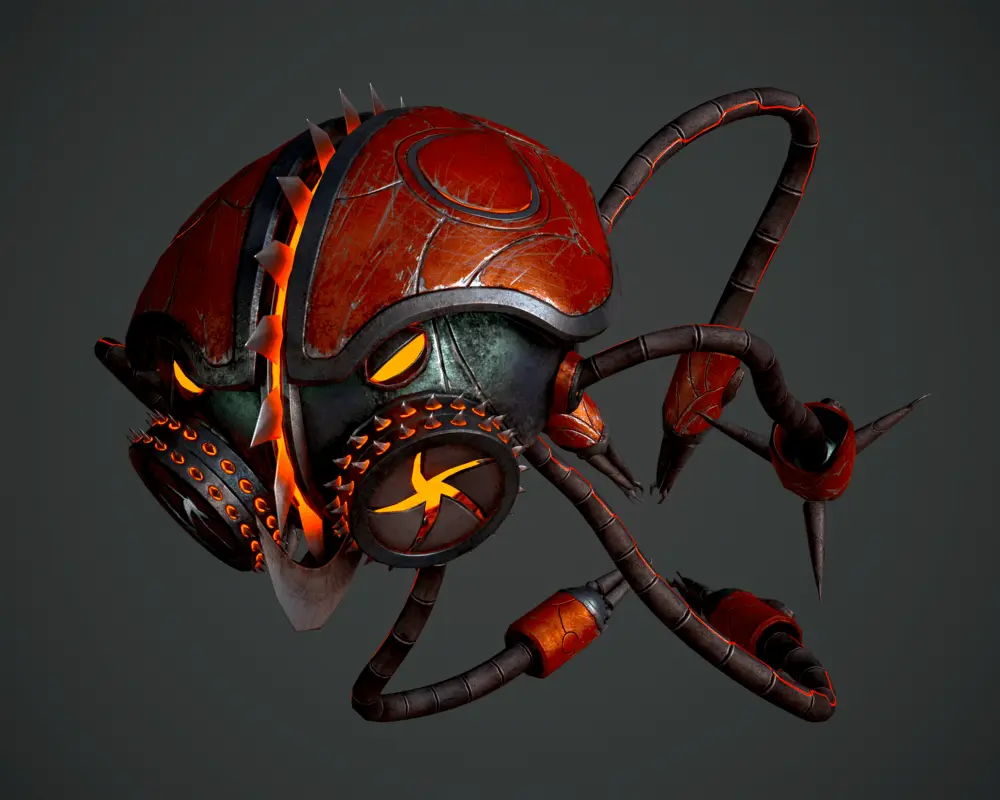
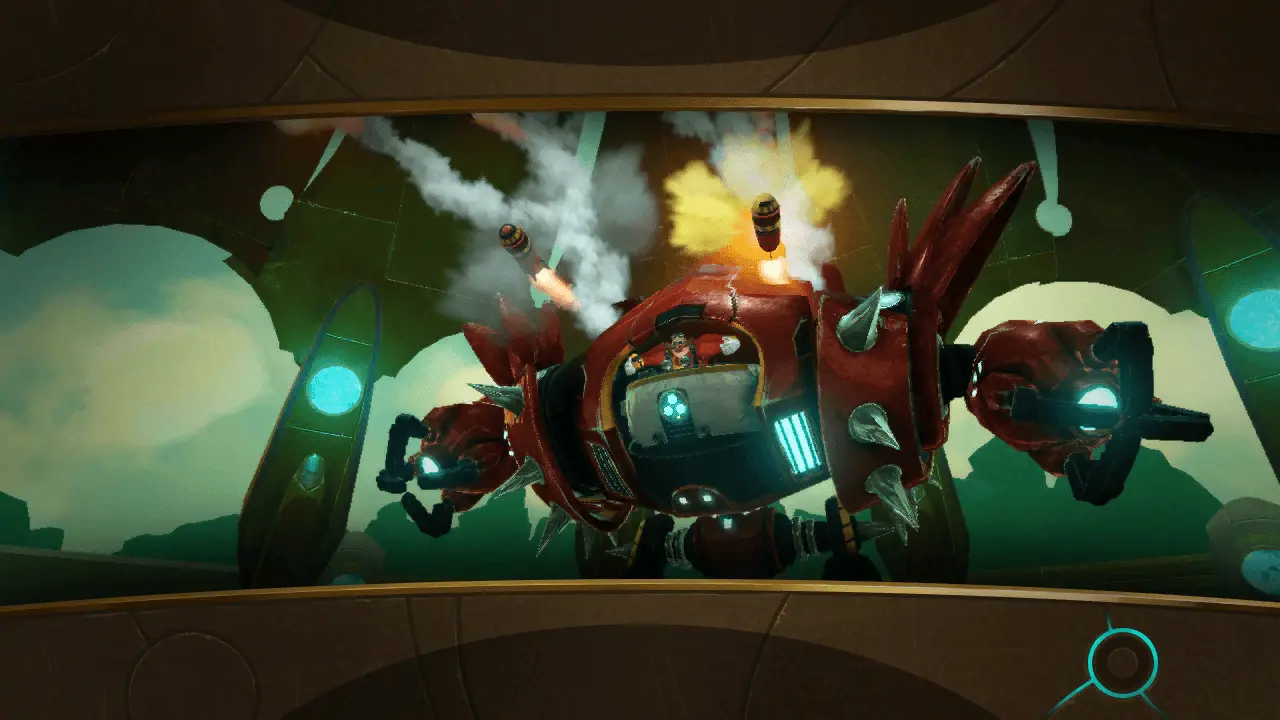
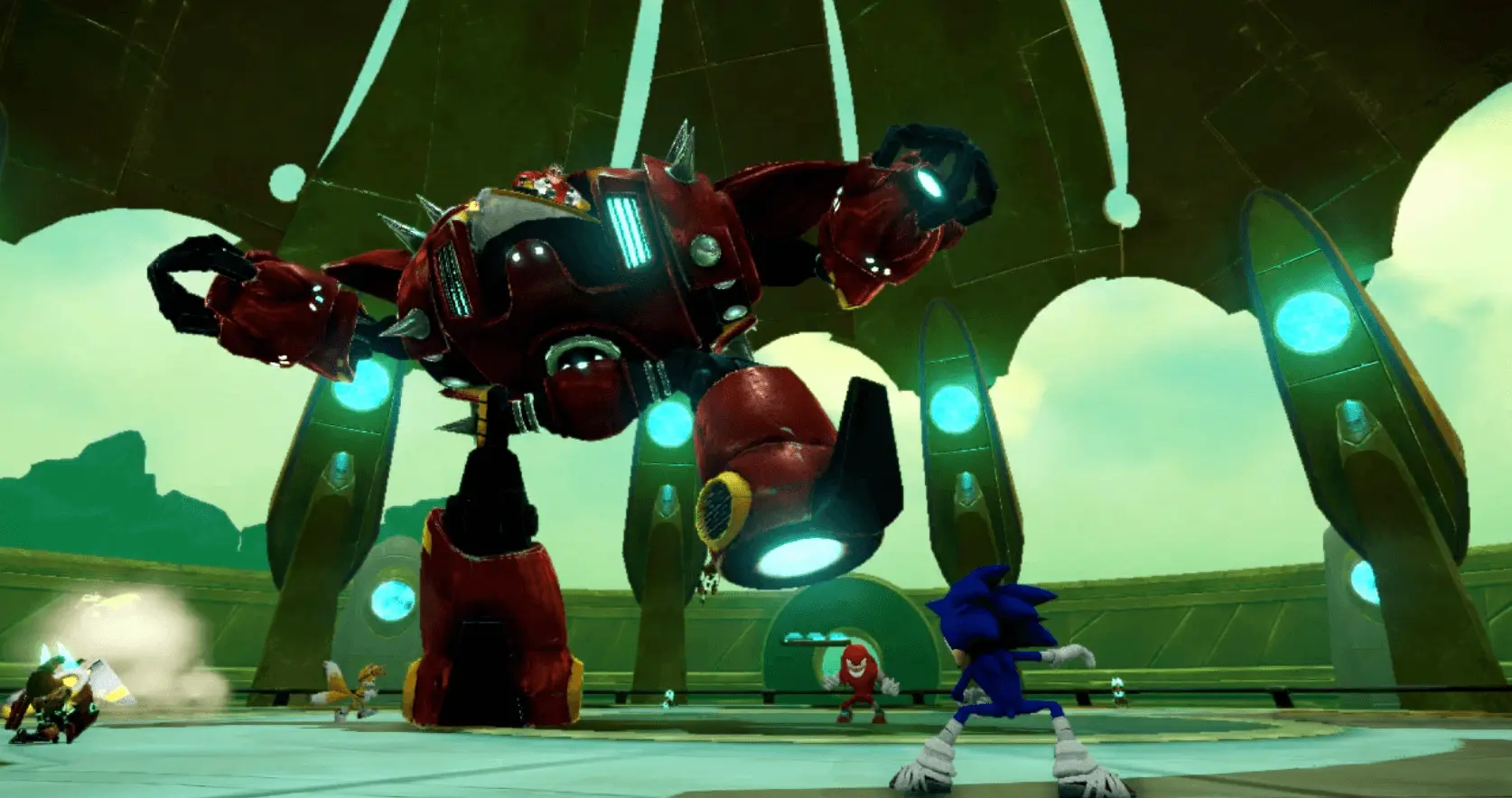
Bosses include Shadow, the Crab Excavator, the Driller Worm, Metal Sonic, the Tunnel-Bot, Eggman in his mech, and Lyric himself. Sub-levels such as River Rush and Undersea Bolt vary the pace.
In comics, TV & other media
Rise of Lyric was one piece of a multimedia launch, and its ties to the cartoon run deep. More in our cartoons section.
Sonic Boom (TV series)Cartoon Network and Boomerang · 2014–2017A CGI sitcom by Sega of America and OuiDo! / Technicolor Animation, first on Cartoon Network from 8 November 2014, three days before this game. It ran for two seasons and 104 eleven-minute episodes, and its self-aware humour won a cult following. The games are prequels to it.
The TV writers take overDevelopment · 2014Late in development the cartoon’s producers were put in charge of the game’s setting, which is why its Knuckles, its story scenes and its Ancients look the way they do; the full story is in How it was made.
Sonic Boom: Shattered CrystalSanzaru Games · 3DS · 2014The companion game, released the same day, with its own Lyric story and Sticks as a playable character. The Wii U box promises special upgrades unlocked through it.
Sonic Boom: Fire & IceSanzaru Games · 3DS · 2016The third Boom game, set during the cartoon’s second season.
Sonic Boom comicArchie Comics · 2014–2015Eleven issues by Ian Flynn and Evan Stanley, part of the 2015 Worlds Unite crossover with Mega Man; both later contributed scripts to the show’s second season, as its producer Bill Freiberger confirmed in 2016.
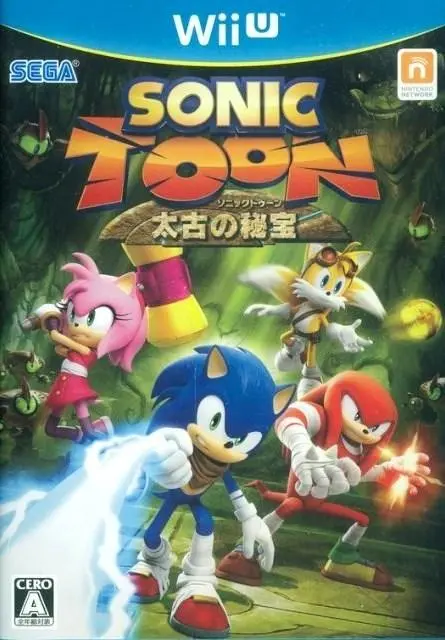
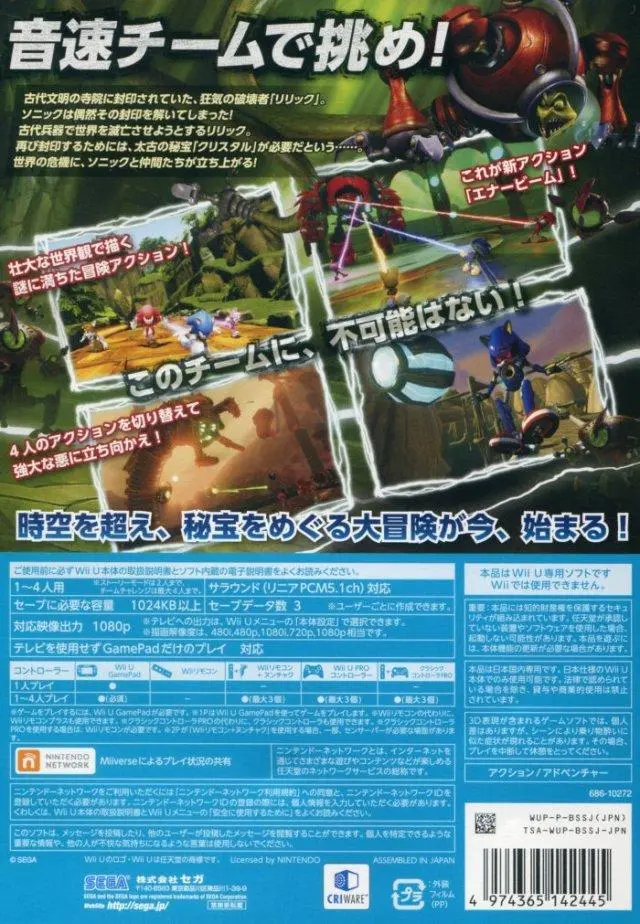
Sonic ToonJapanIn Japan the games and the cartoon were all called Sonic Toon: this game is Sonic Toon: Ancient Treasure.
Characters
Sonic Boom reimagined the cast for Western audiences, and the hub areas are full of villagers who would become regulars in the cartoon.
Character
Who they are
In this game
Stats & abilities
SonicPlayable
The Boom Sonic is brave and good-natured but sarcastic and impatient, and enjoys being a hero a little too much. He has blue arms, a brown neckerchief and sports tape on his wrists and shoes. Voiced by Roger Craig Smith.
Opens Lyric’s tomb, refuses to give up the Chaos Crystals and leads the final assault.
Fastest of the four
Homing attack
Enerbeam
TailsPlayable
The team’s young mechanic, now with goggles and a tool belt. Voiced by Colleen O’Shaughnessey.
Turns their shackles into Enerbeams and travels to the past with Sonic.
Flight
Gadgets
Enerbeam
KnucklesPlayable
The most drastic redesign: taller, more muscular and far less clever than the classic guardian. Voiced by Travis Willingham.
The team’s muscle; his dimwittedness was written in when the TV team took over the story.
Climbs walls
Burrows underground
Strong attacks
AmyPlayable
The most level-headed of the group, armed with a giant hammer and trying to keep her crush on Sonic a secret. Voiced by Cindy Robinson.
Warns Sonic not to open the tomb, and keeps the team on track.
Hammer attacks
Swings around poles
Agile jumps
Lyric the Last AncientNew · Main villain
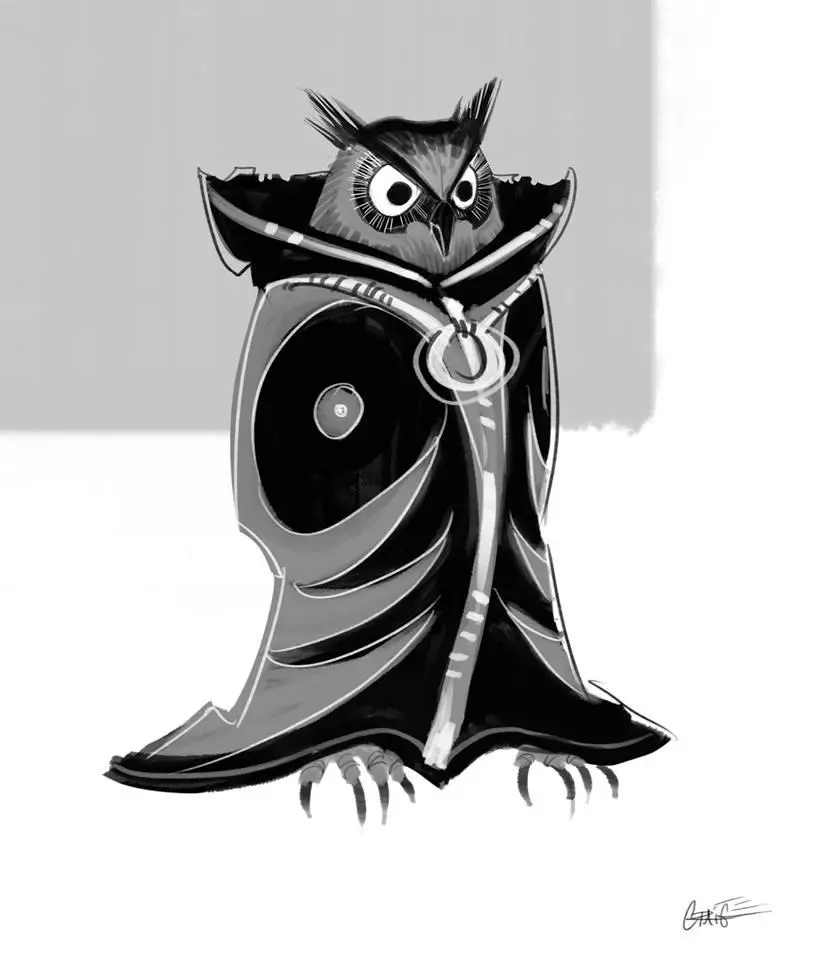
An armoured cyborg rattlesnake, the sole survivor of the Ancients, who can control machines. Voiced by Patrick Seitz.
Wants the Chaos Crystals to power a robot army and end organic life; imprisoned by his own people a thousand years ago.
Final boss. Loses his technopathy device at the end.
Dr. EggmanVillain
The Boom Eggman is more comic than menacing, with schemes that annoy rather than terrify. Voiced by Mike Pollock.
Allies with Lyric, is betrayed, then turns on the snake and frees the heroes.
Boss in his mech; revives Metal Sonic at the end.
ShadowRival
A darker, more aggressive Shadow who sees friendship as weakness. Voiced by Kirk Thornton.
Attacks Sonic and Tails in the past.
Boss.
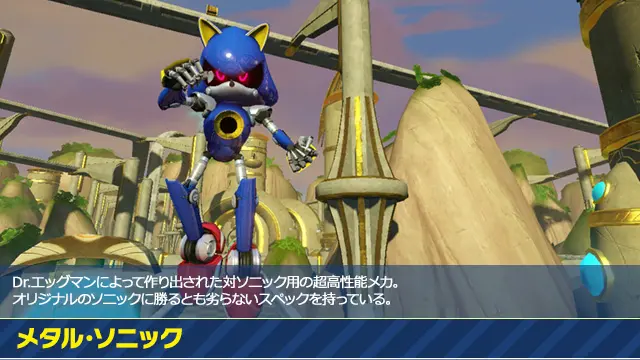
Metal SonicRival
Eggman’s robot double.
Ambushes the team at the tomb, is turned against Eggman by Lyric, and is rebuilt by Eggman in the epilogue.
Boss.
Cliff and MAIANew · Allies
Cliff runs the excavation where the adventure starts (voiced by Kirk Thornton); MAIA is a robot of Lyric’s who rebelled against him (voiced by Cindy Robinson).
Cliff explains who Lyric is and why the Chaos Crystals matter; MAIA opens the portal that takes Sonic and Tails a thousand years into the past.
Story characters.
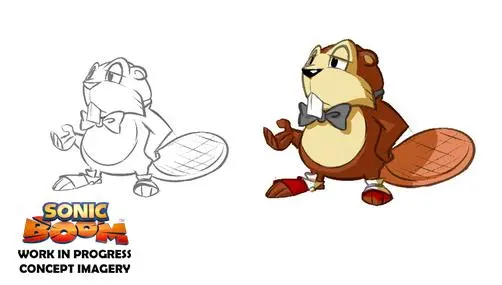
The villagersFrom the TV series
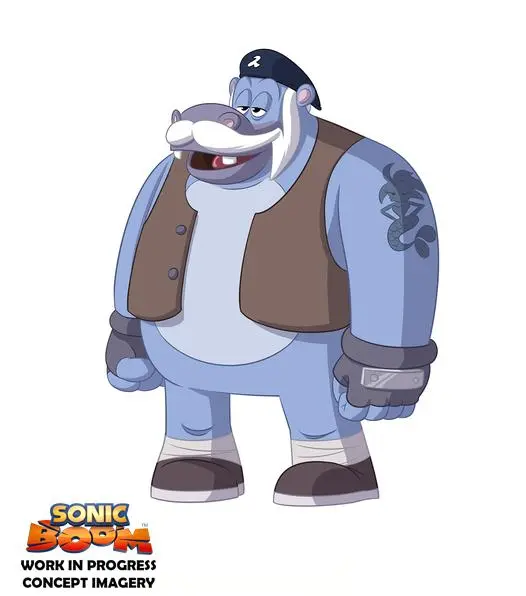
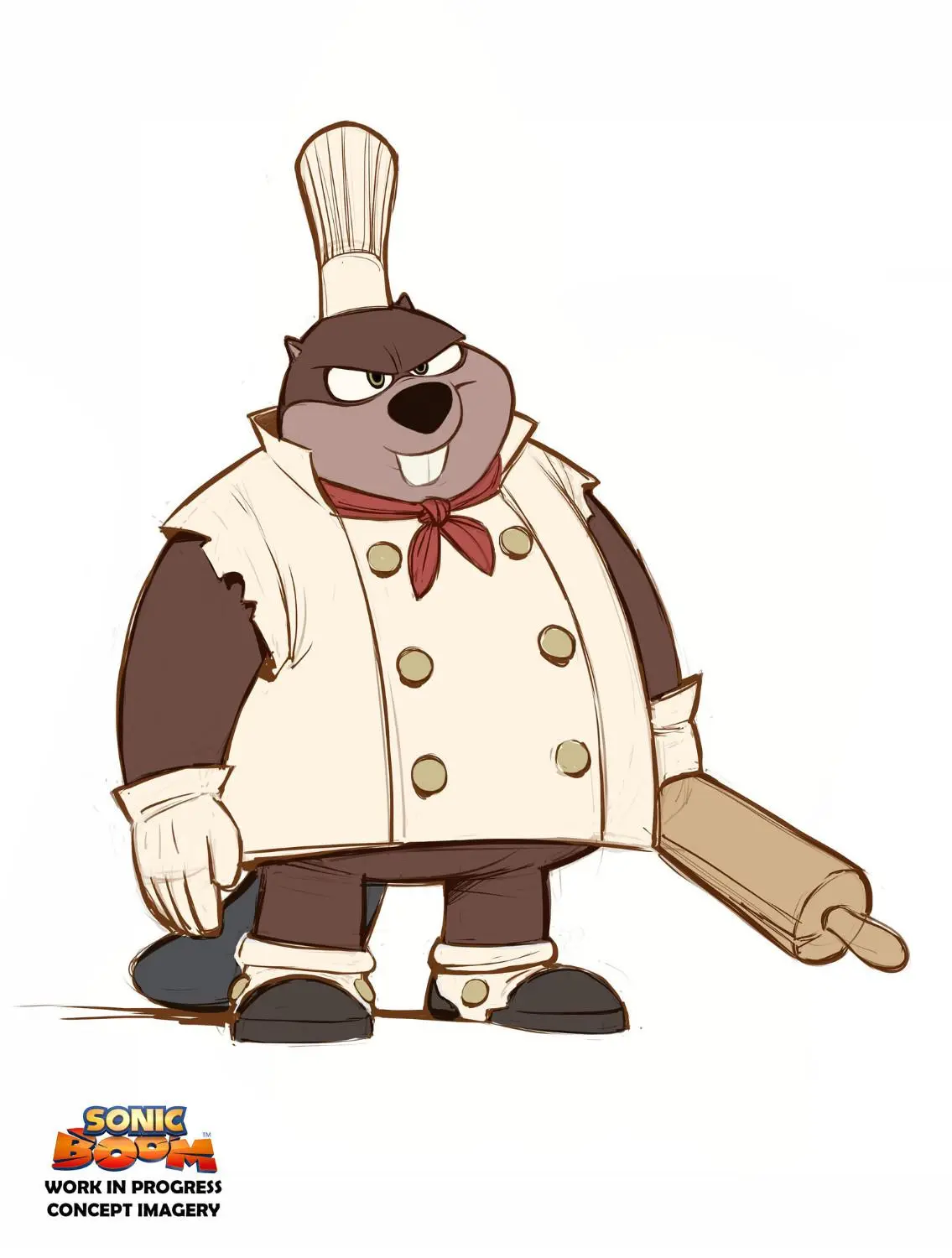
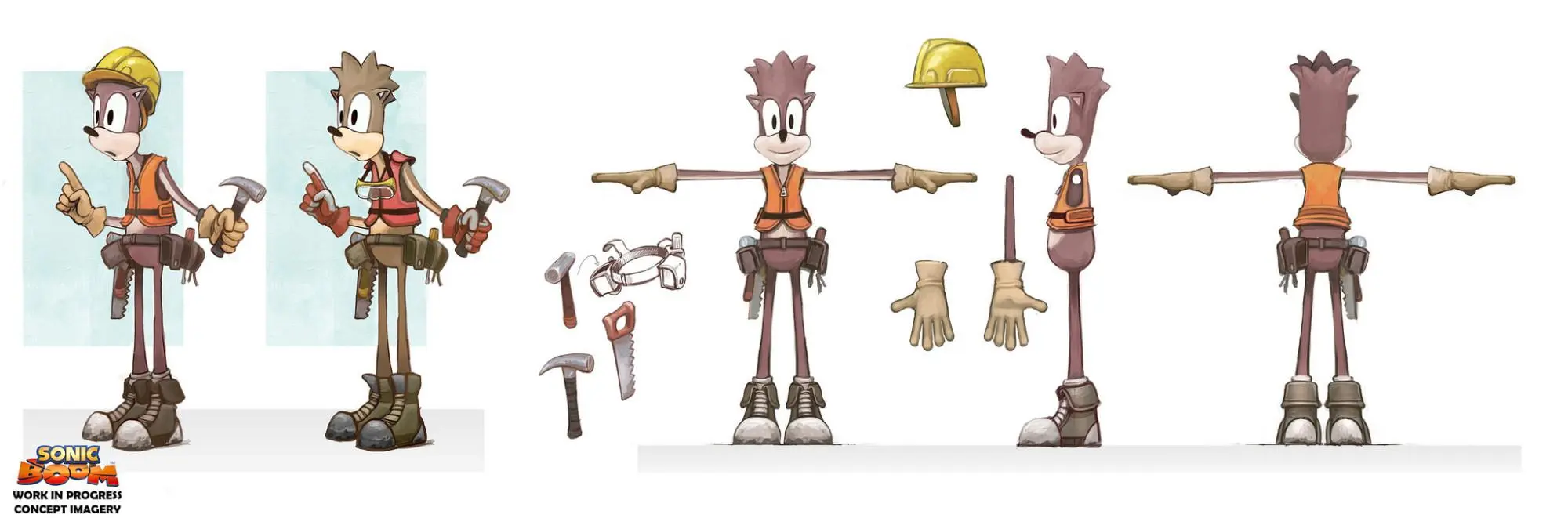
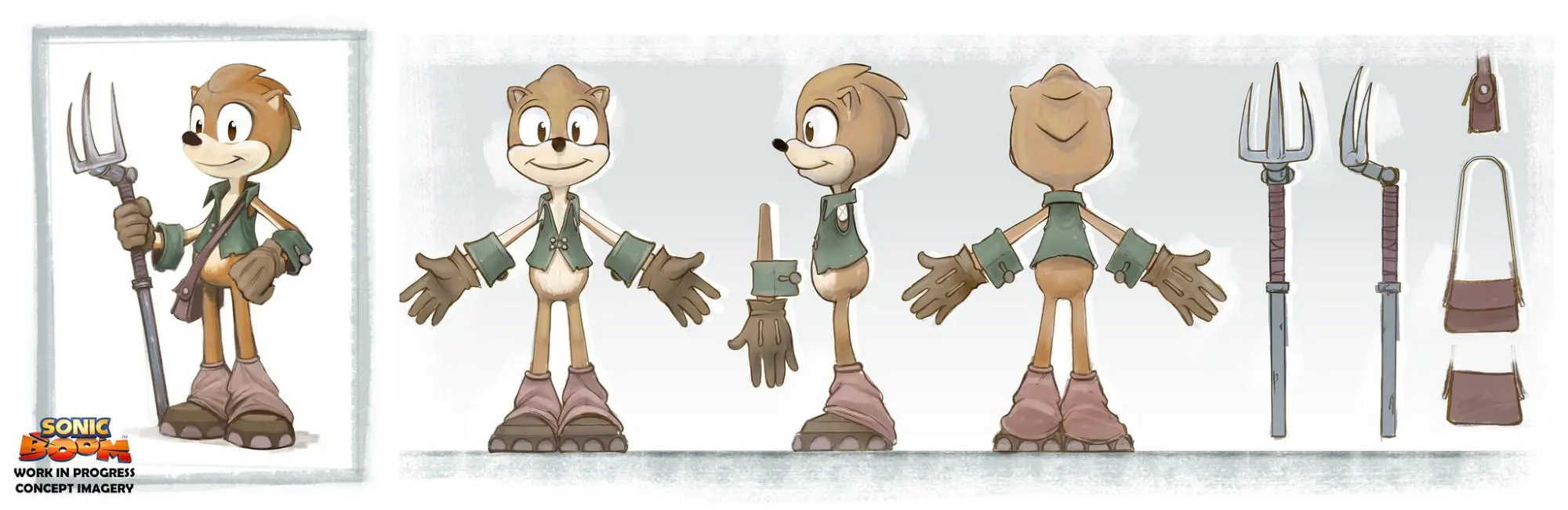
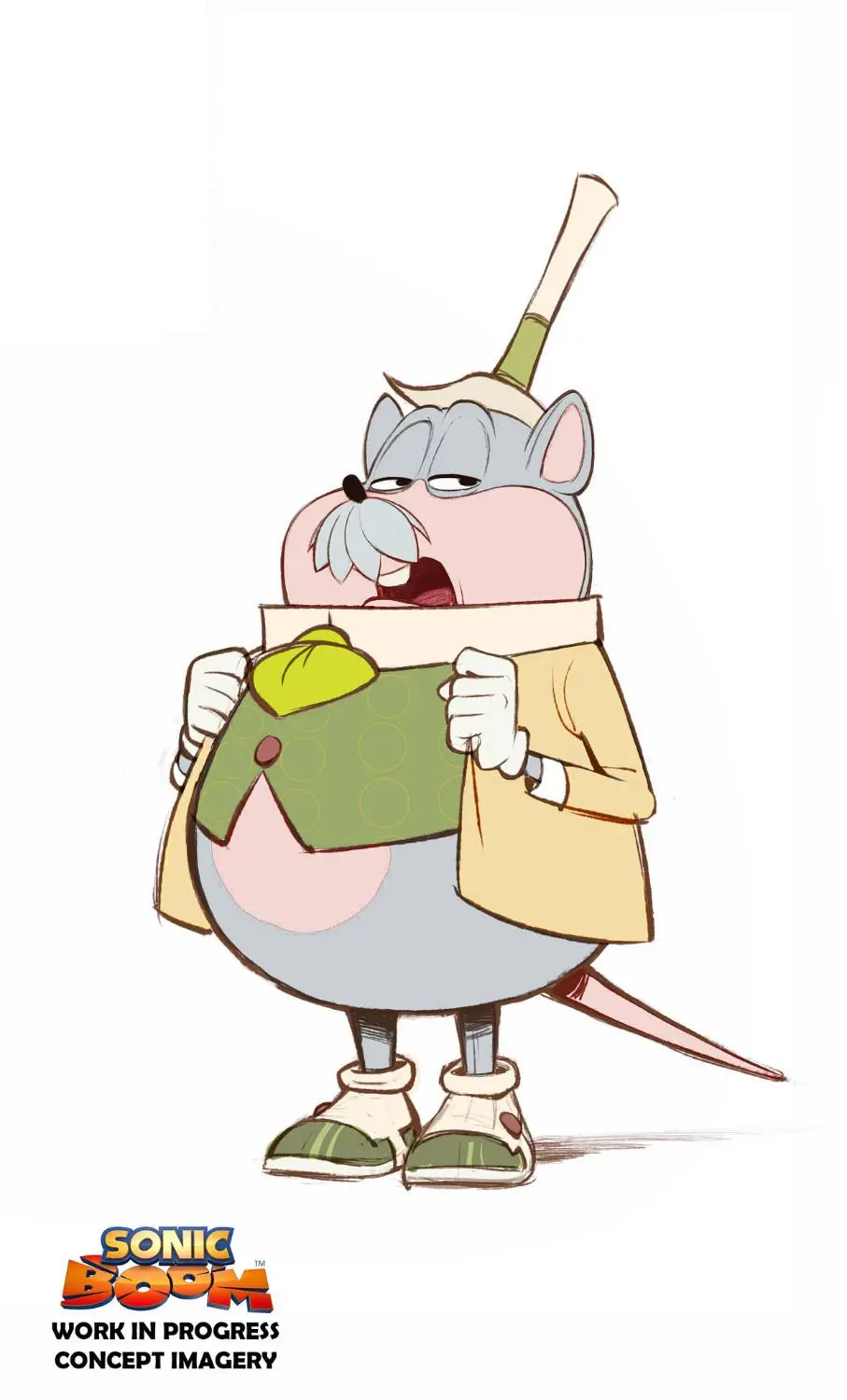
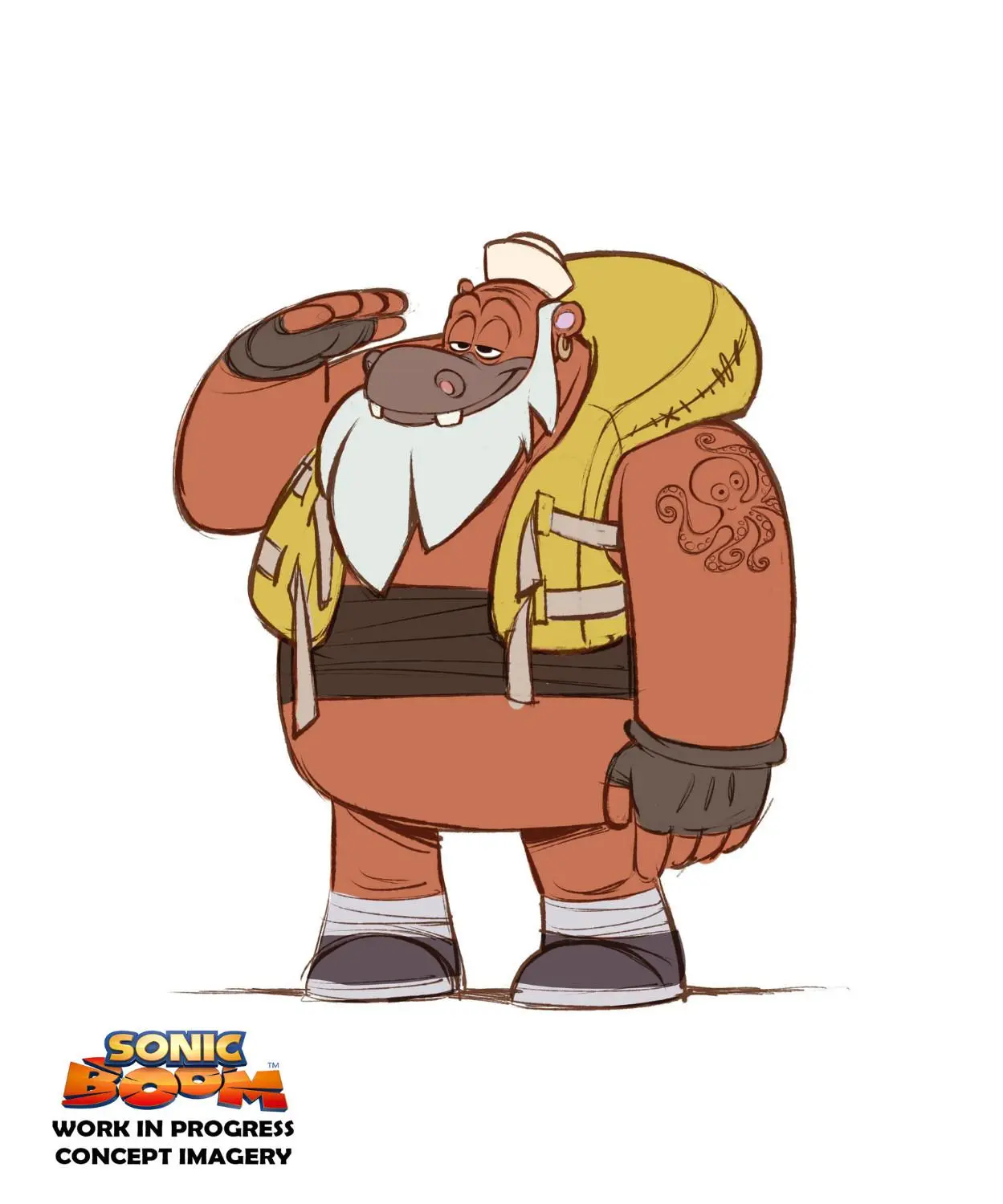
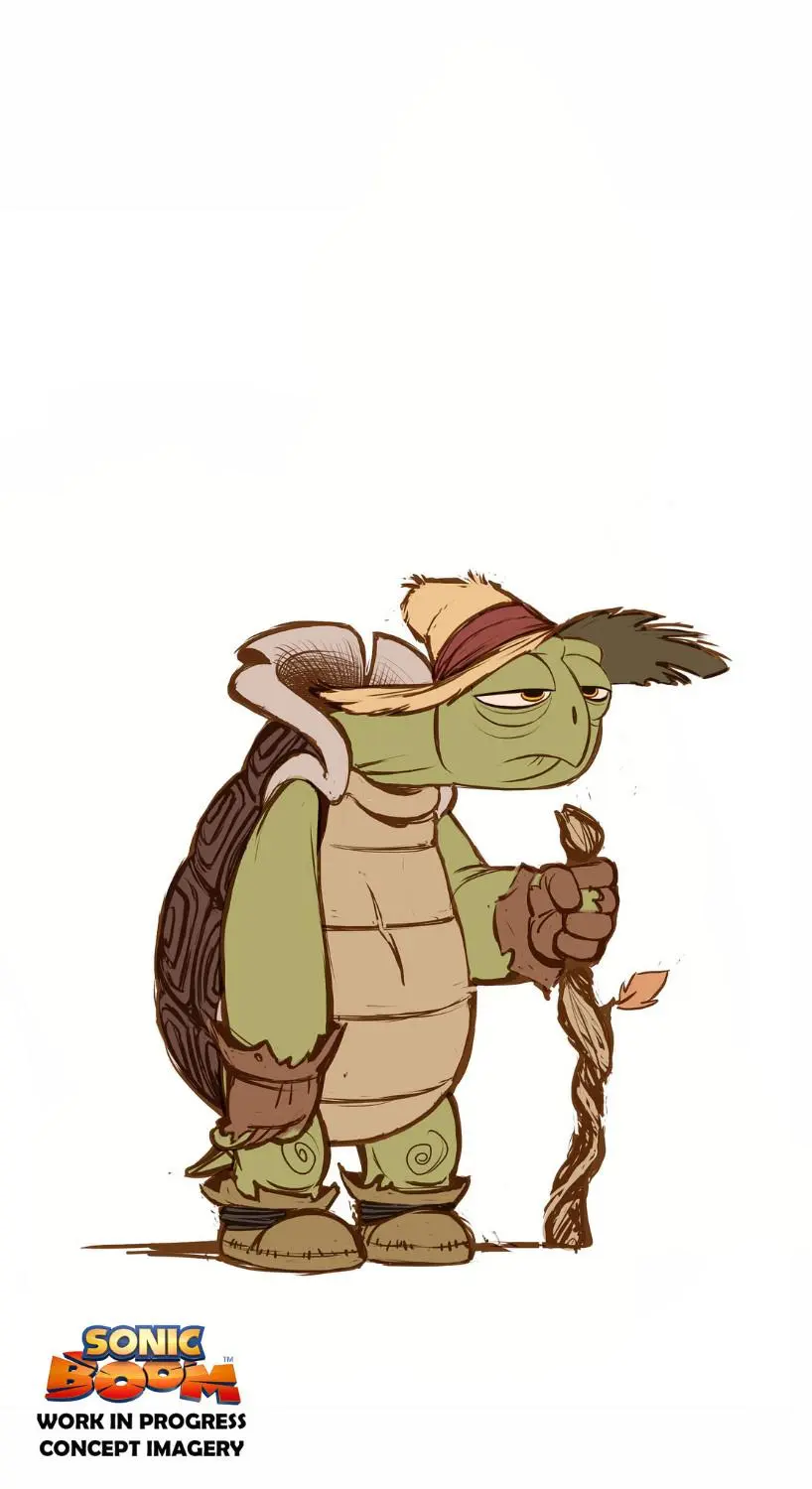
Fastidious Beaver, Mayor Fink, the hippo twins Salty and Pepper, Chef Woody, Doc Ginger, Old Tucker, Perci and more, several of whom became regulars in the cartoon.
Give quests and colour in the hub areas. Sticks the Badger also turns up, though she is only playable in the 3DS game.
Non-playable.
Lyric’s and Eggman’s robots
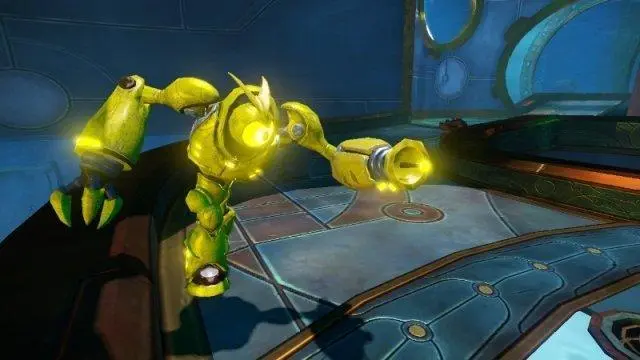
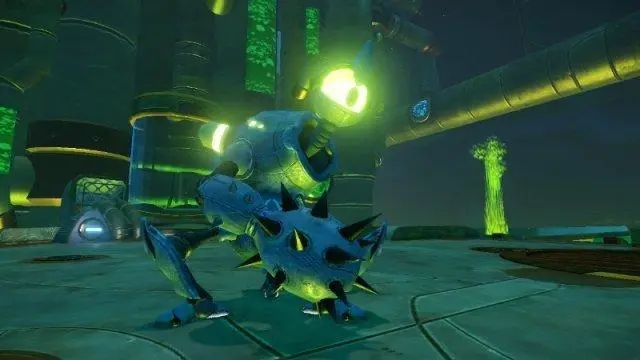
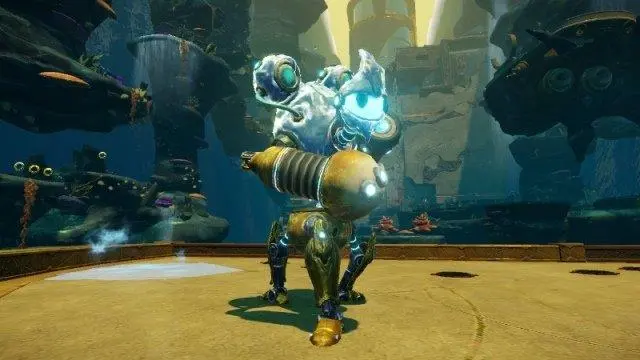
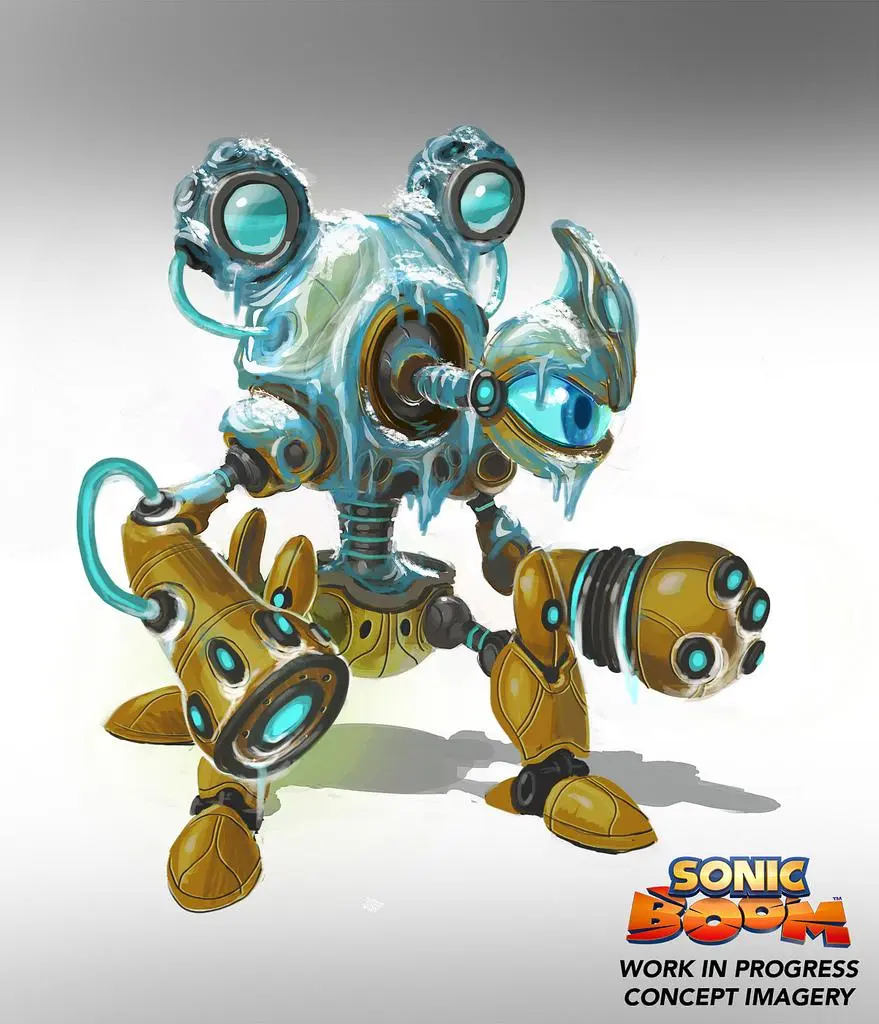
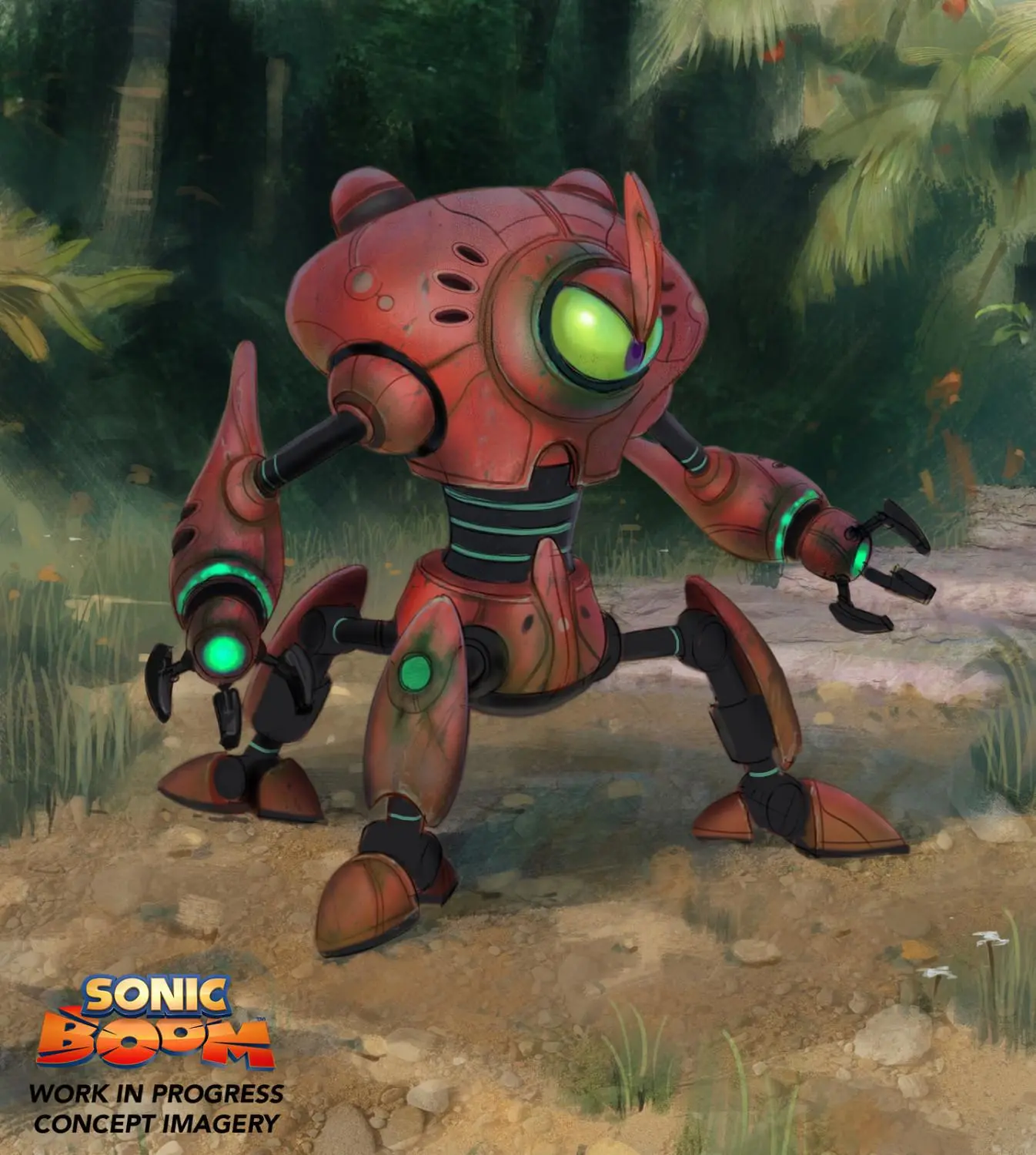
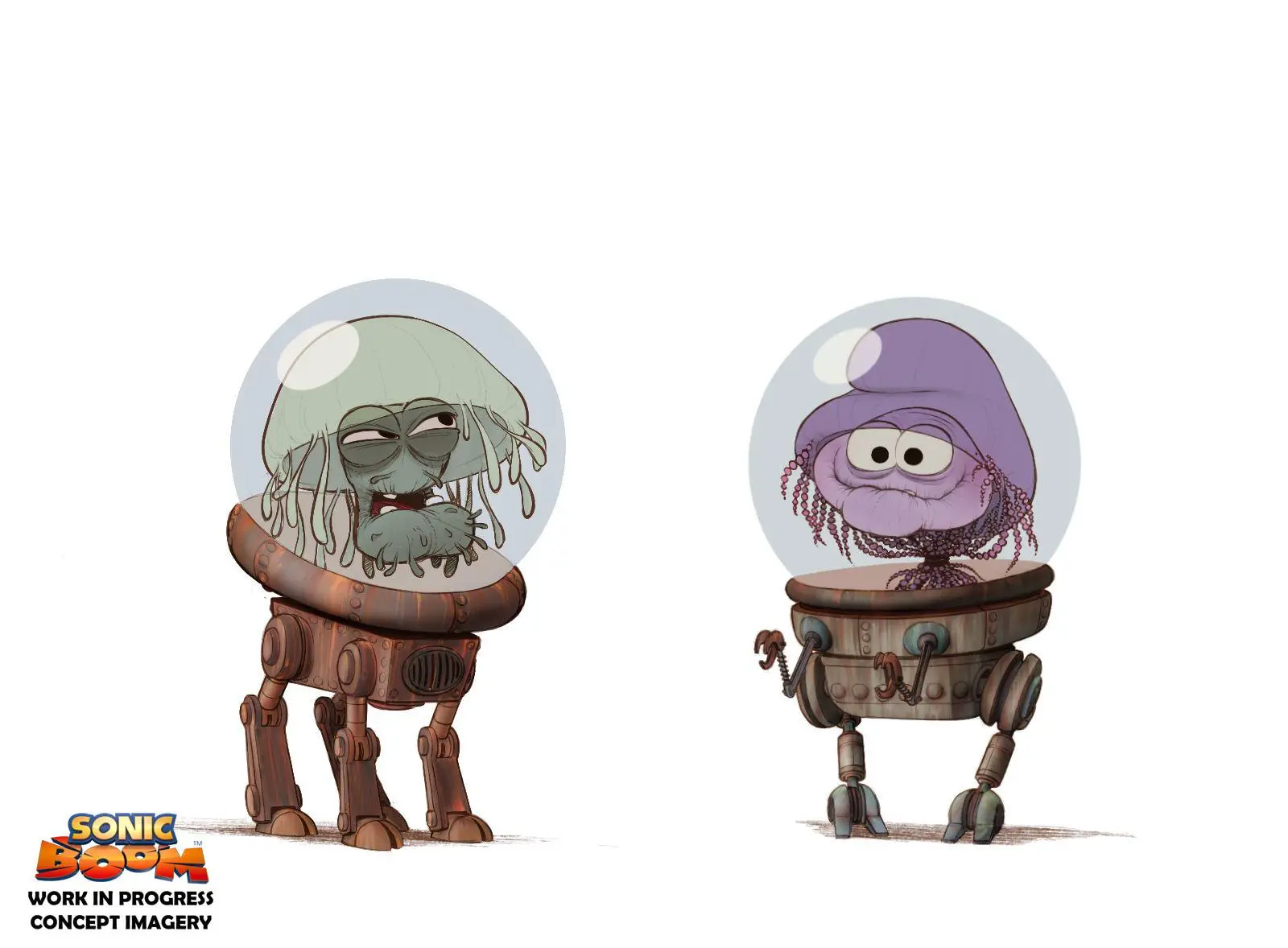
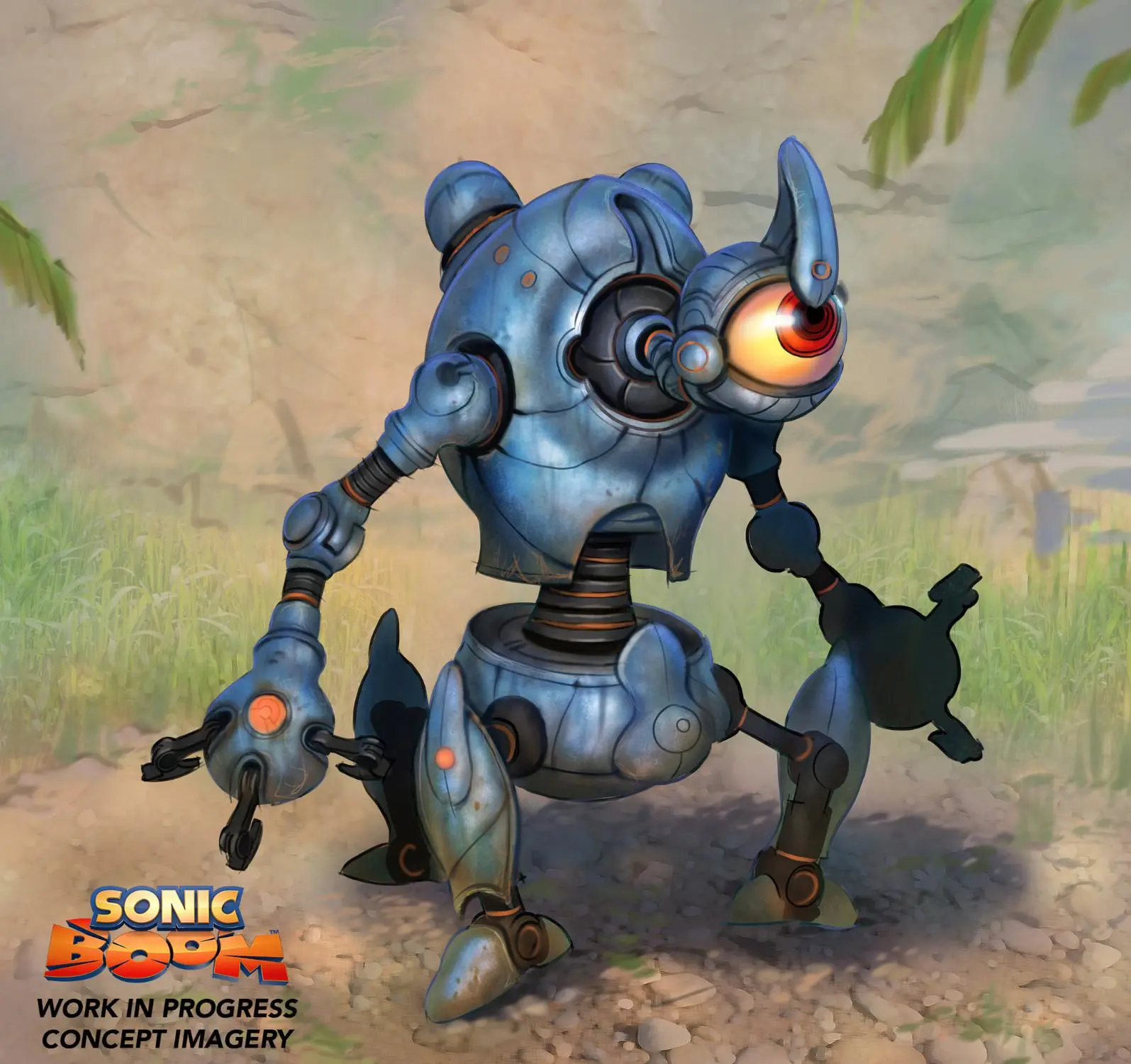
Enemies come in families of troopers, guards, brutes, snakes and rollers. A few of them, from Sega’s promotional art and our concept gallery:
Blaster TrooperTrooperA gun-toting robot soldier.
Crusher BruteBruteOne of the heavy brute robots.
Fridge BruteBruteAnother brute; the Enerbeam can pull shields off armoured enemies.
Concept robotConcept artOne of several enemy designs from development.
Concept robotConcept artAnother early enemy design.
Tunnel-BotBossA boring machine fought as a boss.
Ancient guardianConcept artAn Ancient-style boss design.
The people who made it
Key credits from Wikipedia’s cited sources.
Bob RafeiDirector, Big Red ButtonA veteran of Crash Bandicoot, Jak and Daxter and Uncharted; he later admitted that scope creep early on caused the game’s problems.
Stephen FrostProducer, Sega of AmericaAgreed with Rafei’s diagnosis.
Chris SennLevel designerFormerly of the cancelled Sonic X-treme at Sega Technical Institute, he joined to close the Sonic chapter of his life.
Takashi IizukaSupervisor, Sonic TeamOversaw the Boom games on behalf of Sonic Team.
Richard JacquesComposerChosen for his past Sonic work, from Sonic 3D Blast and Sonic R to All-Stars Racing Transformed.
IllFonicCo-developerHelped with level design, art and code.
How it was made
Our original page was an infobox only, so this history is new. It is built from Wikipedia’s cited development history, which draws on later interviews with the developers.
A Western Sonic
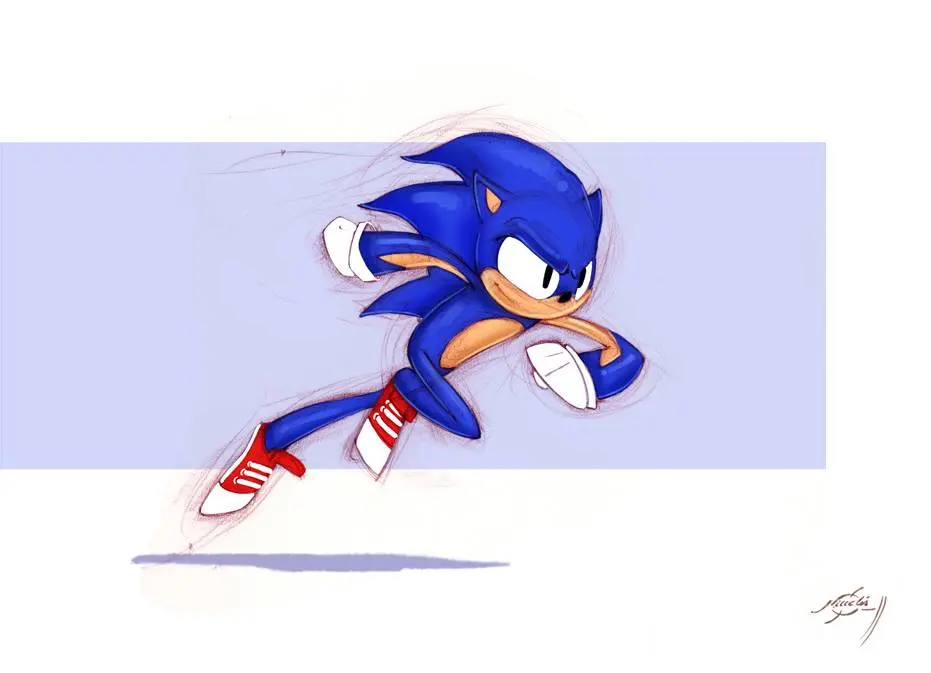
Early Sonic concept art.
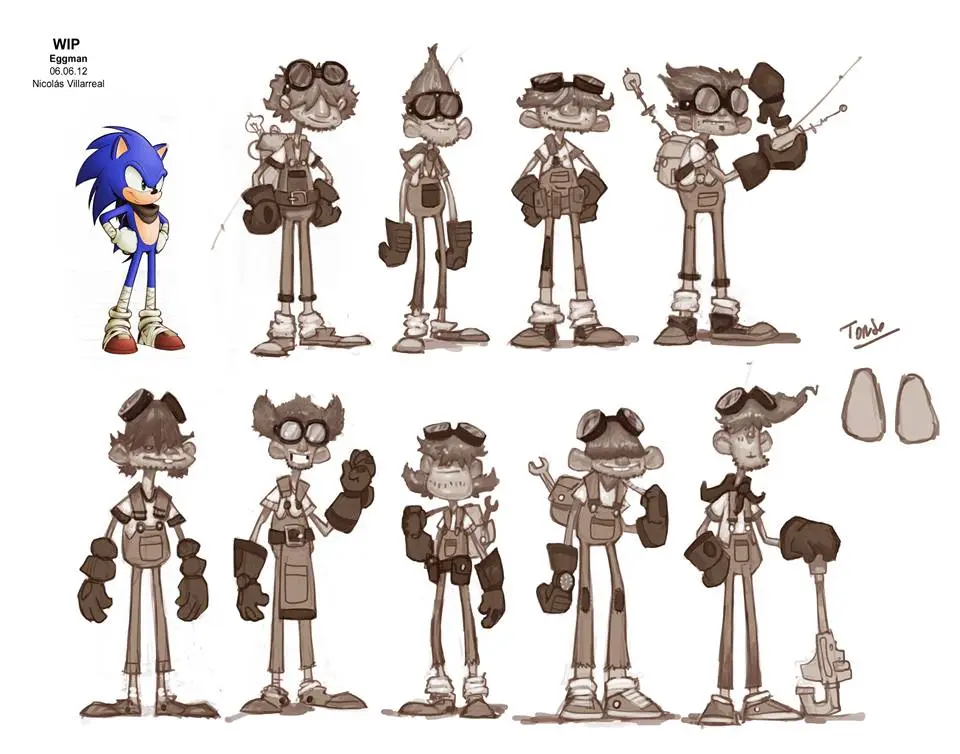
The idea was a Sonic for Western tastes, made by a Western studio and planned alongside a TV series. Sega chose Big Red Button in Los Angeles for its founder, Bob Rafei, and its record in adventure games, and the first pitch, in 2011, was a four-player co-op romp in the spirit of Jak and Daxter. Its working title was Sonic Origins, and it meant it: Sonic and Eggman would start out as friends until a time-travel accident turned them into enemies.
One of the team’s design pillars was an “organic and natural world” with a cartoon look, which one developer later admitted barely shows in the finished game. The early character designs went much further than the ones that shipped, until Sonic Team asked the studio to pull them back towards the originals.
Three names, two consoles
The Sonic Synergy logo.
Origins became Sonic Synergy, the name on a vertical slice that took roughly two years to build for Sega of Japan. The plan at that stage was a Steam game, with PlayStation and Xbox versions to follow if sales justified them. Nintendo changed all that. Sega agreed to make three Sonic games exclusive to Nintendo machines (Sonic Lost World, Mario & Sonic at the Sochi 2014 Olympic Winter Games and the Boom pair as the third), and when Nintendo saw Synergy in late 2012 it signed up. In 2013 the project became a Wii U game, its 3DS counterpart, Shattered Crystal, went to Sanzaru Games, and Sega of Japan threw out the origin story. The final name, Sonic Boom, came because Sega wanted one brand around the world, and Synergy no longer described anything.
What went wrong
An early build.
Nearly everything that could squeeze the schedule did. CryEngine 3 had never been designed with the Wii U in mind, so Crytek had to step in just to get it running. Time and money both ran low, and the cuts piled up: co-op shrank from four players to two, levels were straightened out, and Chao, a ring bank and a biplane stage between Sky Citadel and Lyric’s Lair were all dropped.
The story changed hands as well. Eight months before launch, Sega put the cartoon’s producers in charge of the setting, and the game was reworked to match the show: Knuckles turned dim, filler scenes were added to explain the plot, and the Ancients shrank to bit parts. By July 2014 more than fifty developers had gone, leaving as their contracts ran out.
Reveal and release
Key art.Image via Sonic Retro
Sega unveiled Sonic Boom on 6 February 2014 together with the cartoon’s first trailer, and was careful to call it a separate continuity rather than a replacement for modern Sonic. The new designs divided fans and the E3 2014 demo was largely panned, though Destructoid still put it up for two of its Best of E3 awards. Amazon pre-orders came with a set of Lighting Suit costumes.
Critics got no head start: there were no advance review copies, so reviews could only begin once the game was in shops, on 11 November 2014 in North America, 21 November in Europe and 29 November in Australia. Japan had never been part of the plan, but it got the game on 18 December 2014 under the name Sonic Toon: Ancient Treasure.
Firsts: what this game introduced
Whatever its faults, Rise of Lyric introduced a lot.
1The Sonic Boom designsScarves, sports tape and a towering Knuckles: the looks shared by the games, the cartoon, the comic and the toys.
2The EnerbeamAn energy whip used to swing, grind rails, rip shields off enemies and solve puzzles.
3LyricThe Last Ancient, the new villain created for the Boom games.
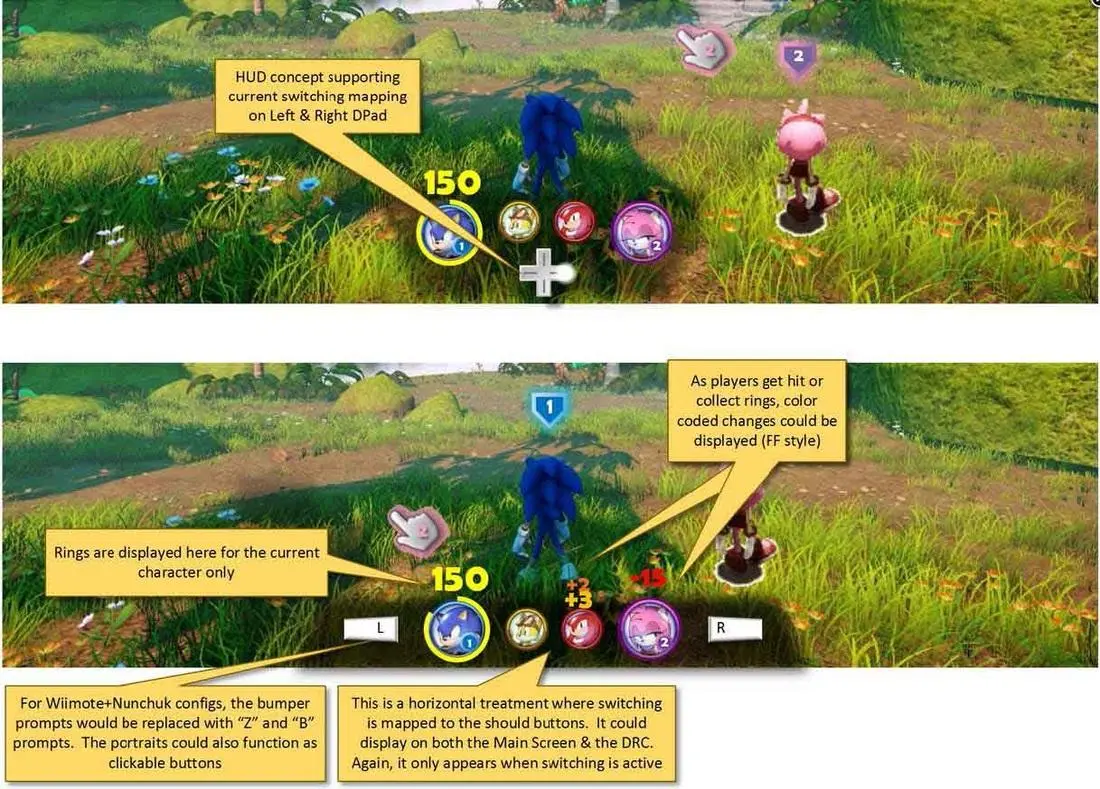
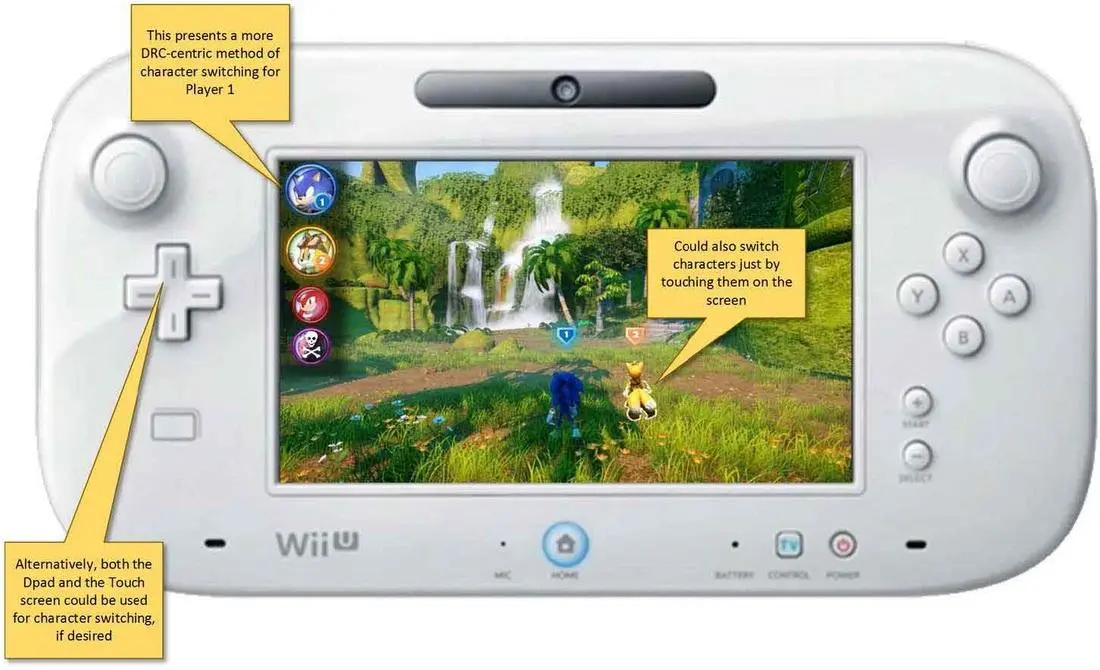
4Four heroes at onceSonic, Tails, Knuckles and Amy explore together, and players switch between them.
5Cross-game upgradesThe box promises special upgrades unlocked by connecting with the Nintendo 3DS game.
6Sonic on CryEngineBuilt with Crytek’s CryEngine 3, with Crytek’s help to make it run on Wii U.
Cheats & secrets
Our original page had no secrets section, so this one is new.
Upgrades
Robot scrap collected in levels pays for stat upgrades, and each character can carry up to 100 rings.
Collectables
Levels hide crowns, shines, power glyphs and other collectables alongside the Chaos Crystals.
Gadgets
The team’s arsenal includes the Water Balloon, Feather Blade, Cyclone Blaster, Battle Trumpet, Hand Gun and Explosion Switch.
Co-op and challenges
A second player can join the story, and up to four can play the challenge mini-games, which some critics thought were the best part.
Upgrades from the 3DS game
The box promises special upgrades unlocked through Sonic Boom: Shattered Crystal on Nintendo 3DS.
Glitches, exploits and oddities
Rise of Lyric is better known for its bugs than for almost anything else.
Knuckles to the moon
Knuckles.
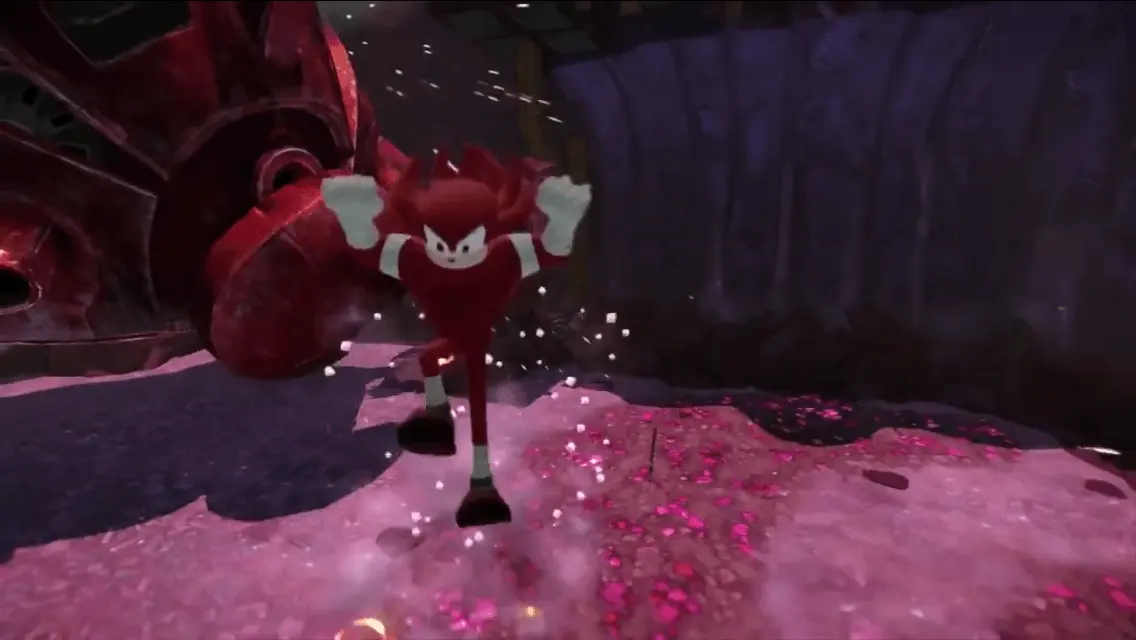
On the first day of release in the US, players discovered that pausing during one of Knuckles’ jumps reset it, letting him jump again and again, as high as you liked. Speedrunners used it to skip most of the game and finish in under an hour, and one of the TV series writers shared an edited clip from the show poking fun at it. Sega closed the loophole in January 2015 with a hefty 1 GB update that dealt with other bugs too.
Missing sounds and holes in the world
GameSpot’s reviewer found sound effects failing to play much of the time, characters clipping through scenery, and one crash that took his Wii U down with it.
Frame rate
The frame rate drops noticeably, especially in the fast sections, as reviewers and E3 demo players both noted.
Groundhog dialogue
The characters repeat the same lines for basic actions over and over, and Eggman drops dated internet catchphrases such as “Nailed it!”.
Videos & media
Sega Europe’s UK launch trailer and Sega’s E3 2014 trailer.
The UK launch trailer, from Sega Europe’s YouTube channel.
The E3 2014 trailer, from Sega’s YouTube channel.
Trivia & facts
From the Synergy era.The game went through three names: Sonic Origins, Sonic Synergy and finally Sonic Boom.
Level designer Chris Senn had worked on Sonic X-treme, the Saturn game Sega cancelled in the 1990s.
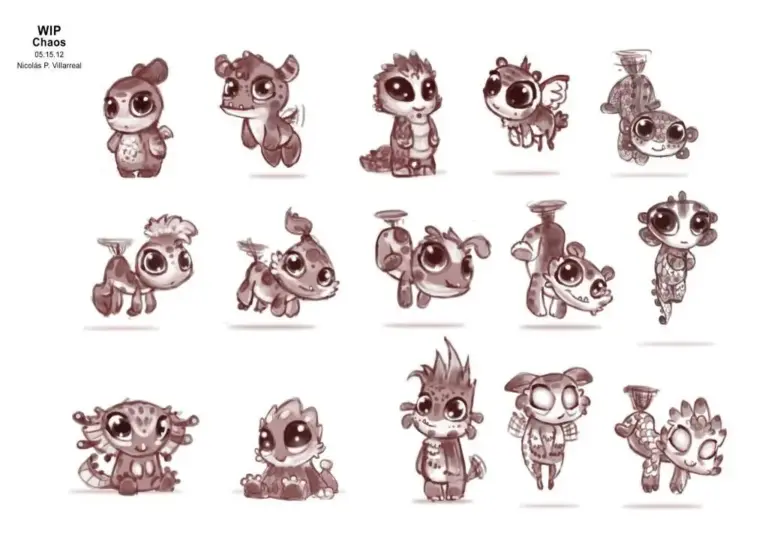
Chao concept art.Concept art shows Chao were planned before they were cut.
The TV series premiered on 8 November 2014, three days before the game reached North American shops.
In Japan the whole sub-series went by Sonic Toon, and the game was retitled Sonic Toon: Ancient Treasure.
Salty.Salty the hippo, a sea captain here with a rival twin brother called Pepper, later turned up in the cartoon working as a bouncer, in the episode Battle of the Boy Bands.
Composer Richard Jacques had previously been lead composer on Sonic 3D Blast and Sonic R.
Media & artwork
Boxes, artwork, concept art, loading screens and screenshots from Sonic Scene’s own galleries and Sonic Retro. Select any image to view it larger.
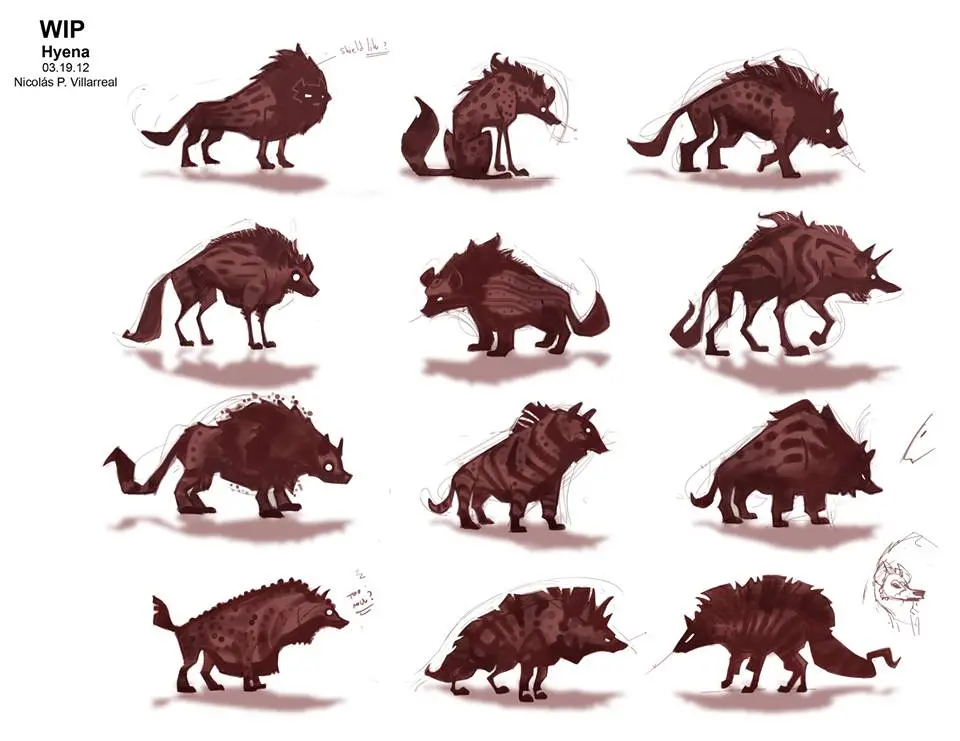
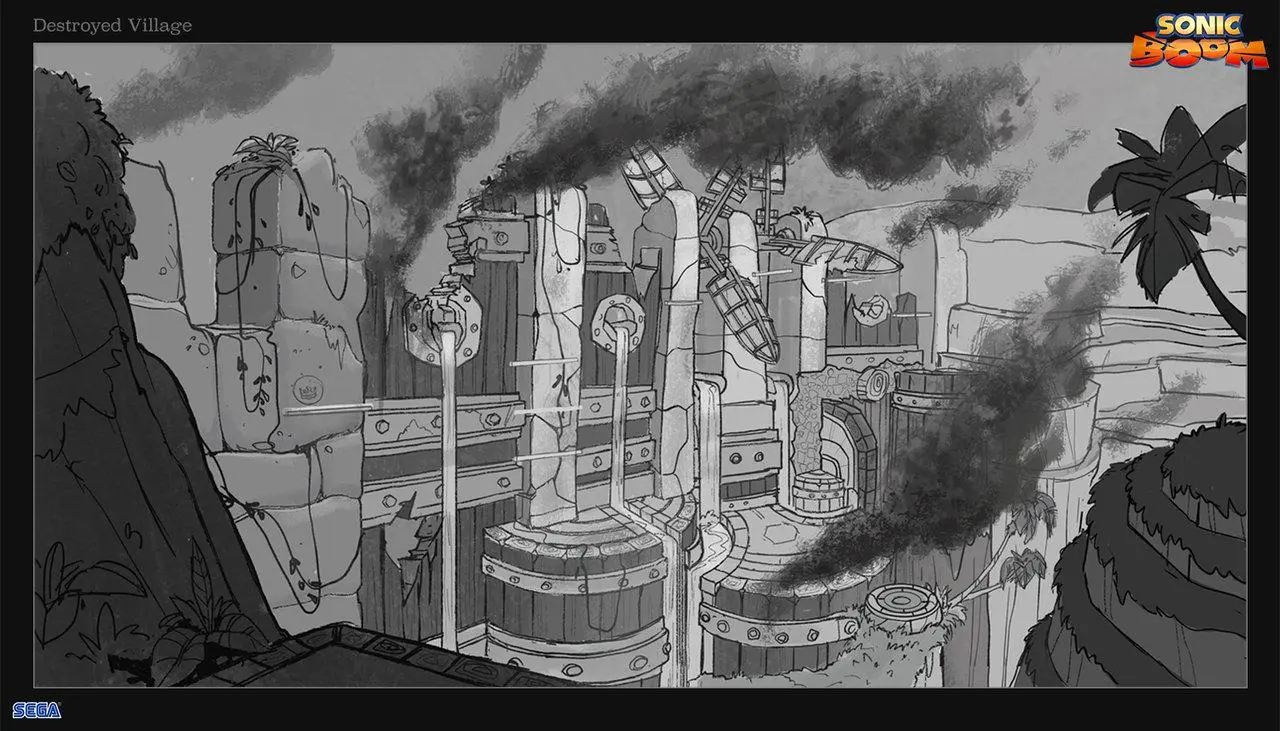
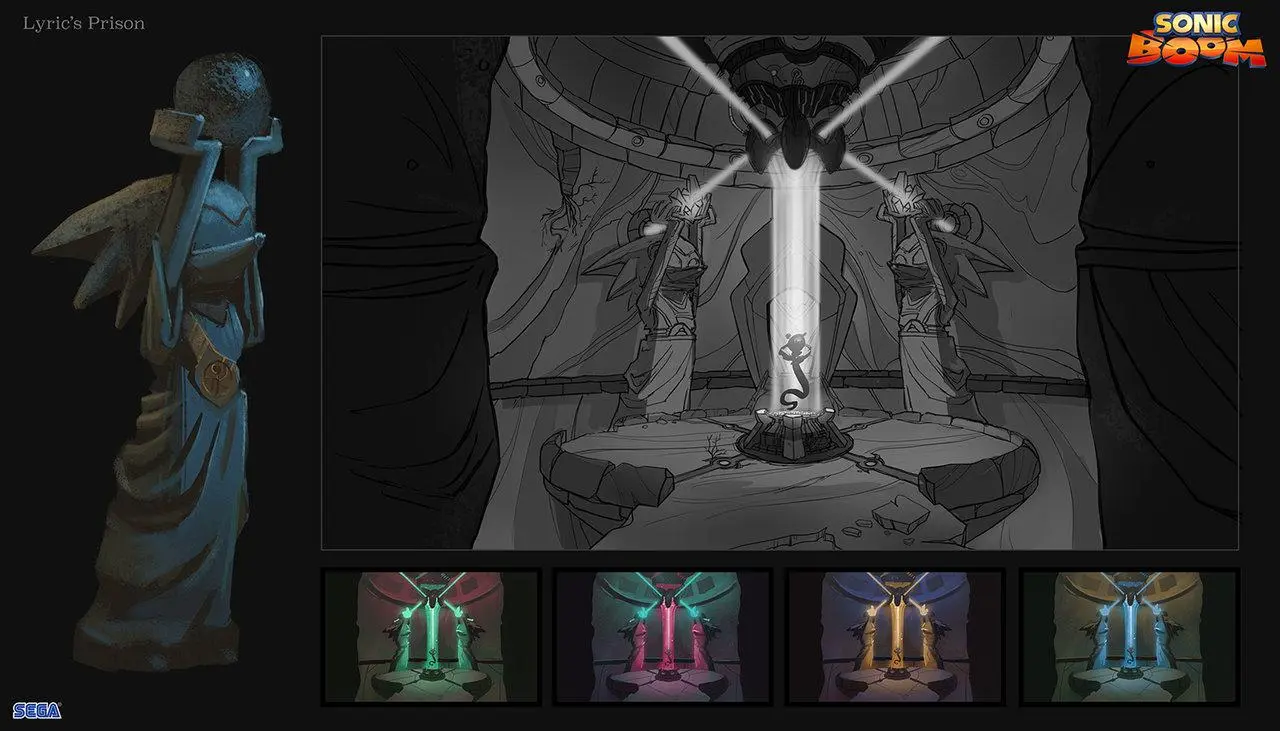
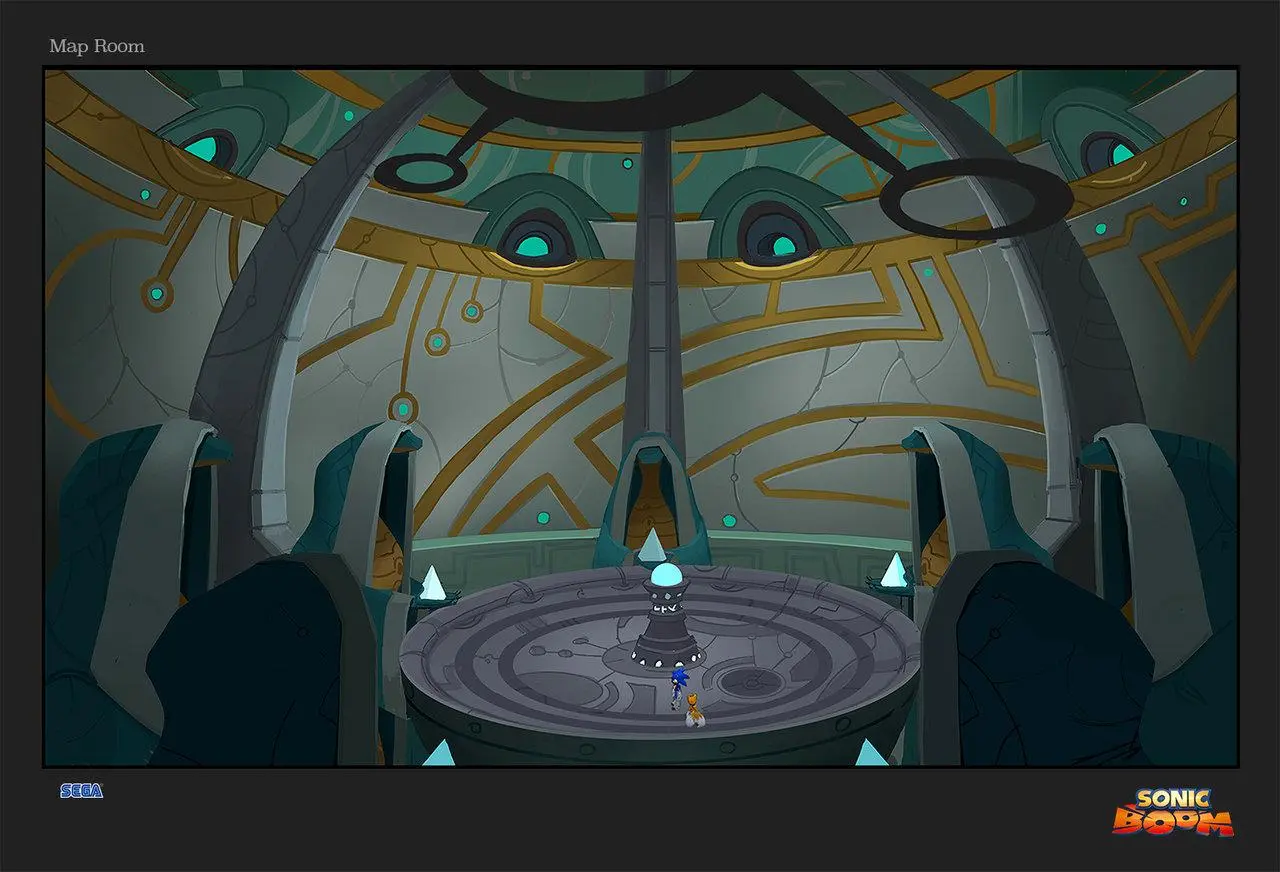
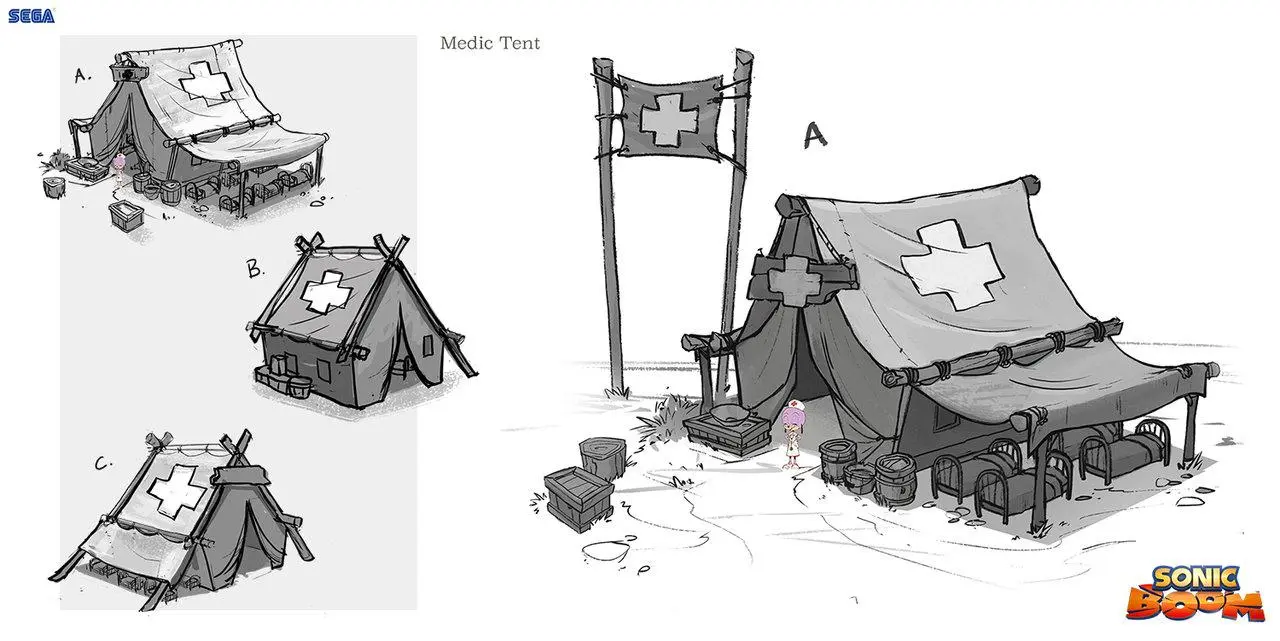
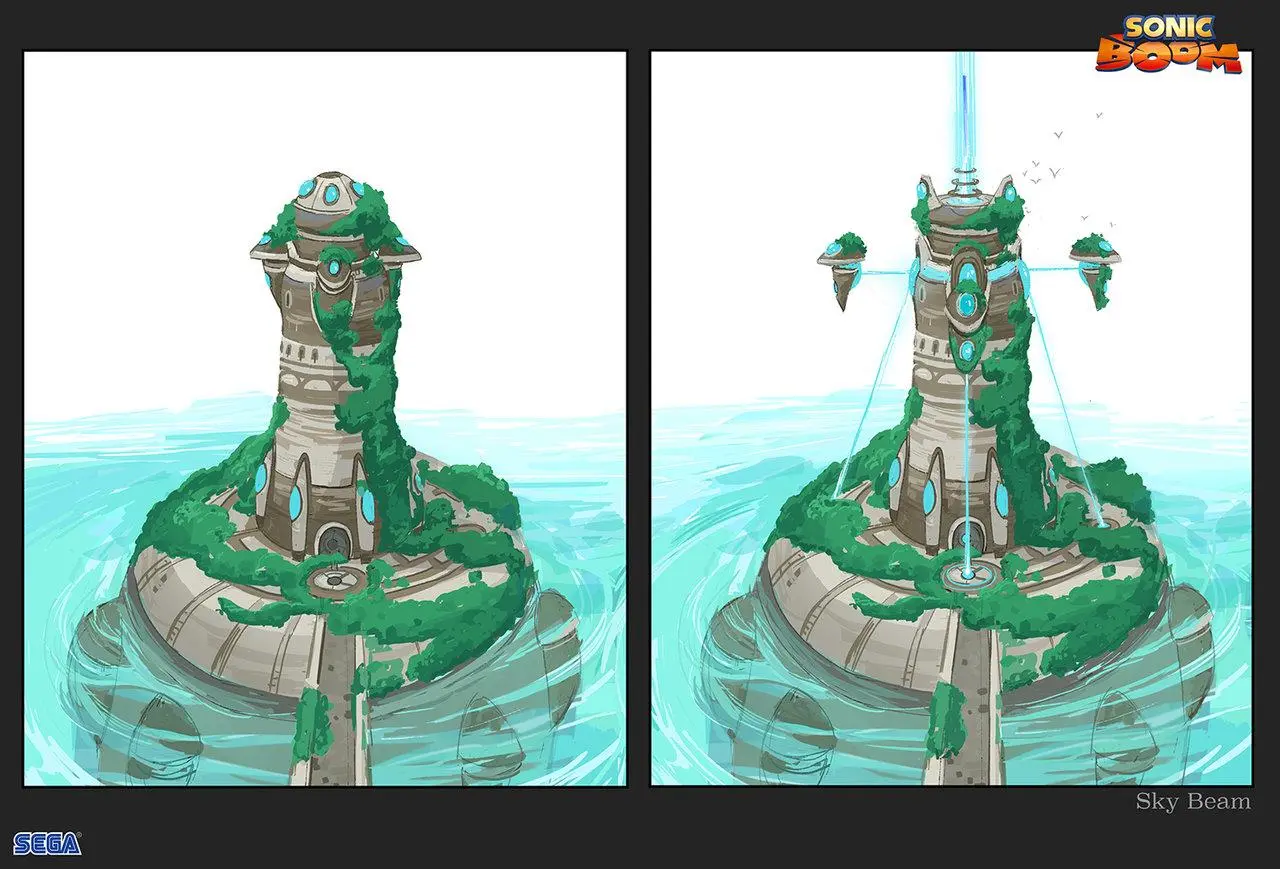
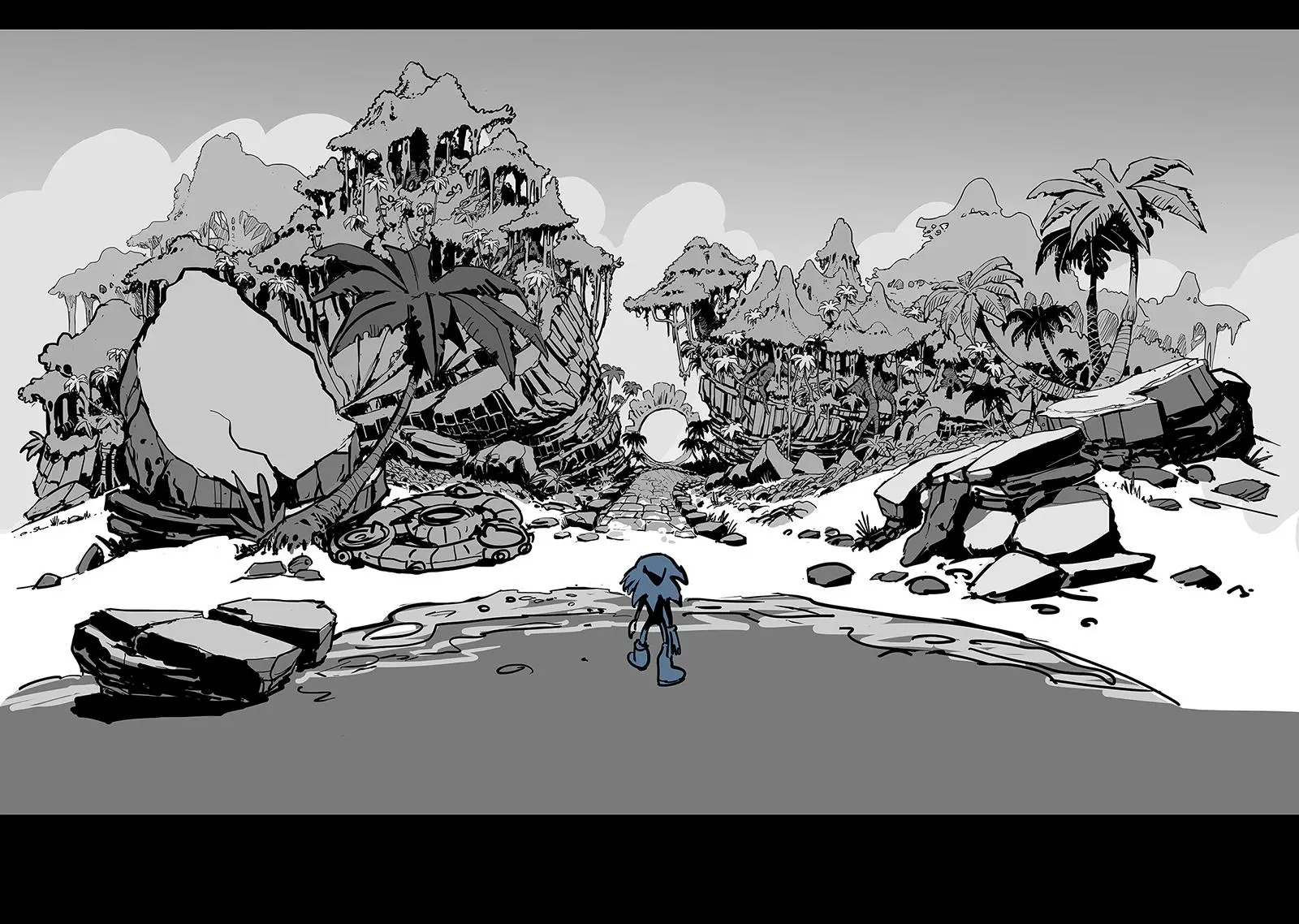
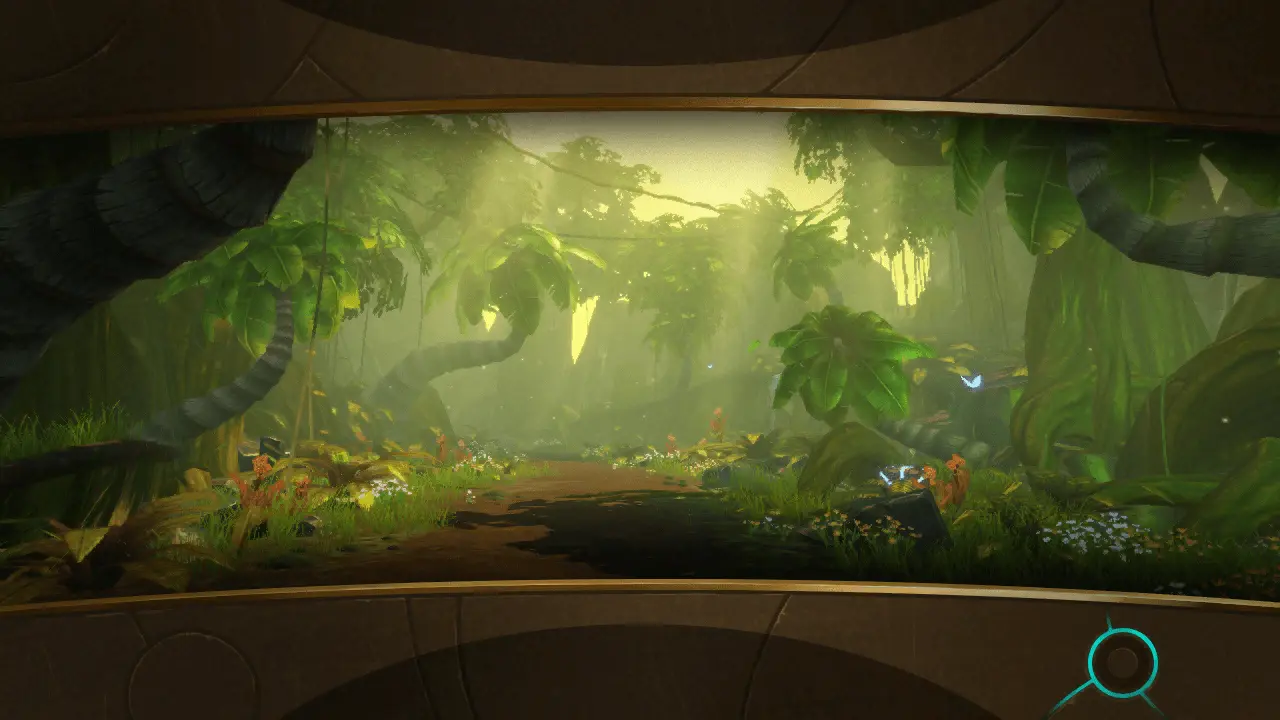
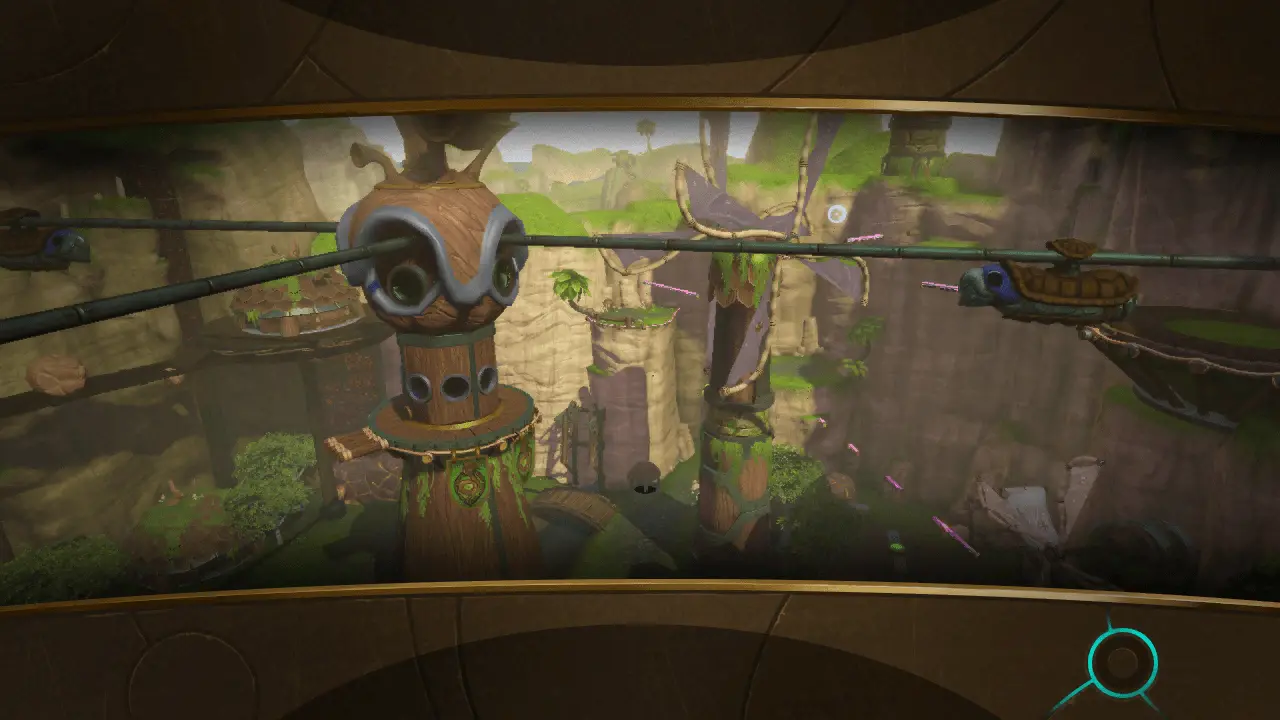
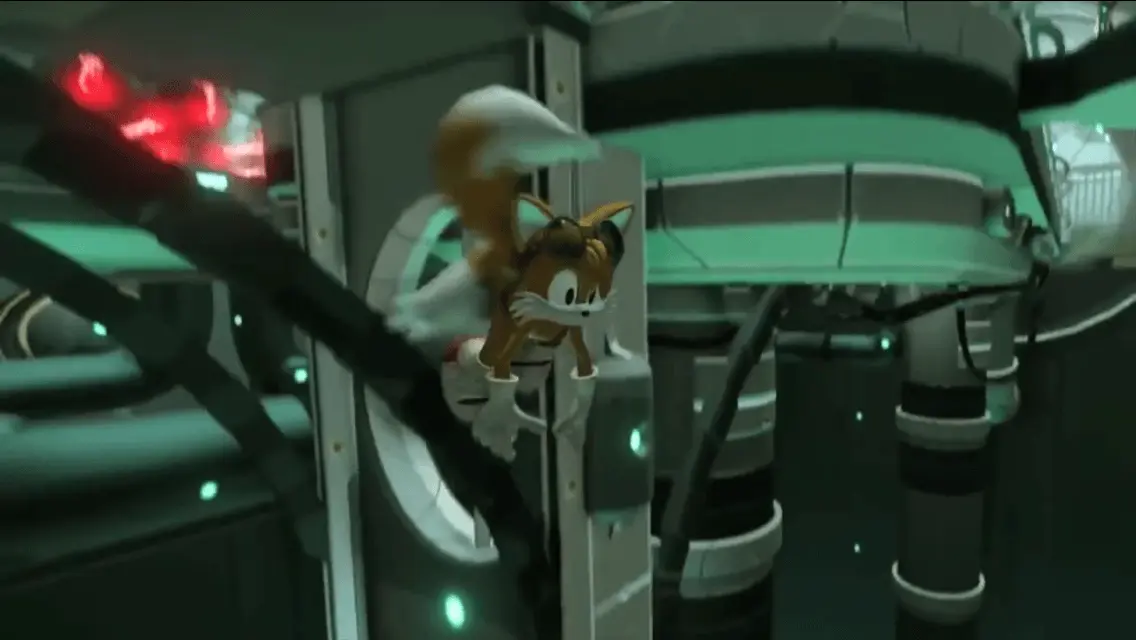
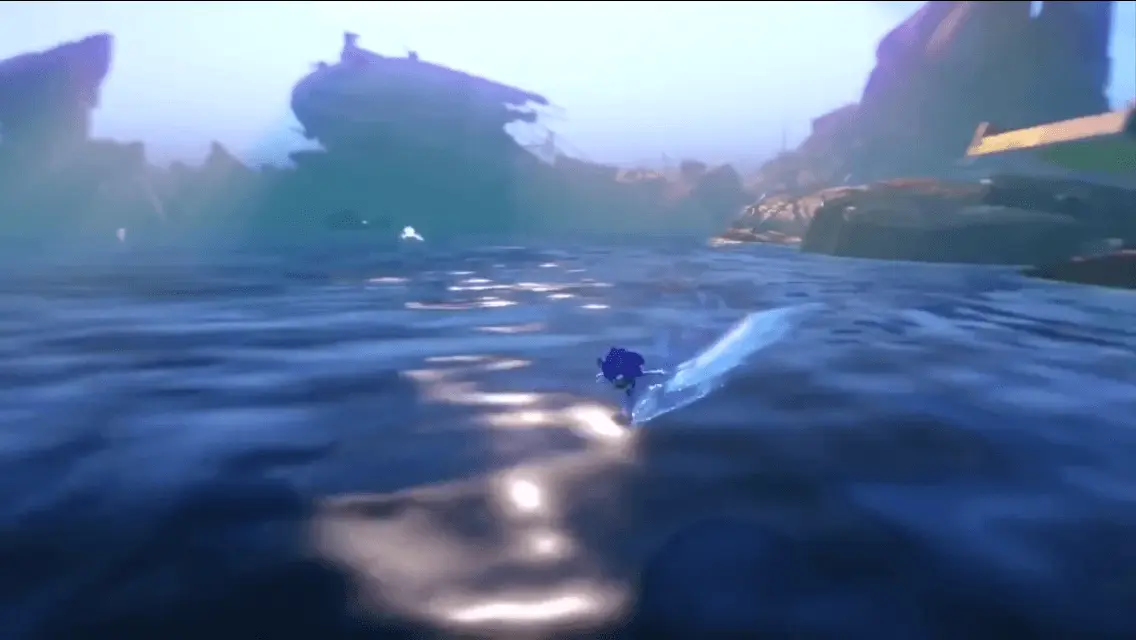
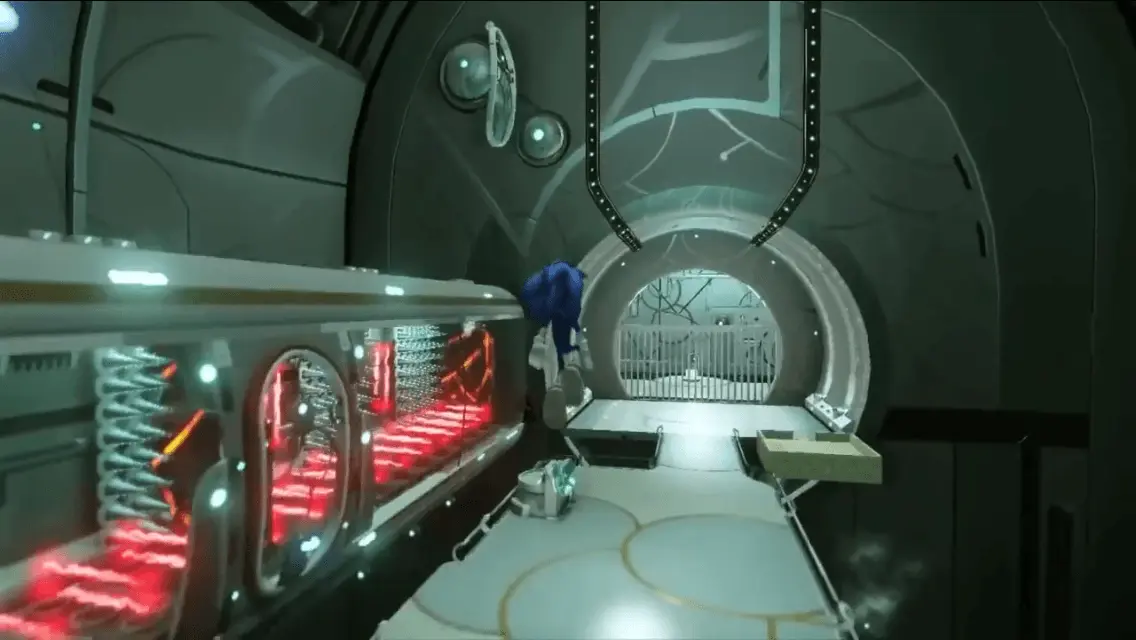
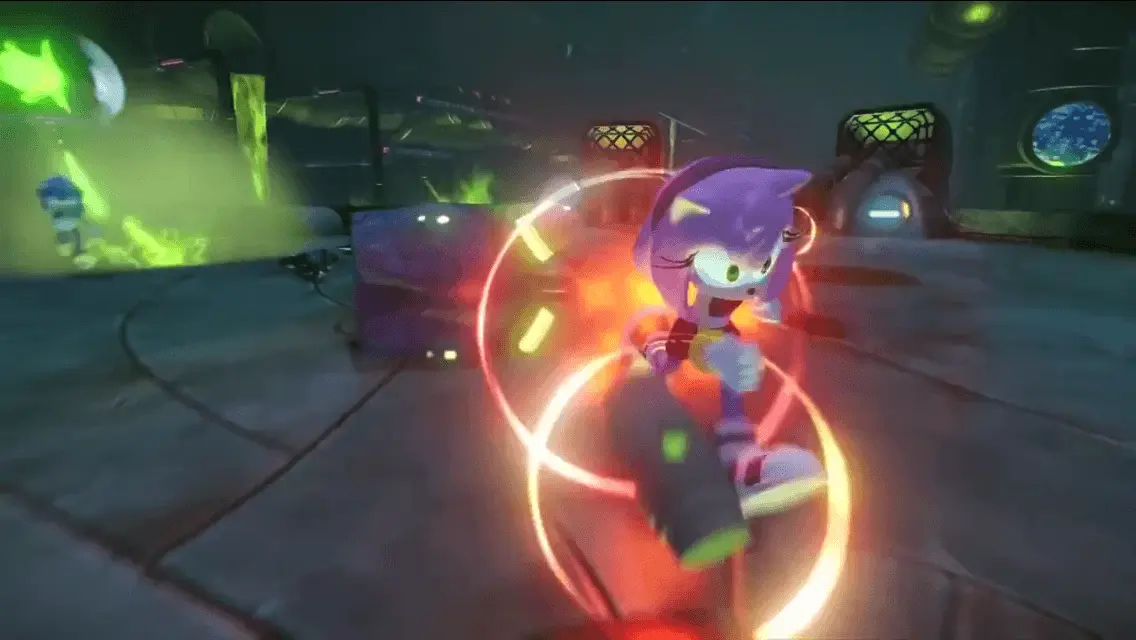
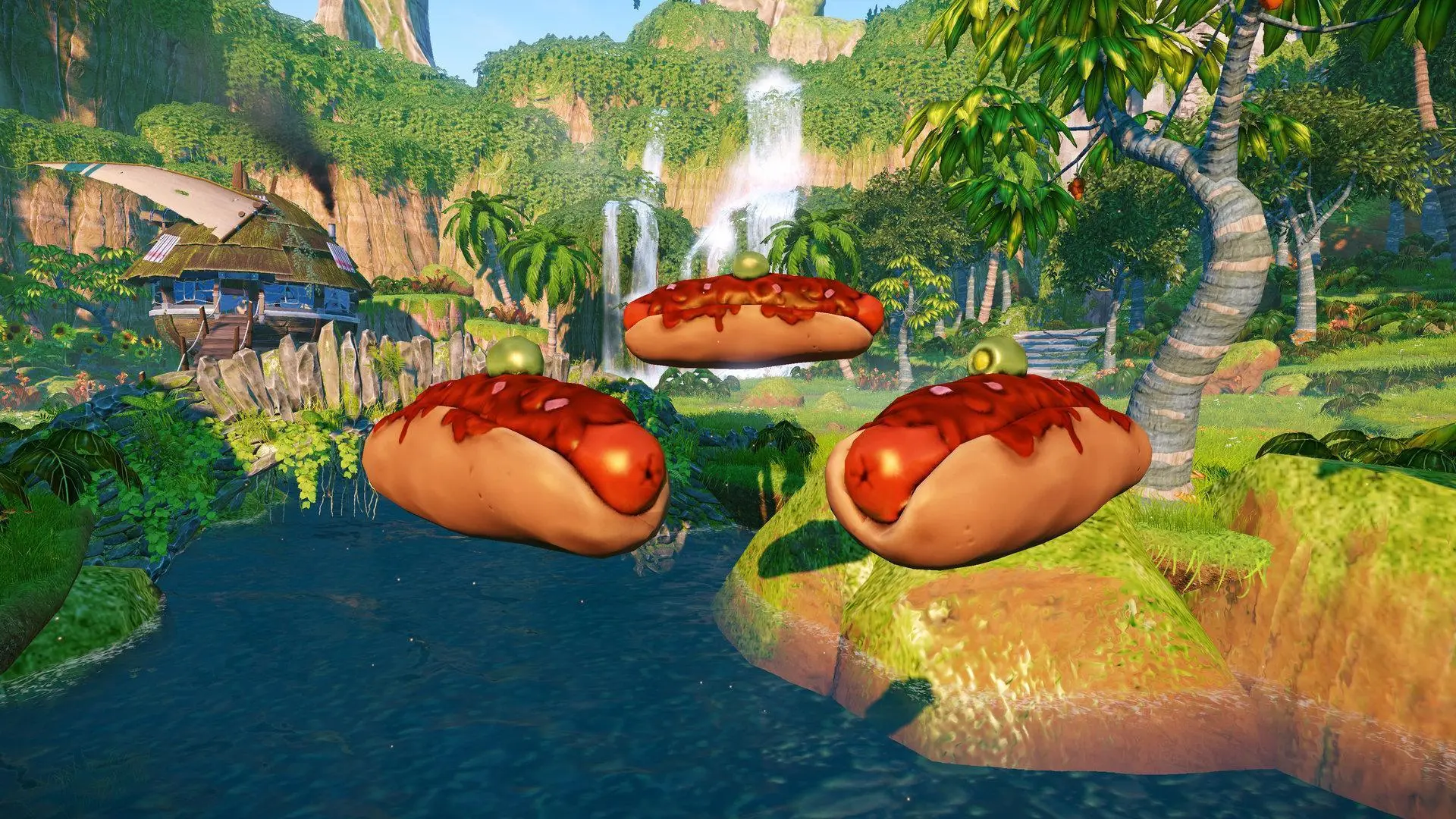
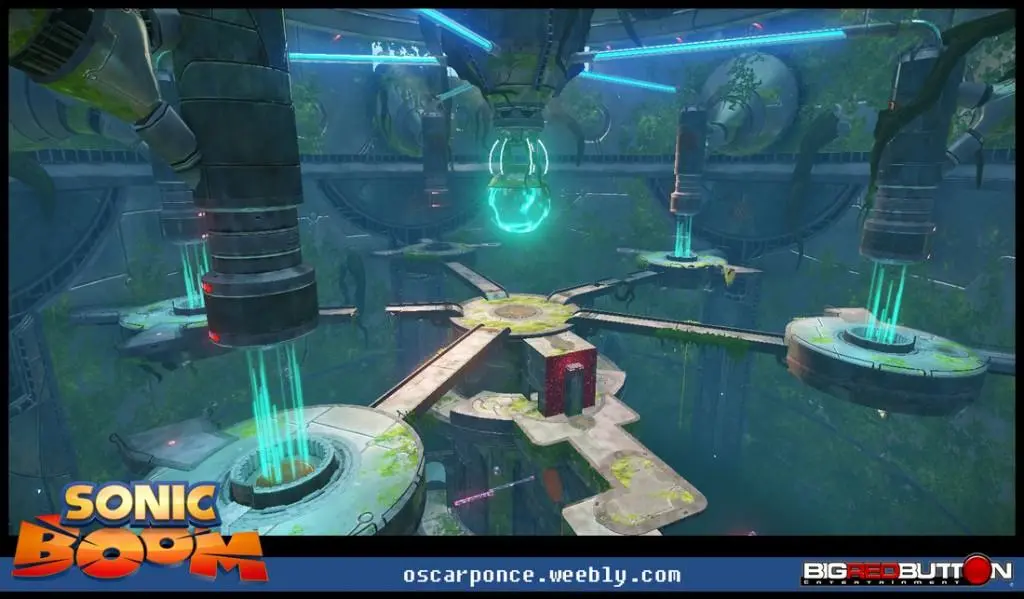
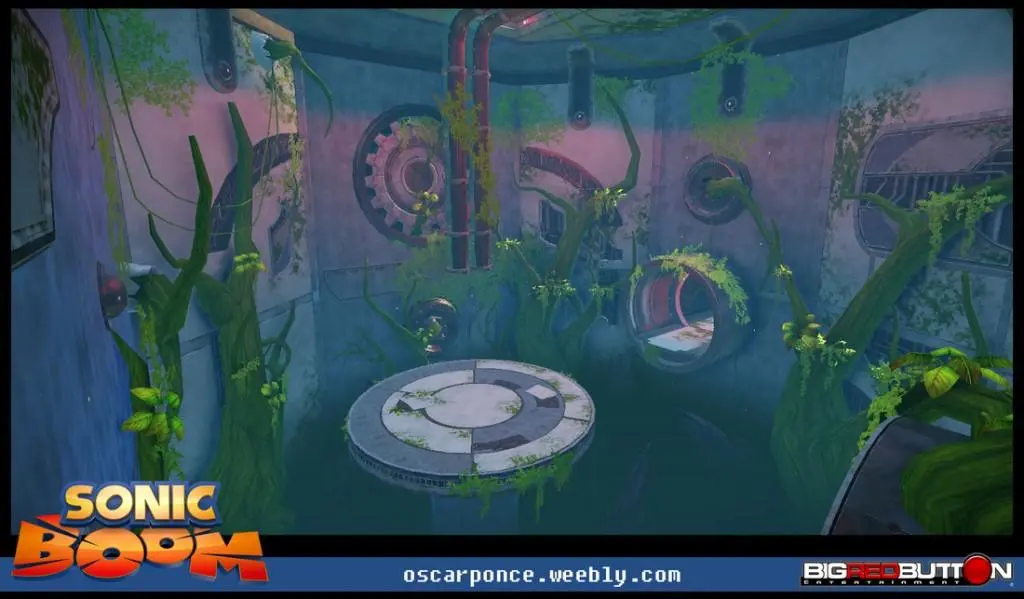
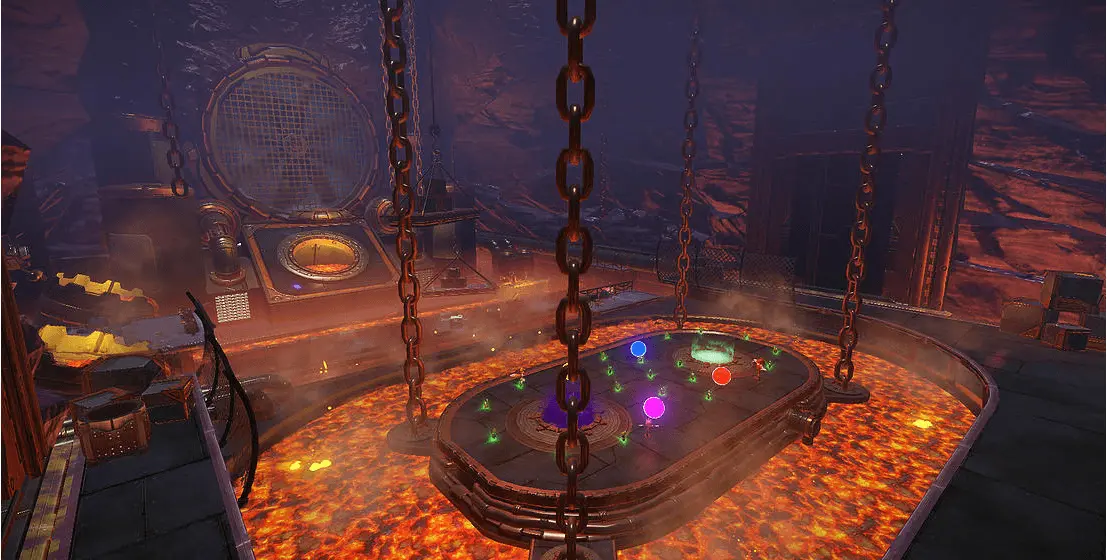
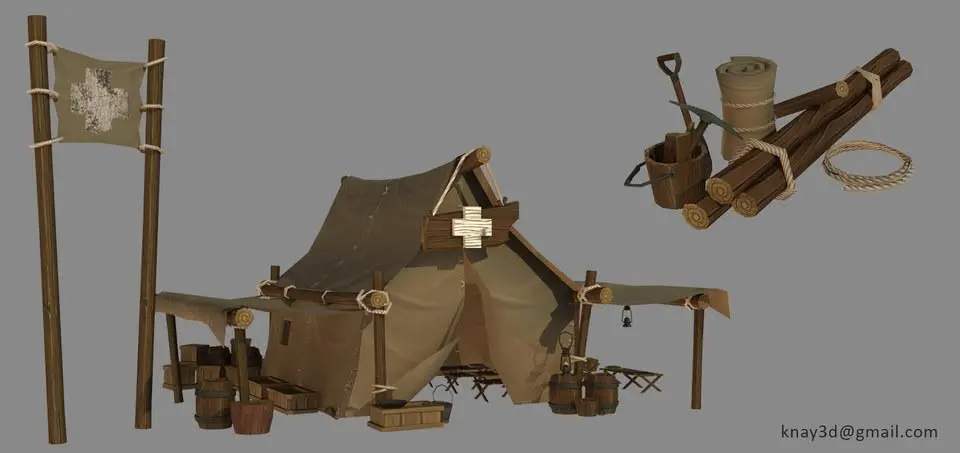
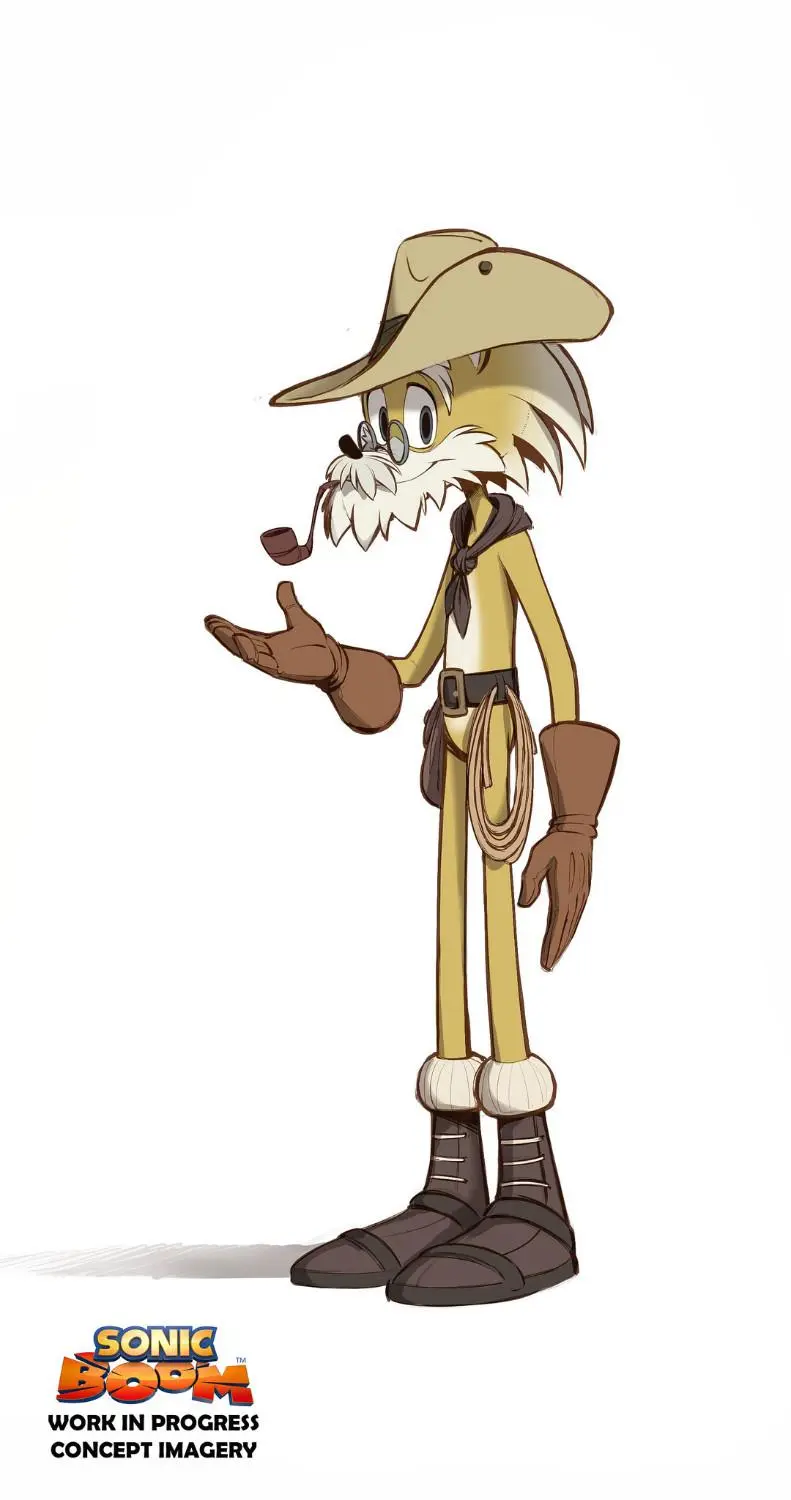
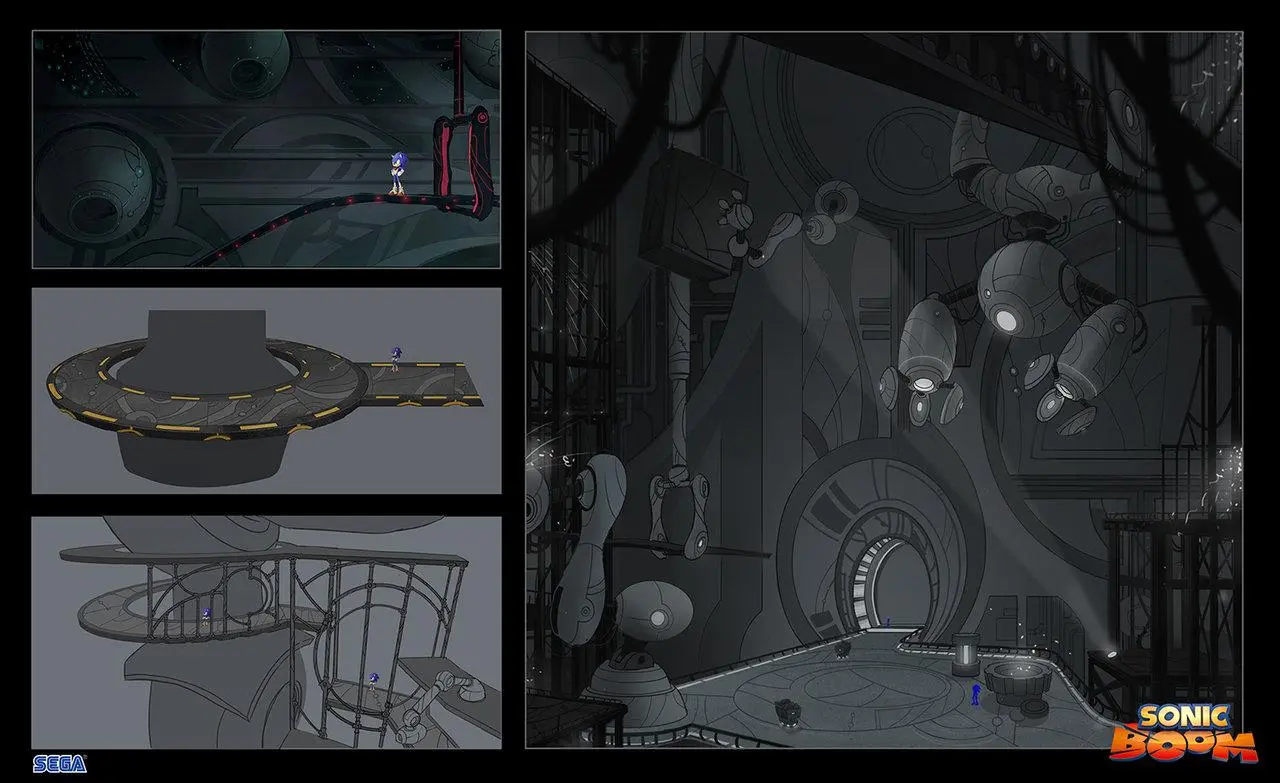
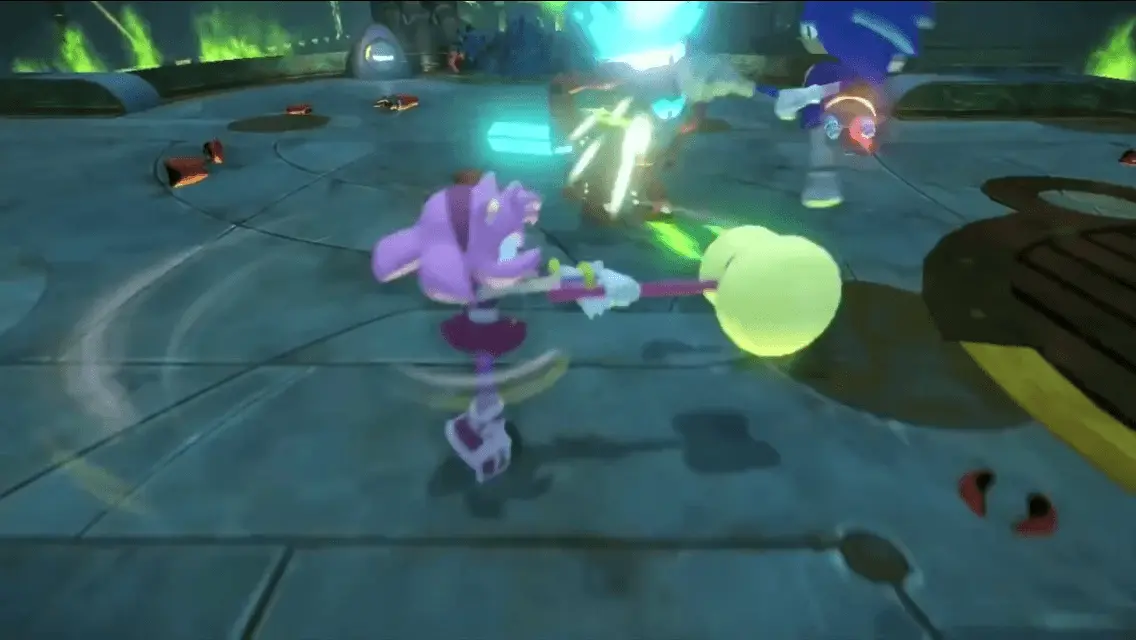
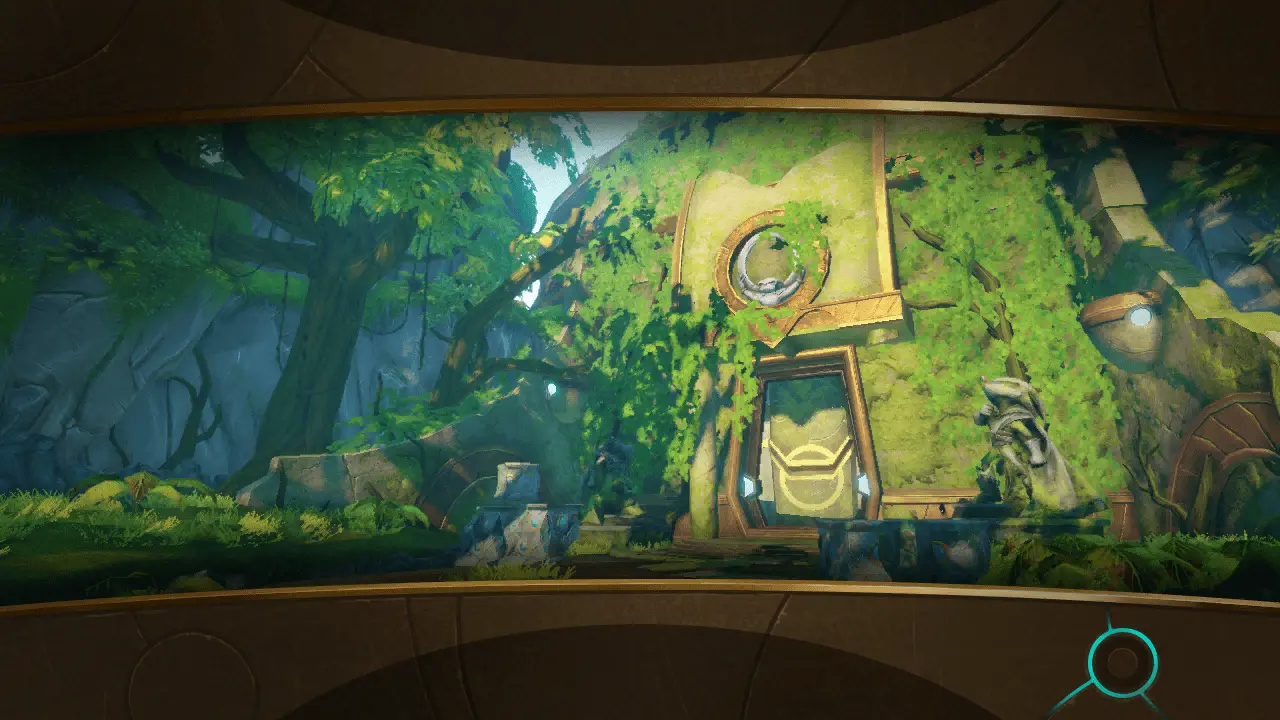
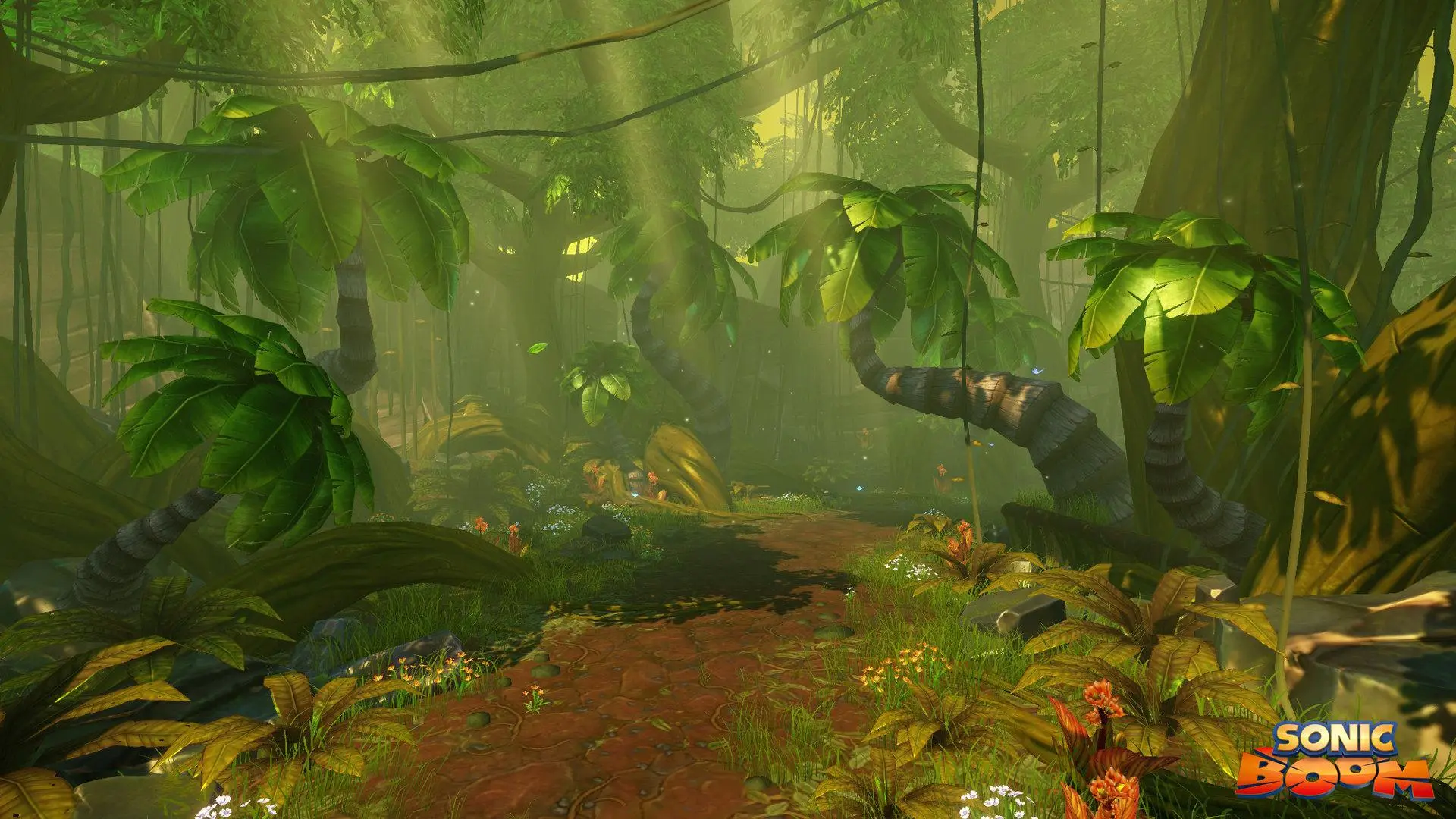
European box, back.Japanese box (Sonic Toon).Japanese box, back.Australian box.The Sonic Boom logo.Key art.Sticks the Badger.Early Lyric concept.Lyric concept art.Early Eggman concept.Knuckles concept art.Tails concept art.Sonic concept art.Sonic expressions.Sticks concept art.Concept art with Sticks.Chef Woody.Doc Ginger.Foreman Fred.Hayward.Hokey and Pokey.Mayor Fink.Pepper.Perci.Old Tucker.Hyena concept art.Enemy concept art.Enemy concept art.Village concept art.The village, destroyed.Lyric’s prison.The map room.The medic tent.The sky beam.Sonic enters the ruins.Loading screen: the dig site.Loading screen: sunken ruins.Loading screen: ocean waterfall.Loading screen: cloud city.Loading screen: seaside village.Loading screen: Eggman.Tails in action.Running on water.Sonic.Sonic and Amy.Screenshot.Screenshot.Cutscene.Cutscene.Cutscene.Reveal screenshot.Vehicle artwork.Early hub build.Lyric’s Lair concept.Lyric’s Tomb concept.Hub world concept.Green Valley concept.Giant chili dogs.Concept art by Oscar Ponce.Concept art by Oscar Ponce.Unused concept art.A level design diagram.A GamePad screen mock-up.A 3D model.
Rise of Lyric became a byword for a bad Sonic game. Its fallout reached the developer, Sega’s leadership and the rest of the Boom brand, but the cartoon it was built to support outlived it.
Releases and milestones
Development begins as Sonic Origins2011 – Big Red Button.
Synergy demo shown to NintendoLate 2012 –
Nintendo exclusivity deal announced17 May 2013 – Three Sonic games.
Sonic Boom announced6 February 2014 – With the TV series trailer.
E3 demoJune 2014 – Mostly negative previews.
TV series premiere8 November 2014 – Cartoon Network.
North America11 November 2014 – Knuckles glitch found on day one.
Europe and Australia21 and 29 November 2014 –
Japan18 December 2014 – As Sonic Toon: Ancient Treasure.
PatchJanuary 2015 – 1 GB update.
Sales announced11 May 2015 – 620,000 for both Boom games.
Fire & IceSeptember 2016 – The last Boom game.
The fallout
Sega’s own chief executive did not mince words. Speaking to Famitsu in July 2015, shortly after Sega shut its San Francisco offices, Haruki Satomi admitted that the game had done serious harm to customers’ trust in the company. The people who made it traced the trouble further back: Bob Rafei told Polygon that the scope had ballooned in the early years, and Sega’s Stephen Frost agreed. Big Red Button, stripped of so many staff, came close to folding and reinvented itself as a virtual reality developer.
Sonic Boom lives on
The Boom brand continued without Big Red Button. Sanzaru’s Sonic Boom: Fire & Ice followed in 2016, the cartoon ran until November 2017 and earned genuine praise for its humour, and Sticks went on to appear in games outside the Boom brand, including Sonic Frontiers, Sonic Runners and the Rio 2016 Mario & Sonic.
Sales & reviews
Sales
Sega revealed on 11 May 2015 that the two Boom games together had reached only 620,000 copies by the end of March, which left them near the bottom of the series’ sales charts. Sega’s results had shown 490,000 at the end of 2014, so only 130,000 more were sold in the following quarter.
620kBoth Boom games, by 31 March 2015
32Metacritic
33%GameRankings
#17Wii U eShop weekly chart, 26 Nov 2014
Reception and review scores
Scores from Wikipedia’s cited review table, plus Famitsu from Sega Retro, converted to percentages. Common Sense Media’s one star is included as 20%.
FamitsuJapan (Sega Retro)
65%
DestructoidUS (5/10)
50%
GamesRadar+UK (2.5/5)
50%
Hardcore GamerUS (2.5/5)
50%
IGNUS (4.3/10)
43%
Game InformerUS (4/10)
40%
Nintendo LifeUK (4/10)
40%
The IndependentUK (2/5)
40%
EurogamerUK (2/10)
20%
GameSpotUS (2/10)
20%
Nintendo World ReportUS (2/10)
20%
Common Sense MediaUS (1/5)
20%
The reviews were overwhelmingly negative. Critics hammered the technical state of the game: GameSpot’s Don Saas compared its world to the bug-infested tunnel in Indiana Jones and the Temple of Doom, and The Independent called the whole thing rushed. IGN was a little kinder, arguing that it was not broken so much as thoroughly disappointing and unpolished. Combat was called tedious, the difficulty too low and the presentation grating; Game Informer’s Tim Turi noted that the heroes would not stop talking about rings. Destructoid liked the characters and indoor areas but found the outdoor ones half-finished, and a few reviewers enjoyed the multiplayer challenges.
GameCentral named it the worst game of 2014, Game Informer and Yahoo put it among the year’s worst, and Nintendo Life called it the worst Sonic game ever made. Famitsu’s 65 is the highest score in our table.
Reader reviews
No reader reviews yet. Played it? Give it a score out of 10 and tell other fans what you think.
Every fact on this page was checked against the sources below. Sonic Retro and Sega Retro were read through Wayback Machine copies from 2025 that show the real article, because both live sites show a bot check. Review scores come from Wikipedia’s cited review table and Sega Retro. Our original article was an infobox only; its facts are kept in the info table.
To provide the best experiences, we use technologies like cookies to store and/or access device information. Consenting to these technologies will allow us to process data such as browsing behavior or unique IDs on this site. Not consenting or withdrawing consent, may adversely affect certain features and functions.
Functional
Always active
The technical storage or access is strictly necessary for the legitimate purpose of enabling the use of a specific service explicitly requested by the subscriber or user, or for the sole purpose of carrying out the transmission of a communication over an electronic communications network.
Preferences
The technical storage or access is necessary for the legitimate purpose of storing preferences that are not requested by the subscriber or user.
Statistics
The technical storage or access that is used exclusively for statistical purposes.The technical storage or access that is used exclusively for anonymous statistical purposes. Without a subpoena, voluntary compliance on the part of your Internet Service Provider, or additional records from a third party, information stored or retrieved for this purpose alone cannot usually be used to identify you.
Marketing
The technical storage or access is required to create user profiles to send advertising, or to track the user on a website or across several websites for similar marketing purposes.

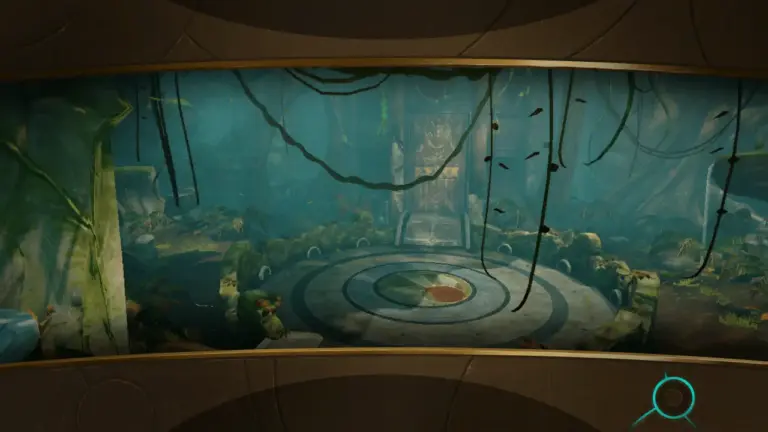 Lyric’s TombOpening levelWhere Team Sonic frees Lyric by accident.
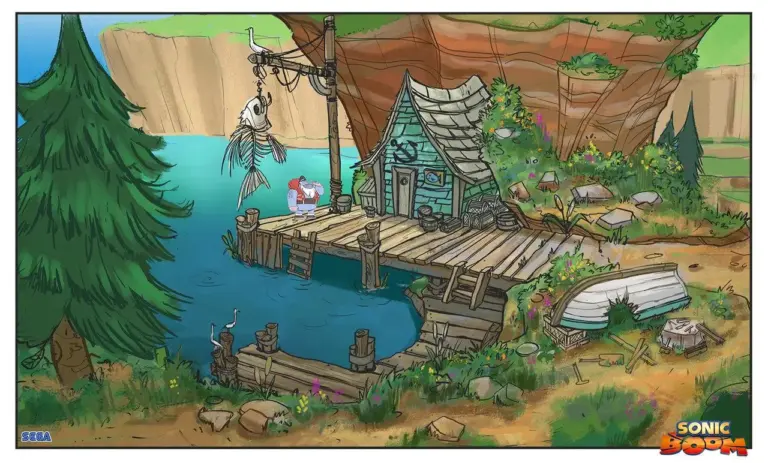 Cliff’s Excavation SiteHubCliff’s dig, the team’s first base of operations.
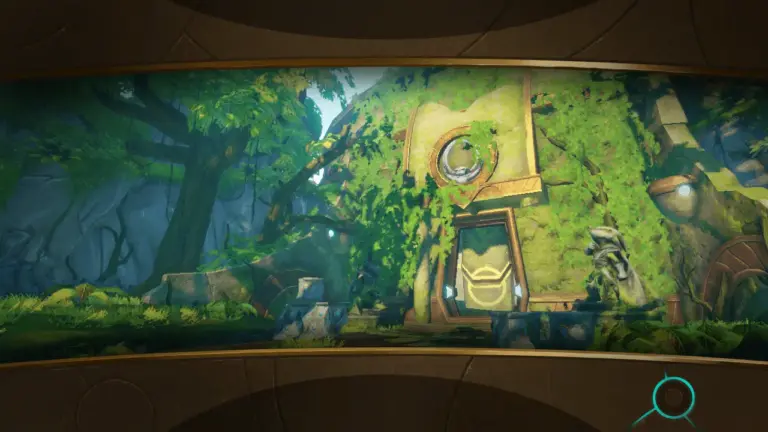 Abandoned Research FacilityLevelThe Ancients’ derelict lab, home of MAIA.
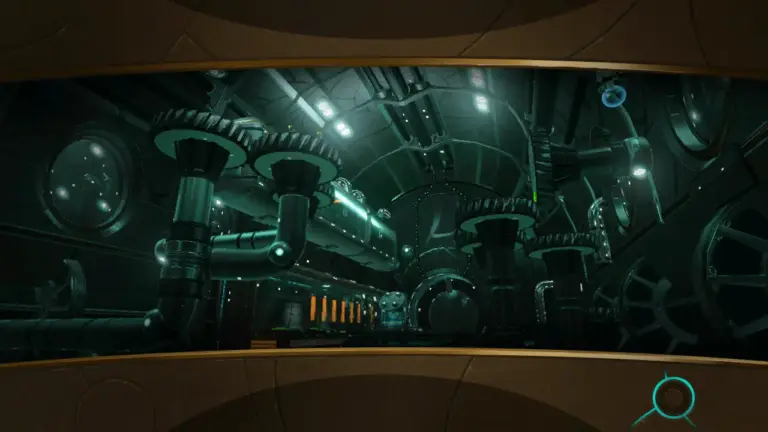 Lyric’s Weapon FacilityLevel · the pastVisited by Sonic and Tails a thousand years ago.
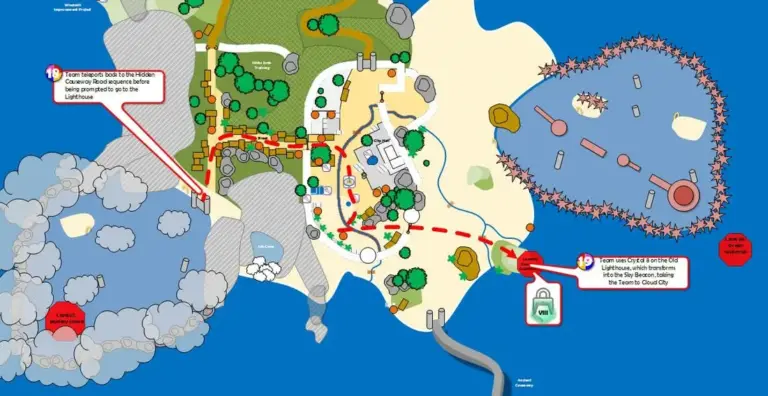 Bygone IslandHubThe village island familiar from the TV series.
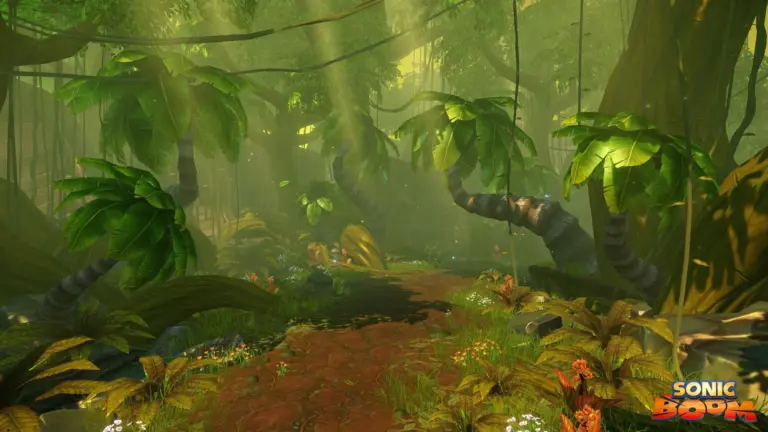 The PitLevelA deep canyon level.
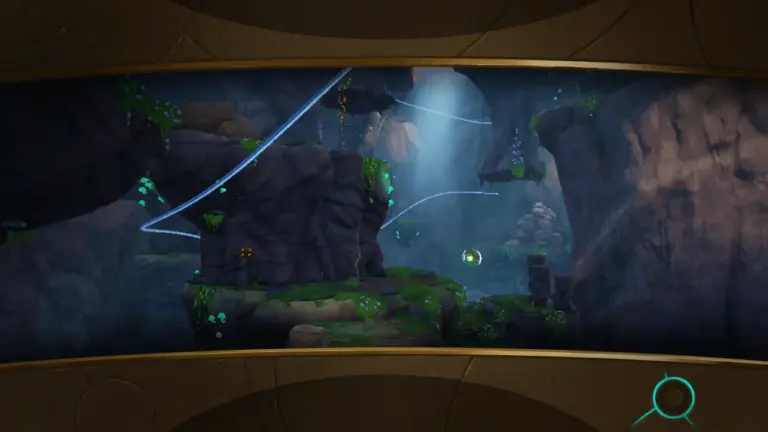 Crater LakeHubA later hub area.
 Ocean Purification PlantLevelAn industrial plant out at sea.
 Slowpoke Isle and Creeper GorgeLevelsTwo of the later levels.
 Lyric’s LairFinal levelThe showdown with Lyric.
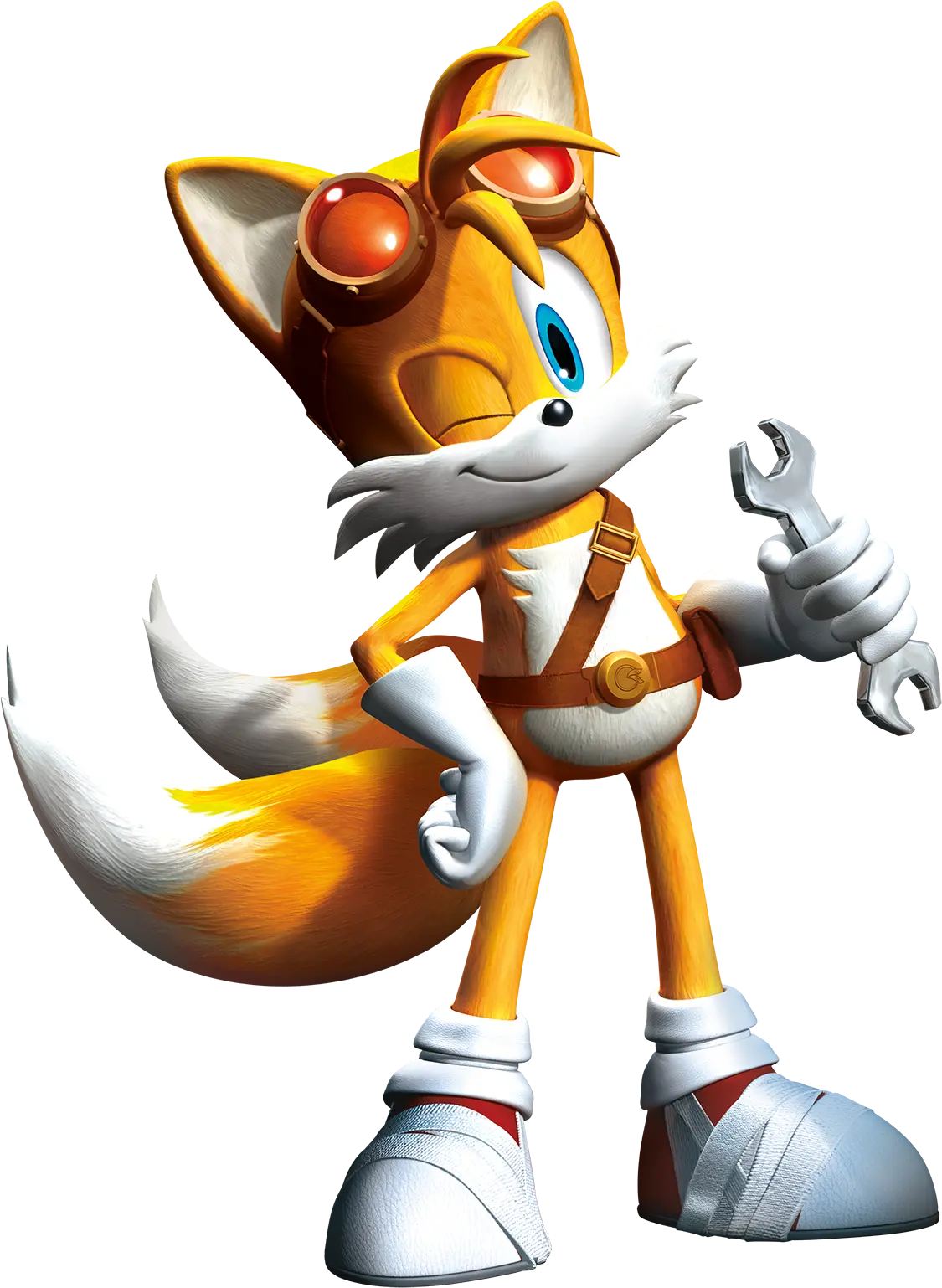 TailsPlayable
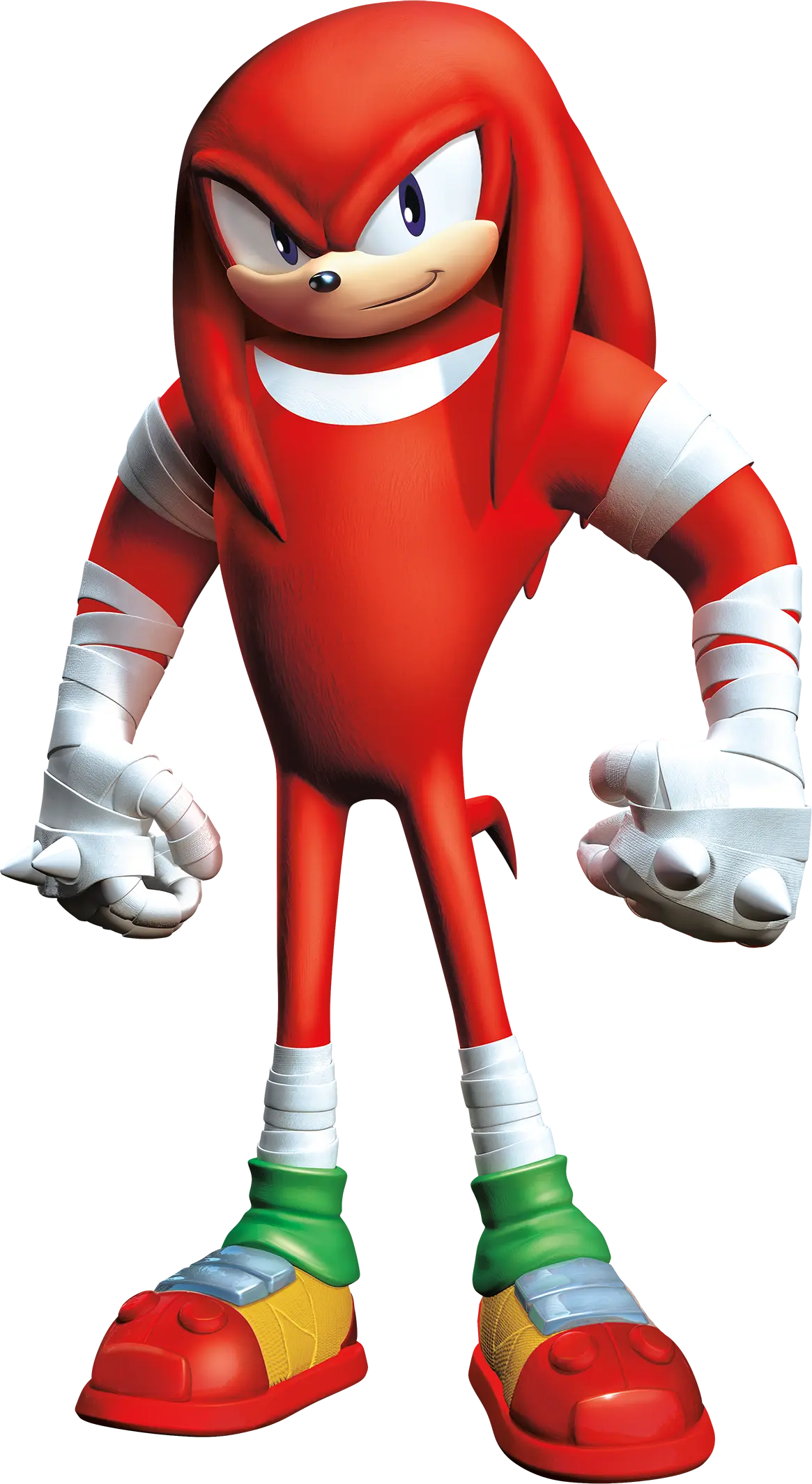 KnucklesPlayable
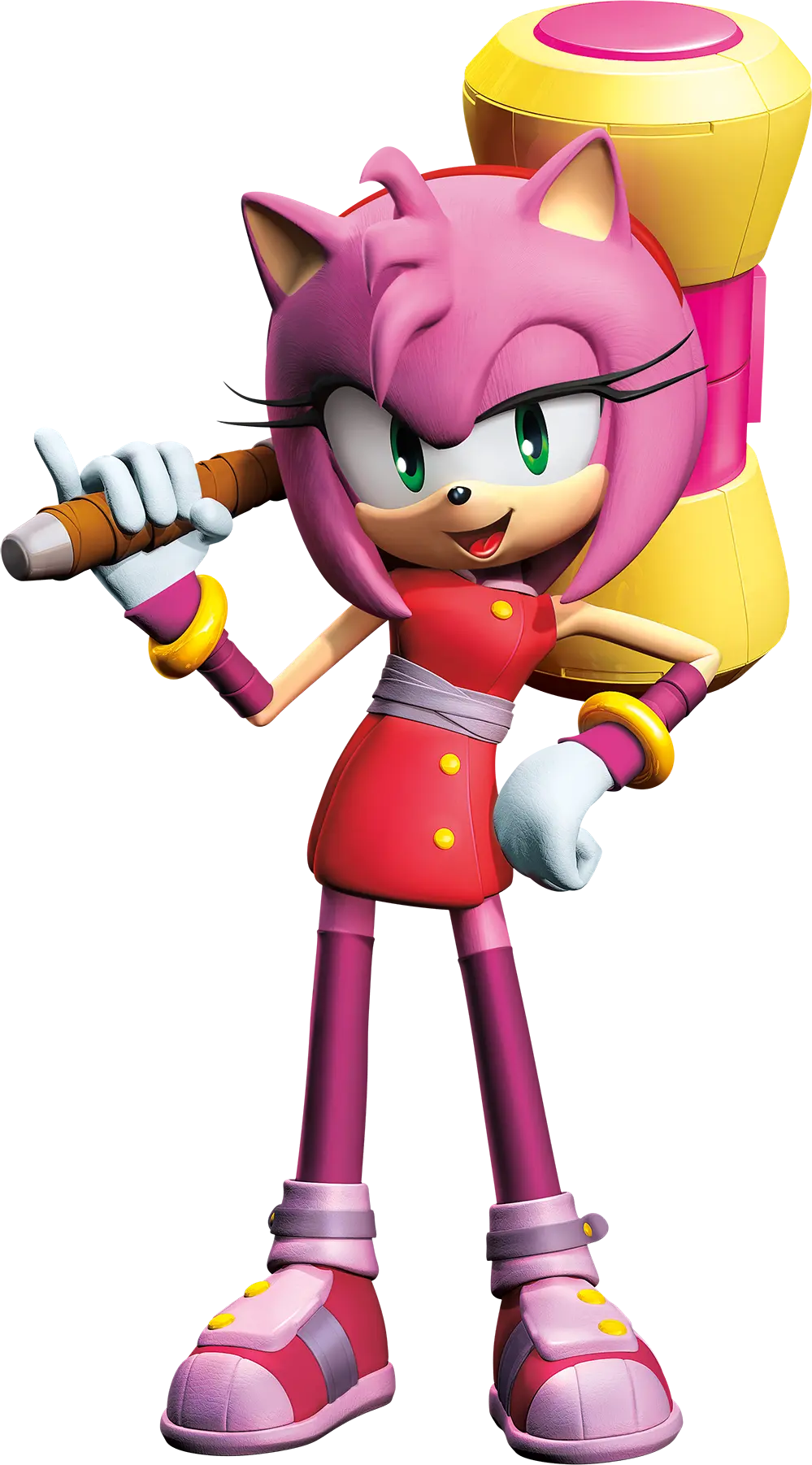 AmyPlayable
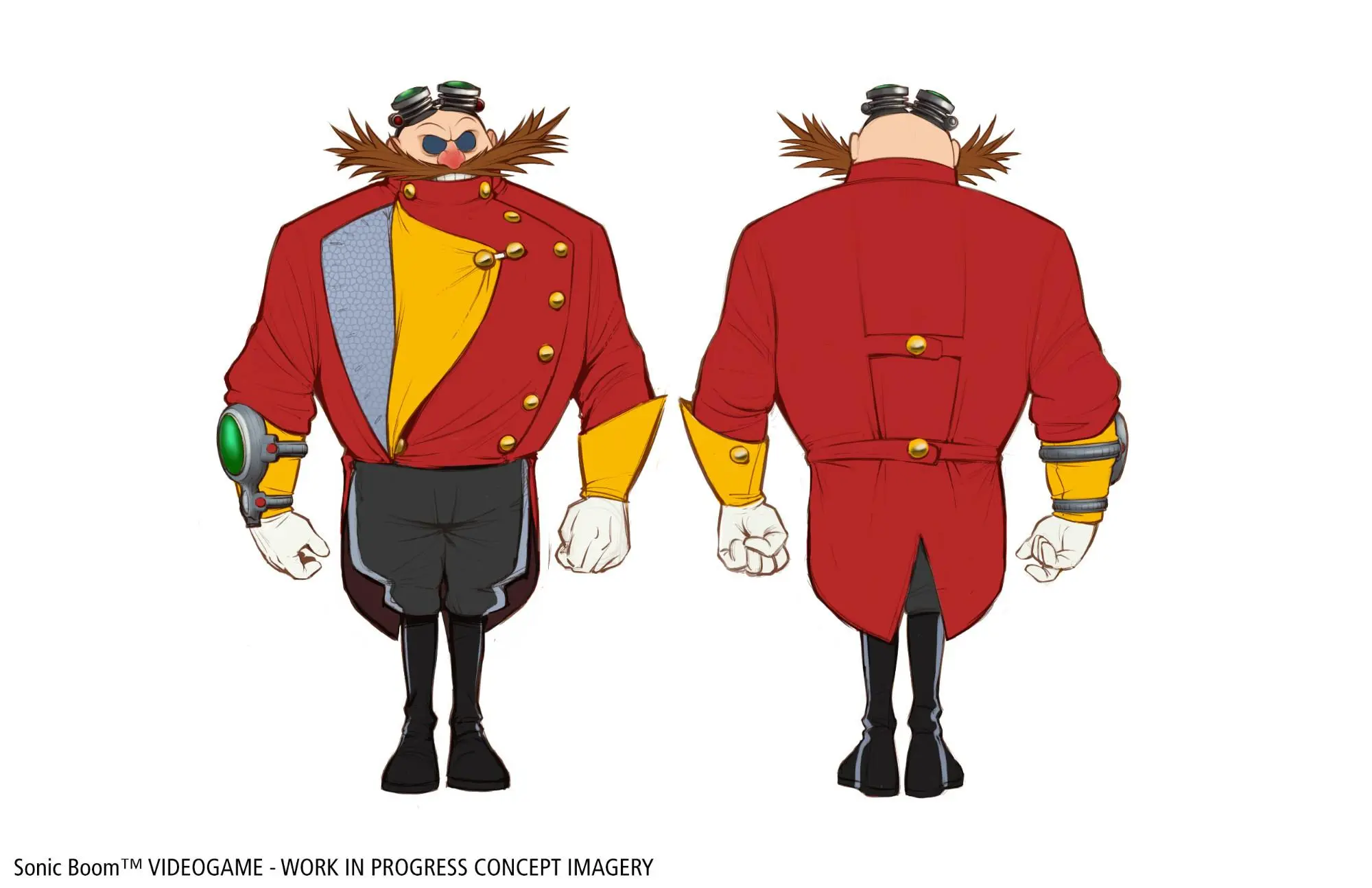 Dr. EggmanVillain
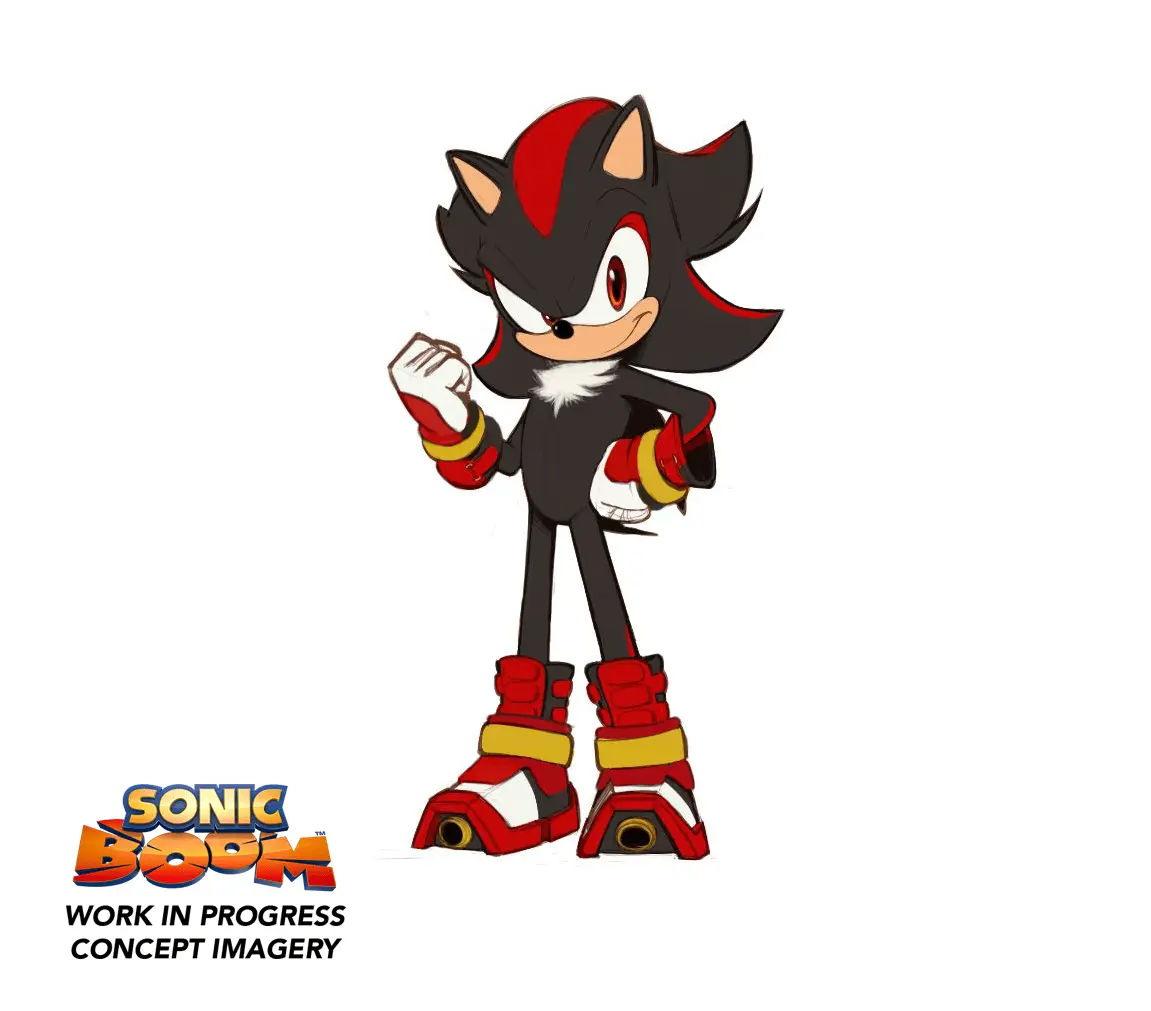 ShadowRival
 Metal SonicRival
 The villagersFrom the TV series
 Blaster TrooperTrooperA gun-toting robot soldier.
 Crusher BruteBruteOne of the heavy brute robots.
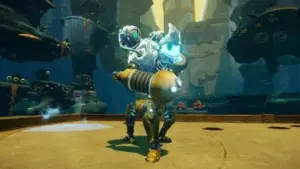 Fridge BruteBruteAnother brute; the Enerbeam can pull shields off armoured enemies.
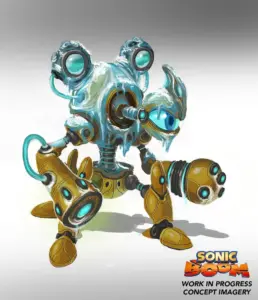 Concept robotConcept artOne of several enemy designs from development.
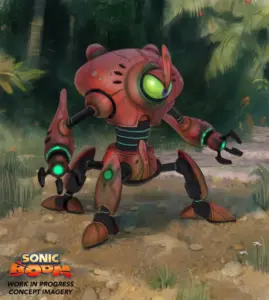 Concept robotConcept artAnother early enemy design.
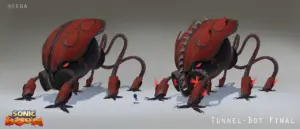 Tunnel-BotBossA boring machine fought as a boss.
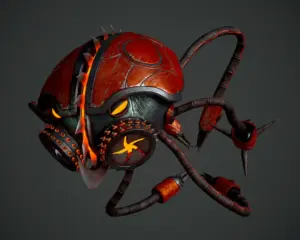 Ancient guardianConcept artAn Ancient-style boss design.