Wii · Nintendo 3DS2011Sega with NintendoOlympic sports
Mario & Sonic at the London 2012 Olympic Games
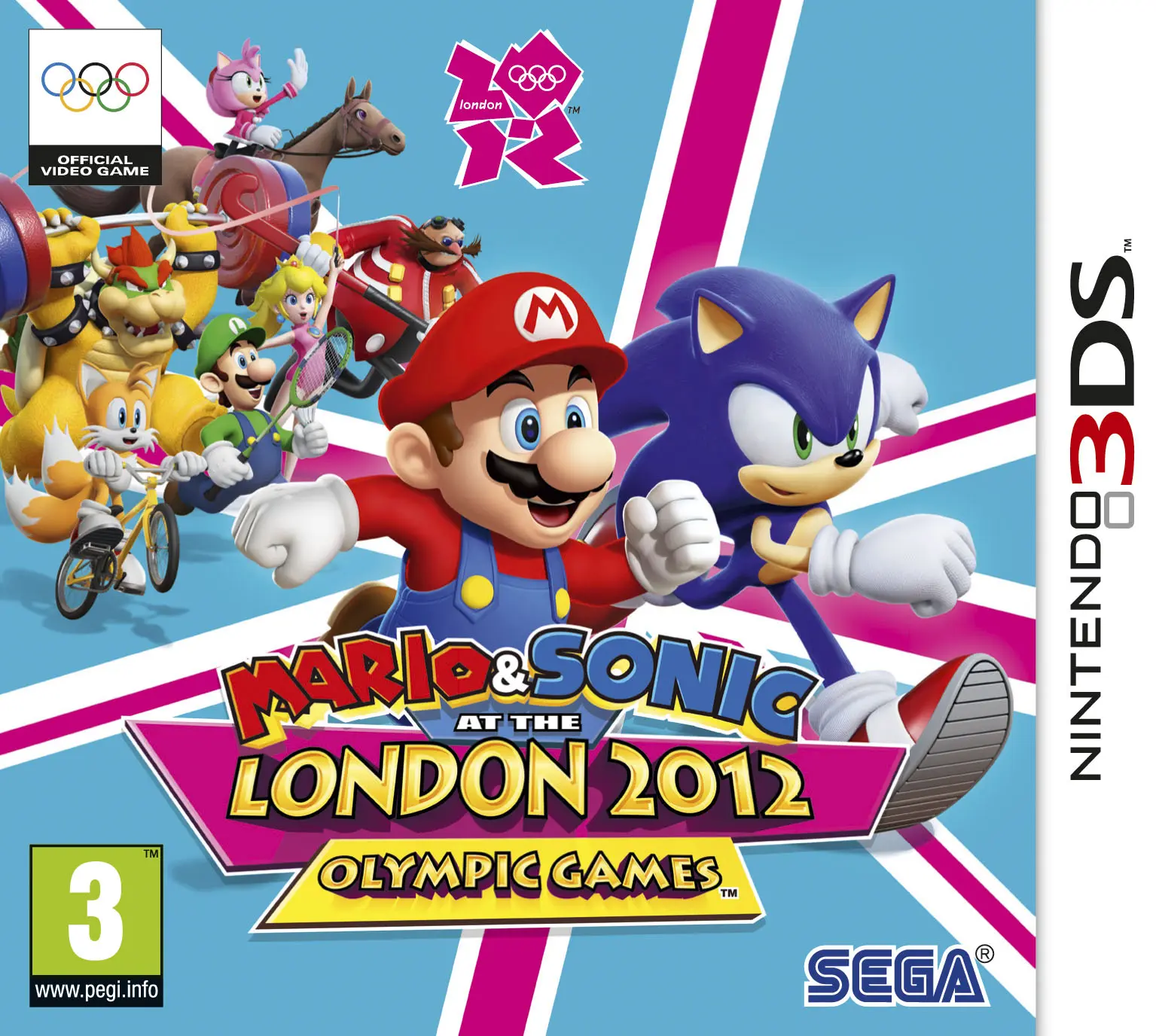
Mario and Sonic’s third Olympics takes them to London: football in the shadow of the Olympic venues, a board game round Big Ben and Piccadilly Circus, and on 3DS a plot to fog out the Games.
ReleasedWii: 15 Nov 2011 (NA) · 3DS: 9 Feb 2012 (EU)
DeveloperSega (CS2 division)
Athletes20: ten from each side
Events30 on Wii, more than 50 on 3DS
Sales3.28 million in the US and Europe by March 2012 (Sega)
LicenceOfficial video game of London 2012
Title
Mario & Sonic at the London 2012 Olympic Games; Japanese: マリオ&ソニック AT ロンドンオリンピック
Platforms
Wii, Nintendo 3DS
Developer
Sega’s CS2 division, with work outsourced to Racjin and Marvelous AQL
Publisher
Sega; Nintendo in Japan and South Korea
Producers
Osamu Ohashi (Sega), Nobuya Ohashi, Hiroshi Sato (Nintendo)
Directors
Eigo Kasahara (Wii), Koji Shindo (3DS)
Music
Sega Digital Studio, with Teruhiko Nakagawa as lead composer (team includes Jun Senoue, Tomoya Ohtani and Naofumi Hataya)
Licence
Official video game of the London 2012 Olympic Games, licensed by the IOC through International Sports Multimedia
Released (North America)
Wii: 15 November 2011; 3DS: 14 February 2012
Released (Europe)
Wii: 18 November 2011; 3DS: 9 February 2012 (Sonic Retro lists the UK as 10 February)
Released (Australia)
Wii: 17 November 2011; 3DS: 9 February 2012
Released (Japan)
Wii: 8 December 2011; 3DS: 1 March 2012
Released (South Korea)
Wii and 3DS: 21 June 2012
Download (3DS eShop)
Japan 1 November 2012; Europe 30 May 2013; North America 20 June 2013
Four years after Beijing, Mario and Sonic headed for London. It carried the official licence for the 2012 Summer Olympics, and it leans hard into its host city: the venues are modelled on the real Olympic sites, and the Wii version’s London Party mode turns the city itself into a board game, with players racing round its landmarks collecting stickers for a tourist book.
The cast grew to 20, ten from each side, and the Wii version offers 30 events, adding football, badminton, horse riding, canoeing and volleyball to the athletics, swimming and table tennis of old, plus fantasy Dream Events set in Mario and Sonic locations. The 3DS version, out three months later, packs in more than 50 events, among them BMX and a weightlifting event you play by shouting into the microphone, and a Story Mode in which Bowser and Dr. Eggman try to smother the Games in fog.
Critics were lukewarm, mostly feeling it played too safe, but it still sold strongly: Sega counted 3.28 million copies in the US and Europe by the end of March 2012.
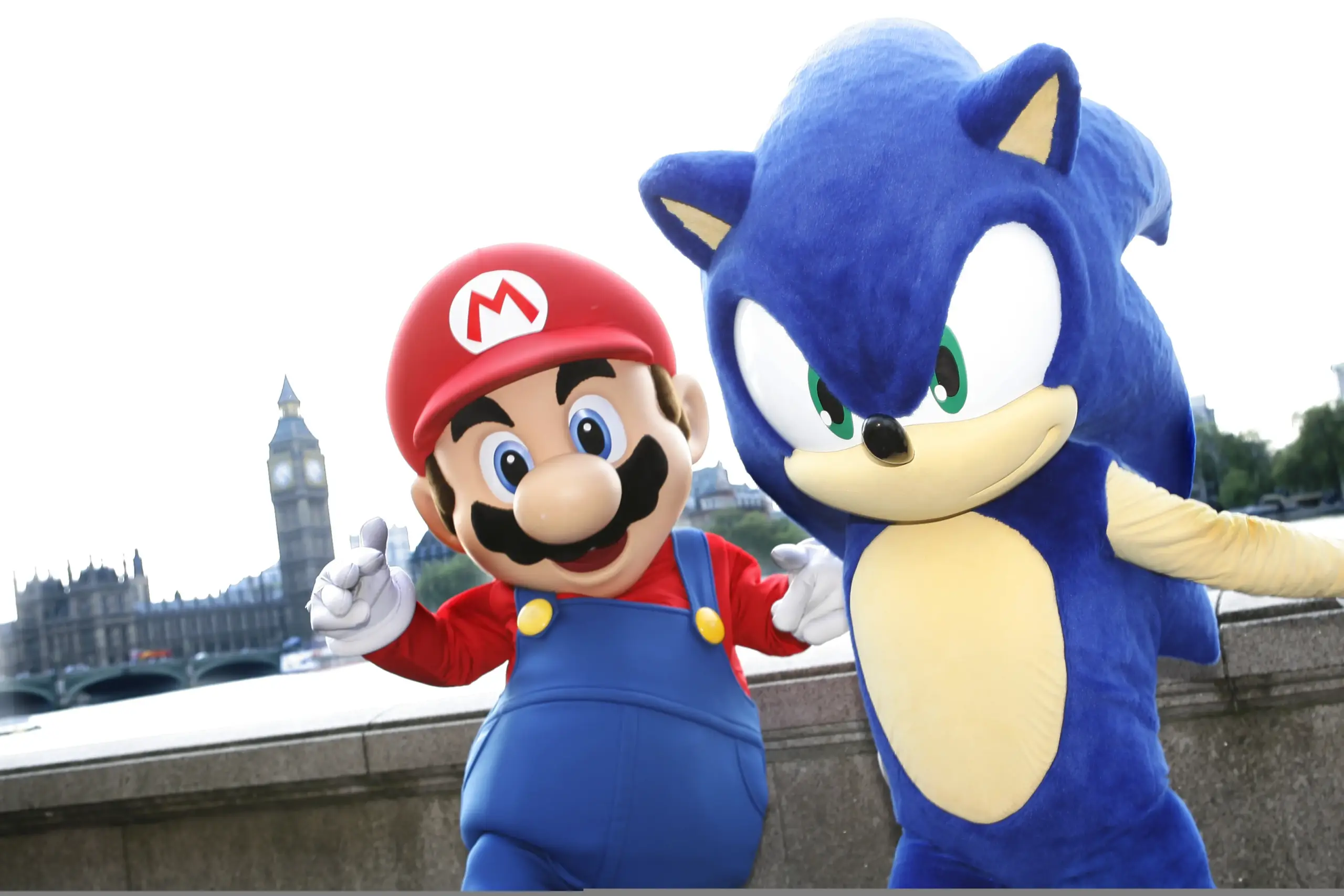
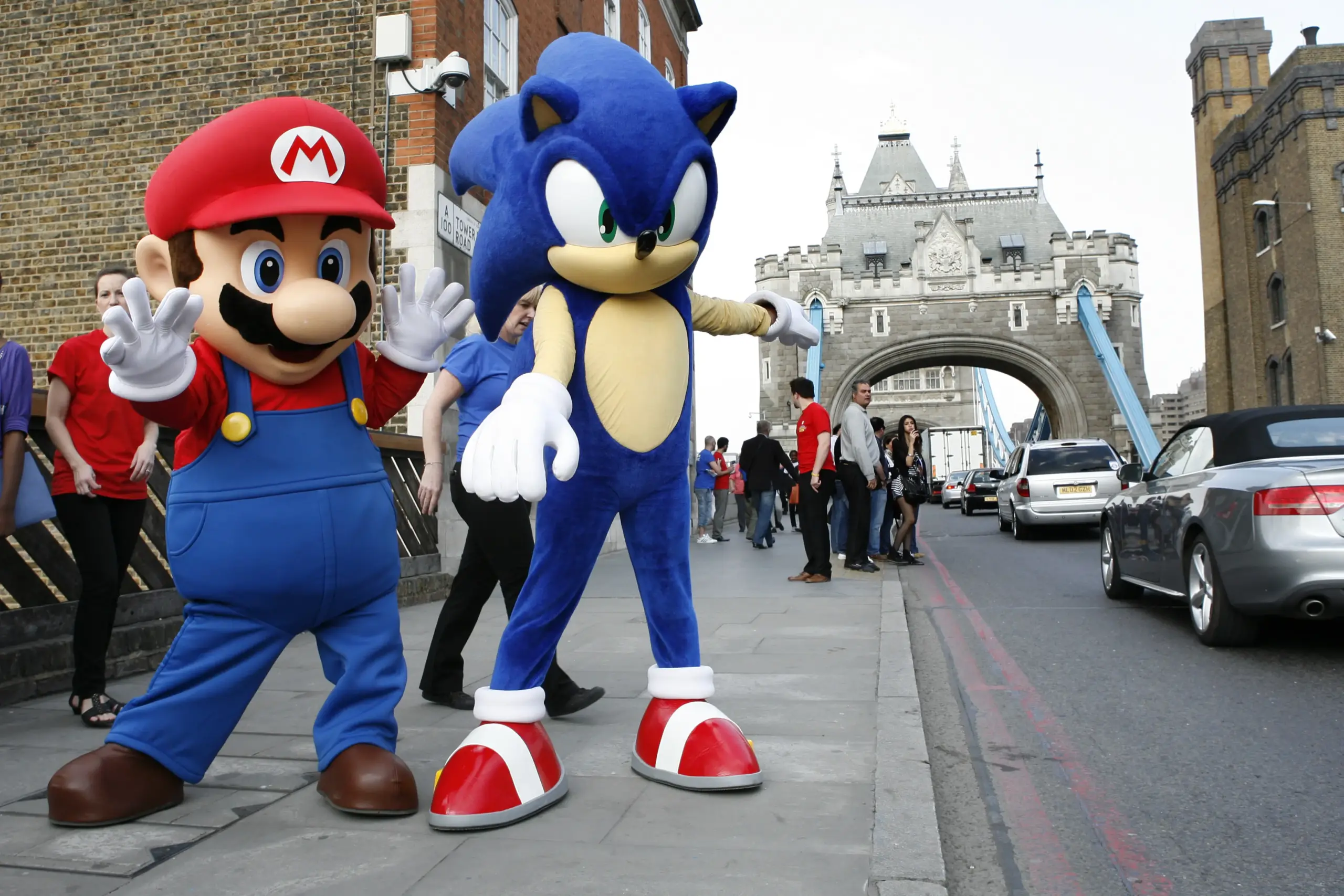
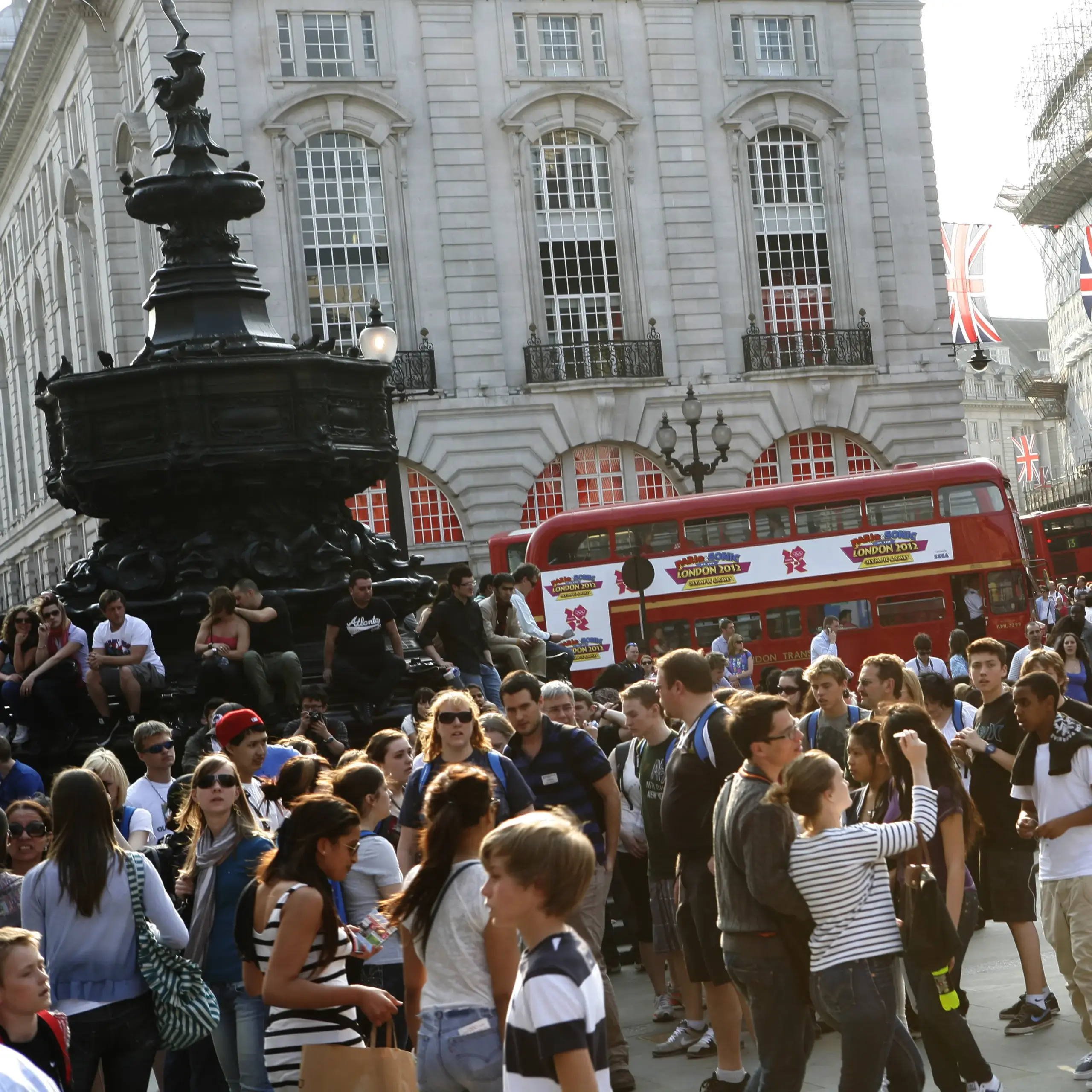
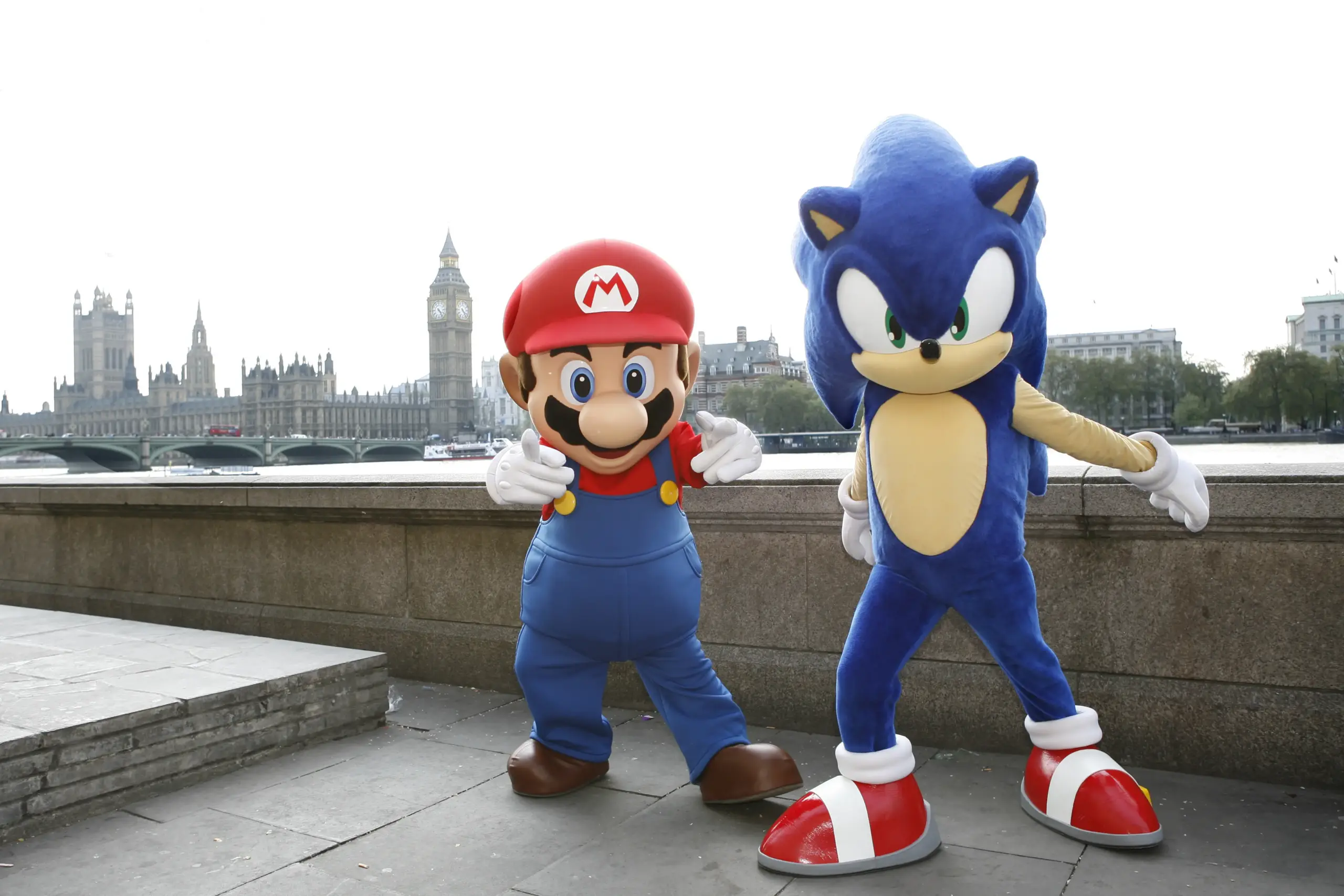
Sonic and Mario at Big Ben.Tower Bridge.Piccadilly Circus.
Quick Answers
The short answers, with the detail further down the page.
When did it come out?
On Wii on 15 November 2011 in North America, 17 November in Australia, 18 November in Europe and 8 December in Japan. The 3DS version followed in February 2012 (1 March in Japan). More →
Who is in it?
Twenty athletes. Mario, Luigi, Peach, Daisy, Yoshi, Wario, Waluigi, Bowser, Bowser Jr. and Donkey Kong; Sonic, Tails, Knuckles, Amy, Shadow, Blaze, Vector, Dr. Eggman, Silver and Metal Sonic. More →
What is London Party?
A Wii board game set around London for up to four players, who play events and minigames to collect stickers. The first to fill their tourist book wins. More →
Does the 3DS version have a story?
Yes. Bowser and Dr. Eggman use fog machines to try to stop the Games, and the heroes of both series set out to stop them. More →
Does it use the Balance Board or MotionPlus?
Neither. The Balance Board, which the Winter Games used, is not supported this time, and IGN regretted the lack of Wii MotionPlus support. More →
How well did it sell?
Within two months the Wii version had sold 2.4 million across North America and Europe; with the 3DS version the total reached 3.28 million by the end of March 2012. More →
Plot / Story
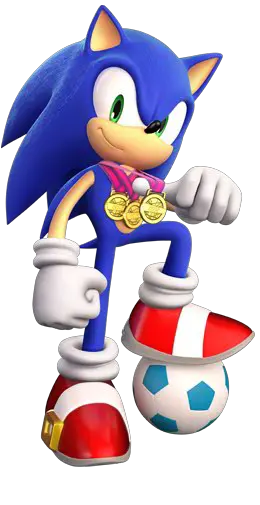
Sonic.Image via Sonic Retro
On Wii the Olympics are the story, and the setting is London. The Nintendo 3DS version is the one with a plot, following the Story Mode idea from the DS version of the Winter Games.
Story Mode (3DS): the fog machines
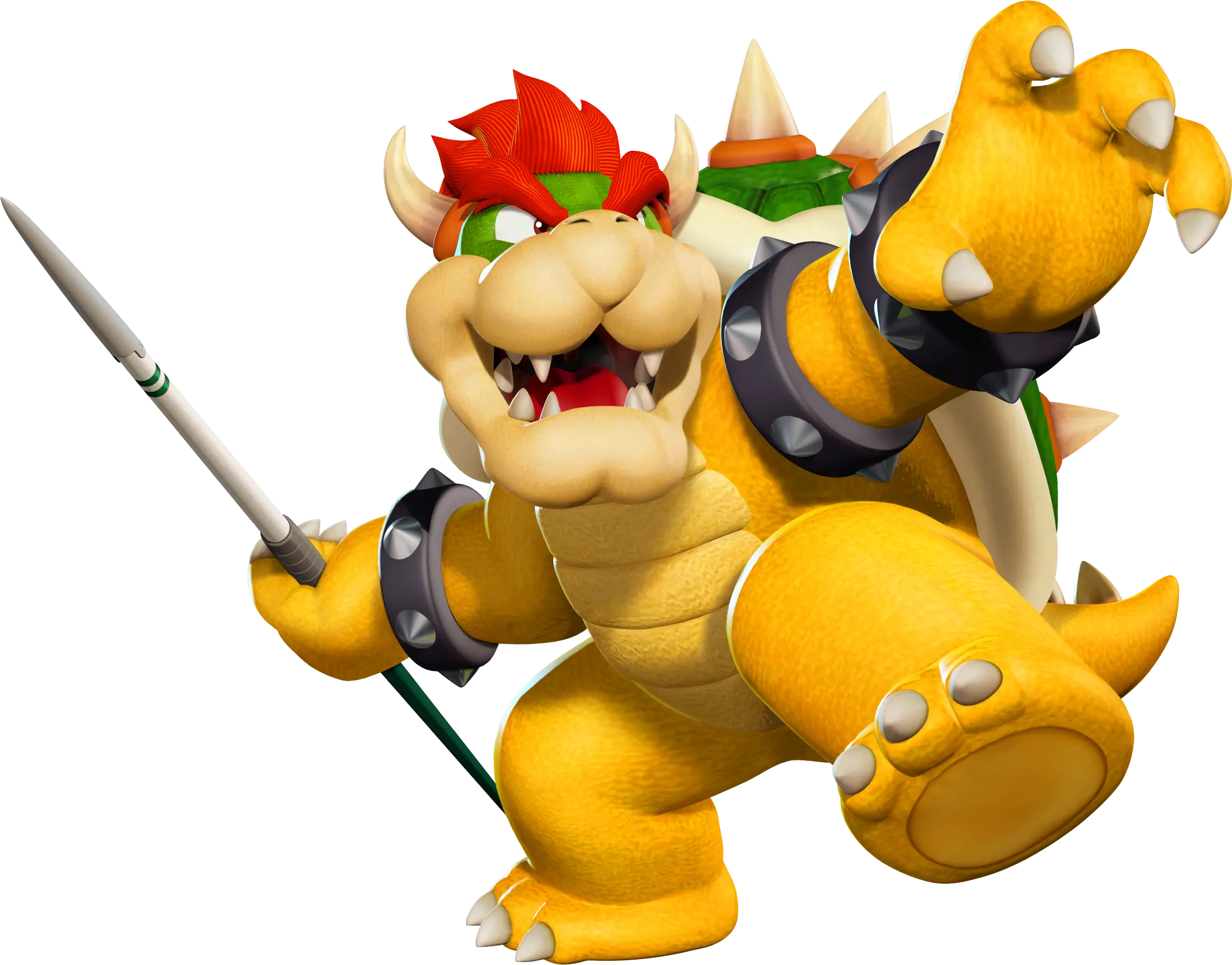
Bowser.Image via Sonic Retro
Bowser and Dr. Eggman have teamed up again, this time with fog machines meant to blanket the Games and stop them from going ahead. Characters from both worlds work together against their usual villains, competing through events as they go.
London Party (Wii)
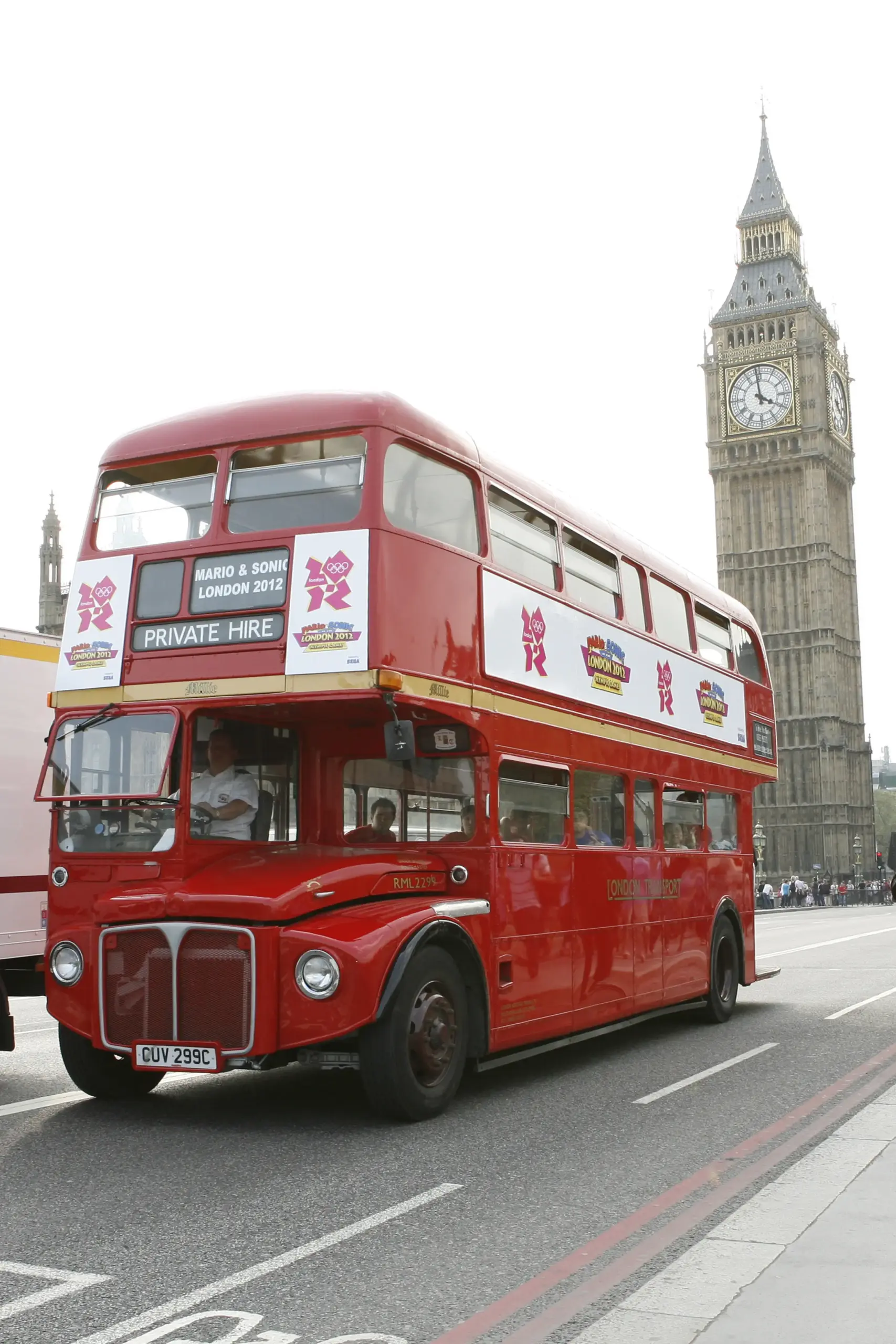
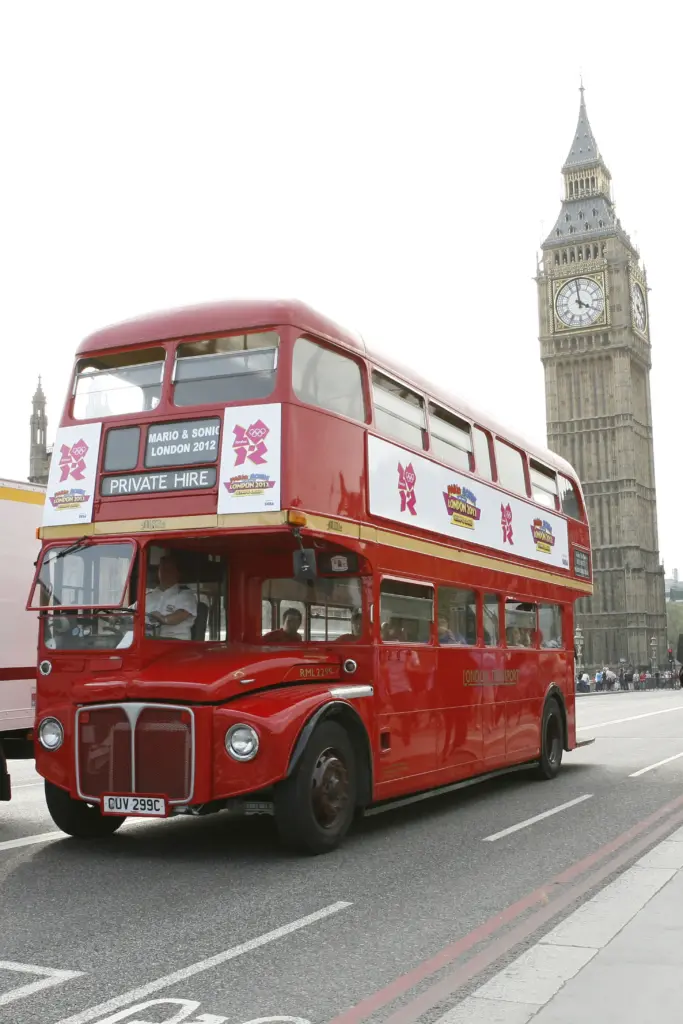
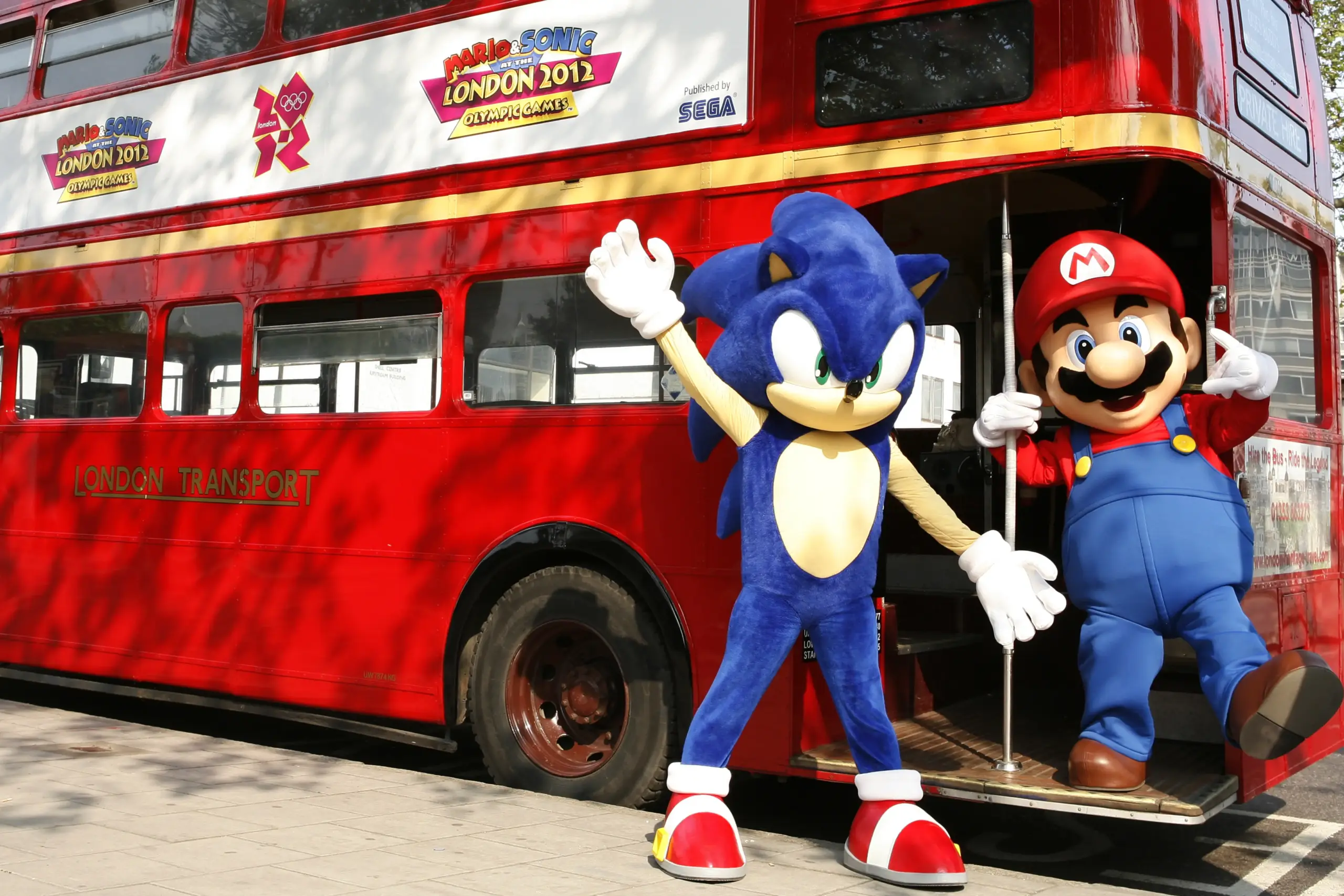
A London bus.Image via Sonic Retro
The Wii version’s party mode is a board game played across a map of London. Up to four players move round the city and compete in sporting events and minigames to win stickers, and the first to fill a tourist book wins. GamesRadar+ singled it out as the part of the game that made the most of the British setting.
The events
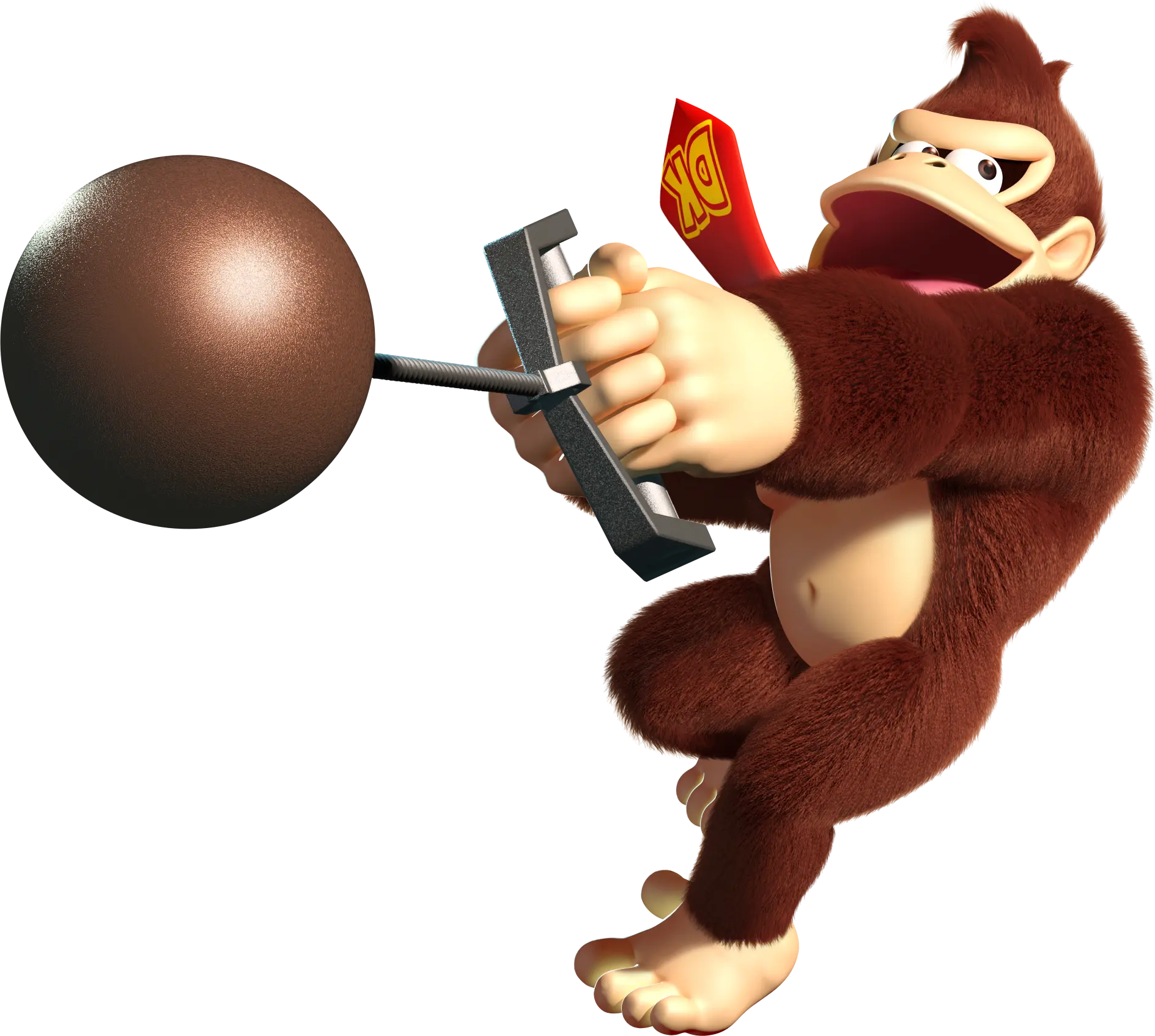
Donkey Kong.Image via Sonic Retro
There are 30 events on Wii. New sports include football, badminton, horse riding, canoeing and volleyball, and familiar ones such as athletics, aquatics and table tennis are reworked. Dream Events return, set in locations from older Mario and Sonic games, and a challenge mode lets you replay set challenges.
The 3DS game goes past 50 events. Some are contested by a single athlete, others by a pair or a whole team of four, and as the cast is sorted into five four-strong groups, who can enter what depends on the group. BMX and weightlifting appear only on the handheld, and in weightlifting it is your voice, through the microphone, that hoists the bar.
Rewards
Every event you finish pays out a scratch card. Scratch them in Bonus Mode to win extras, from Mii costumes to new music.
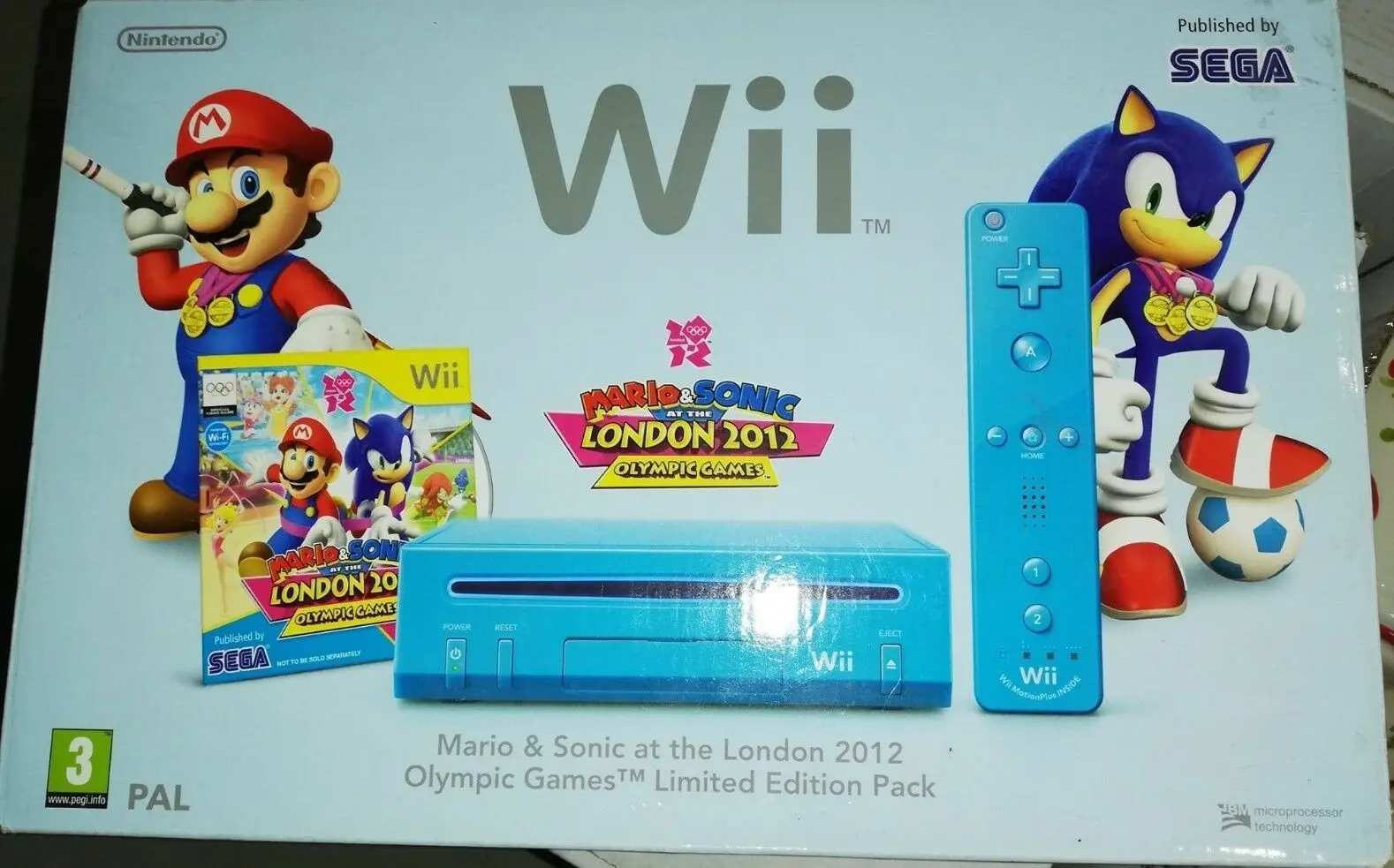
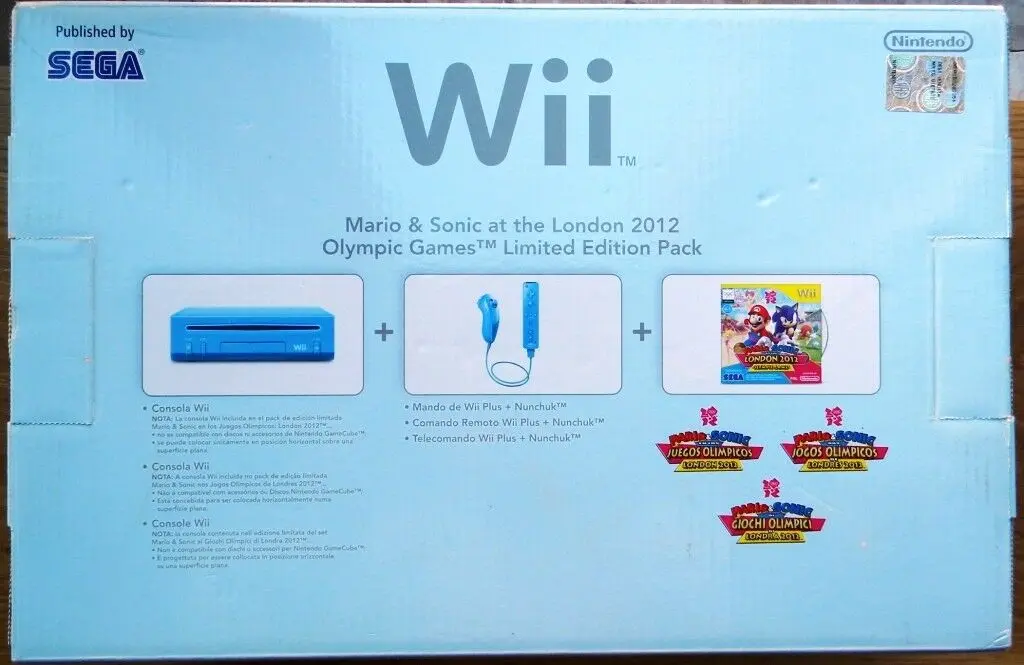
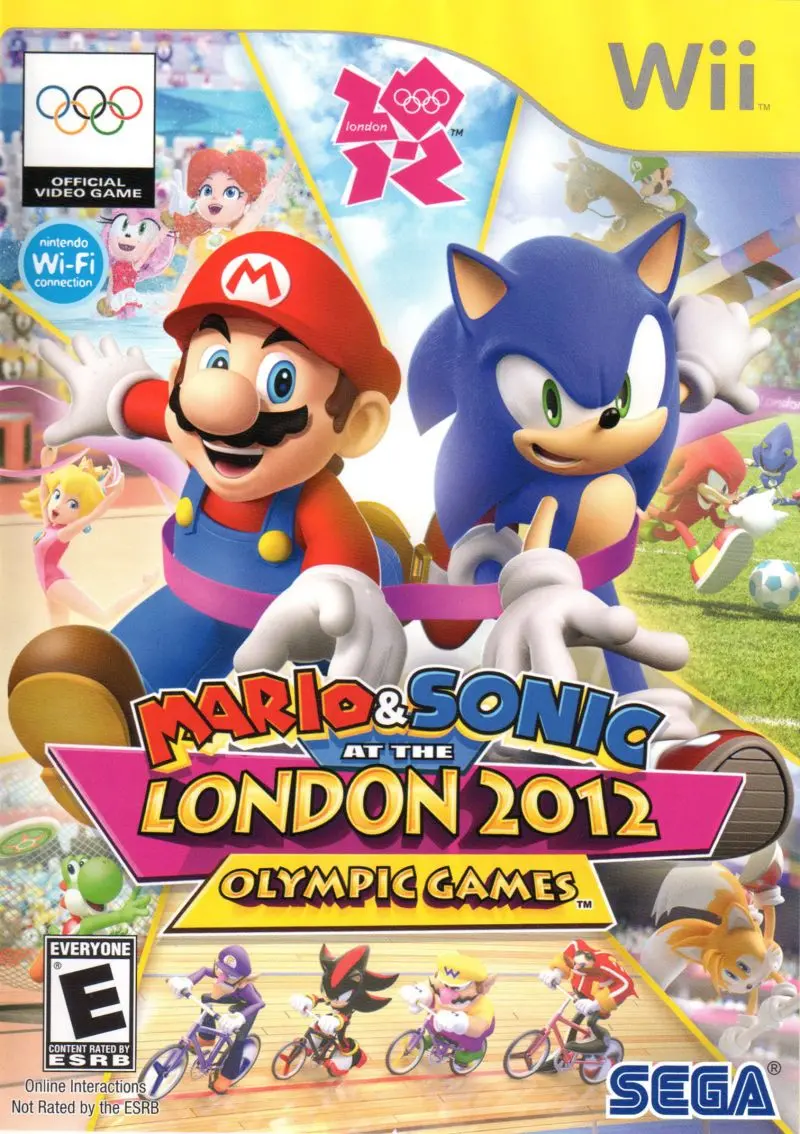
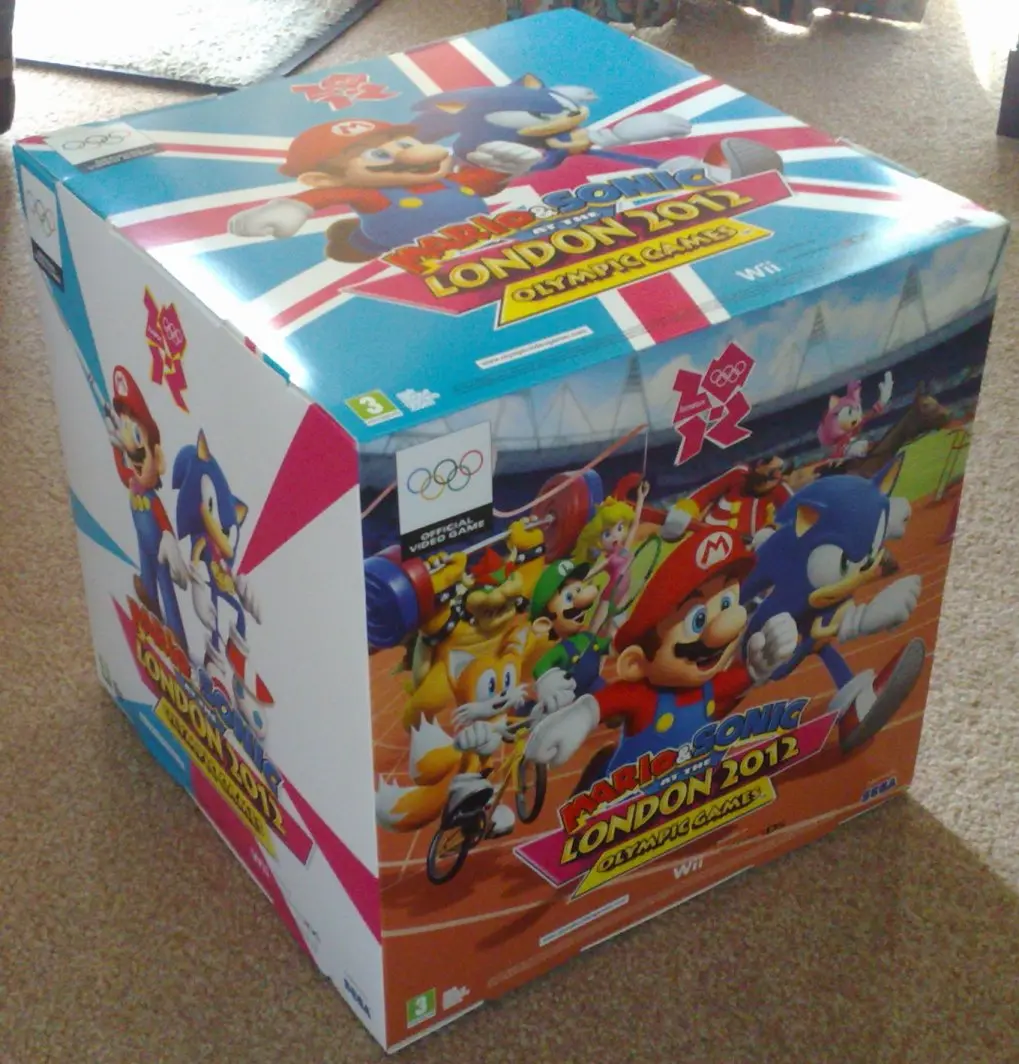
Twenty athletes, ten from each side, shown here as Team Mario and Team Sonic. In the UK and Europe the Wii game also came in a Limited Edition console pack with a blue Wii and a Wii Remote Plus (the box is in our gallery below). As before, every athlete belongs to one of four types (all-around, speed, power or skill) that suits some events better than others. The 3DS version also sorts them into five groups of four, and the group decides which events a character may enter.
Character
Who they are
In this game
Stats & abilities
MarioTeam Mario
Nintendo’s plumber hero.
Cover star alongside Sonic.
Also in the 2008 original.
LuigiTeam Mario
Mario’s younger brother.
Competes for Team Mario.
Also in the 2008 original.
Princess PeachTeam Mario
Ruler of the Mushroom Kingdom.
Competes for Team Mario.
Also in the 2008 original.
Princess DaisyTeam Mario
Princess of Sarasaland.
Competes for Team Mario.
Also in the 2008 original.
YoshiTeam Mario
Mario’s dinosaur friend.
Competes for Team Mario.
Also in the 2008 original.
WarioTeam Mario
Mario’s greedy rival.
Competes for Team Mario.
Also in the 2008 original.
WaluigiTeam Mario
Wario’s lanky partner.
Competes for Team Mario.
Also in the 2008 original.
BowserTeam Mario
King of the Koopas.
On 3DS he and Eggman try to fog out the Games.
Also in the 2008 original.
Bowser Jr.Team Mario
Bowser’s son.
Competes for Team Mario.
Not in the 2008 roster; added in the 2009 Winter Games.
Donkey KongTeam Mario
Nintendo’s jungle king.
His data was already hidden in the 2008 game’s files; here he competes.
Not in the 2008 roster; added in the 2009 Winter Games.
Sonic the HedgehogTeam Sonic
Sega’s blue mascot.
Cover star alongside Mario.
Also in the 2008 original.
Miles “Tails” ProwerTeam Sonic
Sonic’s two-tailed friend.
Competes for Team Sonic.
Also in the 2008 original.
Knuckles the EchidnaTeam Sonic
Guardian of the Master Emerald.
Competes for Team Sonic.
Also in the 2008 original.
Amy RoseTeam Sonic
Sonic’s biggest fan.
Competes for Team Sonic.
Also in the 2008 original.
Shadow the HedgehogTeam Sonic
The ultimate life form.
Competes for Team Sonic.
Also in the 2008 original.
Blaze the CatTeam Sonic
A princess from another dimension.
Competes for Team Sonic.
Also in the 2008 original.
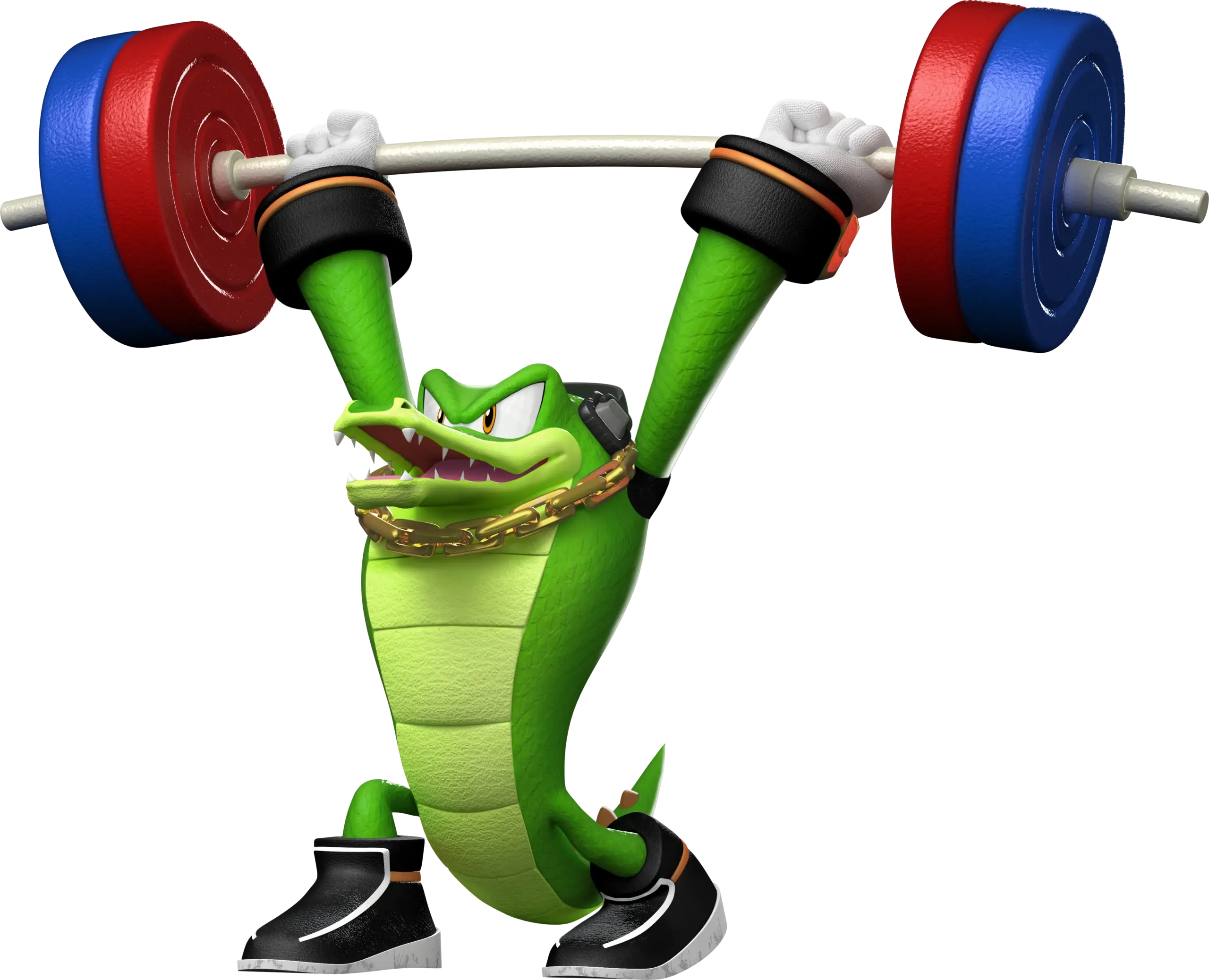
Vector the CrocodileTeam Sonic
Head of the Chaotix detectives.
Competes for Team Sonic.
Also in the 2008 original.
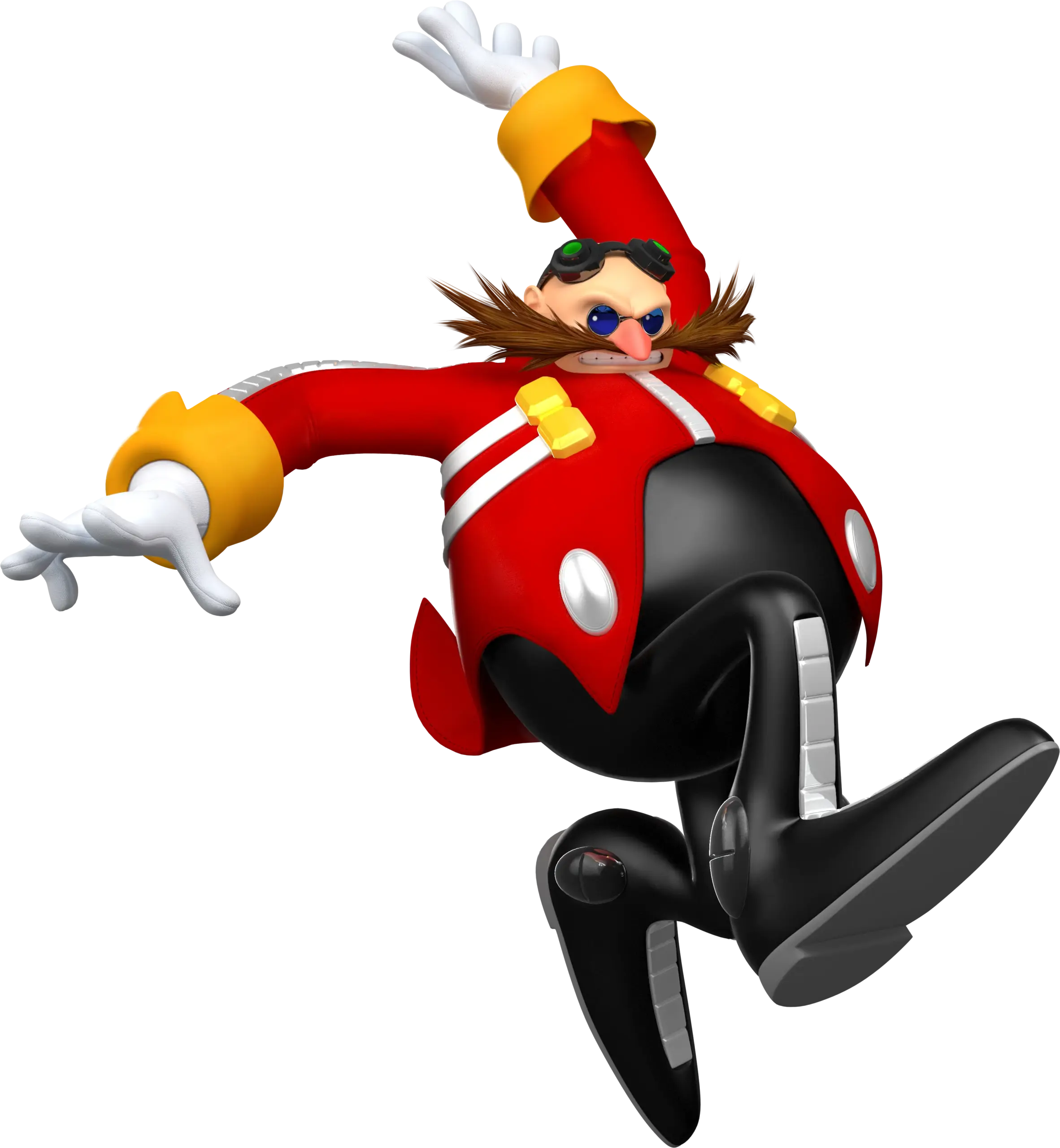
Dr. EggmanTeam Sonic
Sonic’s arch-enemy.
Bowser’s partner in the 3DS fog plot.
Also in the 2008 original.
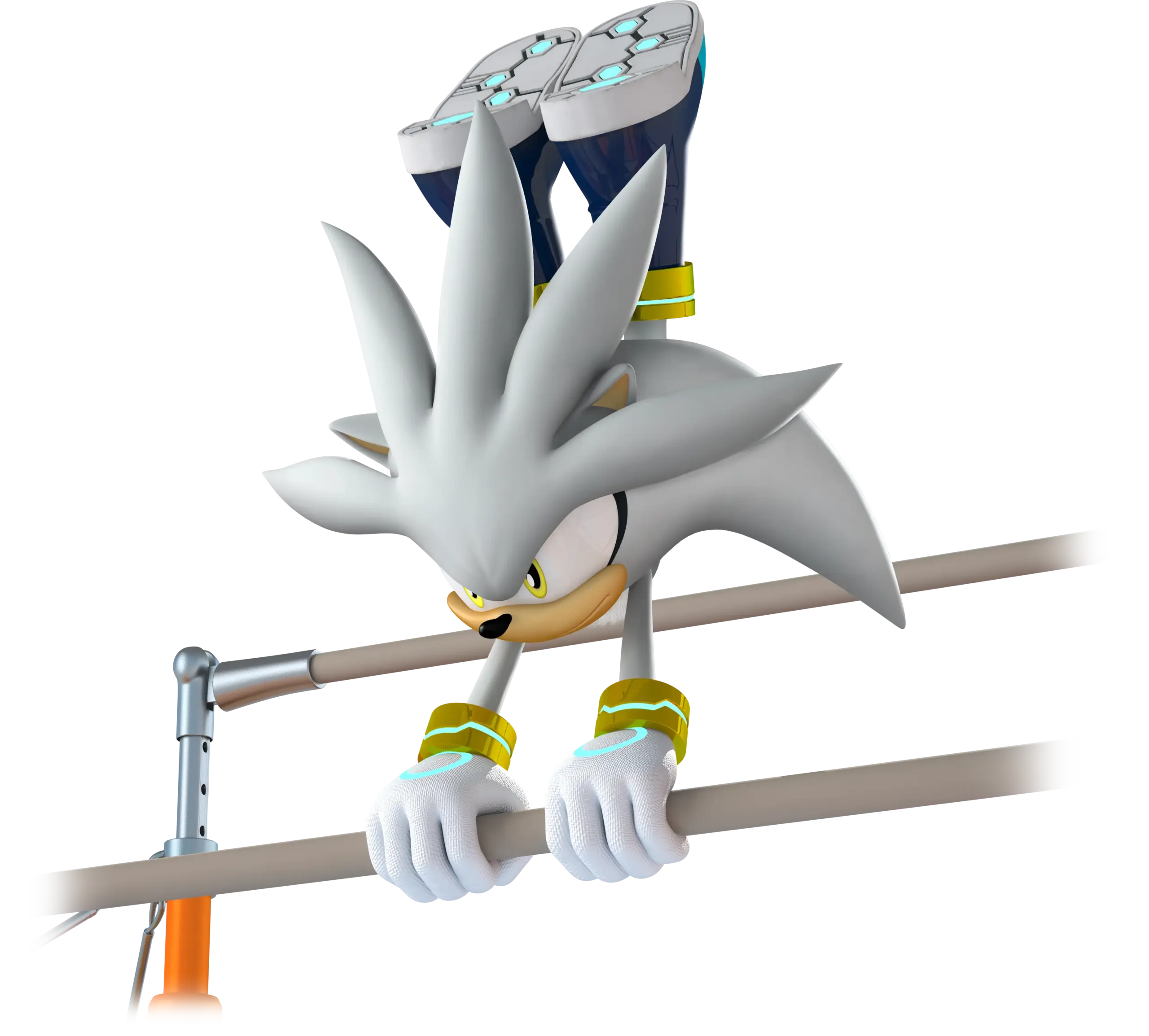
Silver the HedgehogTeam Sonic
A psychic hedgehog from the future.
His data was hidden in the 2008 game; here he competes.
Not in the 2008 roster; added in the 2009 Winter Games.
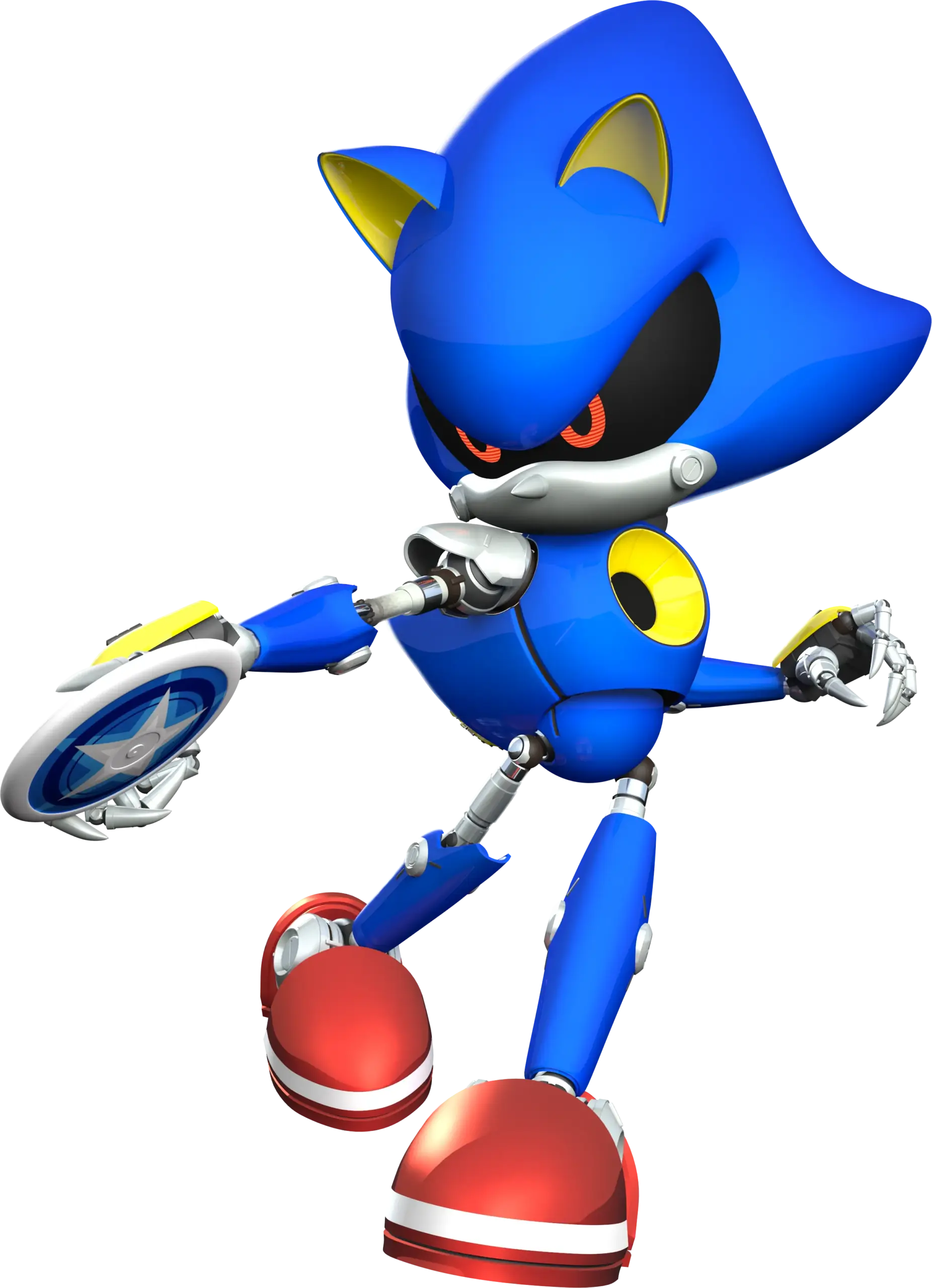
Metal SonicTeam Sonic
Eggman’s robot double of Sonic.
Competes for Team Sonic.
Not in the 2008 roster; added in the 2009 Winter Games.
London landmarks
Sega’s press images put the cast all over the host city.
Big BenWestminsterSega press image.
Houses of ParliamentWestminsterSonic and Mario on the riverside.
Tower BridgeRiver ThamesSega press image.
Piccadilly CircusWest EndSega press image.
A London busOn the roadSega press image.
Who made it
Credits as reported by Wikipedia.
Sega CS2DeveloperMore than 100 people worked on the two versions.
Racjin and Marvelous AQLOutsourced workHelped with the Wii and 3DS versions.
Osamu Ohashi & Hiroshi SatoProducersThe Sega and Nintendo producers from the first game, back again.
Eigo KasaharaDirector (Wii)Directed the first game too.
Koji ShindoDirector (3DS)Directed the handheld version, per Wikipedia’s credits.
Teruhiko NakagawaLead composerAlso returning from 2007, at the head of a large Sega Digital Studio music team.
How it was made
Soon after the first game came out, Sega of America’s Sean Ratcliffe said a London sequel was likely if sales held up. They did.
Announcement
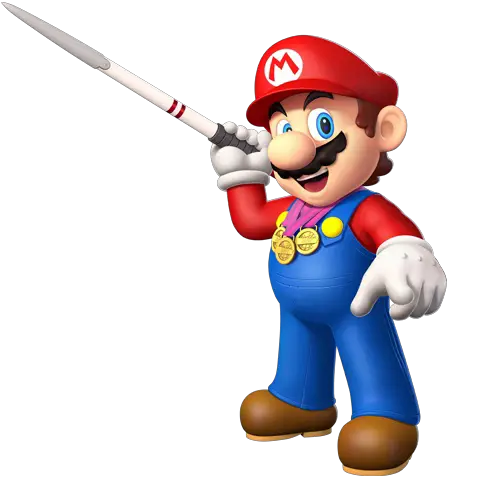
Mario.Image via Sonic Retro
The third game reunited much of the original crew. Osamu Ohashi (Sega) and Hiroshi Sato (Nintendo) produced again, Eigo Kasahara directed the Wii game while Koji Shindo took the 3DS version, and Teruhiko Nakagawa was lead composer of a large Sega Digital Studio music team. The two companies made it official in a joint announcement on 21 April 2011, by which point the first two games had passed 19 million sales between them.
Who built it
More than 100 staff in Sega’s CS2 division worked across the two versions, with some of the load handed to Racjin and Marvelous AQL. Publishing was split the familiar way: Sega in the West, Nintendo in Japan and South Korea. One idea never surfaced. At one stage a new peripheral was on the table to launch with the game, and nobody has ever said what it was.
The yellow box
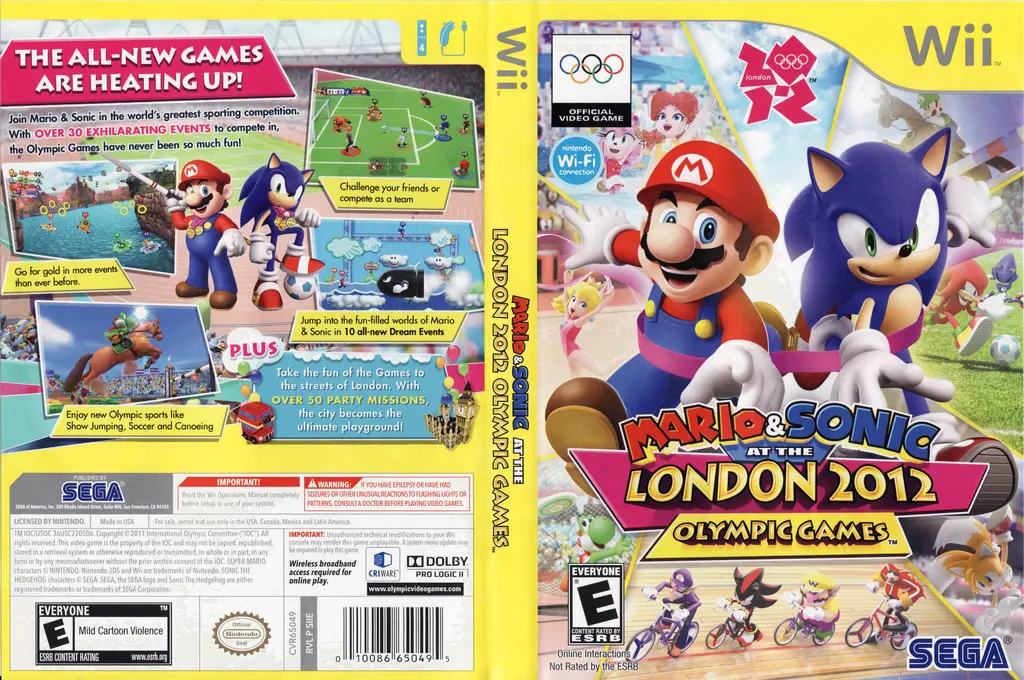
According to Wikipedia, the Wii version is the only Wii game sold in a yellow keep case instead of the usual white.
Firsts: what this game introduced
What London 2012 added.
1An official London 2012 gameLicensed by the IOC as an official game of the 2012 Summer Olympics.
2Mario & Sonic on 3DSThe first two games were on Wii and DS; this was the series’ first trip to the 3DS.
3London PartyA sightseeing board game of events and minigames for four players.
4Football, badminton, horse riding, canoeing and volleyballNew sports joined the Wii line-up.
5Microphone weightliftingThe 3DS version’s weightlifting is played with the microphone.
6A yellow Wii caseWikipedia notes it is the only Wii game packaged in a yellow case.
Glitches, exploits and oddities
No famous bugs are documented, but a few design choices stood out.
No Balance Board
The Winter Games had used the Wii Balance Board; London 2012 dropped support for it.
No MotionPlus either
IGN’s Lucas Thomas thought skipping the more precise Wii MotionPlus add-on was a missed opportunity.
Not everyone can play everything (3DS)
Because the handheld version sorts its athletes into five groups of four, some events are only open to certain groups, and some need the whole group or a pair from it.
The mystery peripheral
A peripheral was considered early in development, but nobody has said what it was.
Videos & media
Sega Europe’s launch trailer, and a complete playthrough.
Launch trailer, from Sega Europe’s official YouTube channel.
Longplay by LongplayArchive.
Trivia & facts
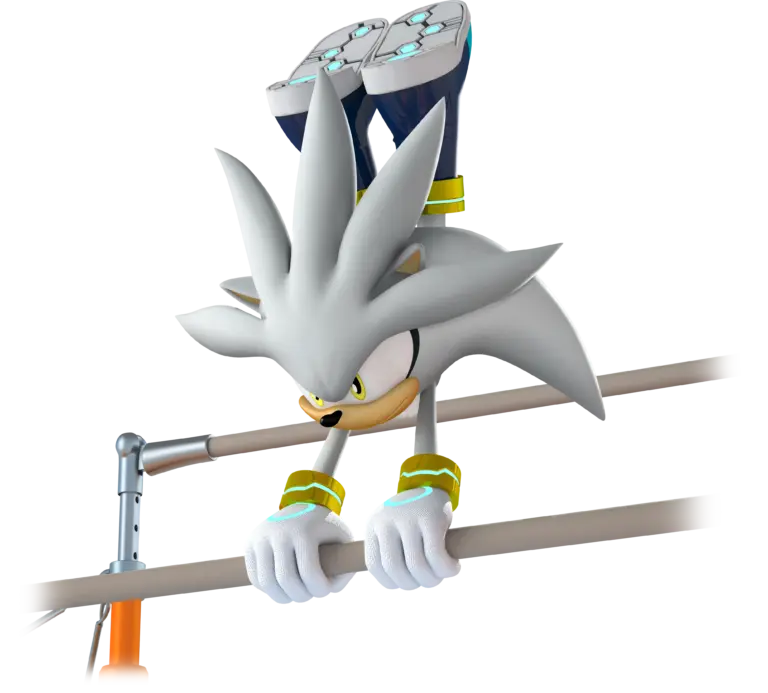
Silver.Image via Sonic RetroSilver and Donkey Kong were hidden in the files of the 2008 European release; both became full athletes in the 2009 Winter Games and return here.
In Japan the game is called Mario & Sonic at London Olympics.
Big Ben.Image via Sonic RetroIGN’s Lucas Thomas felt seeing the mascots beside world-famous London landmarks lifted it above the earlier games.
Digital Spy’s Mark Langshaw argued that part of the fun was that none of the events tried to be an accurate copy of the real sport.
The 3DS version was re-released as a download on the Nintendo eShop in 2012 and 2013.
Media & artwork
Box art, artwork and press images, via Sonic Retro. Select any image to view it larger.
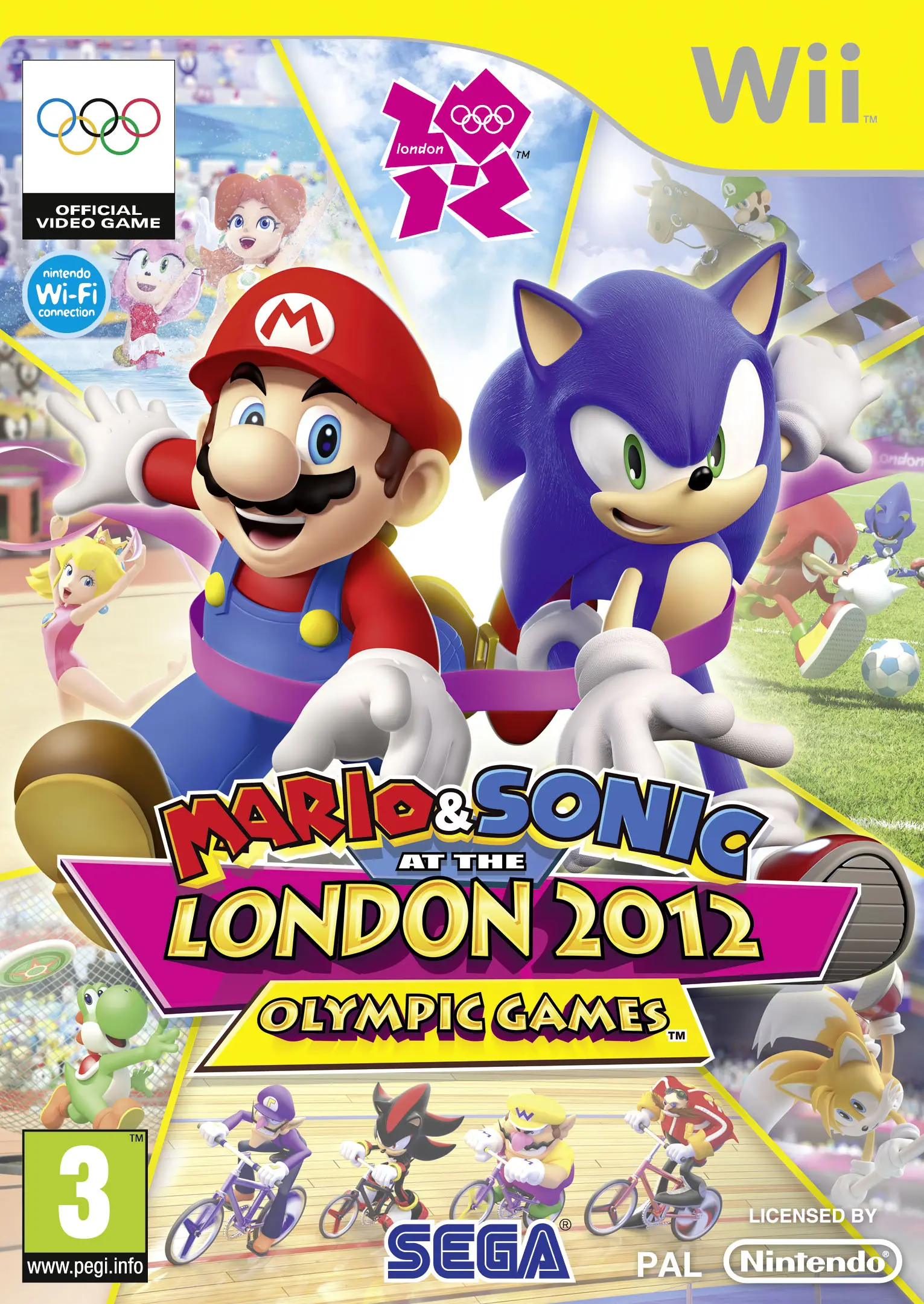
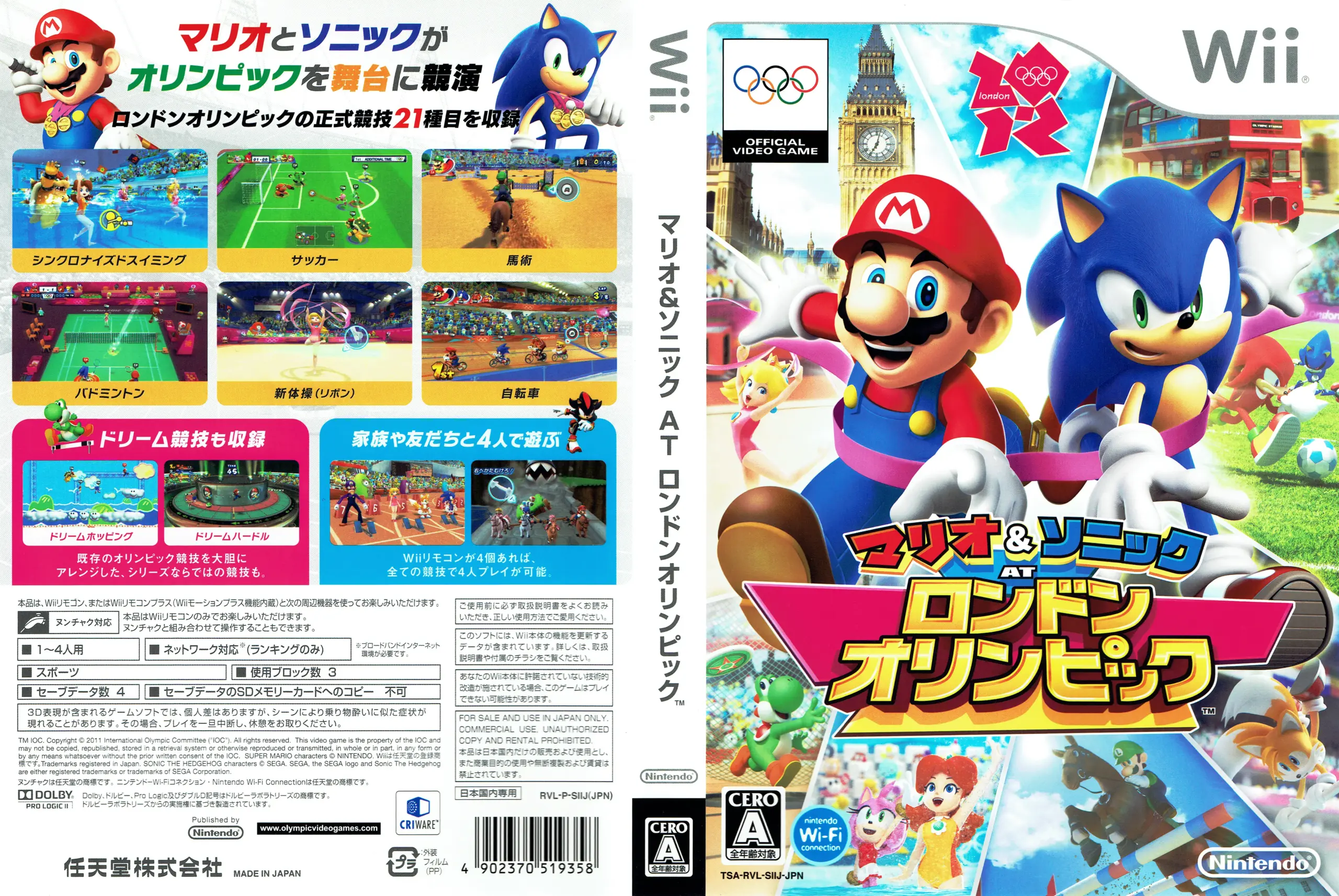
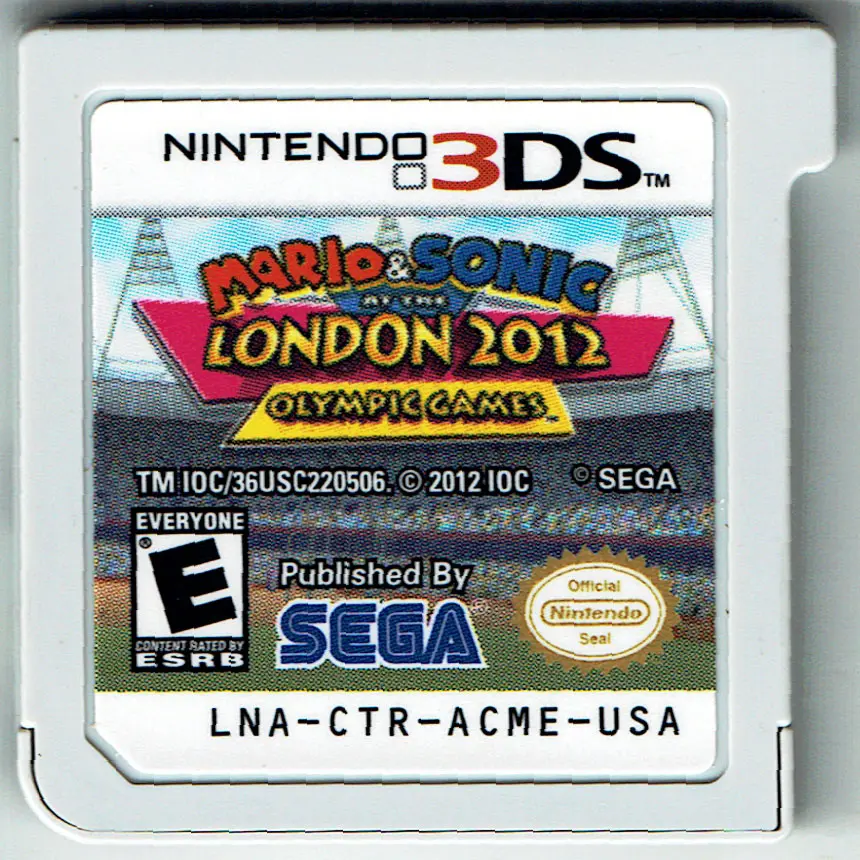
European Wii cover.Japanese Wii cover.UK Limited Edition Wii pack.Back of the Limited Edition Wii pack: a blue Wii, Wii Remote Plus and the game.North American 3DS game card.Promotional artwork.North American logo.
Sega’s results show the Wii version at 2.39 million copies in the US and Europe by the end of December 2011, and the two versions together at 3.28 million by the end of March 2012.
2.39mWii, US and Europe, by Dec 2011
3.28mWii + 3DS by March 2012
66Metacritic, Wii
66Metacritic, 3DS
Reviews
Scores from the review table on Wikipedia, which cites each publication. Metacritic gave both versions 66.
Cubed3UK · 3DS
8/10
Official Nintendo MagazineUK · 3DS
78%
IGNUS · Wii
7.5/10
Official Nintendo MagazineUK · Wii
73%
IGNUS · 3DS
6.5/10
Digital SpyUK · Wii
6/10
EurogamerUK · Wii
60%
GamesRadarUK · Wii
3/5
The GuardianUK · Wii
3/5
On Wii the verdict was, broadly, more of the same. ONM’s Chris Scullion called it a “step sideways” that offered too little challenge for solo players, Eurogamer found several modes “undercooked”, and IGN and Digital Spy both felt it recycled too much from earlier games. The Guardian still rated it a “colourful diversion” for younger players.
The 3DS version did a little better. ONM praised its “outstanding” soundtrack, and Cubed3 liked its sharp visuals and lively animation, while IGN’s Richard George criticised the “embarrassing design” of some minigames.
Reader reviews
No reader reviews yet. Played it? Give it a score out of 10 and tell other fans what you think.
Every fact on this page was checked against the sources below. Sonic Retro was read through a Wayback Machine copy, because the live site shows a bot check; the link opens the copy we read.
To provide the best experiences, we use technologies like cookies to store and/or access device information. Consenting to these technologies will allow us to process data such as browsing behavior or unique IDs on this site. Not consenting or withdrawing consent, may adversely affect certain features and functions.
Functional
Always active
The technical storage or access is strictly necessary for the legitimate purpose of enabling the use of a specific service explicitly requested by the subscriber or user, or for the sole purpose of carrying out the transmission of a communication over an electronic communications network.
Preferences
The technical storage or access is necessary for the legitimate purpose of storing preferences that are not requested by the subscriber or user.
Statistics
The technical storage or access that is used exclusively for statistical purposes.The technical storage or access that is used exclusively for anonymous statistical purposes. Without a subpoena, voluntary compliance on the part of your Internet Service Provider, or additional records from a third party, information stored or retrieved for this purpose alone cannot usually be used to identify you.
Marketing
The technical storage or access is required to create user profiles to send advertising, or to track the user on a website or across several websites for similar marketing purposes.

 London 2012 Olympic GamesIOC · International Sports MultimediaOfficially licensed by the IOC, with venues based on the real ones.
 Mario & Sonic seriesSega and NintendoBegun with Beijing 2008, continued with Sochi 2014 and Rio 2016.
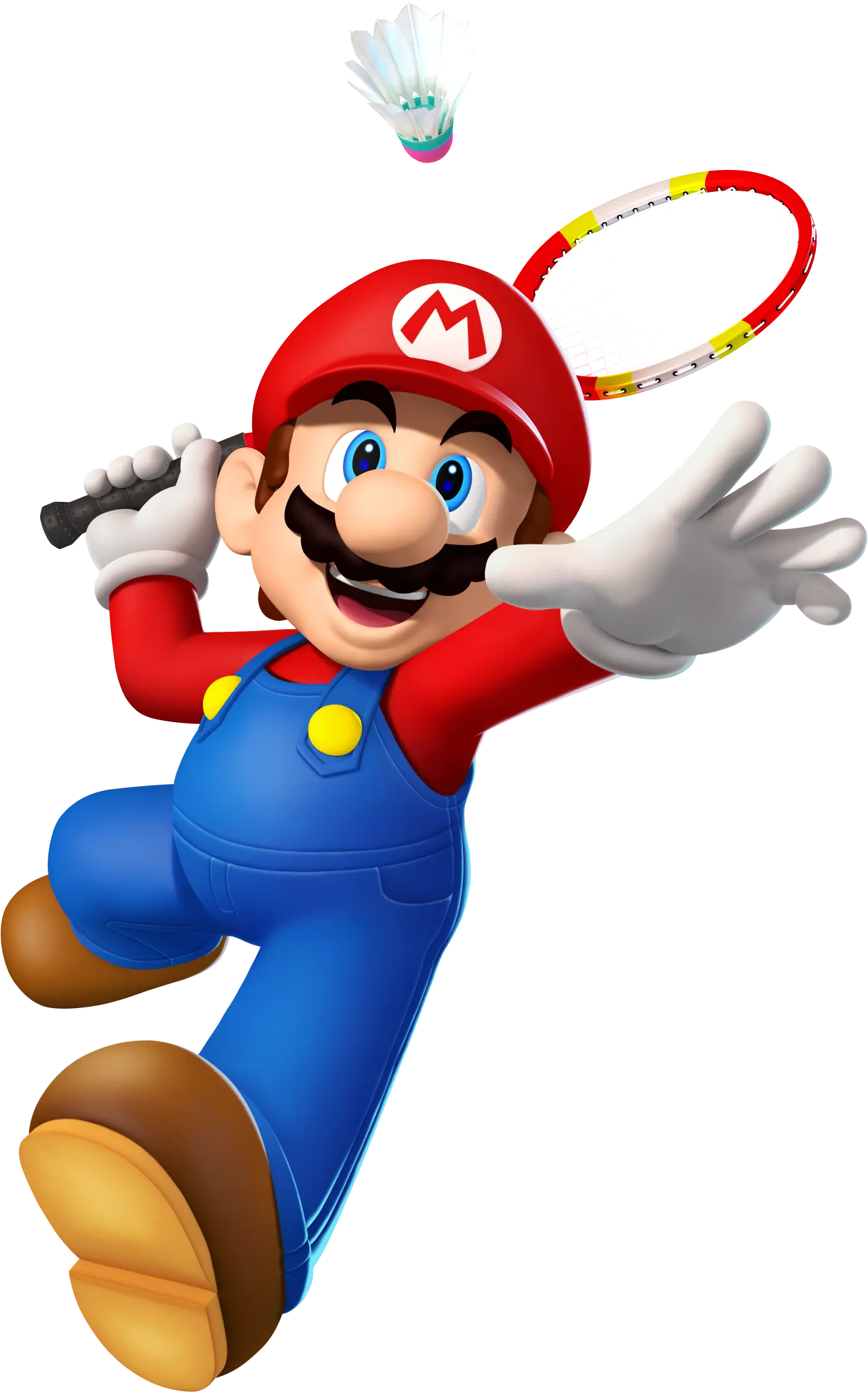 MarioTeam Mario
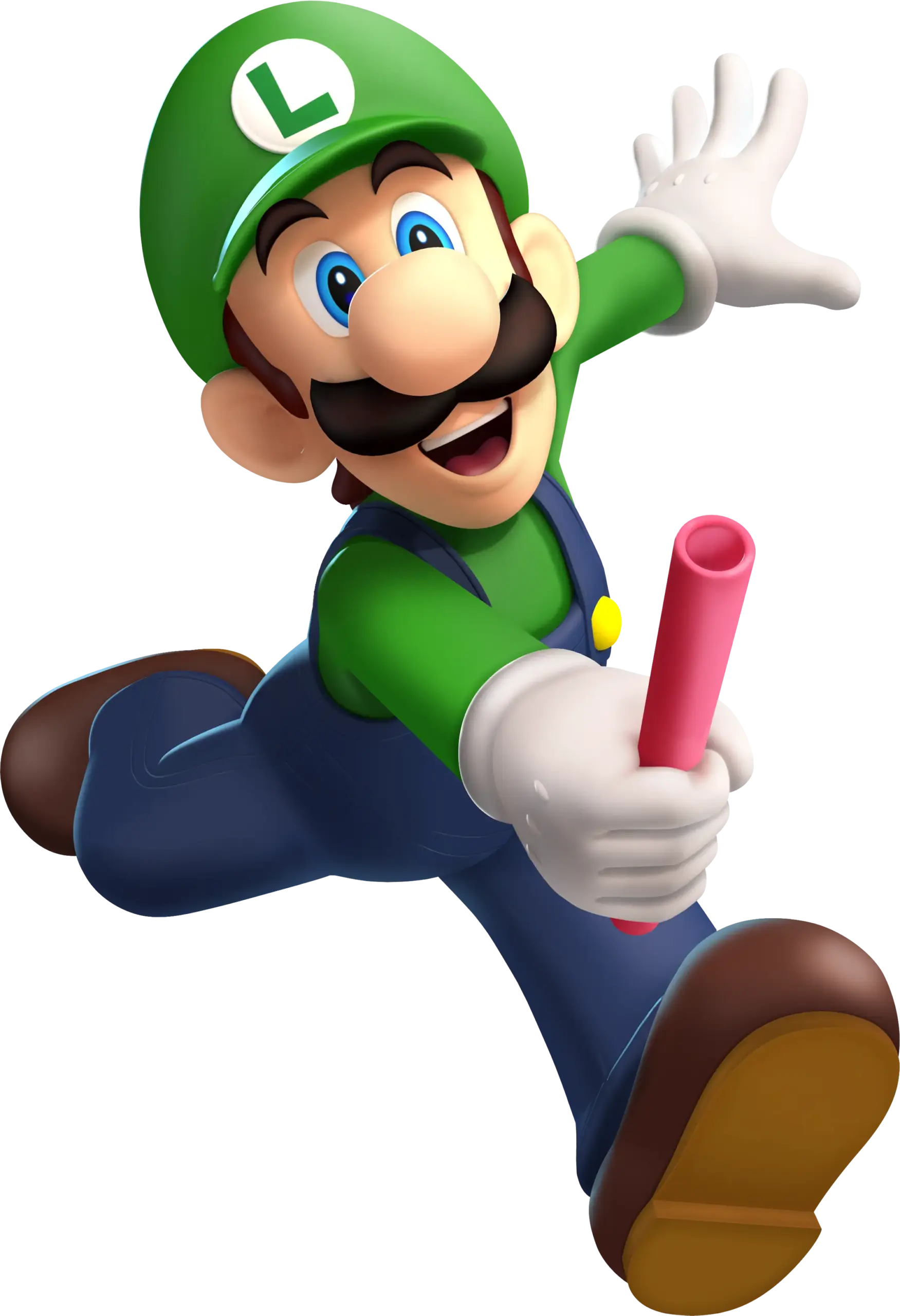 LuigiTeam Mario
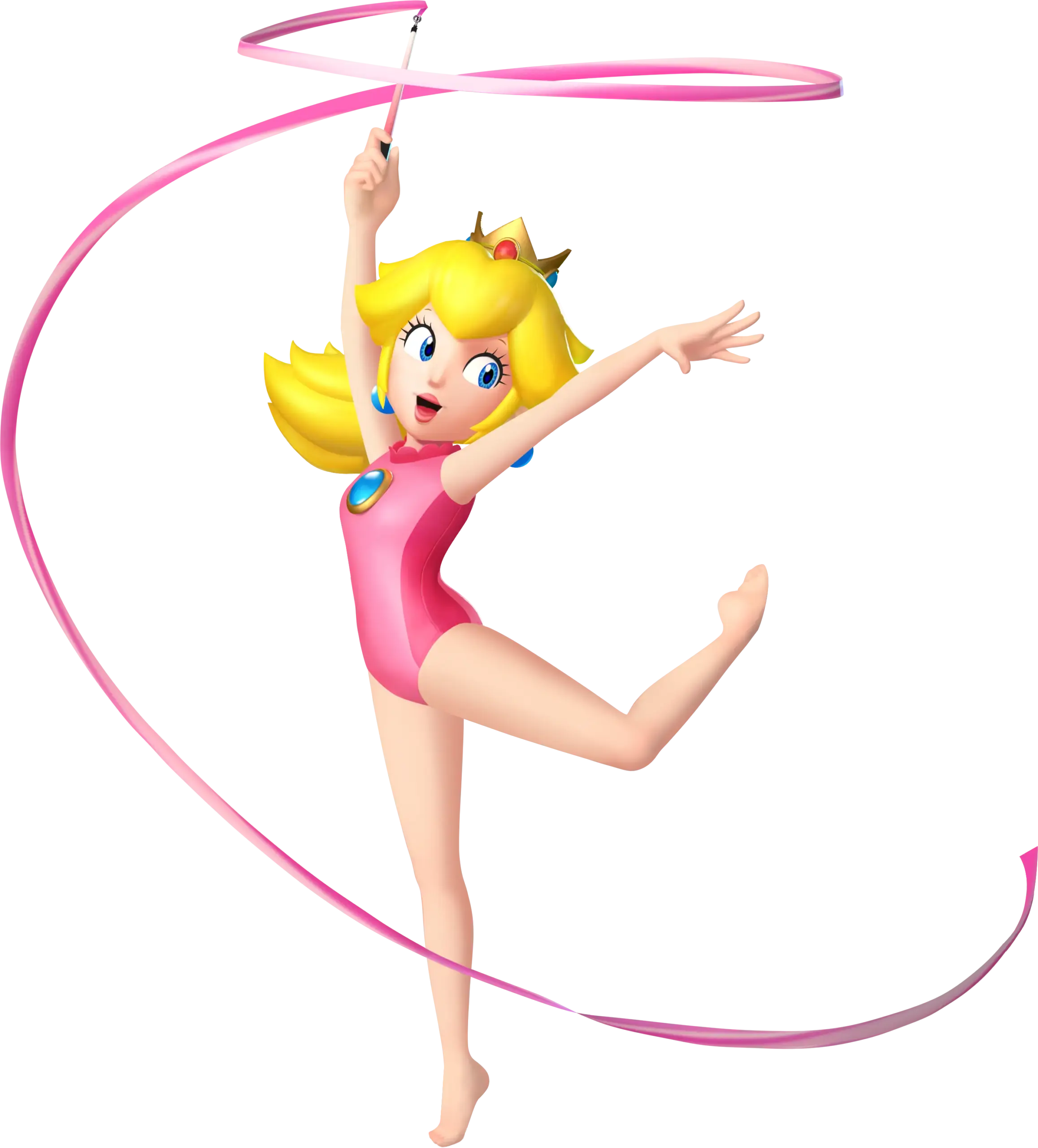 Princess PeachTeam Mario
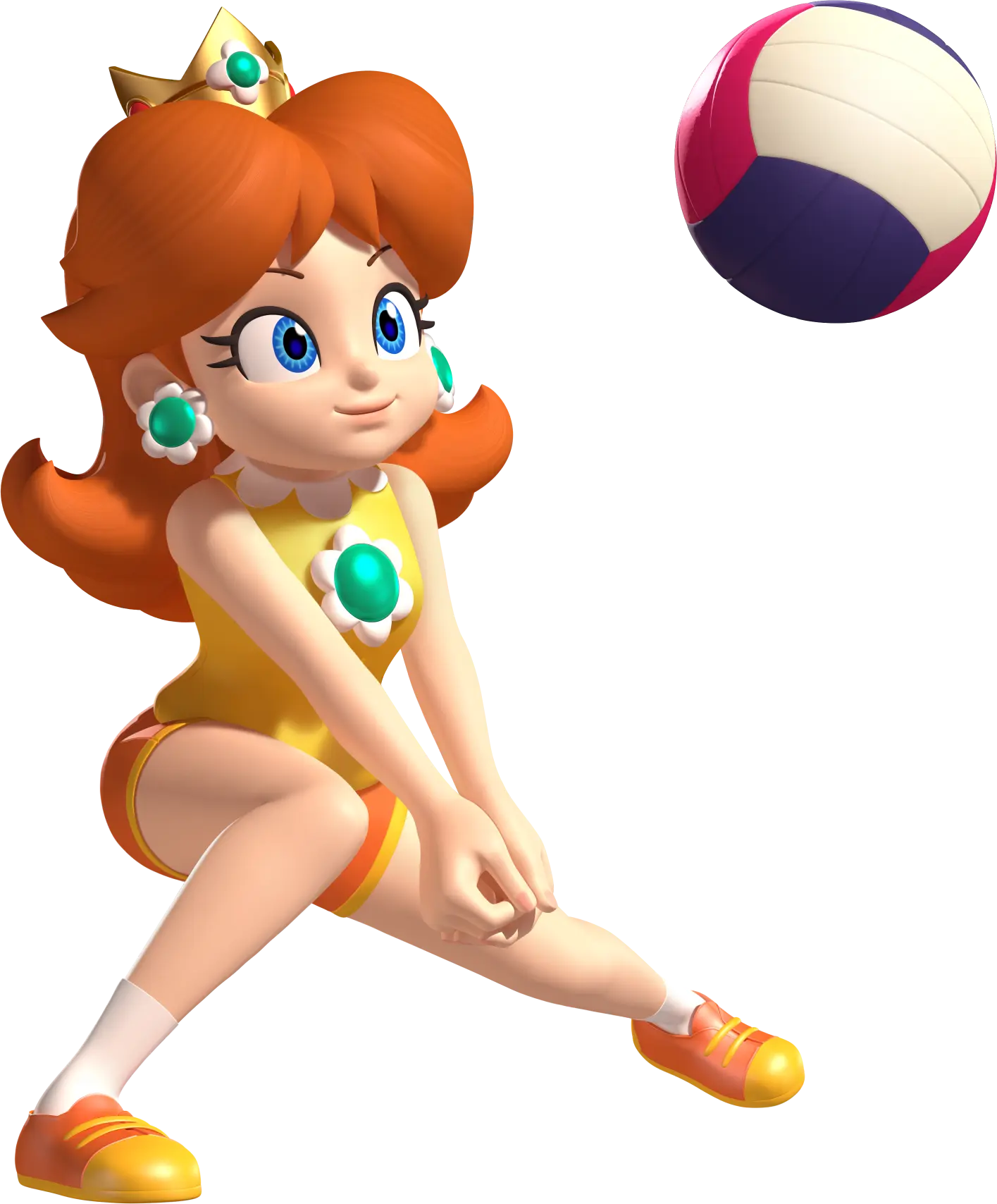 Princess DaisyTeam Mario
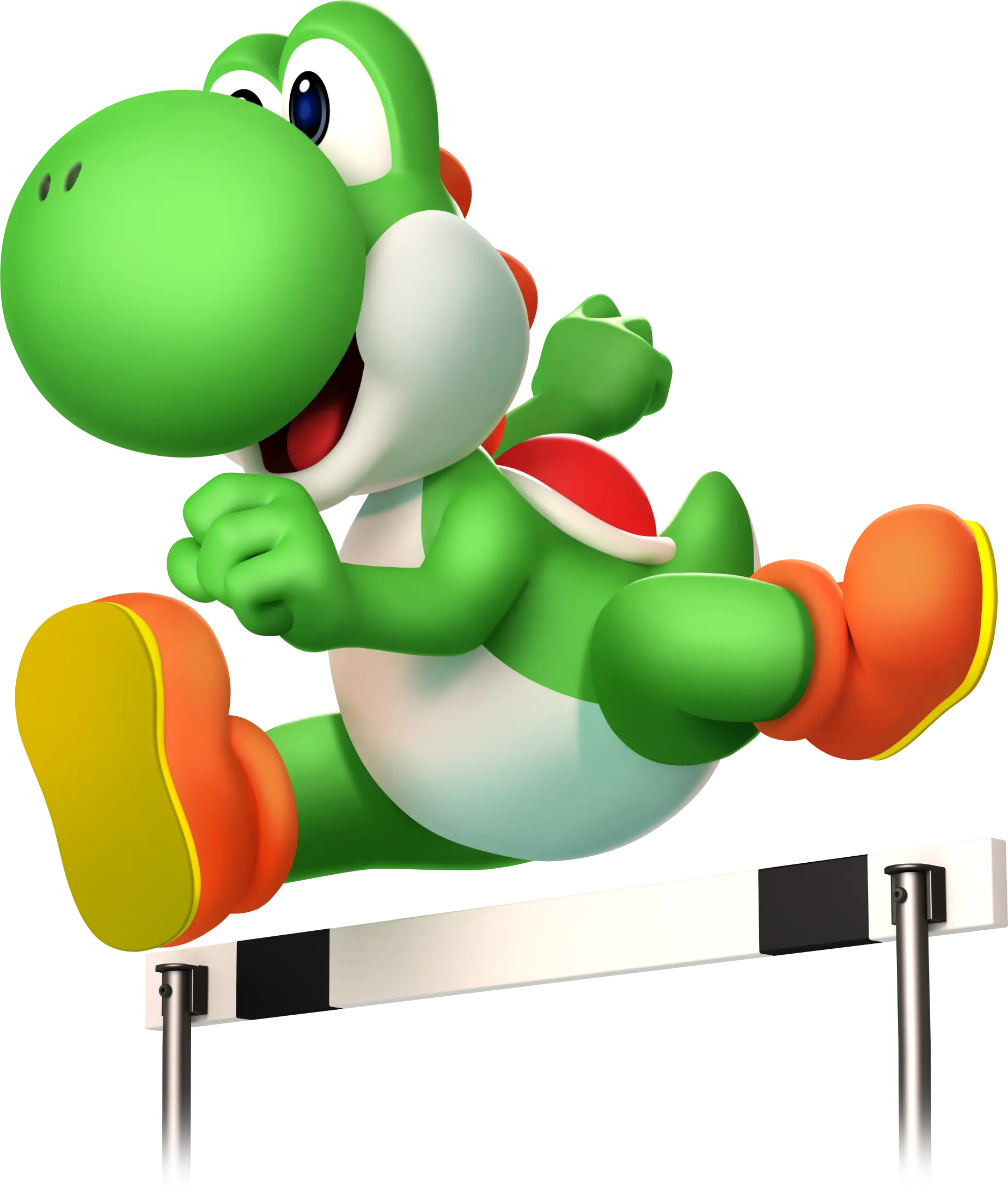 YoshiTeam Mario
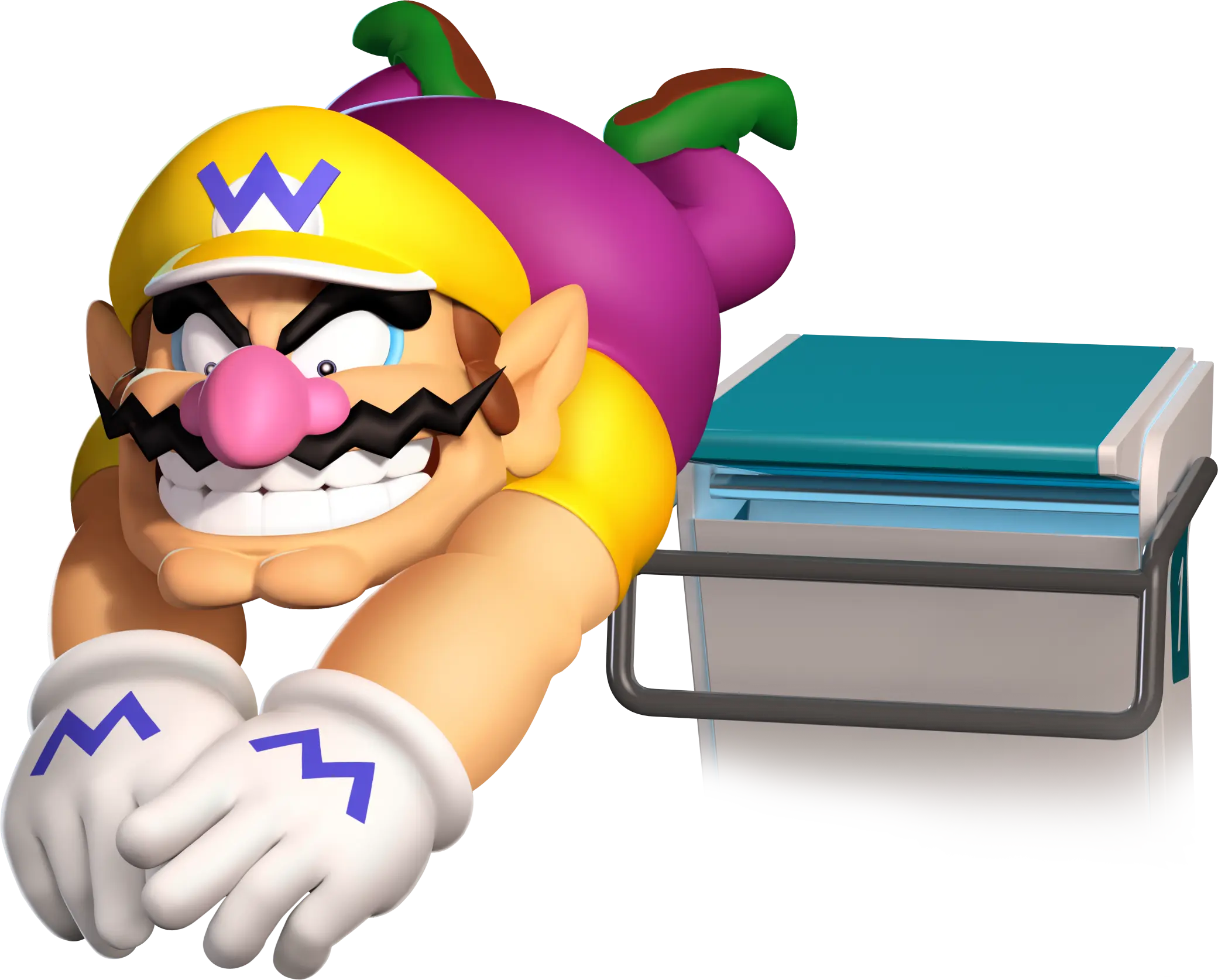 WarioTeam Mario
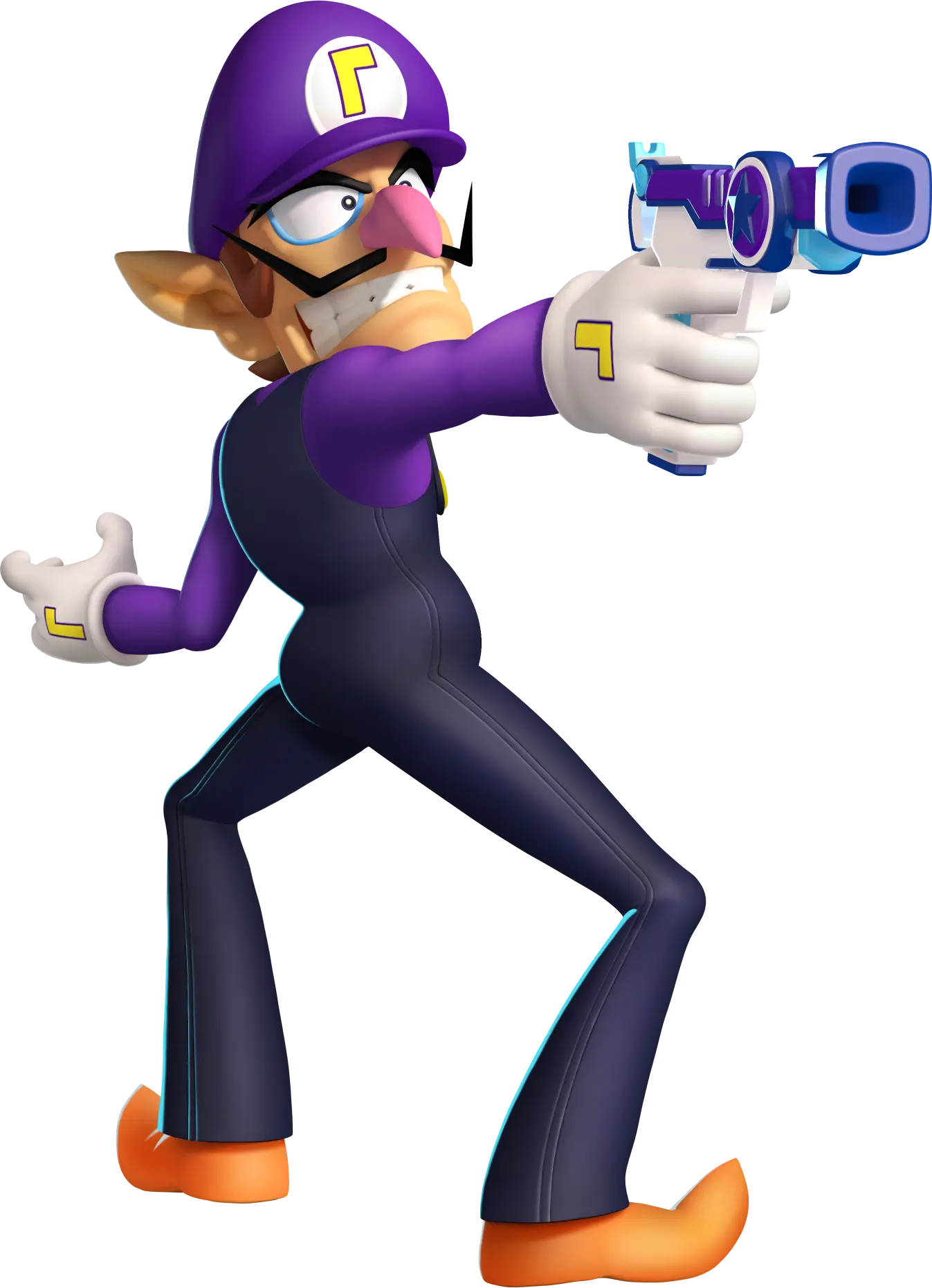 WaluigiTeam Mario
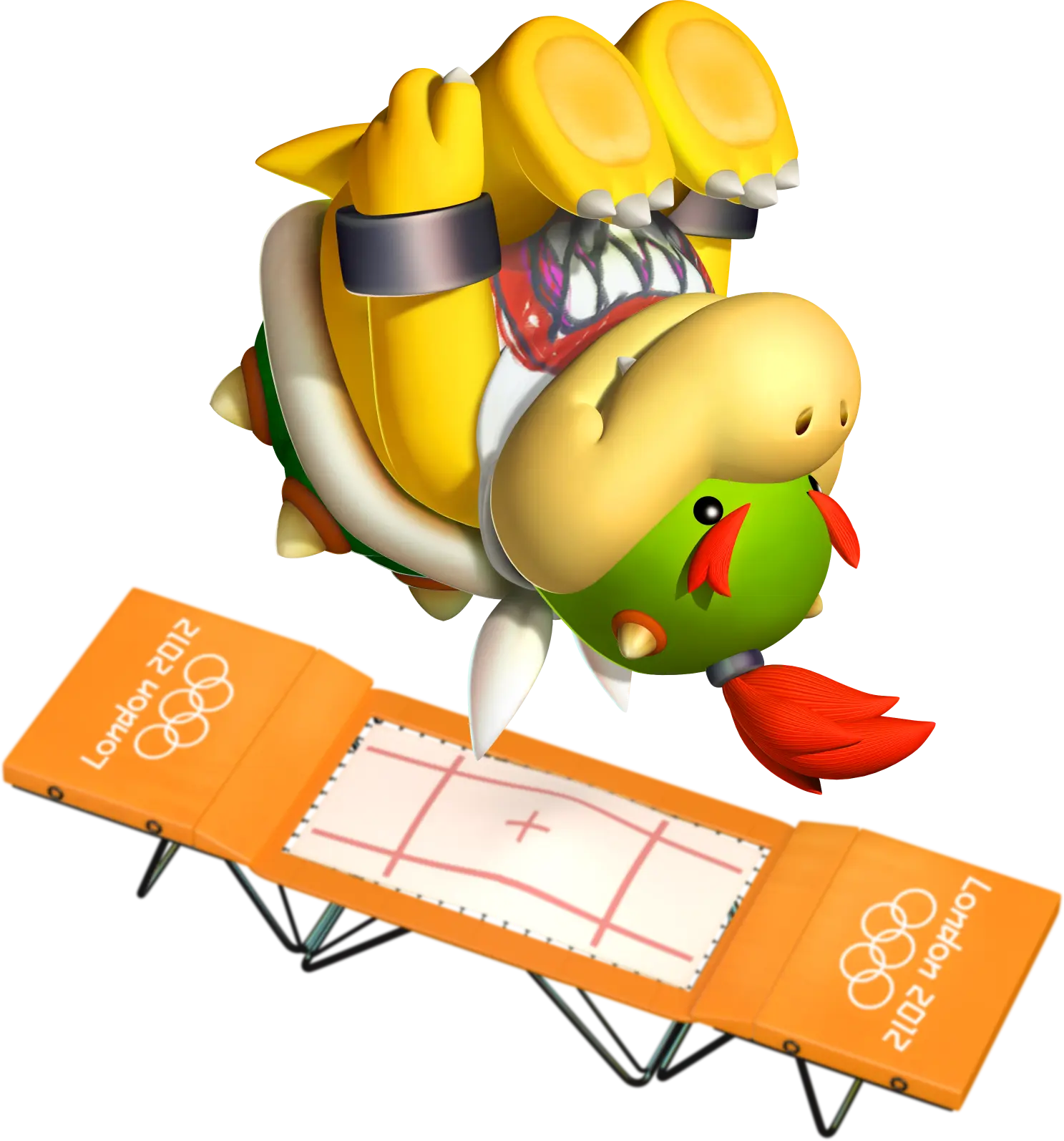 Bowser Jr.Team Mario
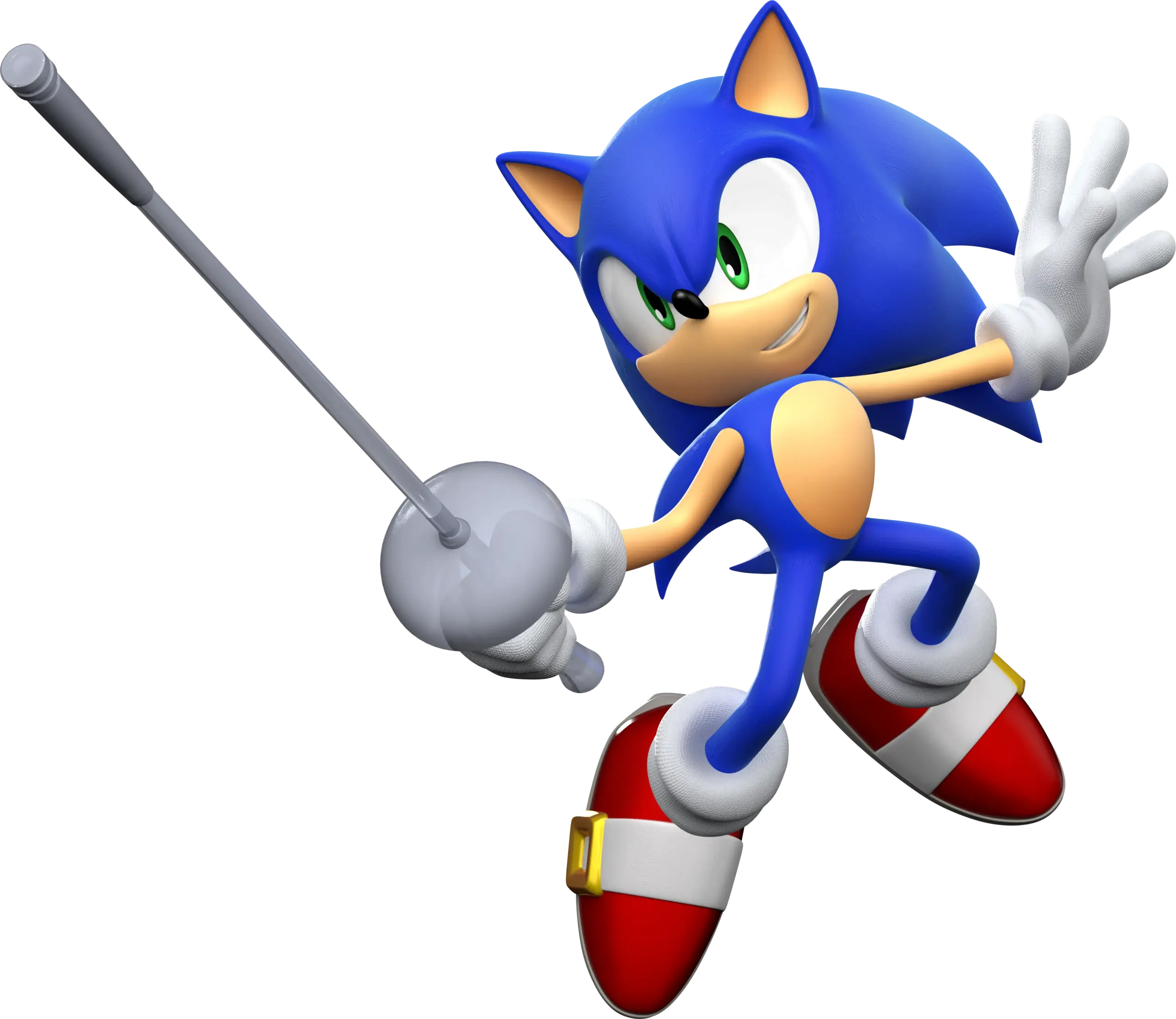 Sonic the HedgehogTeam Sonic
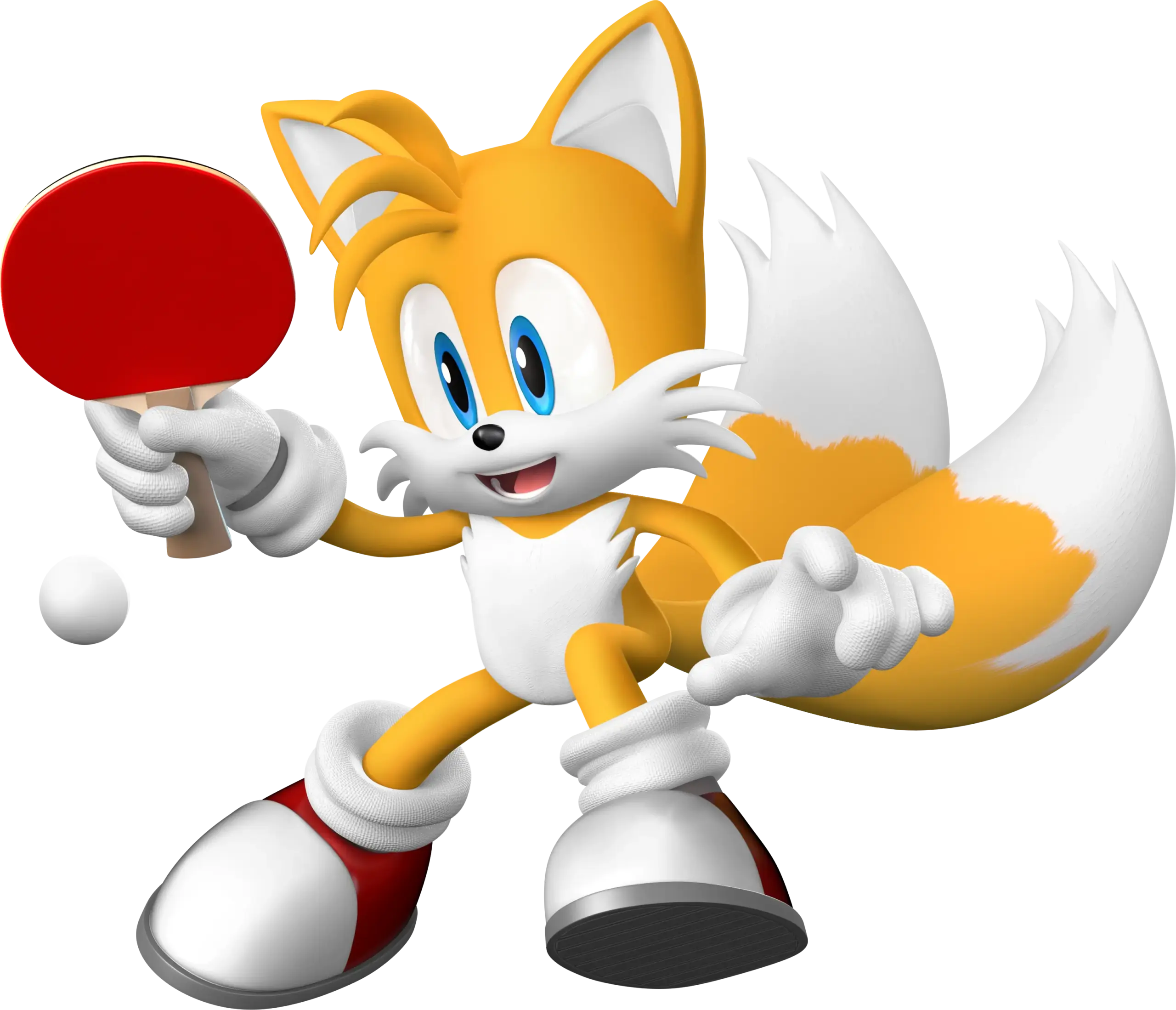 Miles “Tails” ProwerTeam Sonic
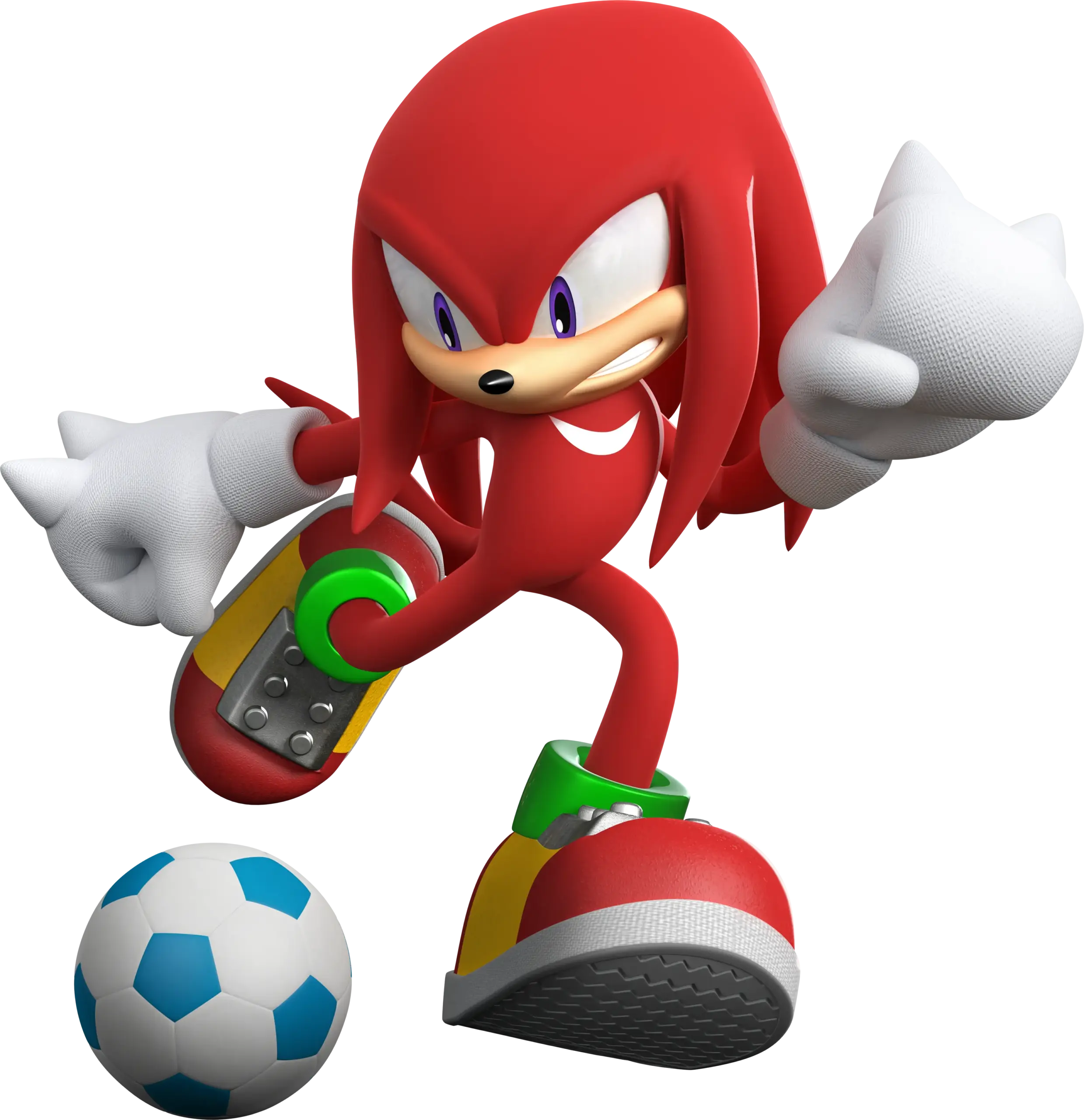 Knuckles the EchidnaTeam Sonic
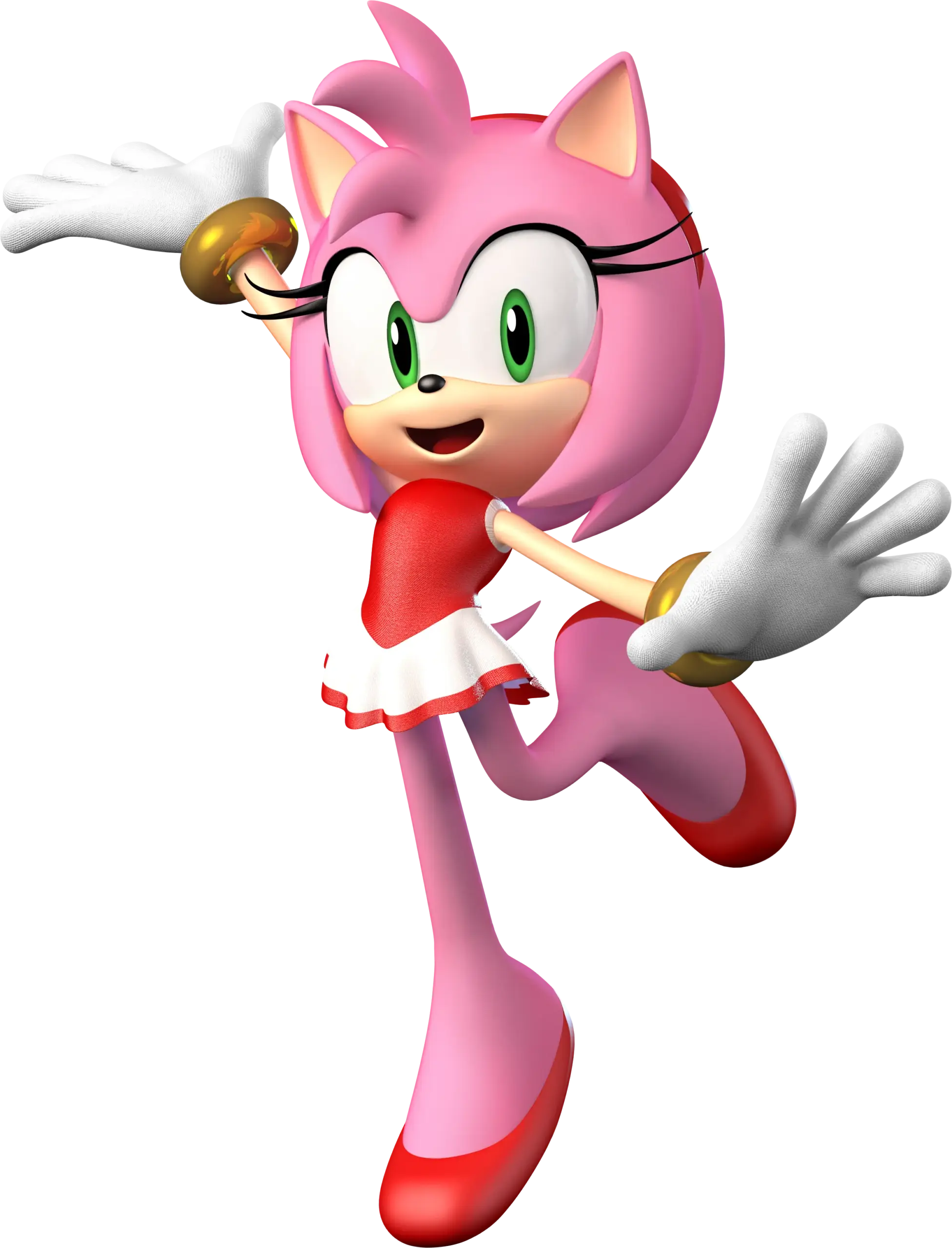 Amy RoseTeam Sonic
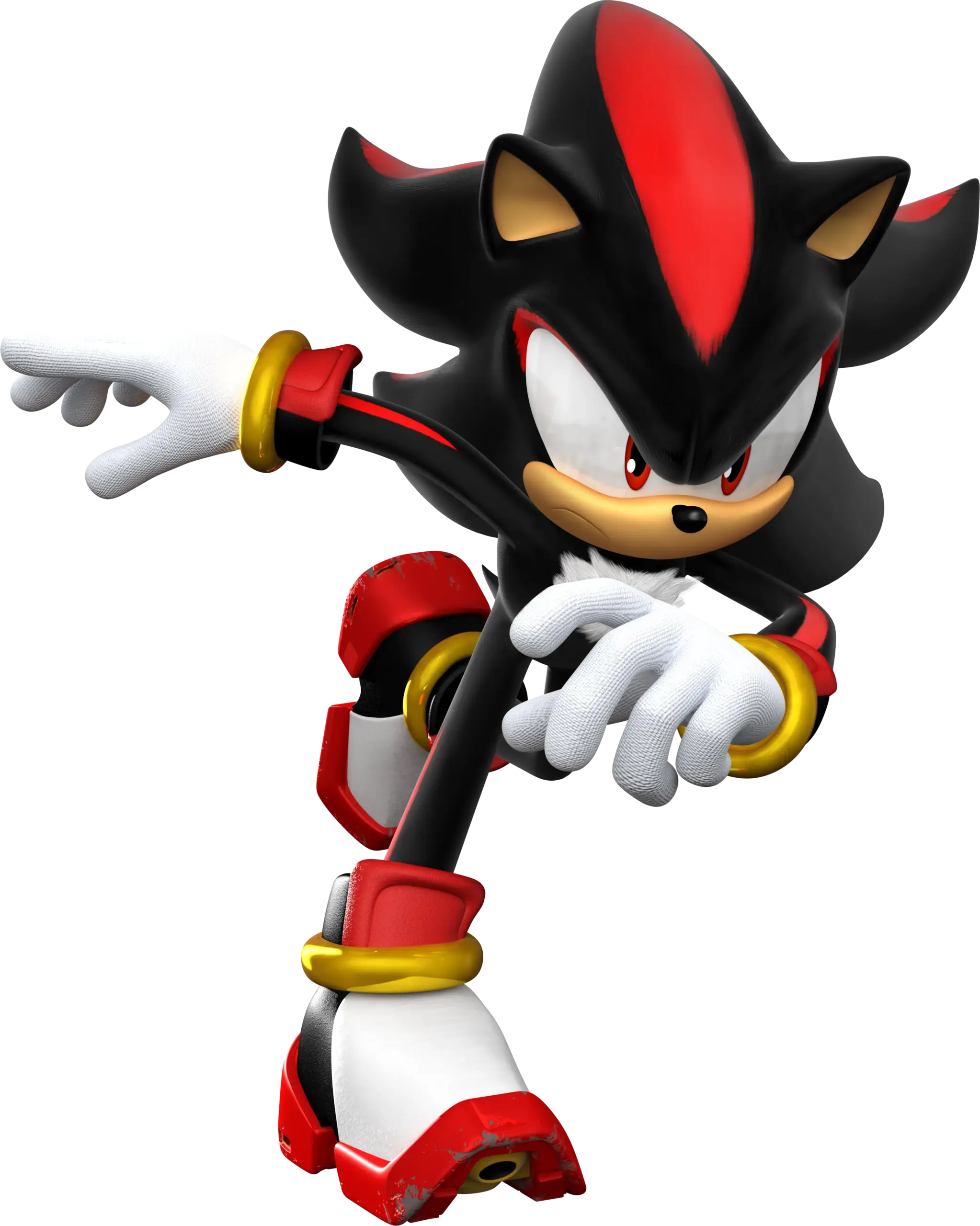 Shadow the HedgehogTeam Sonic
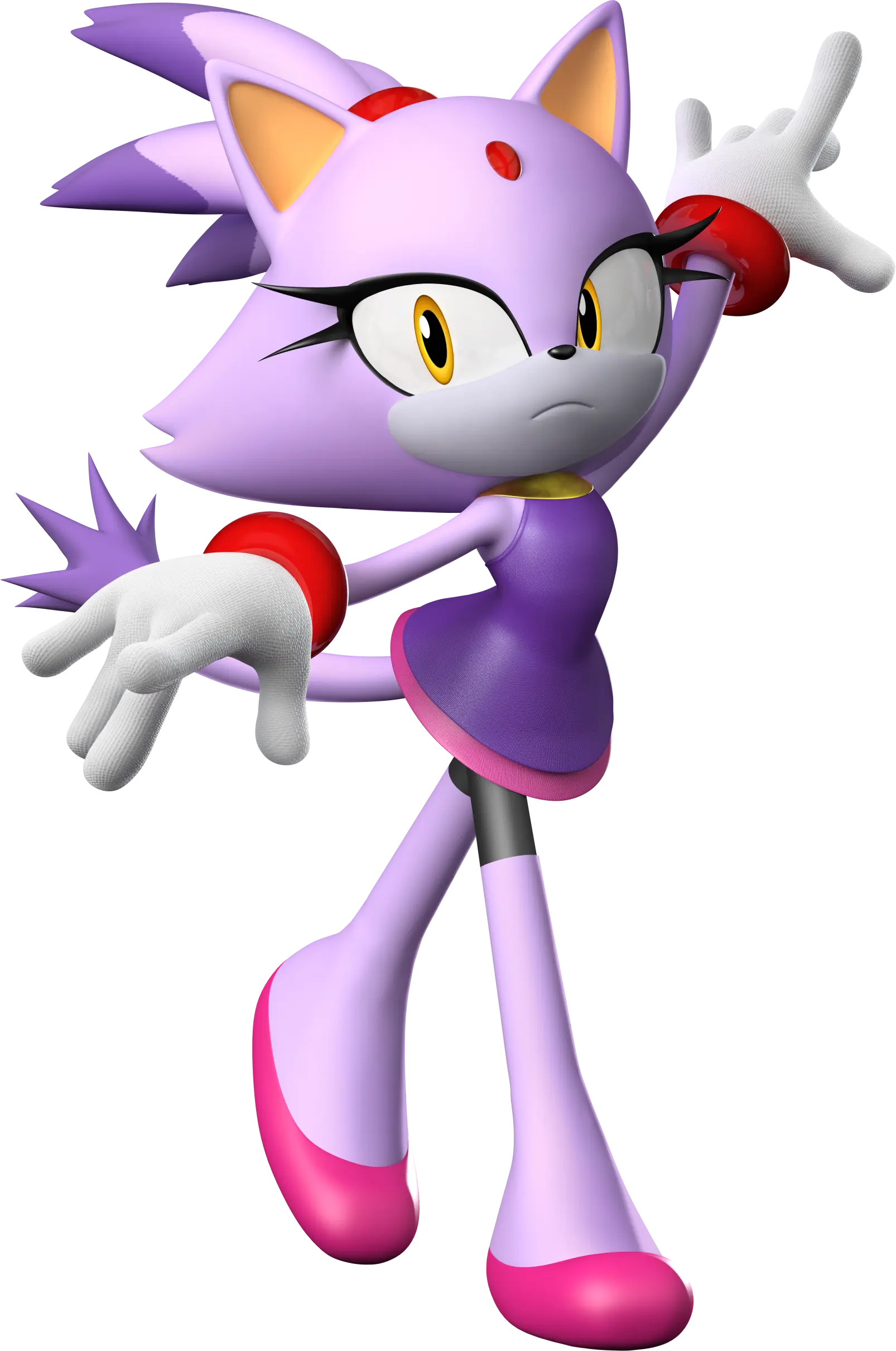 Blaze the CatTeam Sonic
 Vector the CrocodileTeam Sonic
 Dr. EggmanTeam Sonic
 Silver the HedgehogTeam Sonic
 Metal SonicTeam Sonic
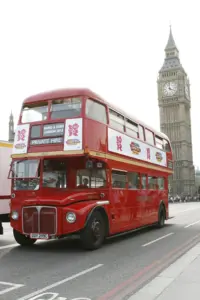 Big BenWestminsterSega press image.
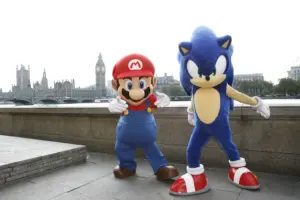 Houses of ParliamentWestminsterSonic and Mario on the riverside.
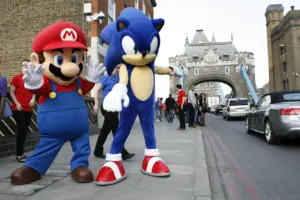 Tower BridgeRiver ThamesSega press image.
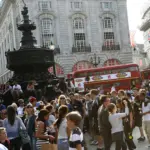 Piccadilly CircusWest EndSega press image.
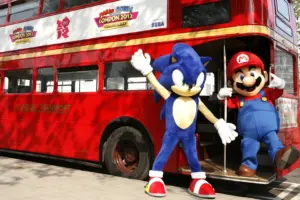 A London busOn the roadSega press image.