PS3 / Xbox 360 / PC / 3DS2011Sonic Team20th anniversary platformer
Sonic Generations (2011)
Sonic’s twentieth birthday party goes wrong when a monster eats time itself, so the modern Sonic teams up with his younger self to run back through the greatest hits of the series.
Released1 Nov 2011 (NA) · 4 Nov 2011 (Europe) · 1 Dec 2011 (Japan)
DeveloperSonic Team (3DS by Dimps; PC port by Devil’s Details)
DirectorHiroshi Miyamoto
VillainsThe Time Eater and two Dr. Eggmans
HeroesClassic Sonic and Modern Sonic
Sales1.85 million by March 2012
Title
Sonic Generations
Platforms
PlayStation 3, Xbox 360, Windows; Nintendo 3DS (a separate 2D game). Remastered in Sonic X Shadow Generations (2024)
Developers
Sonic Team; Nintendo 3DS version by Dimps; Windows port by Devil’s Details. Audio support by Delfi Sound, CG by Marza Animation Planet, art support by Neverland, English voices recorded at Studiopolis
Publisher
Sega
Director
Hiroshi Miyamoto; lead game designer Yoshinobu Uba
Producer
Takashi Iizuka
Writers
Ken Pontac and Warren Graff
Music
Jun Senoue, with Richard Jacques, Naofumi Hataya, Hideki Naganuma, Kenichi Tokoi, Tomoya Ohtani, Crush 40, Circuit Freq and Cash Cash
Players
1 (PlayStation 3, Xbox 360, Windows)
Released (North America)
PS3 and Xbox 360: 1 November 2011; Windows: 3 November 2011; 3DS: 22 November 2011
Released (Europe)
PS3 and Xbox 360: 4 November 2011; Windows: 25 November 2011; 3DS: 25 November 2011
Released (Australia)
PS3 and Xbox 360: 3 November 2011; 3DS: 24 November 2011; Windows: 25 November 2011
Released (Japan)
PS3, Xbox 360 and 3DS: 1 December 2011 (Xbox 360 ¥6,980)
Downloads
Xbox 360 Games on Demand from 17 October 2012 (US$29.99); console and 3DS downloads in 2012
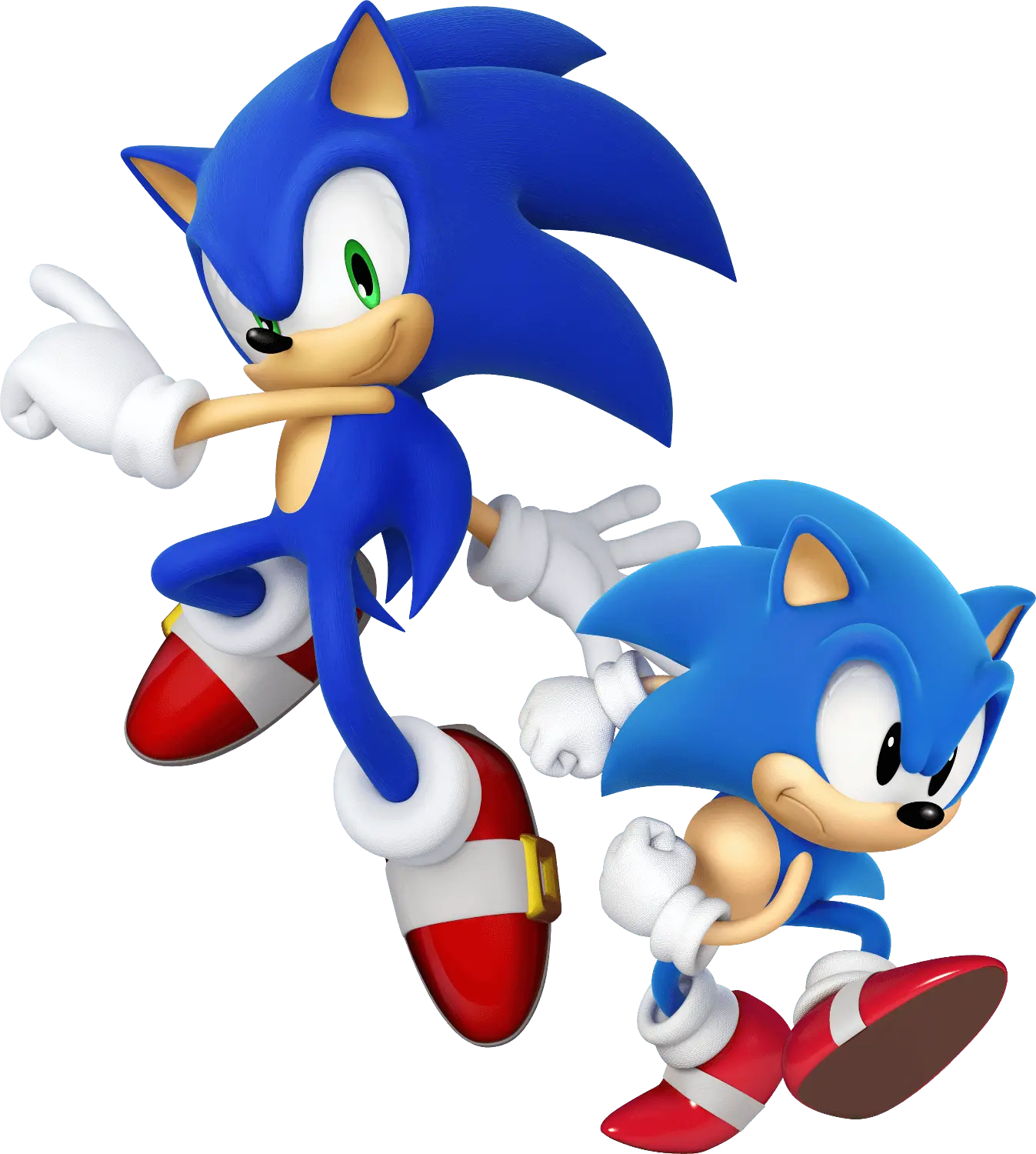
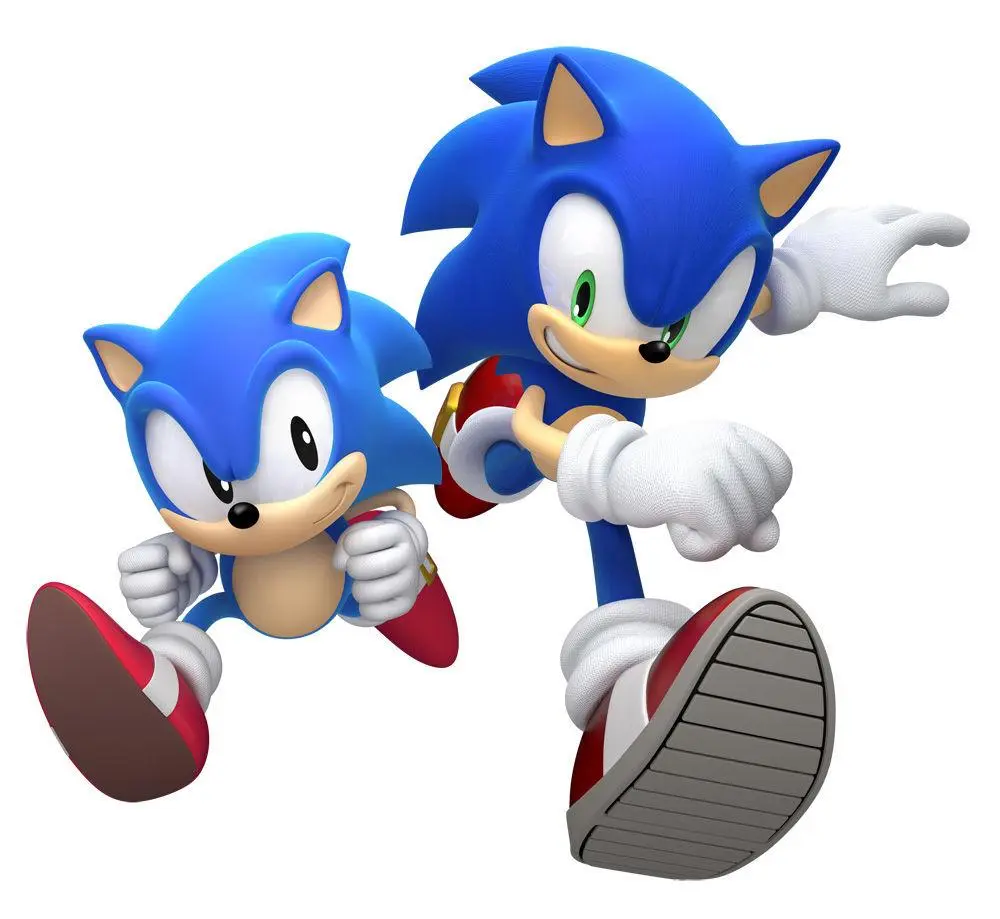
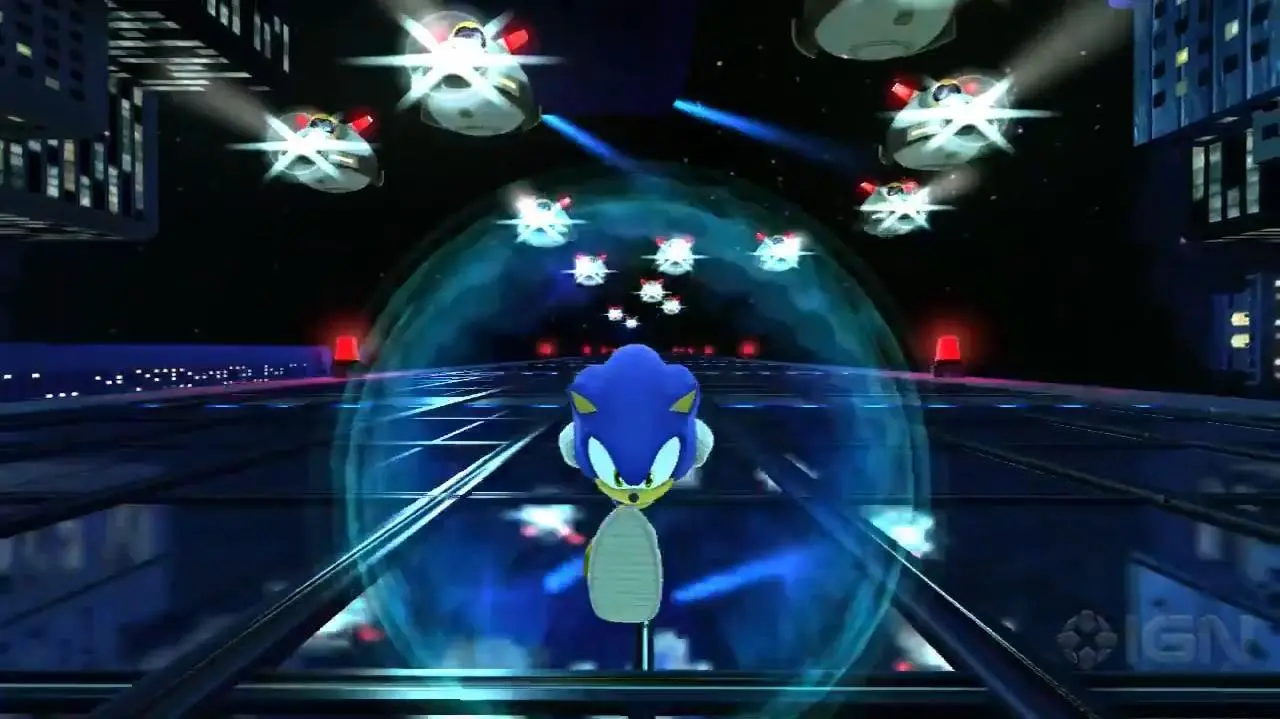
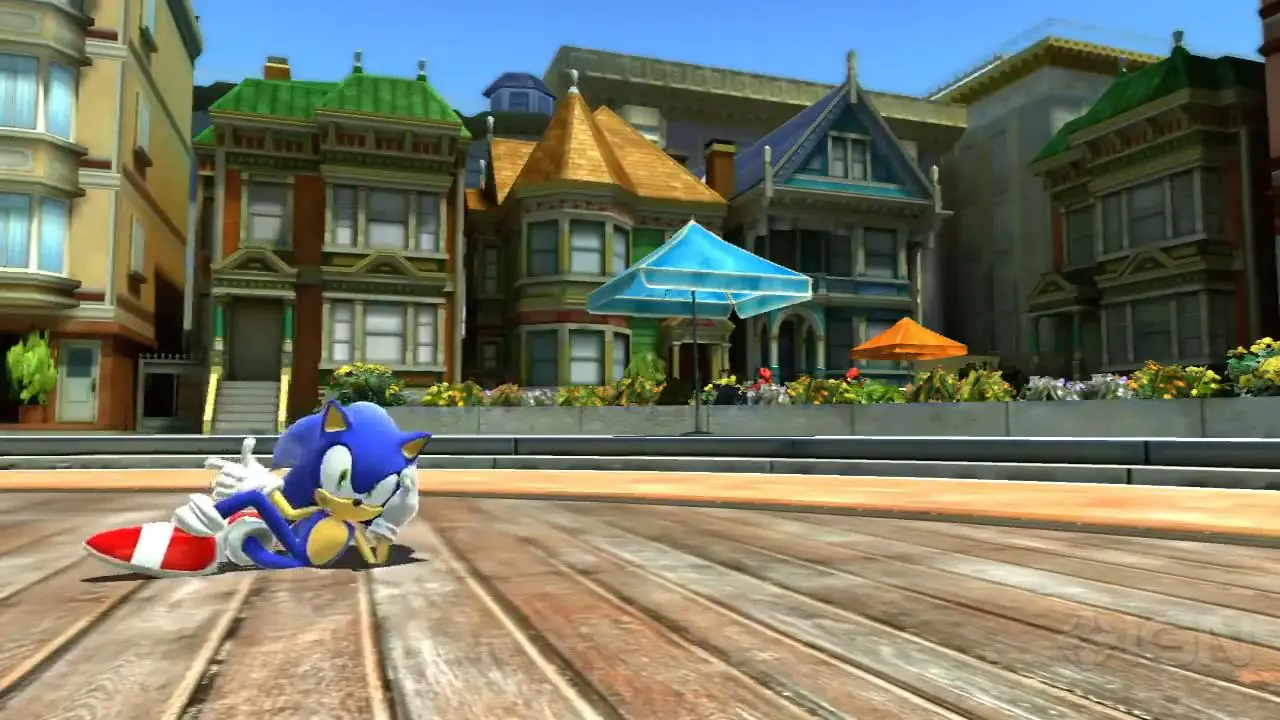
Sonic turned twenty in 2011, and Sega threw him a party. Sonic Generations takes nine famous stages from two decades of games, from Green Hill to Planet Wisp, rebuilds each one in the Hedgehog Engine, and lets you play every one twice: once as Classic Sonic, the short, silent hedgehog of the Mega Drive, in side-scrolling 2D, and once as today’s Modern Sonic in the boost-powered 3D of Unleashed and Colours.
The story is the excuse: a creature called the Time Eater crashes Sonic’s surprise birthday party and scatters his friends through history, and the two Sonics have to put the past back together. Between stages you explore White Space, a colourless limbo where every rescued level glows back to life, and take on rivals and bosses from the whole series.
Critics called it a worthy tribute and one of the best Sonic games in years, with only the odd frame-rate and control wobble against it. The separate 3DS game by Dimps fared less well. Generations sold 1.85 million copies in its first months, kept selling for years, grew a huge modding scene on PC, and returned in 2024 as part of Sonic X Shadow Generations.
Green Hill, reborn in HD.Classic Sonic in City Escape.Two Sonics meet.
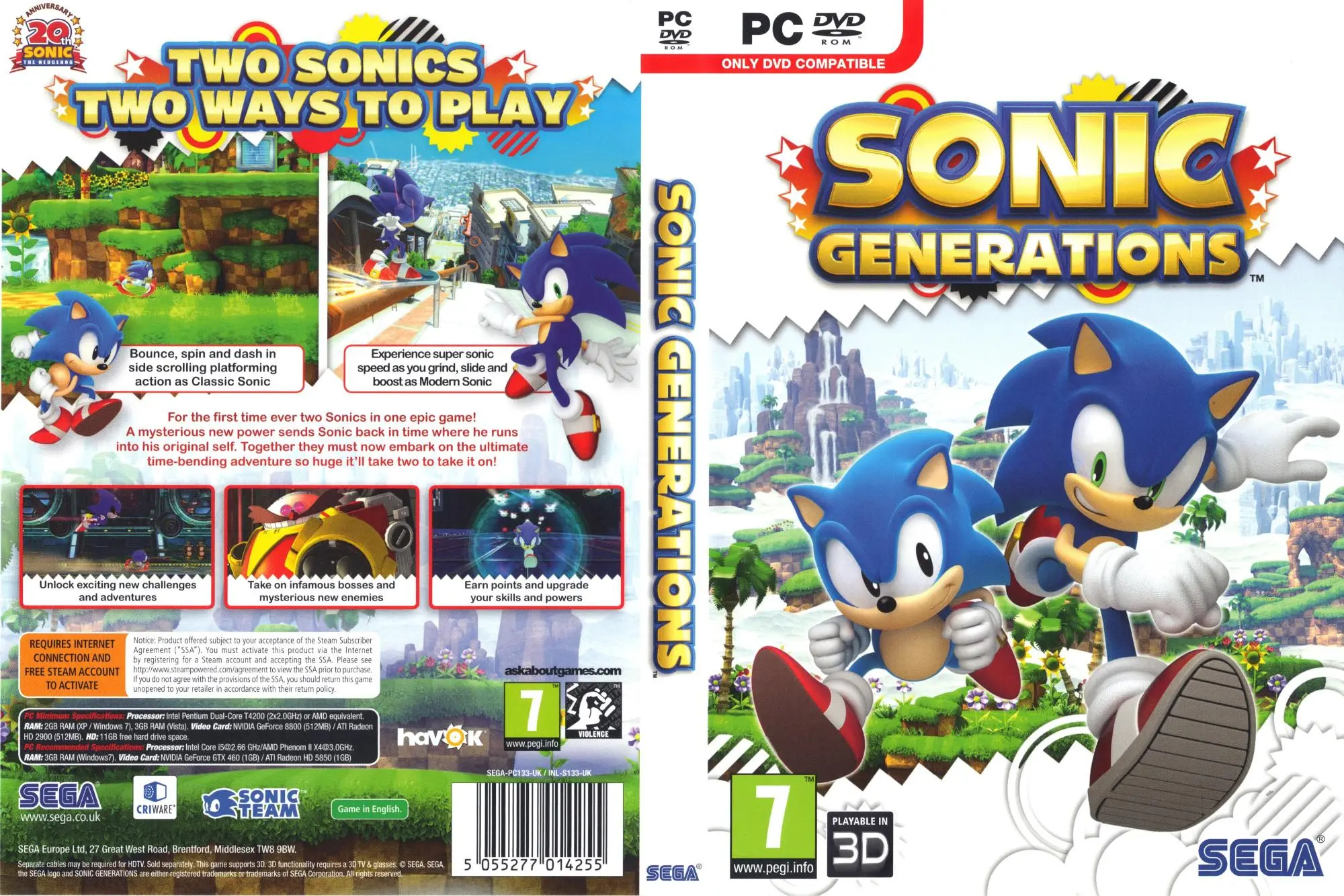
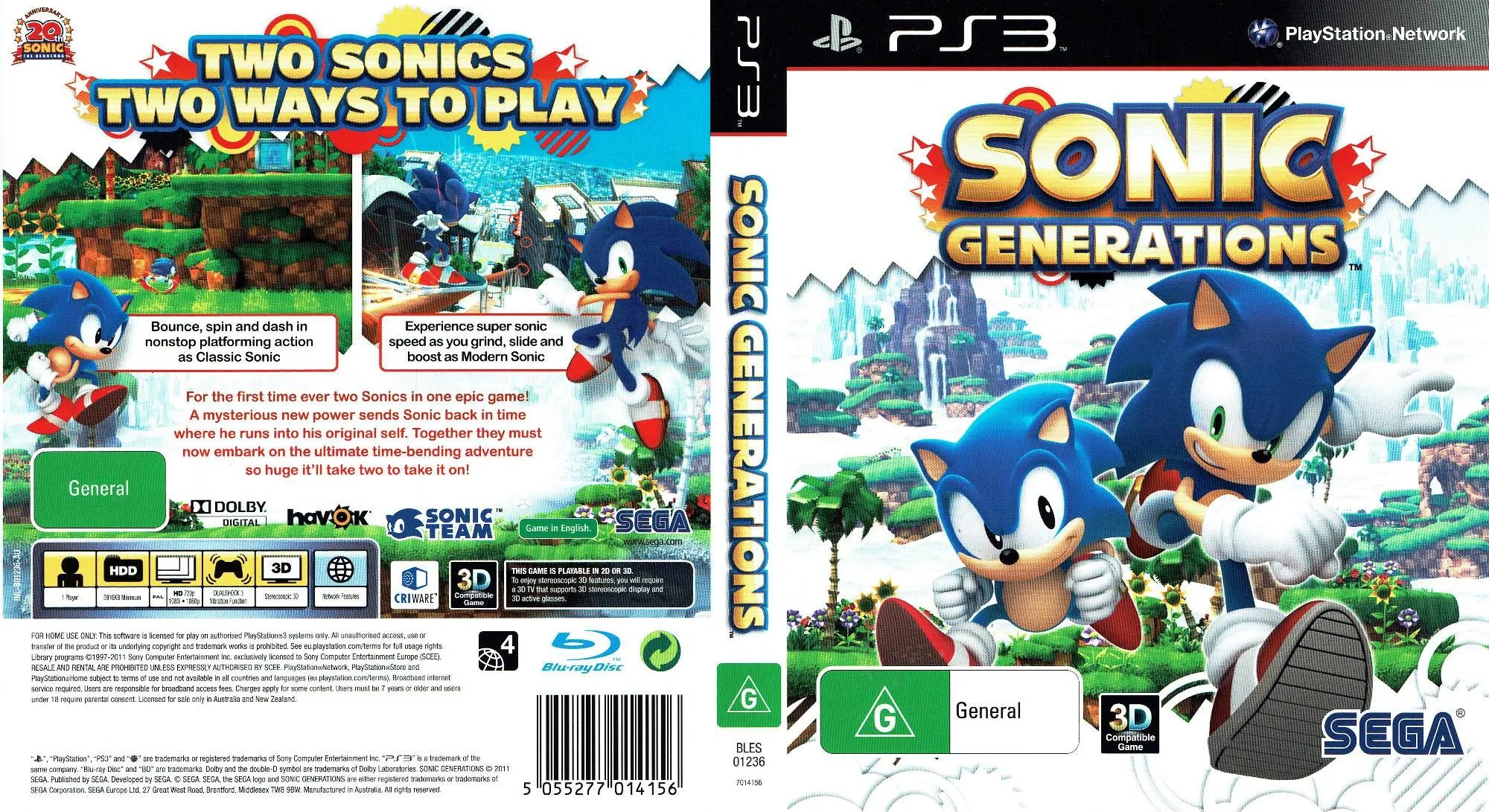
Two Sonics, two ways to play.
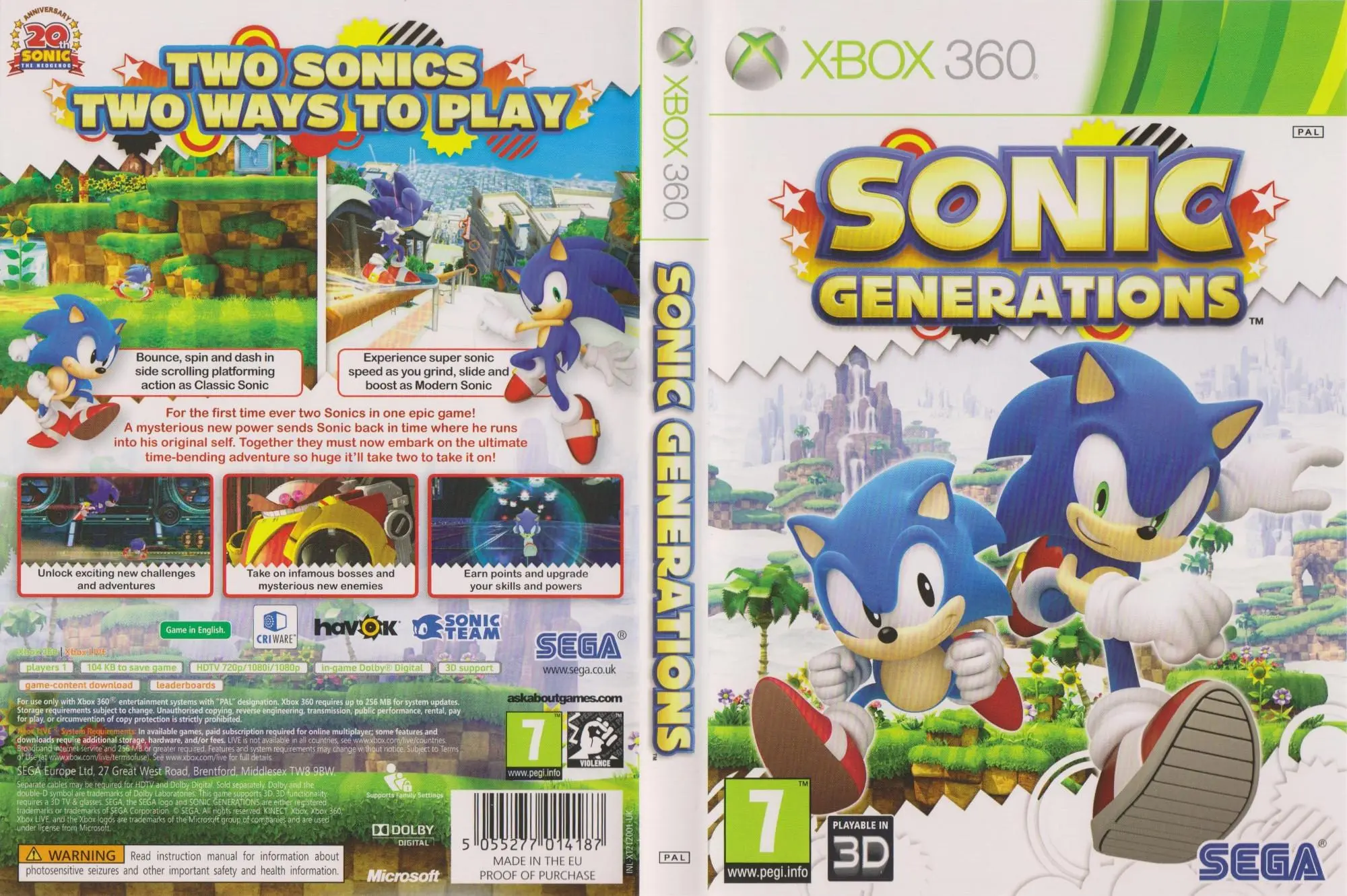
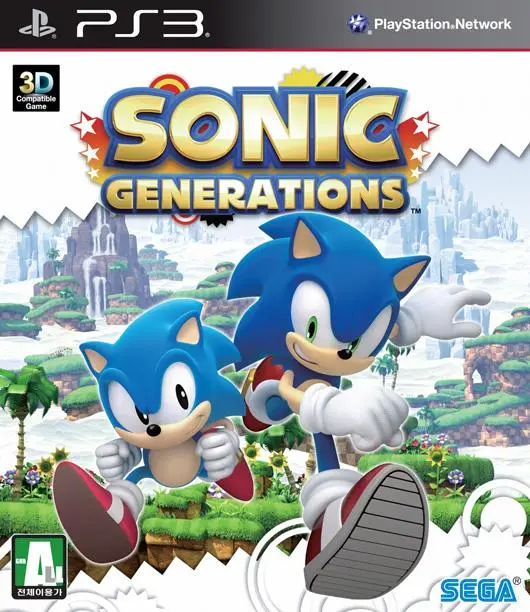
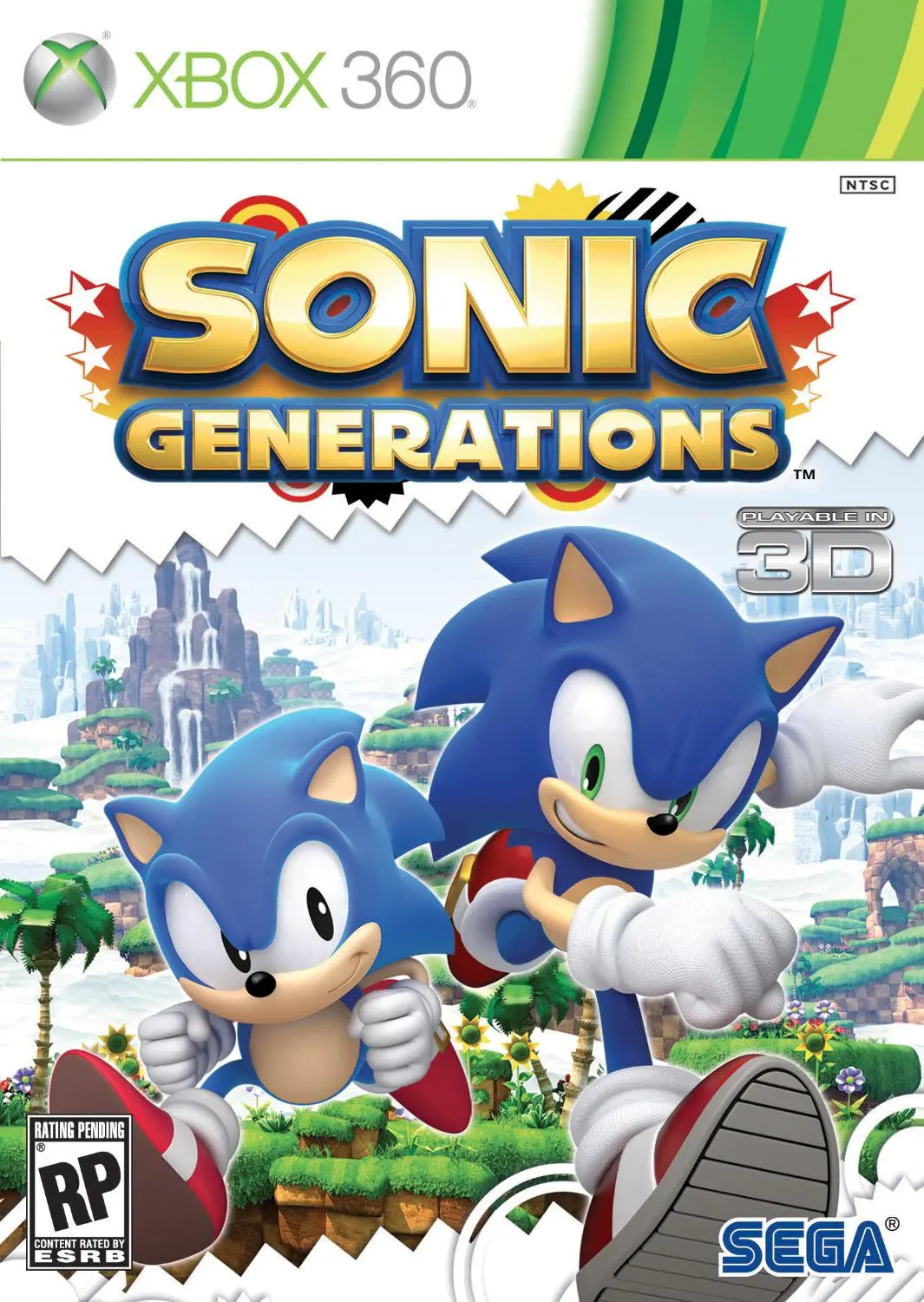
The back of the box promises two Sonics in one game for the first time: a mysterious new power sends Sonic back in time to meet his original self, and the pair set out on a time-bending adventure big enough for both of them. Its captions sell bouncing, spinning and dashing through side-scrolling stages as Classic Sonic, grinding, sliding and boosting at full speed as Modern Sonic, new challenges, infamous bosses, mysterious enemies and upgradeable skills.
— Official description: back of the European Xbox 360 box (Sega, 2011), from the scan in our box art gallery. One line quoted; the rest summarised.
Quick Answers
The short answers, with the detail further down the page.
When did Sonic Generations come out?
On PS3 and Xbox 360 on 1 November 2011 in North America and 4 November in Europe, with Japan on 1 December. The Windows version followed on 3 November in North America, and the 3DS game on 22 November. More →
What is the difference between Classic and Modern Sonic?
Classic Sonic is the Mega Drive-era Sonic: shorter, silent and limited to 2D, with the Spin Dash. Modern Sonic is the current design, playing in 3D with the boost and homing attack. More →
Which stages are in it?
On consoles and PC: Green Hill, Chemical Plant, Sky Sanctuary, Speed Highway, City Escape, Seaside Hill, Crisis City, Rooftop Run and Planet Wisp, plus a Casino Night pinball table as downloadable content. More →
Who is the villain?
The Time Eater, a creature that devours time, controlled by both the modern Dr. Eggman and his younger, classic self. More →
Is the 3DS version the same game?
No. Dimps made a separate, all-2D game with mostly different stages and bosses. More →
Can I still buy it?
Sega stopped selling the standalone game on Steam and the Xbox Store on 9 September 2024, but it remains in bundles, and the remaster is part of Sonic X Shadow Generations. More →
Did it sell well?
Yes: 1.85 million copies across all formats by 31 March 2012, and it remained a steady seller for Sega. More →
Plot / Story
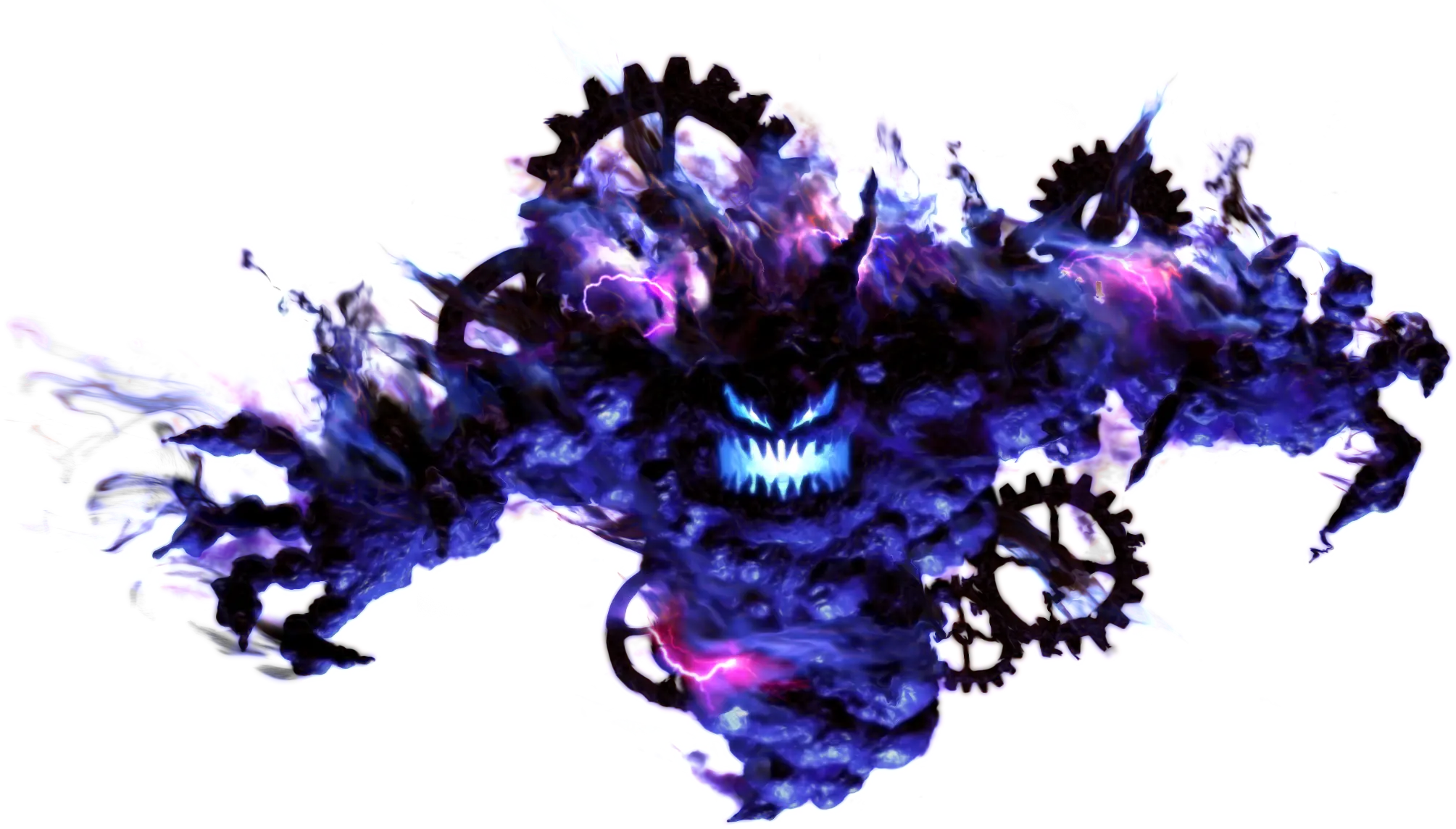
The Time Eater.Image via Sonic Retro
Generations is a birthday story with a time-travel twist, and the cutscenes are full of jokes about how much Sonic has changed in twenty years.
A party interrupted
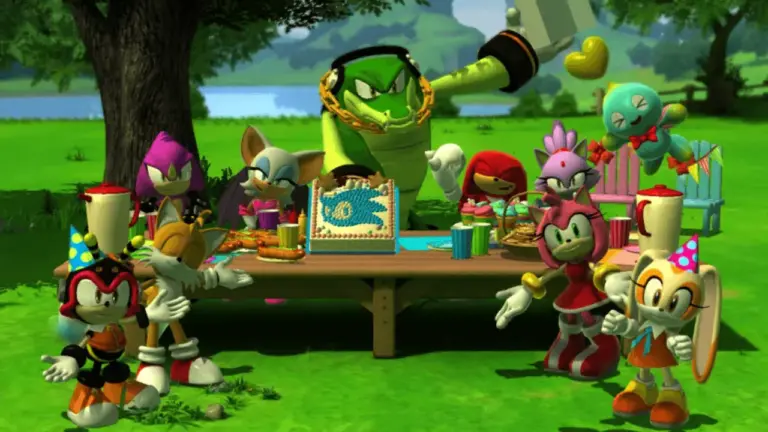
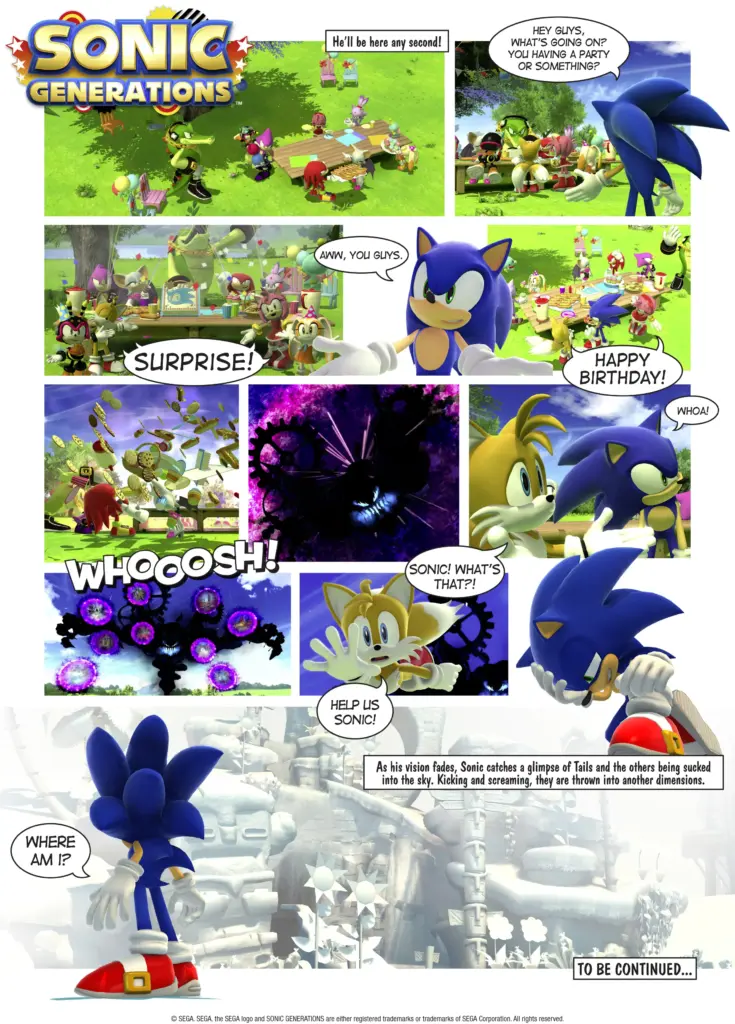
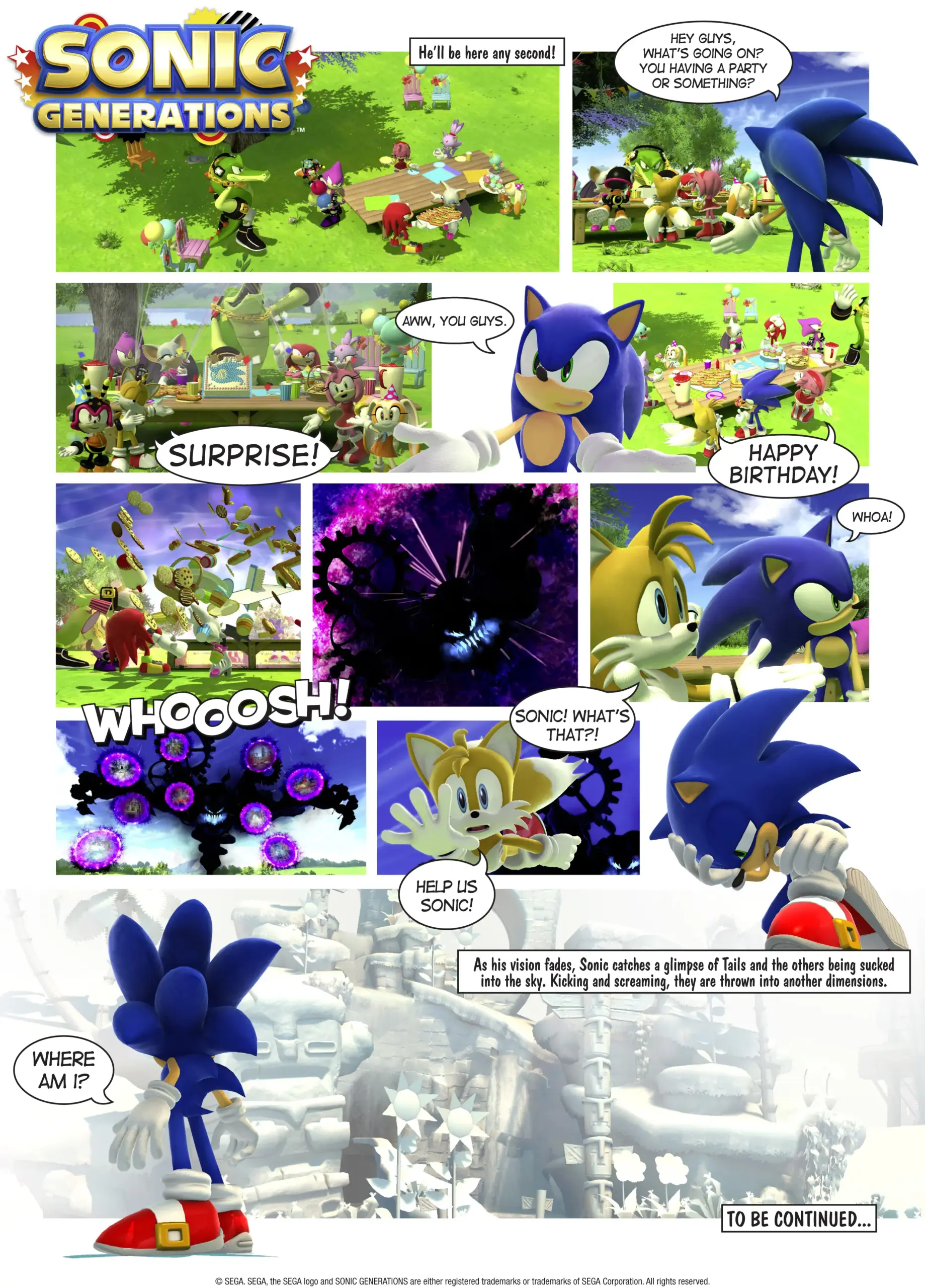
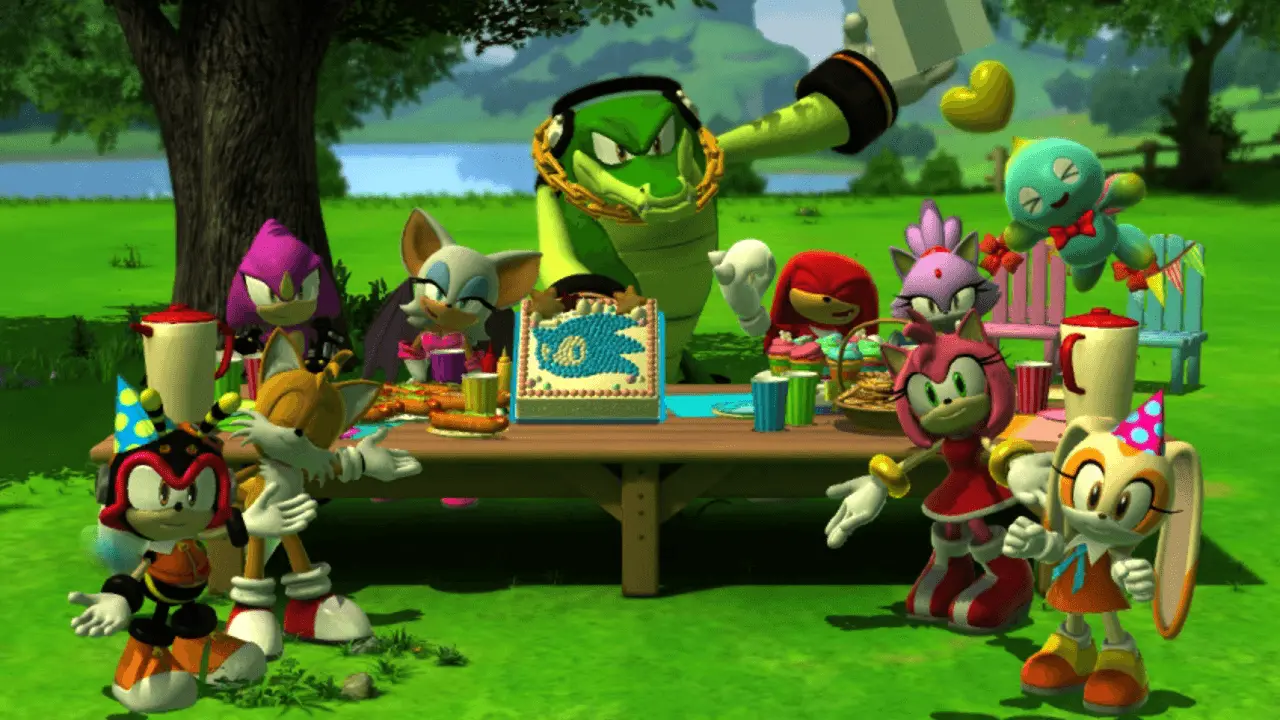
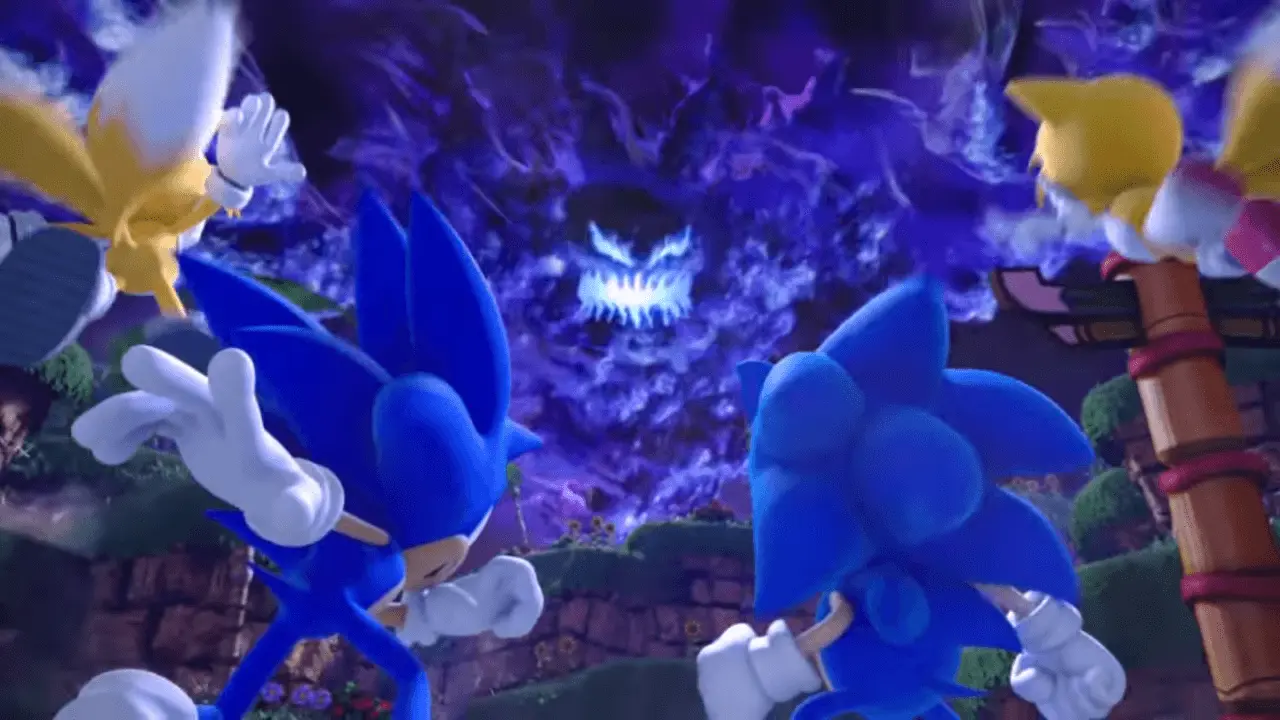
Long ago, the younger Sonic is out for a run in Green Hill when the ground shakes and something strange appears in the sky. Twenty years later, Tails has organised a surprise birthday party for Sonic, with Knuckles, Amy, Cream, Rouge, Blaze and the Chaotix lending a hand. Sonic arrives, Tails hands him a gift-wrapped chili dog, and before Sonic can enjoy more than a mouthful a huge dark creature, the Time Eater, rips open the sky and sucks his friends into portals. Sonic tries to fight it and is knocked out.
The birthday party.The Time Eater over Green Hill.
White Space
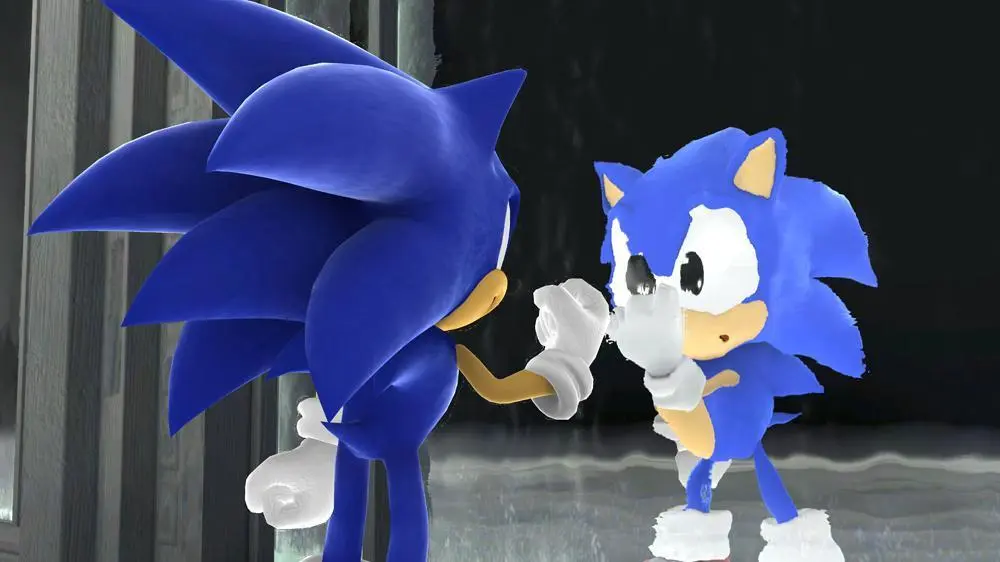
Sonic wakes in a white, empty void dotted with drained, colourless fragments of places he once knew. Running through one, a ghostly Green Hill, restores it to full colour and frees Tails. Further on, Sonic glimpses a smaller, rounder hedgehog dashing past, and in a hall of mirrors the two finally come face to face. It is his younger self.
The two Tails work out what is happening: the Time Eater is travelling through history, draining places of life and dumping them in White Space, and the two Sonics bring them back by racing through. They team up.
White Space.Face to face.
Twenty years in a day
The pair work through three eras of the series, the Classic era, the Dreamcast era and the Modern era, freeing friends as they go. Old rivals stand in the way: Metal Sonic, Shadow and Silver all challenge them again, and old bosses return, from the Death Egg Robot and Perfect Chaos to Eggman’s Egg Dragoon. Each victory brings back one of the Chaos Emeralds, which have also been drawn into White Space with their power drained.
The Time Eater keeps snatching Eggman away whenever he is beaten, and the friends start to suspect that the doctor is not its victim at all. Vector is the first to say so.
Racing Shadow.Perfect Chaos.
Two Eggmen
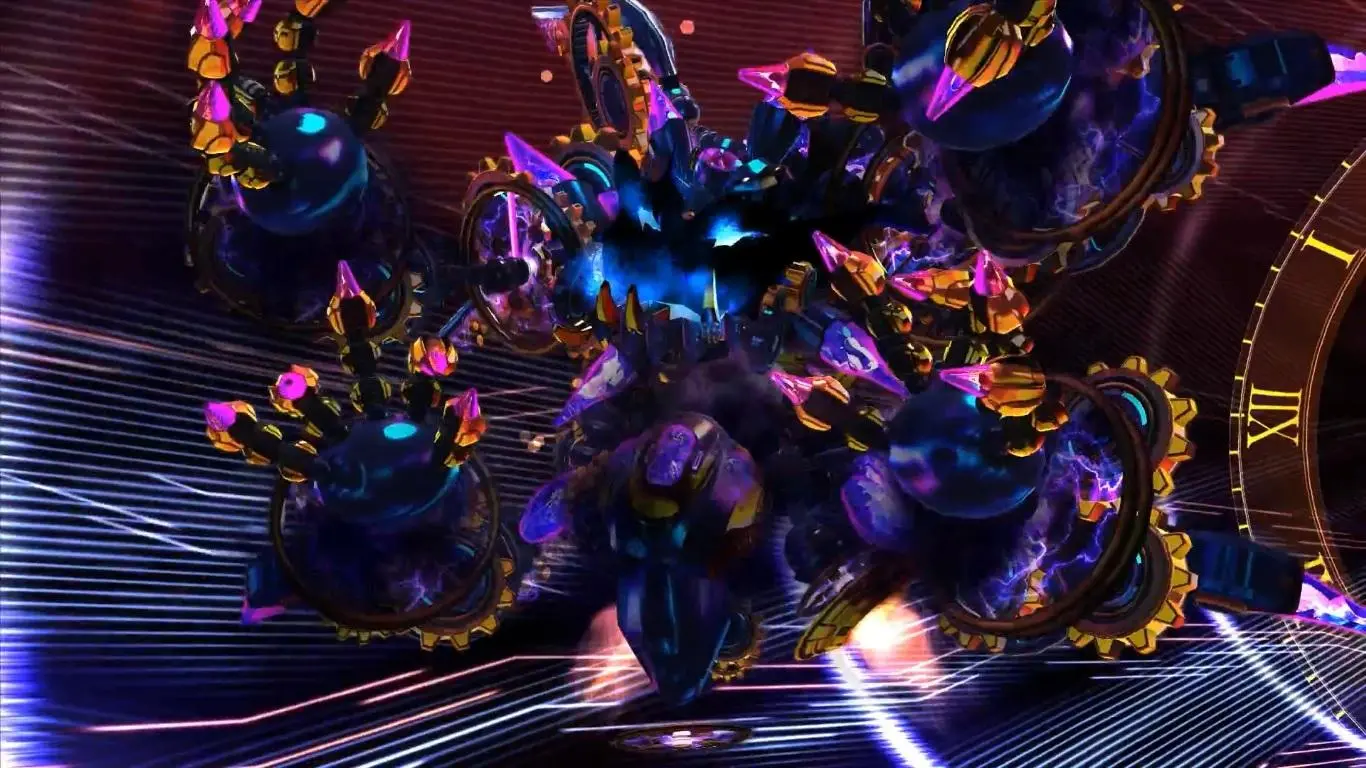
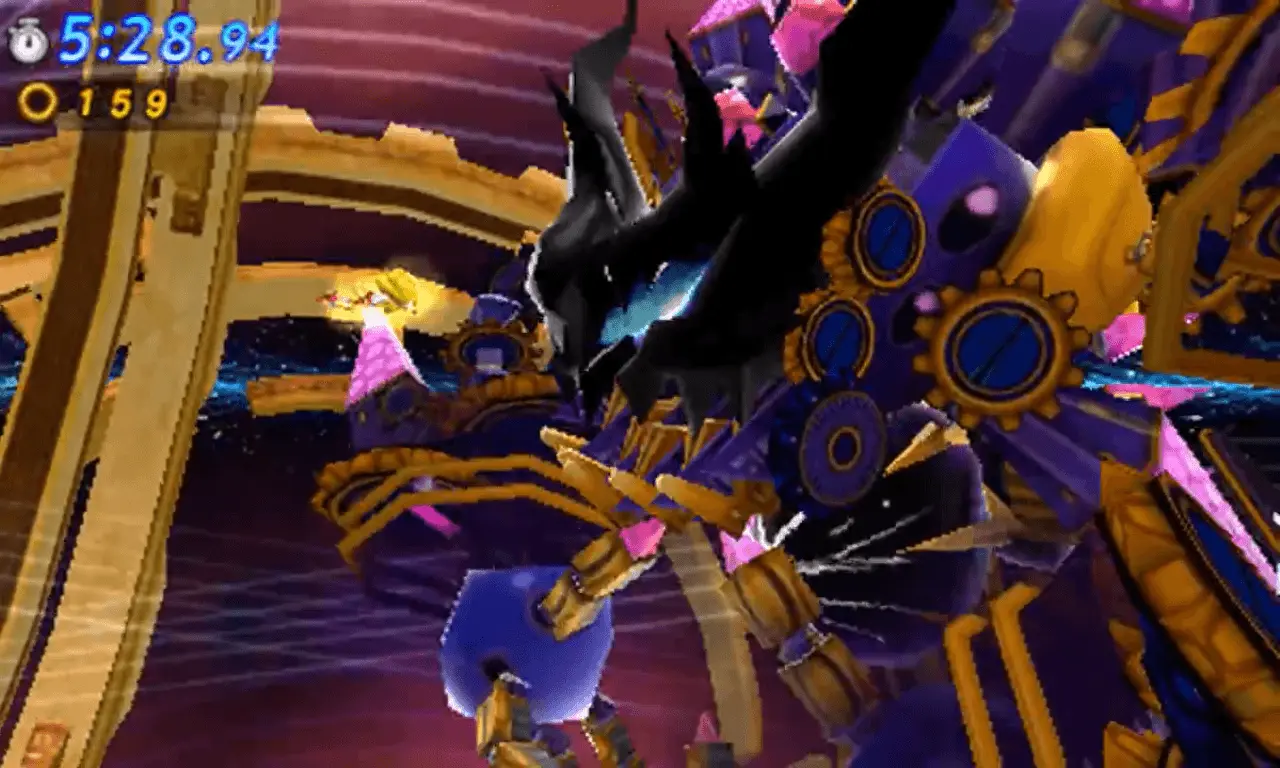
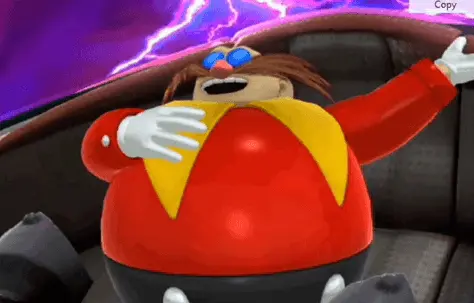
With all seven Emeralds, the Sonics reach the Time Eater and find both Eggmen at the controls. Stranded in space after his defeat in Sonic Colours, the modern Eggman had found the Time Eater in its raw form and realised he could use it to rewrite his past failures, but he needed help, so he recruited his younger self and the pair rebuilt it into a cyborg monster.
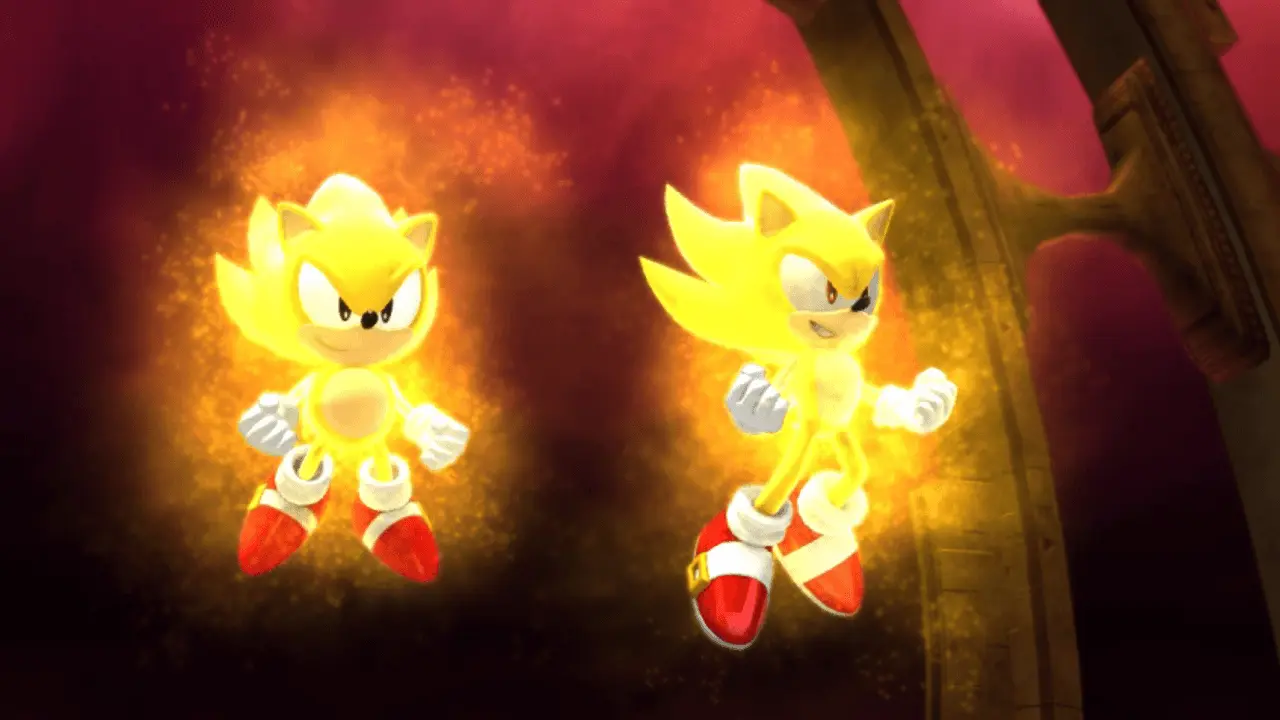
The Eggmen pin the Sonics down, but their friends call out to them, and the Emeralds turn both into Super Sonic. Together they destroy the Time Eater.
Classic Eggman.Two Super Sonics.
Happy birthday
Time rewinds to the moment the chili dog flew away, so Sonic gets to finish it while it is still warm, and the party carries on with Classic Sonic, Classic Tails, Shadow and Silver as extra guests. Classic Sonic even tries out his older self’s air boost. A portal opens, the younger pair go home, and Modern Sonic tells his past self to enjoy his future. After the credits, the two Eggmen are left alone in an empty White Space, arguing about whether they will ever win.
Stages in Sonic Generations
Nine stages, three from each era, each with an act for Classic Sonic and an act for Modern Sonic plus ten challenge missions. Every stage was rebuilt from scratch rather than reusing old assets.
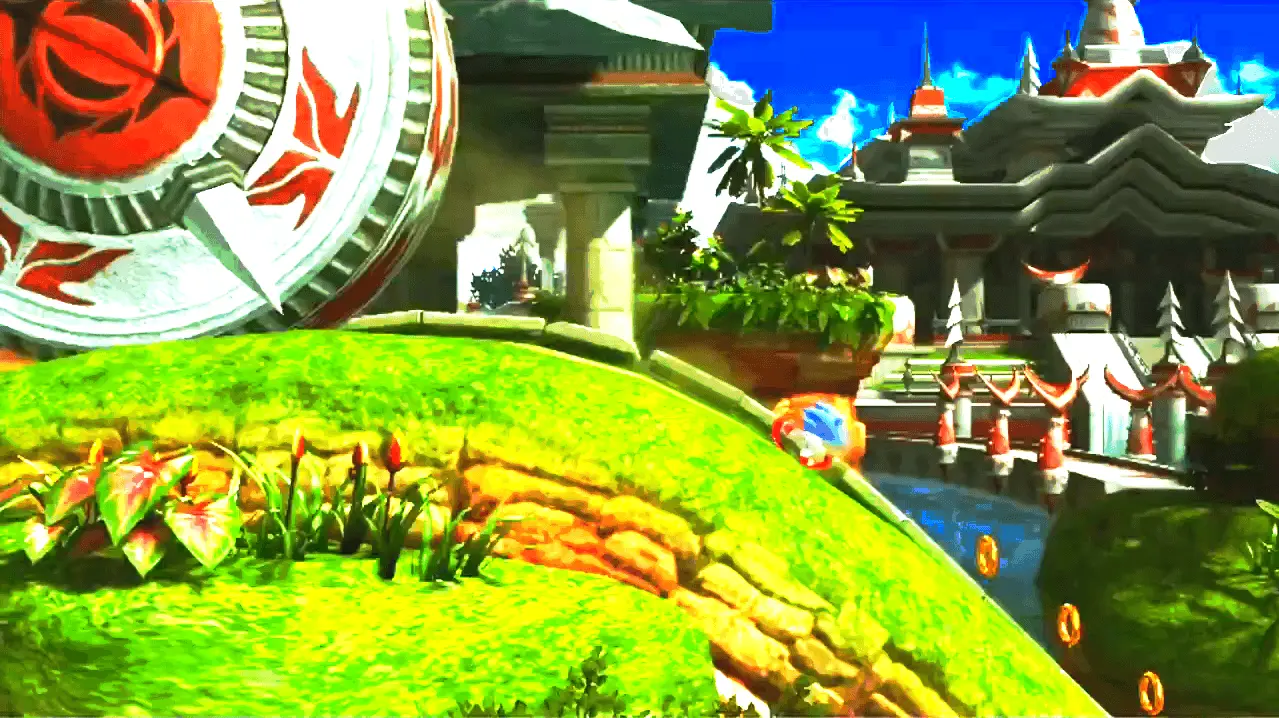
Green HillClassic era · from Sonic the Hedgehog (1991)Where it all began, now with caves beneath the checkerboard hills and a giant loop.
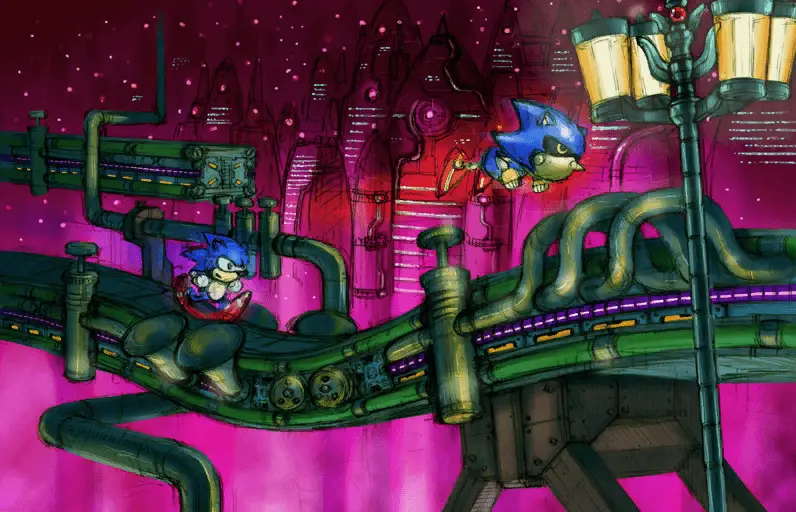
Chemical PlantClassic era · from Sonic the Hedgehog 2 (1992)Pipes, tubes and the infamous rising Mega Mack, which still worries Tails.
Sky SanctuaryClassic era · from Sonic & Knuckles (1994)Crumbling ruins floating among the clouds.
Speed HighwayDreamcast era · from Sonic Adventure (1998)Station Square’s freeways and skyscrapers.
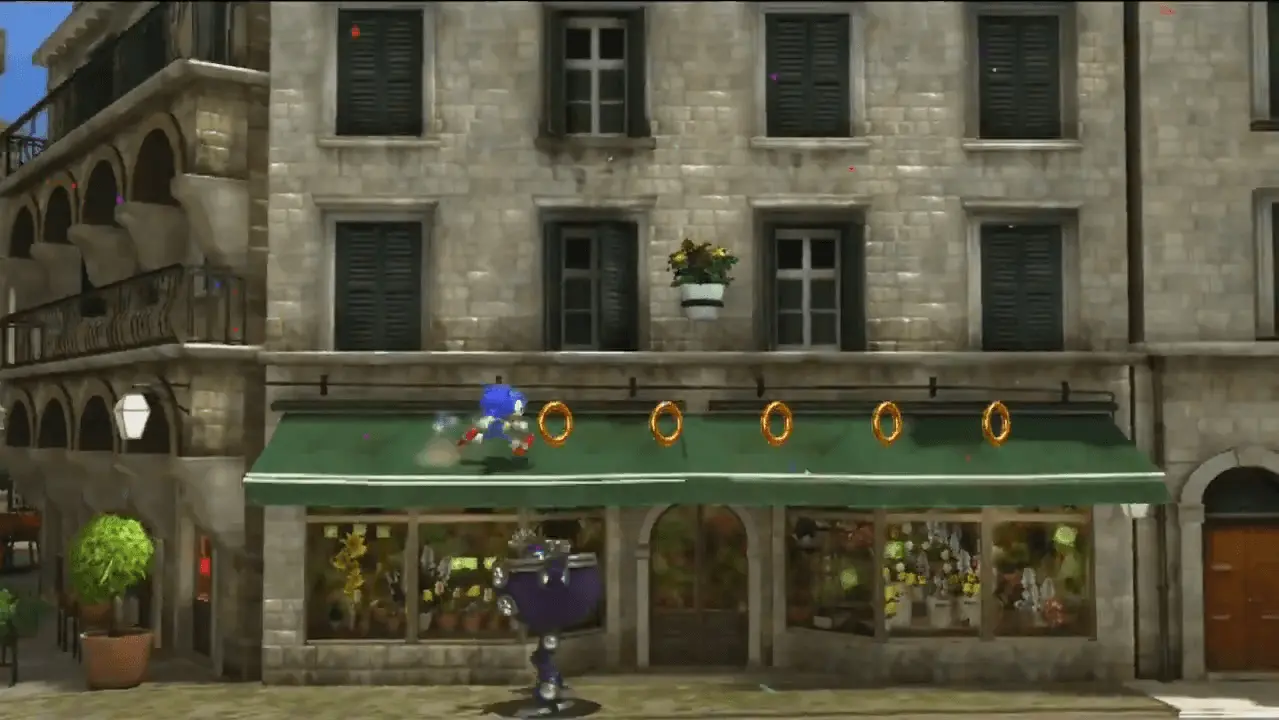
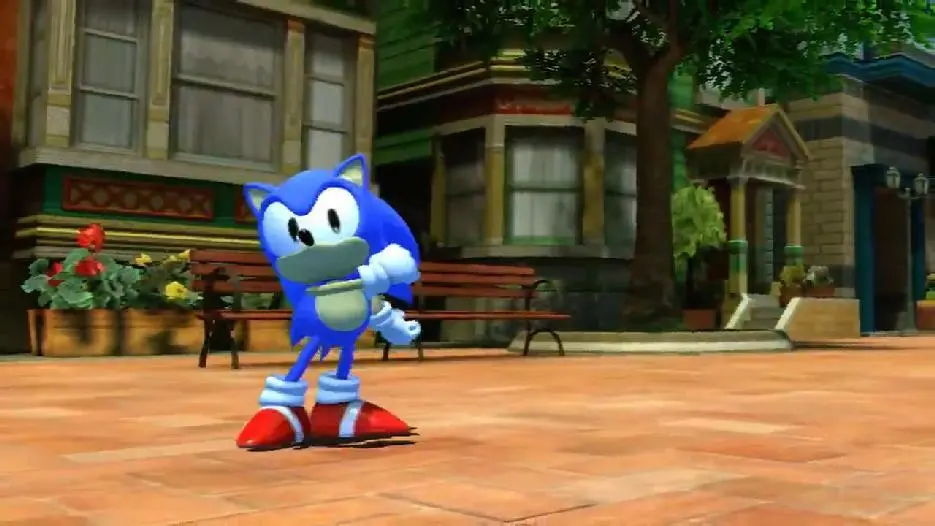
City EscapeDreamcast era · from Sonic Adventure 2 (2001)The famous downhill city run from Sonic Adventure 2. Its posters hide cameos from obscure Sonic characters.
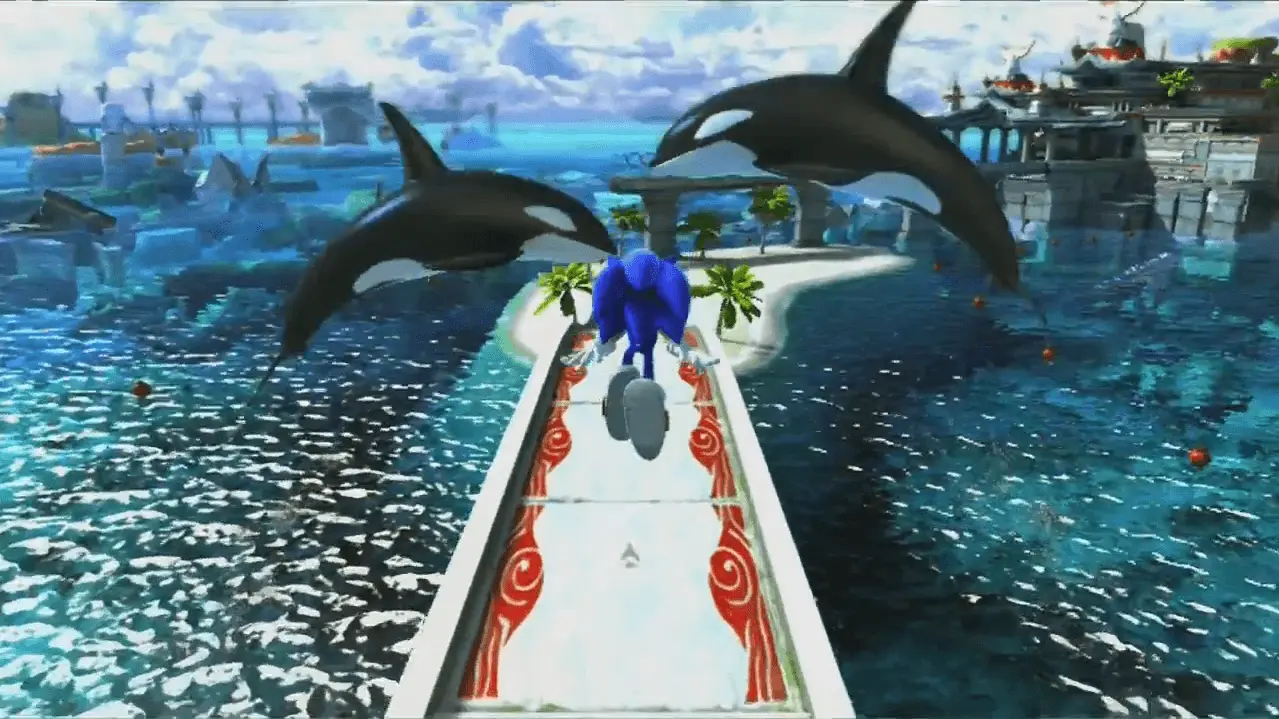
Seaside HillDreamcast era · from Sonic Heroes (2003)Sun, sea and ancient ruins.
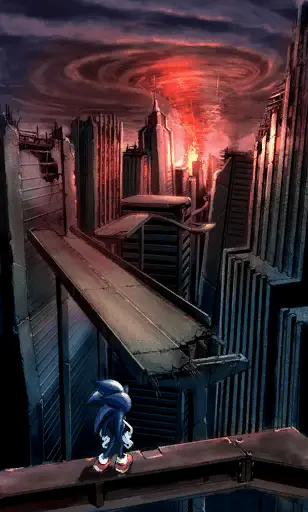
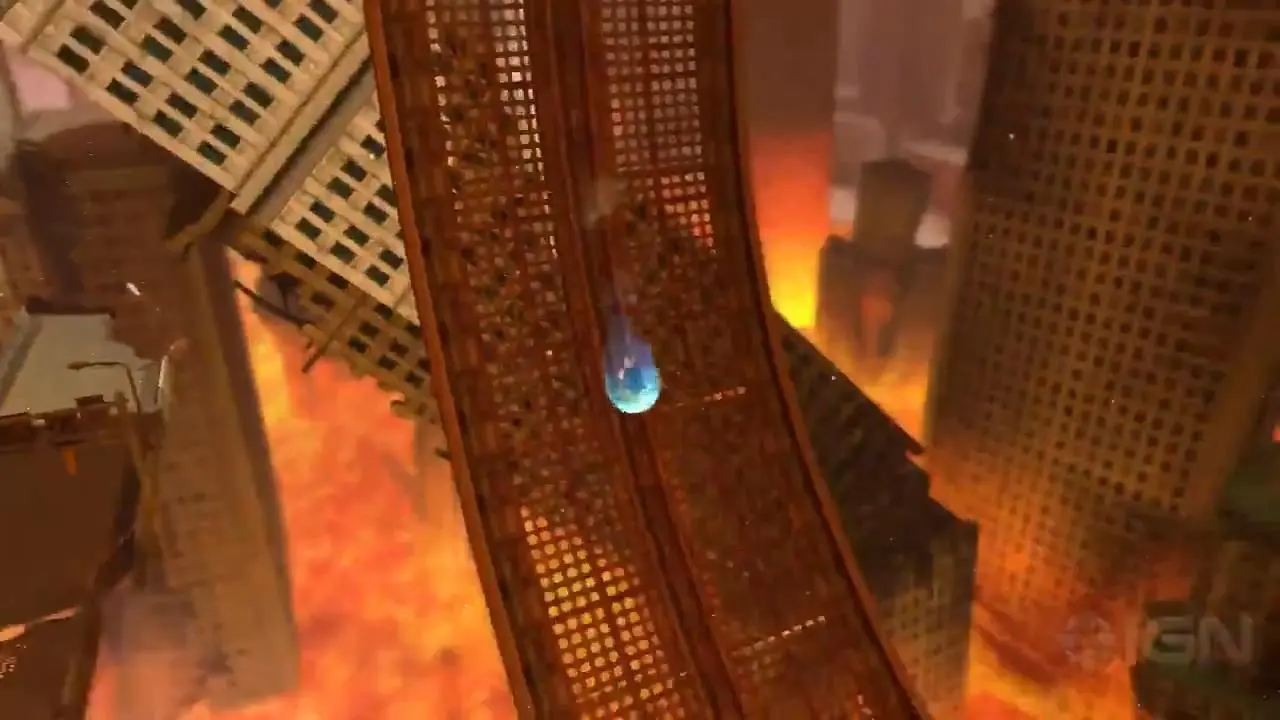
Crisis CityModern era · from Sonic the Hedgehog (2006)Silver’s burning future city, an inclusion some critics questioned.
Rooftop RunModern era · from Sonic Unleashed (2008)The rooftops of Spagonia.
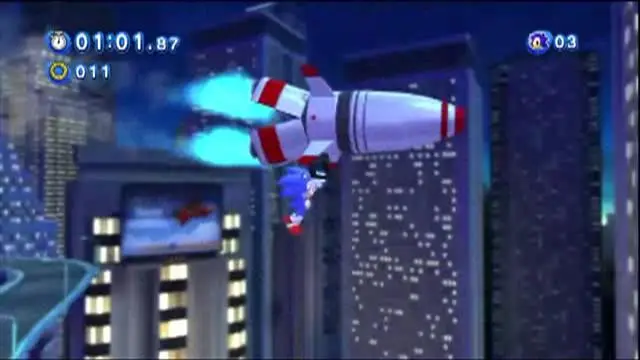
Planet WispModern era · from Sonic Colours (2010)The Wisps’ home world, with the Orange Rocket and other Color Powers.
Casino Night pinballDownloadable · from Sonic the Hedgehog 2 (1992)A pinball mini-game, released for the Steam version on 26 December 2011 and a pre-order and Collector’s Edition bonus on consoles. The 3DS game has its own Casino Night stage.
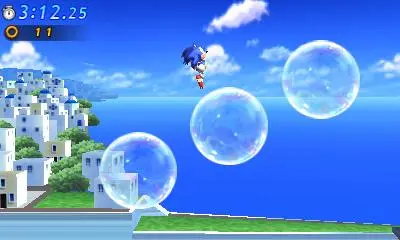
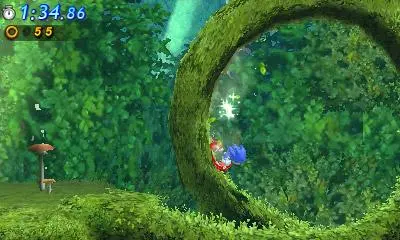
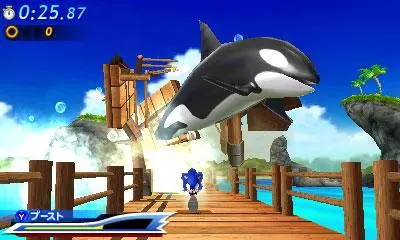
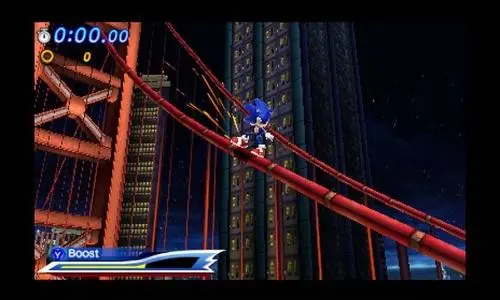
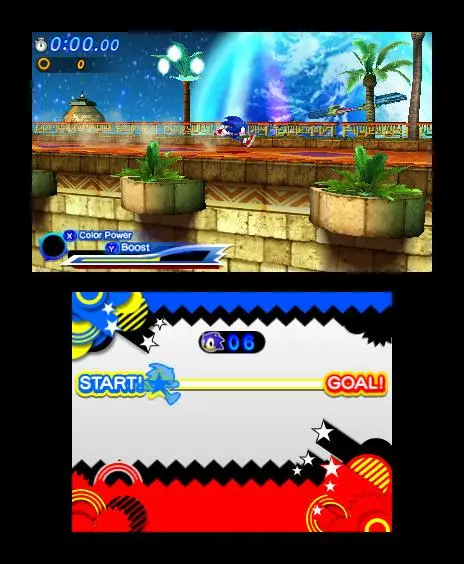
The 3DS game has its own line-up, including Casino Night, Mushroom Hill, Emerald Coast, Radical Highway, Water Palace and Tropical Resort, as our 3DS screenshot gallery shows.
In comics, TV & other media
Generations is a love letter to the whole series, so its references run everywhere. More in Sonic in other movies and media.
Sonic ForcesSega · 2017Brought Classic and Modern Sonic together again on an updated version of the Generations engine; Sega said it was not a sequel.
Sonic X Shadow GenerationsSega · 2024A remaster bundled with Shadow Generations, a Shadow-centred side story that runs alongside this one. Shadow’s own first starring game was Shadow the Hedgehog (2005).
Sonic the Hedgehog pinballJersey Jack Pinball · 2026The pinball machine uses footage and music from Generations.
Blue BlurSoundtrack · 11 January 2012The three-disc Original Soundtrack with 90 tracks from both versions, on Sega’s Wave Master label.
Summer of Sonic and Sonic BoomFan conventions · June 2011Fans at the two events recorded birthday messages that play at the end of the credits.
Characters
Only Sonic is playable, but there are two of him, and nearly everyone from twenty years of Sonic games turns up somewhere.
Character
Who they are
In this game
Stats & abilities
Modern SonicPlayable
Today’s Sonic: taller, green-eyed and talkative, voiced in English by Roger Craig Smith.
Has his birthday ruined and teams up with his younger self to save his friends.
Boost and air boost
Homing attack
3D stages with 2D sections
Skills from the Skill Shop
Classic SonicNew form · Playable
Sonic as he was in the Mega Drive games: shorter, rounder and silent.
Pulled out of his own time by the Time Eater; runs the 2D acts and goes home at the end.
Spin Dash, made quicker to charge for newcomers
Spin Attack
Side-scrolling stages only
Skills from the Skill Shop
Modern TailsPartner
Sonic’s best friend, voiced by Kate Higgins.
Organises the party, is the first friend rescued, and works out the time travel with his younger self.
Helps in some missions; not directly playable.
Classic TailsNew form · Partner
The young Tails of the Mega Drive era. In Japan he has a voice of his own, Takuto Yoshinaga.
Turns up in White Space and helps his older self piece things together.
Not playable.
Modern EggmanVillain
The present-day doctor, still voiced by Mike Pollock.
Finds the Time Eater after Sonic Colours and plans to erase his defeats from history.
Boss: Egg Dragoon; co-pilots the Time Eater.
Classic EggmanNew form · Villain
The doctor of the 1990s, recruited by his older self.
Helps rebuild the Time Eater; ends up stuck in White Space with his future self.
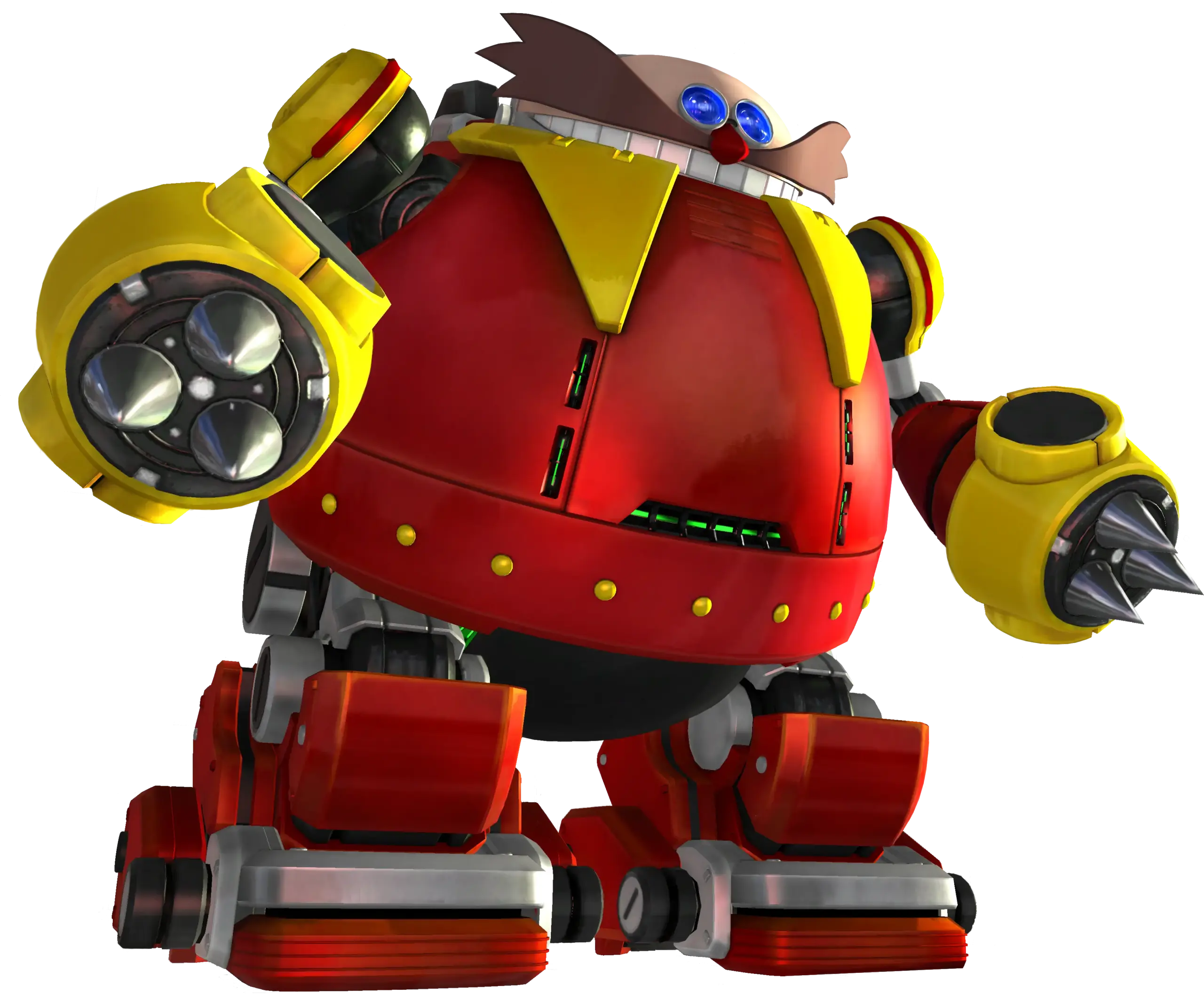
Boss: Death Egg Robot; co-pilots the Time Eater.
The Time EaterNew · Final boss
A creature that can move through time and space, found in deep space and turned into a cyborg by the Eggmen.
Drains places and people out of history and dumps them in White Space.
Final boss, fought by both Super Sonics.
Shadow the HedgehogRival
The Ultimate Life Form from Sonic Adventure 2.
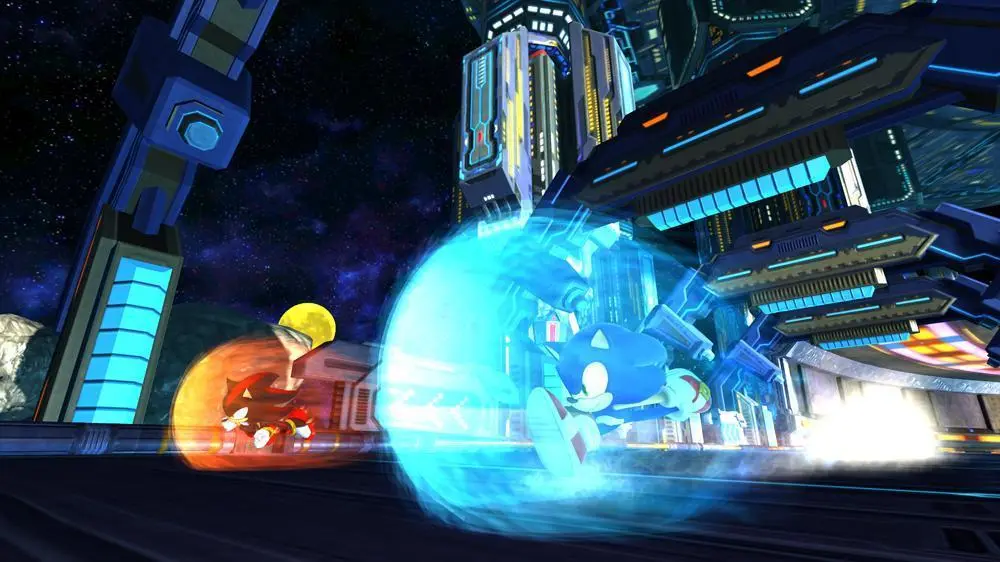
Challenges Sonic in the Dreamcast era; joins the party at the end.
Amy, Knuckles, Rouge, Cream, Blaze and the three Chaotix detectives, Vector, Espio and Charmy, with Omochao offering tips.
Scattered through time by the Time Eater; each one rescued gives Sonic missions and encouragement.
Help in missions; not directly playable.
Rivals and bosses
Each era ends with a rival battle and a boss, and each win restores a Chaos Emerald.
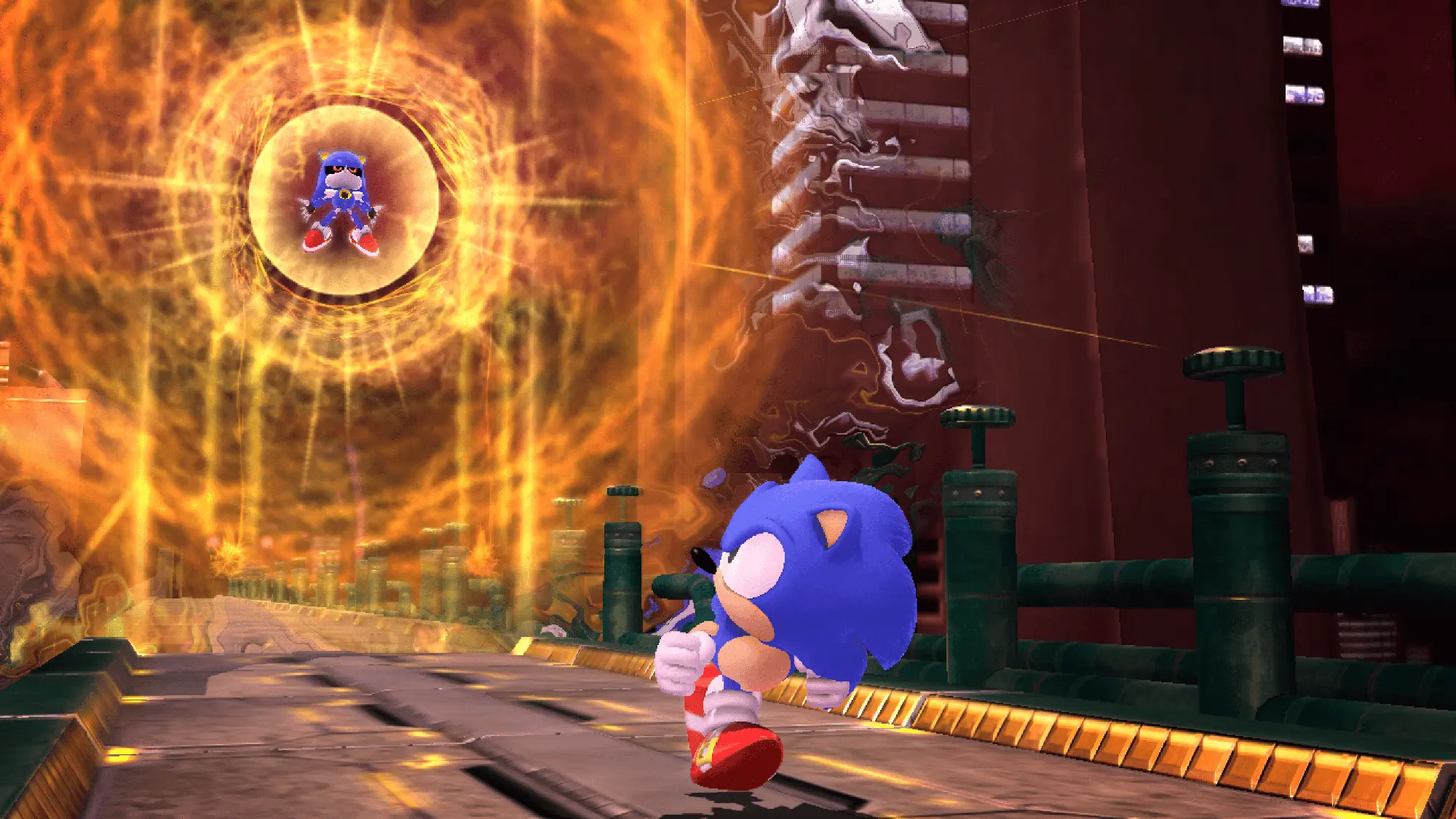
Metal SonicClassic era · rivalA race against Eggman’s robot.
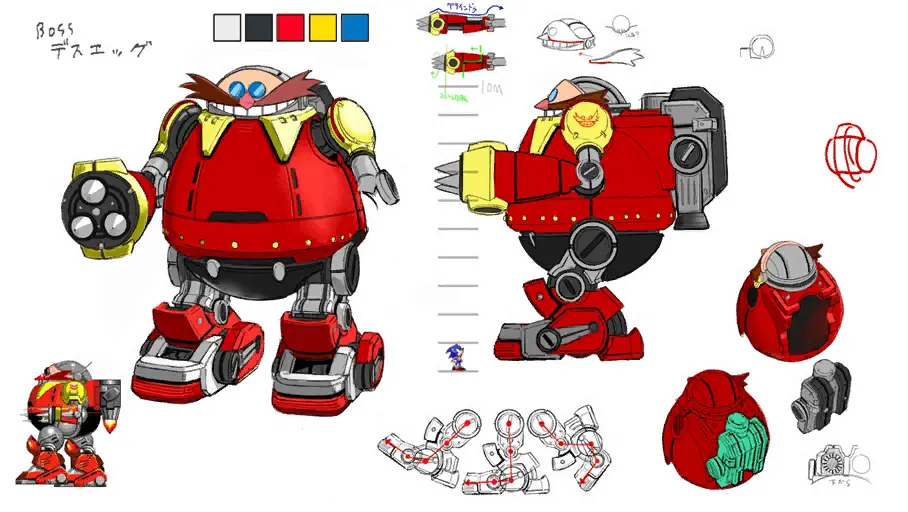
Death Egg RobotClassic era · bossThe giant mech from the end of Sonic 2, fought by Classic Sonic.
ShadowDreamcast era · rivalA race through space with the Ultimate Life Form.
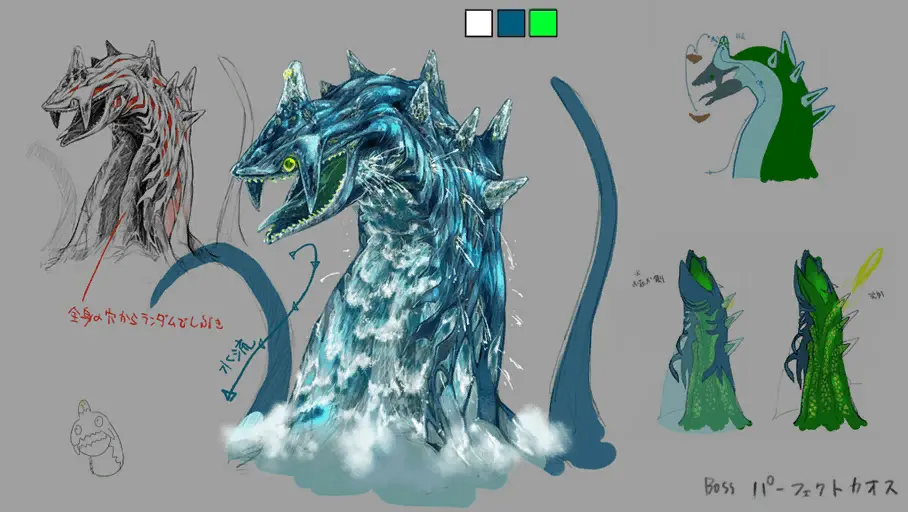
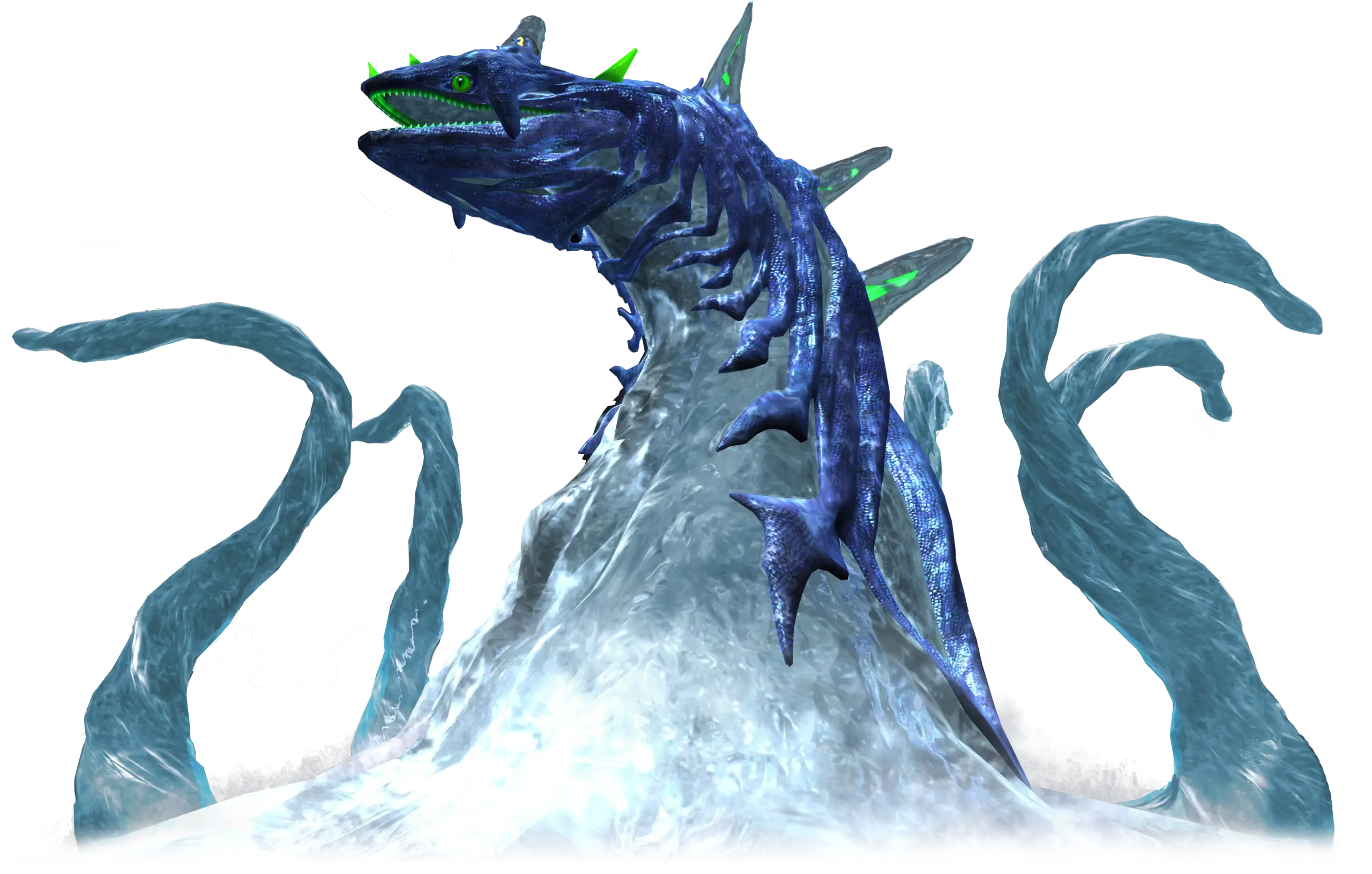
Perfect ChaosDreamcast era · bossThe water god from Sonic Adventure, back in Station Square.
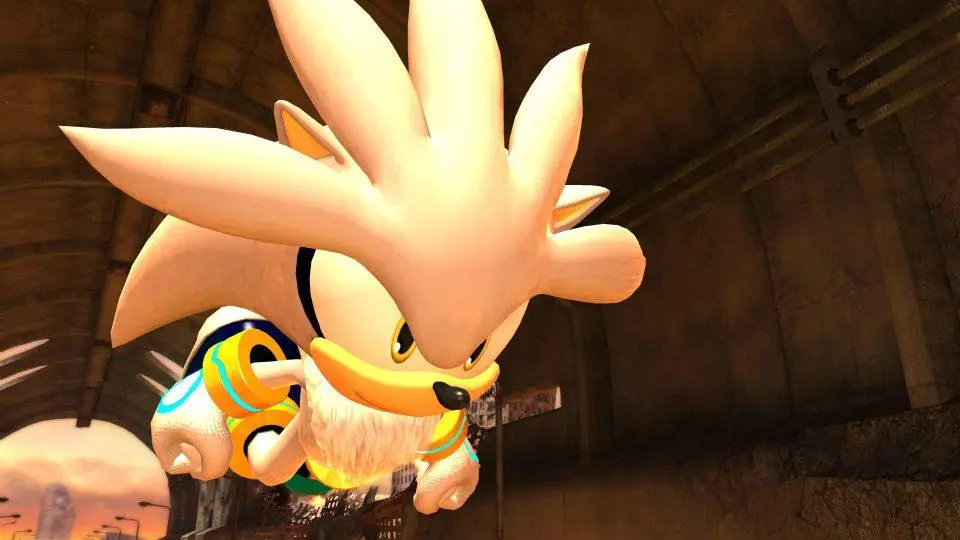
SilverModern era · rivalA rematch with Silver’s psychokinesis.
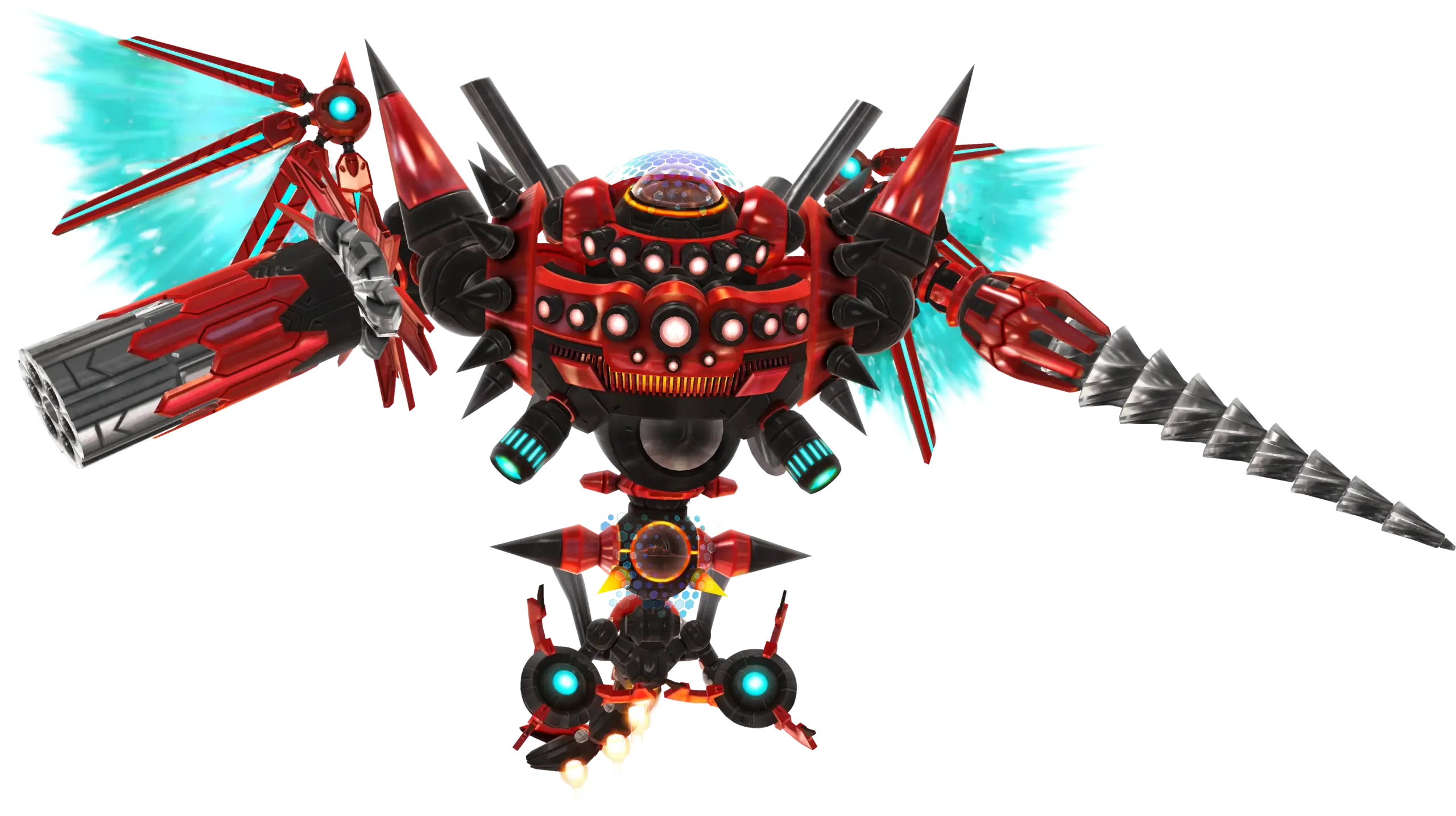
Egg DragoonModern era · bossEggman’s mech from Sonic Unleashed.
Time EaterFinal bossFought by Super Sonic and Classic Super Sonic together.
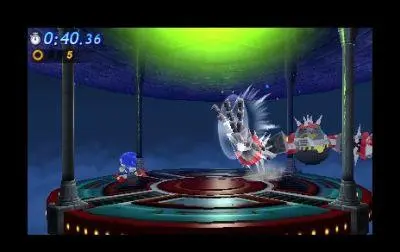
Big Arm3DS versionOne of the bosses in the 3DS version.
The people who made it
Key credits from Wikipedia’s cited sources, Sonic Retro and Sega Retro.
Hiroshi MiyamotoDirectorDirected the console and PC game, with Yoshinobu Uba as lead game designer.
Takashi IizukaProducerWanted the best of Sonic’s history with more replay value, and pushed alone for stereoscopic 3D.
Jun SenoueMusicComposed and arranged most of the soundtrack, a mix of remixes and new music, with guest composers from across the series.
Ken Pontac and Warren GraffScriptReturned from Sonic Colours, with more say over the story and cutscenes this time.
Dimps3DS versionBuilt the handheld game from scratch to celebrate Sonic’s portable history.
Devil’s DetailsWindows portBrought the game to PC, which became the base for a large modding community.
How it was made
Our original page had no history section, so this one is new. It combines Wikipedia’s cited development history with the release and marketing details on Sonic Retro and the credits on Sega Retro.
Getting the word out
The 20th anniversary logo.
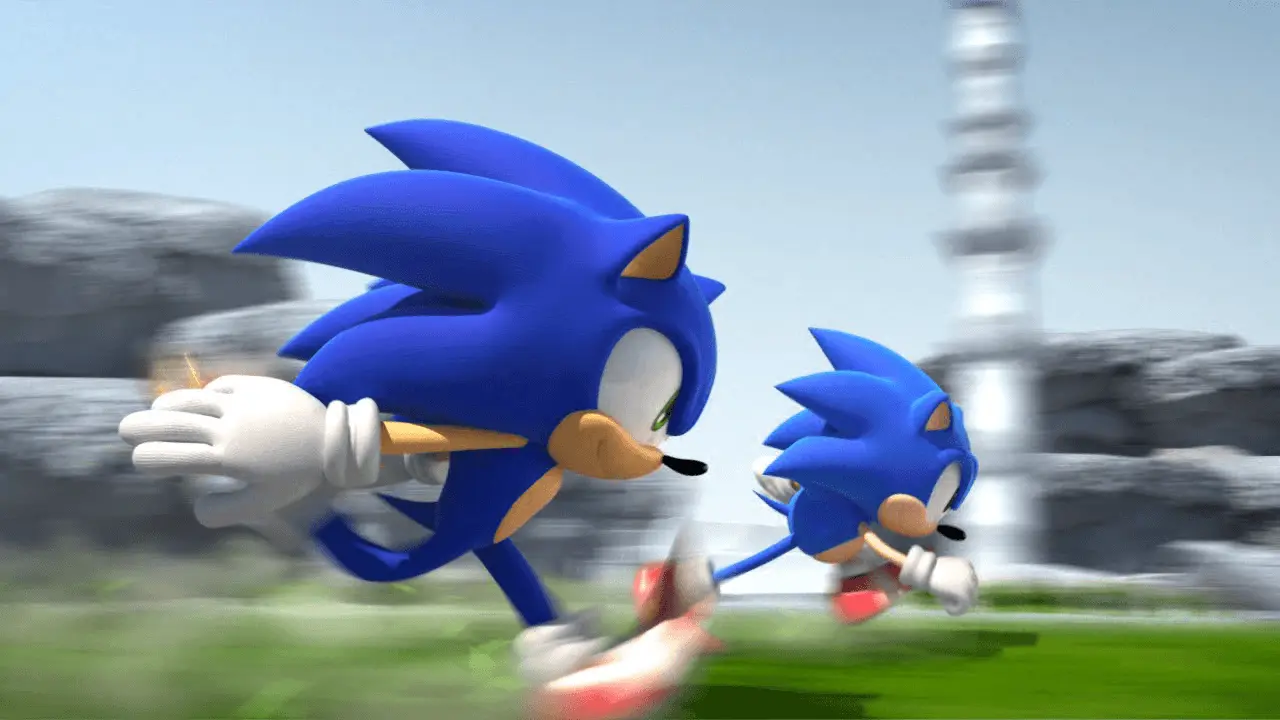
Sega let the secret slip early. In August 2009 a press release accidentally mentioned an anniversary game, working title Sonic Anniversary, a year and a half before the proper reveal: a teaser on Sonic’s Facebook page on 7 April 2011, with both Sonics running through Green Hill. A Sega Sammy financial report then listed 3DS and Windows versions, and Iizuka confirmed the handheld game to Nintendo Power.
Sonic Retro charts the run-up from there. E3 2011 brought a City Escape trailer, and on 23 June, Sonic’s birthday, a 14-day demo of Classic Sonic’s Green Hill. A second demo, Modern Green Hill, followed in October (18 October on Xbox Live, 25 October on the North American PlayStation Store), Steam was confirmed on 11 October, and the game was playable at New York Comic Con. Fans at the Sonic Boom and Summer of Sonic conventions that June recorded birthday messages, which play after the credits.
A birthday plan
Crisis City concept art.
Sonic’s twentieth birthday was on Sonic Team’s mind as early as 2008: talks began once Sonic Unleashed was finished, while Sonic Colours was still being made. Takashi Iizuka’s pitch was a greatest-hits game worth replaying, built for long-time fans where Colours had courted casual players, and splitting it between two ways to play, the original games’ and the recent ones’, followed from that.
The Hedgehog Engine let the team redraw old stages in high definition, so the main game was made for PlayStation 3 and Xbox 360, with Devil’s Details handling the Windows port. Sega Retro credits more outside help: Delfi Sound on audio, Marza Animation Planet on the CG, Neverland on art and Studiopolis for the voice recording. A Wii version fell by the wayside because of the hardware. Ken Pontac and Warren Graff, back from Colours, had a bigger say in the story and cutscenes this time.
Rebuilding the greatest hits
Which stages made it was partly up to the public. Sega asked its own employees and ran an internet survey, and the favourites went in, but nothing was carried over as it was. Every level was built again, and some got additions, Green Hill’s caves among them.
The hard part, Iizuka said, was squeezing stages that only made sense in 3D into Classic Sonic’s flat plane, and getting old-school 2D play to feel right in an engine designed for 3D. Younger players who had never used a Spin Dash got a faster version of the move. The extras were aimed at the fans: the Time Eater was the one brand-new character, while City Escape’s posters dug up some of the series’ most obscure faces. Stereoscopic 3D, supported in every version, was a cause Iizuka says he pushed on his own.
A separate game for 3DS
Water Palace on 3DS.
Rather than port the console game to the Nintendo 3DS, Sega had Dimps make a different one, both to set it apart and to honour Sonic’s history on handhelds. It stays in 2D throughout, even for Modern Sonic, and borrows stages from newer handheld games instead of the Game Gear era. Iizuka admitted the team was still learning the new console, and a PlayStation Portable version of the handheld game never made it out.
Music
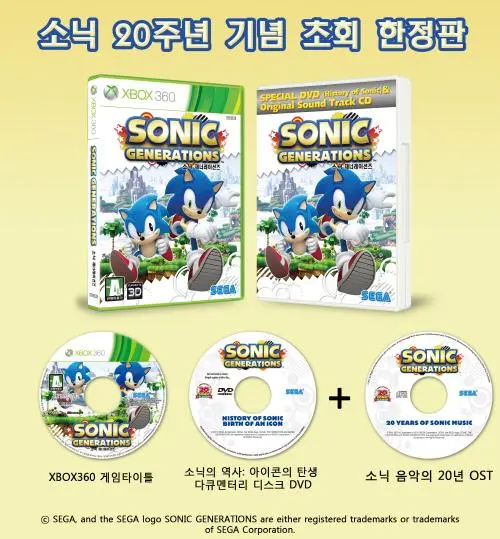
Jun Senoue ran the soundtrack, remixing old favourites and adding new tracks with Richard Jacques, Hideki Naganuma, Naofumi Hataya, Tomoya Ohtani, Kenichi Tokoi, Cash Cash, Circuit Freq and Crush 40. Three albums came out of it: History of the First Stage, a collection of opening-level themes from across the series; 20 Years of Sonic Music, which came with the Collector’s Edition; and Blue Blur, the three-disc Original Soundtrack, in January 2012.
Release
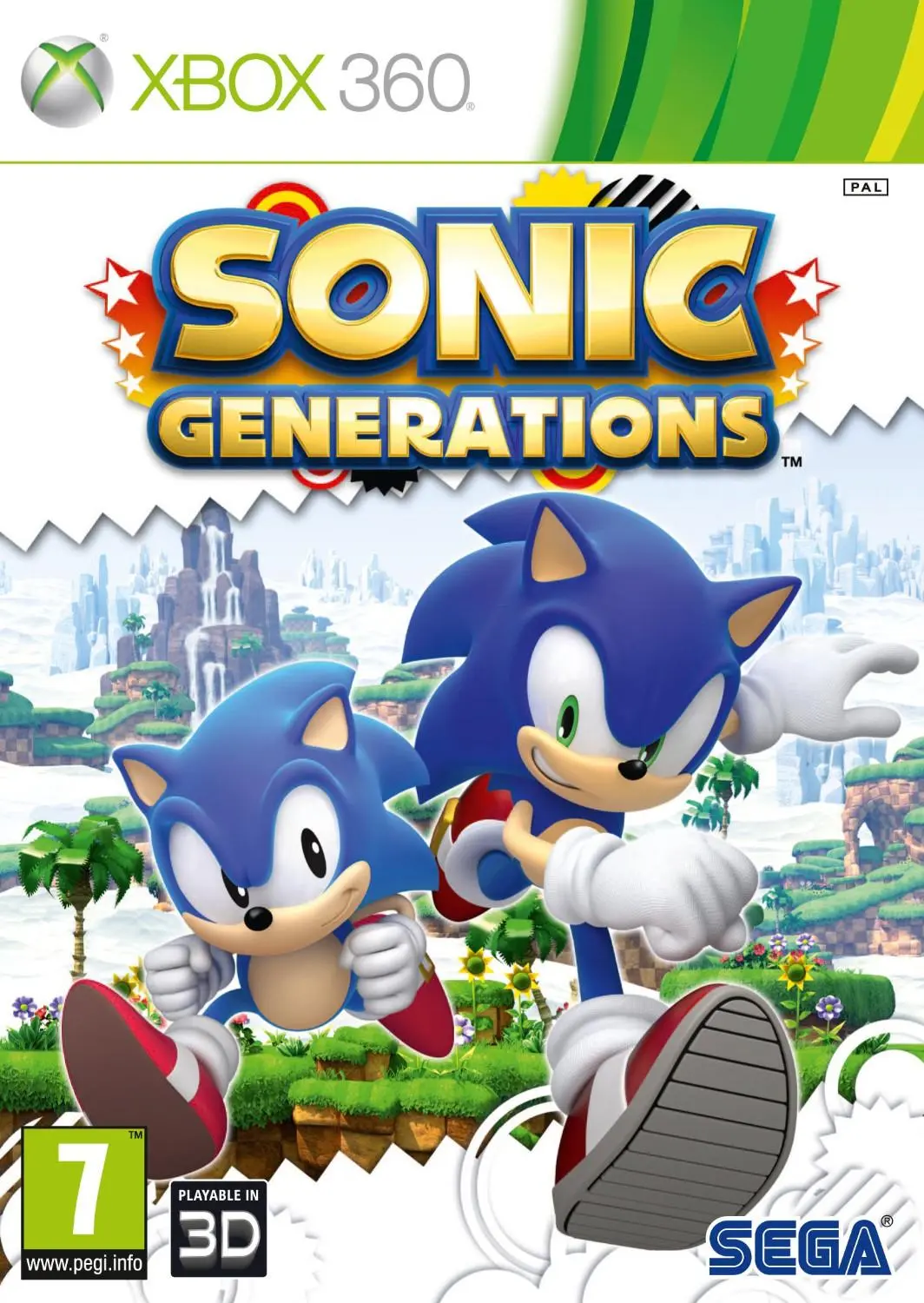
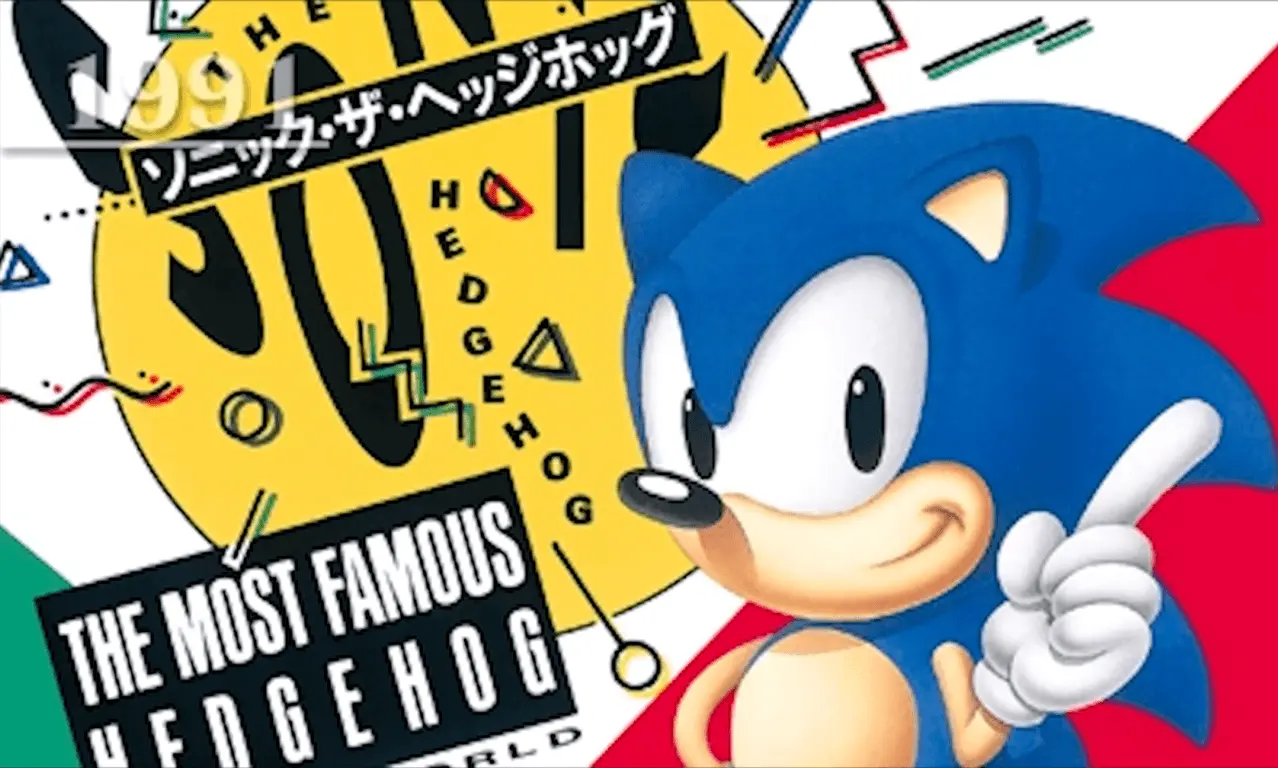
Key art.Image via Sonic Retro
North America had the PlayStation 3 and Xbox 360 versions first, on 1 November 2011; Australia followed on 3 November, Europe on 4 November and Japan on 1 December. Windows players waited until 3 November in North America and 25 November in Europe and Australia, and the 3DS game reached North America on 22 November and Europe on 25 November.
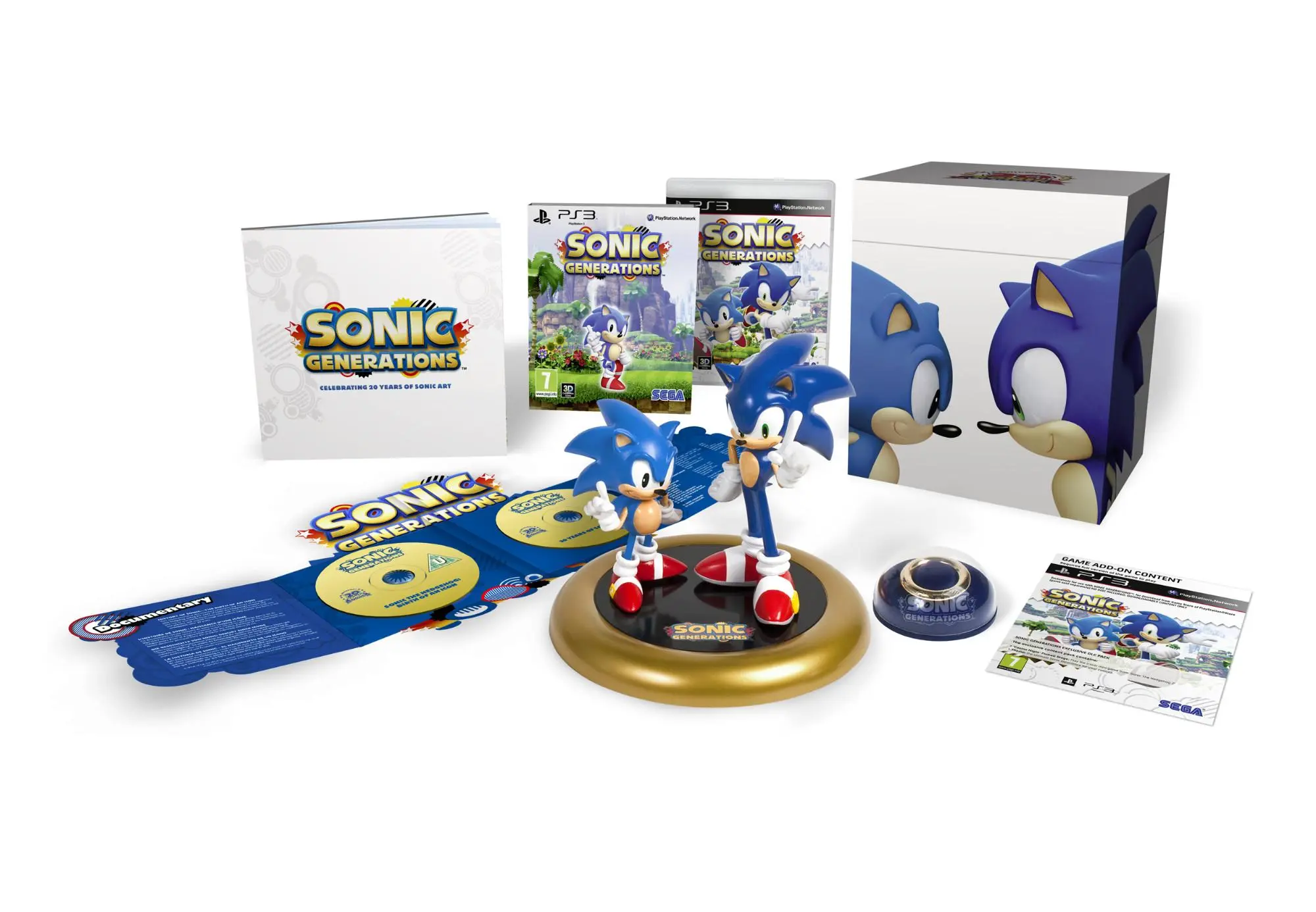
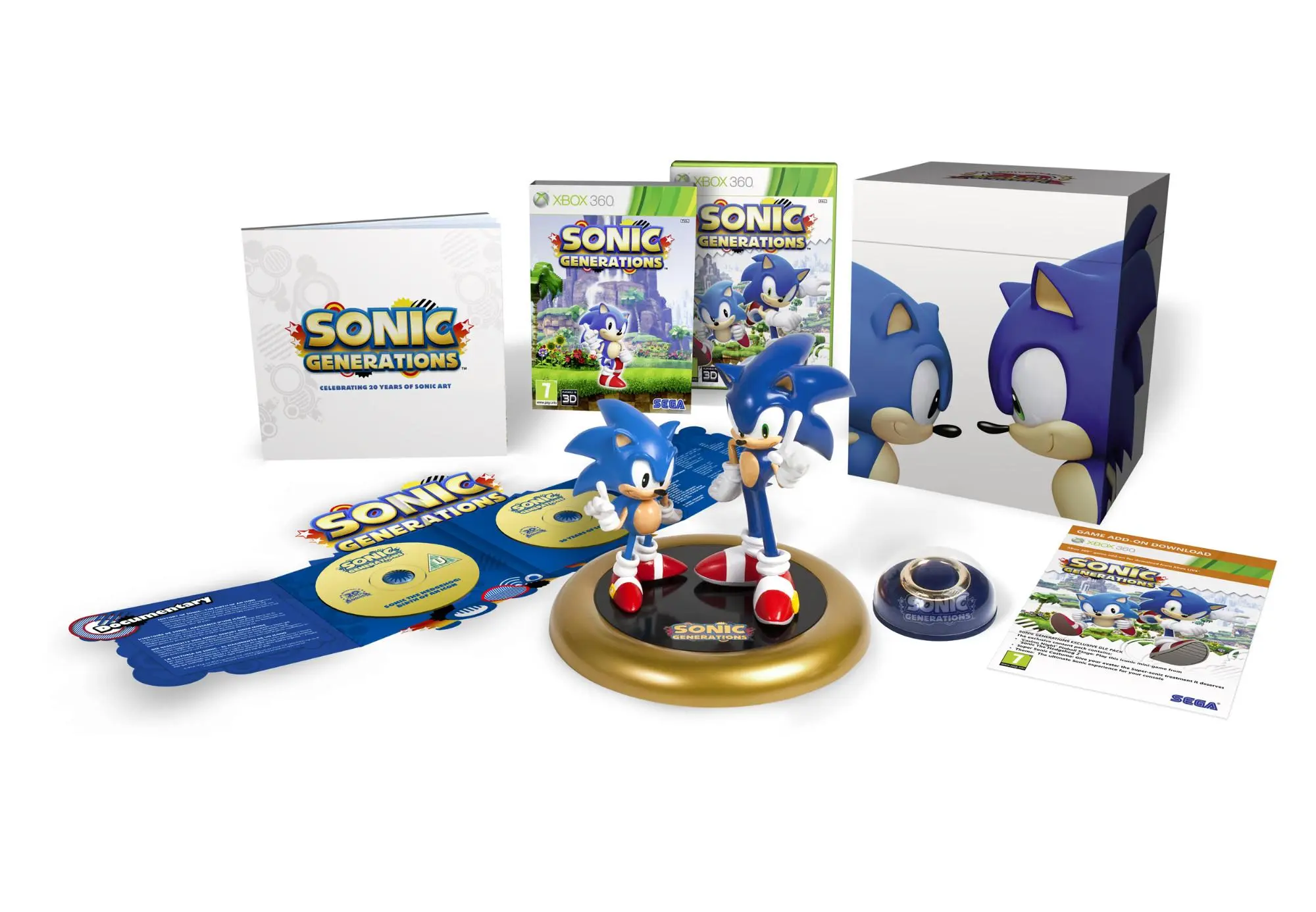
The European and Australian Collector’s Edition was a lenticular steelbook holding an art book, a documentary disc on Sonic’s history and the 20 Years of Sonic Music CD, plus a serial-numbered gold ring and a statue of the two Sonics.
Firsts: what this game introduced
For an anniversary game built on the past, Generations introduced some lasting new ideas.
1Classic SonicThe first appearance of Classic Sonic as a character in his own right, alongside the modern Sonic. He went on to appear in Sonic Dash, Sonic Runners and Sonic Forces.
2Two SonicsThe European box billed it as the first time two Sonics shared one game; that is Sega’s marketing line rather than a checked record.
3The Time EaterThe debut of the game’s only brand-new character.
4Classic Eggman and Classic TailsThe younger Eggman and Tails appeared as new forms of familiar characters, separate from their modern selves.
Cheats & secrets
Our original page had no secrets section, so this one is new. Generations has no cheat codes; its unlockables are earned.
Red Star Rings
Every act hides five Red Star Rings. They unlock concept art and music, and collecting all five in an act unlocks a new skill.
The Skill Shop
Extra skills for each Sonic can be bought in the Skill Shop and equipped to customise how they play.
Super Sonic
Once the console game is finished, both Sonics can turn Super in normal stages after grabbing 50 rings, becoming invincible and much faster until their rings run out.
Collection Room
The Collection Room shows off the unlocked concept art, cutscenes and character profiles, and any unlocked track can be set to play in any stage, mission or boss.
The original Sonic
The PlayStation 3 and Xbox 360 versions hide an unlockable emulation of the 1991 Sonic the Hedgehog, ported by Backbone Entertainment.
Online challenges
Ranking Attack compares best times and scores online, and 30 Second Trial tests how far you can get through a stage in half a minute.
Glitches, exploits and oddities
Reviewers noticed occasional frame-rate drops and laggy controls, but Generations is best known today for what players have done to it.
The modding scene
On Windows, Generations turned into a modder’s playground, with new characters, stages and mechanics. Mario has taken Sonic’s place more than once, in Super Mario Generations and SM64 Generations; other favourites add a first-person camera, keep Sonic super all the way through (Super Sonic Generations), or, in the Unleashed Project, rebuild the stages of Sonic Unleashed.
Delisted, but not gone
When Sega removed the standalone game from Steam and the Xbox Store on 9 September 2024, ahead of Sonic X Shadow Generations, it stayed available in multi-game bundles and existing mods kept working.
Faster on new hardware
In November 2021 the Xbox 360 version was patched to run in 4K and at a higher frame rate on Xbox Series X|S.
Videos & media
Sega Europe’s E3 2011 trailer and a complete playthrough of the PC version.
The E3 2011 trailer, from Sega Europe’s channel.
A full playthrough of the PC version from World of Longplays.
Trivia & facts
The party.Sonic’s birthday present is a gift-wrapped chili dog, and after the Time Eater is beaten time rewinds so he can finish it while it is still warm.
In Chemical Plant, Tails admits that the sight of the Mega Mack makes him nervous.
Sky Sanctuary.The first demo was released on 23 June 2011, exactly twenty years after the original Sonic the Hedgehog.
At the end Classic Sonic tries to copy his future self’s air boost, and Modern Sonic sends him home with a wish to enjoy his future.
In 2017 GamesRadar ranked Generations the seventh best Sonic game and USgamer the tenth.
The comic strip.Image via Sonic RetroA promotional comic strip was drawn to celebrate the game.
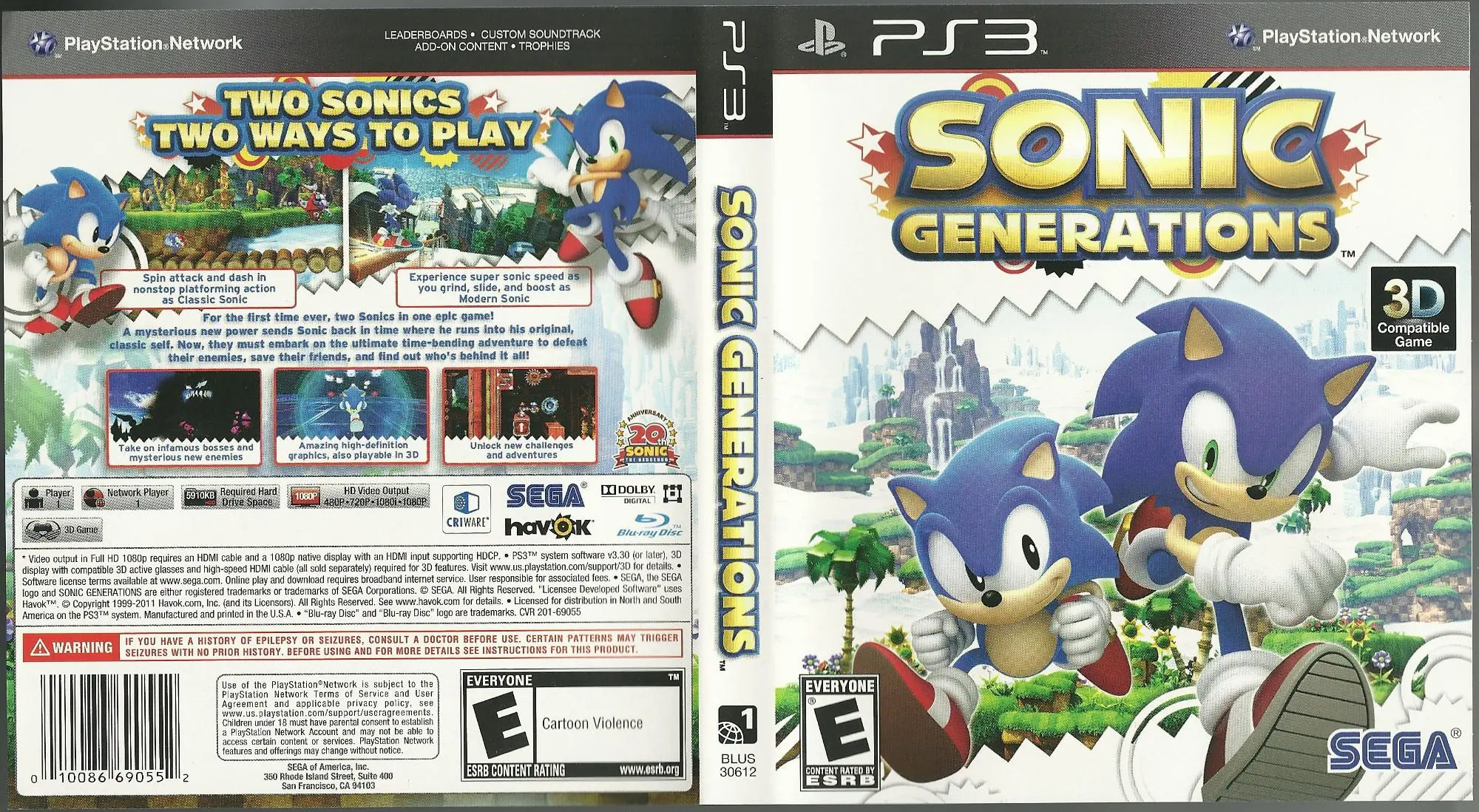
Media & artwork
Box art, artwork, concept art and screenshots from Sonic Scene’s own galleries and Sonic Retro. Select any image to view it larger.
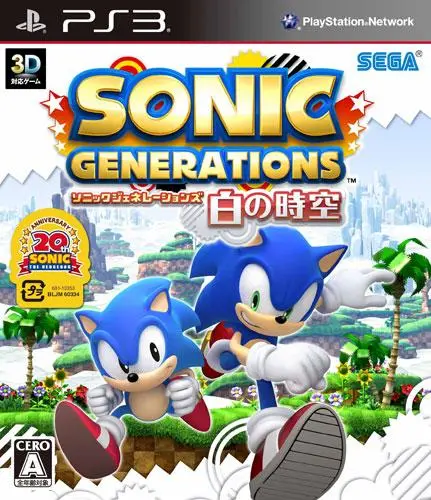
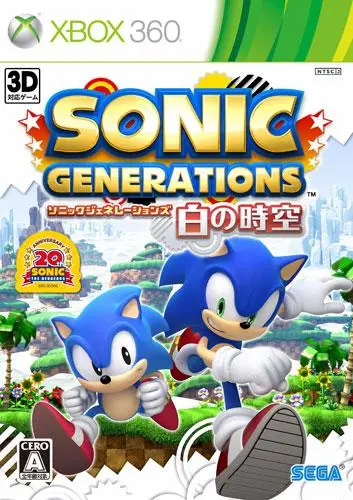
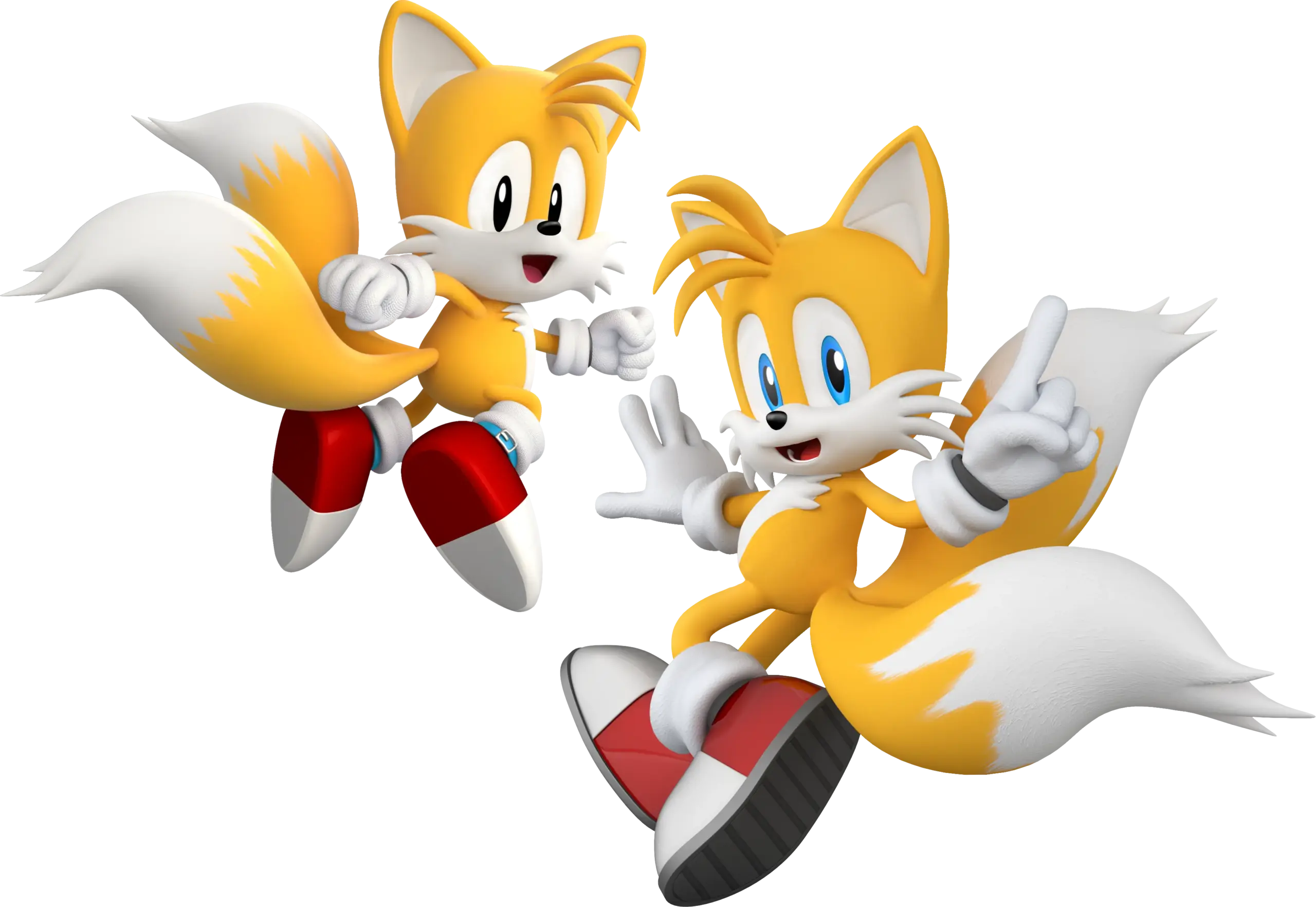
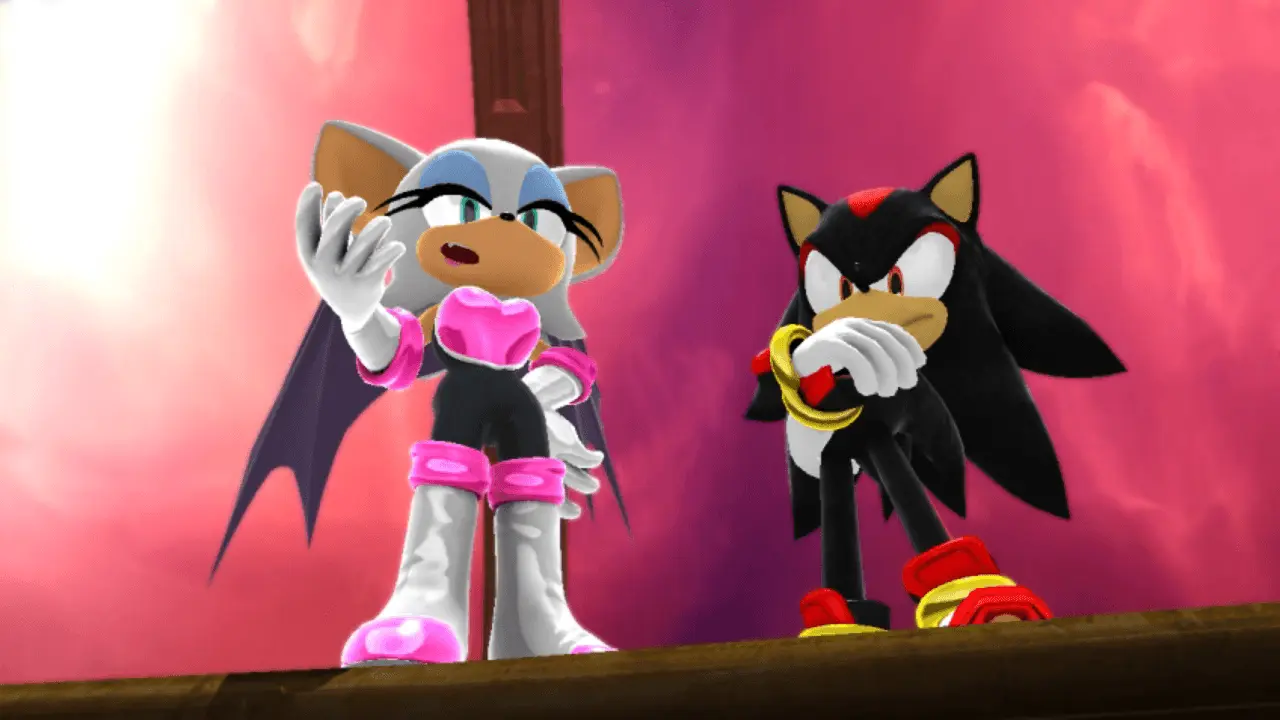
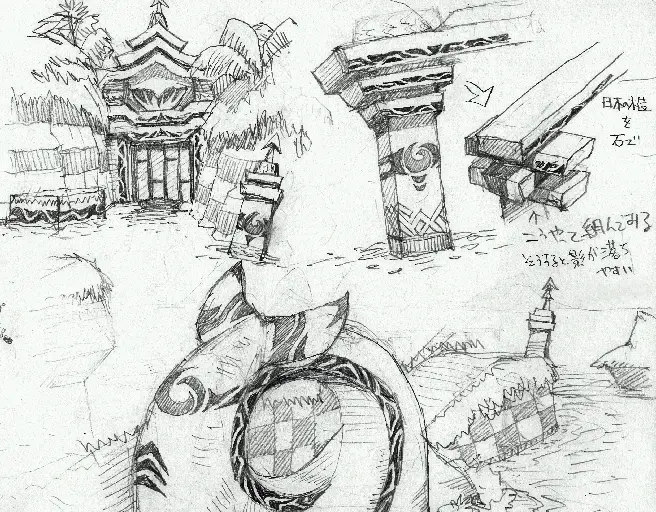
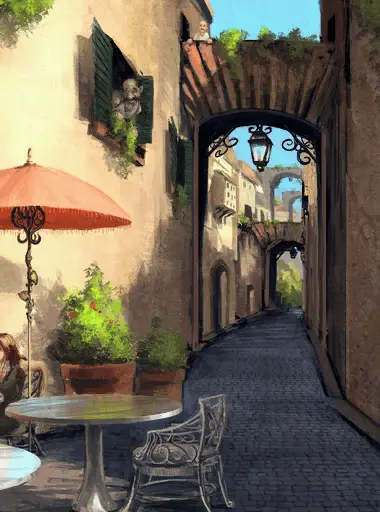
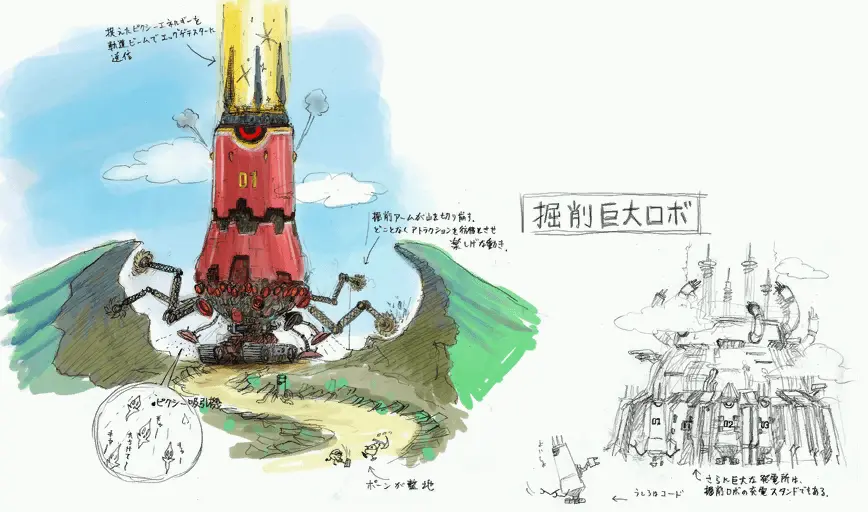
European Xbox 360 box, front and back.PlayStation 3 box.European Xbox 360 box.Japanese PlayStation 3 box.Japanese Xbox 360 box.Collector’s Edition (PS3).Collector’s Edition (Xbox 360).PC box.Australian PlayStation 3 box.Logo.Two Sonics.The two Tails.The Collector’s Edition.The opening.Shadow and Rouge.Classic Sonic in Speed Highway.Classic Sonic in Rooftop Run.Classic Sonic in Seaside Hill.Mushroom Hill (3DS).Emerald Coast (3DS).Radical Highway (3DS).Tropical Resort (3DS).The Time Eater on 3DS.Bonus art from the 3DS version.Seaside Hill concept art.Rooftop Run concept art.Planet Wisp concept art.Stardust Speedway concept art.Death Egg Robot concept art.Perfect Chaos concept art.
Generations brought Classic Sonic back for good: he appeared in Sonic Dash and Sonic Runners and shared the lead with his modern self again in Sonic Forces, which used an updated version of the same engine. The game also remained a steady seller for years.
Releases and re-releases
Leaked as Sonic AnniversaryAugust 2009 – Accidental press release.
Revealed7 April 2011 – Facebook teaser.
Classic Green Hill demo23 June 2011 – Sonic’s 20th birthday.
PS3 and Xbox 360 (North America, Europe)1 and 4 November 2011 – Collector’s Edition in Europe and Australia.
Windows and 3DSNovember 2011 – Windows 3 November (NA); 3DS 22 November (NA).
Japan1 December 2011 – All three consoles.
Casino Night pinball DLC (Steam)26 December 2011 – A pre-order bonus on consoles.
Blue Blur soundtrack11 January 2012 – Three discs, 90 tracks.
Games on Demand (Xbox 360)17 October 2012 – US$29.99.
Xbox One backward compatibility10 April 2018 – Later extended to Xbox Series X|S.
Sonic X Shadow Generations25 October 2024 – Remaster with Shadow Generations; Switch 2 launch title on 5 June 2025.
Sonic X Shadow Generations
Sega announced the remaster during a PlayStation State of Play on 31 January 2024. Alongside Shadow Generations, a new side story set at the same time, the updated Generations adds the Casino Night pinball table, hidden Chao to find in each stage and the Drop Dash from Sonic Mania, with an updated script recorded afresh. It came out on 25 October 2024 for Windows, Switch, Xbox One, Xbox Series X|S, PlayStation 4 and PlayStation 5.
Sales & reviews
Sales
Generations sold 1.63 million copies across all formats by the end of 2011 and 1.85 million by 31 March 2012, according to Sega’s results, and Wikipedia notes it went on selling strongly for years.
1.85mCopies sold by March 2012 (Sega)
77Metacritic, Xbox 360 and PC
76Metacritic, PlayStation 3
66Metacritic, Nintendo 3DS
Reception and review scores
Scores from Wikipedia’s cited review table and Sega Retro’s magazine index, converted to percentages. Metacritic rated the console and PC versions “generally favorable” and the 3DS game “mixed or average”.
FamitsuJapan (35/40)
88%
IGNUS · console and PC (8.5/10)
85%
GameSpotUS (8/10)
80%
GamesRadarconsole and PC (4/5)
80%
Nintendo World Report3DS (7.5/10)
75%
EurogamerUK (7/10)
70%
IGNUS · 3DS (7/10)
70%
GamesRadar3DS (3.5/5)
70%
Reviewers were won over by how the old stages looked and sounded: GameSpot thought the graphics were arguably the best the series had seen, and IGN enjoyed the remixed music. The level design and replay value drew praise, with GamesRadar singling out Chemical Plant as getting better every time, 1UP enjoying the freedom to pick stages, and Famitsu comparing the speed to a racing game. Eurogamer called it a worthy tribute, though it still preferred Sonic Colours, and GameSpot concluded that it did not skimp on speed or fun.
The complaints were small but familiar: occasional frame-rate dips and stretches on rails for 1UP, laggy controls for Eurogamer, thin boss fights and no special stages for IGN, and a weak story for Empire. The 3DS game was another matter. Reviewers found it short, unambitious and too similar between its two Sonics, IGN put it bluntly: “for the first time in a decade, the handheld Sonic is not the best”, and several thought it fell below Dimps’ earlier handheld games.
Honours
IGN · 2011Editor’s ChoiceFor the console and PC game.
GameZoneBest PresentationListed in Wikipedia’s review table.
Reader reviews
No reader reviews yet. Played it? Give it a score out of 10 and tell other fans what you think.
Every fact on this page was checked against the sources below. Sonic Retro and Sega Retro pages were read through Wayback Machine copies from 2025 and 2026 that show the real article, because both live sites show a bot check. Review scores come from Wikipedia’s cited review table and Sega Retro’s magazine index. Our original article was an infobox only; its facts are kept in the info table.
To provide the best experiences, we use technologies like cookies to store and/or access device information. Consenting to these technologies will allow us to process data such as browsing behavior or unique IDs on this site. Not consenting or withdrawing consent, may adversely affect certain features and functions.
Functional
Always active
The technical storage or access is strictly necessary for the legitimate purpose of enabling the use of a specific service explicitly requested by the subscriber or user, or for the sole purpose of carrying out the transmission of a communication over an electronic communications network.
Preferences
The technical storage or access is necessary for the legitimate purpose of storing preferences that are not requested by the subscriber or user.
Statistics
The technical storage or access that is used exclusively for statistical purposes.The technical storage or access that is used exclusively for anonymous statistical purposes. Without a subpoena, voluntary compliance on the part of your Internet Service Provider, or additional records from a third party, information stored or retrieved for this purpose alone cannot usually be used to identify you.
Marketing
The technical storage or access is required to create user profiles to send advertising, or to track the user on a website or across several websites for similar marketing purposes.

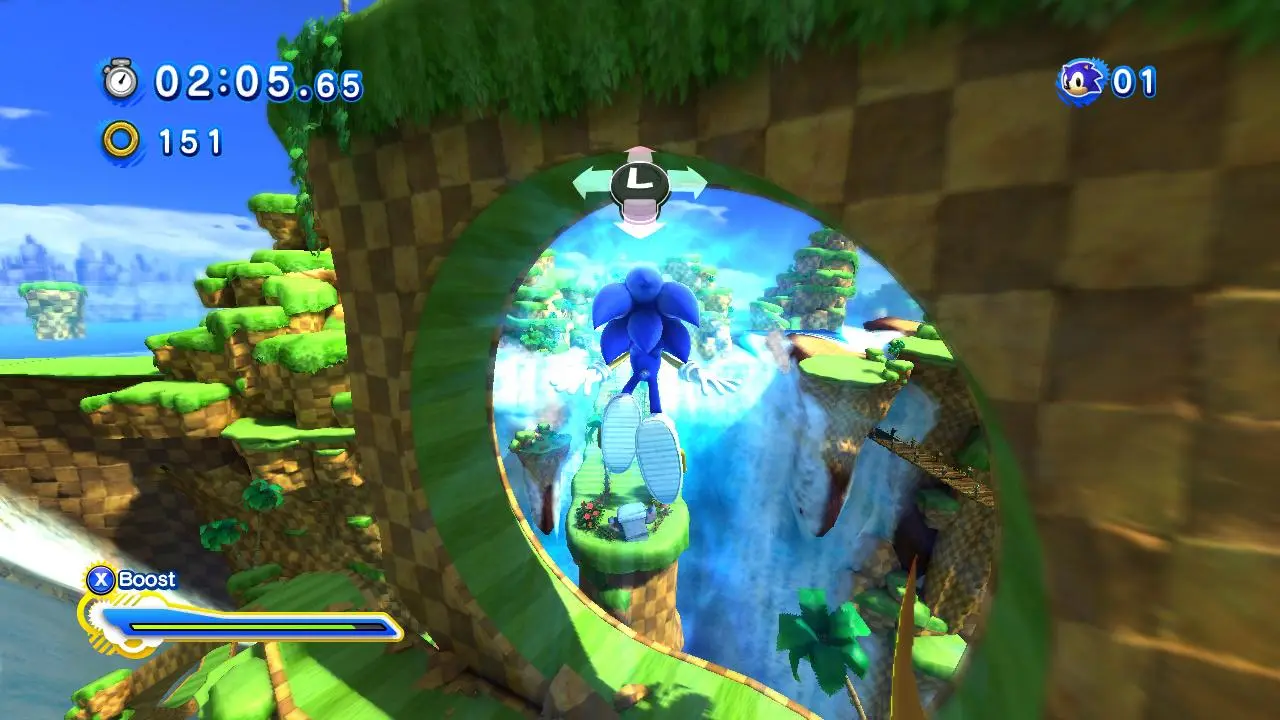
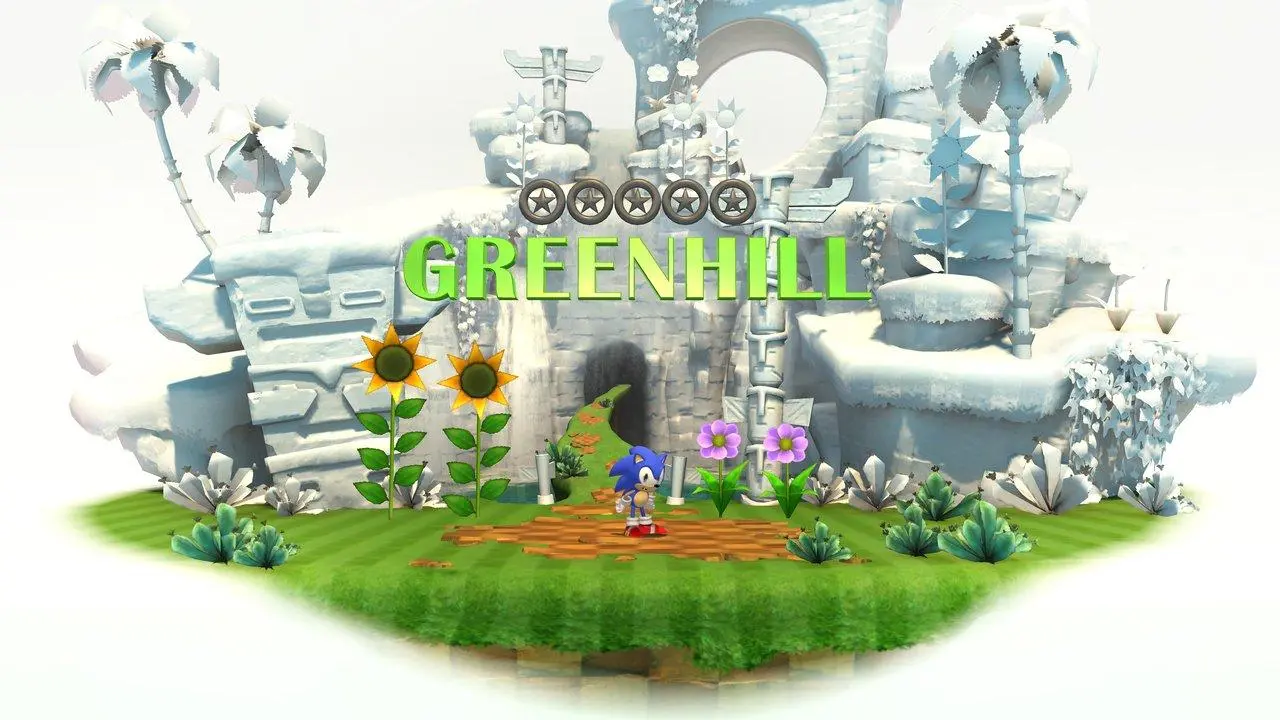
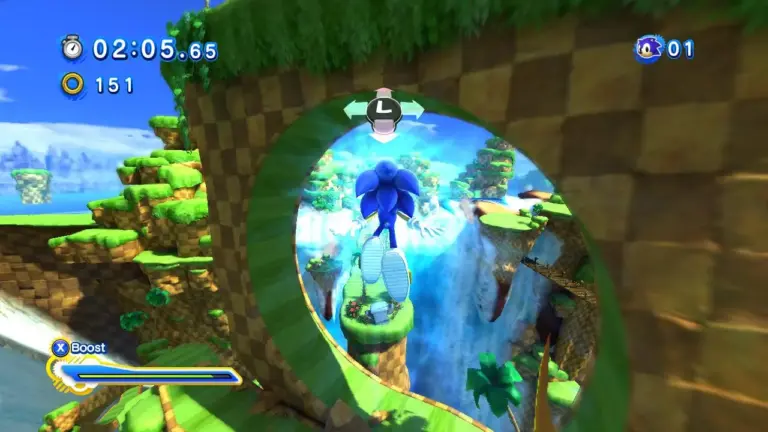 Green HillClassic era · from Sonic the Hedgehog (1991)Where it all began, now with caves beneath the checkerboard hills and a giant loop.
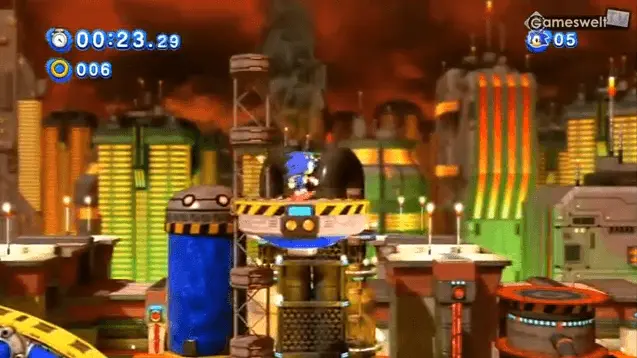 Chemical PlantClassic era · from Sonic the Hedgehog 2 (1992)Pipes, tubes and the infamous rising Mega Mack, which still worries Tails.
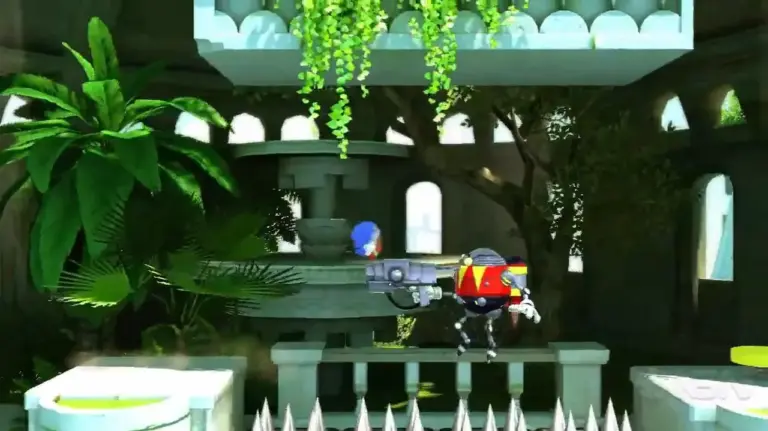 Sky SanctuaryClassic era · from Sonic & Knuckles (1994)Crumbling ruins floating among the clouds.
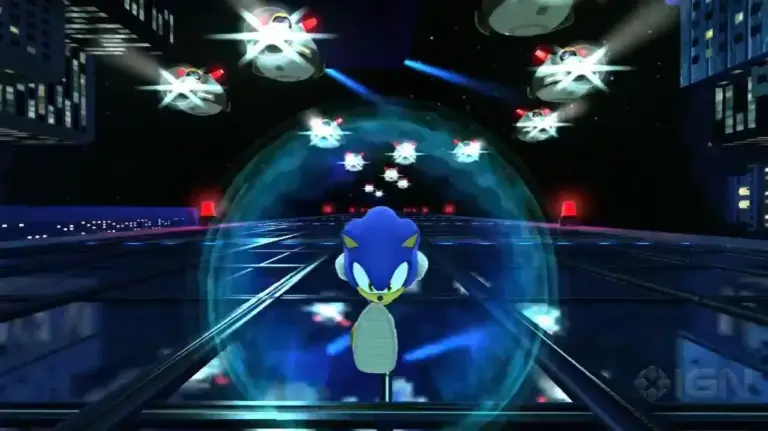 Speed HighwayDreamcast era · from Sonic Adventure (1998)Station Square’s freeways and skyscrapers.
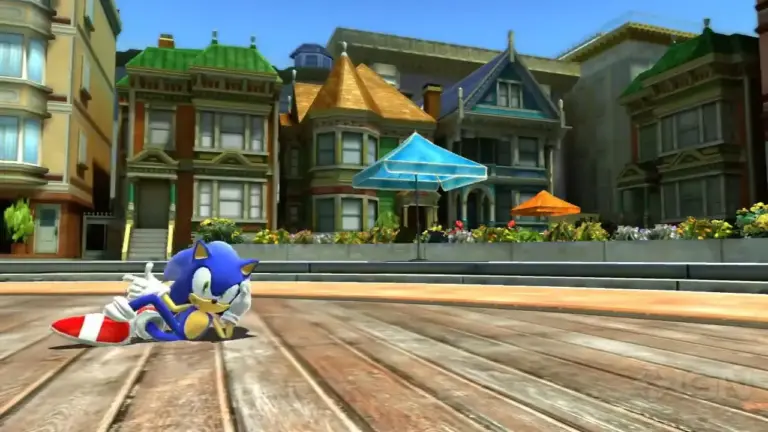 City EscapeDreamcast era · from Sonic Adventure 2 (2001)The famous downhill city run from Sonic Adventure 2. Its posters hide cameos from obscure Sonic characters.
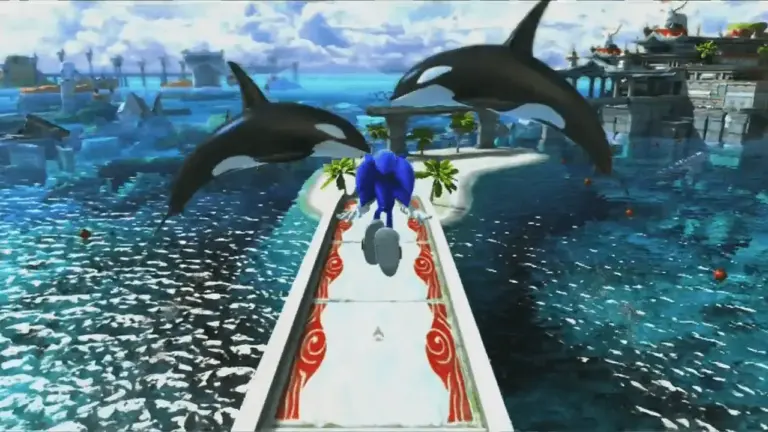 Seaside HillDreamcast era · from Sonic Heroes (2003)Sun, sea and ancient ruins.
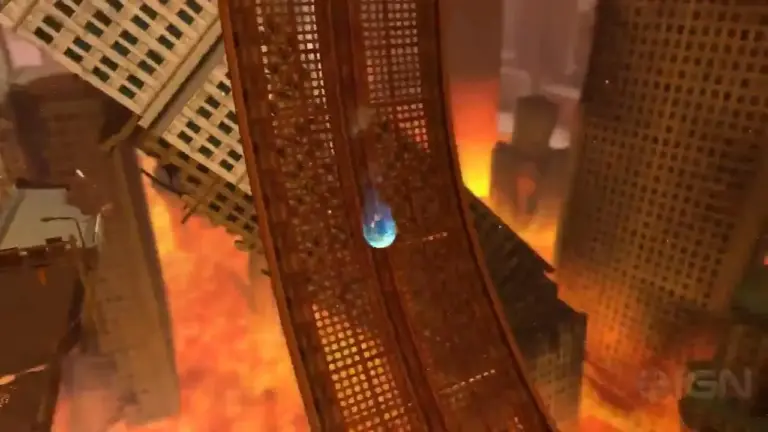 Crisis CityModern era · from Sonic the Hedgehog (2006)Silver’s burning future city, an inclusion some critics questioned.
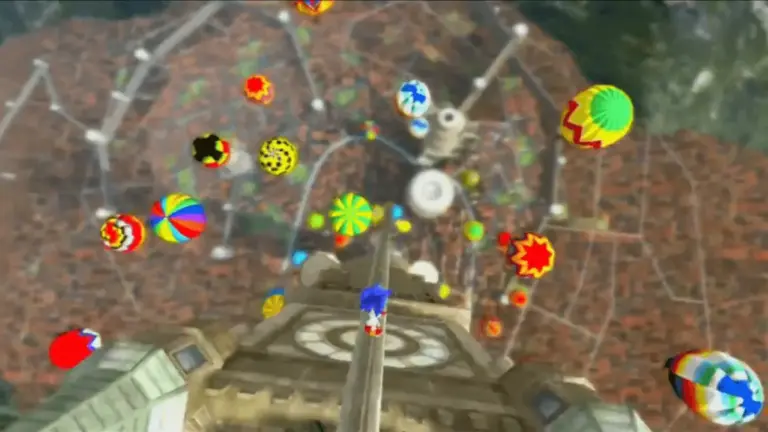 Rooftop RunModern era · from Sonic Unleashed (2008)The rooftops of Spagonia.
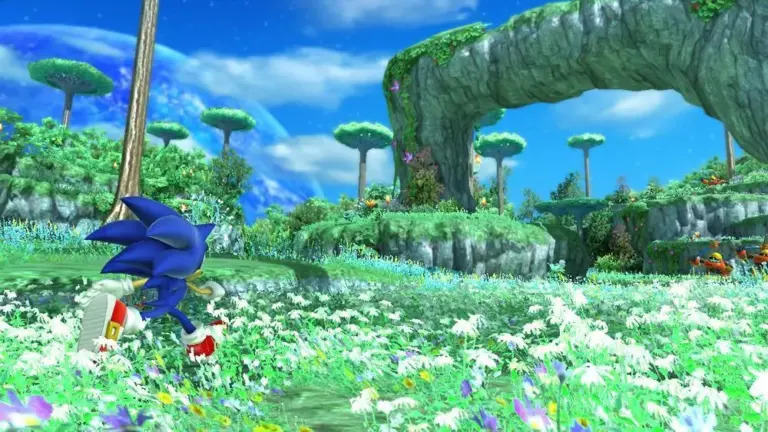 Planet WispModern era · from Sonic Colours (2010)The Wisps’ home world, with the Orange Rocket and other Color Powers.
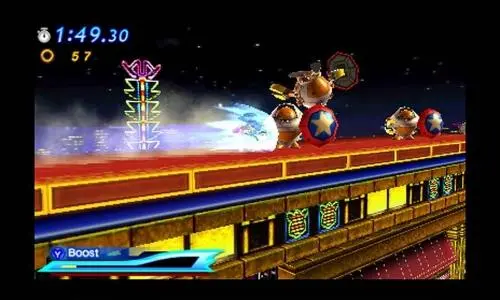 Casino Night pinballDownloadable · from Sonic the Hedgehog 2 (1992)A pinball mini-game, released for the Steam version on 26 December 2011 and a pre-order and Collector’s Edition bonus on consoles. The 3DS game has its own Casino Night stage.
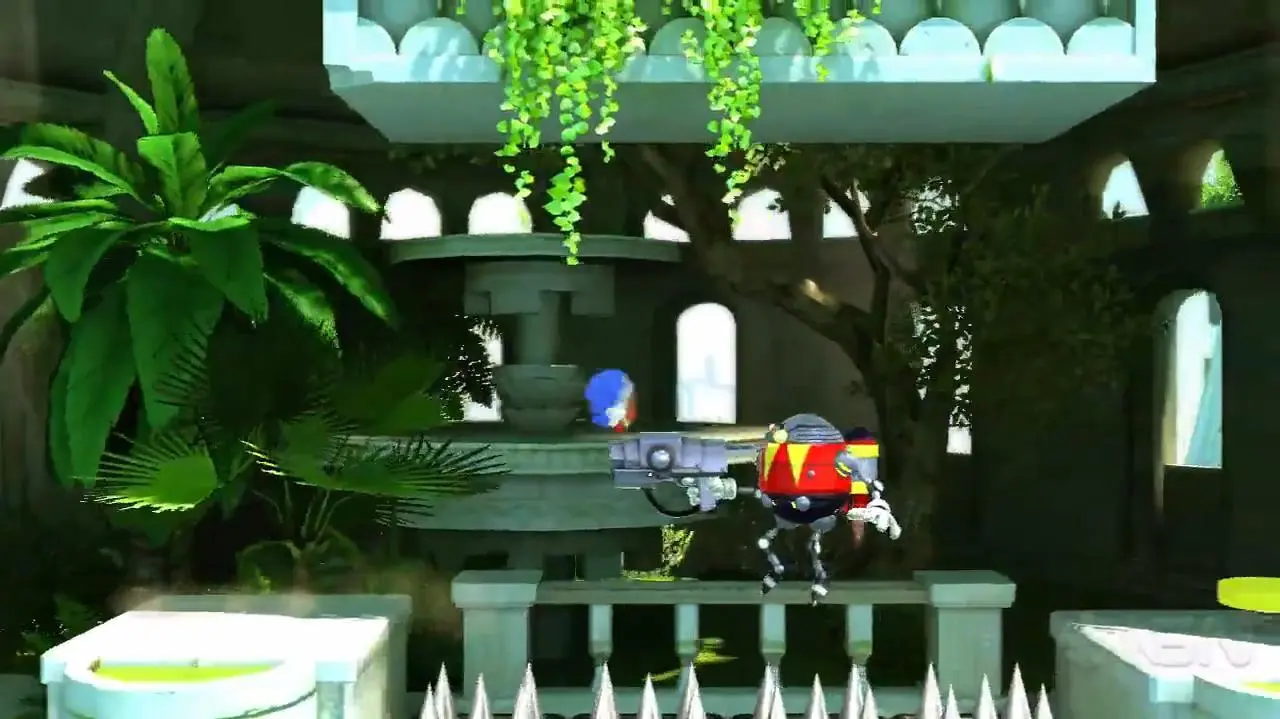
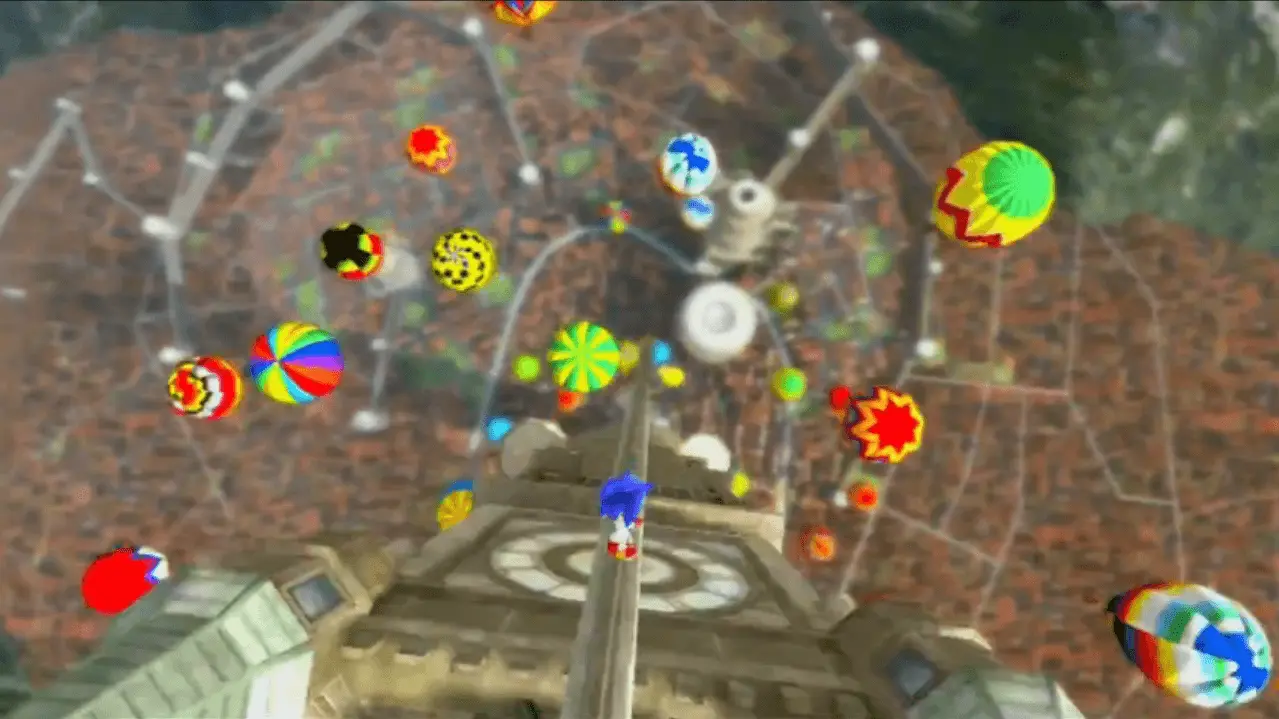
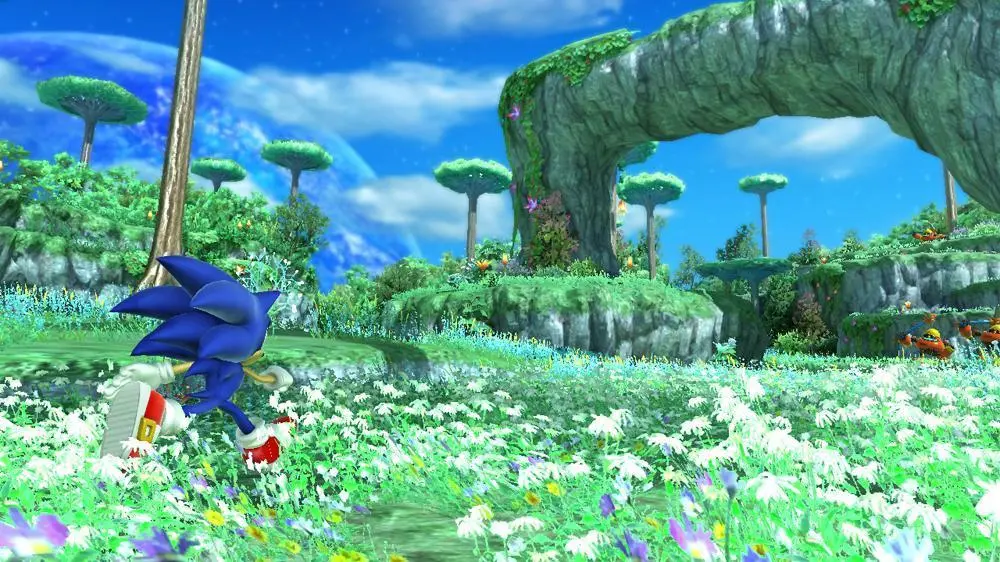
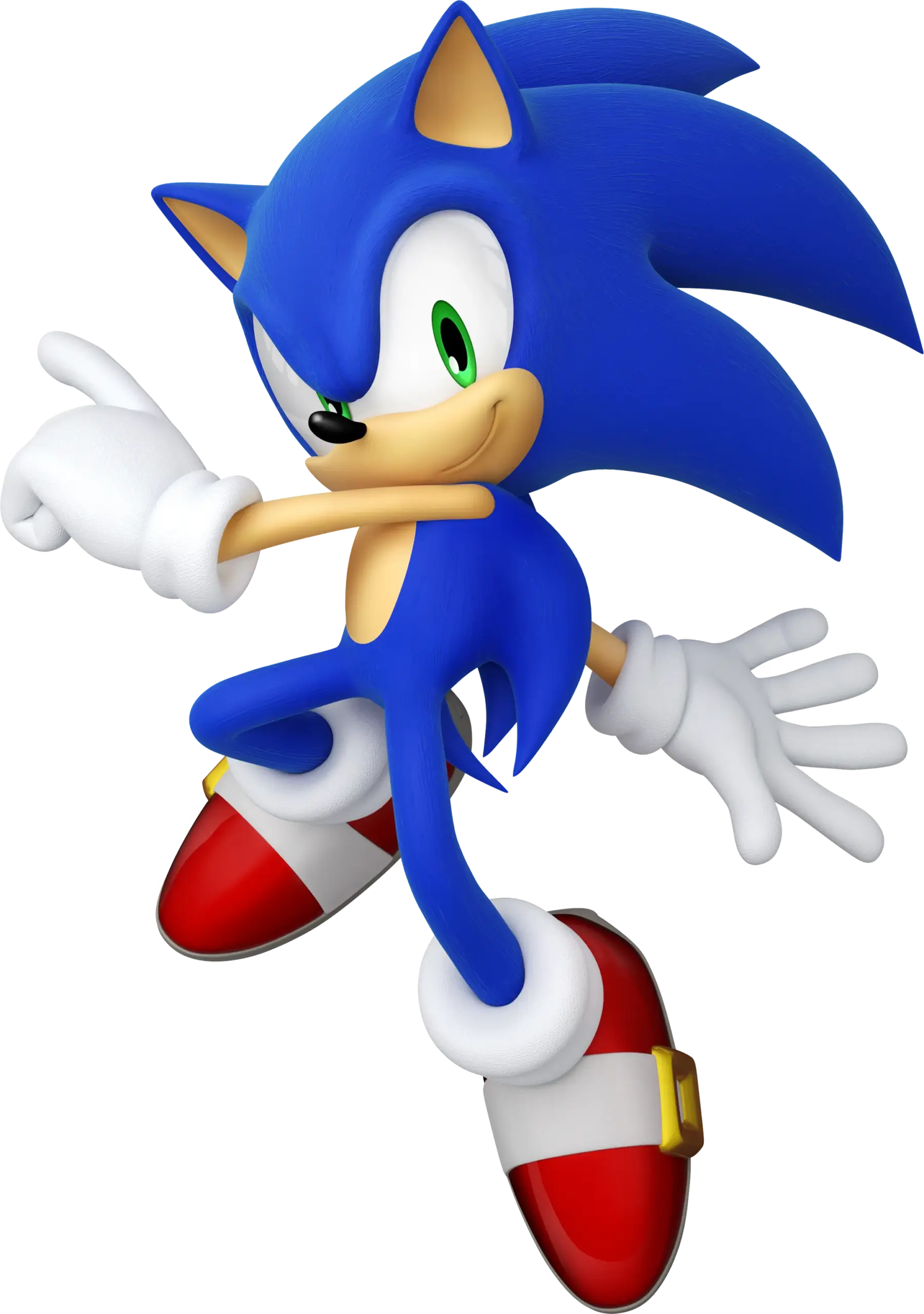 Modern SonicPlayable
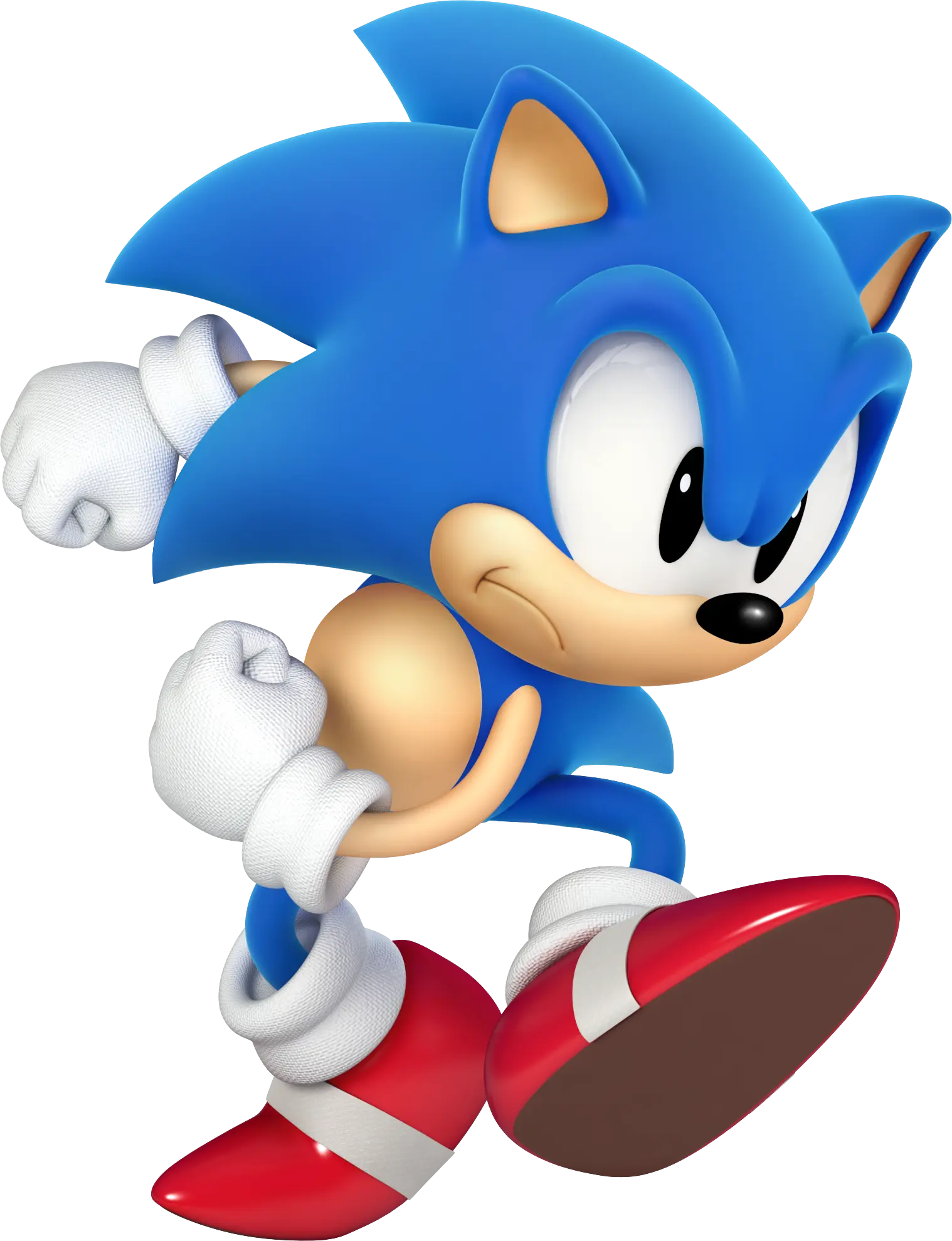 Classic SonicNew form · Playable
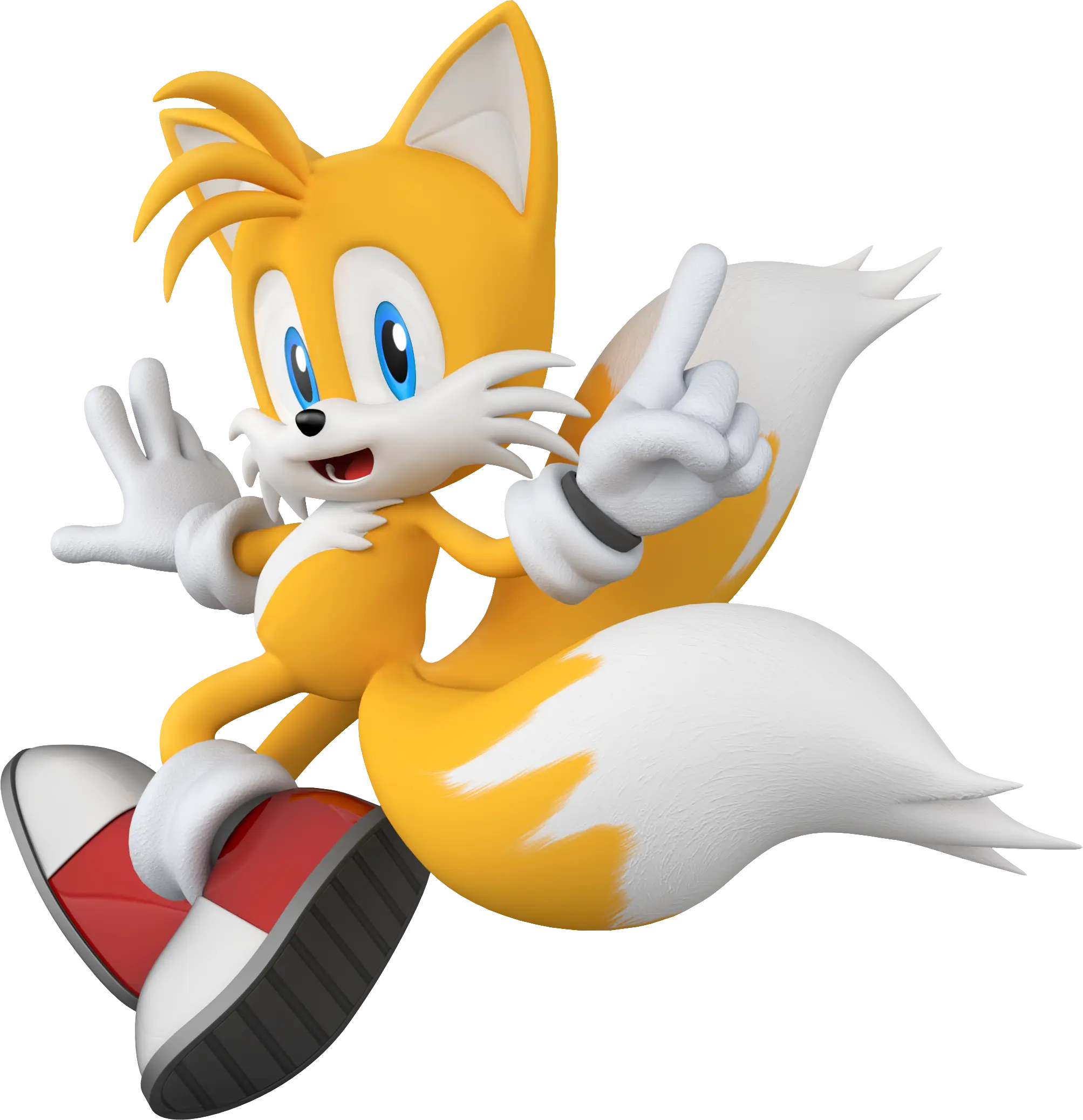 Modern TailsPartner
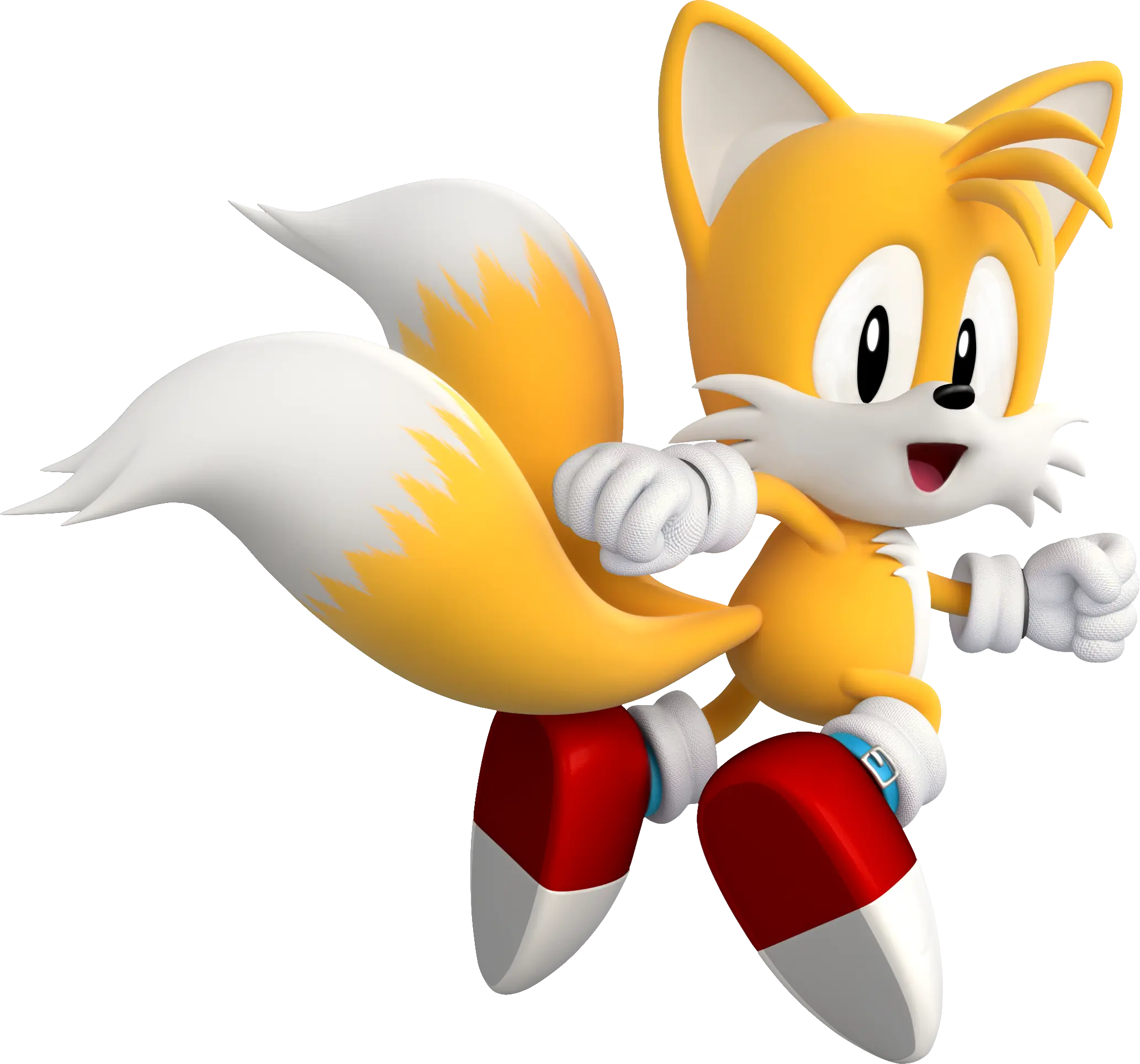 Classic TailsNew form · Partner
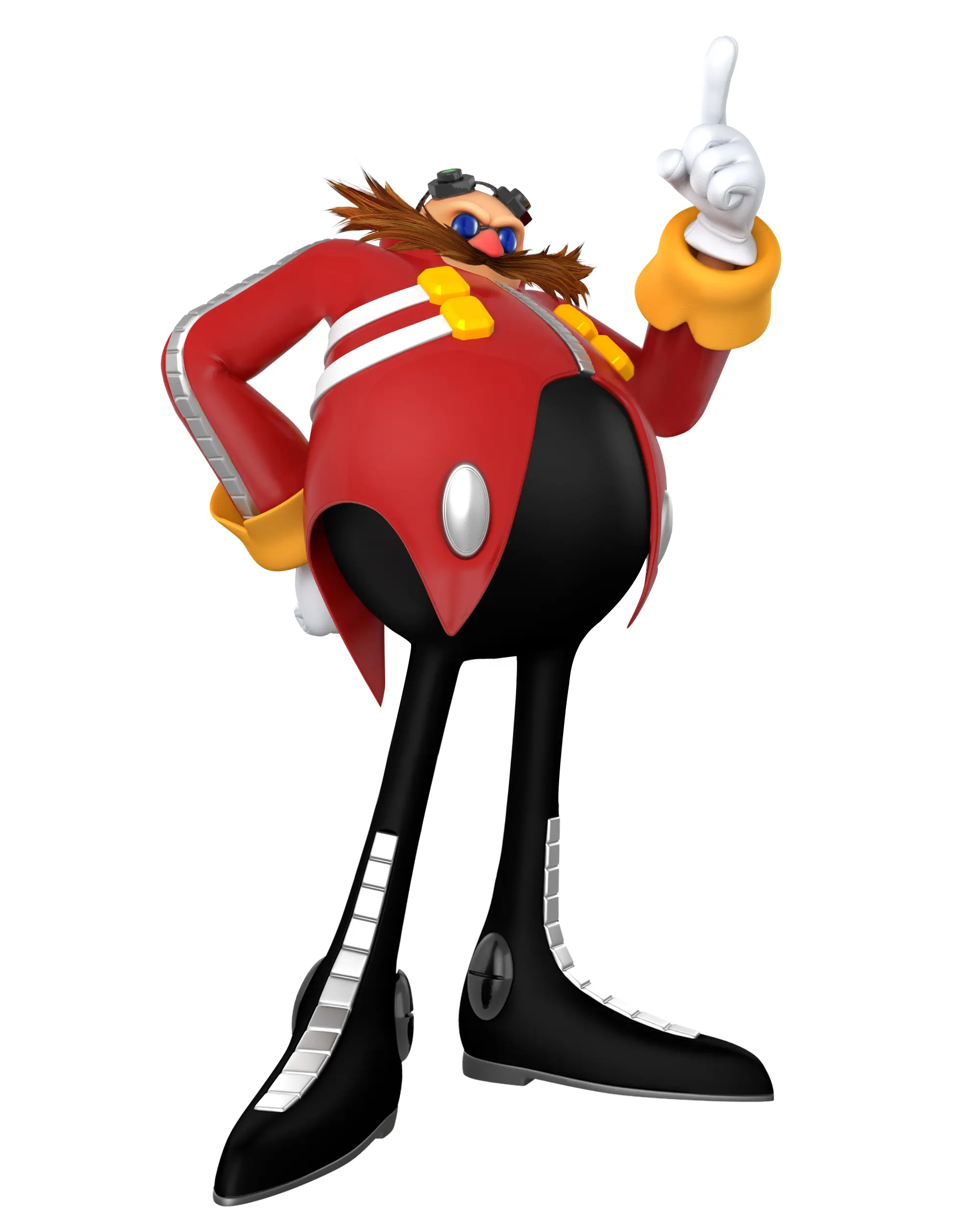 Modern EggmanVillain
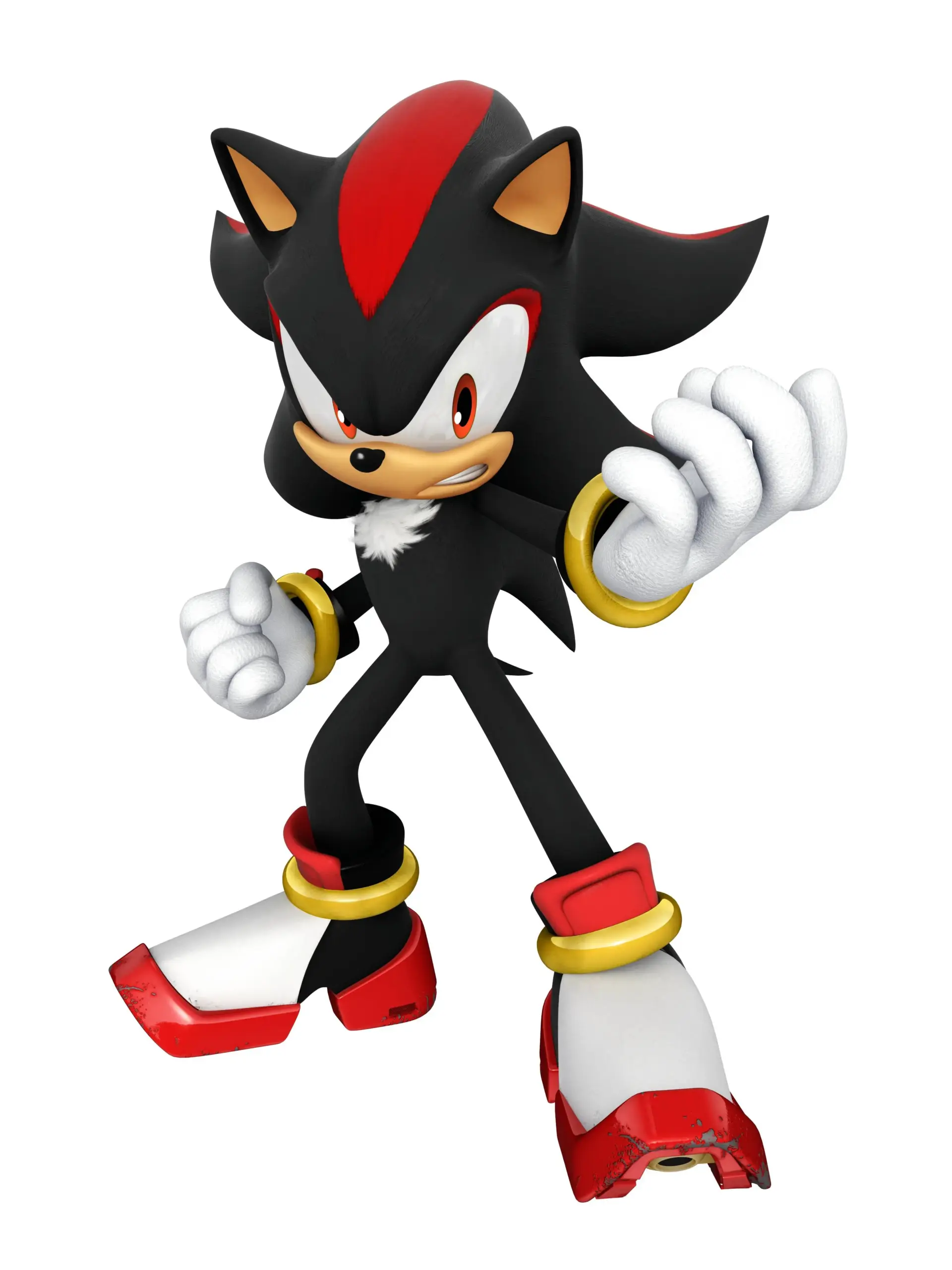 Shadow the HedgehogRival
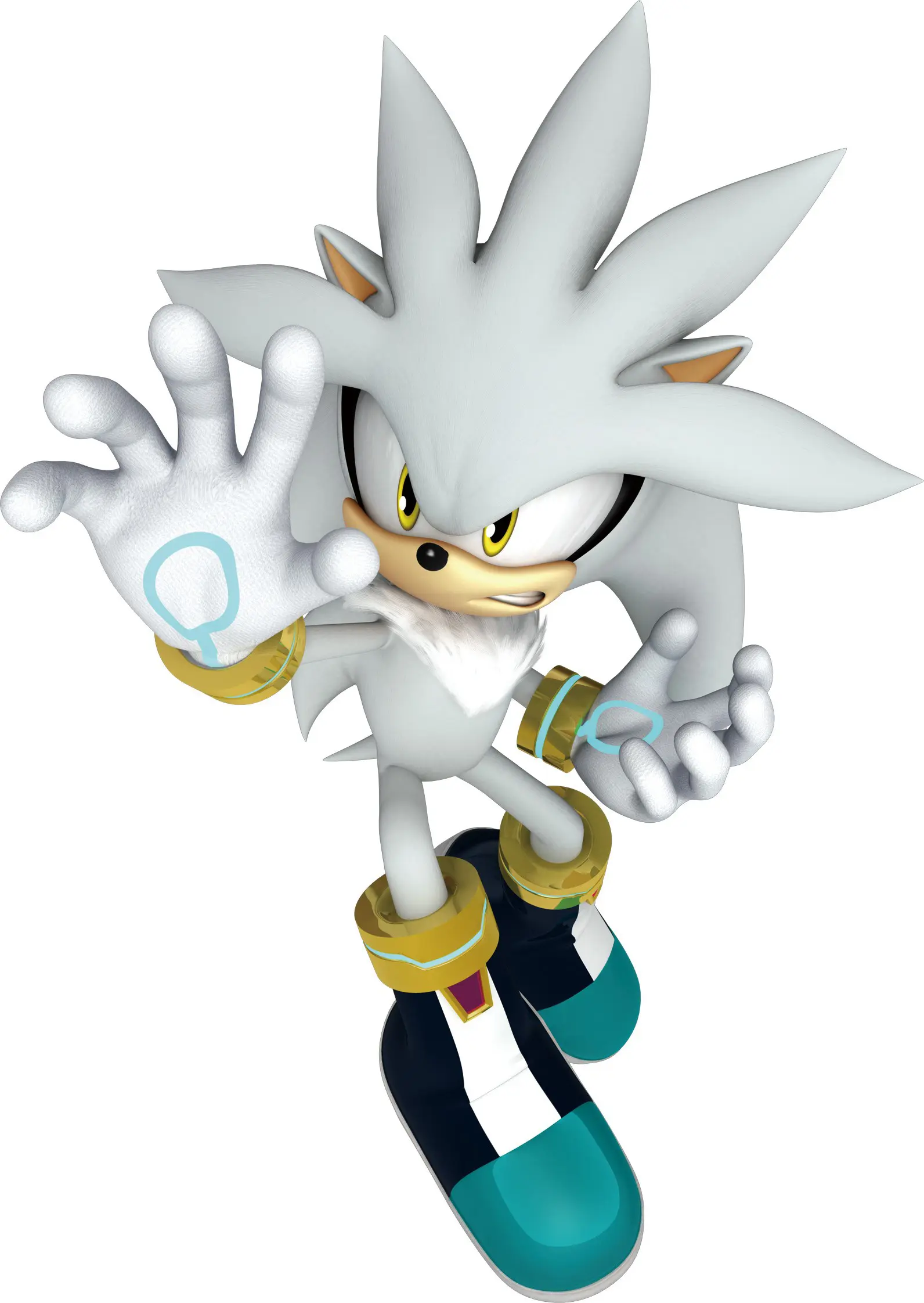 Silver the HedgehogRival
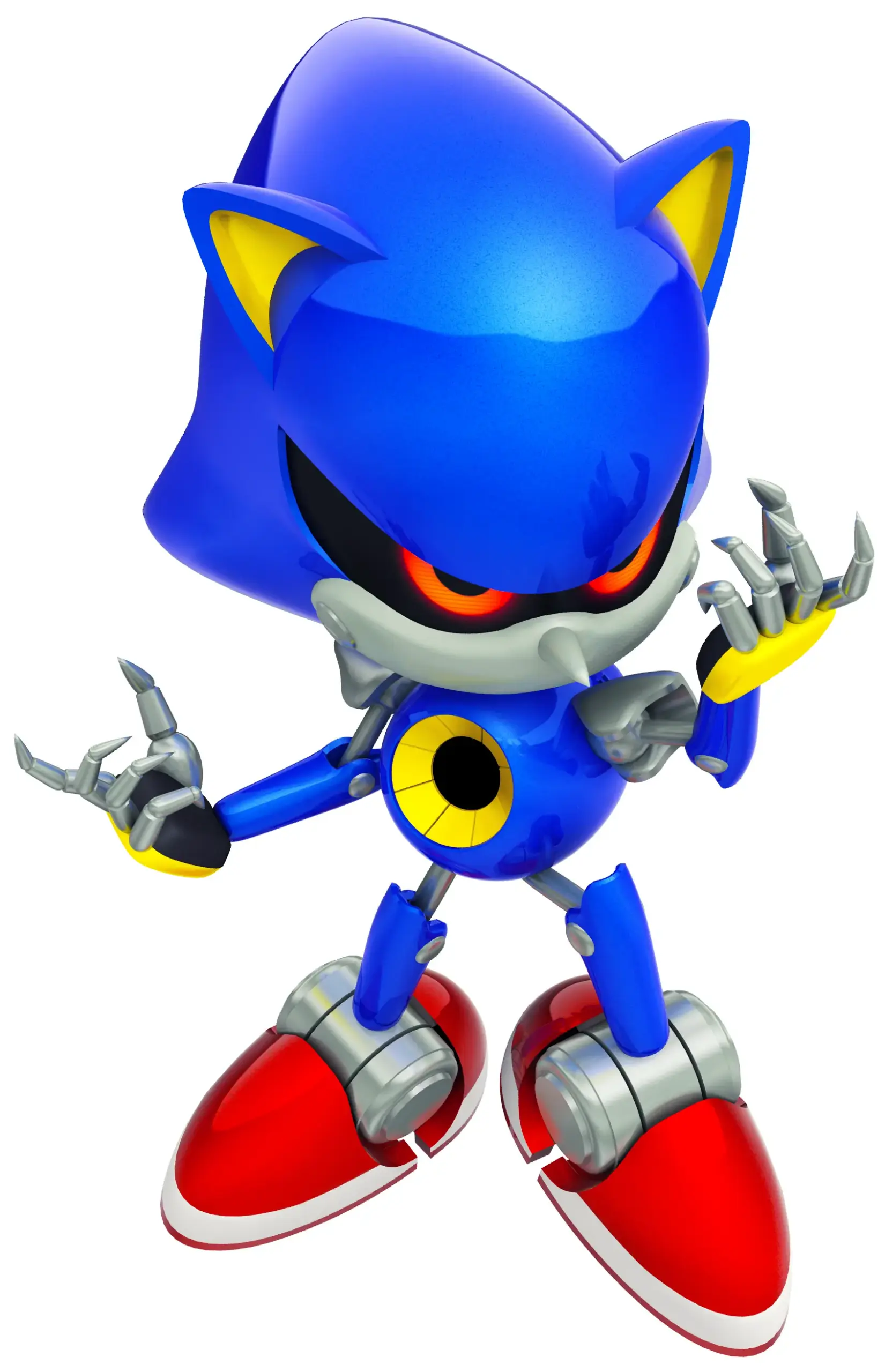 Metal SonicRival
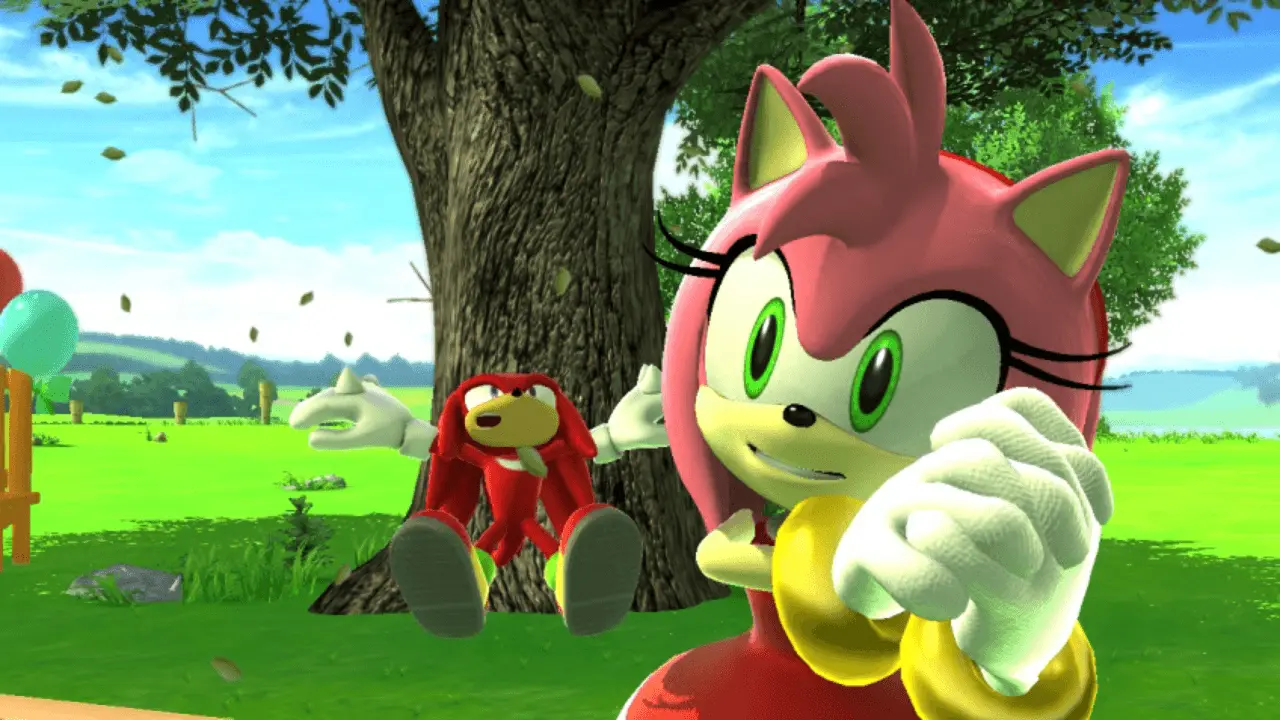 Sonic’s friendsRescued
 Metal SonicClassic era · rivalA race against Eggman’s robot.
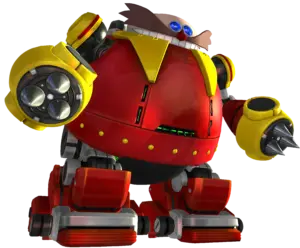 Death Egg RobotClassic era · bossThe giant mech from the end of Sonic 2, fought by Classic Sonic.
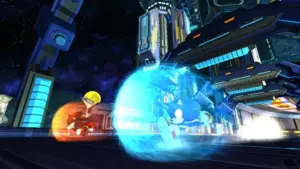 ShadowDreamcast era · rivalA race through space with the Ultimate Life Form.
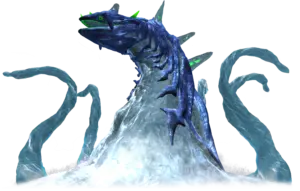 Perfect ChaosDreamcast era · bossThe water god from Sonic Adventure, back in Station Square.
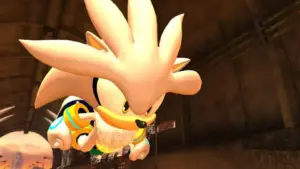 SilverModern era · rivalA rematch with Silver’s psychokinesis.
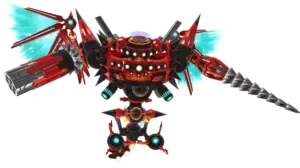 Egg DragoonModern era · bossEggman’s mech from Sonic Unleashed.
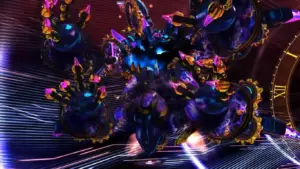 Time EaterFinal bossFought by Super Sonic and Classic Super Sonic together.
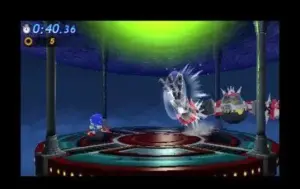 Big Arm3DS versionOne of the bosses in the 3DS version.